The diplomatic deadlock between the US and Iran is undermining investors’ appetite for risk

By JustMarkets 

On Wednesday, the US indices rose. By the end of the day, the Dow Jones Index (US30) increased by 0.69%. The S&P 500 Index (US500) gained 1.05%. The Tech Index NASDAQ (US100) closed higher by 1.64%. The main driver of optimism was President Trump’s decision to extend the ceasefire with Iran indefinitely. Investors chose to ignore reports of localized strikes and vessel seizures, focusing instead on the fact that Washington has de facto removed the threat of immediate escalation that could paralyze global energy markets. A real rally unfolded in the technology sector, where semiconductor stocks posted unprecedented growth for the 16th consecutive session. Amid the AI frenzy, shares of Broadcom, AMD, and Micron surged by 5-8%.

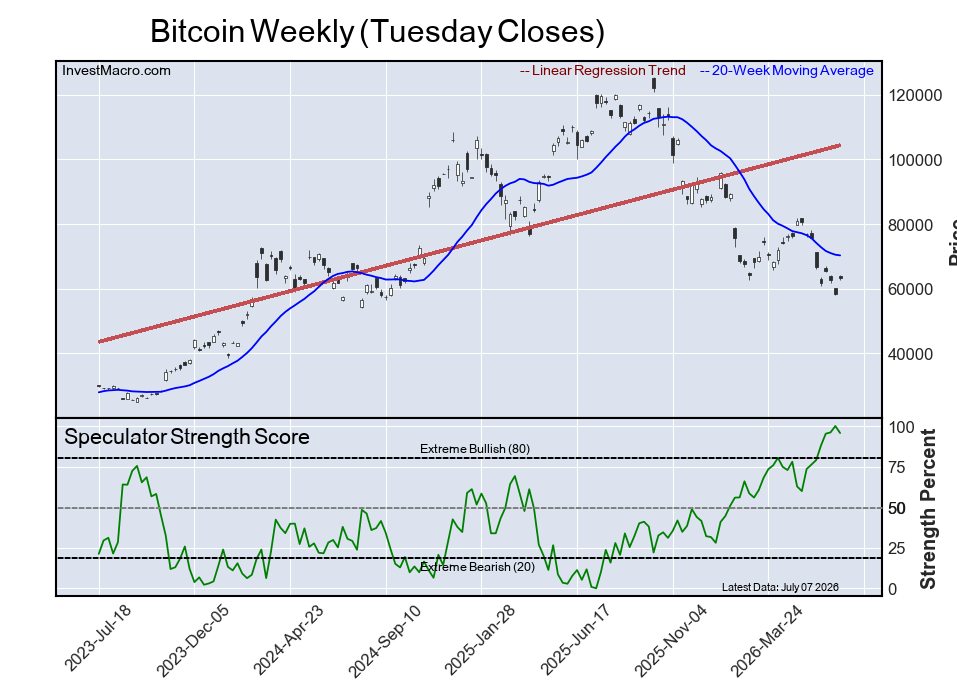
At the end of April 2026, Bitcoin (BTC) surpassed the 78,000‑dollar mark, rising more than 2% and reaching its highest level since early February. Since the start of the conflict, bitcoin has remained resilient, trading 15% above late‑February levels – a stark contrast to many traditional financial instruments during this period of turbulence. The key factor supporting the “digital gold” has been a powerful inflow of institutional capital. Just this week, 13 US spot bitcoin ETFs attracted more than 250 million dollars, reinforcing last week’s impressive net inflow of 996.4 million dollars. Growing demand from funds indicates that large investors view bitcoin as an effective diversification tool amid the prolonged geopolitical crisis and uncertainty in energy markets.

On Wednesday, the European stock market continued to decline for the third consecutive day. By the end of the day, Germany’s DAX (DE40) fell by 0.31%, France’s CAC 40 (FR40) closed down 0.96%, Spain’s IBEX 35 (ES35) dropped by 0.75%, and the UK’s FTSE 100 (UK100) ended the session down 0.21%. The ongoing blockade of the Strait of Hormuz and Iran’s retaliatory vessel seizures triggered a new wave of increases in oil and gas prices. Unlike the US, which is relatively energy‑independent, Europe is extremely sensitive to the cost of imported resources, making this a signal of further margin compression in the industrial sector. Industrial giants and consumer‑goods companies came under the strongest pressure. Shares of Safran and Airbus fell by 2.5-3.5% due to expected increases in production costs, while LVMH and Adidas dropped by 2.5% amid a general investor flight from risk.

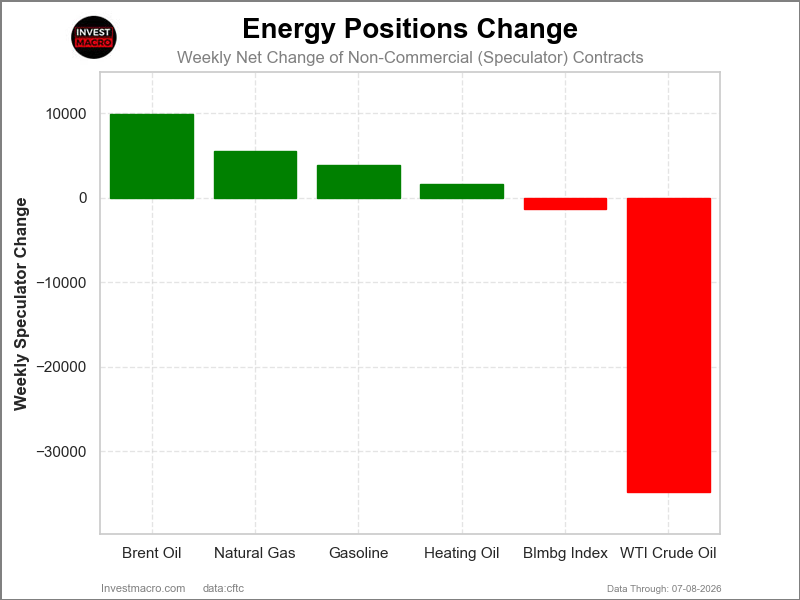
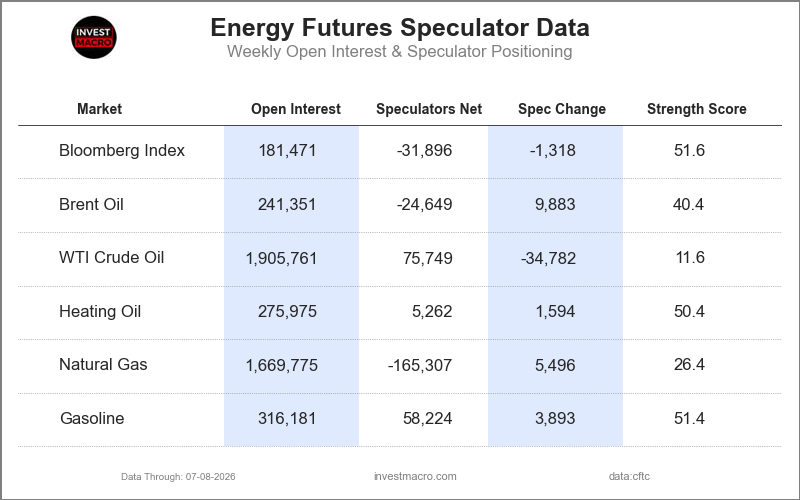
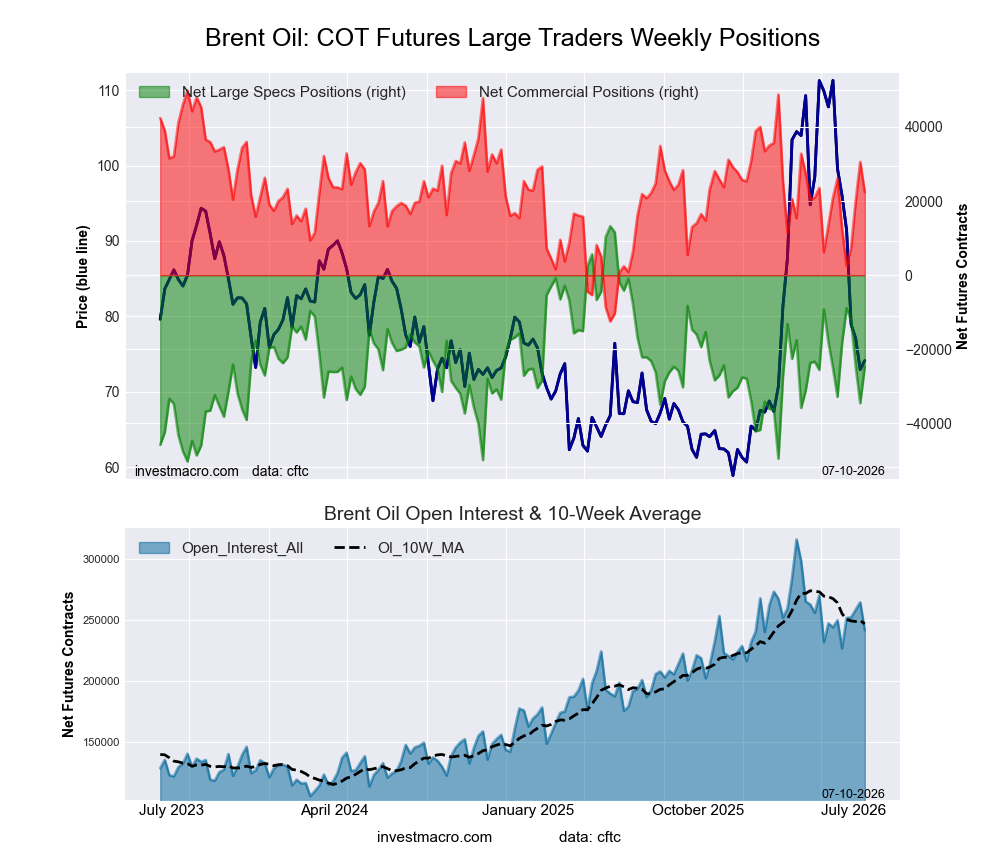
Brent crude prices surpassed the psychological level of 101 dollars per barrel on Wednesday, reacting to another wave of armed incidents in the Persian Gulf. Reports of a Liberian container ship being shelled by forces linked to the IRGC, and attacks on cargo vessels leaving ports, erased the faint hopes for de‑escalation. Although Donald Trump formally extended the ceasefire, the continued US naval blockade and Iran’s refusal to reopen the Strait of Hormuz have created a stalemate in which global trade remains paralyzed. The oil market is now pricing in prolonged shortages, as logistical disruptions have reduced global supply by roughly 4-5 million barrels per day (around 5%). The most critical situation is unfolding in Asia, which traditionally relies heavily on Middle Eastern crude and is the first to feel the consequences of blocked transport arteries.

Asian indices traded without a unified trend yesterday. Japan’s Nikkei 225 (JP225) rose by 0.40%, China’s FTSE China A50 (CHA50) increased by 0.56%, Hong Kong’s Hang Seng (HK50) closed down 1.22%, and Australia’s ASX 200 (AU200) fell by 1.18%. On Thursday, Asian stock markets showed negative dynamics, as the prolonged diplomatic deadlock between the US and Iran finally undermined investors’ risk appetite. Investors in the region shifted to a cautious strategy, recognizing that the current state of “neither war nor peace,” with transport arteries closed, leads to long‑term economic depletion and rising costs for producers.
At its April 2026 meeting, Bank Indonesia kept its benchmark interest rate at 4.75% for the seventh consecutive time, aiming to balance support for the national currency and economic growth. The decision came amid noticeable pressure on the rupiah, which fell to 17,140 per US dollar on April 21 (-0.87% since late March). The main reason for the weakening was the global capital outflow from emerging markets, triggered by the escalation of the Middle East conflict and rising geopolitical risks. Despite external instability, Indonesia’s domestic macroeconomic indicators show resilience. Annual inflation in March slowed to 3.48%, remaining within the central bank’s target range (1.5%-3.5%). Following strong Q4 2025 data, when GDP grew by 5.39% (the highest since 2022), BI maintained its optimistic 2026 growth expectations in the range of 4.9%-5.7%.

Inflation in Singapore accelerated sharply in March 2026, reaching 1.8% year‑on‑year (compared to 1.2% in February). This jump was the highest in the past year and a half. Singaporean authorities maintain a hawkish stance, warning of prevailing pro‑inflationary risks. Further developments will critically depend on the stability of energy supplies, as any new disruptions in regional supply chains could lead to additional increases in import costs and intensify pressure on the consumer market.

S&P 500 (US500) 7,137.90 +73.89 (+1.05%)

Dow Jones (US30) 49,490.03 +340.65 (+0.69%)

DAX (DE40) 24,194.90 −75.97 (−0.31%)

FTSE 100 (UK100) 10,476.46 −21.63 (−0.21%)

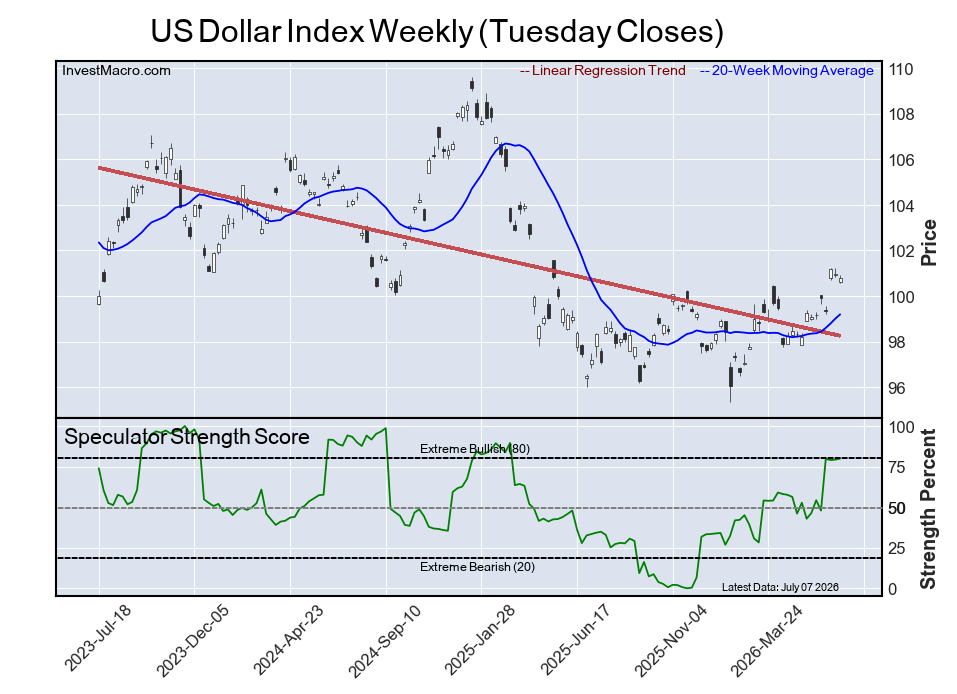
USD Index 98.62 +0.22 (+0.22%)

News feed for: 2026.04.23

  • Australia Manufacturing PMI (m/m) at 02:00 (GMT+3) – AUD (MED)
  • Australia Services PMI (m/m) at 02:00 (GMT+3) – AUD (MED)
  • Japan Manufacturing PMI (m/m) at 03:30 (GMT+3) – JPY (MED)
  • Japan Services PMI (m/m) at 03:30 (GMT+3) – JPY (MED)
  • Singapore Consumer Price Index (m/m) at 08:00 (GMT+3) – SGD (MED)
  • German Manufacturing PMI (m/m) at 10:30 (GMT+3) – EUR (MED)
  • German Services PMI (m/m) at 10:30 (GMT+3) – EUR (MED)
  • Eurozone Manufacturing PMI (m/m) at 11:00 (GMT+3) – EUR (MED)
  • Eurozone Services PMI (m/m) at 11:00 (GMT+3) – EUR (MED)
  • UK Manufacturing PMI (m/m) at 11:30 (GMT+3) – GBP (MED)
  • UK Services PMI (m/m) at 11:30 (GMT+3) – GBP (MED)
  • US Initial Jobless Claims (w/w) at 15:30 (GMT+3) – USD (MED)
  • US Manufacturing PMI (m/m) at 16:45 (GMT+3) – USD (MED)
  • US Services PMI (m/m) at 16:45 (GMT+3) – USD (MED)
  • Natural Gas Storage (w/w) at 17:30 (GMT+3) – XNG (HIGH)

By JustMarkets


This article reflects a personal opinion and should not be interpreted as an investment advice, and/or offer, and/or a persistent request for carrying out financial transactions, and/or a guarantee, and/or a forecast of future events.

EUR/USD Falls for Third Day as Geopolitics and Strong Dollar Dictate Terms

By Analytical Department RoboForex

EUR/USD has declined steadily, falling to 1.1688 on Thursday. The US dollar has returned to ten-day highs amid a lack of progress in US-Iran peace talks, boosting demand for the currency as a safe-haven asset.

The Strait of Hormuz remains effectively closed. Tehran continues to control this strategically vital waterway, with reports indicating it has previously seized two vessels in the area. At the same time, the US blockade of Iranian ports persists, contributing to higher energy prices and increasing risk for inflation.

Meanwhile, US President Donald Trump stated that the current truce will remain in force indefinitely, as Washington awaits a new peace proposal from Iran.

Investors remain concerned about US inflation, reinforcing expectations that the Federal Reserve will keep interest rates unchanged for the remainder of the year. Earlier, Fed nominee Kevin Warsh emphasised the importance of maintaining the central bank’s independence from the White House.

Market focus now shifts to weekly jobless claims and PMI data, which should provide further insight into the outlook for the US economy.

Technical Analysis

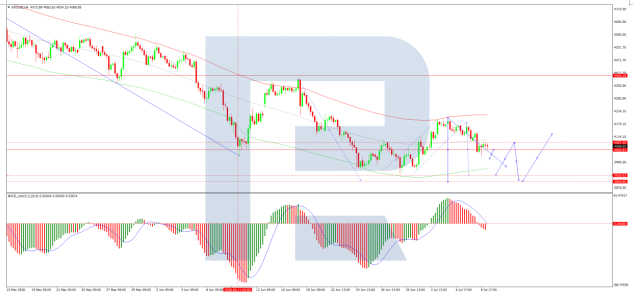
On the H4 chart, EUR/USD is trading within a consolidation range around 1.1736, currently extending down to 1.1693. The pair is likely to move lower towards 1.1680. The MACD indicator supports this scenario, with its signal line below zero and pointing firmly downwards, indicating sustained bearish momentum.

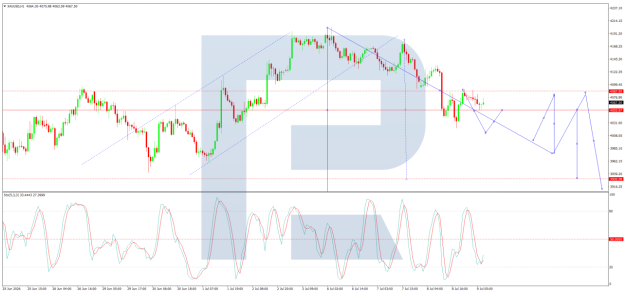
On the H1 chart, EUR/USD is developing a move lower towards 1.1680. A corrective rebound to 1.1711 may follow, before a further decline towards 1.1620. The Stochastic oscillator confirms this view, with its signal line below 20 and pointing firmly downwards, suggesting continued short-term downside pressure.

Conclusion


EUR/USD has declined for a third consecutive session amid geopolitical tensions and a stronger dollar. The lack of progress in US-Iran peace talks, combined with Tehran’s control over the Strait of Hormuz and the ongoing US blockade of Iranian ports, has kept energy prices elevated and inflation risks in focus. Trump’s indication that the truce will remain in place indefinitely, pending a new proposal from Iran, offers little immediate relief. With markets now pricing in no Fed rate cuts this year and key US data approaching, the euro remains under pressure. Technical signals suggest further downside towards 1.1680, and potentially to 1.1620 in the near term.


Disclaimer

Any forecasts contained herein are based on the author’s particular opinion. This analysis may not be treated as trading advice. RoboForex bears no responsibility for trading results based on trading recommendations and reviews contained herein.
Negotiations between the US and Iran have failed. Oil prices are back above 90 dollars per barrel

By JustMarkets 

On Wednesday, the US markets received a strong impulse from a combination of solid macroeconomic data and stabilizing signals from Washington. By the end of the day, the Dow Jones Index (US30) fell by 0.59%. The S&P 500 Index (US500) declined by 0.63%. The Tech Index NASDAQ (US100) closed lower by 0.59%. The US consumer sector demonstrated unexpected resilience: retail sales in March rose by 1.7%, marking the best result in a year, while sales excluding autos jumped by 1.9% – the strongest increase in three years. Positive momentum was reinforced by the housing market, where pending home sales rose by 1.5%, significantly outperforming analysts’ modest expectations of 0.5%.

On the political front, investors were encouraged by the stance of Kevin Warsh, the nominee for Federal Reserve Chair. During Senate hearings, he emphasized the “strict independence” of the regulator and the priority of price stability, without excuses or ambiguity,” effectively distancing himself from President Trump’s demands for immediate rate cuts. The market interpreted his refusal to provide forward guidance as a sign of a return to traditional, predictable central‑bank policy.

The Mexican peso (MXN) stabilized at 17.3 per US dollar, holding near a six‑week high. Domestic developments in Mexico support the peso’s strength. March inflation data reached a 17‑month high, strengthening the position of hawks within the national central bank. After the recent controversial rate cut, the Bank of Mexico will likely be forced to pause and maintain current borrowing conditions to contain the risk of accelerating price growth.

Tuesday ended with a noticeable decline for European markets. By the end of the day, Germany’s DAX (DE40) fell by 0.60%, France’s CAC 40 (FR40) closed down 1.14%, Spain’s IBEX 35 (ES35) dropped by 0.65%, and the UK’s FTSE 100 (UK100) ended the session down 1.05%. Donald Trump’s statement that tomorrow’s ceasefire deadline will not be extended, combined with aggressive rhetoric from both sides, effectively deprived investors of hope for a quick restoration of oil exports through the Persian Gulf.

On Wednesday, silver prices held below the psychological level of 78 dollars per ounce, attempting to stabilize after a sharp 4% plunge in the previous session. Despite Donald Trump’s decision to extend the ceasefire, investors focused on the diplomatic failure: the cancellation of J.D. Vance’s visit to Islamabad and Tehran’s categorical refusal to negotiate confirmed the status quo in the blockade of the Strait of Hormuz. Since the start of the military conflict, silver has already lost around 17% of its value, as its dual status as an industrial and precious metal makes it extremely vulnerable to supply‑chain disruptions and the overall slowdown in global manufacturing.

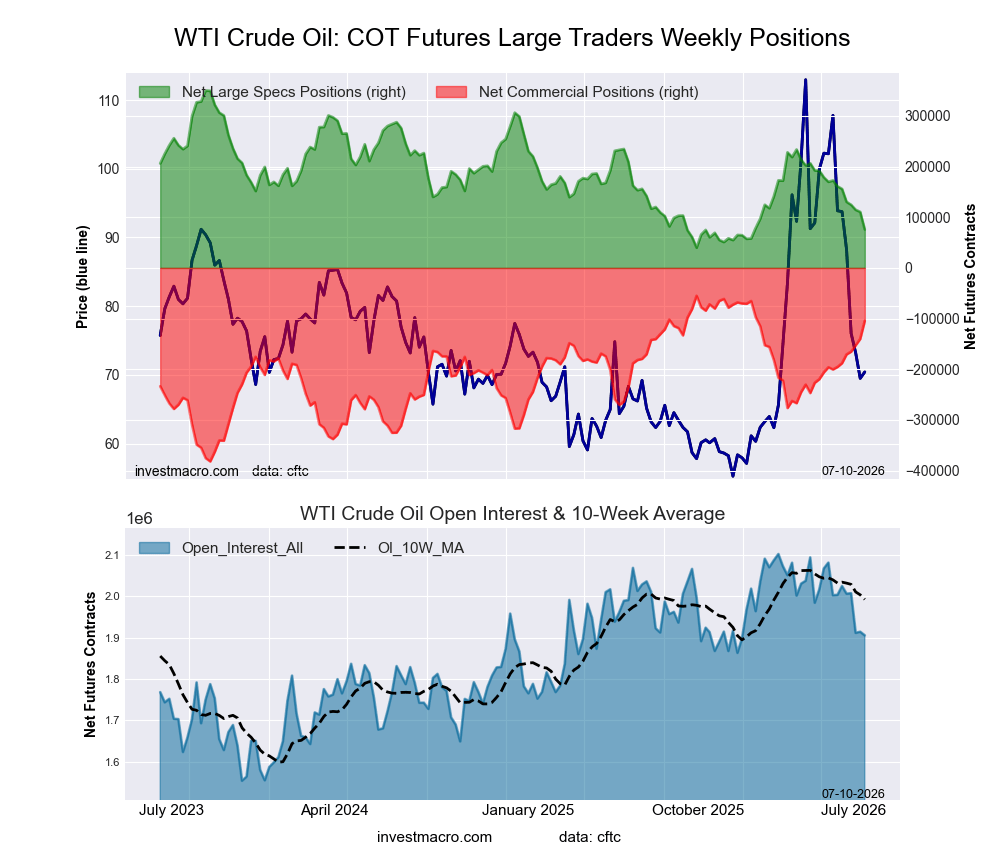
On Tuesday, WTI crude prices stabilized around 90 dollars per barrel, correcting after a sharp 5% surge. The volatility was driven by conflicting signals: the session began amid reports of a diplomatic deadlock and the cancellation of J.D. Vance’s visit to Pakistan, but later Donald Trump announced an extension of the ceasefire. The US President justified this decision by citing a “serious split” within the Iranian government, stating that the pause in hostilities would remain in place until Tehran forms a unified position for signing the final agreement. Despite the diplomatic reprieve, the global supply situation remains critical. The blockade of key transport routes has already reduced supply by roughly 4 million barrels per day, and analysts warn that this deficit could grow to 5 million barrels (around 5% of the global market).

In Asia, Japan’s Nikkei 225 (JP225) rose by 0.89% yesterday, China’s FTSE China A50 (CHA50) increased by 0.16%, Hong Kong’s Hang Seng (HK50) closed up 0.48%, and Australia’s ASX 200 (AU200) fell by 0.04%.

On Wednesday morning, the Australian stock market showed a sharp decline: the ASX 200 (AU200) fell by 0.9%, approaching a two‑week low. Investors reacted negatively to Wall Street’s sentiment, where skepticism prevailed regarding the viability of the Middle East peace process. Domestic pressure intensified due to weak leading‑indicator data for March, reflecting the negative impact of rising fuel prices on business activity. The real shock for the market was the collapse of Cochlear Ltd. shares by 37% to a ten‑year low after a sharp downward revision of profit predictions. The financial sector and mining industry also suffered significant losses.

S&P 500 (US500) 7,064.01 −45.13 (−0.63%)

Dow Jones (US30) 49,149.38 −293.18 (−0.59%)

DAX (DE40) 24,270.87 −146.93 (−0.60%)

FTSE 100 (UK100) 10,498.09 −110.99 (−1.05%)

USD Index 98.33 +0.24 (+0.24%)

News feed for: 2026.04.22

  • Japan Trade Balance (m/m) at 02:50 (GMT+3) – JPY (LOW)
  • UK Consumer Price Index (m/m) at 09:00 (GMT+3) – GBP (HIGH)
  • UK Producer Price Index (m/m) at 09:00 (GMT+3) – GBP (MED)
  • US Crude Oil Reserves (w/w) at 17:30 (GMT+3) – WTI (HIGH)
  • Eurozone ECB President Lagarde Speaks at 20:30 (GMT+3) – EUR (LOW)

By JustMarkets


This article reflects a personal opinion and should not be interpreted as an investment advice, and/or offer, and/or a persistent request for carrying out financial transactions, and/or a guarantee, and/or a forecast of future events.

USD/JPY Pulls Higher: Yen Doubts Bank of Japan

By Analytical Department RoboForex

USD/JPY climbed to 159.36 mid-week, with the Japanese yen losing ground for a second consecutive day. The market is pricing in the Bank of Japan’s policy outlook ahead of next week’s meeting.

The regulator is likely to keep rates unchanged while continuing to analyse the impact of the Middle East conflict on the economy. At the same time, a signal to return to policy normalisation may emerge in June.

A revision to forecasts is also expected. Inflation data may be revised upward amid rising energy prices, while economic growth forecasts may be revised downward due to external risks.

On the positive side, Japan’s exports grew for the seventh consecutive month, supported by demand from China and ASEAN countries.

Additional pressure on the yen is coming from a strengthening US dollar following the breakdown of the second round of US-Iran negotiations, although the ceasefire has been formally extended.

Technical Analysis

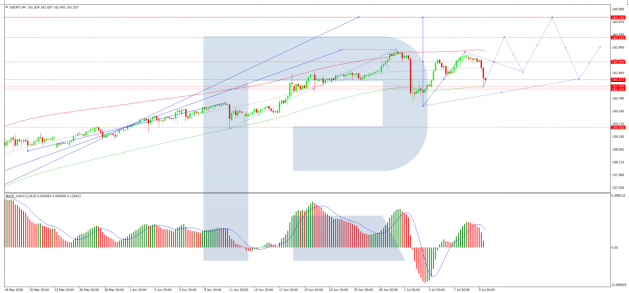
On the H4 chart, USD/JPY formed a consolidation range around the 159.02 level and broke higher to 159.62. A correction to 159.02 is likely, followed by a possible rise to 160.44. Subsequently, a move lower towards 157.70 may develop, with a potential extension to 156.00. Technically, this scenario is confirmed by the MACD indicator, with its signal line above the zero level and pointing firmly upwards, reflecting the potential for the upward move to continue.

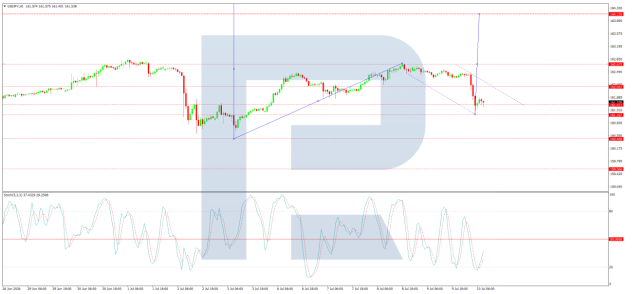
On the H1 chart, the market is forming the structure of a downward wave to 159.00. A move higher towards 160.44 is possible thereafter. The scenario is confirmed by the Stochastic oscillator, with its signal line below the 50 level and pointing firmly downwards towards 20, indicating that short-term downside potential remains.

Conclusion

USD/JPY continues to push higher as market doubts over the Bank of Japan’s policy direction weigh on the yen. With the BoJ expected to hold rates steady at next week’s meeting while assessing the impact of the Middle East conflict, a potential signal for policy normalisation may not come until June. Upward revisions to inflation forecasts and downward revisions to growth expectations add to the complex outlook. While stronger exports provide some positive news, pressure on the yen persists from a firmer dollar following the breakdown of US-Iran talks. Technically, further upside towards 160.44 appears likely before any sustained pullback, with the pair’s direction hinging on next week’s BoJ signals.


Disclaimer

Any forecasts contained herein are based on the author’s particular opinion. This analysis may not be treated as trading advice. RoboForex bears no responsibility for trading results based on trading recommendations and reviews contained herein.
Data centers don’t have to be a burden on local communities – and can even support them by generating power and repurposing waste heat

By Gregor Henze, University of Colorado Boulder and Sean Shaheen, University of Colorado Boulder 

Many consumers – and state policymakers and even utility companies – are worried about the possibility of large numbers of data centers raising electricity demand and power prices.

Those are real concerns, but our engineering research finds that if designed, constructed and operated carefully, data centers can actually help the communities that host them.

On-site energy storage

Locating power-generating capacity on-site, even using modified jet engines to drive steam turbines, is one emerging option to address data centers’ high power needs.

But there are other options, too. Data centers can install backup batteries that would kick in during an outage or could be used to avoid an outage when demand spikes. The batteries could not only provide power to the data center but also to the surrounding area in times of need.

Various types of battery designs and chemistries offer options for storing enough energy to keep a data center running from a few hours to a few days. This would be critical in supplying electricity during outages because of extreme weather events or excess demand on the grid during periods of peak usage.

Longer duration batteries are also in development. Plans for a new Google data center in Minnesota include solar panels and wind turbines with batteries that would become the world’s largest electricity storage system, with a power capacity of 300 megawatts. Google plans to install iron-air batteries, which are based on chemical reactions with iron to separate and store charge, that would store enough electrical energy to keep a data center running for as much as 100 hours.

Another long-duration battery design uses zinc and water as its key chemical ingredients. It needs relatively little cooling, so batteries can be stacked closely. Significant storage capacity could allow data center owners to flexibly decide when to use energy directly from the grid, when to run off the batteries, when to recharge the batteries, and even whether to sell power back to the grid to earn extra money.

Using waste heat in the community

Data centers produce large amounts of heat, which must be removed from the computer chips. A data center gives off enough heat to potentially keep nearby buildings warm.

Many cities around the world already have what are called “district heating systems,” in which a group of buildings are connected with a pipe network and receive their heat from a central heat source.

Data centers could serve as a heat source for these systems. Recent improvements in these systems, called a “thermal microgrid” or an “ambient loop,” don’t require steam or extremely hot water, but rather use cooler temperatures of water to transport heat between the buildings. Efficient electric heat pumps in each building use that water loop to adjust the building’s air temperature in both winter and summer, creating combined district heating and cooling systems.

In this scenario, data center heat becomes not wasted energy rejected into the air but a money- and energy-saving resource for the local community. For example, a 75 megawatt data center in the town of Mantsala, Finland, is supplying heat to approximately 2,500 homes in the community.

Combining energy production, storage and heating

In our research, we suggest that combining data centers equipped with on-site power generation and battery energy storage and systems that use the waste heat could make the data center a benefit to the community rather than a drain on its resources.

Locating a data center with on-site battery energy storage in a neighborhood and, crucially, connecting them both thermally and electrically could create a small-scale energy community. In addition to providing heat, the data center could help meet the neighborhood’s electricity needs during power outages, storms or peak usage periods.

A diagram shows connections between a data center and its nearby community buildings.
Combined thermal and electrical microgrids form an integrated energy community with data center waste heat reuse.
Gregor Henze and Sean Shaheen, CC BY-NC-ND

Improved efficiency of computing

As a fourth dimension to achieving sustainability in data centers, an emerging approach involves drastically reducing the energy consumed for every unit of computation. That would mean exponential growth in computational tasks does not require a corresponding exponential growth in hardware or electricity usage.

Advances in computer chip designs are making data center processors significantly more efficient, able to do larger numbers of more complex calculations more quickly while using less electricity.

But however efficient the chips get, there is both need and opportunity to make them dramatically more so. A growing field called “unconventional computing” is poised to help.

This field, which includes computing approaches inspired by the architecture of the human brain in the emerging technology of neuromorphic AI, as well as engineering innovations such as chips that use their own waste heat, can exhibit thousands-, millions-, or even billionsfold increases in power efficiency. That could make data centers immensely more capable of the computing tasks needed for training AI systems.

Improvements in data center efficiency would reduce the demand for more computing chips and more electricity to run them, even while producing more output.

Researchers across academia, industry and government agencies are developing road maps to scaling these new pathways for energy-efficient computing and are planning for a future where new materials with fundamentally different properties improve efficiency even more.

Some of these advances may be months away, though others could be decades into the future. But we believe that taken together, the opportunities for power generation and storage, waste heat reuse and improved computational efficiency could make data centers beneficial for their communities, and society as a whole, in support of energy affordability and resilience.The Conversation

About the Author:

Gregor Henze, Professor of Civil, Environmental and Architectural Engineering, University of Colorado Boulder and Sean Shaheen, Professor of Electrical, Computer, and Energy Engineering, University of Colorado Boulder

This article is republished from The Conversation under a Creative Commons license. Read the original article.


US government ramps up mass surveillance with help of AI tech, data brokers – and your apps and devices

By Anne Toomey McKenna, Penn State 

On a Saturday morning, you head to the hardware store. Your neighbors’ Ring cameras film your walk to the car. Your car’s sensors, cameras and microphones record your speed, how you drive, where you’re going, who’s with you, what you say, and biological metrics such as facial expression, weight and heart rate. Your car may also collect text messages and contacts from your connected smartphone.

Meanwhile, your phone continuously senses and records your communications, info about your health, what apps you’re using, and tracks your location via cell towers, GPS satellites and Wi-Fi and Bluetooth.

As you enter the store, its surveillance cameras identify your face and track your movements through the aisles. If you then use Apple or Google Pay to make your purchase, your phone tracks what you bought and how much you paid.

All this data quickly becomes commercially available, bought and sold by data brokers. Aggregated and analyzed by artificial intelligence, the data reveals detailed, sensitive information about you that can be used to predict and manipulate your behavior, including what you buy, feel, think and do.

Companies unilaterally collect data from most of your activities. This “surveillance capitalism” is often unrelated to the services device manufacturers, apps and stores are providing you. For example, Tinder is planning to use AI to scan your entire camera roll. And despite their promises, “opting out” doesn’t actually stop companies’ data collection.

While companies can manipulate you, they cannot put you in jail. But the U.S. government can, and it now purchases massive quantities of your information from commercial data brokers. The government is able to purchase Americans’ sensitive data because the information it buys is not subject to the same restrictions as information it collects directly.

The federal government is also ramping up its abilities to directly collect data through partnerships with private tech companies. These surveillance tech partnerships are becoming entrenched, domestically and abroad, as advances in AI take surveillance to unprecedented levels.

As a privacy, electronic surveillance and tech law attorney, author and legal educator, I have spent years researching, writing and advising about privacy and legal issues related to surveillance and data use. To understand the issues, it is critical to know how these technologies function, who collects what data about you, how that data can be used against you, and why the laws you might think are protecting your data do not apply or are ignored.

Big money for AI-driven tech and more data

Congressional funding is supercharging huge government investments in surveillance tech and data analytics driven by AI, which automates analysis of very large amounts of data. The massive 2025 tax-and-spending law netted the Department of Homeland Security an unprecedented US$165 billion in yearly funding. Immigration and Customs Enforcement, part of DHS, got about $86 billion.

Disclosure of documents allegedly hacked from Homeland Security reveal a massive surveillance web that has all Americans in its scope.

DHS is expanding its AI surveillance capabilities with a surge in contracts to private companies. It is reportedly funding companies that provide more AI-automated surveillance in airports; adapters to convert agents’ phones into biometric scanners; and an AI platform that acquires all 911 call center data to build geospatial heat maps to predict incident trends. Predicting incident trends can be a form of predictive policing, which uses data to anticipate where, when and how crime may occur.

DHS has also spent millions on AI-driven software used to detect sentiment and emotion in users’ online posts. Have you been complaining about Immigration and Customs Enforcement policies online? If so, social media companies including Google, Reddit, Discord, and Facebook and Instagram owner Meta may have sent identifying data, such as your name, email address, phone number and activity, to DHS in response to hundreds of DHS subpoenas served on the companies.

Meanwhile, the Trump administration’s national policy framework for artificial intelligence, released on March 20, 2026, urges Congress to use grants and tax incentives to fund “wider deployment of AI tools across American industry” and to allow industry and academia to use federal datasets to train AI.

Using federal datasets this way raises privacy law concerns because they contain a lifetime of sensitive details about you, including biographical, employment and tax information.

Blurring lines and little oversight

In foreign intelligence work, the funding, development and controlled use of certain AI-driven gathering of data makes sense. The CIA’s new acquisition framework to turbocharge collaboration with the private sector may be legal with proper oversight. But the line between collaborating for lawful national security purposes versus unlawful domestic spying is becoming dangerously blurred or ignored.

For example, the Pentagon has declared a contractor, Anthropic, a national security risk because Anthropic insisted that its powerful agentic AI model, Claude, not be used for mass domestic surveillance of Americans or fully autonomous weapons.

On March 18, 2026, FBI Director Kash Patel confirmed to Congress that the FBI is buying Americans’ data from data brokers, including location histories, to track American citizens.

As the federal government accelerates the use of and investment in AI-driven spy tech, it is mandating less oversight around AI technology. In addition to the national AI policy framework, which discourages state regulation of AI, the president has issued executive orders to accelerate federal government adoption of AI systems, remove state law AI regulation barriers and require that the federal government not procure the use of AI models that attempt to adjust for bias. But using advanced AI systems is risky, given reports of AI agents going rogue, exposing sensitive data and becoming a threat, even during routine tasks.

Your data

The surveillance capitalism system requires people to unwittingly participate in a manipulative cycle of group- and self-surveillance. Neighborhood doorbell cameras, Flock license plate readers and hyperlocal social media sites like Nextdoor create a crowdsourced record of all people’s movements in public spaces.

Sensors in phones and wearable devices, such as earbuds and rings, collect ever more sensitive details. These include health data, including your heart rate and heart rate variability, blood oxygen, sweat and stress levels, behavioral patterns, neurological changes and even brain waves. Smartphones can be used to diagnose, assess and treat Parkinson’s disease. Earbuds could be used to monitor brain health.

This data is not protected under HIPAA, which prohibits health care providers and those working with them from disclosing your health information without your permission, because the law does not consider tech companies to be health care providers nor these wearables to be medical devices.

Legal protections

People have little choice when buying devices, using apps or opening accounts but to agree to lengthy terms that include consent for companies to collect and sell their personal data. This “consent” allows their data to end up in the largely unregulated commercial data market.

The government claims it can lawfully purchase this data from data brokers. But in buying your data in bulk on the commercial market, the government is circumventing the Constitution, Supreme Court decisions and federal laws designed to protect your privacy from unwarranted government overreach.

The Fourth Amendment prohibits unreasonable search and seizure by the government. Supreme Court cases require police to get a warrant to search a phone or use cellular or GPS location information to track someone. The Electronic Communications Privacy Act’s Wiretap Act prohibits unauthorized interception of wire, oral and electronic communications.

Despite some efforts, Congress has failed to enact legislation to protect data privacy, the use of sensitive data by AI systems or to restore the intent of the Electronic Communications Privacy Act. Courts have allowed the broad electronic privacy protections in the federal Wiretap Act to be eviscerated by companies claiming consent.

In my opinion, the way to begin to address these problems is to restore the Wiretap Act and related laws to their intended purposes of protecting Americans’ privacy in communications, and for Congress to follow through on its promises and efforts by passing legislation that secures Americans’ data privacy and protects them from AI harms.

This article is part of a series on data privacy that explores who collects your data, what and how they collect, who sells and buys your data, what they all do with it, and what you can do about it.The Conversation

About the Author:

Anne Toomey McKenna, Affiliated Faculty Member, Institute for Computational and Data Sciences, Penn State

This article is republished from The Conversation under a Creative Commons license. Read the original article.

Signs of economic instability emerge in Oakland County, one of Michigan’s wealthiest

By Grigoris Argeros, Eastern Michigan University and Jordyn Gerwig, Eastern Michigan University 

Oakland County, home to nearly 1.3 million residents, ranks among Michigan’s wealthiest counties.

But that description does not tell the whole story.

Since 2020, Oakland County’s population and income have grown steadily. Over the same period, Wayne County’s population declined, and Macomb County experienced slower growth.

Oakland County also has higher incomes overall. Median household income is about US$97,760 in Oakland County, compared with $77,837 in Macomb County and $60,539 in Wayne County.

Some of Oakland’s communities, such as Birmingham and Bloomfield Hills, rank among the most affluent in the tri-county Detroit metro region, with rapidly increasing home prices. Homes in these communities can sell for well over $1 million. Residents here have generally better health outcomes and have remained at the top of the socioeconomic ladder over time. The median household income is $153,510 in Birmingham and $189,942 in Bloomfield Hills.

However, median household incomes can be misleading and mask important differences within the county. Prosperity is not evenly shared, a sign of long-standing economic inequality.

My sociology research focuses on neighborhood and socioeconomic change in American cities. To see where and how divides are emerging, it is necessary to look beyond overall averages and focus on communities within individual counties. Let’s see what we find when we look deeper into the communities in Oakland County.

Oakland County is known for its affluence, but some of its communities are experiencing changes in socioeconomic status.
Notorious4life (talk) (Uploads), CC0, via Wikimedia Commons

Measuring inequality

To do that analysis, I used an index of neighborhood socioeconomic status, developed by geographer Joe Darden and political scientist Sameh Kamel. Darden is known for his research on residential segregation and neighborhood inequality in the Detroit region.

Urban researchers and public health scholars use this index to compare neighborhood conditions within and across metropolitan regions and to examine how inequality is distributed.

The index uses census data to combine measures of income, education, housing and employment into a single score ranging from 0 to 100. Higher scores indicate higher socioeconomic position. Like any composite index, it summarizes complex social conditions into a single measure and cannot capture every difference between communities.

Oakland County’s wealth isn’t evenly shared

On this index, Oakland County’s communities are spread across the full socioeconomic range rather than clustering entirely at the top.

In 2023 about 61% fell into the highest socioeconomic tier. The rest were divided between the middle and lowest tiers.

Communities such as Birmingham, Bloomfield Hills, Troy and Rochester Hills remain relatively well-off, with some of the highest scores on the county’s socioeconomic index.

Cities such as Pontiac, along with suburbs such as Oak Park, Hazel Park and Madison Heights, fall in the county’s lowest socioeconomic tier with some of the lowest scores on the index.

Pockets of socioeconomic change

About 80% of communities in Oakland county remained in the same tier between 2010 and 2023.

Socioeconomic stability was strongest at the top: 9 in 10 high-tier communities stayed there.

But the rest of the county tells a different story.

Several communities outside the top tier changed position over time. Wixom and Keego Harbor moved up from the lowest tier into the middle, while Oxford and Rose townships rose from the middle tier into the highest.

Addison, Brandon and White Lake townships shifted from the highest tier into the middle, while Holly township moved from the middle tier into the lowest.

Wealth gaps point to growing disadvantage

These differences point to a growing socioeconomic divide within one of Michigan’s wealthiest counties, similar to trends in other parts of the U.S.

Understanding these divides is key to making sense of the region’s broader challenges, from rising housing costs to differences in job opportunities across metropolitan Detroit.

Communities with a low socioeconomic score have higher poverty and unemployment rates, lower median household income and fewer residents with a college degree or higher. Higher-tier communities show the opposite pattern, with lower poverty and unemployment, higher incomes, higher educational attainment and much higher home values.

The middle tier includes communities such as Ferndale, Auburn Hills, Waterford Township, South Lyon and Wixom. As a group, middle-tier communities resemble the county’s wealthiest areas on some indicators – such as unemployment and homeownership. On others, especially poverty, they remain closer to lower-income places.

A key distinction, however, is the continuing gap between the middle and the top. Middle-tier communities have lower incomes, fewer college graduates and far lower home values than higher-tier communities. The typical home in a middle-tier place is worth about $259,000, compared with more than $405,000 in the highest tier. The gap in median home values leads to significant differences in family wealth, which in turn affects retirement savings, the ability to pay for college and the financial cushion available during economic downturns.

These differences suggest that Oakland County’s stratification is not limited to a divide between struggling areas and wealthy ones. Instead, even its middle-tier communities lag behind the county’s most affluent places, especially when it comes to education and wealth. The divide, therefore, runs not only between the bottom and the top but also between the middle and the most advantaged communities.

How does Oakland compare with nearby counties?

In Oakland County, movement was evenly split, with 10% of communities moving up and 10% moving down, suggesting that gains and losses occurred at roughly the same rate.

In Macomb County, 13% of communities moved up, while 4% moved down. Wayne County showed the least change overall, with about 91% of communities remaining in the same tier between 2010 and 2023. This may be due to decades of economic hardship that have made it more unlikely for communities there to move in either direction.

Oakland County remains one of Michigan’s wealthiest counties. But its communities are not all moving in the same direction. Understanding these differences will be important as the region plans for the future.The Conversation

About the Author:

Grigoris Argeros, Professor of Sociology, Eastern Michigan University and Jordyn Gerwig, Graduate Assistant, Eastern Michigan University

This article is republished from The Conversation under a Creative Commons license. Read the original article.


NZD and CAD strengthen amid rising inflationary pressure

By JustMarkets 

The US stock market ended Monday’s trading session with moderate declines. By the end of the day, the Dow Jones Index (US30) fell by 0.01%. The S&P 500 Index (US500) declined by 0.24%. The Tech Index NASDAQ (US100) closed lower by 0.31%. The main pressure factor was the sharp return of the geopolitical risk premium into asset prices. Donald Trump’s ultimatum regarding the ceasefire expiring this week and his decision to keep the Strait of Hormuz blocked until a final agreement is signed destroyed hopes for a quick de‑escalation. This triggered an immediate rise in oil prices, which in turn reshaped sector dynamics. A clear rotation of capital was observed in the market. Investors exited overheated tech stocks and “defensive” utilities, reallocating funds into energy, financials, and materials.

On Monday, the Canadian dollar (CAD) strengthened to 1.37 against the US dollar, marking its best level in a month. The key factor was the reversal in the energy sector: consumer energy inflation surged to 3.9%, fully offsetting the 9.3% lower deflation seen a month earlier. This sharp shift was driven by an unprecedented jump in gasoline prices – up 21.2% in just one month. Such macroeconomic data virtually eliminate the possibility of near‑term rate cuts by the Bank of Canada, further supporting the currency.

European stock indices began the trading week with a noticeable decline. Germany’s DAX (DE40) fell by 1.15%, France’s CAC 40 (FR40) closed down 1.12%, Spain’s IBEX 35 (ES35) dropped by 1.21%, and the UK’s FTSE 100 (UK100) ended the session down 0.55%. The main trigger for the sell‑off was an incident in the Gulf of Oman, where US Marines seized control of an Iranian container ship after an armed confrontation. This episode, following Iran’s attack on a tanker in the Strait of Hormuz the day before, led to the cancellation of the scheduled Monday negotiations in Islamabad. The Iranian side refused to participate, citing the ongoing naval blockade of its ports, effectively pushing the region to the brink of a full‑scale energy crisis. The tourism and entertainment sector suffered the most due to expectations of rising jet‑fuel prices. Shares of low‑cost carrier Ryanair plunged down by 3.5%, dragging the entire segment down.

Platinum prices (XPT) fell more than 2% to below 2,100 dollars per ounce, retreating from a four‑week high due to broad pressure on the precious‑metals sector. The main negative factor was the sharp spike in oil prices following the renewed hostilities in the Strait of Hormuz and the seizure of an Iranian vessel by the US Navy. Despite the current decline, the platinum market continues to show signs of structural deficit due to the extreme vulnerability of supply in South Africa and Russia. While South African mines suffer from aging infrastructure and exorbitant electricity costs, Russian production continues to shrink under international sanctions. Current levels of secondary recycling remain insufficient to offset the shortage of primary supply, providing fundamental support to prices and limiting the potential for further declines even amid a stronger dollar and geopolitical instability.

The WTI oil market saw a sharp reversal: prices jumped more than 5%, reaching 88.8 dollars per barrel. This rise followed an 11.5% collapse last Friday and was triggered by a sharp cooling of diplomatic expectations over the weekend. The main driver of volatility was Donald Trump’s hardline rhetoric. The US President stated that extending the current ten‑day ceasefire with Tehran is highly unlikely unless a final agreement is signed by the end of the week. Moreover, Trump made it clear that the Strait of Hormuz will remain blocked until the deal is legally finalized. With the world’s key artery for oil and gas shipments still closed, the market once again began pricing in a scenario of prolonged supply shortages. The current standoff threatens to evolve into a chronic global energy crisis, as importers’ reserves continue to deplete amid the blockade of the Strait of Hormuz.

In Asia, Japan’s Nikkei 225 (JP225) rose by 0.60% yesterday, China’s FTSE China A50 (CHA50) increased by 0.44%, Hong Kong’s Hang Seng (HK50) closed up 0.77%, and Australia’s ASX 200 (AU200) gained 0.07%.

The New Zealand dollar (NZD) strengthened to 0.591 US dollars, reaching a six‑week high amid unexpectedly strong inflation data. Consumer prices in the first quarter of 2026 rose by 3.1% year‑on‑year, not only exceeding analysts’ expectations (2.9%) but also confirming that inflationary pressure remains above the RBNZ target range (1-3%). Traders now fully price in a rate hike in July, expecting that in the second quarter, the energy shock from the Middle East conflict will lead to an even sharper rise in prices.

S&P 500 (US500) 7,109.14 −16.92 (−0.24%)

Dow Jones (US30) 49,442.56 −4.87 (−0.01%)

DAX (DE40) 24,417.80 −284.44 (−1.15%)

FTSE 100 (UK100) 10,609.08 −58.55 (−0.55%)

USD Index 98.06 −0.04 (−0.04%)

News feed for: 2026.04.21

  • New Zealand Consumer Price Index (m/m) at 01:45 (GMT+3) – NZD (HIGH)
  • UK Claimant Count Change (m/m) at 09:00 (GMT+3) – GBP (MED)
  • UK Average Earnings Index (m/m) at 09:00 (GMT+3) – GBP (MED)
  • UK Unemployment Rate (m/m) at 09:00 (GMT+3) – GBP (MED)
  • Eurozone ZEW Economic Sentiment (m/m) at 12:00 (GMT+3) – EUR (LOW)
  • US Retail Sales (m/m) at 15:30 (GMT+3) – USD (MED)
  • US Fed Chair-Designate Warsh Testifies at 17:00 (GMT+3) – USD (HIGH)
  • US Pending Home Sales (m/m) at 17:00 (GMT+3) – USD (MED)

By JustMarkets


This article reflects a personal opinion and should not be interpreted as an investment advice, and/or offer, and/or a persistent request for carrying out financial transactions, and/or a guarantee, and/or a forecast of future events.

Pound Declines Amid Geopolitics and Political Risks

By Analytical Department RoboForex

GBP/USD traded at 1.3515 on Tuesday as the US dollar strengthened. Pressure on the pound intensified at the start of the week following a sharp escalation of the US-Iran conflict, with markets fearing the breakdown of the truce and rotating into safe-haven assets.

The trigger was heightened tensions around the Strait of Hormuz. The US reported the detention of an Iranian vessel, while Tehran refused to participate in further negotiations. This development supported higher oil prices and boosted demand for the dollar.

An additional factor weighing on sterling is domestic UK politics. Prime Minister Keir Starmer has come under pressure following the scandal surrounding the appointment of Peter Mandelson as ambassador to the US. The market is watching his parliamentary address and assessing the risks of political instability.

Despite the current decline, the pound remains close to two-month highs and is up approximately 2% for the month. It had previously been supported by expectations of de-escalation in the Middle East. If political pressure on the government intensifies further, the pound could give back some of its recent gains.

Technical Analysis

On the H4 GBP/USD chart, the market is forming a wide consolidation range above 1.3494, currently extending up to 1.3545. A move lower towards 1.3333 is likely in the near term. Following this correction, a new consolidation range is likely to form. An upside breakout would open potential for a continuation wave to 1.3611, while a downside breakout would suggest further movement to 1.3120. Technically, this scenario is confirmed by the MACD indicator, with its signal line above the zero level and pointing firmly downwards.

On the H1 chart, the market has formed a compact consolidation range around the 1.3515 level. A downside breakout could lead to a move towards 1.3444, followed by a possible rise to 1.3495. Technically, this scenario is confirmed by the Stochastic oscillator, with its signal line below the 20 level and pointing firmly downwards.

Conclusion


The pound has come under pressure as renewed US-Iran tensions around the Strait of Hormuz drive safe-haven demand for the dollar. At the same time, domestic political uncertainty adds an extra layer of risk. The detention of an Iranian vessel and Tehran’s refusal to negotiate have revived energy supply concerns and pushed oil prices higher. Meanwhile, the scandal surrounding the UK ambassador appointment has put Prime Minister Starmer in a difficult position, with markets assessing the potential for political instability. Despite the current pullback, sterling remains near two-month highs, having gained 2% this month. However, technical indicators suggest further near-term downside, and the pound could give back more of its recent gains if geopolitical or political pressures intensify.


Disclaimer

Any forecasts contained herein are based on the author’s particular opinion. This analysis may not be treated as trading advice. RoboForex bears no responsibility for trading results based on trading recommendations and reviews contained herein.

EUR/USD Starts the Week Higher, but the Outlook Remains Unstable

By Analytical Department RoboForex

EUR/USD moved higher on Monday after a correction, trending towards 1.1759. Earlier, the US dollar had partially regained ground following last week’s decline, supported by increased demand for safe-haven assets amid an escalation of the US-Iran conflict.

Donald Trump reported that the US Navy opened fire and detained an Iranian ship in the Gulf of Oman after it failed to comply with orders when leaving the Strait of Hormuz.

Tehran, in turn, abandoned plans to open the strait after Washington failed to lift the blockade of Iranian ports. Iran also signalled it would not participate in the second round of talks.

The protracted conflict is increasing risks to energy supplies, intensifying inflationary pressure, and reducing the likelihood of policy easing. Markets are revising their expectations, with the probability of a Fed rate cut diminishing this year.

The baseline scenario now assumes rates will remain unchanged in the coming months, likely through the end of 2026.

Technical Analysis

On the H4 chart of EUR/USD, the market is forming a consolidation range around the 1.1800 level, currently extending down to 1.1737. An upward wave to 1.1790 is likely. Subsequently, a downward wave to 1.1700 could develop. Technically, this scenario is confirmed by the MACD indicator, with its signal line above the zero level but pointing firmly downwards, reflecting continued bearish momentum with the potential for the downward trend to persist.

On the H1 chart, the market is forming the structure of the next upward wave to the 1.1790 level. After reaching this level, a correction to 1.1700 is likely, followed by a possible rise to 1.1745. Technically, this scenario is confirmed by the Stochastic oscillator, with its signal line below 50 and pointing firmly upwards towards 80.

Conclusion

EUR/USD has opened the week on a positive note, but the outlook remains fragile following renewed escalation in the US-Iran conflict. Trump’s announcement of a naval incident in the Gulf of Oman and Tehran’s withdrawal from planned talks and efforts to reopen the Strait of Hormuz have revived geopolitical risks. Energy supply concerns are intensifying inflationary pressures, pushing Fed rate cut expectations further out, with rates now expected to remain on hold through 2026. While technical indicators suggest a short-term bounce towards 1.1790, the broader bearish momentum appears intact, and any sustained euro strength would likely require a genuine de-escalation of the conflict.


Disclaimer

Any forecasts contained herein are based on the author’s particular opinion. This analysis may not be treated as trading advice. RoboForex bears no responsibility for trading results based on trading recommendations and reviews contained herein.