Archive for Financial News – Page 40

Global markets end the week on a mixed note

By JustMarkets

The US stocks finished Friday with mixed results. The Dow Jones (US30) Index fell by 0.48% for the day and 0.42% for the week. The S&P 500 (US500) dropped by 0.32% on Friday and 0.12% for the week. The tech-heavy Nasdaq (US100) closed up by 0.08% for the day and 0.19% for the week. The US economy added just 22,000 jobs, falling short of the 75,000 prognoses, and the unemployment rate rose to 4.3%, signaling a cooling labor market. Traders quickly priced in the likelihood of an interest rate cut, with bets on a potential 50-basis-point (bps) reduction this month increasing. BofA Global Research expects the US Federal Reserve will cut rates twice by 25 bps in September and December, and predicts an additional 75 bps of easing in 2026.

Economically sensitive sectors led the decline, with banks, energy, and industrials falling, while real estate rose on optimism about rate cuts. Broadcom shares surged 9% after expecting significant AI-driven revenue growth, while Nvidia and AMD shares dropped 4% and 6.5%, respectively, following a warning from President Trump about substantial semiconductor tariffs. Lululemon fell 18.3% after a second profit warning, and major banks, including JPMorgan and Wells Fargo, were down more than 2.5%.

The Canadian dollar traded around 1.38 to the US dollar as US dollar weakness was offset by growing expectations for a more “dovish” stance from the Bank of Canada following an unexpected rise in unemployment. Bets on dovish action from the Bank of Canada increased after unemployment in August 2025 rose to its highest level since the pandemic at 7.1%, exceeding expectations of 7% and the 6.9% rate in July. This aligned with the Bank of Canada’s view that a labor supply surplus and growing risks from US tariffs and policy uncertainty could further worsen the country’s employment situation.

European stock markets were mostly lower on Friday. Germany’s DAX (DE40) fell by 0.73% (down -1.73% for the week), France’s CAC 40 (FR40) closed down 0.31% (down -0.65% for the week), Spain’s IBEX35 (ES35) dropped 0.45% (down -0.70% for the week), and the UK’s FTSE 100 (UK100) closed down 0.09% (up +0.23% for the week). Eurozone GDP grew by 1.5% year-over-year in the second quarter of 2025, higher than the initial estimate of 1.4%. Among the bloc’s largest economies, GDP increased by 0.2% in Germany, 0.8% in France, 0.4% in Italy, and 2.8% in Spain. Eurozone employment rose by 0.1% quarter-over-quarter, marking the 17th consecutive period of job growth and extending a slow but consistent trend of job creation in the European labor market. Among the largest economies, Spain saw the highest employment growth (0.7%), while Germany experienced a fourth consecutive month of stagnation, France saw a new stagnation, and Italy’s employment contracted (-0.1%).

WTI crude oil prices continued their third straight day of declines on Friday, falling 2.5% to $61.9 per barrel and marking their first weekly drop in three weeks. The decline followed a 2.4 million barrel build in US crude inventories, contrary to expectations, and came ahead of a Sunday OPEC+ meeting to consider an additional output increase. Reports suggest Saudi Arabia favors a production increase to regain market share, which could reverse some of the existing 1.65 million barrels per day in cuts. Geopolitical tensions are also affecting the market, with the US pressuring buyers of Russian oil and imposing new duties on imports from India. Expectations for new fields coming online in Guyana and Brazil are adding to the bearish sentiment.

The US natural gas prices (XNG/USD) fell to $3.05 per MMBtu on Friday, tracking declines in other energy commodities as pessimistic US labor market data capped demand prospects. Liquefied natural gas (LNG) exports from US ports rose to a record high of 9.33 tons amid elevated European demand and increased capacity at LNG plants following the end of maintenance at the Plaquemines facility. At the same time, the EIA noted that the US is expected to reach a new production peak of 91.4 billion cubic feet per day in 2025.

Asian markets were mostly down last week. Japan’s Nikkei 225 (JP225) rose by 1.55%, while China’s FTSE China A50 (CHA50) fell by 0.46%, Hong Kong’s Hang Seng (HK50) dropped 0.35%, and Australia’s ASX 200 (AU200) ended the week down 0.87%.

Japanese Prime Minister Shigeru Ishiba announced he would resign after less than a year in office following two major electoral defeats. The announcement came a day before the Liberal Democratic Party (LDP) was set to vote on a leadership ballot that could have forced his departure. The LDP has governed Japan for most of the last seven decades, but under Ishiba, it lost its majority in the lower house of parliament for the first time in 15 years, and then lost its majority in the upper house in July. Japan, the world’s fourth-largest economy and a key US ally, is now entering a period of political uncertainty amid rising tensions with China and heightened regional instability.

Vietnam’s annual inflation rate rose to 3.24% in August 2025, up from a three-month low of 3.19% in July. Meanwhile, core inflation, which excludes volatile items, declined to a four-month low of 3.25% in August from 3.30% in July. Monthly, consumer prices increased by 0.05%, down from the 0.11% gain in the previous month and marking the lowest increase in five months.

S&P 500 (US500) 6,481.50 −20.58 (−0.32%)

Dow Jones (US30) 45,400.86 −220.43 (−0.48%)

DAX (DE40) 23,596.98 −173.35 (−0.73%)

FTSE 100 (UK100) 9,208.21 −8.66 (−0.09%)

USD Index 97.74 −0.61 (−0.62%)

News feed for: 2025.09.08

  • Japan GDP (q/q) at 02:50 (GMT+3);
  • China Trade Balance (m/m) at 06:00 (GMT+3);
  • Germany Trade Balance (m/m) at 09:00 (GMT+3);
  • Germany Industrial Production (m/m) at 09:00 (GMT+3).

By JustMarkets


This article reflects a personal opinion and should not be interpreted as an investment advice, and/or offer, and/or a persistent request for carrying out financial transactions, and/or a guarantee, and/or a forecast of future events.

COT Metals Charts: Weekly Speculator Bets boosted led by Gold & Silver

By InvestMacro

Metals Open Interest COT Chart
Here are the latest charts and statistics for the Commitment of Traders (COT) data published by the Commodities Futures Trading Commission (CFTC).

The latest COT data is updated through Tuesday September 2nd and shows a quick view of how large traders (for-profit speculators and commercial entities) were positioned in the futures markets.

Weekly Speculator Changes led by Gold & Silver

Metals Net Positions COT Chart
The COT metals markets speculator bets were overall higher this week as five out of the six metals markets we cover had higher positioning while the other one markets had lower speculator contracts.

Leading the gains for the metals was Gold (35,219 contracts) with Silver (9,457 contracts), Platinum (1,212 contracts), Steel (244 contracts) and Palladium (93 contracts) also showing positive weeks.

The market with a decline in speculator bets was Copper with a dip by -572 contracts on the week.

Gold and Silver lead Weekly Price Performance

Metals markets performance this week was led by both Gold and Silver. Gold showed a weekly gain of 5.09% while over the past 30 days, Gold is up by 6.7%, and over the last 90 days, Gold is higher by 7.11%.

Next up, Silver almost matched Gold with a 4.74% gain, while over the last 30 days, Silver is up by 4.83%, and over the last 90 days, Silver is higher by over 23%.

Steel was a little higher this week with a 0.75% advance. Over the last 30 days, Steel has been up by over -7% but over the last 90 days, Steel is up by approximately 19%.

Palladium saw a small gain of 0.38% this week. Palladium has been down by over -9% in the last 30 days, but has been higher by 17.38% in the last 90 days.

Platinum edged up by 0.33% this week. Platinum has been down by -1.79% over the last 30 days, but has been surging higher over the last 90 days by 42.96%. Copper saw a minuscule 0.04% gain this week while over the last 30 days, Copper has tumbled by -22.75% and over the last 90 days, Copper is down by -8.21%.


Metals Data:

Metals Table COT Chart
Legend: Weekly Speculators Change | Speculators Current Net Position | Speculators Strength Score compared to last 3-Years (0-100 range)


Strength Scores led by Silver & Gold

Metals Strength Scores COT Chart
COT Strength Scores (a normalized measure of Speculator positions over a 3-Year range, from 0 to 100 where above 80 is Extreme-Bullish and below 20 is Extreme-Bearish) showed that Silver (85 percent) and Gold (75 percent) lead the metals markets this week. Palladium (74 percent) comes in as the next highest in the weekly strength scores.

Strength Statistics:
Gold (75.0 percent) vs Gold previous week (61.6 percent)
Silver (85.0 percent) vs Silver previous week (72.4 percent)
Copper (57.1 percent) vs Copper previous week (57.7 percent)
Platinum (53.5 percent) vs Platinum previous week (50.5 percent)
Palladium (74.1 percent) vs Palladium previous week (73.4 percent)
Steel (63.0 percent) vs Steel previous week (61.1 percent)


Gold & Steel have least negative 6-Week Strength Trends

Metals Trends COT Chart
COT Strength Score Trends (or move index, calculates the 6-week changes in strength scores) showed that Gold (-1 percent) and Steel (-2 percent) lead the past six weeks trends for metals with the least negative trend scores. The overall negative trend scores show that despite high speculator strength levels, the sentiment has cooled off somewhat over that past 6 weeks.

Copper (-13 percent), Palladium (-13 percent) and Platinum (-9 percent) lead the downside with the most negative trend scores currently.

Move Statistics:
Gold (-1.3 percent) vs Gold previous week (0.5 percent)
Silver (-6.3 percent) vs Silver previous week (-17.3 percent)
Copper (-13.2 percent) vs Copper previous week (-13.5 percent)
Platinum (-9.2 percent) vs Platinum previous week (-8.8 percent)
Palladium (-13.1 percent) vs Palladium previous week (-4.2 percent)
Steel (-1.7 percent) vs Steel previous week (-2.8 percent)


Individual Markets:

Gold Comex Futures:

Gold Futures COT ChartThe Gold Comex Futures large speculator standing this week recorded a net position of 249,530 contracts in the data reported through Tuesday. This was a weekly lift of 35,219 contracts from the previous week which had a total of 214,311 net contracts.

This week’s current strength score (the trader positioning range over the past three years, measured from 0 to 100) shows the speculators are currently Bullish with a score of 75.0 percent. The commercials are Bearish with a score of 23.7 percent and the small traders (not shown in chart) are Bullish with a score of 55.3 percent.

Price Trend-Following Model: Strong Uptrend

Our weekly trend-following model classifies the current market price position as: Strong Uptrend.

Gold Futures StatisticsSPECULATORSCOMMERCIALSSMALL TRADERS
– Percent of Open Interest Longs:64.115.011.5
– Percent of Open Interest Shorts:13.470.66.5
– Net Position:249,530-273,89824,368
– Gross Longs:315,79673,91956,635
– Gross Shorts:66,266347,81732,267
– Long to Short Ratio:4.8 to 10.2 to 11.8 to 1
NET POSITION TREND:
– Strength Index Score (3 Year Range Pct):75.023.755.3
– Strength Index Reading (3 Year Range):BullishBearishBullish
NET POSITION MOVEMENT INDEX:
– 6-Week Change in Strength Index:-1.33.0-16.7


Silver Comex Futures:

Silver Futures COT ChartThe Silver Comex Futures large speculator standing this week recorded a net position of 55,923 contracts in the data reported through Tuesday. This was a weekly advance of 9,457 contracts from the previous week which had a total of 46,466 net contracts.

This week’s current strength score (the trader positioning range over the past three years, measured from 0 to 100) shows the speculators are currently Bullish-Extreme with a score of 85.0 percent. The commercials are Bearish-Extreme with a score of 14.1 percent and the small traders (not shown in chart) are Bullish with a score of 59.1 percent.

Price Trend-Following Model: Strong Uptrend

Our weekly trend-following model classifies the current market price position as: Strong Uptrend.

Silver Futures StatisticsSPECULATORSCOMMERCIALSSMALL TRADERS
– Percent of Open Interest Longs:47.025.320.8
– Percent of Open Interest Shorts:11.772.29.3
– Net Position:55,923-74,19718,274
– Gross Longs:74,46640,12133,008
– Gross Shorts:18,543114,31814,734
– Long to Short Ratio:4.0 to 10.4 to 12.2 to 1
NET POSITION TREND:
– Strength Index Score (3 Year Range Pct):85.014.159.1
– Strength Index Reading (3 Year Range):Bullish-ExtremeBearish-ExtremeBullish
NET POSITION MOVEMENT INDEX:
– 6-Week Change in Strength Index:-6.36.0-1.6


Copper Grade #1 Futures:

Copper Futures COT ChartThe Copper Grade #1 Futures large speculator standing this week recorded a net position of 25,658 contracts in the data reported through Tuesday. This was a weekly decline of -572 contracts from the previous week which had a total of 26,230 net contracts.

This week’s current strength score (the trader positioning range over the past three years, measured from 0 to 100) shows the speculators are currently Bullish with a score of 57.1 percent. The commercials are Bearish with a score of 41.2 percent and the small traders (not shown in chart) are Bullish with a score of 67.9 percent.

Price Trend-Following Model: Strong Downtrend

Our weekly trend-following model classifies the current market price position as: Strong Downtrend.

Copper Futures StatisticsSPECULATORSCOMMERCIALSSMALL TRADERS
– Percent of Open Interest Longs:31.232.39.1
– Percent of Open Interest Shorts:18.149.64.8
– Net Position:25,658-33,9508,292
– Gross Longs:61,04463,12017,732
– Gross Shorts:35,38697,0709,440
– Long to Short Ratio:1.7 to 10.7 to 11.9 to 1
NET POSITION TREND:
– Strength Index Score (3 Year Range Pct):57.141.267.9
– Strength Index Reading (3 Year Range):BullishBearishBullish
NET POSITION MOVEMENT INDEX:
– 6-Week Change in Strength Index:-13.25.745.4


Platinum Futures:

Platinum Futures COT ChartThe Platinum Futures large speculator standing this week recorded a net position of 16,998 contracts in the data reported through Tuesday. This was a weekly rise of 1,212 contracts from the previous week which had a total of 15,786 net contracts.

This week’s current strength score (the trader positioning range over the past three years, measured from 0 to 100) shows the speculators are currently Bullish with a score of 53.5 percent. The commercials are Bearish with a score of 48.3 percent and the small traders (not shown in chart) are Bullish with a score of 61.2 percent.

Price Trend-Following Model: Uptrend

Our weekly trend-following model classifies the current market price position as: Uptrend.

Platinum Futures StatisticsSPECULATORSCOMMERCIALSSMALL TRADERS
– Percent of Open Interest Longs:58.719.811.7
– Percent of Open Interest Shorts:39.645.05.6
– Net Position:16,998-22,4305,432
– Gross Longs:52,15617,57510,365
– Gross Shorts:35,15840,0054,933
– Long to Short Ratio:1.5 to 10.4 to 12.1 to 1
NET POSITION TREND:
– Strength Index Score (3 Year Range Pct):53.548.361.2
– Strength Index Reading (3 Year Range):BullishBearishBullish
NET POSITION MOVEMENT INDEX:
– 6-Week Change in Strength Index:-9.24.024.0


Palladium Futures:

Palladium Futures COT ChartThe Palladium Futures large speculator standing this week recorded a net position of -4,048 contracts in the data reported through Tuesday. This was a weekly increase of 93 contracts from the previous week which had a total of -4,141 net contracts.

This week’s current strength score (the trader positioning range over the past three years, measured from 0 to 100) shows the speculators are currently Bullish with a score of 74.1 percent. The commercials are Bearish-Extreme with a score of 13.3 percent and the small traders (not shown in chart) are Bullish-Extreme with a score of 87.1 percent.

Price Trend-Following Model: Uptrend

Our weekly trend-following model classifies the current market price position as: Uptrend.

Palladium Futures StatisticsSPECULATORSCOMMERCIALSSMALL TRADERS
– Percent of Open Interest Longs:41.437.016.4
– Percent of Open Interest Shorts:63.225.65.9
– Net Position:-4,0482,1061,942
– Gross Longs:7,7146,8823,050
– Gross Shorts:11,7624,7761,108
– Long to Short Ratio:0.7 to 11.4 to 12.8 to 1
NET POSITION TREND:
– Strength Index Score (3 Year Range Pct):74.113.387.1
– Strength Index Reading (3 Year Range):BullishBearish-ExtremeBullish-Extreme
NET POSITION MOVEMENT INDEX:
– 6-Week Change in Strength Index:-13.18.820.4


Steel Futures Futures:

Steel Futures COT ChartThe Steel Futures large speculator standing this week recorded a net position of 327 contracts in the data reported through Tuesday. This was a weekly increase of 244 contracts from the previous week which had a total of 83 net contracts.

This week’s current strength score (the trader positioning range over the past three years, measured from 0 to 100) shows the speculators are currently Bullish with a score of 63.0 percent. The commercials are Bearish with a score of 37.2 percent and the small traders (not shown in chart) are Bullish with a score of 57.2 percent.

Price Trend-Following Model: Strong Downtrend

Our weekly trend-following model classifies the current market price position as: Strong Downtrend.

Steel Futures StatisticsSPECULATORSCOMMERCIALSSMALL TRADERS
– Percent of Open Interest Longs:20.974.12.1
– Percent of Open Interest Shorts:19.376.51.3
– Net Position:327-492165
– Gross Longs:4,28415,205430
– Gross Shorts:3,95715,697265
– Long to Short Ratio:1.1 to 11.0 to 11.6 to 1
NET POSITION TREND:
– Strength Index Score (3 Year Range Pct):63.037.257.2
– Strength Index Reading (3 Year Range):BullishBearishBullish
NET POSITION MOVEMENT INDEX:
– 6-Week Change in Strength Index:-1.72.3-9.1


Article By InvestMacroReceive our weekly COT Newsletter

*COT Report: The COT data, released weekly to the public each Friday, is updated through the most recent Tuesday (data is 3 days old) and shows a quick view of how large speculators or non-commercials (for-profit traders) were positioned in the futures markets.

The CFTC categorizes trader positions according to commercial hedgers (traders who use futures contracts for hedging as part of the business), non-commercials (large traders who speculate to realize trading profits) and nonreportable traders (usually small traders/speculators) as well as their open interest (contracts open in the market at time of reporting). See CFTC criteria here.

COT Bonds Charts: Speculator Bets led by Fed Funds & 10-Year Bonds

By InvestMacro

Bonds Market Open Interest Comparison
Here are the latest charts and statistics for the Commitment of Traders (COT) reports data published by the Commodities Futures Trading Commission (CFTC).

The latest COT data is updated through Tuesday September 2nd and shows a quick view of how large traders (for-profit speculators and commercial hedgers) were positioned in the futures markets.

Weekly Speculator Changes led by Fed Funds & 10-Year Bonds

Bonds Market Net Speculators Positions
The COT bond market speculator bets were overall lower this week as just two out of the nine bond markets we cover had higher positioning while the other seven markets had lower speculator contracts.

Leading the gains for the bond markets was the Fed Funds (177,949 contracts) with the 10-Year Bonds (15,471 contracts) also showing a positive week.

The bond markets with declines in speculator bets for the week were the 5-Year Bonds (-218,016 contracts), the SOFR 1-Month (-113,143 contracts), the US Treasury Bonds (-41,255 contracts), the SOFR 3-Months (-40,153 contracts), the 2-Year Bonds (-33,001 contracts), the Ultra Treasury Bonds (-14,274 contracts) and with the Ultra 10-Year Bonds (-6,205 contracts) also registering lower bets on the week.

U.S. Treasury Bond leads Bond Price Performance this week

Leading the bond market’s price changes this week were the longer bonds, as the long U.S. Treasury Bond rose by 1.54% on the week. This bond has seen a 3.11% gain over the last 30 days.

Next, the 10-Year Note was higher by 0.5% on the week. The 10-Year Note has also been up by 2.39% over the last 30 days and is higher by 1.24% over the last 90 days.

The 5-Year Bond was up by 0.25% over the last five days, has been up by 1.51% over the last 30 days, and is up by almost 1% over the last 90 days.

The Fed Funds Futures price was up by 0.24% this week, followed by the 1-Month Secured Overnight Financing Rate, which was up by 0.21% while the 3-Month Secured Overnight Financing Rate was up by just 0.12%.

The 2-Year Bond was virtually unchanged this week. The 2-Year Bond has been up by 0.51% over the last 30 days and is virtually unchanged over the last 90 days.


Bonds Data:

Bonds Market Speculators Data Table
Legend: Open Interest | Speculators Current Net Position | Weekly Specs Change | Specs Strength Score compared to last 3-Years (0-100 range)


Strength Scores led by Ultra Treasury Bonds & US Treasury Bonds

Bonds Market Strength Index Comparison
COT Strength Scores (a normalized measure of Speculator positions over a 3-Year range, from 0 to 100 where above 80 is Extreme-Bullish and below 20 is Extreme-Bearish) showed that the Ultra Treasury Bonds (72 percent) and the US Treasury Bonds (56 percent) lead the bond markets this week.

On the downside, the 5-Year Bond (0 percent), the 2-Year Bonds (16 percent) and the Ultra 10-Year Bonds (18 percent) come in at the lowest strength level currently and are in Extreme-Bearish territory (below 20 percent).

Strength Statistics:
Fed Funds (27.8 percent) vs Fed Funds previous week (0.0 percent)
2-Year Bond (16.1 percent) vs 2-Year Bond previous week (18.9 percent)
5-Year Bond (0.0 percent) vs 5-Year Bond previous week (9.7 percent)
10-Year Bond (30.1 percent) vs 10-Year Bond previous week (28.4 percent)
Ultra 10-Year Bond (18.3 percent) vs Ultra 10-Year Bond previous week (19.8 percent)
US Treasury Bond (56.5 percent) vs US Treasury Bond previous week (70.8 percent)
Ultra US Treasury Bond (72.4 percent) vs Ultra US Treasury Bond previous week (77.8 percent)
SOFR 1-Month (34.6 percent) vs SOFR 1-Month previous week (62.5 percent)
SOFR 3-Months (43.5 percent) vs SOFR 3-Months previous week (45.6 percent)


Ultra 10-Year Bonds & SOFR 3-Months top the 6-Week Strength Trends

Bonds Market Trend Index Comparison
COT Strength Score Trends (or move index, calculates the 6-week changes in strength scores) showed that the Ultra 10-Year Bonds (15 percent) and the SOFR 3-Months (8 percent) lead the past six weeks trends for bonds. The SOFR 1-Month (6 percent) is the next highest positive movers in the latest trends data.

The Fed Funds (-42 percent), the 10-Year Bonds (-13 percent) and the Ultra Treasury Bonds (-12 percent) lead the downside trend scores currently.

Strength Trend Statistics:
Fed Funds (-42.3 percent) vs Fed Funds previous week (-70.1 percent)
2-Year Bond (-4.0 percent) vs 2-Year Bond previous week (3.1 percent)
5-Year Bond (-9.5 percent) vs 5-Year Bond previous week (1.9 percent)
10-Year Bond (-13.0 percent) vs 10-Year Bond previous week (-12.2 percent)
Ultra 10-Year Bond (14.6 percent) vs Ultra 10-Year Bond previous week (12.6 percent)
US Treasury Bond (2.0 percent) vs US Treasury Bond previous week (32.7 percent)
Ultra US Treasury Bond (-11.6 percent) vs Ultra US Treasury Bond previous week (-7.6 percent)
SOFR 1-Month (6.4 percent) vs SOFR 1-Month previous week (30.7 percent)
SOFR 3-Months (8.0 percent) vs SOFR 3-Months previous week (10.4 percent)


30-Day Federal Funds Futures:

Federal Funds 30-Day Bonds Futures COT ChartThe 30-Day Federal Funds large speculator standing this week was a net position of -215,874 contracts in the data reported through Tuesday. This was a weekly gain of 177,949 contracts from the previous week which had a total of -393,823 net contracts.

This week’s current strength score (the trader positioning range over the past three years, measured from 0 to 100) shows the speculators are currently Bearish with a score of 27.8 percent. The commercials are Bullish with a score of 72.1 percent and the small traders (not shown in chart) are Bullish with a score of 62.6 percent.

Price Trend-Following Model: Weak Uptrend

Our weekly trend-following model classifies the current market price position as: Weak Uptrend.

30-Day Federal Funds StatisticsSPECULATORSCOMMERCIALSSMALL TRADERS
– Percent of Open Interest Longs:10.868.72.0
– Percent of Open Interest Shorts:21.757.81.9
– Net Position:-215,874215,322552
– Gross Longs:213,4361,361,06439,020
– Gross Shorts:429,3101,145,74238,468
– Long to Short Ratio:0.5 to 11.2 to 11.0 to 1
NET POSITION TREND:
– Strength Index Score (3 Year Range Pct):27.872.162.6
– Strength Index Reading (3 Year Range):BearishBullishBullish
NET POSITION MOVEMENT INDEX:
– 6-Week Change in Strength Index:-42.347.2-29.3


Secured Overnight Financing Rate (3-Month) Futures:

SOFR 3-Months Bonds Futures COT ChartThe Secured Overnight Financing Rate (3-Month) large speculator standing this week was a net position of -325,015 contracts in the data reported through Tuesday. This was a weekly fall of -40,153 contracts from the previous week which had a total of -284,862 net contracts.

This week’s current strength score (the trader positioning range over the past three years, measured from 0 to 100) shows the speculators are currently Bearish with a score of 43.5 percent. The commercials are Bullish with a score of 56.2 percent and the small traders (not shown in chart) are Bullish with a score of 79.7 percent.

Price Trend-Following Model: Weak Uptrend

Our weekly trend-following model classifies the current market price position as: Weak Uptrend.

SOFR 3-Months StatisticsSPECULATORSCOMMERCIALSSMALL TRADERS
– Percent of Open Interest Longs:14.456.20.3
– Percent of Open Interest Shorts:16.953.80.3
– Net Position:-325,015322,1012,914
– Gross Longs:1,865,2367,310,67438,455
– Gross Shorts:2,190,2516,988,57335,541
– Long to Short Ratio:0.9 to 11.0 to 11.1 to 1
NET POSITION TREND:
– Strength Index Score (3 Year Range Pct):43.556.279.7
– Strength Index Reading (3 Year Range):BearishBullishBullish
NET POSITION MOVEMENT INDEX:
– 6-Week Change in Strength Index:8.0-9.09.3


Individual Bond Markets:

Secured Overnight Financing Rate (1-Month) Futures:

SOFR 1-Month Bonds Futures COT ChartThe Secured Overnight Financing Rate (1-Month) large speculator standing this week was a net position of -137,641 contracts in the data reported through Tuesday. This was a weekly reduction of -113,143 contracts from the previous week which had a total of -24,498 net contracts.

This week’s current strength score (the trader positioning range over the past three years, measured from 0 to 100) shows the speculators are currently Bearish with a score of 34.6 percent. The commercials are Bullish with a score of 65.1 percent and the small traders (not shown in chart) are Bullish with a score of 69.3 percent.

Price Trend-Following Model: Strong Uptrend

Our weekly trend-following model classifies the current market price position as: Strong Uptrend.

SOFR 1-Month StatisticsSPECULATORSCOMMERCIALSSMALL TRADERS
– Percent of Open Interest Longs:16.563.30.1
– Percent of Open Interest Shorts:26.153.80.0
– Net Position:-137,641136,4411,200
– Gross Longs:238,504913,0691,444
– Gross Shorts:376,145776,628244
– Long to Short Ratio:0.6 to 11.2 to 15.9 to 1
NET POSITION TREND:
– Strength Index Score (3 Year Range Pct):34.665.169.3
– Strength Index Reading (3 Year Range):BearishBullishBullish
NET POSITION MOVEMENT INDEX:
– 6-Week Change in Strength Index:6.4-5.6-6.6


2-Year Treasury Note Futures:

2-Year Treasury Bonds Futures COT ChartThe 2-Year Treasury Note large speculator standing this week was a net position of -1,296,083 contracts in the data reported through Tuesday. This was a weekly fall of -33,001 contracts from the previous week which had a total of -1,263,082 net contracts.

This week’s current strength score (the trader positioning range over the past three years, measured from 0 to 100) shows the speculators are currently Bearish-Extreme with a score of 16.1 percent. The commercials are Bullish-Extreme with a score of 81.7 percent and the small traders (not shown in chart) are Bullish with a score of 71.4 percent.

Price Trend-Following Model: Strong Uptrend

Our weekly trend-following model classifies the current market price position as: Strong Uptrend.

2-Year Treasury Note StatisticsSPECULATORSCOMMERCIALSSMALL TRADERS
– Percent of Open Interest Longs:11.778.85.4
– Percent of Open Interest Shorts:41.152.42.4
– Net Position:-1,296,0831,162,858133,225
– Gross Longs:516,7043,474,513239,624
– Gross Shorts:1,812,7872,311,655106,399
– Long to Short Ratio:0.3 to 11.5 to 12.3 to 1
NET POSITION TREND:
– Strength Index Score (3 Year Range Pct):16.181.771.4
– Strength Index Reading (3 Year Range):Bearish-ExtremeBullish-ExtremeBullish
NET POSITION MOVEMENT INDEX:
– 6-Week Change in Strength Index:-4.05.00.1


5-Year Treasury Note Futures:

5-Year Treasury Bonds Futures COT ChartThe 5-Year Treasury Note large speculator standing this week was a net position of -2,681,987 contracts in the data reported through Tuesday. This was a weekly reduction of -218,016 contracts from the previous week which had a total of -2,463,971 net contracts.

This week’s current strength score (the trader positioning range over the past three years, measured from 0 to 100) shows the speculators are currently Bearish-Extreme with a score of 0.0 percent. The commercials are Bullish-Extreme with a score of 100.0 percent and the small traders (not shown in chart) are Bullish-Extreme with a score of 85.5 percent.

Price Trend-Following Model: Strong Uptrend

Our weekly trend-following model classifies the current market price position as: Strong Uptrend.

5-Year Treasury Note StatisticsSPECULATORSCOMMERCIALSSMALL TRADERS
– Percent of Open Interest Longs:6.384.76.6
– Percent of Open Interest Shorts:45.048.83.9
– Net Position:-2,681,9872,490,236191,751
– Gross Longs:438,4975,874,650459,219
– Gross Shorts:3,120,4843,384,414267,468
– Long to Short Ratio:0.1 to 11.7 to 11.7 to 1
NET POSITION TREND:
– Strength Index Score (3 Year Range Pct):0.0100.085.5
– Strength Index Reading (3 Year Range):Bearish-ExtremeBullish-ExtremeBullish-Extreme
NET POSITION MOVEMENT INDEX:
– 6-Week Change in Strength Index:-9.510.32.9


10-Year Treasury Note Futures:

10-Year Treasury Notes Bonds Futures COT ChartThe 10-Year Treasury Note large speculator standing this week was a net position of -868,358 contracts in the data reported through Tuesday. This was a weekly lift of 15,471 contracts from the previous week which had a total of -883,829 net contracts.

This week’s current strength score (the trader positioning range over the past three years, measured from 0 to 100) shows the speculators are currently Bearish with a score of 30.1 percent. The commercials are Bullish with a score of 65.1 percent and the small traders (not shown in chart) are Bullish-Extreme with a score of 82.2 percent.

Price Trend-Following Model: Strong Uptrend

Our weekly trend-following model classifies the current market price position as: Strong Uptrend.

10-Year Treasury Note StatisticsSPECULATORSCOMMERCIALSSMALL TRADERS
– Percent of Open Interest Longs:11.678.08.6
– Percent of Open Interest Shorts:28.363.76.1
– Net Position:-868,358742,101126,257
– Gross Longs:603,4084,061,677445,942
– Gross Shorts:1,471,7663,319,576319,685
– Long to Short Ratio:0.4 to 11.2 to 11.4 to 1
NET POSITION TREND:
– Strength Index Score (3 Year Range Pct):30.165.182.2
– Strength Index Reading (3 Year Range):BearishBullishBullish-Extreme
NET POSITION MOVEMENT INDEX:
– 6-Week Change in Strength Index:-13.011.512.3


Ultra 10-Year Notes Futures:

Ultra 10-Year Treasury Notes Bonds Futures COT ChartThe Ultra 10-Year Notes large speculator standing this week was a net position of -334,876 contracts in the data reported through Tuesday. This was a weekly fall of -6,205 contracts from the previous week which had a total of -328,671 net contracts.

This week’s current strength score (the trader positioning range over the past three years, measured from 0 to 100) shows the speculators are currently Bearish-Extreme with a score of 18.3 percent. The commercials are Bullish with a score of 78.4 percent and the small traders (not shown in chart) are Bullish with a score of 60.6 percent.

Price Trend-Following Model: Strong Uptrend

Our weekly trend-following model classifies the current market price position as: Strong Uptrend.

Ultra 10-Year Notes StatisticsSPECULATORSCOMMERCIALSSMALL TRADERS
– Percent of Open Interest Longs:13.276.29.8
– Percent of Open Interest Shorts:27.559.612.1
– Net Position:-334,876388,934-54,058
– Gross Longs:310,1761,785,627229,949
– Gross Shorts:645,0521,396,693284,007
– Long to Short Ratio:0.5 to 11.3 to 10.8 to 1
NET POSITION TREND:
– Strength Index Score (3 Year Range Pct):18.378.460.6
– Strength Index Reading (3 Year Range):Bearish-ExtremeBullishBullish
NET POSITION MOVEMENT INDEX:
– 6-Week Change in Strength Index:14.6-19.914.1


US Treasury Bonds Futures:

US Year Treasury Notes Long Bonds Futures COT ChartThe US Treasury Bonds large speculator standing this week was a net position of -77,268 contracts in the data reported through Tuesday. This was a weekly lowering of -41,255 contracts from the previous week which had a total of -36,013 net contracts.

This week’s current strength score (the trader positioning range over the past three years, measured from 0 to 100) shows the speculators are currently Bullish with a score of 56.5 percent. The commercials are Bearish with a score of 33.1 percent and the small traders (not shown in chart) are Bullish with a score of 79.6 percent.

Price Trend-Following Model: Weak Downtrend

Our weekly trend-following model classifies the current market price position as: Weak Downtrend.

US Treasury Bonds StatisticsSPECULATORSCOMMERCIALSSMALL TRADERS
– Percent of Open Interest Longs:8.177.713.1
– Percent of Open Interest Shorts:12.378.87.7
– Net Position:-77,268-20,25097,518
– Gross Longs:145,6681,403,628237,421
– Gross Shorts:222,9361,423,878139,903
– Long to Short Ratio:0.7 to 11.0 to 11.7 to 1
NET POSITION TREND:
– Strength Index Score (3 Year Range Pct):56.533.179.6
– Strength Index Reading (3 Year Range):BullishBearishBullish
NET POSITION MOVEMENT INDEX:
– 6-Week Change in Strength Index:2.0-4.18.1


Ultra US Treasury Bonds Futures:

Ultra US Year Treasury Notes Long Bonds Futures COT ChartThe Ultra US Treasury Bonds large speculator standing this week was a net position of -263,219 contracts in the data reported through Tuesday. This was a weekly fall of -14,274 contracts from the previous week which had a total of -248,945 net contracts.

This week’s current strength score (the trader positioning range over the past three years, measured from 0 to 100) shows the speculators are currently Bullish with a score of 72.4 percent. The commercials are Bearish with a score of 42.7 percent and the small traders (not shown in chart) are Bearish-Extreme with a score of 15.8 percent.

Price Trend-Following Model: Weak Downtrend

Our weekly trend-following model classifies the current market price position as: Weak Downtrend.

Ultra US Treasury Bonds StatisticsSPECULATORSCOMMERCIALSSMALL TRADERS
– Percent of Open Interest Longs:6.882.39.2
– Percent of Open Interest Shorts:20.069.29.2
– Net Position:-263,219262,589630
– Gross Longs:135,4681,645,379183,916
– Gross Shorts:398,6871,382,790183,286
– Long to Short Ratio:0.3 to 11.2 to 11.0 to 1
NET POSITION TREND:
– Strength Index Score (3 Year Range Pct):72.442.715.8
– Strength Index Reading (3 Year Range):BullishBearishBearish-Extreme
NET POSITION MOVEMENT INDEX:
– 6-Week Change in Strength Index:-11.611.21.5


Article By InvestMacroReceive our weekly COT Newsletter

*COT Report: The COT data, released weekly to the public each Friday, is updated through the most recent Tuesday (data is 3 days old) and shows a quick view of how large speculators or non-commercials (for-profit traders) were positioned in the futures markets.

The CFTC categorizes trader positions according to commercial hedgers (traders who use futures contracts for hedging as part of the business), non-commercials (large traders who speculate to realize trading profits) and nonreportable traders (usually small traders/speculators) as well as their open interest (contracts open in the market at time of reporting). See CFTC criteria here.

COT Energy Charts: Speculator Bets led by Heating Oil & Brent Oil

By InvestMacro

Speculators OI Energy Futures COT Chart
Here are the latest charts and statistics for the Commitment of Traders (COT) data published by the Commodities Futures Trading Commission (CFTC).

The latest COT data is updated through Tuesday September 2nd and shows a quick view of how large traders (for-profit speculators and commercial entities) were positioned in the futures markets.

Weekly Speculator Changes led by Heating Oil & Brent Oil

Speculators Nets Energy Futures COT Chart
The COT energy market speculator bets were overall higher this week as four out of the six energy markets we cover had higher positioning while the other two markets had lower speculator contracts.

Leading the gains for the energy markets was Heating Oil (6,479 contracts) with Brent Oil (6,278 contracts), Gasoline (1,964 contracts) and Natural Gas (1,170 contracts) also having positive weeks.

The markets with declines in speculator bets for the week were WTI Crude (-7,044 contracts) and the Bloomberg Index (-288 contracts) which saw lower bets on the week.

Natural Gas led Energy Price Performance

Energy market performance this week was led by Natural Gas, which saw a 2.94% gain on the week. Despite that, Natural Gas is down by -6.64% over the last 30 days and is lower by -22.14% over the last 90 days.

The Bloomberg Commodity Index was the next highest mover with a 0.64% gain on the week. Heating Oil also saw a tiny gain this week with a 0.04% increase. Heating Oil has been up by 13.75% over the last 90 days.

On the downside, Gasoline fell by -0.58% this week. Gasoline has been higher by 3.44% over the last 30 days and up by 7.92% over the last 90 days. Brent Oil fell by -2.92% over the last five days. Brent Oil has been higher by almost 8% over the last 90 days.

And finally, WTI Crude Oil was down by -3.47% this week, but has been up by 7.19% over the last 90 days.


Energy Data:

Speculators Table Energy Futures COT Chart
Legend: Weekly Speculators Change | Speculators Current Net Position | Speculators Strength Score compared to last 3-Years (0-100 range)


Strength Scores led by Heating Oil & Natural Gas

Speculators Strength Energy Futures COT Chart
COT Strength Scores (a normalized measure of Speculator positions over a 3-Year range, from 0 to 100 where above 80 is Extreme-Bullish and below 20 is Extreme-Bearish) showed that Heating Oil (83 percent) and Natural Gas (60 percent) lead the energy markets this week.

On the downside, WTI Crude (0 percent) comes in at the lowest strength level currently and is in Extreme-Bearish territory (below 20 percent).

Strength Statistics:
WTI Crude Oil (0.0 percent) vs WTI Crude Oil previous week (2.8 percent)
Brent Crude Oil (40.3 percent) vs Brent Crude Oil previous week (31.4 percent)
Natural Gas (60.0 percent) vs Natural Gas previous week (59.1 percent)
Gasoline (41.2 percent) vs Gasoline previous week (38.5 percent)
Heating Oil (83.3 percent) vs Heating Oil previous week (74.8 percent)
Bloomberg Commodity Index (47.0 percent) vs Bloomberg Commodity Index previous week (48.3 percent)


Heating Oil & Gasoline top the 6-Week Strength Trends

Speculators Trend Energy Futures COT Chart
COT Strength Score Trends (or move index, calculates the 6-week changes in strength scores) showed that Heating Oil (12 percent) and Gasoline (9 percent) lead the past six weeks trends for the energy markets.

WTI Crude Oil (-21 percent), Natural Gas (-19 percent) and Brent Oil (-17 percent) leads the downside trend scores currently.

Move Statistics:
WTI Crude Oil (-20.6 percent) vs WTI Crude Oil previous week (-21.4 percent)
Brent Crude Oil (-16.8 percent) vs Brent Crude Oil previous week (-38.6 percent)
Natural Gas (-19.3 percent) vs Natural Gas previous week (-23.0 percent)
Gasoline (9.2 percent) vs Gasoline previous week (-6.9 percent)
Heating Oil (11.6 percent) vs Heating Oil previous week (3.1 percent)
Bloomberg Commodity Index (-8.2 percent) vs Bloomberg Commodity Index previous week (-6.4 percent)


Individual COT Market Charts:

WTI Crude Oil Futures:

WTI Crude Oil Futures COT Chart

WTI Crude vs Oil ETF

The WTI Crude Oil Futures large speculator standing this week was a net position of 102,428 contracts in the data reported through Tuesday. This was a weekly decrease of -7,044 contracts from the previous week which had a total of 109,472 net contracts.

This week’s current strength score (the trader positioning range over the past three years, measured from 0 to 100) shows the speculators are currently Bearish-Extreme with a score of 0.0 percent. The commercials are Bullish-Extreme with a score of 100.0 percent and the small traders (not shown in chart) are Bearish with a score of 40.2 percent.

Price Trend-Following Model: Weak Uptrend

Our weekly trend-following model classifies the current market price position as: Weak Uptrend.

WTI Crude Oil Futures StatisticsSPECULATORSCOMMERCIALSSMALL TRADERS
– Percent of Open Interest Longs:14.741.23.4
– Percent of Open Interest Shorts:9.647.32.5
– Net Position:102,428-121,39518,967
– Gross Longs:293,055819,10267,712
– Gross Shorts:190,627940,49748,745
– Long to Short Ratio:1.5 to 10.9 to 11.4 to 1
NET POSITION TREND:
– Strength Index Score (3 Year Range Pct):0.0100.040.2
– Strength Index Reading (3 Year Range):Bearish-ExtremeBullish-ExtremeBearish
NET POSITION MOVEMENT INDEX:
– 6-Week Change in Strength Index:-20.623.2-19.8


Brent Crude Oil Futures:

Brent Last Day Crude Oil Futures COT Chart

Brent vs Oil ETF

The Brent Crude Oil Futures large speculator standing this week was a net position of -28,642 contracts in the data reported through Tuesday. This was a weekly boost of 6,278 contracts from the previous week which had a total of -34,920 net contracts.

This week’s current strength score (the trader positioning range over the past three years, measured from 0 to 100) shows the speculators are currently Bearish with a score of 40.3 percent. The commercials are Bullish with a score of 62.5 percent and the small traders (not shown in chart) are Bearish with a score of 39.2 percent.

Price Trend-Following Model: Uptrend

Our weekly trend-following model classifies the current market price position as: Uptrend.

Brent Crude Oil Futures StatisticsSPECULATORSCOMMERCIALSSMALL TRADERS
– Percent of Open Interest Longs:19.045.63.4
– Percent of Open Interest Shorts:33.131.63.2
– Net Position:-28,64228,295347
– Gross Longs:38,50692,3956,853
– Gross Shorts:67,14864,1006,506
– Long to Short Ratio:0.6 to 11.4 to 11.1 to 1
NET POSITION TREND:
– Strength Index Score (3 Year Range Pct):40.362.539.2
– Strength Index Reading (3 Year Range):BearishBullishBearish
NET POSITION MOVEMENT INDEX:
– 6-Week Change in Strength Index:-16.818.6-4.4


Natural Gas Futures:

Natural Gas Futures COT Chart

Natural Gas vs ETF

The Natural Gas Futures large speculator standing this week was a net position of -102,776 contracts in the data reported through Tuesday. This was a weekly rise of 1,170 contracts from the previous week which had a total of -103,946 net contracts.

This week’s current strength score (the trader positioning range over the past three years, measured from 0 to 100) shows the speculators are currently Bullish with a score of 60.0 percent. The commercials are Bearish with a score of 43.1 percent and the small traders (not shown in chart) are Bearish with a score of 37.0 percent.

Price Trend-Following Model: Downtrend

Our weekly trend-following model classifies the current market price position as: Downtrend.

Natural Gas Futures StatisticsSPECULATORSCOMMERCIALSSMALL TRADERS
– Percent of Open Interest Longs:17.430.93.4
– Percent of Open Interest Shorts:23.725.42.5
– Net Position:-102,77689,21213,564
– Gross Longs:284,272504,79255,175
– Gross Shorts:387,048415,58041,611
– Long to Short Ratio:0.7 to 11.2 to 11.3 to 1
NET POSITION TREND:
– Strength Index Score (3 Year Range Pct):60.043.137.0
– Strength Index Reading (3 Year Range):BullishBearishBearish
NET POSITION MOVEMENT INDEX:
– 6-Week Change in Strength Index:-19.323.5-13.1


Gasoline Blendstock Futures:

RBOB Gasoline Energy Futures COT Chart

Gasoline vs ETF

The Gasoline Blendstock Futures large speculator standing this week was a net position of 41,306 contracts in the data reported through Tuesday. This was a weekly lift of 1,964 contracts from the previous week which had a total of 39,342 net contracts.

This week’s current strength score (the trader positioning range over the past three years, measured from 0 to 100) shows the speculators are currently Bearish with a score of 41.2 percent. The commercials are Bullish with a score of 56.3 percent and the small traders (not shown in chart) are Bullish with a score of 66.0 percent.

Price Trend-Following Model: Uptrend

Our weekly trend-following model classifies the current market price position as: Uptrend.

Nasdaq Mini Futures StatisticsSPECULATORSCOMMERCIALSSMALL TRADERS
– Percent of Open Interest Longs:26.149.17.5
– Percent of Open Interest Shorts:13.264.45.1
– Net Position:41,306-48,9807,674
– Gross Longs:83,524157,00324,129
– Gross Shorts:42,218205,98316,455
– Long to Short Ratio:2.0 to 10.8 to 11.5 to 1
NET POSITION TREND:
– Strength Index Score (3 Year Range Pct):41.256.366.0
– Strength Index Reading (3 Year Range):BearishBullishBullish
NET POSITION MOVEMENT INDEX:
– 6-Week Change in Strength Index:9.2-10.713.9


#2 Heating Oil NY-Harbor Futures:

NY Harbor Heating Oil Energy Futures COT Chart

Heating Oil vs ETF

The #2 Heating Oil NY-Harbor Futures large speculator standing this week was a net position of 30,246 contracts in the data reported through Tuesday. This was a weekly boost of 6,479 contracts from the previous week which had a total of 23,767 net contracts.

This week’s current strength score (the trader positioning range over the past three years, measured from 0 to 100) shows the speculators are currently Bullish-Extreme with a score of 83.3 percent. The commercials are Bearish-Extreme with a score of 15.6 percent and the small traders (not shown in chart) are Bullish-Extreme with a score of 84.7 percent.

Price Trend-Following Model: Uptrend

Our weekly trend-following model classifies the current market price position as: Uptrend.

Heating Oil Futures StatisticsSPECULATORSCOMMERCIALSSMALL TRADERS
– Percent of Open Interest Longs:17.740.914.0
– Percent of Open Interest Shorts:9.455.57.6
– Net Position:30,246-53,51023,264
– Gross Longs:64,603149,07651,122
– Gross Shorts:34,357202,58627,858
– Long to Short Ratio:1.9 to 10.7 to 11.8 to 1
NET POSITION TREND:
– Strength Index Score (3 Year Range Pct):83.315.684.7
– Strength Index Reading (3 Year Range):Bullish-ExtremeBearish-ExtremeBullish-Extreme
NET POSITION MOVEMENT INDEX:
– 6-Week Change in Strength Index:11.6-5.6-8.3


Bloomberg Commodity Index Futures:

Bloomberg Commodity Index Futures COT Chart

Bloomberg Commodity Index vs ETF

The Bloomberg Commodity Index Futures large speculator standing this week was a net position of -13,257 contracts in the data reported through Tuesday. This was a weekly decline of -288 contracts from the previous week which had a total of -12,969 net contracts.

This week’s current strength score (the trader positioning range over the past three years, measured from 0 to 100) shows the speculators are currently Bearish with a score of 47.0 percent. The commercials are Bullish with a score of 52.7 percent and the small traders (not shown in chart) are Bullish with a score of 64.0 percent.

Price Trend-Following Model: Uptrend

Our weekly trend-following model classifies the current market price position as: Uptrend.

Bloomberg Index Futures StatisticsSPECULATORSCOMMERCIALSSMALL TRADERS
– Percent of Open Interest Longs:13.681.70.2
– Percent of Open Interest Shorts:20.375.10.1
– Net Position:-13,25712,966291
– Gross Longs:26,750160,982406
– Gross Shorts:40,007148,016115
– Long to Short Ratio:0.7 to 11.1 to 13.5 to 1
NET POSITION TREND:
– Strength Index Score (3 Year Range Pct):47.052.764.0
– Strength Index Reading (3 Year Range):BearishBullishBullish
NET POSITION MOVEMENT INDEX:
– 6-Week Change in Strength Index:-8.28.10.5


Article By InvestMacroReceive our weekly COT Newsletter

*COT Report: The COT data, released weekly to the public each Friday, is updated through the most recent Tuesday (data is 3 days old) and shows a quick view of how large speculators or non-commercials (for-profit traders) were positioned in the futures markets.

The CFTC categorizes trader positions according to commercial hedgers (traders who use futures contracts for hedging as part of the business), non-commercials (large traders who speculate to realize trading profits) and nonreportable traders (usually small traders/speculators) as well as their open interest (contracts open in the market at time of reporting). See CFTC criteria here.

COT Soft Commodities Charts: Speculator Bets led by Corn, Lean Hogs & Wheat

By InvestMacro

Speculators OI Softs
Here are the latest charts and statistics for the Commitment of Traders (COT) reports data published by the Commodities Futures Trading Commission (CFTC).

The latest COT data is updated through Tuesday September 2nd and shows a quick view of how large traders (for-profit speculators and commercial entities) were positioned in the futures markets.

Weekly Speculator Changes led by Corn, Lean Hogs & Wheat

Speculators Nets Softs
The COT soft commodities markets speculator bets were slightly higher overall this week as six out of the eleven softs markets we cover had higher positioning while the other five markets had lower speculator contracts.

Leading the gains for the softs markets was Corn (18,485 contracts) with Lean Hogs (7,272 contracts), Wheat (7,146 contracts), Live Cattle (3,958 contracts), Coffee (3,712 contracts) and Soybeans (3,231 contracts) also seeing positive weeks.

The markets with the declines in speculator bets this week were Soybean Meal (-21,568 contracts), Sugar (-11,067 contracts), Cotton (-10,606 contracts), Soybean Oil (-9,127 contracts) and with Cocoa (-1,299 contracts) also having lower bets on the week.

Cocoa leads Soft Commodities Weekly Price Gains

Leading the soft commodities gains this week was Cocoa, with a 9.3% rise for the last five days of trading. Cocoa has been up by almost 28% over the last 90 days.

Next up, Soybean Meal was up by 2.64% on the week. Soybean Meal, however, has been down by -3.5% over the last 30 days and is down by just -1.11% over the last 90 days.

Lean hogs came in third this week with a gain of 2.17%. Lean Hogs is up by 6.52% in the last 30 days and up by over 7% in the last 90 days.

Corn was the only other riser on the week, with a 1.56% gain. Despite this gain, Corn is down by -7.64% in the last 90 days.

On the downside, Soybean Oil saw a small decline by -0.43% this week. Cotton was down by -0.8% this week. Live cattle saw a decline by -1.53%, but has been up by 17.56% over the last 90 days.

Next up, Wheat was lower by -1.65%, and Soybeans were lower by -1.75%. Coffee saw a drop by -3.2% this week, and Sugar saw the biggest drop with a -4.82% decline. Sugar is now down by -10.36% over the last 90 days.


Soft Commodities Data:

Speculators Table Softs
Legend: Weekly Speculators Change | Speculators Current Net Position | Speculators Strength Score compared to last 3-Years (0-100 range)


Strength Scores led by Lean Hogs & Live Cattle

Speculators Strength Softs
COT Strength Scores (a normalized measure of Speculator positions over a 3-Year range, from 0 to 100 where above 80 is Extreme-Bullish and below 20 is Extreme-Bearish) showed that Lean Hogs (90 percent) and Live Cattle (87 percent) lead the softs markets this week. Soybean Oil (67 percent), Coffee (60 percent) and Soybeans (56 percent) come in as the next highest in the weekly strength scores.

On the downside, Sugar (0 percent), Cotton (8 percent), Soybean Meal (12 percent) and Cocoa (17 percent) come in at the lowest strength levels currently and are in Extreme-Bearish territory (below 20 percent).

Strength Statistics:
Corn (29.1 percent) vs Corn previous week (26.6 percent)
Sugar (0.0 percent) vs Sugar previous week (3.0 percent)
Coffee (59.8 percent) vs Coffee previous week (56.2 percent)
Soybeans (56.0 percent) vs Soybeans previous week (55.2 percent)
Soybean Oil (67.5 percent) vs Soybean Oil previous week (72.5 percent)
Soybean Meal (12.3 percent) vs Soybean Meal previous week (20.4 percent)
Live Cattle (86.7 percent) vs Live Cattle previous week (82.8 percent)
Lean Hogs (90.2 percent) vs Lean Hogs previous week (84.7 percent)
Cotton (8.5 percent) vs Cotton previous week (14.9 percent)
Cocoa (16.8 percent) vs Cocoa previous week (18.1 percent)
Wheat (37.6 percent) vs Wheat previous week (31.8 percent)


Corn & Soybean Meal top the 6-Week Strength Trends

Speculators Trend Softs
COT Strength Score Trends (or move index, calculates the 6-week changes in strength scores) showed that Corn (11 percent) and Soybean Meal (7 percent) lead the past six weeks trends for soft commodities. Lean Hogs (6 percent), Coffee (4 percent) and Live Cattle (1 percent) are the next highest positive movers in the latest trends data.

Soybean Oil (-17 percent) leads the downside trend scores currently with Wheat (-14 percent), Cotton (-13 percent) and Sugar (-7 percent) following next with lower trend scores.

Strength Trend Statistics:
Corn (11.1 percent) vs Corn previous week (8.0 percent)
Sugar (-7.1 percent) vs Sugar previous week (-6.2 percent)
Coffee (3.7 percent) vs Coffee previous week (0.1 percent)
Soybeans (-3.7 percent) vs Soybeans previous week (0.7 percent)
Soybean Oil (-16.6 percent) vs Soybean Oil previous week (-4.8 percent)
Soybean Meal (7.2 percent) vs Soybean Meal previous week (17.8 percent)
Live Cattle (1.4 percent) vs Live Cattle previous week (1.8 percent)
Lean Hogs (6.2 percent) vs Lean Hogs previous week (-5.1 percent)
Cotton (-12.7 percent) vs Cotton previous week (-7.6 percent)
Cocoa (-1.7 percent) vs Cocoa previous week (-3.9 percent)
Wheat (-14.3 percent) vs Wheat previous week (-10.7 percent)


Individual Soft Commodities Markets:

CORN Futures:

CORN Futures COT ChartThe CORN large speculator standing this week recorded a net position of -52,455 contracts in the data reported through Tuesday. This was a weekly rise of 18,485 contracts from the previous week which had a total of -70,940 net contracts.

This week’s current strength score (the trader positioning range over the past three years, measured from 0 to 100) shows the speculators are currently Bearish with a score of 29.1 percent. The commercials are Bullish with a score of 70.5 percent and the small traders (not shown in chart) are Bullish with a score of 65.4 percent.

Price Trend-Following Model: Downtrend

Our weekly trend-following model classifies the current market price position as: Downtrend.

CORN Futures StatisticsSPECULATORSCOMMERCIALSSMALL TRADERS
– Percent of Open Interest Longs:24.146.28.5
– Percent of Open Interest Shorts:27.740.210.9
– Net Position:-52,45587,814-35,359
– Gross Longs:350,610672,040123,585
– Gross Shorts:403,065584,226158,944
– Long to Short Ratio:0.9 to 11.2 to 10.8 to 1
NET POSITION TREND:
– Strength Index Score (3 Year Range Pct):29.170.565.4
– Strength Index Reading (3 Year Range):BearishBullishBullish
NET POSITION MOVEMENT INDEX:
– 6-Week Change in Strength Index:11.1-11.8-4.3


SUGAR Futures:

SUGAR Futures COT ChartThe SUGAR large speculator standing this week recorded a net position of -85,805 contracts in the data reported through Tuesday. This was a weekly reduction of -11,067 contracts from the previous week which had a total of -74,738 net contracts.

This week’s current strength score (the trader positioning range over the past three years, measured from 0 to 100) shows the speculators are currently Bearish-Extreme with a score of 0.0 percent. The commercials are Bullish-Extreme with a score of 99.8 percent and the small traders (not shown in chart) are Bearish-Extreme with a score of 16.9 percent.

Price Trend-Following Model: Strong Downtrend

Our weekly trend-following model classifies the current market price position as: Strong Downtrend.

SUGAR Futures StatisticsSPECULATORSCOMMERCIALSSMALL TRADERS
– Percent of Open Interest Longs:19.653.77.5
– Percent of Open Interest Shorts:28.744.37.8
– Net Position:-85,80588,575-2,770
– Gross Longs:184,300505,40770,352
– Gross Shorts:270,105416,83273,122
– Long to Short Ratio:0.7 to 11.2 to 11.0 to 1
NET POSITION TREND:
– Strength Index Score (3 Year Range Pct):0.099.816.9
– Strength Index Reading (3 Year Range):Bearish-ExtremeBullish-ExtremeBearish-Extreme
NET POSITION MOVEMENT INDEX:
– 6-Week Change in Strength Index:-7.13.913.1


COFFEE Futures:

COFFEE Futures COT ChartThe COFFEE large speculator standing this week recorded a net position of 34,986 contracts in the data reported through Tuesday. This was a weekly rise of 3,712 contracts from the previous week which had a total of 31,274 net contracts.

This week’s current strength score (the trader positioning range over the past three years, measured from 0 to 100) shows the speculators are currently Bullish with a score of 59.8 percent. The commercials are Bearish with a score of 41.2 percent and the small traders (not shown in chart) are Bullish with a score of 60.4 percent.

Price Trend-Following Model: Weak Downtrend

Our weekly trend-following model classifies the current market price position as: Weak Downtrend.

COFFEE Futures StatisticsSPECULATORSCOMMERCIALSSMALL TRADERS
– Percent of Open Interest Longs:33.938.45.3
– Percent of Open Interest Shorts:13.360.43.9
– Net Position:34,986-37,5002,514
– Gross Longs:57,56465,2259,080
– Gross Shorts:22,578102,7256,566
– Long to Short Ratio:2.5 to 10.6 to 11.4 to 1
NET POSITION TREND:
– Strength Index Score (3 Year Range Pct):59.841.260.4
– Strength Index Reading (3 Year Range):BullishBearishBullish
NET POSITION MOVEMENT INDEX:
– 6-Week Change in Strength Index:3.7-5.430.8


SOYBEANS Futures:

SOYBEANS Futures COT ChartThe SOYBEANS large speculator standing this week recorded a net position of 21,420 contracts in the data reported through Tuesday. This was a weekly rise of 3,231 contracts from the previous week which had a total of 18,189 net contracts.

This week’s current strength score (the trader positioning range over the past three years, measured from 0 to 100) shows the speculators are currently Bullish with a score of 56.0 percent. The commercials are Bearish with a score of 42.3 percent and the small traders (not shown in chart) are Bullish with a score of 73.9 percent.

Price Trend-Following Model: Uptrend

Our weekly trend-following model classifies the current market price position as: Uptrend.

SOYBEANS Futures StatisticsSPECULATORSCOMMERCIALSSMALL TRADERS
– Percent of Open Interest Longs:18.256.05.8
– Percent of Open Interest Shorts:15.856.87.5
– Net Position:21,420-6,672-14,748
– Gross Longs:157,352483,40649,895
– Gross Shorts:135,932490,07864,643
– Long to Short Ratio:1.2 to 11.0 to 10.8 to 1
NET POSITION TREND:
– Strength Index Score (3 Year Range Pct):56.042.373.9
– Strength Index Reading (3 Year Range):BullishBearishBullish
NET POSITION MOVEMENT INDEX:
– 6-Week Change in Strength Index:-3.73.27.5


SOYBEAN OIL Futures:

SOYBEAN OIL Futures COT ChartThe SOYBEAN OIL large speculator standing this week recorded a net position of 46,383 contracts in the data reported through Tuesday. This was a weekly decline of -9,127 contracts from the previous week which had a total of 55,510 net contracts.

This week’s current strength score (the trader positioning range over the past three years, measured from 0 to 100) shows the speculators are currently Bullish with a score of 67.5 percent. The commercials are Bearish with a score of 33.7 percent and the small traders (not shown in chart) are Bullish with a score of 59.6 percent.

Price Trend-Following Model: Weak Uptrend

Our weekly trend-following model classifies the current market price position as: Weak Uptrend.

SOYBEAN OIL Futures StatisticsSPECULATORSCOMMERCIALSSMALL TRADERS
– Percent of Open Interest Longs:22.244.35.6
– Percent of Open Interest Shorts:14.553.34.2
– Net Position:46,383-54,6888,305
– Gross Longs:134,545268,81433,950
– Gross Shorts:88,162323,50225,645
– Long to Short Ratio:1.5 to 10.8 to 11.3 to 1
NET POSITION TREND:
– Strength Index Score (3 Year Range Pct):67.533.759.6
– Strength Index Reading (3 Year Range):BullishBearishBullish
NET POSITION MOVEMENT INDEX:
– 6-Week Change in Strength Index:-16.618.1-26.3


SOYBEAN MEAL Futures:

SOYBEAN MEAL Futures COT ChartThe SOYBEAN MEAL large speculator standing this week recorded a net position of -54,464 contracts in the data reported through Tuesday. This was a weekly lowering of -21,568 contracts from the previous week which had a total of -32,896 net contracts.

This week’s current strength score (the trader positioning range over the past three years, measured from 0 to 100) shows the speculators are currently Bearish-Extreme with a score of 12.3 percent. The commercials are Bullish-Extreme with a score of 91.4 percent and the small traders (not shown in chart) are Bearish-Extreme with a score of 14.9 percent.

Price Trend-Following Model: Strong Downtrend

Our weekly trend-following model classifies the current market price position as: Strong Downtrend.

SOYBEAN MEAL Futures StatisticsSPECULATORSCOMMERCIALSSMALL TRADERS
– Percent of Open Interest Longs:18.653.08.1
– Percent of Open Interest Shorts:27.945.85.9
– Net Position:-54,46441,89512,569
– Gross Longs:108,170308,85647,190
– Gross Shorts:162,634266,96134,621
– Long to Short Ratio:0.7 to 11.2 to 11.4 to 1
NET POSITION TREND:
– Strength Index Score (3 Year Range Pct):12.391.414.9
– Strength Index Reading (3 Year Range):Bearish-ExtremeBullish-ExtremeBearish-Extreme
NET POSITION MOVEMENT INDEX:
– 6-Week Change in Strength Index:7.2-4.1-46.1


LIVE CATTLE Futures:

LIVE CATTLE Futures COT ChartThe LIVE CATTLE large speculator standing this week recorded a net position of 110,235 contracts in the data reported through Tuesday. This was a weekly boost of 3,958 contracts from the previous week which had a total of 106,277 net contracts.

This week’s current strength score (the trader positioning range over the past three years, measured from 0 to 100) shows the speculators are currently Bullish-Extreme with a score of 86.7 percent. The commercials are Bearish-Extreme with a score of 13.3 percent and the small traders (not shown in chart) are Bearish with a score of 24.1 percent.

Price Trend-Following Model: Strong Uptrend

Our weekly trend-following model classifies the current market price position as: Strong Uptrend.

LIVE CATTLE Futures StatisticsSPECULATORSCOMMERCIALSSMALL TRADERS
– Percent of Open Interest Longs:48.427.97.3
– Percent of Open Interest Shorts:20.650.412.5
– Net Position:110,235-89,518-20,717
– Gross Longs:192,249110,84828,932
– Gross Shorts:82,014200,36649,649
– Long to Short Ratio:2.3 to 10.6 to 10.6 to 1
NET POSITION TREND:
– Strength Index Score (3 Year Range Pct):86.713.324.1
– Strength Index Reading (3 Year Range):Bullish-ExtremeBearish-ExtremeBearish
NET POSITION MOVEMENT INDEX:
– 6-Week Change in Strength Index:1.4-4.27.1


LEAN HOGS Futures:

LEAN HOGS Futures COT ChartThe LEAN HOGS large speculator standing this week recorded a net position of 83,340 contracts in the data reported through Tuesday. This was a weekly advance of 7,272 contracts from the previous week which had a total of 76,068 net contracts.

This week’s current strength score (the trader positioning range over the past three years, measured from 0 to 100) shows the speculators are currently Bullish-Extreme with a score of 90.2 percent. The commercials are Bearish-Extreme with a score of 8.2 percent and the small traders (not shown in chart) are Bullish with a score of 52.5 percent.

Price Trend-Following Model: Strong Uptrend

Our weekly trend-following model classifies the current market price position as: Strong Uptrend.

LEAN HOGS Futures StatisticsSPECULATORSCOMMERCIALSSMALL TRADERS
– Percent of Open Interest Longs:45.026.56.5
– Percent of Open Interest Shorts:22.148.37.6
– Net Position:83,340-79,175-4,165
– Gross Longs:163,88796,53223,591
– Gross Shorts:80,547175,70727,756
– Long to Short Ratio:2.0 to 10.5 to 10.8 to 1
NET POSITION TREND:
– Strength Index Score (3 Year Range Pct):90.28.252.5
– Strength Index Reading (3 Year Range):Bullish-ExtremeBearish-ExtremeBullish
NET POSITION MOVEMENT INDEX:
– 6-Week Change in Strength Index:6.2-7.14.1


COTTON Futures:

COTTON Futures COT ChartThe COTTON large speculator standing this week recorded a net position of -48,212 contracts in the data reported through Tuesday. This was a weekly decline of -10,606 contracts from the previous week which had a total of -37,606 net contracts.

This week’s current strength score (the trader positioning range over the past three years, measured from 0 to 100) shows the speculators are currently Bearish-Extreme with a score of 8.5 percent. The commercials are Bullish-Extreme with a score of 92.7 percent and the small traders (not shown in chart) are Bearish-Extreme with a score of 16.9 percent.

Price Trend-Following Model: Strong Downtrend

Our weekly trend-following model classifies the current market price position as: Strong Downtrend.

COTTON Futures StatisticsSPECULATORSCOMMERCIALSSMALL TRADERS
– Percent of Open Interest Longs:27.849.95.0
– Percent of Open Interest Shorts:46.830.55.3
– Net Position:-48,21248,968-756
– Gross Longs:70,472126,34312,788
– Gross Shorts:118,68477,37513,544
– Long to Short Ratio:0.6 to 11.6 to 10.9 to 1
NET POSITION TREND:
– Strength Index Score (3 Year Range Pct):8.592.716.9
– Strength Index Reading (3 Year Range):Bearish-ExtremeBullish-ExtremeBearish-Extreme
NET POSITION MOVEMENT INDEX:
– 6-Week Change in Strength Index:-12.712.6-7.8


COCOA Futures:

COCOA Futures COT ChartThe COCOA large speculator standing this week recorded a net position of 6,697 contracts in the data reported through Tuesday. This was a weekly reduction of -1,299 contracts from the previous week which had a total of 7,996 net contracts.

This week’s current strength score (the trader positioning range over the past three years, measured from 0 to 100) shows the speculators are currently Bearish-Extreme with a score of 16.8 percent. The commercials are Bullish-Extreme with a score of 83.2 percent and the small traders (not shown in chart) are Bullish with a score of 58.3 percent.

Price Trend-Following Model: Strong Uptrend

Our weekly trend-following model classifies the current market price position as: Strong Uptrend.

COCOA Futures StatisticsSPECULATORSCOMMERCIALSSMALL TRADERS
– Percent of Open Interest Longs:26.647.012.2
– Percent of Open Interest Shorts:19.258.78.0
– Net Position:6,697-10,5483,851
– Gross Longs:24,02942,36511,040
– Gross Shorts:17,33252,9137,189
– Long to Short Ratio:1.4 to 10.8 to 11.5 to 1
NET POSITION TREND:
– Strength Index Score (3 Year Range Pct):16.883.258.3
– Strength Index Reading (3 Year Range):Bearish-ExtremeBullish-ExtremeBullish
NET POSITION MOVEMENT INDEX:
– 6-Week Change in Strength Index:-1.71.8-1.0


WHEAT Futures:

WHEAT Futures COT ChartThe WHEAT large speculator standing this week recorded a net position of -71,636 contracts in the data reported through Tuesday. This was a weekly lift of 7,146 contracts from the previous week which had a total of -78,782 net contracts.

This week’s current strength score (the trader positioning range over the past three years, measured from 0 to 100) shows the speculators are currently Bearish with a score of 37.6 percent. The commercials are Bullish with a score of 63.1 percent and the small traders (not shown in chart) are Bullish with a score of 53.7 percent.

Price Trend-Following Model: Strong Downtrend

Our weekly trend-following model classifies the current market price position as: Strong Downtrend.

WHEAT Futures StatisticsSPECULATORSCOMMERCIALSSMALL TRADERS
– Percent of Open Interest Longs:29.837.47.6
– Percent of Open Interest Shorts:46.620.57.6
– Net Position:-71,63671,701-65
– Gross Longs:126,625159,07932,467
– Gross Shorts:198,26187,37832,532
– Long to Short Ratio:0.6 to 11.8 to 11.0 to 1
NET POSITION TREND:
– Strength Index Score (3 Year Range Pct):37.663.153.7
– Strength Index Reading (3 Year Range):BearishBullishBullish
NET POSITION MOVEMENT INDEX:
– 6-Week Change in Strength Index:-14.310.337.1


Article By InvestMacroReceive our weekly COT Newsletter

*COT Report: The COT data, released weekly to the public each Friday, is updated through the most recent Tuesday (data is 3 days old) and shows a quick view of how large speculators or non-commercials (for-profit traders) were positioned in the futures markets.

The CFTC categorizes trader positions according to commercial hedgers (traders who use futures contracts for hedging as part of the business), non-commercials (large traders who speculate to realize trading profits) and nonreportable traders (usually small traders/speculators) as well as their open interest (contracts open in the market at time of reporting). See CFTC criteria here.

Pound Steadies as Markets Await Key US Data

By RoboForex Analytical Department

The GBP/USD pair found stability on Friday, trading around 1.3453 as anxiety in the debt markets eased. Investor attention has shifted firmly to the upcoming US non-farm payrolls report, with softer US labour data reinforcing expectations of a Federal Reserve rate cut by year-end.

The latest ADP employment report showed the US economy added just 54,000 jobs in August, well below the forecast of 65,000 and July’s figure of 104,000. The dollar faced additional headwinds from a decline in job openings, which fell to their lowest level since September 2024, and a rise in unemployment claims to a two-month high.

Domestically, the pound remains sensitive to uncertainty surrounding the autumn budget, due in November. Market participants also noted remarks from Bank of England Governor Andrew Bailey, who emphasised “significant uncertainty” regarding the timing of interest rate cuts in the UK.

Interest rate futures currently imply no further policy changes this year, with the first cut not fully priced in until April.

Technical Analysis: GBP/USD

H4 Chart:

On the H4 chart, GBP/USD has completed an upward wave to 1.3460. The pair may now extend this movement towards the resistance level at 1.3548. Following a corrective phase, a rebound from this resistance could trigger a new downward wave, with initial support expected at 1.3420 and further downside potential toward 1.3340. This view is supported by the MACD indicator: both the histogram and signal line remain below zero but are rising.

H1 Chart:

On the H1 chart, the pair tested 1.3460 and continues its corrective advance. The near-term upside target remains the 1.3548 resistance level. A rejection at this level could signal a resumption of the broader downtrend. The Stochastic oscillator corroborates this outlook, with its signal line hovering near 80.0 – indicating overbought conditions and a potential reversal.

Conclusion

The pound has paused its decline amid calmer debt markets and a weaker dollar, though domestic fiscal and monetary uncertainties linger. Technically, the pair shows potential for limited near-term gains followed by a bearish reversal. All eyes now turn to the US NFP report for clearer directional cues.

Disclaimer:

Any forecasts contained herein are based on the author’s particular opinion. This analysis may not be treated as trading advice. RoboForex bears no responsibility for trading results based on trading recommendations and reviews contained herein.

Trump is reducing tariffs on Japanese cars from 27.5% to 15%. Oil inventories continue to rise, slowing demand

By JustMarkets 

On Thursday, US stocks rose as investors evaluated fresh labor market data and increased bets on a Federal Reserve interest rate cut later this month. The Dow Jones (US30) climbed 0.77%, the S&P 500 (US500) gained 0.83%, and the Nasdaq (US100) was up 0.98%. New data showed that private sector jobs in August increased by only 54,000, which was significantly below expectations. Additionally, jobless claims rose to their highest level since June, signaling a cooling labor market. Traders interpreted this slowdown as a catalyst for a September rate cut, with federal fund futures pricing in a more than 95% chance of a reduction.

Corporate earnings also influenced market momentum. Amazon shares jumped 4.3% on optimism about the company’s AI connections, Meta added 1.6%, and Broadcom rose by 1.2% ahead of its results. However, Salesforce dropped 5.1% following a weak prognosis.

The Mexican peso (MXN) weakened to around 18.75 per US dollar, a two-week low, due to a stronger US dollar and weaker domestic flows. The outlook on Banxico’s (Mexico’s Central Bank) policy appears increasingly gradual. Unemployment rose to 2.8% in July from 2.7% in June, a moderate increase that is cooling consumption and strengthening the case for further monetary easing. The Central Bank started a moderate easing cycle by cutting its rate by 25 basis points to 7.75%, signaling a slow, data-dependent path for reductions, which lessens the appeal of interest-rate carry trades.

European stock markets were mostly higher on Thursday, with the German DAX (DE40) up 0.74%, the Spanish IBEX35 (ES35) gaining 0.87%, and the UK FTSE 100 (UK100) closing 0.42% higher. The French CAC 40 (FR40), however, closed down 0.27%. European equities closed with solid gains on a drop in long-term bond yields and easing concerns about rising borrowing costs.

WTI crude oil prices fell to $63.5 per barrel on Thursday, extending a 2.5% drop from the previous session. Supply concerns were heightened by an unexpected increase in US inventories. US commercial crude oil stocks rose by 2.4 million barrels in the week ending August 29, significantly exceeding expectations. This signals slowing current demand and inflated stockpiles, confirming data from the API (American Petroleum Institute). Meanwhile, OPEC+ is poised to increase production further, with talks underway for additional cuts to output and increased supply in October, which would exacerbate an already saturated market.

Asian markets were mostly down yesterday. The Japanese Nikkei 225 (JP225) rose by 1.53%, while the Chinese FTSE China A50 (CHA50) fell by 1.24%, and the Hong Kong Hang Seng (HK50) dropped 1.12%. The Australian ASX 200 (AU200) posted a positive result, up 1.00%.

Japan: According to an executive order signed by President Donald Trump on Thursday, the United States will cut tariffs on imported Japanese automobiles to 15% by the end of the month. This move formalizes a trade agreement between Washington and Tokyo announced in July, easing months of negotiations and reducing uncertainty for the Japanese automotive sector. The 15% cap will also apply to most other Japanese imports under the agreement. The deal also confirms Japan’s commitment to invest $550 billion in US projects. The tariff cuts will take effect seven days after the order is published, with some benefits retroactive to August 7.

Australia: Strong economic data this week led investors to lower expectations for further RBA (Reserve Bank of Australia) policy easing. Markets are now pricing in an 80% chance of a 0.25% rate cut in November, down from 100% at the start of the week. Economists note that rising household consumption and improving sentiment are supporting the Australian dollar, while robust consumer spending and a stable labor market could limit further rate cuts.

New Zealand: Expectations of further monetary policy easing by the RBNZ (Reserve Bank of New Zealand) continued to cap the New Zealand dollar’s rise. Markets are pricing in a rate cut at the Central Bank’s next meeting in October, with rates projected to fall to around 2.50% by early next year. The currency has been on the defensive since the RBNZ lowered its official cash rate to 3.0% last month and signaled that further cuts may be needed to stimulate a sluggish economy.

S&P 500 (US500) 6,502.08 +53.82 (+0.83%)

Dow Jones (US30) 45,621.29 +350.06 (+0.77%)

DAX (DE40) 23,770.33 +175.53 (+0.74%)

FTSE 100 (UK100) 9,216.87 +38.88 (+0.42%)

USD Index 98.29 −0.15 (−0.15%)

News feed for: 2025.09.05

  • UK Retail Sales (m/m) at 09:00 (GMT+3);
  • Eurozone GDP (q/q) at 12:00 (GMT+3);
  • US Nonfarm Payrolls (m/m) at 15:30 (GMT+3);
  • US Unemployment Rate (m/m) at 15:30 (GMT+3);
  • Canada Unemployment Rate (m/m) at 15:30 (GMT+3);
  • Canada Ivey PMI (m/m) at 17:00 (GMT+3).

By JustMarkets


This article reflects a personal opinion and should not be interpreted as an investment advice, and/or offer, and/or a persistent request for carrying out financial transactions, and/or a guarantee, and/or a forecast of future events.
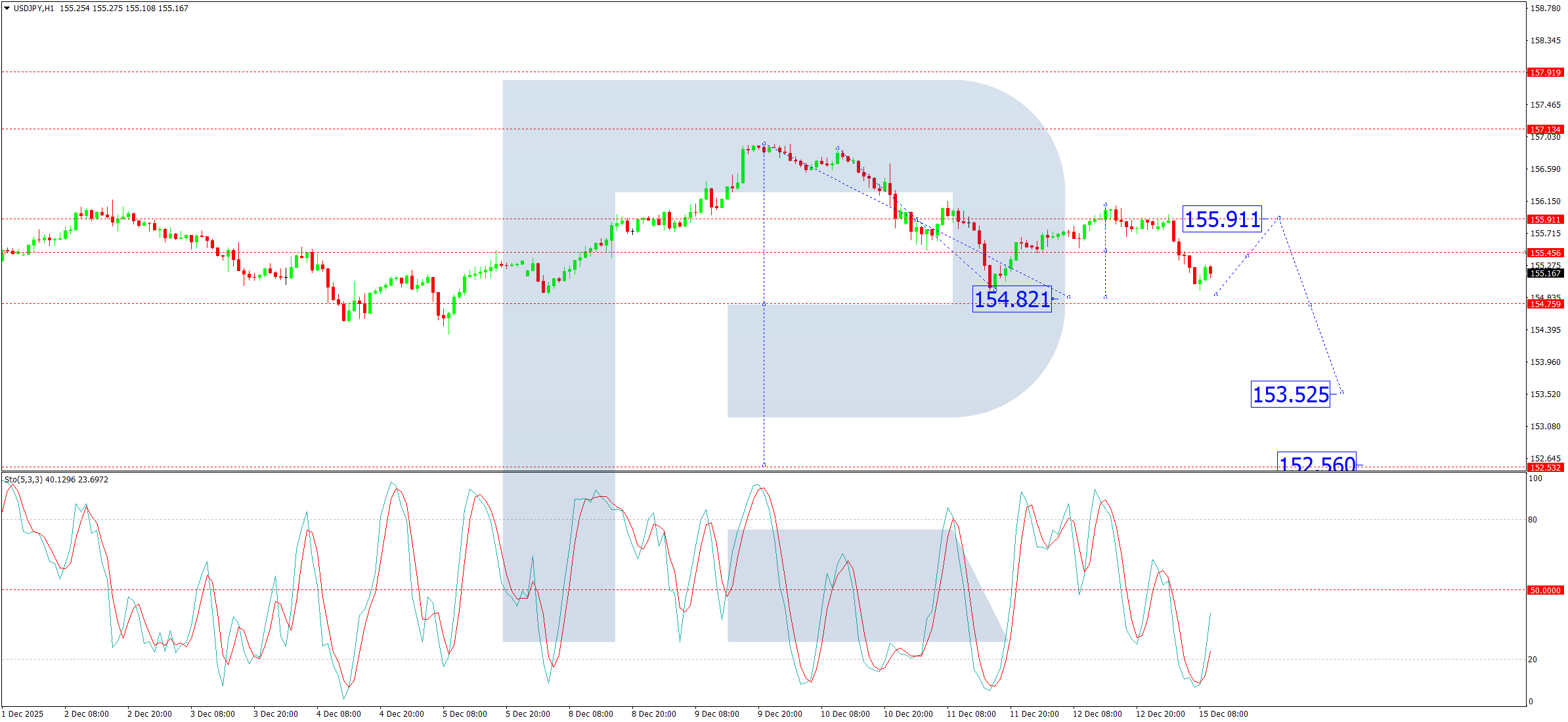
OPEC+ considers a production increase. The Bank of Japan is still ready to continue raising interest rates

By JustMarkets 

By the end of Wednesday, the Dow Jones Index (US30) fell by 0.05%. The S&P 500 Index (US500) gained 0.51%. The technology-heavy Nasdaq (US100) closed higher by 1.02%. Wall Street finished mixed on Wednesday as tech gains offset broader market weakness, with investors weighing a favorable antitrust ruling for Google and signs of a cooling labor market. Alphabet shares surged 9.1% after a court allowed the company to maintain Chrome and its lucrative search deal with Apple, easing fears of a forced breakup. Apple shares rose by 3.8%, helping to bolster confidence in the resilience of large technology companies despite regulatory pressures. In contrast, the Dow dropped 24 points as weakness in the financial and energy sectors countered tech-sector gains. On the data front, the JOLTS report showed job openings fell to their lowest level since September, and factory orders contracted by 1.3%.

European stock markets were mostly up on Wednesday. Germany’s DAX (DE40) was up 0.46%, France’s CAC 40 (FR40) closed with a gain of 0.86%, Spain’s IBEX35 (ES35) gained 0.58%, and the UK’s FTSE 100 (UK100) closed up 0.67%. The Eurozone’s HCOB Composite Business Activity Index rose to 51 in August 2025 from 50.9 the previous month, which was slightly below the preliminary estimate of 51.1 but beat initial market expectations of 50.7. The total volume of new orders increased for the first time in 15 months, despite a contraction in new export orders. The signal of renewed demand for production capacity led companies to increase staff to the highest level in 14 months. Meanwhile, input cost inflation accelerated to a five-month high, which subsequently led to a rise in output prices. Despite the stronger headline figures, overall business confidence remained unchanged during the period amid concerns about US tariffs and economic issues within the Eurozone.

WTI crude oil prices fell below $64 per barrel on Wednesday, retreating from a four-week high of $65.7 reached earlier in the session, on renewed signs of a supply increase. Reports indicate that the OPEC+ group is considering an increase in oil production at its meeting this coming weekend, surprising markets that had largely expected production levels to be maintained. Such a decision would extend the cartel’s series of production increases this year, despite expectations of slowing fuel demand, as major producers and exporters prioritize regaining market share and boosting their budget revenues from energy sales.

Asian markets were mostly down yesterday. Japan’s Nikkei 225 (JP225) fell by 0.88%, China’s FTSE China A50 (CHA50) declined 0.96%, Hong Kong’s Hang Seng (HK50) was down 0.60%, and Australia’s ASX 200 (AU200) showed a negative result of 1.82%. Hong Kong stocks dropped nearly 1.0% on Thursday morning, marking their third consecutive decline amid widespread losses in the sector. Sentiment became increasingly cautious as traders continued to assess financial difficulties in major economies. The Hang Seng Index also followed mainland Chinese stocks, which extended their slide for a third straight session after reports that regulators are preparing measures to cool down Chinese markets.

Bank of Japan Governor Kazuo Ueda stated on Wednesday that the Bank of Japan remains ready to continue raising interest rates if the economy and prices develop in line with expectations. His statement followed a meeting with Prime Minister Shigeru Ishiba, the first since February, as part of a regular exchange of views on the economy and markets. The Central Bank concluded a decade-long stimulus program last year and raised short-term rates to 0.5% in January, confident that Japan was approaching its 2% inflation target. However, political uncertainty could complicate the outlook, as Ishiba is under pressure and may resign after the LDP’s defeat in the upper house elections in July.

Indonesia’s Central Bank agreed to a “burden-sharing” arrangement with the government, under which it will raise interest rates on government deposits to help fund state programs. This arrangement is designed to support the government’s efforts to raise funds through the bond market for initiatives like building affordable housing and creating village-level cooperatives. Additionally, BI acquired IDR 200 trillion (US$12.3 billion) in government bonds on the secondary market, including IDR 150 trillion through a debt swap with the government.

S&P 500 (US500) 6,448.26 +32.72 (+0.51%)

Dow Jones (US30) 45,271.23 −24.58 (−0.054%)

DAX (DE40) 23,594.80 +107.47 (+0.46%)

FTSE 100 (UK100) 9,177.99 +61.30 (+0.67%)

USD Index 98.15 −0.25 (−0.25%)

News feed for: 2025.09.04

  • Australia Trade Balance (m/m) at 04:30 (GMT+3);
  • Switzerland Consumer Price Index (m/m) at 09:30 (GMT+3);
  • Switzerland Unemployment Rate (m/m) at 10:00 (GMT+3);
  • Eurozone Retail Sales (m/m) at 12:00 (GMT+3);
  • US ADP Non-Farm Employment Change (m/m) at 15:15 (GMT+3);
  • US Initial Jobless Claims (w/w) at 15:30 (GMT+3);
  • Canada Trade Balance (m/m) at 15:30 (GMT+3);
  • US Trade Balance (m/m) at 15:30 (GMT+3);
  • US ISM Services PMI (m/m) at 17:00 (GMT+3);
  • US Natural Gas Storage (w/w) at 17:30 (GMT+3);
  • US Crude Oil Reserves (w/w) at 18:00 (GMT+3).

By JustMarkets


This article reflects a personal opinion and should not be interpreted as an investment advice, and/or offer, and/or a persistent request for carrying out financial transactions, and/or a guarantee, and/or a forecast of future events.

USD/JPY in Equilibrium as Volatility Rises

By RoboForex Analytical Department

The USD/JPY pair held steady on Thursday, trading around 148.13 as the yen modestly recovered from the losses incurred in the previous session. The US dollar came under pressure following the release of softer US labour market data, which bolstered expectations of an impending Federal Reserve rate cut.

Domestically, Bank of Japan Governor Kazuo Ueda reiterated on Wednesday the central bank’s commitment to a gradual pace of rate hikes, contingent on economic growth and inflation aligning with its projections.

Market participants now await further direction from the latest wage statistics, due for release on Friday.

Meanwhile, political uncertainty continues to weigh on the Japanese currency. The pair briefly touched a one-month low yesterday amid news that Hiroshi Moriyama, the ruling party’s secretary-general and a key ally of Prime Minister Shigeru Ishiba, had resigned. Speculation has since intensified that Ishiba himself may step down. Among the potential successors is Sanae Takaichi, a noted proponent of maintaining ultra-low interest rates, a factor likely to keep the yen under pressure.

Technical Analysis: USD/JPY

H4 Chart:

On the H4 chart, USD/JPY continues to develop a corrective wave within a defined ascending channel. The current move suggests a continuation of the correction towards the channel’s lower boundary near 146.77. Upon completion of this pullback, the pair could form another leg higher, with an initial target at 149.00 and a further objective at 150.75. This outlook is technically supported by the MACD indicator. The histogram has begun to decline, while the signal line has crossed beyond the histogram and is turning lower.

H1 Chart:

On the H1 chart, having tested the 149.00 level, the pair is now forming a corrective decline. The support level at 146.77 serves as the initial target for this pullback. This scenario is confirmed by the Stochastic oscillator. Its signal line is currently in the overbought zone above 80.0. A decisive break below the 80.0 level would signal a likely continuation of the corrective move.

Conclusion


USD/JPY is currently balancing between a dovish Fed and a cautious BoJ, amplified by domestic political risks. While the near-term bias is for a continued correction lower, the broader uptrend remains intact pending a break of key channel support. All eyes are on Friday’s wage data for the next significant catalyst.


Disclaimer:

Any forecasts contained herein are based on the author’s particular opinion. This analysis may not be treated as trading advice. RoboForex bears no responsibility for trading results based on trading recommendations and reviews contained herein.

Rising Treasury yields intensified pressure on US and European stock indices

By JustMarkets 

Wall Street opened September on a negative note, with US stocks falling alongside bonds amid uncertainty about trade policy, interest rates, and economic data. At the close of trading on Tuesday, the Dow Jones Index (US30) dropped by 0.55%. The S&P 500 Index (US500) declined by 0.69%. The technology-heavy Nasdaq Index (US100) closed down by 0.82%. Rising Treasury yields added to the pressure, with 10-year yields approaching 4.3% and 30-year yields nearing 5%, which is seen as an unfavorable factor for equities. Sentiment was further dampened after a federal appeals court ruled that most of Trump’s tariffs were illegal, although they will remain in effect until October 14 pending a Supreme Court decision. Investors are now looking ahead to Friday’s August employment report, which could influence the Fed’s next rate decision, with markets currently expecting a 25-basis-point cut.

European stock markets were mostly down on Tuesday. The German DAX (DE40) fell by 2.29%, the French CAC 40 (FR40) closed down by 0.70%, the Spanish IBEX 35 (ES35) declined by 1.57%, and the UK’s FTSE 100 (UK100) closed down by 0.87%. European stocks closed sharply lower on Tuesday, following a broad sell-off in global equities amid rising long-term borrowing costs, as markets digested the latest inflation data. The Eurozone’s annual inflation rate edged up to 2.1%, while the core rate did not decrease for the third consecutive month, fueling persistent concerns about sticky service sector inflation. This data coincided with a new record for European bond issuance in a single session amid large sales in the UK and Italy, which put additional pressure on long-term securities.

WTI oil prices fluctuated around $65.7 per barrel on Wednesday, holding onto gains of more than 1% from the previous session, a rally supported by US sanctions and ongoing supply concerns. Washington recently imposed sanctions on shipping companies and vessels linked to an Iraqi-Kurdish businessman involved in transporting Iranian oil under the guise of Iraqi crude. Supply pressure also intensified after Ukrainian drones attacked facilities representing about 17% of Russia’s oil refining capacity. Meanwhile, traders are turning their attention to the September 7th OPEC+ meeting, though analysts do not expect any immediate changes to production levels.

Asian markets were mostly lower yesterday. Japan’s Nikkei 225 (JP225) rose by 0.29%, China’s FTSE China A50 (CHA50) gained 0.40%, Hong Kong’s Hang Seng (HK50) fell by 0.47%, and Australia’s ASX 200 (AU200) closed down by 0.30%.

Hong Kong stocks fell in early Wednesday trading, marking a second straight session of losses after a weak start on Wall Street the day before, where investors were assessing the outlook for President Donald Trump’s tariffs following a federal appeals court ruling that most of his sweeping measures were illegal. Further declines in mainland Chinese stocks also soured sentiment, even as a private survey showed that China’s composite PMI rose to a 9-month high in August, indicating a third consecutive month of private sector growth amid broad gains in manufacturing and services.

The Australian dollar was little changed at around $0.652 on Wednesday after falling by 0.5% in the previous session, as a strengthening US dollar offset optimistic domestic GDP data. On the domestic front, Australia’s economy grew by 0.6% in the second quarter, surpassing expectations of 0.5% and accelerating from a revised 0.3% in the first quarter, marking the 15th consecutive quarter of growth. Annual GDP also increased by 1.8%, the fastest growth since the third quarter of 2023, though investors remained cautious about the outlook, with market swaps indicating more than an 80% chance that the Reserve Bank of Australia will keep rates unchanged later this month.

A quarterly survey by the Monetary Authority of Singapore (MAS) revealed that economists have raised their 2025 growth expectations for Singapore and expect monetary policy to remain unchanged at the next review. The median growth expectations was raised from 1.7% in June to 2.4% after the government increased its 2025 projections range to 1.5%–2.5% in August, driven by stronger first-half results. Economists projections a 0.9% year-on-year growth for the third quarter. Geopolitical tensions were cited as the primary downside risk, while an easing of trade disputes and a pickup in the technology sector were named as key growth drivers.

On Wednesday, the New Zealand dollar held its recent decline at around $0.585 amid growing expectations of further policy easing by the Reserve Bank, given the weakness of the domestic economy. Recent data showed a sharp fall in export volumes in the June quarter, while import volumes rose significantly, indicating that trade likely had a major impact on GDP. Analysts now expect two more rate cuts, which would bring the rate down to 2.50%, the lowest level since mid-2022.

S&P 500 (US500) 6,415.54 −44.72 (−0.69%)

Dow Jones (US30) 45,295.81 −249.07 (−0.55%)

DAX (DE40) 23,487.33 −550.00 (−2.29%)

FTSE 100 (UK100) 9,116.69 −79.65 (−0.87%)

USD Index 98.32 +0.55 (+0.57%)

News feed for: 2025.09.03

  • Australia Services PMI (m/m) at 02:00 (GMT+3);
  • Japan Services PMI (m/m) at 03:30 (GMT+3);
  • Australia GDP (q/q) at 04:30 (GMT+3);
  • China Caxin Services PMI (m/m) at 04:45 (GMT+3);
  • Eurozone ECB President Lagarde Speaks at 10:30 (GMT+3);
  • German Services PMI (m/m) at 10:55 (GMT+3);
  • Eurozone Services PMI (m/m) at 11:00 (GMT+3);
  • UK Services PMI (m/m) at 11:30 (GMT+3);
  • Eurozone Producer Price Index (m/m) at 12:00 (GMT+3);
  • UK Monetary Policy Report Hearings at 16:45 (GMT+3);
  • US JOLTs Job Openings (m/m) at 17:00 (GMT+3).

By JustMarkets


This article reflects a personal opinion and should not be interpreted as an investment advice, and/or offer, and/or a persistent request for carrying out financial transactions, and/or a guarantee, and/or a forecast of future events.