Colombia joins Mexico in raising rate to curb inflation

By CentralBankNews.info

Colombia’s central bank joined its South American brethren, along with a growing number of central banks worldwide, and raised its main interest rate to prevent accelerating inflation from becoming entrenched though rising inflation expectations and thus a longer-term threat to financial stability.
The Central Bank of Colombia (CBC) raised its benchmark interest rate by 25 basis points to 2.0 percent – its first rate hike since July 2016 – shortly after the Bank of Mexico (Banxico) raised its rate for the third time this year by 25 points to 4.75 percent.
Illustrating the quickening pace of central bank rate hikes, the central banks of Jamaica and the Czech Republic also raised their rates today, boosting the number of banks that have raised their rates in September alone to 16, up from 14 in August and 10 in July.
      Colombia now joins other Latin American banks of Brazil, Chile, Peru, Mexico and Uruguay in trying to curb rising inflationary pressures as demand bounces back while supply chains remained strained and commodity prices are soaring.
      Colombia becomes the 31st central bank to raise its rates so far this year, including 11 emerging market central banks, as they unwind some of last year’s extraordinary monetary stimulus that was aimed at cushioning economic activity during the COVID-19 pandemic
      The board of Colombia’s central bank was split in its decision, which was widely expected, with 4 members voting for the 25-point hike and the other 3 voting for a 50-point rate hike.
“A recovery in economic activity that was interrupted by roadblocks and a third wave of COVID-19 in the second quarter was restored in the third quarter,” CBC said, raising its forecast for economic growth this year to 8.6 percent from July’s forecast of 6.5 percent.
For 2022 CBC forecast growth of 3.9 percent in 2022.
      Inflation in Colombia has been rising in the last four months and rose to 4.4 percent in August – well above CBC’s 3.0 percent target – and the bank’s staff raised its inflation forecast for this year due to domestic and external supply shocks, along with a faster expected closing of the output gap.
      The staff now expect inflation of 4.5 percent by the end of this year, up from last month’s forecast of 4.1 percent, and forecast 3.5 percent inflation by the end of 2022.
      At the Bank of Mexico, 4 board members voted for today’s rate hike while one member voted to maintain the rate.
      Although Mexico’s inflation rate has trended lower since April, at 5.59 percent in August it remains above the bank’s 3.0 percent target, and Banxico said inflation expectations for both this year and 2022 had risen.
      Banxico raised its forecast for headline inflation in the third quarter to 5.8 percent from last month’s forecast of 5.6 percent and fourth quarter inflation to 6.2 percent from 5.7 percent.
     But it also expects inflation to trend down next year, ending the year at 3.4 percent and to ease in 2023.
     “Although the shocks that have increased inflation are expected to be transitory, due to their variety, magnitude, and the extended horizon over which they have affected it, they may pose risks to the price formation process and to inflation expectations,” the bank said.
      The Central Bank of Colombia issued the following statement followed by the Bank of Mexico’s press release about its policy decision:

“Banco de la República’s board decides unanimously to begin normalizing monetary policy

The board voted 4-3 to raise the benchmark interest rate by 25 basis points to 2.0%; the three dissenting board members voted for a 50-basis point increase.

This decision was based on the following considerations:

  • A recovery in economic activity that was interrupted by roadblocks and a third wave of COVID-19 in the second quarter was restored in the third quarter. A strengthening of demand both domestically and among Colombia’s major trade partners would be expected to encourage economic dynamism over the rest of the year, with GDP growth now projected at 8.6% in 2021 and 3.9% in 2022. The higher-than-expected forecasts suggest that excess productive capacity could be closed more quickly than previously anticipated.
  • Annual inflation continued on an upward trajectory in August, reaching 4.4%; core inflation (CPI excluding food and regulated items) reached 2.3%. The increase can be explained in large part by domestic and international supply shocks that are expected to be transitory but whose durations may vary. The partial reversion of some price relief measures, amid more dynamic demand and a reduction in excess capacity, would also be a factor.
  • The persistence of external shocks, indexation to higher inflation rates on some prices, and a faster-than-expected closure of the output gap have led the technical staff to revise its inflation forecasts upward to 4.5% for the end of 2021 and 3.5% for the end of 2022. Expected inflation has increased, though in the medium term remains close to the target. The increased persistence of supply shocks and their upward effects on prices could distance expectations from the target rate.
  • The more positive performance of demand relative to supply has been reflected in an increase in the current account deficit, which according to the technical staff’s most recent estimates will reach 5.0% of GDP at the end of 2021, higher than the 3.6% deficit in 2020. This can be explained in large part by a greater trade imbalance on goods and services associated with a significant increase in imports compared to exports. Capital flows, including foreign investment, will provide the primary source of financing, underlining the importance of macroeconomic stability.
  • In reviewing the balance of risks the board of directors was cognizant of the significant amount of uncertainty surrounding these forecasts, as well as of the remaining risk of the COVID-19 pandemic once again worsening and affecting recovery in domestic and international demand. The board also recognized the risk of deviation in expected inflation compared to the target becoming a persistent phenomenon that could lead to indexation at higher rates of inflation.  “

The Bank of Mexico issued the following statement:

Banco de México’s Governing Board decided to increase the target for the overnight interbank interest rate by 25 basis points to 4.75%, effective October 1, 2021.

Global economic activity continued to recover, although at a slower pace and heterogeneously across countries, associated with vaccine availability, the evolution of the pandemic, and spending programs. Global inflation continued increasing due to pressures on commodity prices, base effects, bottlenecks in production, and to stimulus spending and its recomposition towards merchandise. The central banks of the main advanced economies have maintained the monetary accommodation, although some of them are already expecting to diminish it, while those of several emerging economies continue reducing it. Among key global risks are those associated with the pandemic, inflationary pressures, and adjustments in monetary and financial conditions.

In domestic financial markets, the volatility of the peso exchange rate and interest rates have increased. The recovery of the Mexican economy continued during the third quarter and is expected to endure for the rest of the year and 2022. Uncertainty about the pandemic persists and slack conditions are anticipated, with significant differences across sectors.

Global inflationary pressures and bottlenecks in production continue affecting headline and core inflation, which during the first fortnight of September registered annual variations of 5.87% and 4.92%, respectively. Headline and core inflation expectations for 2021 increased again, those for the next 12 months and for 2022 also rose, while those for longer terms have remained stable at levels above the target.

Headline and core inflation forecasts were revised upwards compared to those previously released (see table). Considering the nature of the shocks that have affected them, the larger increases correspond to the short term. Annual headline and core inflation projections are expected to decrease, particularly for one year and beyond, and to converge to the 3% target by the end of the forecast horizon. These forecasts are subject to risks. On the upside: i) external inflationary pressures; ii) cost-related pressures; iii) core inflation persistence; iv) exchange rate depreciation; and v) increases in agricultural and livestock product prices. On the downside: i) a widening of the negative output gap; ii) additional social distancing; and iii) exchange rate appreciation. The balance of risks for the trajectory of inflation within the forecast horizon is biased to the upside.

Although the shocks that have increased inflation are expected to be transitory, due to their variety, magnitude, and the extended horizon over which they have affected it, they may pose risks to the price formation process and to inflation expectations. In order to avoid such risks, it was deemed necessary to reinforce the monetary policy stance by adjusting it to the trajectory required for inflation to converge to its 3% target within the forecast horizon. The Governing Board decided to increase the target for the overnight interbank interest rate by 25 basis points to 4.75%.

For the next monetary policy decisions, the Governing Board will assess the factors that have an incidence on the foreseen trajectory for inflation and its expectations, in order for the policy rate to be consistent at all times with the orderly and sustained convergence of headline inflation to the 3% target within the time frame in which monetary policy operates, enabling an adequate adjustment of the economy and financial markets.

Voting in favor of the decision were Alejandro Díaz de León, Irene Espinosa, Galia Borja and Jonathan Heath. Voting in favor of leaving the target for the overnight interbank interest rate unchanged at 4.50% was Gerardo Esquivel.”

www.CentralBankNews.info

Ichimoku Cloud Analysis 01.10.2021 (EURUSD, BRENT, NZDUSD)

Article By RoboForex.com

EURUSD, “Euro vs US Dollar”

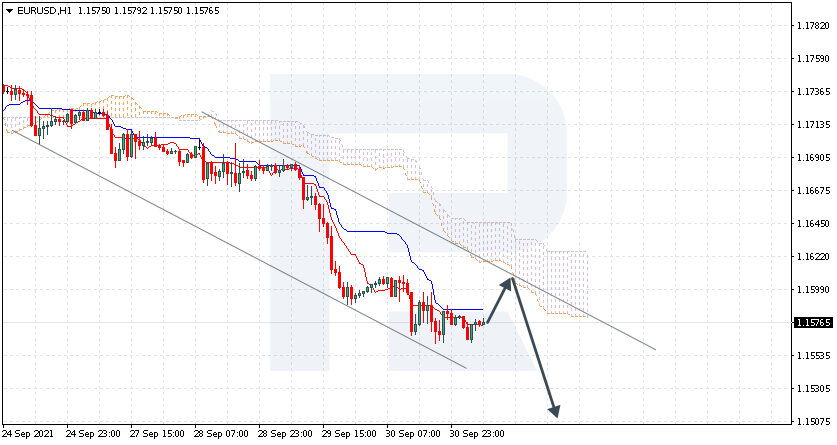
EURUSD is trading at 1.1576; the instrument is moving below Ichimoku Cloud, thus indicating a descending tendency. The markets could indicate that the price may test the cloud’s downside border at 1.1605 and then resume moving downwards to reach 1.1505. Another signal in favor of a further downtrend will be a rebound from the descending channel’s upside border. However, the bearish scenario may no longer be valid if the price breaks the cloud’s upside border and fixes above 1.1665. In this case, the pair may continue growing towards 1.1775.

EURUSD
Risk Warning: the result of previous trading operations do not guarantee the same results in the future

BRENT

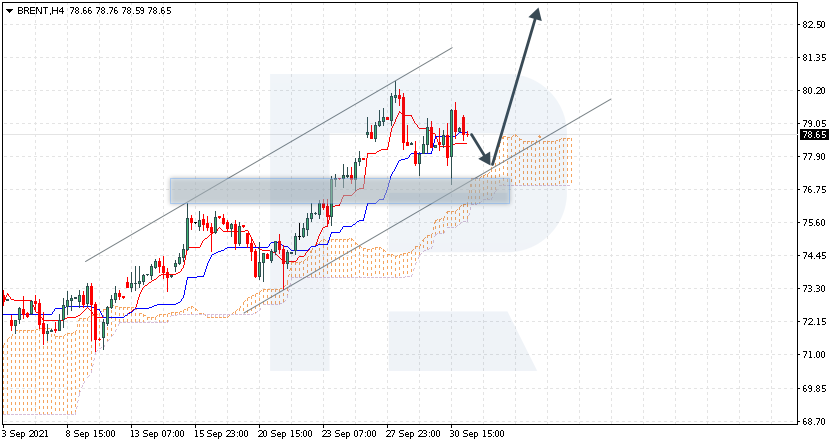
Brent is trading at 78.65; the instrument is moving above Ichimoku Cloud, thus indicating an ascending tendency. The markets could indicate that the price may test the cloud’s upside border at 77.65 and then resume moving upwards to reach 83.05. Another signal in favor of a further uptrend will be a rebound from the rising channel’s downside border. However, the bullish scenario may no longer be valid if the price breaks the cloud’s downside border and fixes below 75.45. In this case, the pair may continue falling towards 74.35.

BRENT
Risk Warning: the result of previous trading operations do not guarantee the same results in the future

NZDUSD, “New Zealand Dollar vs US Dollar”

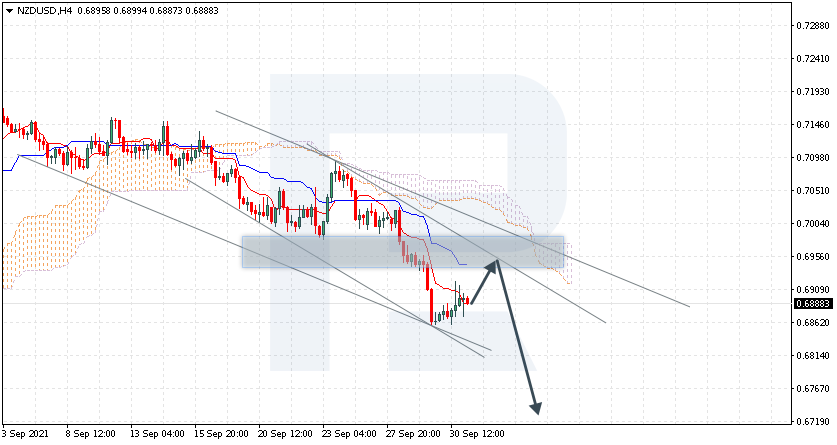
NZDUSD is trading at 0.6883; the instrument is moving below Ichimoku Cloud, thus indicating a descending tendency. The markets could indicate that the price may test Tenkan-Sen and Kijun-Sen at 0.6955 and then resume moving downwards to reach 0.6725. Another signal in favor of a further downtrend will be a rebound from the descending channel’s upside border. However, the bearish scenario may no longer be valid if the price breaks the cloud’s upside border and fixes above 0.7095. In this case, the pair may continue growing towards 0.7185.

NZDUSD

Article By RoboForex.com

Attention!
Forecasts presented in this section only reflect the author’s private opinion and should not be considered as guidance for trading. RoboForex LP bears no responsibility for trading results based on trading recommendations described in these analytical reviews.

The Analytical Overview of the Main Currency Pairs on 2021.10.01

by JustForex

The EUR/USD currency pair

Technical indicators of the currency pair:
  • Prev Open: 1.1597
  • Prev Close: 1.1576
  • % chg. over the last day: -0.18%

According to Bloomberg Economics, inflation data for September in the Eurozone is likely to be negative. Inflation is expected to be clearly above the European Central Bank’s 2% target in all major economies in the region. German inflation accelerated to 4.1% in September from 3.9% in August, the highest rate since 1993. Unemployment in the Eurozone fell to 7.5% in August.

Trading recommendations
  • Support levels: 1.1564, 1.1453
  • Resistance levels: 1.1671, 1.1717, 1.1772, 1.1802, 1.1835

From the technical point of view, the EUR/USD trend has changed to bearish. On the background of the weakness of the European currency, the quotes went down sharply. The price has consolidated below the priority change level. But the MACD indicator shows a divergence. Under such market conditions, traders should consider sell deals from the resistance levels near the moving average, as the price has deviated from the middle line. Buy trades should be considered only from the support levels with additional confirmation in the form of a buyers’ initiative.

Alternative scenario: if the price breaks out through the 1.1717 resistance level and fixes above, the mid-term uptrend will likely resume.

EUR/USD
News feed for 2021.10.01:
  • – German Manufacturing PMI (m/m) at 10:55 (GMT+3);
  • – Eurozone Manufacturing PMI (m/m) at 11:00 (GMT+3);
  • – Eurozone Consumer Price index (m/m) at 12:00 (GMT+3);
  • – US PCE price index (m/m) at 15:30 (GMT+3);
  • – US ISM Manufacturing PMI (m/m) at 17:00 (GMT+3);
  • – US Michigan Consumer Sentiment (m/m) at 17:00 (GMT+3).

The GBP/USD currency pair

Technical indicators of the currency pair:
  • Prev Open: 1.3425
  • Prev Close: 1.3470
  • % chg. over the last day: +0.33%

In the UK, 15 power companies, providing services to about 2 million people, have gone bankrupt since the beginning of the year because of high gas prices. But the situation with fuel shortages at gas stations is improving. The British GDP increased to 5.5% (previous 4.8%) in annual terms.

Trading recommendations
  • Support levels: 1.3360, 1.3282
  • Resistance levels: 1.3525, 1.3617, 1.3685, 1.3759, 1.3812, 1.3886

On the hourly time frame, the GBP/USD trend is bearish. The MACD indicator has become negative. Buy trades should be considered only throughout the day and only with short targets from the support levels after the buyer’s initiative. Sell trades can be found at the resistance levels near the moving average line, as the price has deviated from the average values.

Alternative scenario: if the price breaks out through the 1.3759 resistance level and consolidates above, the bullish scenario will likely resume.

GBP/USD
News feed for 2021.10.01:
  • – UK Manufacturing PMI (m/m) at 11:30 (GMT+3).

The USD/JPY currency pair

Technical indicators of the currency pair:
  • Prev Open: 111.95
  • Prev Close: 111.25
  • % chg. over the last day: -0.63%

Last month, Japan’s unemployment rate remained at 2.8% (forecast 2.9%), but the business activity index unexpectedly increased. With the removal of restrictions, this indicator is going to improve. Japan’s new Prime Minister, Kishida, intends to dissolve the parliament on October 14.

Trading recommendations
  • Support levels: 110.95, 110.65, 110.40, 109.95, 109.63, 109.27
  • Resistance levels: 111.62, 112.19

The main trend of the USD/JPY currency pair is bullish. The MACD indicator became negative, and the correction started. Under such market conditions, it’s better to look for buy positions from the support levels near the moving average. Sell positions should be considered only throughout the day from the resistance levels, given there is sellers’ initiative.

Alternative scenario: if the price falls below 110.45, the uptrend is likely to be broken.

USD/JPY
News feed for 2021.10.01:
  • – Japan Unemployment Rate (m/m) at 02:30 (GMT+3);
  • – Japan Tankan Manufacturing Index (m/m) at 02:50 (GMT+3).

The USD/CAD currency pair

Technical indicators of the currency pair:
  • Prev Open: 1.2751
  • Prev Close: 1.2682
  • % chg. over the last day: -0.54 %

The Canadian dollar is a commodity currency, so USD/CAD is highly dependent on the dynamics of the dollar index and oil prices. The dollar index remained at the same level yesterday while oil prices increased. As a result, the USD/CAD quotes decreased due to the strengthening of the Canadian currency.

Trading recommendations
  • Support levels: 1.2611, 1.2565, 1.2518, 1.2425
  • Resistance levels: 1.2729, 1.2774, 1.2891

From the technical point of view, the trend of the USD/CAD currency pair is bearish. But the price is trading in a wide corridor now. The MACD indicator has become inactive. Under such market conditions, it is better to look for buy deals from the support levels, but only with short targets. It is best to look for sell deals from the resistance levels after the sellers’ initiative, such as an impulse movement.

Alternative scenario: if the price breaks out through the 1.2774 resistance level and fixes above, the uptrend will likely resume.

USD/CAD
News feed for 2021.10.01:
  • – Canada GDP (m/m) at 15:30 (GMT+3).

by JustForex


This article reflects a personal opinion and should not be interpreted as an investment advice, and/or offer, and/or a persistent request for carrying out financial transactions, and/or a guarantee, and/or a forecast of future events.

Czechs raise rate 3rd time to anchor expectations

By CentralBankNews.info

The central bank for the Czech Republic raised its benchmark interest rate for the third time this year by a larger-than-expected amount, saying today’s “forceful” rate hike aims to anchor inflation expectations, which have been above the bank’s 2.0 percent target for some time.
The Czech National Bank (CNB) raised its two-week repo rate by a further 75 basis points to 1.50 percent and has now raised it 1.25 percentage points following earlier hikes in June and August.
The Lombard rate, the cost of short-term loans to banks, was also raised by the same amount to 2.50 percent while the CNB’s discount rate was raised to 0.50 percent from 0.05 percent.
     “The forceful increase in interest rates aims to support the return of inflation towards the target,” CNB said, adding it doesn’t want inflation expectations to become more significantly unanchored.
     The main reason for the sharp rate hike was a rapid rise in inflation.
     Headline inflation in the Czech Republic jumped to 4.1 percent in August from 3.4 percent in July, producer prices rose an annual 9.3 percent in August – the most since April 1993 – from 7.8 percent in July and wages rose 8.2 percent year-on-year in the second quarter of this year.
     “The Bank Board assessed the risks and uncertainties of the summer forecast as being markedly inflationary and hence requiring a faster rise in interest rates compared with the current forecast,” it said.
     The bank had expected only 3.1 percent inflation in August, or 1 percentage point below the outcome.
     Due to the persistent disruptions to supplies, high global demand for industrial products and rising prices of electricity and gas, the outlook for both producer prices and consumer prices has been raised.
     And while the CNB still expects inflation to return towards its 2.0 percent target next year, it said there were significant upside risks to this outlook, especially for the next few quarters as the latest date points to “unexpectedly strong inflation pressures from the domestic and foreign economy.”
      As in August, the bank’s board was split in its decision.
      Today, five members voted for the sharp rate hike while two voted to maintain the rate.
      In August four board members voted for the 25-point hike, one voted for a 50-point hike and two voted to maintain the rate.
       “The pace of further tightening of monetary policy will be conditional on future developments and on the message of the autumn forecast,” CBN added.
      The size of the rate hike took financial markets by surprise – the Czech koruna jumped – as it follows recent comments by several of the bank’s board members about the possibility of a 50-basis-point hike in response to rising inflationary pressures from rising wages due to a persistent shortage of workers.
      But in the wake of the Aug. 5 rate hike, the CBN board on Aug. 26 boosted the countercyclical capital buffer to banks’ domestic exposure for the second time, this time by another by 50 basis points to 1.50 percent, and said it was ready to raise it again if banks’ exposure to risk continues to rise.
     The Czech koruna jumped 0.9 percent against the euro to 25.29 after the rate hike to be 3.7 percent higher than at the start of the year and the Czech stock market hit a 13-year high, extending its rally since October 2020.

The Czech National Bank released the following statement:

“Statement of the Bank Board for the press conference following the monetary policy meeting

At its meeting today, the Bank Board of the Czech National Bank increased the two-week repo rate by 75 basis points to 1.50%. At the same time, it increased the discount rate to 0.50% and the Lombard rate to 2.50%. Five members voted in favour of this decision and two members voted for leaving rates unchanged.

This decision of the Bank Board is underpinned by the summer macroeconomic forecast and by an assessment of information obtained since it was prepared. Consistent with the forecast is a rise in market interest rates from the middle of this year onwards. The Bank Board assessed the risks and uncertainties of the summer forecast as being markedly inflationary and hence requiring a faster rise in interest rates compared with the current forecast. The pace of further tightening of monetary policy will be conditional on future developments and on the message of the autumn forecast.

The current outlook for foreign industrial producer price inflation has been revised markedly upwards, especially for the near future. This is due to persisting disruptions to material and component supplies and high global demand for the production of the industrial sector. Along with rising prices of electricity and gas on commodity exchanges, this will also lead to an increase in the outlook for consumer price inflation this year and the next. Expected GDP growth in the effective euro area is slightly higher this year. The outlook for still low foreign interest rates is unchanged.

The outlooks for the Brent crude oil price and the euro-dollar exchange rate also remain almost unchanged from the assumptions of the current forecast.

So far in Q3, domestic inflation has been visibly above the 3% upper boundary of the tolerance band around the CNB’s inflation target. Annual consumer price inflation was higher than forecasted in July and accelerated significantly further in August, exceeding the forecast by one percentage point. The main factor underlying this was a further unexpected strong rise in core inflation. It was due primarily to increasing growth in the cost of owner-occupied housing and rising prices in the reopened services sector. However, goods prices, including food prices, also accelerated. Fuel prices continued to rise apace year on year, in line with the forecast. Administered price inflation remained subdued, but the current forecast expects it to rise sharply in the autumn on the back of increasing prices of electricity and natural gas for households. According to the summer forecast, inflation will return towards the 2% target next year, aided by this year’s tightening of monetary conditions. However, there are significant upside risks to this inflation outlook, especially for the next few quarters, as newly available information points to unexpectedly strong inflation pressures from the domestic and foreign economy.

The Czech economy returned to growth in Q2. This was due mainly to an easing of most pandemic measures. The pace of economic recovery lagged only slightly behind the CNB’s forecast. The deviation was due almost exclusively to a smaller contribution of net exports. The worse export performance stems from the overloading of global production and supply chains, which led to forced restrictions of the output of Czech industry. Government consumption was also slightly lower than forecasted, despite still recording solid growth. By contrast, household consumption was well above the forecast. Gross capital formation was also slightly higher, due almost exclusively to higher additions to inventories. According to the current forecast, the Czech economy will grow by 3.5% this year and pick up slightly further next year.

Industrial production growth slowed further in July. This was due to labour shortages and the above disruptions to material and component supplies, which are also fostering a rapid rise in prices of industrial production inputs and outputs. Growth in retail sales also slowed in July, but it remains high despite a slight decrease in sales in the automotive segment. Growth in construction output remains muted.

The labour market, which did not cool too much during the pandemic, has started to show clear signs of renewed overheating in recent months. Unemployment has been falling faster than forecasted in recent months, and the reopened services sector has been facing frequent shortages of skilled employees. Wage growth lagged slightly behind the forecast in Q2, owing to somewhat lower wage growth in market sectors. However, this was partly offset by slightly higher-than-expected wage growth in non-market sectors.

The koruna-euro exchange rate was almost as forecasted on average in July–September. The koruna started to appreciate gradually in early September on market expectations that the interest rate differential would widen more significantly than previously expected. According to the current forecast, the koruna will continue to firm gradually, strengthening beyond CZK 25 to the euro in late 2021 and early 2022.

The summer forecast was drawn up in an environment of still elevated risks and uncertainties. To sum up its materialisation, economic growth and average wage growth lagged only slightly behind the forecast in Q2. The share of unemployed persons was somewhat lower during the summer months than in the current forecast. By contrast, inflation was markedly higher in August. In this context, we can already state now that our autumn forecast will contain a sizeable increase in the inflation outlook, especially in the short run.

The Bank Board assessed the risks and uncertainties of the summer forecast as being markedly inflationary and hence requiring a faster rise in interest rates compared with the current forecast. The inflationary risks include above all higher-than-expected consumer price inflation during the summer holidays. The unexpectedly strong contribution of the cost of owner-occupied housing (imputed rent) to headline inflation can be expected to persist in connection with the rapid rise in prices of property and construction work. Longer-lasting disruptions to global supply chains, resulting in stronger growth in industrial producer prices than previously expected, are acting in the same direction. All this is going on amid renewed overheating of the domestic labour market. Along with this, household consumption is rising substantially, amid growing public concerns about inflation. In this situation, the Bank Board, after carefully considering all the aspects, decided to increase interest rates by 0.75 percentage point. This forceful increase in interest rates aims to support the return of inflation towards the target over the monetary policy horizon as well as the anchoring of firms’ and households’ inflation expectations. These expectations have been faced with an overshooting of the 2% inflation target for some time now. The Czech National Bank does not intend to allow them to become more significantly unanchored from the target. The pace of further tightening of monetary policy will be conditional on future developments and on the message of the autumn forecast.”

www.CentralBankNews.info

The deficit on energy resources increases ahead of the winter season

by JustForex

US stock indices ended yesterday’s trading in the negative area. Over the month, the S&P 500 decreased by 4.8%, the Dow Jones lost 4.3%, and the Nasdaq lost 5.3%. The S&P 500 and Nasdaq indices have had their worst month-to-month performance since March 2020. Why is the stock market going down? While investors expect the Federal Reserve to cut its stimulus, the concerns about slowing economic growth, rising inflation, supply chain problems, the global energy crisis, and regulatory risks emanating from China are also increasing. The end of the month in the stock market was the time of increased volatility, hedging, and economic concerns. As a result, investors and hedge funds are rebalancing their investment portfolios. It should also be noted that the stock market saw record money outflows last week. However, many investment banks and hedge funds are still urging investors to buy all drawdowns.

Some Congress members have raised the Fed’s issue of ending the QE program as a condition for a budget deal.

Boeing received a $23.8 billion contract from the US Department of Defense.

European stock indices also closed lower yesterday. The British FTSE 100 decreased by 0.31%, German DAX lost 0.68%, French CAC 40 decreased by 0.62%, Italian FTSE MIB and Spanish IBEX 35 lost 0.21% and 0.94% respectively.

According to Bloomberg Economics, Eurozone inflation data for September is likely to be pessimistic. Inflation is expected to be clearly above the European Central Bank’s 2% target in all major economies in the region. German inflation accelerated to 4.1% in September from 3.9% in August, the highest rate since 1993. In September, inflation in France and Italy also accelerated as households in the Eurozone’s two largest economies faced a jump in energy prices. Unemployment in the Eurozone fell to 7.5% in August. European natural gas and electricity prices jumped to record highs, signaling that supply shortages will only worsen before the winter.

Oil is rising as potential demand growth caused by the global energy crisis counteracts the impact of the crisis on the overall economy. According to preliminary data, OPEC+ is considering throwing more oil on the market at next week’s meeting because of a strong deficit.

Gold is on the way to its biggest monthly loss since June, as the prospect of stimulus cuts pressures the precious metals. Yesterday, gold and silver increased sharply amid a temporary drop in US government bond yields.

Manufacturing activity in Asia rebounded in September after some countries eased restrictions associated with the Covid-19 virus. In Asia, all resources for the electricity generation, including gas, coal, and water) are in short supply, and the situation doesn’t seem to improve anytime soon. Asian stock indices are falling due to increasing inflation concerns. Australian stocks decreased more than 2%, South Korea’s Kospi is down 1.5%, and the MSCI Asia Pacific Index decreased by 1.1%. Japan’s Nikkei 225 index lost more than 2%.

Japan’s next prime minister, Fumio Kishida, may have no choice but to sell most government bonds worth hundreds of billions of dollars to finance the pandemic package.

Main market quotes:

S&P 500 (F) 4,307.54 −51.92 (−1.19%)

Dow Jones 33,843.92 −546.80 (−1.59%)

DAX 15,260.69 −104.58 (−0.68%)

FTSE 100 7,086.42 −21.74 (−0.31%)

USD Index 94.25 -0.08 (-0.09%)

Important events for today:
  • – Japan Unemployment Rate (m/m) at 02:30 (GMT+3);
  • – Japan Tankan Manufacturing Index (m/m) at 02:50 (GMT+3);
  • – German Manufacturing PMI (m/m) at 10:55 (GMT+3);
  • – Eurozone Manufacturing PMI (m/m) at 11:00 (GMT+3);
  • – UK Manufacturing PMI (m/m) at 11:30 (GMT+3);
  • – Eurozone Consumer Price index (m/m) at 12:00 (GMT+3);
  • – US PCE price index (m/m) at 15:30 (GMT+3);
  • – Canada GDP (m/m) at 15:30 (GMT+3);
  • – US ISM Manufacturing PMI (m/m) at 17:00 (GMT+3);
  • – US Michigan Consumer Sentiment (m/m) at 17:00 (GMT+3).

by JustForex


This article reflects a personal opinion and should not be interpreted as an investment advice, and/or offer, and/or a persistent request for carrying out financial transactions, and/or a guarantee, and/or a forecast of future events.

Coffee bean prices have doubled in the past year and may double again – what’s going on?

By Jonathan Morris, University of Hertfordshire 

International Coffee Day feels very different this year. Introduced by the International Coffee Organization (ICO) on October 1 2015 to raise awareness of the product and the challenges faced by producers, the day has usually focused on how low prices paid for unroasted beans barely cover farmers’ costs – let alone support their families.

Not this year, though. In the past 12 months, the C price – the benchmark price for commodity-grade Arabica coffee on the New York International Commodity Exchange – has risen from US$1.07 (£0.80) per pound (454g) to around US$1.95. Back in July, it touched US$2.08.

Arabica bean prices (US$/lb)

Long-term price chart for Arabica coffee
Trading Economics

Nearly all contracts for coffee delivery are benchmarked against the C price, with the result that prices for green Arabica (unroasted beans) have risen by over 80% during the past year. Those for Robusta coffee – a cheaper, less palatable alternative – have risen over 30%. And there is every chance that these prices will rise higher in the coming months. We may be on the verge of a major price correction that shifts the market upwards for years to come.

Why coffee got expensive

The principal reason for surging prices is a series of environmental events in Brazil. By far the world’s leading coffee producer, Brazil accounts for around 35% of global harvest. The volume of production regularly fluctuates between “on” and “off” years, and usually this is not sufficient to greatly affect prices because producers mitigate their risks through stock management and hedging prices using the coffee futures market.

However, yields in 2021 are likely to be dramatically lower. This is due to a combination of a severe drought earlier in the season, which reduced the numbers of coffee cherries, and recent intense frosts that might further damage the fruit and even the trees. The Brazilian authorities are projecting the lowest Arabica harvest for 12 years.

The big question is how this affects future production. Coffee trees can take up to five years to mature, so it will take a few seasons before the scale of the damage is clear. If, as some respected reporters are suggesting, the frost causes maximum damage – potentially hitting two-thirds of trees – there may be a long-lasting drop in world supplies. This could see prices breaking through the US$3.00 and even US$4.00 barrier.

Beans are booming. Robert Shunev/Unsplash, CC BY-SA

The long coffee cycle

The history of coffee has been characterised by extreme price volatility. Periods of excessive supplies have progressively driven down prices until a catastrophic event – either environmental or political – results in a correction.

During the 1930s, a combination of bumper harvests and weak consumer demand in the depression era led to a massive supply glut. To reduce excess stock, Brazil resorted to dumping coffee at sea and also converting it into locomotive fuel. At the other extreme, many coffee trees were killed in 1975 when Brazil was struck by a series of “black” frosts. This led to a 60% fall in output in the following harvest, and prices trebling between 1975 and 1977.

In 1962, the ICO introduced producer quotas to try and keep prices buoyant in the face of such highs and lows. This was supported by the United States to avoid communism spreading from Cuba to mainland Latin America, but it was abandoned on American insistence after 1989. This led to an over-supply and ultimately a coffee crisis at the end of the century in which the C price remained under US$1.00 for four straight years. It had tended to trade between about US$1.00 and US$2.00 per pound, and the price crash saw many producers going hungry.

The price only recovered when a coffee leaf rust infected a significant portion of Central American and Colombian production. The bitter irony of the coffee market is that prices for producers only improve when many of them suffer unsustainable losses.

The Robusta problem

Coffee prices fell in the latter part of the 2010s primarily as a result of the expansion of global production. Most notable was Vietnam, which is now the world’s second largest coffee producer and accounts for around 18% of total global production. As much as 95% of Vietnamese output is Robusta.

Robusta was actually first used for coffee cultivation because of an environmental catastrophe, when east Asia’s coffee production was virtually wiped out by coffee leaf rust during the late 19th century. In more recent times, procedures for “cleaning” Robusta to reduce off-flavours have improved to the point that roasters increasingly resort to raising its proportion within a blend. This is particularly done when targeting markets which are primarily driven by price, such as instant coffee.

If prices keep spiking now, using more Robusta in blends could prevent coffee from becoming too expensive for consumers. But this will be difficult to do, at least short-term, because of severe COVID restrictions in Vietnam. This has caused considerable disruptions both to transporting coffee from the central highlands to the export hub of Ho Chi Minh city, and then managing the onward shipping logistics. The same issues have arisen in many coffee-producing nations.

Consequently we have brokers battling to secure sufficient stocks, roasters contemplating how to pass on price rises to their business customers, and consumers facing the prospect of paying higher prices for household coffee products.

But will producers be the winners in this latest price surge? Those Brazilian agribusinesses that survive the immediate impact of the frosts surely will, as too the well-capitalised, medium-sized farms of Latin America.

What, though, of the smallholders and subsistence farmers who make up 95% of coffee farmers? For years, the ICO and its member states have presented these farmers as the victims of global market forces; now we will find out if these players are capable of delivering back to farmers the increased value their coffee is generating. If so, then International Coffee Day will indeed be something to celebrate.The Conversation

About the Author:

Jonathan Morris, Professor of History, University of Hertfordshire

This article is republished from The Conversation under a Creative Commons license. Read the original article.


Iceland tightens further by raising capital buffer

By CentralBankNews.info

Iceland’s central bank tightened its monetary policy stance further by raising banks’ countercyclical capital buffer and capping the debt service-to-income ratios on consumer mortgages.
The Financial Stability Committee (FSN), part of the Central Bank of Iceland (CBI), raised the countercyclical capital buffer on financial institutions’ domestic exposure to 2.0 percent from zero, with the increase taking effect in 12 months.
      FSN also imposed a maximum debt service-to income ratio of 40 percent for first time home buyers and 35 percent for all other borrowers.
      CBI, which has already raised its key policy interest rate twice this year by 50 basis points, said the economic recovery, coupled with its accommodative monetary and macro prudential stance, had supported households and business while asset prices, including real estate prices, have risen markedly.
      “Uncertainly about financial institutions’ position has receded, and loan quality has improved,” FSN said, with the result they are now resilient enough to lend to households and businesses.
       In March last year CBI cut the countercyclical capital buffer to zero from 2.0 percent and today said that reduction was no longer needed.
     “The FSN is of the view that the combination of rapidly rising asset prices and increased household debt has already raised cyclical system risk to at least the pre-pandemic level,” CBI added.
      The debt service-to-income ratio measures the percentage of a borrowers’ disposable income that is used to make monthly mortgage payments and CBI said the purpose of the rules is to safeguard financial stability, shore up lenders’ and borrowers’ resilience against imbalances in the housing market, and limit the build-up of long-term systemic risk.
        The Central Bank of Iceland released following three statements:

“Statement of the Financial Stability Committee 29 September 2021

The economic recovery of the past few months, coupled with an accommodative monetary and macroprudential stance, has supported households and businesses. On the other hand, asset prices – equity securities and real estate prices in particular – have risen markedly.

The three large banks are strong, their capital and liquidity are well above regulatory minima, and they have ready access to liquidity in both krónur and foreign currencies. As a result, they are highly resilient.

In recent months, the rapid rise in house prices has gone hand-in-hand with increased household debt. Therefore, with the aim of containing long-term systemic risk, the Financial Stability Committee (FSN) has decided to adopt rules on maximum debt service-to-income (DSTI) ratios, as is provided for in Article 27 of the Act on Mortgage Lending to Consumers, no. 118/2016. In general, the maximum DSTI ratio shall be 40% for first-time buyers and 35% for all other borrowers. The ratio shall be calculated based on a specified maximum loan maturity. Lenders are granted an exemption from the rules for up to 5% of the total amount of new mortgage loans issued each quarter.

Uncertainty about financial institutions’ position has receded, and loan quality has improved. As a result, financial institutions are resilient enough to lend to households and businesses. In the FSN’s opinion, the scope it had granted to financial institutions after the pandemic reached Iceland, in the form of a reduction in the countercyclical capital buffer (CCyB), is no longer needed. The FSN is of the view that the combination of rapidly rising asset prices and increased household debt has already raised cyclical systemic risk to at least the pre-pandemic level. As a consequence, in view of the build-up of cyclical systemic risk, the FSN has decided to increase the CCyB from 0% to 2%. This decision will take effect twelve months from now, in accordance with the rules that apply to the countercyclical capital buffer. The CCyB proved its worth during the pandemic, and the Committee has given consideration to what a neutral buffer value should be in the future.

The FSN has concluded its annual review of the capital buffer for systemic importance (O-SII buffer) and has decided to hold it unchanged at 2% for all exposures at the parent company and the group level. The review of systemically important financial institutions, carried out in accordance with European Banking Authority methodology, confirmed the systemic importance of Arion Bank hf., Íslandsbanki hf., and Landsbankinn hf.

In view of recent cyberattacks and operational disruptions in payment intermediation, the FSN urges operating entities to examine the security of their systems and take steps to ensure business continuity. The Committee is of the view that, alongside payment cards, Iceland needs to have in place a domestic electronic retail payment solution that is independent of international financial infrastructure. This will bring increased operational security and efficacy. The Central Bank is preparing for the implementation of such a solution.

The Financial Stability Committee will continue to use every tool at its disposal to safeguard financial stability in Iceland.”

“Increase in countercyclical capital buffer

New Central Bank Rules on Countercyclical Capital Buffers for Financial Undertakings, no. 1076/2021, which were approved at a meeting of the Bank´s Financial Stability Committee (FSN) on 28 September 2021, were published in the Law and Ministerial Gazette today. With the new Rules, the value of the countercyclical capital buffer is increased to 2% of the risk base for financial institutions’ domestic exposures. The increase will take effect twelve months from now.

In the FSN’s opinion, the combination of rapidly rising asset prices and increased household debt has already raised cyclical systemic risk to at least the pre-pandemic level. As a result, the Committee is of the view that the scope granted to financial institutions in March 2020, with the reduction in the buffer, is no longer needed.

The countercyclical capital buffer is reviewed on a quarterly basis, and decisions to increase it generally do not take effect until twelve months later.”

“Central Bank sets new rules capping debt service-to-income ratios on consumer mortgages

The Central Bank of Iceland’s Rules on Maximum Debt Service-to-Income Ratios on Consumer Mortgages, no. 1077/2021, approved at a meeting of the Bank’s Financial Stability Committee on 28 September 2021, were published in the Law and Ministerial Gazette (Stjórnartíðindi) today. The Rules take effect on 1 December 2021.

The purpose of the Rules is to safeguard financial stability, shore up lenders’ and borrowers’ resilience against imbalances in the housing market, and limit the build-up of long-term systemic risk.

The debt service-to-income (DSTI) ratio measures the percentage of a borrower’s disposable monthly income that is used to make monthly mortgage payments. The term debt service refers to all payments of instalments and interest on loans secured by real estate. The ratio is calculated by dividing the monthly debt service on a mortgage loan by the borrower’s disposable monthly income.

According to the new Rules, debt service on new mortgage loans may not exceed 35% of the borrower’s disposable monthly income. For first-time buyers, the maximum is set at 40%. The Rules contain formulae for calculating the DSTI ratio, including provisions authorising lenders to cap loan maturities at 40 years for non-indexed mortgages and 30 years for indexed mortgages.

It should be noted that the Rules apply to mortgage loan agreements made after the Rules take effect.”

www.CentralBankNews.info

Gold, Bitcoin Prices: Expect More Pain Before Major Gains

By TheTechnicalTraders 

Chris talks with David Lin on Kitco News about Gold, Gold miners, Equities, and Bitcoin. Gold is not expected to hit new highs until next year while Bitcoin is still in a major bull pattern. Chris also went over the S&P 500 which is still in a raging bull market. Overall, both Bitcoin and gold prices have more consolidating to do before moves to new all-time highs happen.

CLICK ON THE IMAGE BELOW TO WATCH THE INTERVIEW

GET YOUR DAILY DOSE OF CHRIS’S SILVER AND GOLD ANALYSIS ALONG WITH THE HOTTEST ETFS TO TRADE WITH BAN TRADER PRO!

TheTechnicalTraders.com

Japanese Candlesticks Analysis 30.09.2021 (EURUSD, USDJPY, EURGBP)

Article By RoboForex.com

EURUSD, “Euro vs US Dollar”

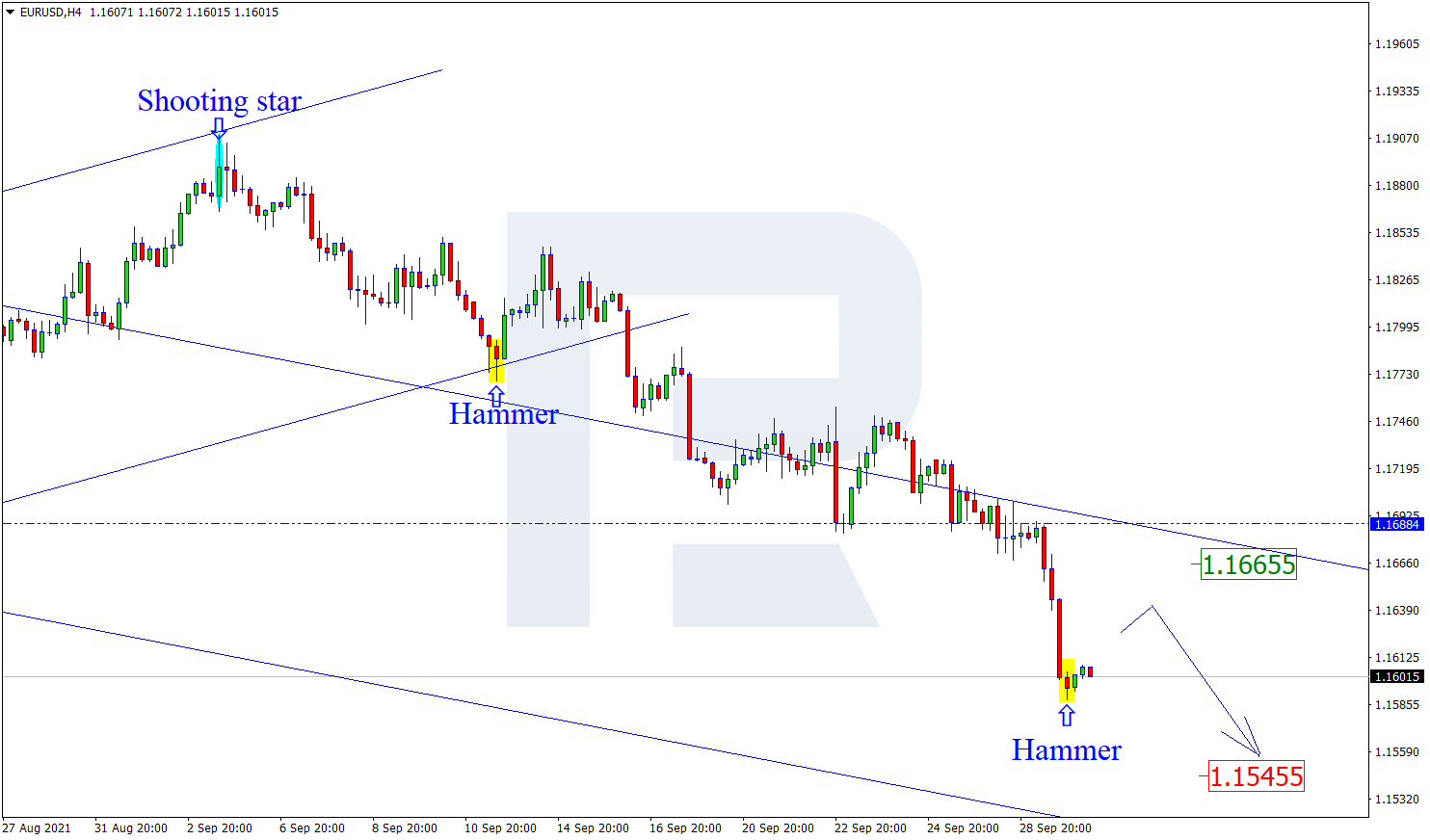
As we can see in the H4 chart, the asset has formed several reversal patterns, including Hammer, not far from the support level. At the moment, EURUSD may reverse and start a new pullback. In this case, the correctional target may be at 1.1665. Later, the market may rebound from the resistance area and resume trading downwards. However, an alternative scenario implies that the price may continue falling to reach 1.1545 without any corrections.

EURUSD
Risk Warning: the result of previous trading operations do not guarantee the same results in the future

USDJPY, “US Dollar vs Japanese Yen”

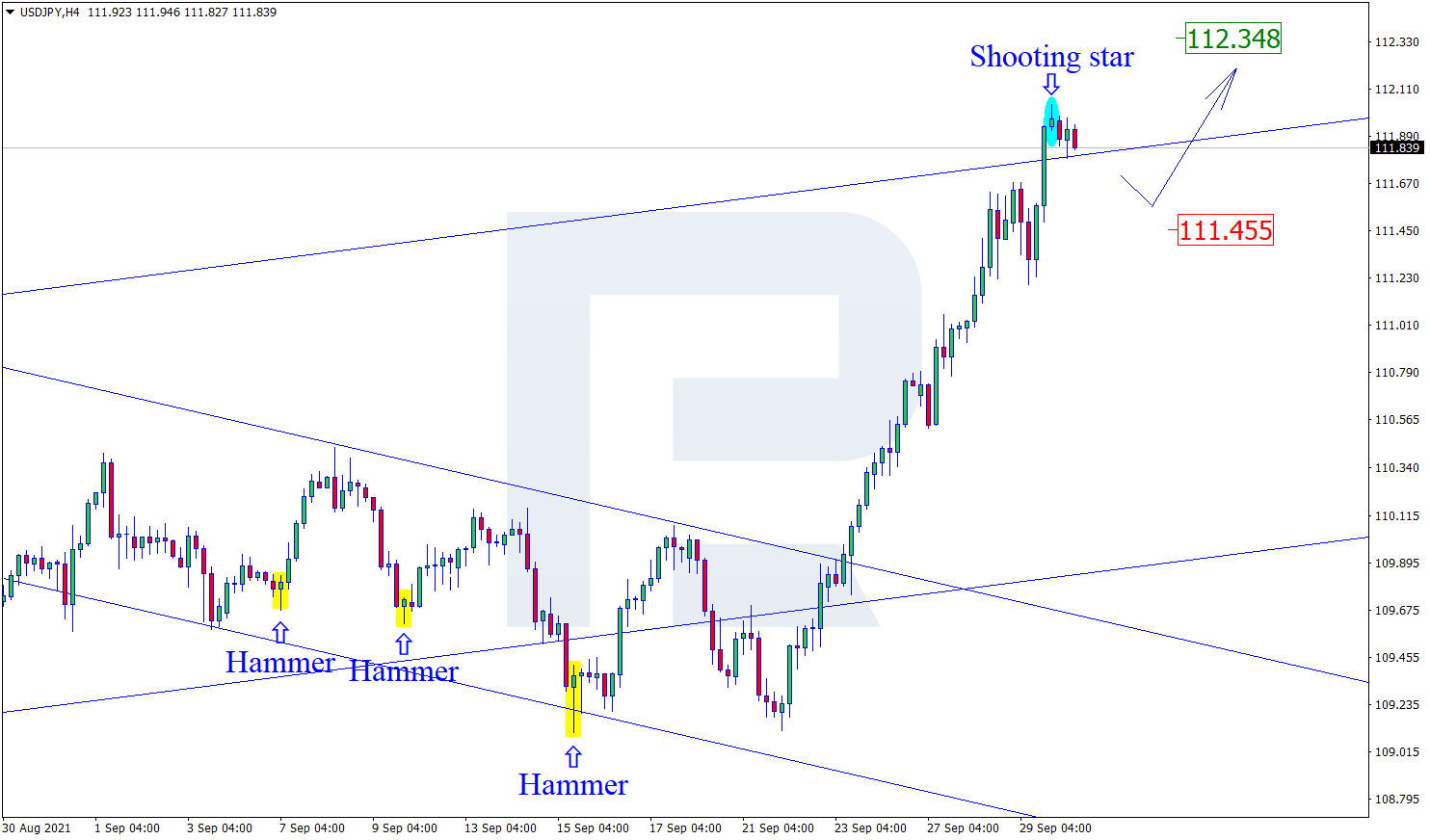
As we can see in the H4 chart, USDJPY has formed a several reversal patterns, for example, Shooting Star, close to the resistance area. At the moment, USDJPY is reversing and may start a new pullback within the uptrend. In this case, the correctional target may be at 111.45. At the same time, an opposite scenario implies that the price may continue growing to reach 112.34 without any corrections.

USDJPY
Risk Warning: the result of previous trading operations do not guarantee the same results in the future

EURGBP, “Euro vs Great Britain Pound”

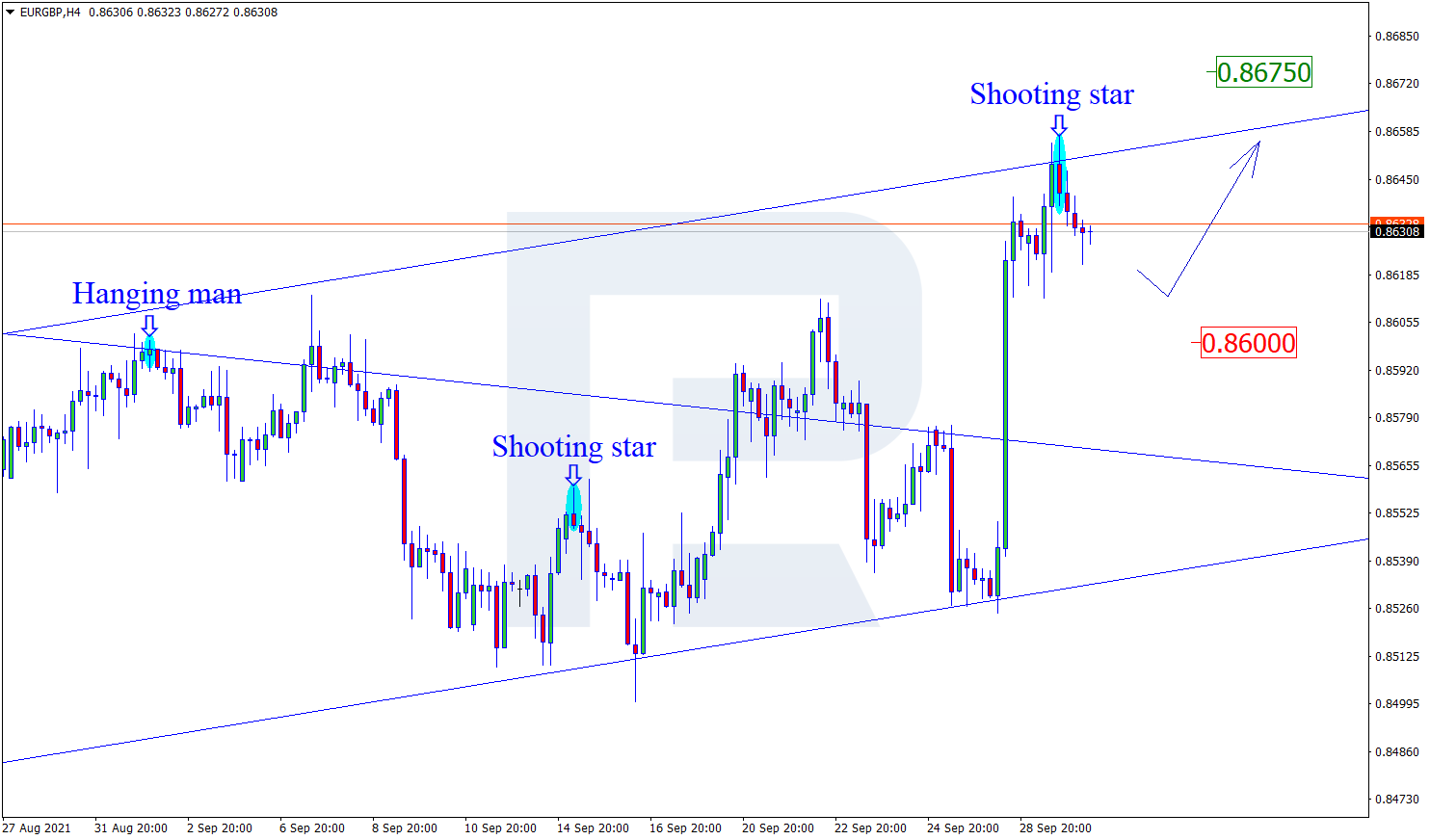
As we can see in the H4 chart, after forming a Shooting Star pattern near the resistance level, EURGBP may reverse in the form of a new pullback. In this case, the correctional target may be at 0.8600. Later, the market may test the support area, rebound from it, and resume the ascending tendency. Still, there might be an alternative scenario, according to which the asset may continue growing without any corrections towards the support area.

EURGBP

Article By RoboForex.com

Attention!
Forecasts presented in this section only reflect the author’s private opinion and should not be considered as guidance for trading. RoboForex LP bears no responsibility for trading results based on trading recommendations described in these analytical reviews.

SPX500 Bulls Target 4608.26

By Orbex

The SPX500 formation suggests the formation of a large bullish impulse.

At the time of writing, the primary wave ③ is under development. It is an impulse marked by intermediate sub-waves (1)-(2)-(3)-(4)-(5). This construction could soon come to an end.

In the near future, the price could fall slightly in the minor wave 4, then the bulls may send the market to 4608.26. At that level, intermediate wave (5) will be at the 123.6% Fibonacci extension of wave (3).

SPX500

Alternatively, the construction of the impulse wave ③ has already come to an end. Thus, in the near future, the market may begin to fall as part of the primary correction ④.

Consequently, we could expect a corrective decline near 3751.89 soon too. At that level, primary wave ④ will be at 38.2% of impulse wave ③.


Orbex-LogoArticle by Orbex

Orbex is a fully licensed broker that was established in 2011. Founded with a mission to serve its traders responsibly and provides traders with access to the world’s largest and most liquid financial markets. www.orbex.com