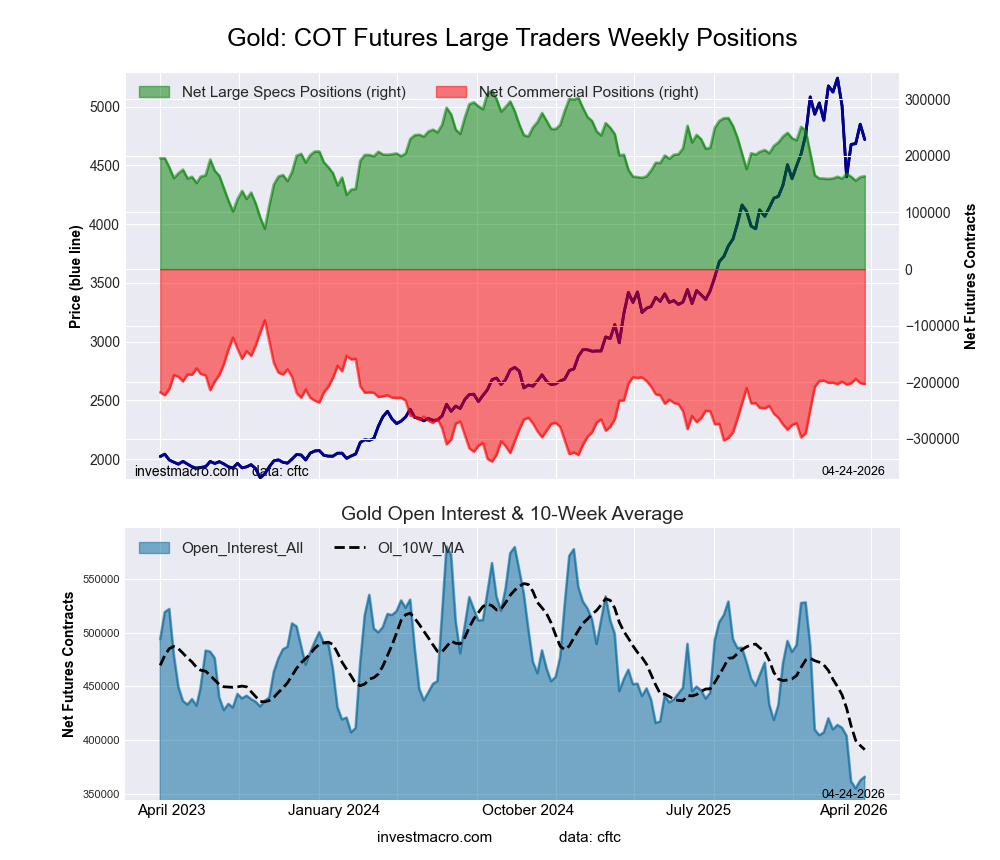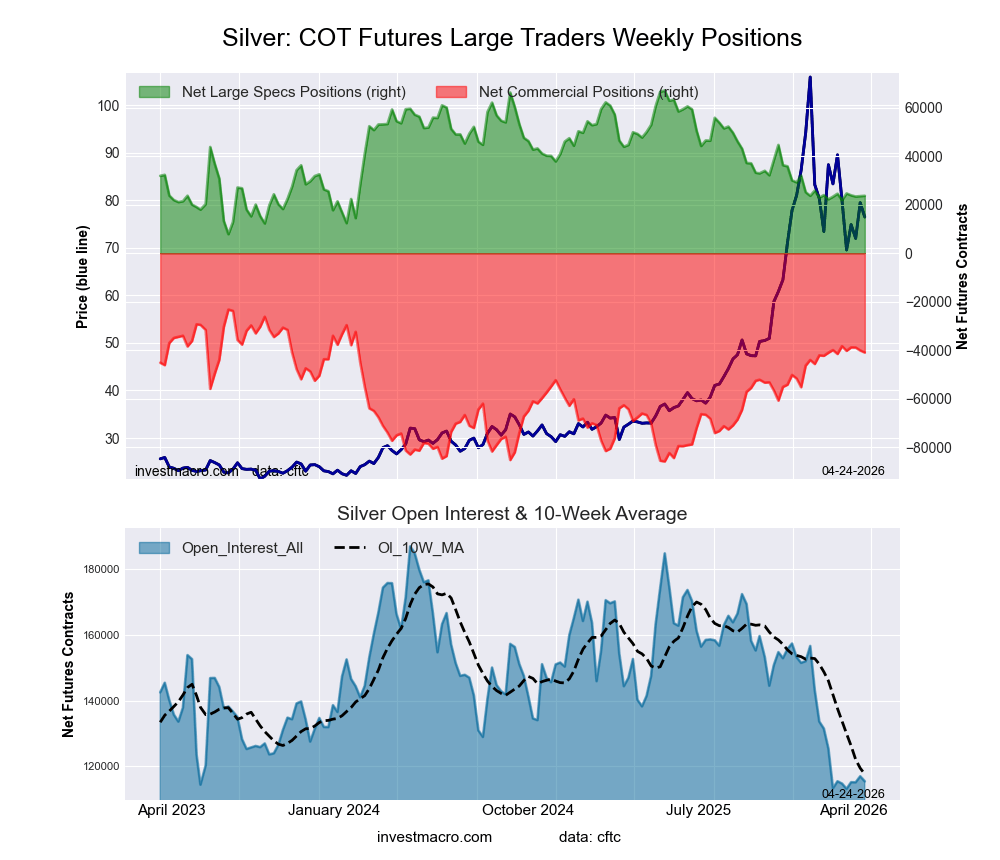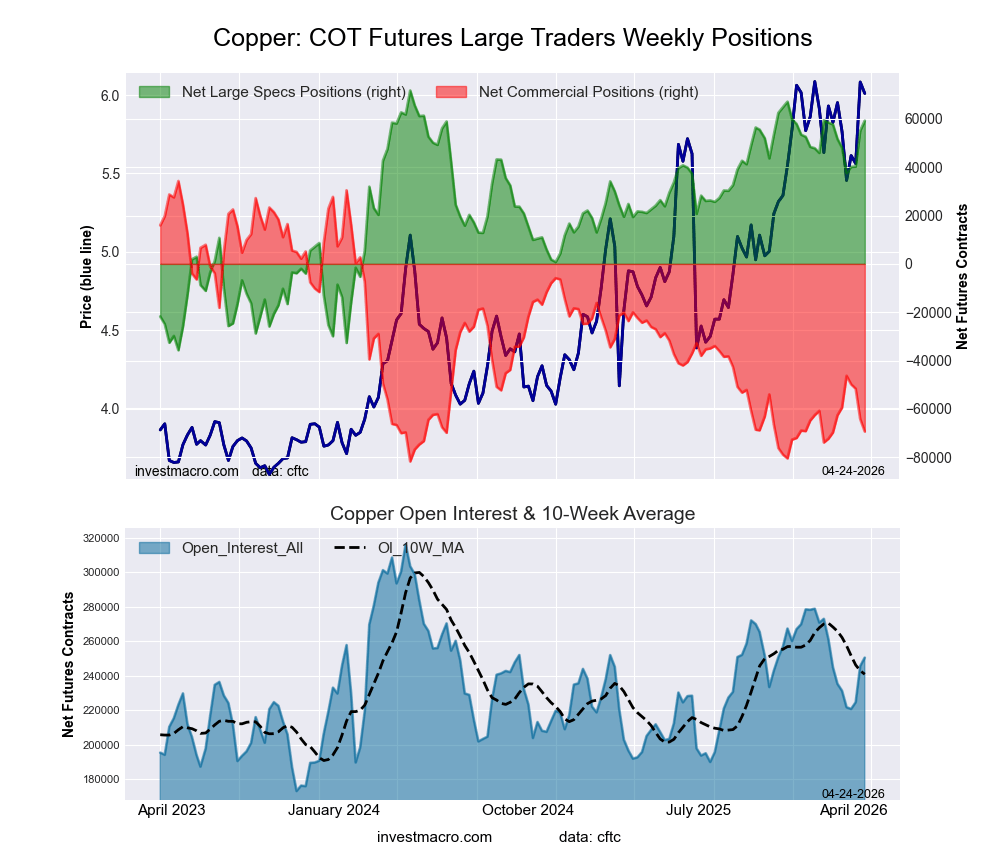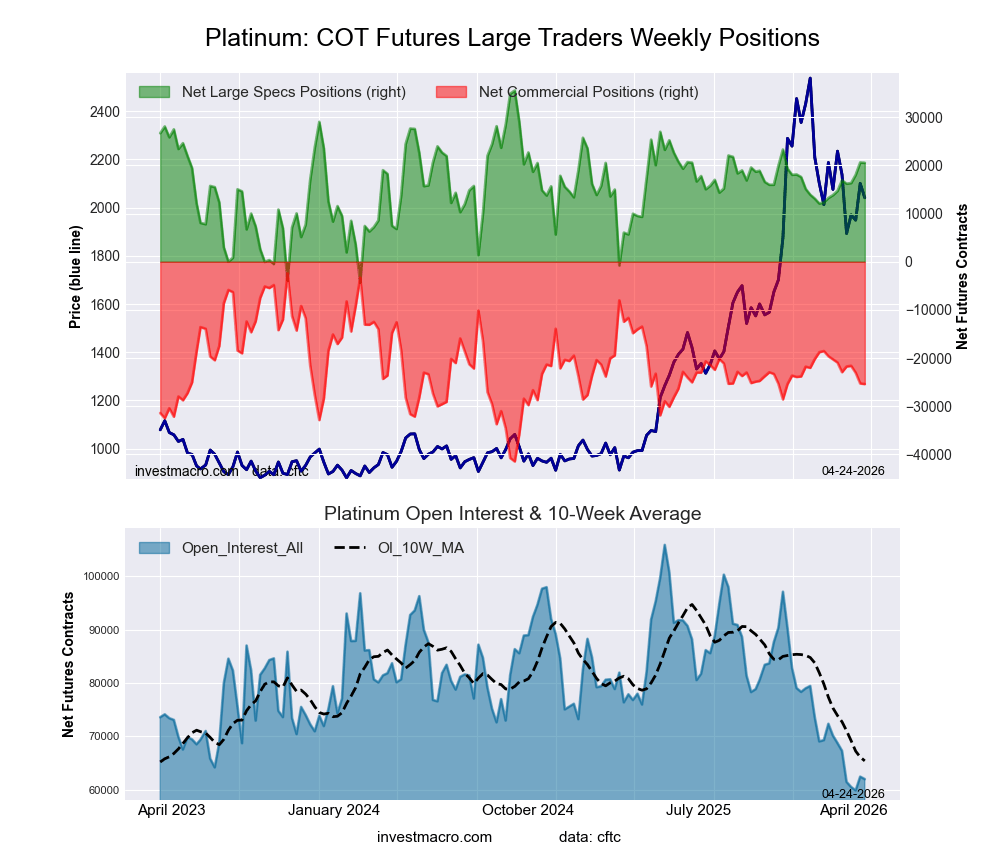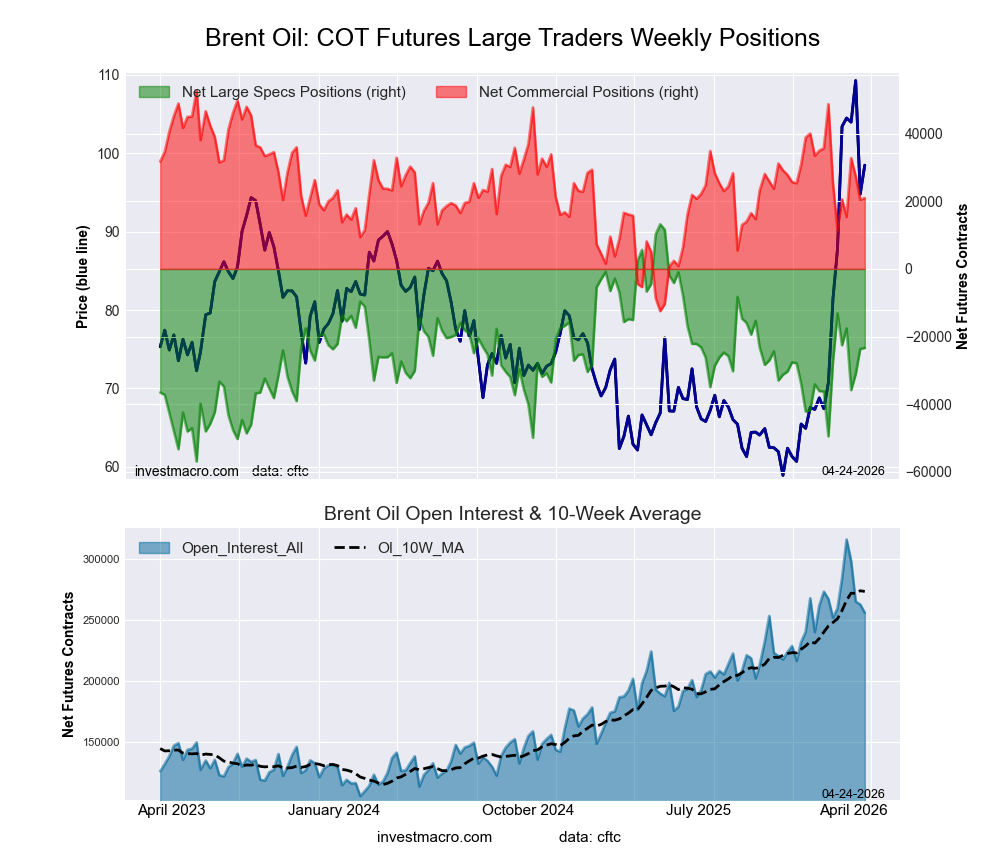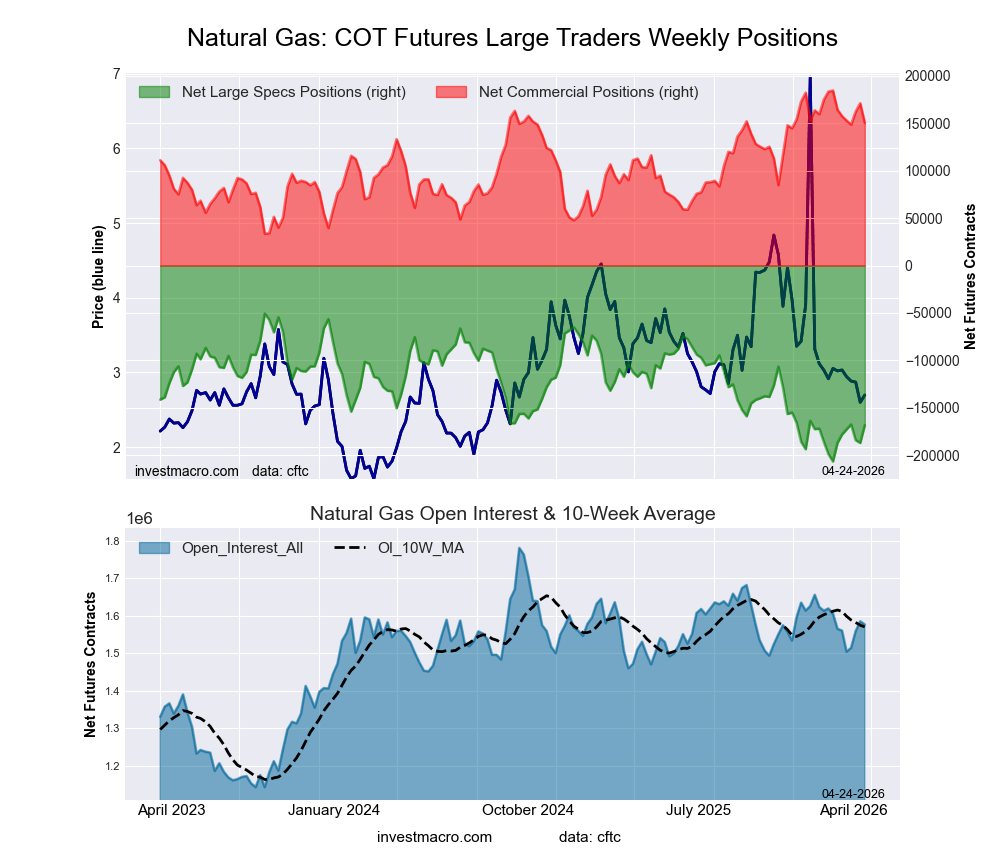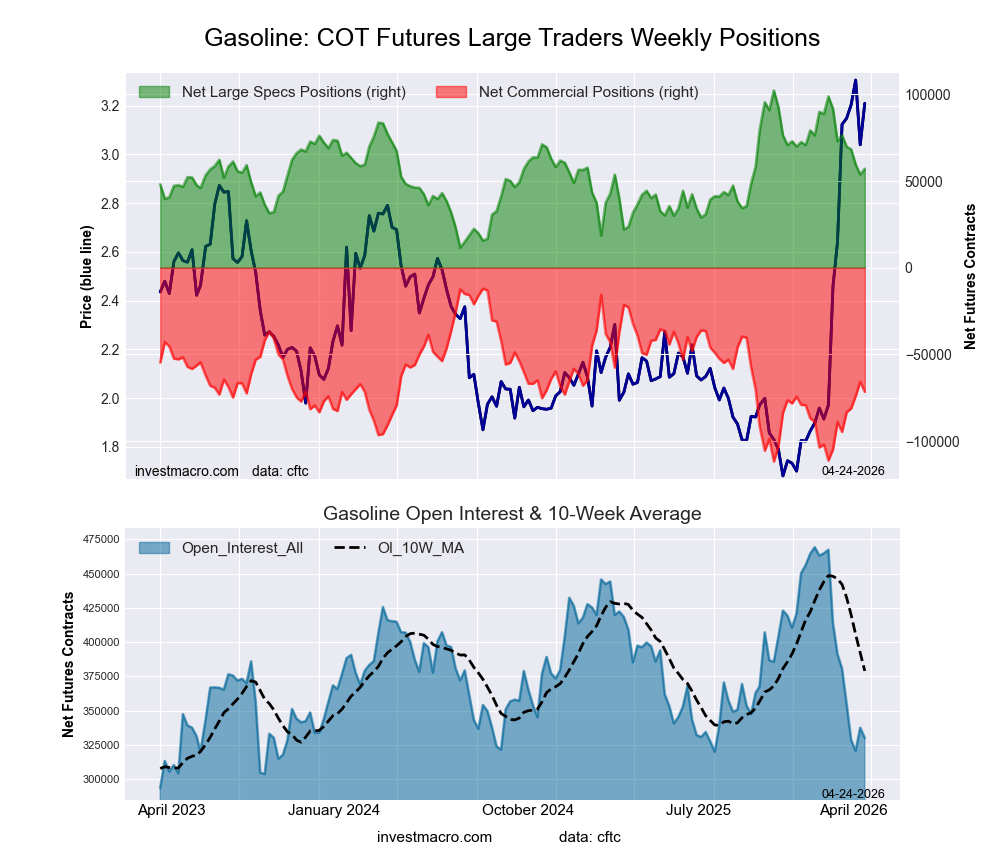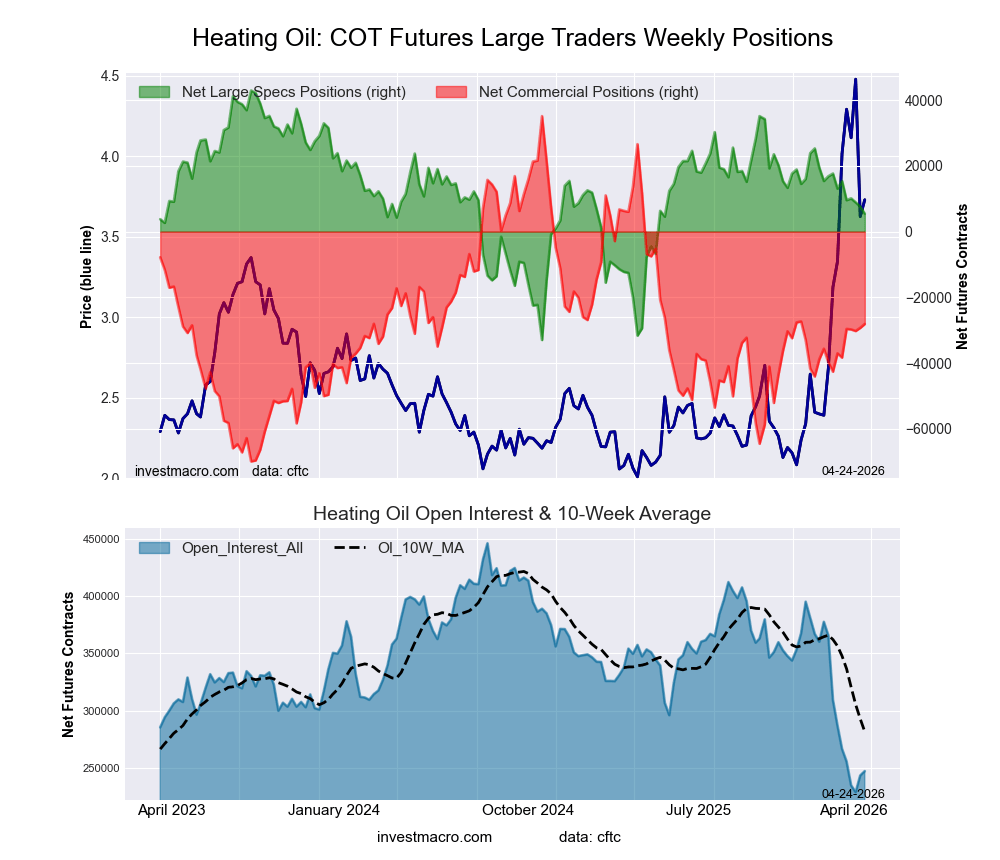
Oil prices have seen their largest surge in 4 years amid the military conflict in the Persian Gulf.

By JustMarkets 

On Friday, trading on the US stock market ended with a decline. By the end of Friday, the Dow Jones (US30) Index fell by 1.05% (-1.15% for the week). The S&P 500 (US500) dropped by 0.43% (-0.38% for the week). The tech-heavy NASDAQ (US100) closed lower by 0.30% (+0.51% for the week). The primary blow was a “hot” Producer Price Index (PPI) report, where the core figure jumped by 0.8%, confirming that companies are actively passing increased tariff costs onto consumers. This sharply reduced the chances of Fed easing, and the escalation in the Persian Gulf added fuel to the fire, sending oil prices and inflation expectations skyrocketing.

Market tranquility was shattered over the weekend. On February 28, 2026, the United States and Israel launched a large-scale military operation, “Epic Fury,” against Iran. In response, Tehran launched missile strikes on US bases in the UAE, Qatar, and Kuwait, while the Islamic Revolutionary Guard Corps announced the closure of the Strait of Hormuz. As up to 30% of global seaborne oil trade passes through this route, experts predict oil prices could jump to $100 per barrel. This creates a risk of a new wave of stagflation for Europe and other nations.

European equity markets mostly rose. The German (DE40) fell 0.02% (+0.86% for the week), the French CAC 40 (FR40) closed down 0.47% (+1.29% for the week), the Spanish IBEX 35 (ES35) dropped 0.73% (+0.73% for the week), and the British FTSE 100 (UK100) closed up 0.59% (+2.31% for the week). However, European exchanges opened with a crash. Markets are reacting to the critical escalation in the Middle East: the death of Iran’s Supreme Leader Ayatollah Ali Khamenei and the de facto blockade of the Strait of Hormuz have threatened Europe’s energy security. Amid record-low gas reserves in underground storage facilities, the spike in energy prices intensifies stagflation risks, forcing investors to price in a more hawkish ECB policy. The macroeconomic backdrop remains concerning: while inflation in Germany slowed in February, its acceleration in France and Spain gives the regulator little cause for optimism. Money markets now price the probability of a rate cut by year-end at just 30%.

Palladium (XPD) prices jumped above $1,800 per ounce, reaching a monthly high amid the large-scale military conflict in the Middle East. The death of Iran’s Supreme Leader and Donald Trump’s tough rhetoric regarding the continuation of Operation “Epic Fury” triggered panic buying of precious metals. Geopolitical chaos has collided with an acute supply deficit: production disruptions in South Africa and the risk of new sanctions against Russian exports (which account for about 40% of the global market) threaten long-term supply chain ruptures for the automotive industry. Future price dynamics will depend on dollar stability and Friday’s Non-farm Payrolls report. If the US labor market remains strong, the dollar will continue to rise, potentially limiting the palladium rally.

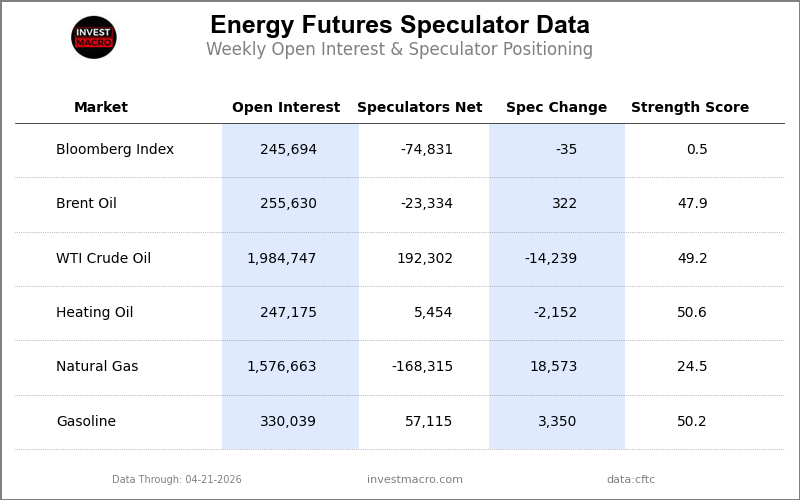
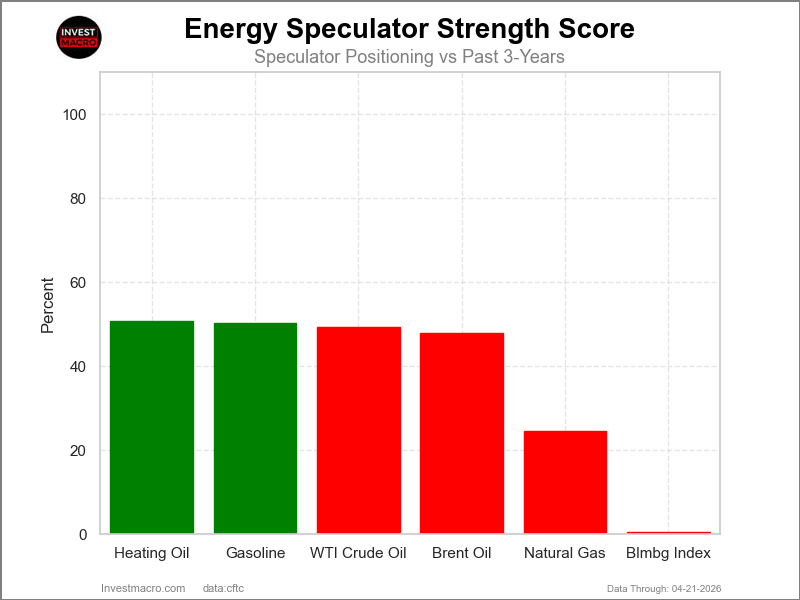
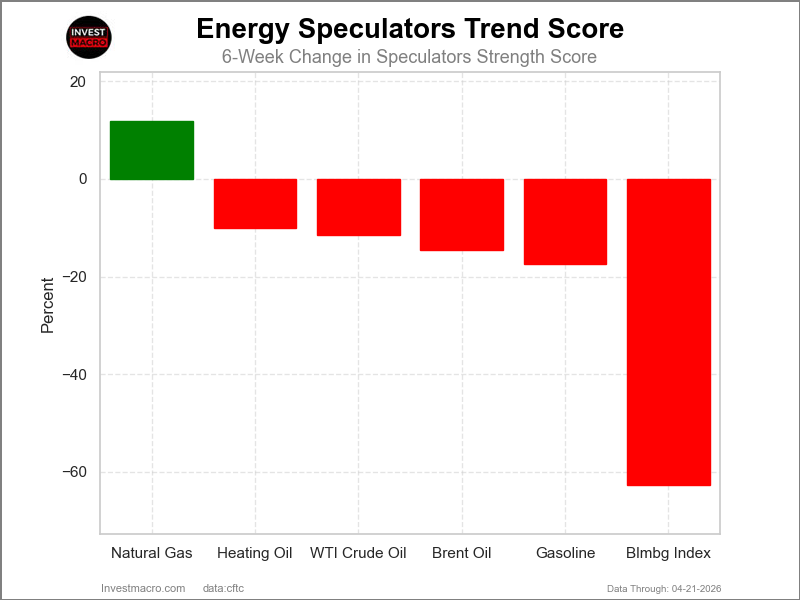
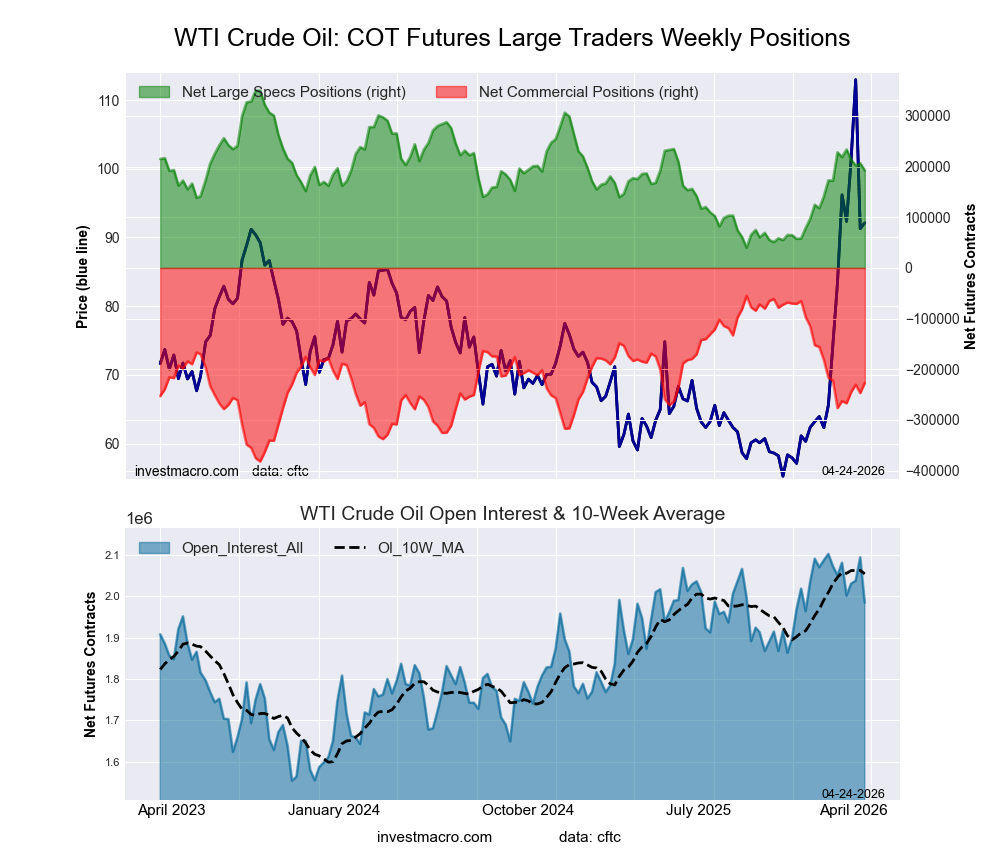
WTI oil prices jumped over 6%, settling above $71 per barrel (after a brief 10% spike). This is an eight-month high triggered by the start of Operation “Epic Fury” – unprecedented strikes by the US and Israel on Iran on February 28. Markets are pricing in the risk of a total blockade of the Strait of Hormuz, through which approximately 20% of global oil supplies flow. Against the backdrop of the escalation, the OPEC+ decision made on Sunday appears extremely cautious: the alliance will increase production in April by only 206,000 barrels per day. This is half the previously discussed volume (up to 548,000 bpd) and clearly insufficient to offset the potential loss of Iranian exports. Investors await the US market open, where a supply deficit combined with a rising geopolitical premium could push quotes to the $80-85 level as early as this week.

Asian markets traded with mixed dynamics last week. The Japanese Nikkei 225 (JP225) rose 3.60% for the week, the Chinese FTSE China A50 (CHA50) fell 1.47%, the Hong Kong Hang Seng (HK50) dropped 1.30%, and the Australian ASX 200 (AU200) showed a positive 5-day result of 1.03%.

The Hang Seng Index plunged 667 points (-2.5%), hitting a six-week low. The sell-off was triggered by the sharp escalation of the war: following the deaths of three US service members, Donald Trump vowed “revenge” and pledged to continue Operation “Epic Fury” until Iran’s military potential is fully destroyed. The confirmed death of Ayatollah Khamenei and the blockade of the Strait of Hormuz threatened global oil supplies, causing a collapse in tech giants and airline stocks due to fuel crisis fears. Mainland Chinese indices served as a partial counterweight, showing moderate growth. Investors are betting on the “Two Sessions” of the NPC starting March 4: amidst a new major war in the Middle East, the market expects Beijing to sharply increase government spending on technological sovereignty and the launch of the 15th Five-Year Plan (2026-2030).

The Australian dollar (AUD) fell to $0.70, completely erasing last week’s gains. As a typical “risk-on” currency, the “aussie” suffered from a global flight to safety (US dollar and gold). Direct Iranian strikes on US bases in Gulf countries and Jordan, alongside the blockade of the Strait of Hormuz, have jeopardized global supply chains to which Australia’s economy is highly sensitive. Domestic statistics added pressure: Australia’s Manufacturing PMI was revised down to 51.0 – a four-month low.

S&P 500 (US500) 6,878.88 −29.98 (−0.43%)

Dow Jones (US30) 48,977.92 −521.28 (−1.05%)

DAX (DE40) 25,284.26 −4.76 (−0.02%)

FTSE 100 (UK100) 10,910.55 +63.85 (+0.59%)

USD Index 97.65 −0.15% (−0.15%)

News feed for: 2026.03.02

  • Australia Manufacturing PMI (m/m) at 00:00 (GMT+2); – AUD (MED)
  • Japan Manufacturing PMI (m/m) at 02:30 (GMT+2); – JPY (MED)
  • German Retail Sales (m/m) at 09:00 (GMT+2); – EUR (MED)
  • Switzerland Retail Sales (m/m) at 09:30 (GMT+2); – CHF (MED)
  • Switzerland Manufacturing PMI (m/m) at 09:30 (GMT+2); – CHF (LOW)
  • Eurozone Manufacturing PMI (m/m) at 11:00 (GMT+2); – EUR (MED)
  • UK Manufacturing PMI (m/m) at 11:30 (GMT+2); – GBP (MED)
  • Eurozone ECB President Lagarde Speaks at 16:00 (GMT+2); – EUR (LOW)
  • Canada Manufacturing PMI (m/m) at 16:30 (GMT+2); – CAD (MED)
  • US ISM Manufacturing PMI (m/m) at 17:00 (GMT+2); – USD (MED)
  • Australia RBA Gov Bullock Speaks at 23:10 (GMT+2). – AUD (LOW)

By JustMarkets


This article reflects a personal opinion and should not be interpreted as an investment advice, and/or offer, and/or a persistent request for carrying out financial transactions, and/or a guarantee, and/or a forecast of future events.

EUR/USD Reacts to Geopolitics and Data: Week Opens Nervously

By Analytical Department RoboForex

EUR/USD rose to 1.1790 on Monday. The US dollar attempted to strengthen, but part of its rally was subsequently pared back. Demand for safe-haven assets intensified over the weekend amid an escalation of the conflict in the Middle East.

The US and Israel conducted strikes on Iran, resulting in the death of the country’s supreme leader, Ayatollah Ali Khamenei. Reports also emerged of the effective closure of the Strait of Hormuz, a crucial route for global oil supplies. Tehran has responded with attacks on American targets in the region, fuelling fears of a broader conflict.

Additional support for the dollar came from US producer inflation data. January’s PPI rose more sharply than expected, suggesting that companies are passing on tariff-related costs to consumers, which complicates the outlook for a potential Federal Reserve rate cut.

Nevertheless, the market continues to price in two 25-basis-point rate cuts from the Fed this year. The prevailing sentiment is that volatility and geopolitical risks could eventually force the central bank to ease its monetary policy.

Technical Analysis

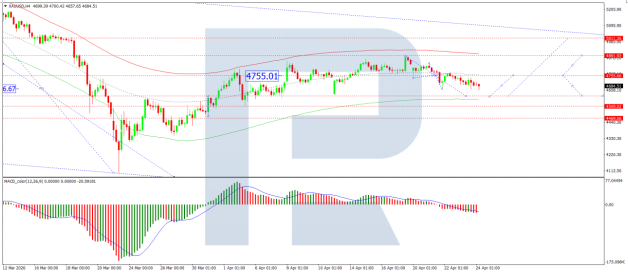
On the H4 chart of EUR/USD, the market is forming a consolidation range around the 1.1834 level. A downside breakout is expected, with the decline continuing to 1.1712, and the potential for the trend to extend further to 1.1590. Technically, this bearish scenario is confirmed by the MACD indicator, whose signal line is below zero and pointing firmly downwards, reflecting sustained bearish momentum.

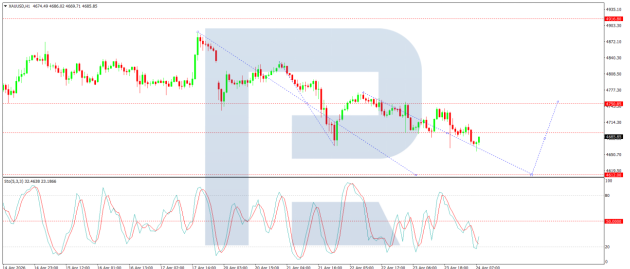
On the H1 chart, the market is forming the structure of the next downward wave towards 1.1712. After reaching this level, a corrective rise to 1.1768 is anticipated, followed by the start of a new downward wave to 1.1650. Technically, this scenario is supported by the Stochastic oscillator, with its signal line below 50 and pointing firmly downwards towards the 20 level.

Conclusion

The euro is navigating a complex landscape, with safe-haven flows and geopolitical tensions in the Middle East initially boosting the US dollar, while hotter-than-expected US PPI data adds another layer of uncertainty to Fed policy. Although the market still anticipates rate cuts later this year, the immediate technical outlook for EUR/USD appears bearish, suggesting further downside in the short term.


Disclaimer

Any forecasts contained herein are based on the author’s particular opinion. This analysis may not be treated as trading advice. RoboForex bears no responsibility for trading results based on trading recommendations and reviews contained herein.

Currency Speculators push Aussie Bets Higher, Euro & GBP Bets fall this week

By InvestMacro

Speculators OI FX Futures COT Chart

Open Interest Strength Levels show where current Open Futures Contracts are highest and lowest (higher interest can fuel trends and setup for more potential moves & vice versa) for currency markets.


Here are the latest charts and statistics for the Commitment of Traders (COT) data published by the Commodities Futures Trading Commission (CFTC).

The latest COT data is updated through Tuesday February 24th and shows a quick view of how large market participants (for-profit speculators and commercial traders) were positioned in the futures markets. All currency positions are in direct relation to the US dollar where, for example, a bet for the euro is a bet that the euro will rise versus the dollar while a bet against the euro will be a bet that the euro will decline versus the dollar.

Weekly Speculator Changes led by Australian Dollar & New Zealand Dollar

Speculators Nets FX Futures COT Chart
The COT currency market speculator bets were overall lower this week as just four out of the eleven currency markets we cover had higher positioning while the other seven markets had lower speculator contracts.

Leading the gains for the currency markets was the Australian Dollar (6,713 contracts) with the New Zealand Dollar (5,446 contracts), the Brazilian Real (2,012 contracts) and the Canadian Dollar (1,752 contracts) also seeing gaining weeks.

The currencies seeing declines in speculator bets on the week were the EuroFX (-17,624 contracts), the British Pound (-14,668 contracts), the US Dollar Index (-2,117 contracts), the Japanese Yen (-1,416 contracts), the Mexican Peso (-1,242 contracts), Bitcoin (-466 contracts) and with the Swiss Franc (-305 contracts) also recording lower bets on the week.

Speculators push Aussie Bets Higher, Euro & GBP Bets fall this week

Highlighting the currency speculator positioning for last week through Tuesday was the continued bullishness for speculators in the Australian dollar. The New Zealand dollar speculator bets continued to improve despite being bearish while the Euro bets took a breather and the British pound speculator position went increasingly bearish.

First off, the Australian dollar speculator position rose this week for a 13th consecutive week, with speculator positions adding a total of +136,820 net contracts over that time period. This has taken the Australian dollar net position from a total of -84,176 contracts on November 25th to this week’s net position of 52,644 contracts. This is the best level for the Australian dollar net position since October 24th of 2017, a span of 435 weeks. The Australian dollar in the foreign exchange market has continued to rally since the beginning of the year and is up by almost 6.50 percent since the start of 2026. Since the AUD lows in February of last year, the Australian dollar has risen by over 16 percent against the US dollar. The Aussie has been able to hold above the major 0.7000 level and closed out the week above the 0.7100 exchange rate. The AUD has been having its highest weekly closes at the highest levels since early 2023.

The New Zealand dollar speculator position has been improving steadily, with weekly speculator bets improving in six out of the last eleven weeks for an eleven-week gain of 27,214 net contracts. These gains date back to December 9th when the net position totaled -56,781 net contracts, which was the all-time low or most bearish level in history for the NZD speculator positions. Since then, the bets have been improving and this week reached a -29,567 net contract level, the best level or least bearish standing of the past twenty weeks. In the spot price market, the NZD has been up in six out of the past seven weeks and is currently trading right around the major psychological level of 0.6000 threshold, which also coincides with the two hundred weekly moving average.

Euro speculator bets took a breather this week and fell for a second consecutive week. The Euro speculator positions have been mixed over the last ten weeks, with five weeks of falling speculator bets and five weeks of gaining speculator bets. Although the net change over the last ten weeks has been roughly a +12,000 net contracts. Overall, the speculator positioning for the Euro remains highly bullish with this week’s net position over +156,000 contracts. This marks the 13th consecutive week that the net position has been over +100,000 net contracts, and this is the 33rd out of the last 37 weeks that the net position has been over +100,000 net contracts. In the forex markets, the Euro closed over the 1.1820 level this week after seeing a small weekly gain. Continued overhead and major resistance resides at 1.2000, while there is support at the 1.1750 level, as well as the 1.1600 level below.

The British pound sterling saw its third week of strong bearish positioning and has now dropped by over -43,000 net contracts in the past three weeks. Previously, the British pound sterling had seen ten straight weeks of gains, so these last three weeks have cooled off that streak of bets. This week’s net position of negative -57,072 net contracts is the most bearish level of the past eleven weeks. Overall, the British pound sterling has been in bearish territory for 31 consecutive weeks dating back to July 2025. In the foreign exchange markets, the British pound sterling closed out the week at the 1.3480 level and has fallen for three out of the past four weeks. Currently, the bulls and the bears are battling it out around the 1.3500 area to see if this currency is gonna continue higher or take a breather and retreat lower. Since the beginning of 2025, the British pound has been up by approximately 11 percent against the US dollar in that time-frame.

The US dollar index bets dipped this week following four consecutive weeks of gains that had brought the US dollar index net position into a small bullish level last week. Last week’s pop up into the bullish level was the first time since June 2025 that the US dollar index had seen a bullish net contract position, a span of 36 weeks. This week’s dollar index speculator position dipped by over -2,100 contracts, bringing the overall net positioning to -1,789 net contracts. Essentially, this is a neutral position for speculator contracts and shows there is no dominant trend in where the speculators are leaning, with uncertainty as to whether we go up or down from here. In the Forex markets, the USD index had a small dip this week in price and is settling in and consolidating around the 97.50 exchange rate. The USD index has overhead resistance at the 98.00 level, while there is also strong support below as prices have bounced off the 96.50 level at least three times since June and have been unable to hold below that level for any amount of time.

Brazilian Real leads Currency Market Price Performance

This week’s five-day price performance was led by the Brazilian real, which rose by over one percent with a 1.03 percent gain on the week. The Swiss franc came in second with a 0.91 percent increase, followed by the Australian dollar, which rose by 0.50 percent on the week.

The New Zealand dollar was higher by 0.40 percent, followed by the Canadian dollar, which saw an uptick by 0.35 percent. The Euro was marginally higher at 0.32 percent.

On the downside, Bitcoin saw a -3.02 percent shortfall on the week. The Mexican peso was down by -0.62 percent, followed by the Japanese yen with a similar -0.61 percent decline. The US dollar index was lower by -0.11 percent, and the British pound was virtually unchanged with a small edge lower by -0.02 percent.

Over the past thirty days, the Australian dollar has been the standout performer with a 6.49 percent gain over that period. The Brazilian real has been up by 4.87 percent while the Swiss franc has been higher by 4.55 percent and the New Zealand dollar has also floated higher by 4.29 percent in the 30-day time-frame.


Currencies Data:

Speculators FX Futures COT Data Table
Legend: Open Interest | Speculators Current Net Position | Weekly Specs Change | Specs Strength Score compared to last 3-Years (0-100 range)


Strength Scores led by Canadian Dollar & Australian Dollar

Speculators Strength Scores FX Futures COT Chart
COT Strength Scores (a normalized measure of Speculator positions over a 3-Year range, from 0 to 100 where above 80 is Extreme-Bullish and below 20 is Extreme-Bearish, a 50 score is right down the middle of the past 3-Years) showed that the Canadian Dollar (100 percent) and the Australian Dollar (100 percent) lead the currency markets this week. The EuroFX (88 percent), Bitcoin (78 percent) and the Mexican Peso (67 percent) come in as the next highest in the weekly strength scores.

On the downside, the British Pound (15 percent) and the Swiss Franc (17 percent) come in at the lowest strength levels currently and are both in Extreme-Bearish territory (below 20 percent). The next lowest strength scores are the New Zealand Dollar (31 percent) and the US Dollar Index (39 percent).

3-Year Strength Statistics:
US Dollar Index (39.3 percent) vs US Dollar Index previous week (45.0 percent)
EuroFX (88.5 percent) vs EuroFX previous week (95.2 percent)
British Pound Sterling (15.4 percent) vs British Pound Sterling previous week (21.6 percent)
Japanese Yen (53.9 percent) vs Japanese Yen previous week (54.3 percent)
Swiss Franc (17.4 percent) vs Swiss Franc previous week (18.1 percent)
Canadian Dollar (100.0 percent) vs Canadian Dollar previous week (99.2 percent)
Australian Dollar (100.0 percent) vs Australian Dollar previous week (95.8 percent)
New Zealand Dollar (31.1 percent) vs New Zealand Dollar previous week (24.9 percent)
Mexican Peso (66.8 percent) vs Mexican Peso previous week (67.5 percent)
Brazilian Real (66.6 percent) vs Brazilian Real previous week (63.0 percent)
Bitcoin (77.5 percent) vs Bitcoin previous week (87.4 percent)


Australian Dollar & Canadian Dollar top the 6-Week Strength Trends

Speculators Trends FX Futures COT Chart
COT Strength Score Trends (or move index, calculates the 6-week changes in strength scores) showed that the Australian Dollar (45 percent) and the Canadian Dollar (31 percent) lead the past six weeks trends for the currencies. Bitcoin (23 percent), the New Zealand Dollar (22 percent) and the Japanese Yen (16 percent) are the next highest positive movers in the 3-Year trends data.

The British Pound (-14 percent) leads the downside trend scores currently with the Mexican Peso (-12 percent) following next with a lower trend score.

3-Year Strength Trends:
US Dollar Index (5.2 percent) vs US Dollar Index previous week (11.2 percent)
EuroFX (9.2 percent) vs EuroFX previous week (4.4 percent)
British Pound Sterling (-13.5 percent) vs British Pound Sterling previous week (-5.0 percent)
Japanese Yen (15.6 percent) vs Japanese Yen previous week (1.1 percent)
Swiss Franc (4.5 percent) vs Swiss Franc previous week (-1.2 percent)
Canadian Dollar (31.2 percent) vs Canadian Dollar previous week (29.7 percent)
Australian Dollar (44.6 percent) vs Australian Dollar previous week (40.5 percent)
New Zealand Dollar (22.0 percent) vs New Zealand Dollar previous week (9.5 percent)
Mexican Peso (-12.1 percent) vs Mexican Peso previous week (-14.7 percent)
Brazilian Real (13.7 percent) vs Brazilian Real previous week (-7.6 percent)
Bitcoin (23.4 percent) vs Bitcoin previous week (50.3 percent)


Individual COT Forex Markets:

US Dollar Index Futures:

US Dollar Index Forex Futures COT ChartThe US Dollar Index large speculator standing this week came in at a net position of -1,789 contracts in the data reported through Tuesday. This was a weekly reduction of -2,117 contracts from the previous week which had a total of 328 net contracts.

This week’s current strength score (the trader positioning range over the past three years, measured from 0 to 100) shows the speculators are currently Bearish with a score of 39.3 percent. The commercials are Bullish with a score of 63.6 percent and the small traders (not shown in chart) are Bearish with a score of 25.1 percent.

Price Trend-Following Model: Downtrend

Our weekly trend-following model classifies the current market price position as: Downtrend.

US DOLLAR INDEX StatisticsSPECULATORSCOMMERCIALSSMALL TRADERS
– Percent of Open Interest Longs:50.731.78.1
– Percent of Open Interest Shorts:57.521.911.1
– Net Position:-1,7892,582-793
– Gross Longs:13,2958,3122,119
– Gross Shorts:15,0845,7302,912
– Long to Short Ratio:0.9 to 11.5 to 10.7 to 1
NET POSITION TREND:
– Strength Index Score (3 Year Range Pct):39.363.625.1
– Strength Index Reading (3 Year Range):BearishBullishBearish
NET POSITION MOVEMENT INDEX:
– 6-Week Change in Strength Index:5.2-3.2-13.7


Euro Currency Futures:

Euro Currency Futures COT ChartThe Euro Currency large speculator standing this week came in at a net position of 156,856 contracts in the data reported through Tuesday. This was a weekly fall of -17,624 contracts from the previous week which had a total of 174,480 net contracts.

This week’s current strength score (the trader positioning range over the past three years, measured from 0 to 100) shows the speculators are currently Bullish-Extreme with a score of 88.5 percent. The commercials are Bearish-Extreme with a score of 9.3 percent and the small traders (not shown in chart) are Bullish-Extreme with a score of 88.6 percent.

Price Trend-Following Model: Uptrend

Our weekly trend-following model classifies the current market price position as: Uptrend.

EURO Currency StatisticsSPECULATORSCOMMERCIALSSMALL TRADERS
– Percent of Open Interest Longs:32.454.710.2
– Percent of Open Interest Shorts:15.177.84.3
– Net Position:156,856-210,90354,047
– Gross Longs:294,873498,04493,336
– Gross Shorts:138,017708,94739,289
– Long to Short Ratio:2.1 to 10.7 to 12.4 to 1
NET POSITION TREND:
– Strength Index Score (3 Year Range Pct):88.59.388.6
– Strength Index Reading (3 Year Range):Bullish-ExtremeBearish-ExtremeBullish-Extreme
NET POSITION MOVEMENT INDEX:
– 6-Week Change in Strength Index:9.2-10.614.6


British Pound Sterling Futures:

British Pound Sterling Futures COT ChartThe British Pound Sterling large speculator standing this week came in at a net position of -57,072 contracts in the data reported through Tuesday. This was a weekly fall of -14,668 contracts from the previous week which had a total of -42,404 net contracts.

This week’s current strength score (the trader positioning range over the past three years, measured from 0 to 100) shows the speculators are currently Bearish-Extreme with a score of 15.4 percent. The commercials are Bullish-Extreme with a score of 82.1 percent and the small traders (not shown in chart) are Bullish with a score of 55.6 percent.

Price Trend-Following Model: Uptrend

Our weekly trend-following model classifies the current market price position as: Uptrend.

BRITISH POUND StatisticsSPECULATORSCOMMERCIALSSMALL TRADERS
– Percent of Open Interest Longs:27.355.211.9
– Percent of Open Interest Shorts:50.532.411.5
– Net Position:-57,07256,176896
– Gross Longs:67,213135,80429,236
– Gross Shorts:124,28579,62828,340
– Long to Short Ratio:0.5 to 11.7 to 11.0 to 1
NET POSITION TREND:
– Strength Index Score (3 Year Range Pct):15.482.155.6
– Strength Index Reading (3 Year Range):Bearish-ExtremeBullish-ExtremeBullish
NET POSITION MOVEMENT INDEX:
– 6-Week Change in Strength Index:-13.512.02.9


Japanese Yen Futures:

Japanese Yen Forex Futures COT ChartThe Japanese Yen large speculator standing this week came in at a net position of 11,539 contracts in the data reported through Tuesday. This was a weekly fall of -1,416 contracts from the previous week which had a total of 12,955 net contracts.

This week’s current strength score (the trader positioning range over the past three years, measured from 0 to 100) shows the speculators are currently Bullish with a score of 53.9 percent. The commercials are Bearish with a score of 47.2 percent and the small traders (not shown in chart) are Bearish with a score of 45.1 percent.

Price Trend-Following Model: Downtrend

Our weekly trend-following model classifies the current market price position as: Downtrend.

JAPANESE YEN StatisticsSPECULATORSCOMMERCIALSSMALL TRADERS
– Percent of Open Interest Longs:40.438.410.5
– Percent of Open Interest Shorts:37.342.49.7
– Net Position:11,539-14,7293,190
– Gross Longs:149,364141,91838,952
– Gross Shorts:137,825156,64735,762
– Long to Short Ratio:1.1 to 10.9 to 11.1 to 1
NET POSITION TREND:
– Strength Index Score (3 Year Range Pct):53.947.245.1
– Strength Index Reading (3 Year Range):BullishBearishBearish
NET POSITION MOVEMENT INDEX:
– 6-Week Change in Strength Index:15.6-15.39.9


Swiss Franc Futures:

Swiss Franc Forex Futures COT ChartThe Swiss Franc large speculator standing this week came in at a net position of -41,186 contracts in the data reported through Tuesday. This was a weekly reduction of -305 contracts from the previous week which had a total of -40,881 net contracts.

This week’s current strength score (the trader positioning range over the past three years, measured from 0 to 100) shows the speculators are currently Bearish-Extreme with a score of 17.4 percent. The commercials are Bullish with a score of 64.7 percent and the small traders (not shown in chart) are Bullish-Extreme with a score of 83.8 percent.

Price Trend-Following Model: Strong Uptrend

Our weekly trend-following model classifies the current market price position as: Strong Uptrend.

SWISS FRANC StatisticsSPECULATORSCOMMERCIALSSMALL TRADERS
– Percent of Open Interest Longs:11.969.019.0
– Percent of Open Interest Shorts:54.427.617.8
– Net Position:-41,18640,0071,179
– Gross Longs:11,52566,77818,411
– Gross Shorts:52,71126,77117,232
– Long to Short Ratio:0.2 to 12.5 to 11.1 to 1
NET POSITION TREND:
– Strength Index Score (3 Year Range Pct):17.464.783.8
– Strength Index Reading (3 Year Range):Bearish-ExtremeBullishBullish-Extreme
NET POSITION MOVEMENT INDEX:
– 6-Week Change in Strength Index:4.5-11.721.0


Canadian Dollar Futures:

Canadian Dollar Forex Futures COT ChartThe Canadian Dollar large speculator standing this week came in at a net position of 27,578 contracts in the data reported through Tuesday. This was a weekly lift of 1,752 contracts from the previous week which had a total of 25,826 net contracts.

This week’s current strength score (the trader positioning range over the past three years, measured from 0 to 100) shows the speculators are currently Bullish-Extreme with a score of 100.0 percent. The commercials are Bearish-Extreme with a score of 0.0 percent and the small traders (not shown in chart) are Bullish with a score of 52.8 percent.

Price Trend-Following Model: Uptrend

Our weekly trend-following model classifies the current market price position as: Uptrend.

CANADIAN DOLLAR StatisticsSPECULATORSCOMMERCIALSSMALL TRADERS
– Percent of Open Interest Longs:41.742.313.6
– Percent of Open Interest Shorts:29.355.912.4
– Net Position:27,578-30,2602,682
– Gross Longs:92,81294,07430,230
– Gross Shorts:65,234124,33427,548
– Long to Short Ratio:1.4 to 10.8 to 11.1 to 1
NET POSITION TREND:
– Strength Index Score (3 Year Range Pct):100.00.052.8
– Strength Index Reading (3 Year Range):Bullish-ExtremeBearish-ExtremeBullish
NET POSITION MOVEMENT INDEX:
– 6-Week Change in Strength Index:31.2-32.517.4


Australian Dollar Futures:

Australian Dollar Forex Futures COT ChartThe Australian Dollar large speculator standing this week came in at a net position of 52,644 contracts in the data reported through Tuesday. This was a weekly increase of 6,713 contracts from the previous week which had a total of 45,931 net contracts.

This week’s current strength score (the trader positioning range over the past three years, measured from 0 to 100) shows the speculators are currently Bullish-Extreme with a score of 100.0 percent. The commercials are Bearish-Extreme with a score of 0.0 percent and the small traders (not shown in chart) are Bullish-Extreme with a score of 92.7 percent.

Price Trend-Following Model: Strong Uptrend

Our weekly trend-following model classifies the current market price position as: Strong Uptrend.

AUSTRALIAN DOLLAR StatisticsSPECULATORSCOMMERCIALSSMALL TRADERS
– Percent of Open Interest Longs:48.930.317.1
– Percent of Open Interest Shorts:27.861.47.2
– Net Position:52,644-77,31324,669
– Gross Longs:121,66175,38042,604
– Gross Shorts:69,017152,69317,935
– Long to Short Ratio:1.8 to 10.5 to 12.4 to 1
NET POSITION TREND:
– Strength Index Score (3 Year Range Pct):100.00.092.7
– Strength Index Reading (3 Year Range):Bullish-ExtremeBearish-ExtremeBullish-Extreme
NET POSITION MOVEMENT INDEX:
– 6-Week Change in Strength Index:44.6-37.84.7


New Zealand Dollar Futures:

New Zealand Dollar Forex Futures COT ChartThe New Zealand Dollar large speculator standing this week came in at a net position of -29,567 contracts in the data reported through Tuesday. This was a weekly boost of 5,446 contracts from the previous week which had a total of -35,013 net contracts.

This week’s current strength score (the trader positioning range over the past three years, measured from 0 to 100) shows the speculators are currently Bearish with a score of 31.1 percent. The commercials are Bullish with a score of 65.2 percent and the small traders (not shown in chart) are Bullish with a score of 77.2 percent.

Price Trend-Following Model: Strong Uptrend

Our weekly trend-following model classifies the current market price position as: Strong Uptrend.

NEW ZEALAND DOLLAR StatisticsSPECULATORSCOMMERCIALSSMALL TRADERS
– Percent of Open Interest Longs:19.470.27.0
– Percent of Open Interest Shorts:60.731.64.3
– Net Position:-29,56727,6571,910
– Gross Longs:13,83950,2265,009
– Gross Shorts:43,40622,5693,099
– Long to Short Ratio:0.3 to 12.2 to 11.6 to 1
NET POSITION TREND:
– Strength Index Score (3 Year Range Pct):31.165.277.2
– Strength Index Reading (3 Year Range):BearishBullishBullish
NET POSITION MOVEMENT INDEX:
– 6-Week Change in Strength Index:22.0-24.431.5


Mexican Peso Futures:

Mexican Peso Futures COT ChartThe Mexican Peso large speculator standing this week came in at a net position of 82,880 contracts in the data reported through Tuesday. This was a weekly lowering of -1,242 contracts from the previous week which had a total of 84,122 net contracts.

This week’s current strength score (the trader positioning range over the past three years, measured from 0 to 100) shows the speculators are currently Bullish with a score of 66.8 percent. The commercials are Bearish with a score of 33.8 percent and the small traders (not shown in chart) are Bearish with a score of 46.3 percent.

Price Trend-Following Model: Uptrend

Our weekly trend-following model classifies the current market price position as: Uptrend.

MEXICAN PESO StatisticsSPECULATORSCOMMERCIALSSMALL TRADERS
– Percent of Open Interest Longs:55.937.73.1
– Percent of Open Interest Shorts:19.176.31.3
– Net Position:82,880-87,1274,247
– Gross Longs:126,00985,0187,071
– Gross Shorts:43,129172,1452,824
– Long to Short Ratio:2.9 to 10.5 to 12.5 to 1
NET POSITION TREND:
– Strength Index Score (3 Year Range Pct):66.833.846.3
– Strength Index Reading (3 Year Range):BullishBearishBearish
NET POSITION MOVEMENT INDEX:
– 6-Week Change in Strength Index:-12.112.4-2.1


Brazilian Real Futures:

Brazil Real Futures COT ChartThe Brazilian Real large speculator standing this week came in at a net position of 36,674 contracts in the data reported through Tuesday. This was a weekly rise of 2,012 contracts from the previous week which had a total of 31,643 net contracts.

This week’s current strength score (the trader positioning range over the past three years, measured from 0 to 100) shows the speculators are currently Bullish with a score of 66.6 percent. The commercials are Bearish with a score of 31.7 percent and the small traders (not shown in chart) are Bearish with a score of 47.5 percent.

Price Trend-Following Model: Strong Uptrend

Our weekly trend-following model classifies the current market price position as: Strong Uptrend.

BRAZIL REAL StatisticsSPECULATORSCOMMERCIALSSMALL TRADERS
– Percent of Open Interest Longs:53.538.44.3
– Percent of Open Interest Shorts:26.069.40.8
– Net Position:36,674-41,3944,720
– Gross Longs:71,43151,2775,780
– Gross Shorts:34,75792,6711,060
– Long to Short Ratio:2.1 to 10.6 to 15.5 to 1
NET POSITION TREND:
– Strength Index Score (3 Year Range Pct):66.631.747.5
– Strength Index Reading (3 Year Range):BullishBearishBearish
NET POSITION MOVEMENT INDEX:
– 6-Week Change in Strength Index:13.7-14.69.0


Bitcoin Futures:

Bitcoin Crypto Futures COT ChartThe Bitcoin large speculator standing this week came in at a net position of 1,172 contracts in the data reported through Tuesday. This was a weekly reduction of -466 contracts from the previous week which had a total of 1,638 net contracts.

This week’s current strength score (the trader positioning range over the past three years, measured from 0 to 100) shows the speculators are currently Bullish with a score of 77.5 percent. The commercials are Bearish with a score of 31.7 percent and the small traders (not shown in chart) are Bearish with a score of 34.6 percent.

Price Trend-Following Model: Strong Downtrend

Our weekly trend-following model classifies the current market price position as: Strong Downtrend.

BITCOIN StatisticsSPECULATORSCOMMERCIALSSMALL TRADERS
– Percent of Open Interest Longs:71.62.15.1
– Percent of Open Interest Shorts:66.57.05.3
– Net Position:1,172-1,120-52
– Gross Longs:16,4104851,162
– Gross Shorts:15,2381,6051,214
– Long to Short Ratio:1.1 to 10.3 to 11.0 to 1
NET POSITION TREND:
– Strength Index Score (3 Year Range Pct):77.531.734.6
– Strength Index Reading (3 Year Range):BullishBearishBearish
NET POSITION MOVEMENT INDEX:
– 6-Week Change in Strength Index:23.4-22.0-6.1


Article By InvestMacroReceive our weekly COT Newsletter

*COT Report: The COT data, released weekly to the public each Friday, is updated through the most recent Tuesday (data is 3 days old) and shows a quick view of how large speculators or non-commercials (for-profit traders) were positioned in the futures markets.

The CFTC categorizes trader positions according to commercial hedgers (traders who use futures contracts for hedging as part of the business), non-commercials (large traders who speculate to realize trading profits) and nonreportable traders (usually small traders/speculators) as well as their open interest (contracts open in the market at time of reporting). See CFTC criteria here.

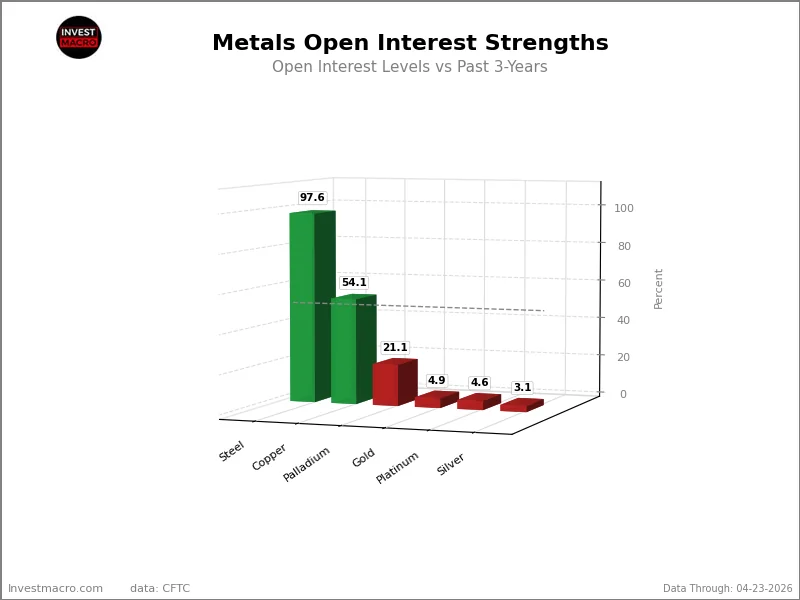
Speculator Extremes: AUD, CAD, Natural Gas & Sugar lead Bullish & Bearish Positions

By InvestMacro

The latest update for the weekly Commitment of Traders (COT) report was released by the Commodity Futures Trading Commission (CFTC) on Friday for data ending on February 24th.

This weekly Extreme Positions report highlights the Most Bullish and Most Bearish Positions for the speculator category. Extreme positioning in these markets can foreshadow strong moves in the underlying market.

To signify an extreme position, we use the Strength Index (also known as the COT Index) of each instrument, a common method of measuring COT data. The Strength Index is simply a comparison of current trader positions against the range of positions over the previous 3 years. We use over 80 percent as extremely bullish and under 20 percent as extremely bearish. (Compare Strength Index scores across all markets in the data table or cot leaders table)


Extreme Bullish Speculator Table


Here Are This Week’s Most Bullish Speculator Positions:

Australian Dollar

Extreme Bullish Leader
The Australian Dollar speculator position comes in tied as the most bullish extreme standing for a second straight this week as the AUD speculator level is currently at a maximum 100 percent score of its 3-year range.

The six-week trend for the percent strength score totaled a strong gain by 45 percentage points this week. The overall net speculator position was a total of 52,644 net contracts this week with an advance by 6,713 contract in the weekly speculator bets.


Speculators or Non-Commercials Notes:

Speculators, classified as non-commercial traders by the CFTC, are made up of large commodity funds, hedge funds and other significant for-profit participants. The Specs are generally regarded as trend-followers in their behavior towards price action – net speculator bets and prices tend to go in the same directions. These traders often look to buy when prices are rising and sell when prices are falling. To illustrate this point, many times speculator contracts can be found at their most extremes (bullish or bearish) when prices are also close to their highest or lowest levels.

These extreme levels can be dangerous for the large speculators as the trade is most crowded, there is less trading ammunition still sitting on the sidelines to push the trend further and prices have moved a significant distance. When the trend becomes exhausted, some speculators take profits while others look to also exit positions when prices fail to continue in the same direction. This process usually plays out over many months to years and can ultimately create a reverse effect where prices start to fall and speculators start a process of selling when prices are falling.


Canadian Dollar

Extreme Bullish Leader
The Canadian Dollar speculator position also comes in tied as the most bullish extreme standing once again this week as well. The CAD speculator level is also at a maximum 100 percent score of its 3-year range.

The six-week trend for the percent strength score was a jump by 31 percentage points this week while the speculator position registered 27,578 net contracts this week with a modest increase by 1,752 contracts in speculator bets.


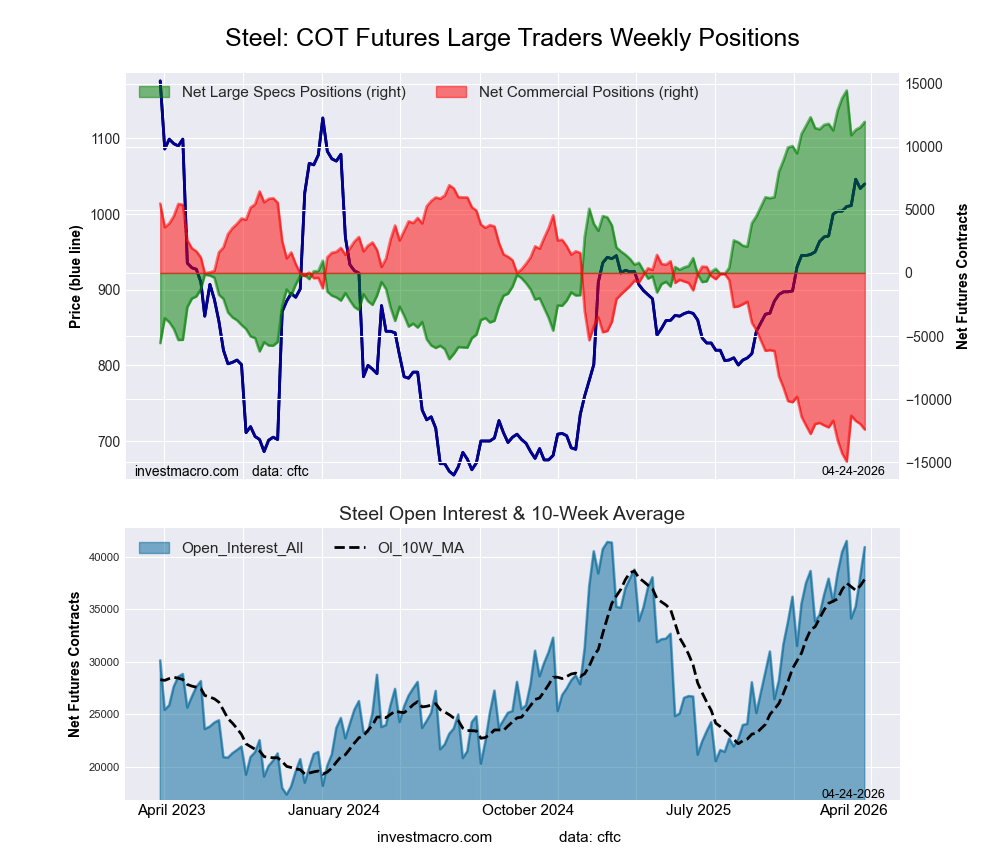
Steel

Extreme Bullish Leader
The Steel speculator position comes in third this week in the extreme standings with the Steel speculator level residing at a 97 percent score of its 3-year range.

The six-week trend for the speculator strength score came in at a rise by 4 percentage points this week. The overall speculator position was 11,824 net contracts this week with a slight uptick by 88 contracts in the weekly speculator bets.


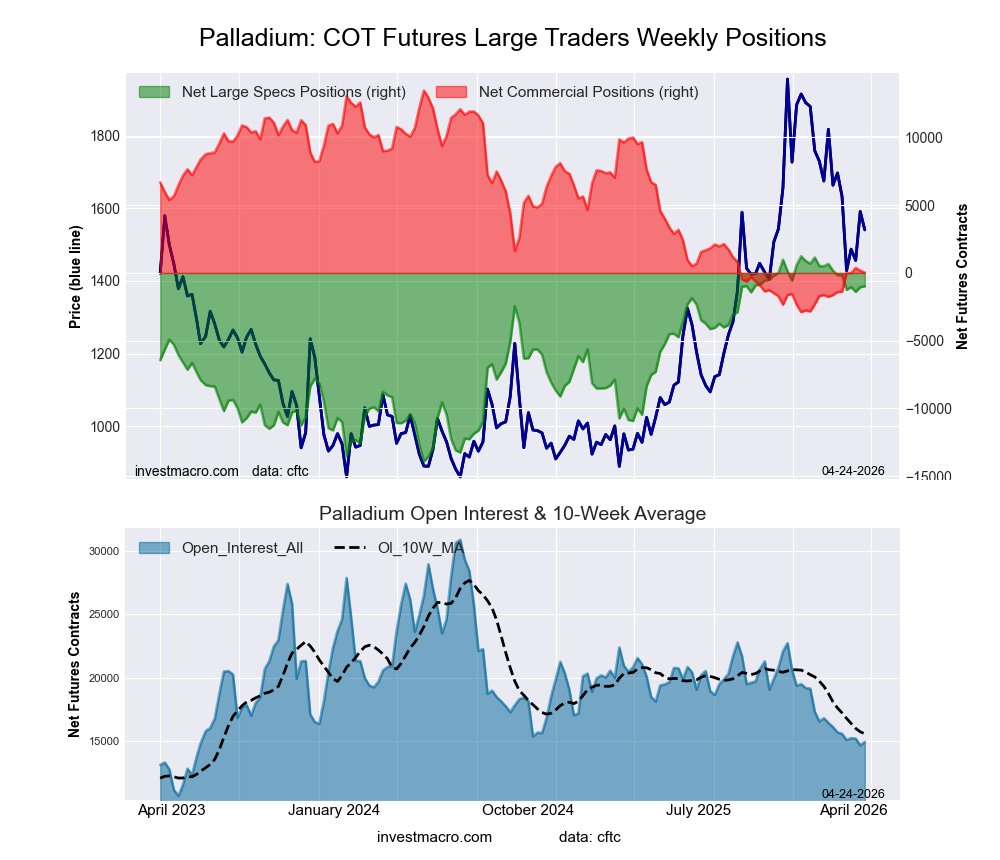
Palladium

Extreme Bullish Leader
The Palladium speculator position comes up number four in the extreme standings this week. The Palladium speculator level is at a 96 percent score of its 3-year range and the six-week trend for the speculator strength score totaled a decline of -4 percentage points this week.

The overall net speculator position was 664 net contracts this week with a small gain of 172 contracts in the speculator bets.


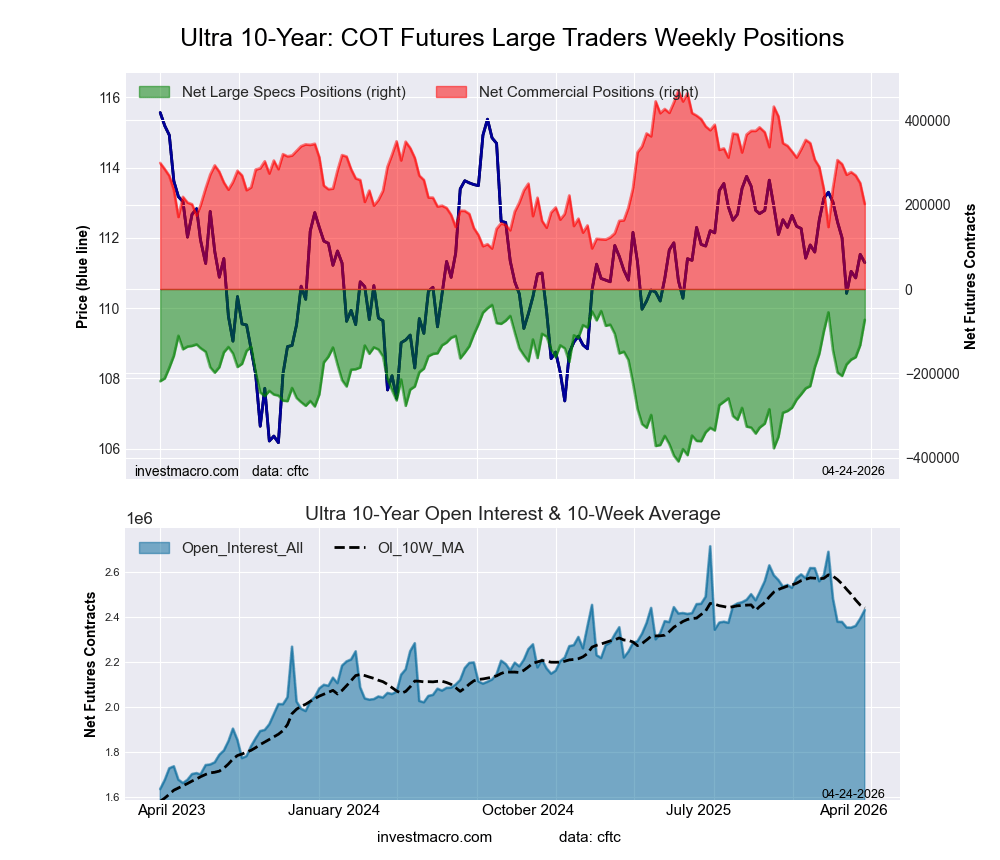
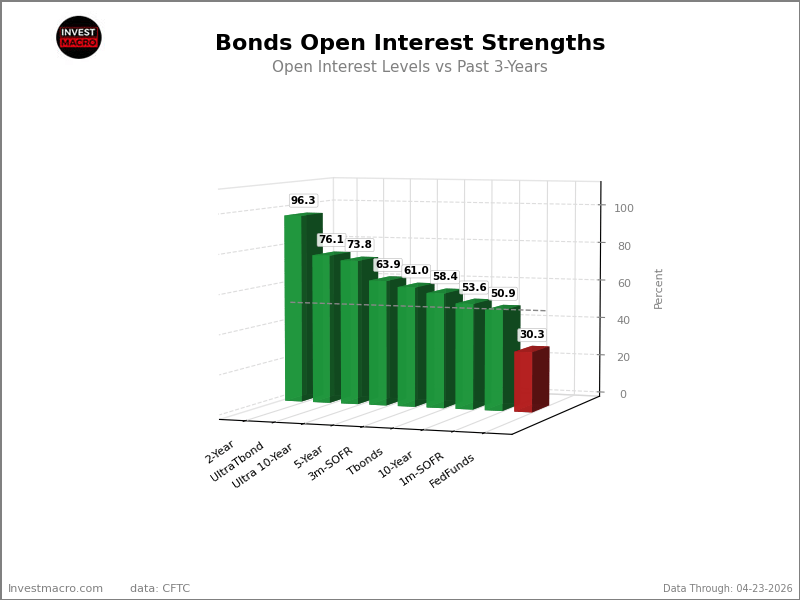
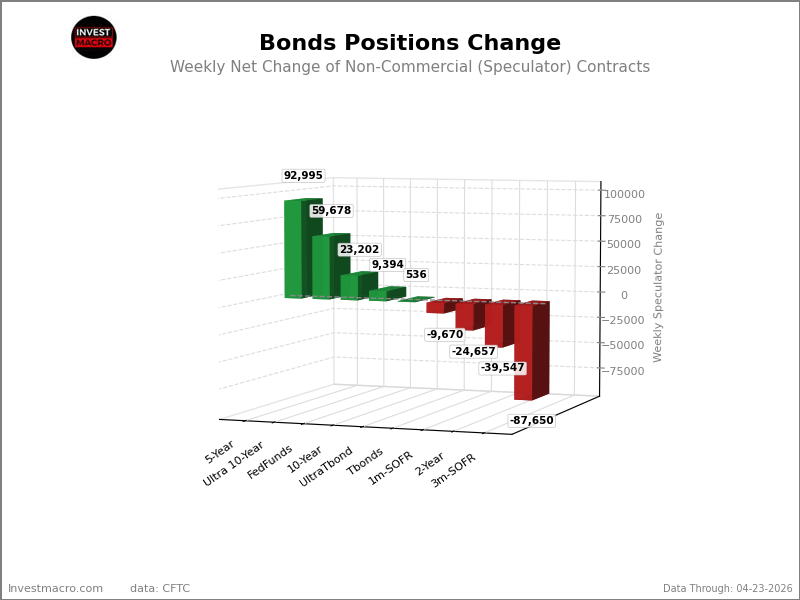
Ultra 10-Year

Extreme Bullish Leader
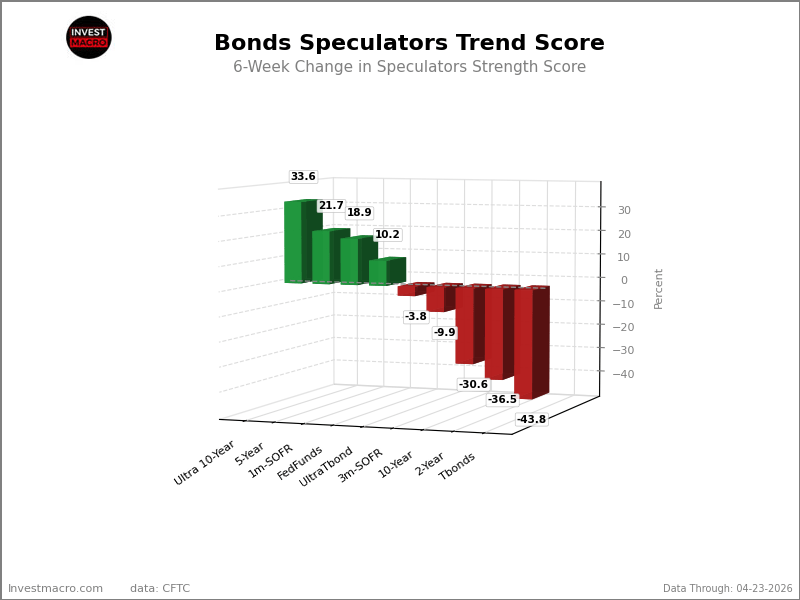
The Ultra 10-Year speculator position rounds out the top five in this week’s bullish extreme standings with the Ultra 10-Year speculator level sitting at a 95 percent score of its 3-year range.

The six-week trend for the speculator strength score was a huge jump by 52 percentage points this week. The speculator position was -55,263 net contracts this week with a gain of 44,766 contracts in the weekly speculator bets.


The Most Bearish Speculator Positions of the Week:

Extreme Bearish Speculator Table


Natural Gas

Extreme Bearish Leader
The Natural Gas speculator position comes in as the most bearish extreme standing this week as the Natural Gas speculator level is at a minimum 0 percent score of its 3-year range.

The six-week trend for the strength score was a decrease by -9 percentage points this week while the overall speculator position was -198,519 net contracts this week with a fall of -12,707 contracts in the speculator bets.


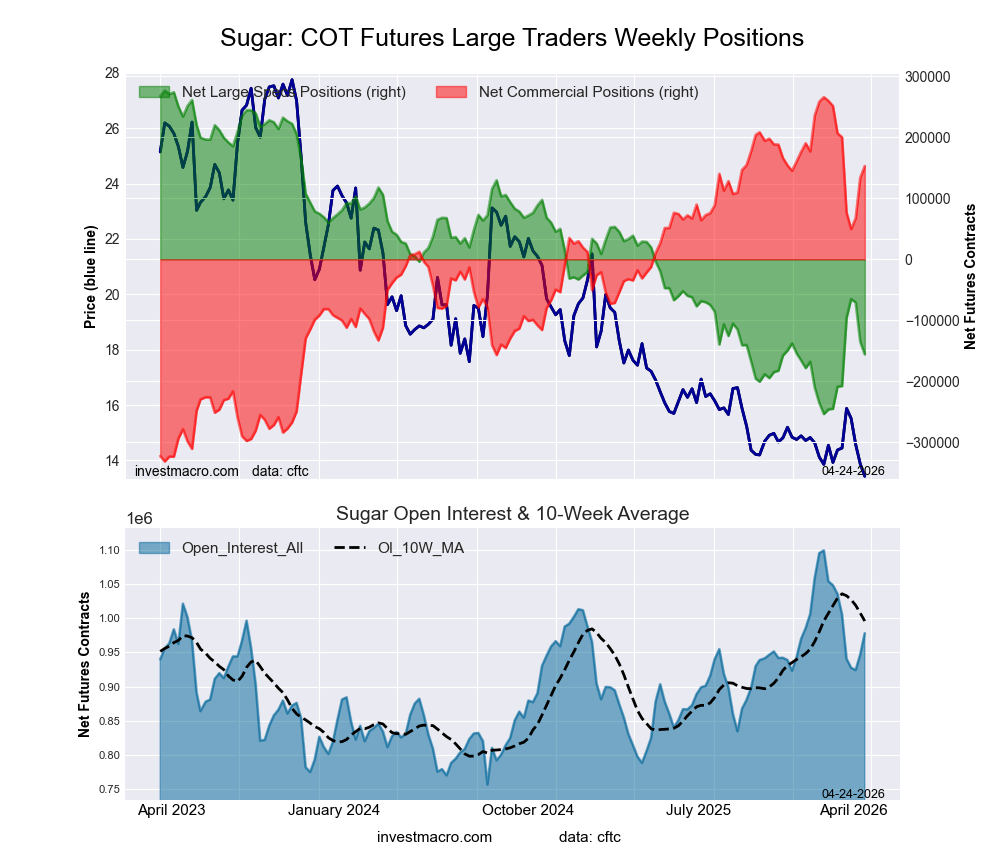
Sugar

Extreme Bearish Leader
The Sugar speculator position comes in a close second for the most bearish extreme standing on the week with the Sugar speculator level sitting at a 1 percent score of its 3-year range.

The six-week trend for the strength score was a decrease by -15 percentage points this week while the speculator position was -246,123 net contracts this week with a gain of 7,469 contracts in the weekly speculator bets.


Cocoa Futures

Extreme Bearish Leader
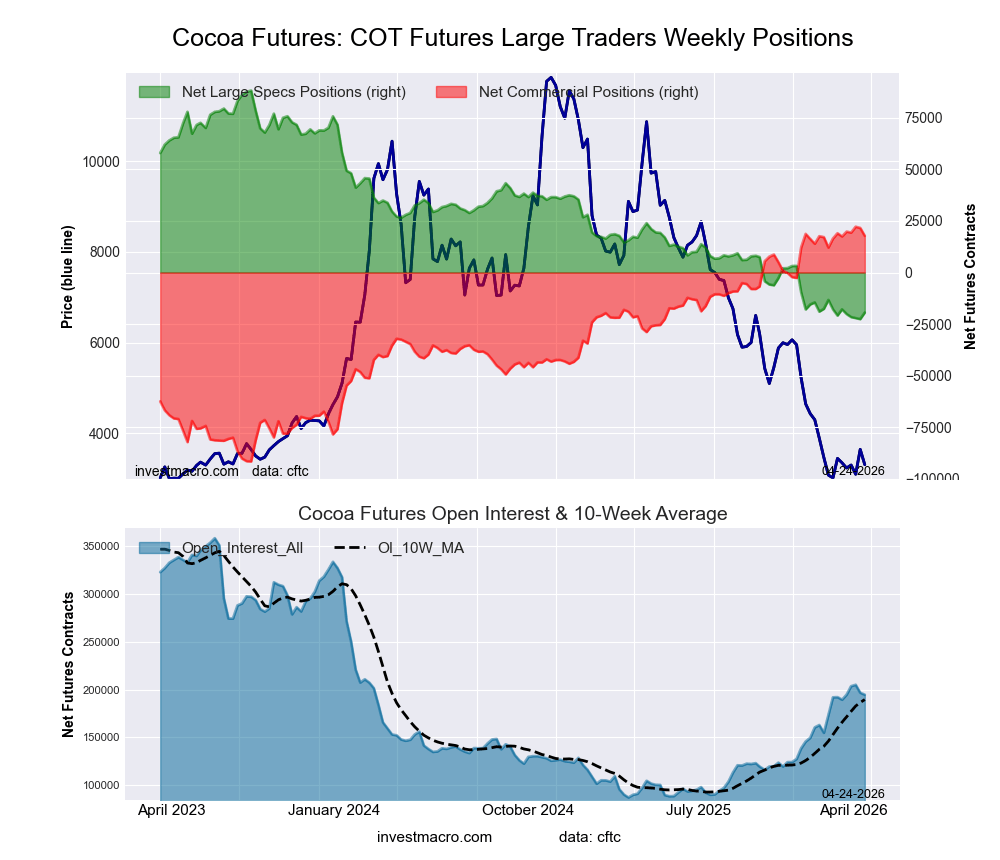
The Cocoa Futures speculator position comes in as third most bearish extreme standing of the week as the Cocoa speculator level resides at just a 5 percent score of its 3-year range.

The six-week trend for the strength score was a dip by -4 percentage points this week and the overall speculator position was -13,280 net contracts this week with a rise of 4,338 contracts in the speculator bets.


Brent Oil

Extreme Bearish Leader
The Brent Oil speculator position comes in as this week’s fourth most bearish extreme standing with the Brent speculator level at an 11 percent score of its 3-year range.

The six-week trend for the speculator strength score was a decline by -22 percentage points this week. The speculator position was -49,493 net contracts this week and had a decline of -13,226 contracts in the weekly speculator bets.


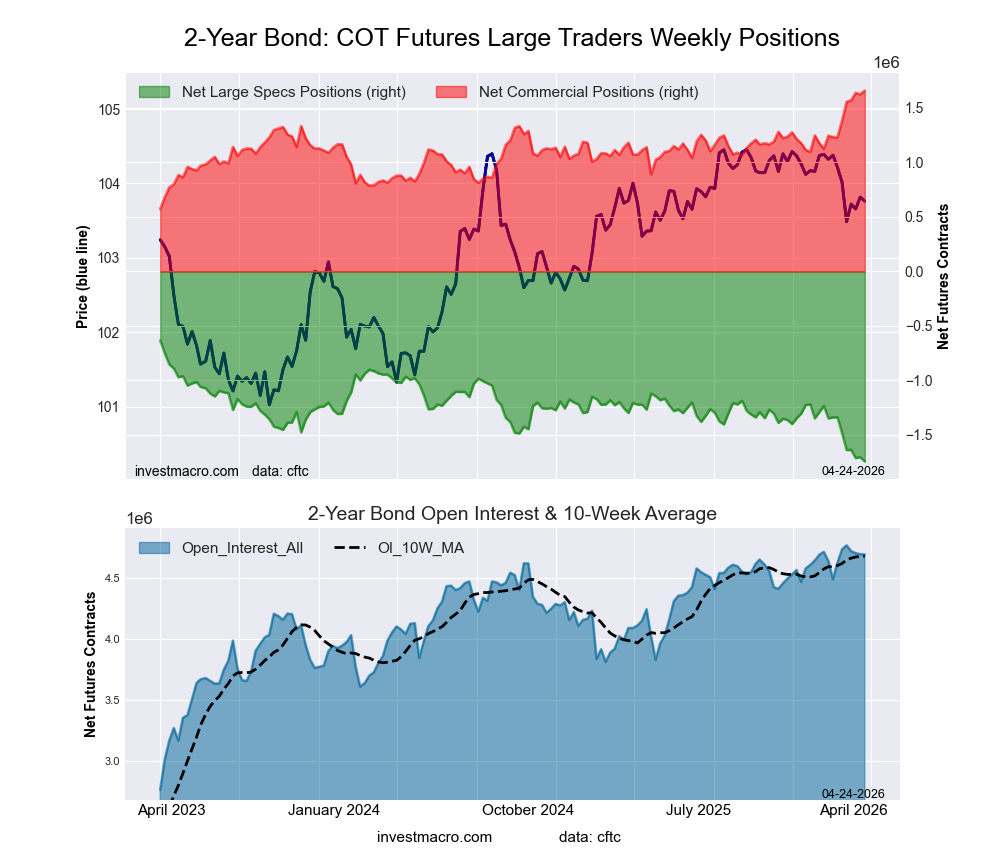
2-Year Bond

Extreme Bearish Leader
Next, the 2-Year Bond speculator position comes in as the fifth most bearish extreme standing for this week. The 2-Year speculator level is at just a 14 percent score of its 3-year range.

The six-week trend for the speculator strength score was a dip by -4 percentage points this week and the speculator position was -1,348,036 net contracts this week with a drop of -113,628 contracts in the weekly speculator bets.


Article By InvestMacroReceive our weekly COT Newsletter

*COT Report: The COT data, released weekly to the public each Friday, is updated through the most recent Tuesday (data is 3 days old) and shows a quick view of how large speculators or non-commercials (for-profit traders) were positioned in the futures markets.

The CFTC categorizes trader positions according to commercial hedgers (traders who use futures contracts for hedging as part of the business), non-commercials (large traders who speculate to realize trading profits) and nonreportable traders (usually small traders/speculators) as well as their open interest (contracts open in the market at time of reporting). See CFTC criteria here.
How natural hydrogen, hiding deep in the Earth, could serve as a new energy source

By Promise Longe, University of Kansas 

In the search for more, new and cleaner sources of energy, a largely untapped resource is emerging: natural hydrogen.

Unlike hydrogen produced from industrial processes, natural hydrogen forms through geological reactions that occur normally within the Earth’s crust, meaning it costs nothing to make – though it costs some amount to extract – and does not emit any carbon dioxide or other human‑caused pollutants.

Today, hydrogen is used mainly in oil refining, production of ammonia for fertilizer and to make methanol, which can be a fuel and an ingredient in plastics. Emerging technologies are making hydrogen a viable fuel for cars, planes, ships and factories. Hydrogen demand around the world is projected to grow from around 90 million metric tons in 2022 to more than 500 million metric tons by 2050. Some of that supply could come from nature itself, as well.

To describe each source of hydrogen, energy researchers like me, and the energy industry as a whole, use a range of colors. In general, “gray” and “blue” hydrogen are made by burning fossil fuels, with blue hydrogen incorporating technology that captures the carbon dioxide produced in the process to reduce emissions. “Green” hydrogen comes from renewable‑energy‑powered electrolysis, using electricity to split water into hydrogen and oxygen. “White” or “gold” hydrogen occurs naturally underground and can be extracted directly with minimal processing.

How natural hydrogen forms

Natural hydrogen originates from several geological processes. The most well‑studied mechanism is serpentinization, a reaction where water interacts with iron‑rich rocks known as ultramafics, releasing hydrogen gas.

Serpentinization occurs in diverse settings around the world, including ocean ridges and continental formations such as the Midcontinent Rift in North America, a band of mostly igneous rocks with some sedimentary rocks mixed in, which extends from Minnesota through the Lake Superior region and southward toward Kansas.

Another process, thermogenic hydrogen formation, occurs in deep sedimentary basins when organic material decomposes under high temperatures, roughly 480 to 930 degrees Fahrenheit (250 to 500 degrees Celsius). These reactions can also produce hydrogen alongside other gases, such as methane or nitrogen.

Because these processes happen over millions of years, using natural hydrogen generally requires far less energy than human‑made methods such as electrolysis, which consumes roughly 50 kilowatt-hours of electricity per kilogram of hydrogen produced – enough to power an average home for a day or two, and more than the energy that kilogram of hydrogen can provide. Natural hydrogen is already made – it just has to be collected.

The science and the search

Researchers and exploration companies are developing methods similar to those used in oil and gas exploration to locate potential hydrogen accumulations. They are looking at three types of geological formations:

  1. Focused seepage, where hydrogen seeps naturally through cracks and faults. It tends to reach the surface and disperse quickly, making large-scale capture difficult.
  2. Coal beds, where hydrogen binds to coal layers, offer higher potential density but pose difficulties for extraction. The hydrogen must first be separated from the coal and then flow through tight rock layers to the extraction point.
  3. Reservoir‑trap‑seal systems, comparable to the rock formations that trap natural gas underground, are considered the most promising for commercial production because they can concentrate large volumes of hydrogen in well‑defined, drillable structures. However, they remain largely unproven in practice: The basic idea is well established, and geologists have a good sense of where those formations might occur, but they still lack detailed data on how much hydrogen these formations actually contain and how easy it would be to extract.

Massive reserves – somewhere

The U.S. Geological Survey estimates there could be more than 5 trillion metric tons of geological hydrogen underground around the world. But only a small fraction of that is estimated to be recoverable, both technically and in terms of reasonable costs.

However, even 2% of that total would be more than all proven natural gas reserves on the planetand enough to meet projected demand for the next 200 years, even accounting for increased consumption.

All of that reserve has built up over billions of years. The Earth naturally produces between 15 million and 31 million metric tons of natural hydrogen each year – less than 1% of the amount expected to be needed each year by 2050. But only a fraction of that is likely to be efficiently captured.

So geologic hydrogen is likely best viewed as a very large but ultimately finite source of low‑carbon energy that can substantially complement, but not replace, other energy sources, including various methods of producing hydrogen.

Global hot spots

Currently, only one hydrogen field, at Mali’s Bourakébougou village, produces natural hydrogen commercially, supplying tens of tons of hydrogen per year to power the village.

However, the number of companies exploring for natural hydrogen has increased rapidly, from roughly 10 in 2020 to about 40 by the end of 2023, according to Rystad Energy and related government and research‑lab reports.

Apart from that one field in Mali, exploration is concentrated in the United States, Australia, Canada and several European countries.

In the U.S., HyTerra’s Nemaha Project in Kansas has confirmed subsurface hydrogen concentrations reaching more than 90% hydrogen and 3% helium. The higher the concentration of hydrogen, the more efficient and cost‑effective it is to recover. HyTerra is also exploring elsewhere in the Midwest and Rocky Mountain regions.

A close-up image of a rock that is mottled in shades of green and gray.
The geologic process of forming serpentinite can produce hydrogen.
James St. John via Flickr, CC BY

Technical barriers

Transforming geological hydrogen into a commercial energy source presents tough scientific and technical challenges. Detecting and measuring hydrogen underground is difficult because of its small molecular size and reactivity with other elements in the rocks.

And if what’s found is low concentrations of hydrogen mixed with large amounts of other gases, it can be costly, even prohibitively so, to separate and purify the hydrogen before it can be used.

Economics and efficiency

The economic promise of natural hydrogen lies in its simplicity.

Because geological processes already performed the production work, early estimates suggest that extraction costs could be one‑tenth the production costs for other traditional hydrogen generation techniques – or possibly even less than that.

But those figures are based on the small amounts of hydrogen found so far and may not represent future large‑scale performance. Producing enough to serve commercial demand will require discovering large, high-quality accumulations.

As one leading research group noted, “This is not a gold rush.” It’s a careful exploration for scientific evidence that could lead, in time, to an abundant, carbon‑free and continuous energy source that complements other renewable energy sources.The Conversation

About the Author: 

Promise Longe, Ph.D. Candidate in Chemical and Petroleum Engineering, University of Kansas

This article is republished from The Conversation under a Creative Commons license. Read the original article.


US-Iran deal on the brink of collapse. Market prices geopolitical premium into oil

By JustMarkets 

The US stock market traded mixed on Thursday. By the end of trading, the Dow Jones (US30) rose by 0.03%, the S&P 500 (US500) decreased by 0.54%, and the technology-heavy NASDAQ (US100) closed lower by 1.18%. The primary event of the day was the paradoxical reaction to Nvidia’s earnings report: despite strong financial results, the company’s shares tumbled by 5.5%. Investors began to harbor serious doubts that massive capital investments in artificial intelligence would pay off in the long term, triggering a chain reaction and a decline across other chipmakers. Amid the flight from the overheated AI sector, a notable rotation of capital toward more stable and defensive assets was observed.

Mexican peso (MXN) weakened to 17.2 per dollar. The main blow came from new US tariffs: following the Supreme Court’s February 20 decision, the Trump administration introduced a 15% global import surcharge. This sharply reduced the peso’s attractiveness, as Mexico is the United States’ largest trading partner with deeply integrated supply chains. The situation was exacerbated by weak labor market data: in January 2026, Mexico lost 8,100 formal jobs, marking the worst start to a year since 2014.

Equity markets in Europe rose sharply. The German DAX (DE40) increased by 0.45%, the French CAC 40 (FR40) closed up 0.72%, the Spanish IBEX 35 (ES35) rose by 0.19%, and the British FTSE 100 (UK100) finished 0.37% higher.

WTI oil prices demonstrated a sharp reversal, climbing 1.5% to the $66.30 per barrel level. Earlier in the session, prices had fallen nearly 3% amid optimistic comments from Omani mediators; however, market sentiment shifted abruptly following a harsh statement from Tehran. Iranian state media reported that the country would not allow the removal of enriched uranium, a key US demand, placing the Geneva negotiations on the brink of collapse. The situation is heating up as the deadline set by Donald Trump approaches: the President gave only a few days to reach a deal, threatening military action otherwise. The market immediately priced in a geopolitical premium, fearing supply disruptions from a major OPEC producer. At the same time, fundamental factors remain bearish: Saudi Arabian exports hit a three-year high, and on Sunday, March 1, OPEC+ countries will discuss increasing production by 137,000 barrels per day starting in April.

US natural gas (XNG) prices fell by more than 1.5%, dropping to the $2.82 per MMBtu mark. This is the lowest price level since last September. The primary bearish factor was the weekly report from the EIA, which showed an extremely weak inventory reduction of only 52 billion cubic feet (BCF). For comparison, in the same period in 2025, the withdrawal was 252 bcf, while the five-year average stands at 168 BCF. This dynamic led to a sharp shift in the market balance.
Asian markets traded with mixed results yesterday. The Japanese Nikkei 225 (JP225) rose by 0.29%, the Chinese FTSE China A50 (CHA50) showed a decline of 0.38%, the Hong Kong Hang Seng (HK50) fell by 1.44%, and the Australian ASX 200 (AU200) posted a positive result of 0.51%.

Investors moved into wait-and-see mode ahead of the “Two Sessions” in Beijing (March 4-11), where economic targets for 2026 will be established. The main event will be the presentation of the 15th Five-Year Plan (2026-2030), which will define China’s strategy for achieving technological independence and supporting domestic demand. The market is pricing in a budget deficit of 4% of GDP and a growth target of around 5%, which is keeping quotes from a deep correction.

On Friday, the Australian dollar (AUD) was holding near $0.711, approaching a three-year high. The “aussie” has become the top performer among G10 currencies in 2026 (+6% year-to-date), driven by the aggressive stance of the Reserve Bank of Australia (RBA). Following an unexpected jump in inflation, the market prices in an 80% probability of a rate hike in May, expecting it to peak at 4.10%. Next week, traders’ attention will shift to GDP data and manufacturing PMI indices. If the economy proves resilient to high rates, the Australian dollar could consolidate above the 0.72 level.

S&P 500 (US500) 6,908.86 −37.27 (−0.54%)

Dow Jones (US30) 49,499.20 +17.05 (+0.034%)

DAX (DE40) 25,289.02 +113.08 (+0.45%)

FTSE 100 (UK100) 10,846.70 +40.29 +(0.37%)

USD Index 97.76 +0.06% (+0.06%)

News feed for: 2026.02.27

  • Japan Tokyo Core CPI (m/m) at 01:30 (GMT+2); – JPY (MED)
  • Japan Industrial Production (m/m) at 01:50 (GMT+2); – JPY (LOW)
  • Japan Retail Sales (m/m) at 01:50 (GMT+2); – JPY (MED)
  • Switzerland Retal Sales (m/m) at 09:30 (GMT+2); – CHF (LOW)
  • Switzerland GDP (q/q) at 10:00 (GMT+2); – CHF (MED)
  • Switzerland KOF Leading Indicators (m/m) at 10:00 (GMT+2); – CHF (LOW)
  • German Unemployment Rate (m/m) at 10:55 (GMT+2); – EUR (LOW)
  • German Consumer Price Index (m/m) at 15:00 (GMT+2); – EUR (MED)
  • Canada GDP (q/q) at 15:30 (GMT+2); – CAD (MED)
  • US Producer Price Index (m/m) at 15:30 (GMT+2); – USD (HIGH)
  • US Chicago PMI (m/m) at 16:45 (GMT+2). – USD (MED)

By JustMarkets


This article reflects a personal opinion and should not be interpreted as an investment advice, and/or offer, and/or a persistent request for carrying out financial transactions, and/or a guarantee, and/or a forecast of future events.

Week In Review: Nvidia fails to dazzle, Bitcoin hits $70k

By ForexTime 

  • Nvidia ↓ over 5% post earnings
  • AI giant delivers 73% surge in Q4 revenue
  • Foreign leaders on standby after Supreme Court ruling
  • Bitcoin touches $70,000 
  • Dollar set for bullish breakout above 98.00? 

The world’s most valuable company delivered a 73% surge in fourth quarter revenue and beat analyst estimates.

However, it’s shares tumbled as much as 5.6% when US markets opened on Thursday – marking its biggest intraday drop since November 2025.

Despite the blowout results, investors remain concerned over the outlook for AI with growing questions about massive AI spending. Traders have also been spooked by the threat from AI disruption to major sectors.

Reported earnings:

  • $1.76 (+98% YoY) – Earnings per share (EPS) vs $1.54 est.
  • $68.10B (+73% YoY) – Revenue vs $66.13B est.

With Nvidia’s earnings wrapping up earnings season, the focus returns to global trade developments and geopolitical risk.

Trump’s tariff fiasco

Earlier this week, Trump’s global 10% tariffs went into effect, bringing trade uncertainty back on the table.

Last Friday’s Supreme Court ruling has created fresh confusion over the volley of trade deals negotiated by the United States. Foreign leaders are on standby with the EU moving to freeze their trade deal with the United States.

Bitcoin kisses $70,000

Bitcoin surged toward $70,000, snapping a three-day losing streak as global risk sentiment improved.

Still, the “OG” crypto is down almost 15% month-to-date – its worst month since November 2025. Despite the recent rebound, prices are still down more than 40% from its peak and down almost 50% from its October high of over $126,000.

Prices remain in a range with support at $60,000 and resistance $70,000. A breakout could be on the horizon.

USDInd eyeing bullish breakout?

It’s been a choppy week for the dollar with prices repeatedly testing resistance at 98.00.

On one side, the dollar has been pressured by renewed trade uncertainty amid Trump’s tariff fiasco. However, bulls are drawing strength from cooling Fed cut bets in the face of better-than-expected data.

A solid breakout above 98.00 may open a path toward the 200-day SMA and 99.00.


Forex-Time-LogoArticle by ForexTime


ForexTime Ltd (FXTM) is an award winning international online forex broker regulated by CySEC 185/12 www.forextime.com

USD/JPY Declines, but the Overall Outlook for the Yen Remains Hazy

By Analytical Department RoboForex

USD/JPY is trading lower at 155.79 on Friday. Meanwhile, the yen remains under pressure at the end of the week. It is on track to record a second consecutive weekly decline amid ongoing uncertainty surrounding Bank of Japan (BoJ) policy.

This week, the Japanese government nominated two academics known for favouring loose monetary policy to the BoJ board. Prime Minister Sanae Takaichi, following a meeting with BoJ Governor Kazuo Ueda, expressed concerns about the possibility of further interest rate hikes.

In contrast, board member Hajime Takata, who holds a more hawkish stance, has called for additional policy tightening. He also indicated that the bank’s price stability target is nearly achieved.

Governor Ueda himself noted that the BoJ will carefully assess incoming economic data at its March and April meetings, leaving the door open to a potential short-term rate hike.

Economic statistics are also influencing market expectations. Inflation in Tokyo has slowed to its lowest level in over a year, partly due to government subsidies for utilities. This has reinforced expectations that the central bank may refrain from tightening policy in the near term.

Technical Analysis

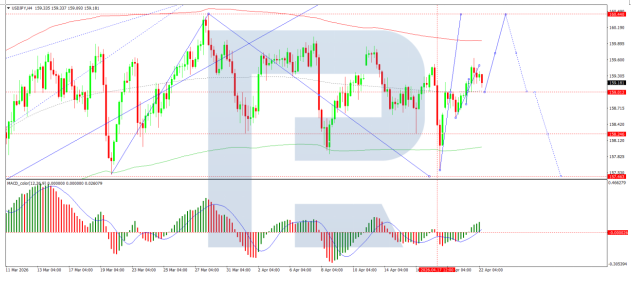
On the H4 chart, USD/JPY is forming a consolidation range around the 156.15 level. A decline towards 155.50 is expected today, after which a corrective move back towards 156.15 may follow. A breakout above this range could open the way to further gains towards 157.50. Conversely, a break below the range would signal a continuation of the downward move, initially towards 154.18, with scope to extend towards 151.82. Technically, this bearish scenario is supported by the MACD indicator, whose signal line remains above zero but is pointing firmly lower.

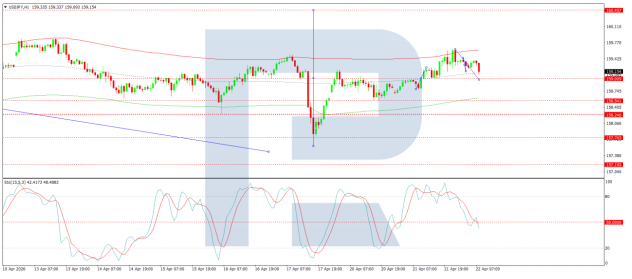
On the H1 chart, the pair has broken below the 156.15 level and is forming a downward wave towards 155.40. A subsequent correction back to 156.15 cannot be ruled out. This short-term bearish bias is confirmed by the Stochastic oscillator, with its signal line below 50 and pointing lower.

Conclusion

USD/JPY is declining amid persistent uncertainty regarding the Bank of Japan’s next policy move. Market expectations are being pulled between hawkish signals from some board members and more cautious communication from the leadership, reinforced by softer Tokyo inflation data. Technical analysis suggests scope for further short-term downside, although a corrective bounce remains possible.


Disclaimer

Any forecasts contained herein are based on the author’s particular opinion. This analysis may not be treated as trading advice. RoboForex bears no responsibility for trading results based on trading recommendations and reviews contained herein.

British FTSE 100 hits new record. AUD emerges as G10 currency favorite

By JustMarkets 

The US stock market demonstrated steady growth on Wednesday. By the close of trading, the Dow Jones (US30) rose by 0.76%, the S&P 500 (US500) gained 0.77%, and the technology-heavy Nasdaq (US100) finished 1.09% higher. The highlight of the day was the Nvidia earnings report, which exceeded expectations for both profit and revenue. This served as a vital signal for investors: the “AI bubble,” much discussed in recent weeks, has not burst, and real demand for chips remains consistently high.

Equity markets in Europe surged on Wednesday. The German DAX (DE40) rose by 0.76%, the French CAC 40 (FR40) closed up 0.47%, and the Spanish IBEX 35 (ES35) climbed 1.49%. The British FTSE 100 (UK100) gained 1.18%, reaching a new all-time high. The primary driver of the rally was the banking sector, led by HSBC, whose shares skyrocketed 7.6% following a strong financial report. The commodities sector also significantly contributed to the index’s growth amid rising prices for copper and metals.

Banking analysts predict stability for the Swiss franc (CHF) in the short term, viewing it as the ultimate safe-haven asset amid trade wars and geopolitical chaos. Switzerland’s strong fiscal indicators and current account surplus make the franc resilient to market shocks. However, this strength poses serious challenges for the domestic economy. Inflation in Switzerland sits at a critically low level (0.1%), effectively signaling a risk of deflation. Consequently, the SNB may either move to cut rates into negative territory or, more likely, conduct currency interventions by selling the franc to curb its exchange rate.

On Wednesday, silver prices (XAG) jumped more than 3%, closely approaching the psychological mark of $90 per ounce. The growth was driven by a confluence of factors: the implementation of the US 10% tariff, threats to raise it to 15%, and preparations for the decisive round of nuclear negotiations in Geneva. Investors returned to silver as a hedge against trade war risks and potential escalation in the Middle East.

Platinum prices (XPT) are trading above $2,300 per ounce on Thursday, hitting a four-week high. The precious metals market remains on edge due to large-scale US sanctions against 30 Iranian entities and the largest US military buildup in the Persian Gulf since 2003. Investors are utilizing platinum as a defensive asset ahead of the crucial Geneva talks, fearing that a diplomatic failure could lead to direct military conflict. Fundamentally, platinum is supported by the “substitution effect” for palladium and a chronic supply deficit from South Africa.

WTI oil prices accelerated their decline on Wednesday, dropping to $65.35 per barrel. The primary bearish factor was the EIA report, which recorded a shocking increase in crude oil inventories of 15.99 million barrels for the week. This is the largest build in three years, exceeding analyst expectations tenfold and neutralizing concerns regarding a supply deficit.

Asian markets traded with mixed results yesterday. The Japanese Nikkei 225 (JP225) surged by 2.20%, the Chinese FTSE China A50 (CHA50) rose by 0.65%, and the Hong Kong Hang Seng (HK50) gained 0.66%. The Australian ASX 200 (AU200) posted a positive result of 1.17%.

On Thursday, the Australian dollar (AUD) made a powerful move to 0.713 USD, reaching its highest levels since August 2022. Markets are nearly certain of an RBA rate hike to 4.10% (with an 80% probability for a May move) after January inflation figures unpleasantly surprised the regulator. The “aussie” currently looks like the favorite among G10 currencies as Australian government bond yields are rising faster than their US counterparts.

The New Zealand dollar (NZD) climbed above the 0.60 USD mark on Thursday, marking its third consecutive session of gains. The primary driver of the “kiwi’s” strength was a localized weakening of the US dollar: investors began to doubt the sustainability of Trump’s trade strategy after the Supreme Court blocked some of his initiatives, prompting temporary profit-taking on long USD positions. Nevertheless, the upside potential for the NZD is limited by the RBNZ’s dovish stance. Governor Anna Breman has signaled that the economy can recover without overheating, depriving the RBNZ of incentives to hike rates in the near future.
S&P 500 (US500) 6,946.14 +56.07 (+0.81%)

Dow Jones (US30) 49,482.27 +307.77 (+0.63%)

DAX (DE40) 25,175.94 +189.69 (+0.76%)

FTSE 100 (UK100) 10,806.41 +125.82 (+1.18%)

USD Index 97.69 -0.15% (-0.16%)

News feed for: 2026.02.26

  • Eurozone ECB President Lagarde Speaks at 10:30 (GMT+2); – EUR (LOW)
  • US Initial Jobless Claims (w/w) at 15:30 (GMT+2); – USD (MED)
  • US Natural Gas Storage (w/w) at 17:30 (GMT+2). – XNG (HIGH)

By JustMarkets


This article reflects a personal opinion and should not be interpreted as an investment advice, and/or offer, and/or a persistent request for carrying out financial transactions, and/or a guarantee, and/or a forecast of future events.

EUR/USD in Positive Territory: Dollar Weakness Presents Opportunities for Investors

By RoboForex Analytical Department

EUR/USD rose for the second consecutive day and is approaching 1.1819. Sentiment towards the US dollar remains under pressure amid uncertainty over US tariff policy, which is eroding confidence in the American currency.

US Trade Representative Jamieson Greer stated that tariff rates for individual countries could be increased from the current 10% to 15% or higher, but did not specify the criteria for such changes.

President Donald Trump adopted a measured tone on tariffs in his annual address to Congress. At the same time, he made it clear that he would not change his strategy, despite the Supreme Court’s decision to cancel his large-scale “reciprocal” duties.

In terms of monetary policy, the market expects the Fed to keep interest rates unchanged at its next meeting.

Additional caution stems from ongoing negotiations between the US and Iran on the nuclear program, the next round of which is taking place today in Geneva.

Technical Analysis

On the H4 chart, EUR/USD is forming a consolidation range around 1.1818. An upward move towards 1.1862 appears likely, with scope for an extension towards 1.1888. Technically, this scenario is supported by the MACD indicator: its signal line remains above zero and is pointing higher, reflecting sustained bullish momentum.

On the H1 chart, the pair is developing the next upward wave towards 1.1860. After reaching this level, a pullback towards 1.1818 could follow, before a renewed advance towards 1.1888. Technically, this scenario is supported by the Stochastic oscillator, with its signal line above 50 and rising towards 80.

Conclusion

In summary, EUR/USD continues its gradual recovery as persistent uncertainty surrounding US tariff policy weighs on dollar sentiment. While Trump’s Congressional address offered no clarity on the trade front, and ongoing US-Iran negotiations add a layer of geopolitical caution, the technical picture remains constructive. The pair is building momentum within a consolidation range, with upside targets at 1.1862 and 1.1888. Both MACD and Stochastic indicators support the bullish bias, suggesting further gains are likely in the near term. The key level to watch is 1.1818 – holding above this support keeps the upward trajectory intact, while a break below could signal a temporary pause. For now, the path of least resistance appears higher.
 

Disclaimer

Any forecasts contained herein are based on the author’s particular opinion. This analysis may not be treated as trading advice. RoboForex bears no responsibility for trading results based on trading recommendations and reviews contained herein.