Archive for Financial News – Page 13

Oil prices have seen their largest surge in 4 years amid the military conflict in the Persian Gulf.

By JustMarkets 

On Friday, trading on the US stock market ended with a decline. By the end of Friday, the Dow Jones (US30) Index fell by 1.05% (-1.15% for the week). The S&P 500 (US500) dropped by 0.43% (-0.38% for the week). The tech-heavy NASDAQ (US100) closed lower by 0.30% (+0.51% for the week). The primary blow was a “hot” Producer Price Index (PPI) report, where the core figure jumped by 0.8%, confirming that companies are actively passing increased tariff costs onto consumers. This sharply reduced the chances of Fed easing, and the escalation in the Persian Gulf added fuel to the fire, sending oil prices and inflation expectations skyrocketing.

Market tranquility was shattered over the weekend. On February 28, 2026, the United States and Israel launched a large-scale military operation, “Epic Fury,” against Iran. In response, Tehran launched missile strikes on US bases in the UAE, Qatar, and Kuwait, while the Islamic Revolutionary Guard Corps announced the closure of the Strait of Hormuz. As up to 30% of global seaborne oil trade passes through this route, experts predict oil prices could jump to $100 per barrel. This creates a risk of a new wave of stagflation for Europe and other nations.

European equity markets mostly rose. The German (DE40) fell 0.02% (+0.86% for the week), the French CAC 40 (FR40) closed down 0.47% (+1.29% for the week), the Spanish IBEX 35 (ES35) dropped 0.73% (+0.73% for the week), and the British FTSE 100 (UK100) closed up 0.59% (+2.31% for the week). However, European exchanges opened with a crash. Markets are reacting to the critical escalation in the Middle East: the death of Iran’s Supreme Leader Ayatollah Ali Khamenei and the de facto blockade of the Strait of Hormuz have threatened Europe’s energy security. Amid record-low gas reserves in underground storage facilities, the spike in energy prices intensifies stagflation risks, forcing investors to price in a more hawkish ECB policy. The macroeconomic backdrop remains concerning: while inflation in Germany slowed in February, its acceleration in France and Spain gives the regulator little cause for optimism. Money markets now price the probability of a rate cut by year-end at just 30%.

Palladium (XPD) prices jumped above $1,800 per ounce, reaching a monthly high amid the large-scale military conflict in the Middle East. The death of Iran’s Supreme Leader and Donald Trump’s tough rhetoric regarding the continuation of Operation “Epic Fury” triggered panic buying of precious metals. Geopolitical chaos has collided with an acute supply deficit: production disruptions in South Africa and the risk of new sanctions against Russian exports (which account for about 40% of the global market) threaten long-term supply chain ruptures for the automotive industry. Future price dynamics will depend on dollar stability and Friday’s Non-farm Payrolls report. If the US labor market remains strong, the dollar will continue to rise, potentially limiting the palladium rally.

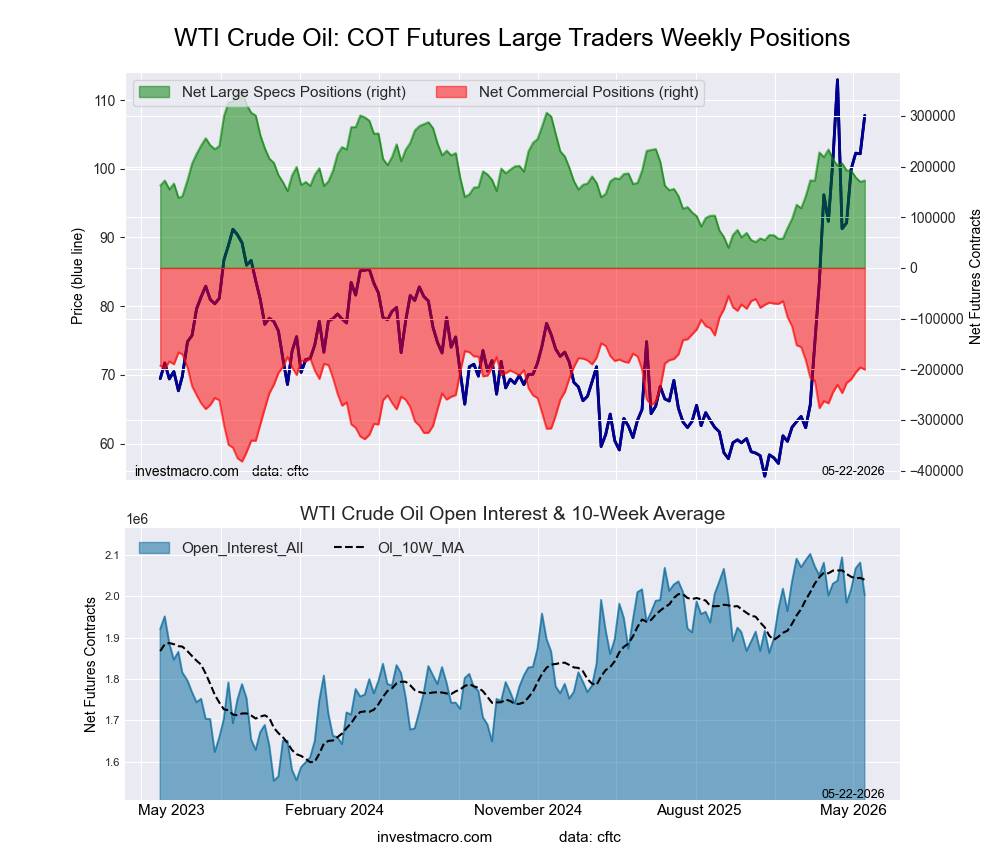
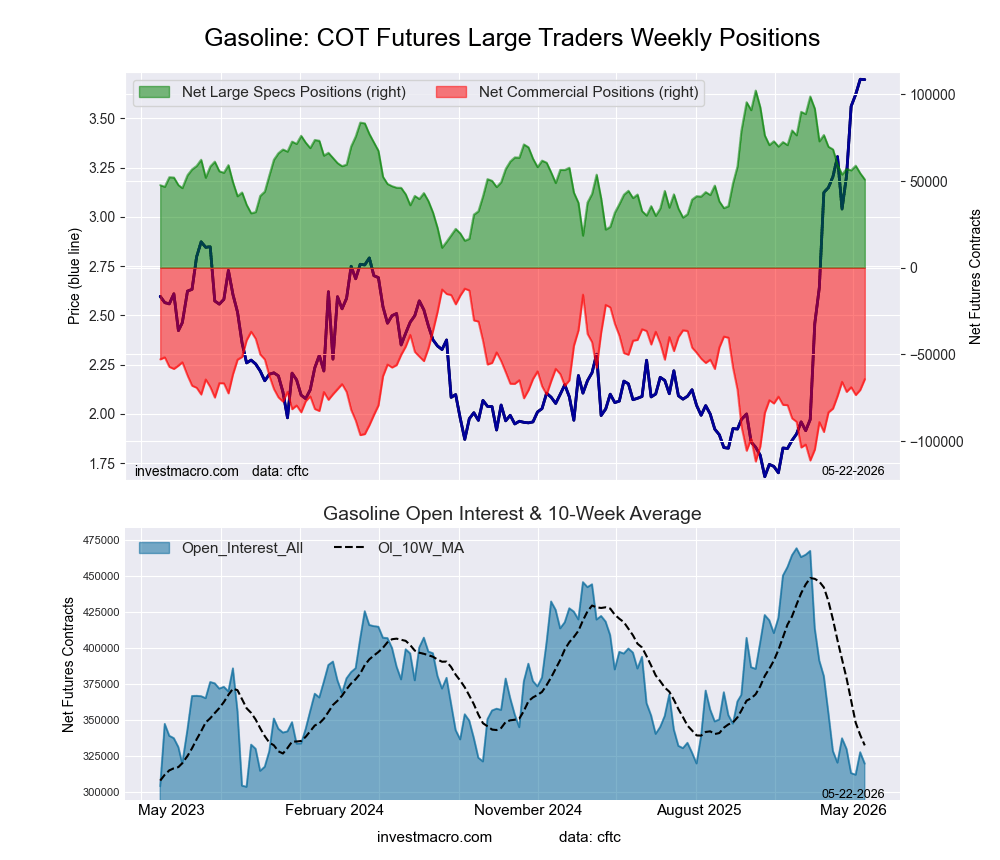
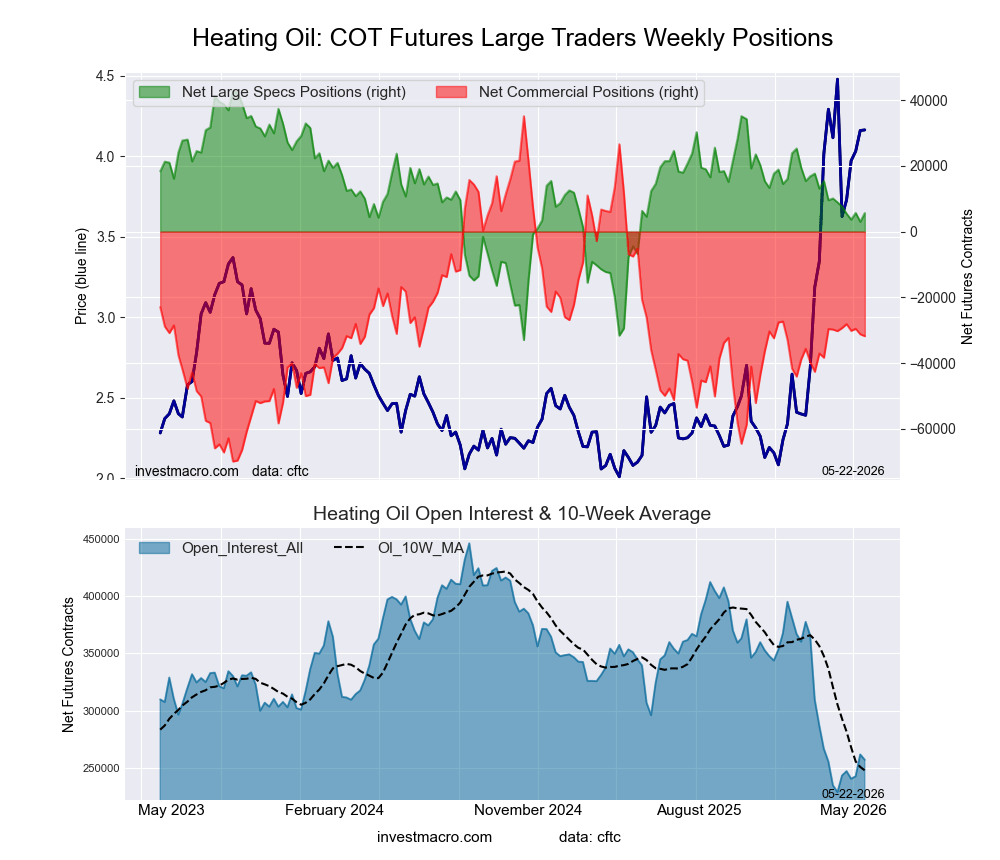
WTI oil prices jumped over 6%, settling above $71 per barrel (after a brief 10% spike). This is an eight-month high triggered by the start of Operation “Epic Fury” – unprecedented strikes by the US and Israel on Iran on February 28. Markets are pricing in the risk of a total blockade of the Strait of Hormuz, through which approximately 20% of global oil supplies flow. Against the backdrop of the escalation, the OPEC+ decision made on Sunday appears extremely cautious: the alliance will increase production in April by only 206,000 barrels per day. This is half the previously discussed volume (up to 548,000 bpd) and clearly insufficient to offset the potential loss of Iranian exports. Investors await the US market open, where a supply deficit combined with a rising geopolitical premium could push quotes to the $80-85 level as early as this week.

Asian markets traded with mixed dynamics last week. The Japanese Nikkei 225 (JP225) rose 3.60% for the week, the Chinese FTSE China A50 (CHA50) fell 1.47%, the Hong Kong Hang Seng (HK50) dropped 1.30%, and the Australian ASX 200 (AU200) showed a positive 5-day result of 1.03%.

The Hang Seng Index plunged 667 points (-2.5%), hitting a six-week low. The sell-off was triggered by the sharp escalation of the war: following the deaths of three US service members, Donald Trump vowed “revenge” and pledged to continue Operation “Epic Fury” until Iran’s military potential is fully destroyed. The confirmed death of Ayatollah Khamenei and the blockade of the Strait of Hormuz threatened global oil supplies, causing a collapse in tech giants and airline stocks due to fuel crisis fears. Mainland Chinese indices served as a partial counterweight, showing moderate growth. Investors are betting on the “Two Sessions” of the NPC starting March 4: amidst a new major war in the Middle East, the market expects Beijing to sharply increase government spending on technological sovereignty and the launch of the 15th Five-Year Plan (2026-2030).

The Australian dollar (AUD) fell to $0.70, completely erasing last week’s gains. As a typical “risk-on” currency, the “aussie” suffered from a global flight to safety (US dollar and gold). Direct Iranian strikes on US bases in Gulf countries and Jordan, alongside the blockade of the Strait of Hormuz, have jeopardized global supply chains to which Australia’s economy is highly sensitive. Domestic statistics added pressure: Australia’s Manufacturing PMI was revised down to 51.0 – a four-month low.

S&P 500 (US500) 6,878.88 −29.98 (−0.43%)

Dow Jones (US30) 48,977.92 −521.28 (−1.05%)

DAX (DE40) 25,284.26 −4.76 (−0.02%)

FTSE 100 (UK100) 10,910.55 +63.85 (+0.59%)

USD Index 97.65 −0.15% (−0.15%)

News feed for: 2026.03.02

  • Australia Manufacturing PMI (m/m) at 00:00 (GMT+2); – AUD (MED)
  • Japan Manufacturing PMI (m/m) at 02:30 (GMT+2); – JPY (MED)
  • German Retail Sales (m/m) at 09:00 (GMT+2); – EUR (MED)
  • Switzerland Retail Sales (m/m) at 09:30 (GMT+2); – CHF (MED)
  • Switzerland Manufacturing PMI (m/m) at 09:30 (GMT+2); – CHF (LOW)
  • Eurozone Manufacturing PMI (m/m) at 11:00 (GMT+2); – EUR (MED)
  • UK Manufacturing PMI (m/m) at 11:30 (GMT+2); – GBP (MED)
  • Eurozone ECB President Lagarde Speaks at 16:00 (GMT+2); – EUR (LOW)
  • Canada Manufacturing PMI (m/m) at 16:30 (GMT+2); – CAD (MED)
  • US ISM Manufacturing PMI (m/m) at 17:00 (GMT+2); – USD (MED)
  • Australia RBA Gov Bullock Speaks at 23:10 (GMT+2). – AUD (LOW)

By JustMarkets


This article reflects a personal opinion and should not be interpreted as an investment advice, and/or offer, and/or a persistent request for carrying out financial transactions, and/or a guarantee, and/or a forecast of future events.

EUR/USD Reacts to Geopolitics and Data: Week Opens Nervously

By Analytical Department RoboForex

EUR/USD rose to 1.1790 on Monday. The US dollar attempted to strengthen, but part of its rally was subsequently pared back. Demand for safe-haven assets intensified over the weekend amid an escalation of the conflict in the Middle East.

The US and Israel conducted strikes on Iran, resulting in the death of the country’s supreme leader, Ayatollah Ali Khamenei. Reports also emerged of the effective closure of the Strait of Hormuz, a crucial route for global oil supplies. Tehran has responded with attacks on American targets in the region, fuelling fears of a broader conflict.

Additional support for the dollar came from US producer inflation data. January’s PPI rose more sharply than expected, suggesting that companies are passing on tariff-related costs to consumers, which complicates the outlook for a potential Federal Reserve rate cut.

Nevertheless, the market continues to price in two 25-basis-point rate cuts from the Fed this year. The prevailing sentiment is that volatility and geopolitical risks could eventually force the central bank to ease its monetary policy.

Technical Analysis

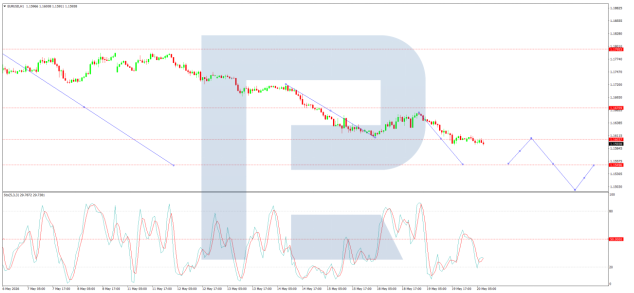
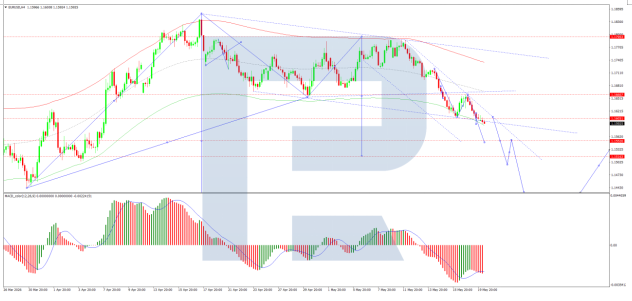
On the H4 chart of EUR/USD, the market is forming a consolidation range around the 1.1834 level. A downside breakout is expected, with the decline continuing to 1.1712, and the potential for the trend to extend further to 1.1590. Technically, this bearish scenario is confirmed by the MACD indicator, whose signal line is below zero and pointing firmly downwards, reflecting sustained bearish momentum.

On the H1 chart, the market is forming the structure of the next downward wave towards 1.1712. After reaching this level, a corrective rise to 1.1768 is anticipated, followed by the start of a new downward wave to 1.1650. Technically, this scenario is supported by the Stochastic oscillator, with its signal line below 50 and pointing firmly downwards towards the 20 level.

Conclusion

The euro is navigating a complex landscape, with safe-haven flows and geopolitical tensions in the Middle East initially boosting the US dollar, while hotter-than-expected US PPI data adds another layer of uncertainty to Fed policy. Although the market still anticipates rate cuts later this year, the immediate technical outlook for EUR/USD appears bearish, suggesting further downside in the short term.


Disclaimer

Any forecasts contained herein are based on the author’s particular opinion. This analysis may not be treated as trading advice. RoboForex bears no responsibility for trading results based on trading recommendations and reviews contained herein.
US-Iran deal on the brink of collapse. Market prices geopolitical premium into oil

By JustMarkets 

The US stock market traded mixed on Thursday. By the end of trading, the Dow Jones (US30) rose by 0.03%, the S&P 500 (US500) decreased by 0.54%, and the technology-heavy NASDAQ (US100) closed lower by 1.18%. The primary event of the day was the paradoxical reaction to Nvidia’s earnings report: despite strong financial results, the company’s shares tumbled by 5.5%. Investors began to harbor serious doubts that massive capital investments in artificial intelligence would pay off in the long term, triggering a chain reaction and a decline across other chipmakers. Amid the flight from the overheated AI sector, a notable rotation of capital toward more stable and defensive assets was observed.

Mexican peso (MXN) weakened to 17.2 per dollar. The main blow came from new US tariffs: following the Supreme Court’s February 20 decision, the Trump administration introduced a 15% global import surcharge. This sharply reduced the peso’s attractiveness, as Mexico is the United States’ largest trading partner with deeply integrated supply chains. The situation was exacerbated by weak labor market data: in January 2026, Mexico lost 8,100 formal jobs, marking the worst start to a year since 2014.

Equity markets in Europe rose sharply. The German DAX (DE40) increased by 0.45%, the French CAC 40 (FR40) closed up 0.72%, the Spanish IBEX 35 (ES35) rose by 0.19%, and the British FTSE 100 (UK100) finished 0.37% higher.

WTI oil prices demonstrated a sharp reversal, climbing 1.5% to the $66.30 per barrel level. Earlier in the session, prices had fallen nearly 3% amid optimistic comments from Omani mediators; however, market sentiment shifted abruptly following a harsh statement from Tehran. Iranian state media reported that the country would not allow the removal of enriched uranium, a key US demand, placing the Geneva negotiations on the brink of collapse. The situation is heating up as the deadline set by Donald Trump approaches: the President gave only a few days to reach a deal, threatening military action otherwise. The market immediately priced in a geopolitical premium, fearing supply disruptions from a major OPEC producer. At the same time, fundamental factors remain bearish: Saudi Arabian exports hit a three-year high, and on Sunday, March 1, OPEC+ countries will discuss increasing production by 137,000 barrels per day starting in April.

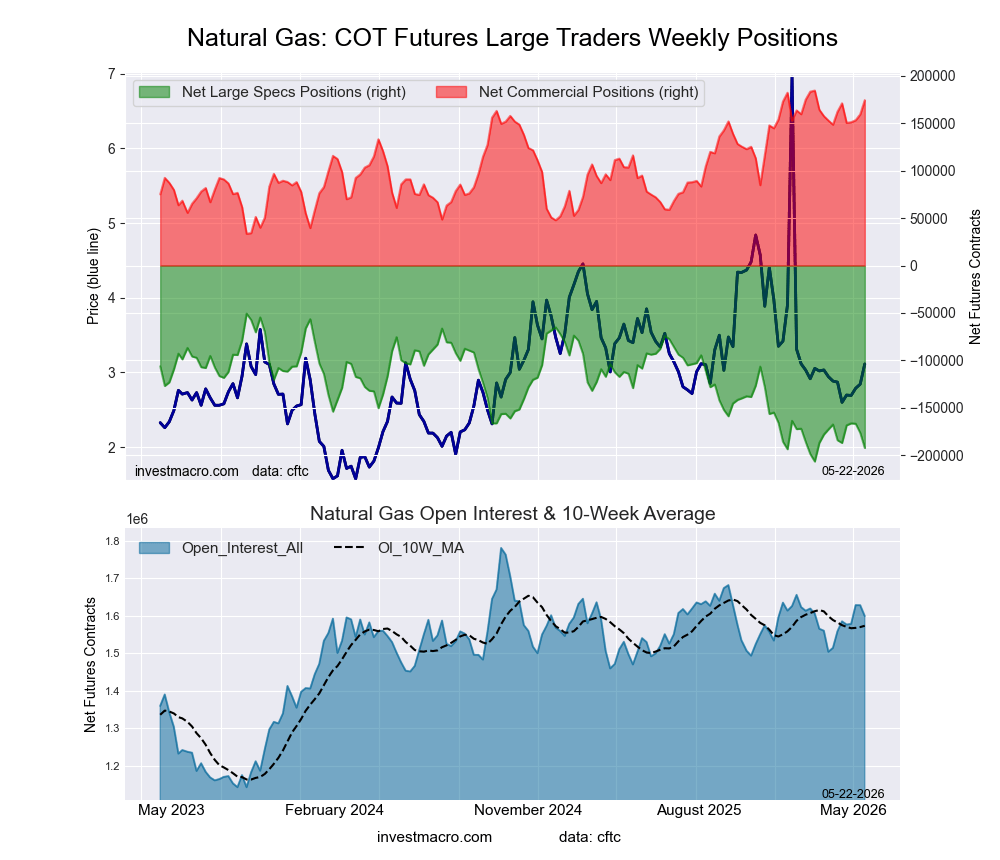
US natural gas (XNG) prices fell by more than 1.5%, dropping to the $2.82 per MMBtu mark. This is the lowest price level since last September. The primary bearish factor was the weekly report from the EIA, which showed an extremely weak inventory reduction of only 52 billion cubic feet (BCF). For comparison, in the same period in 2025, the withdrawal was 252 bcf, while the five-year average stands at 168 BCF. This dynamic led to a sharp shift in the market balance.
Asian markets traded with mixed results yesterday. The Japanese Nikkei 225 (JP225) rose by 0.29%, the Chinese FTSE China A50 (CHA50) showed a decline of 0.38%, the Hong Kong Hang Seng (HK50) fell by 1.44%, and the Australian ASX 200 (AU200) posted a positive result of 0.51%.

Investors moved into wait-and-see mode ahead of the “Two Sessions” in Beijing (March 4-11), where economic targets for 2026 will be established. The main event will be the presentation of the 15th Five-Year Plan (2026-2030), which will define China’s strategy for achieving technological independence and supporting domestic demand. The market is pricing in a budget deficit of 4% of GDP and a growth target of around 5%, which is keeping quotes from a deep correction.

On Friday, the Australian dollar (AUD) was holding near $0.711, approaching a three-year high. The “aussie” has become the top performer among G10 currencies in 2026 (+6% year-to-date), driven by the aggressive stance of the Reserve Bank of Australia (RBA). Following an unexpected jump in inflation, the market prices in an 80% probability of a rate hike in May, expecting it to peak at 4.10%. Next week, traders’ attention will shift to GDP data and manufacturing PMI indices. If the economy proves resilient to high rates, the Australian dollar could consolidate above the 0.72 level.

S&P 500 (US500) 6,908.86 −37.27 (−0.54%)

Dow Jones (US30) 49,499.20 +17.05 (+0.034%)

DAX (DE40) 25,289.02 +113.08 (+0.45%)

FTSE 100 (UK100) 10,846.70 +40.29 +(0.37%)

USD Index 97.76 +0.06% (+0.06%)

News feed for: 2026.02.27

  • Japan Tokyo Core CPI (m/m) at 01:30 (GMT+2); – JPY (MED)
  • Japan Industrial Production (m/m) at 01:50 (GMT+2); – JPY (LOW)
  • Japan Retail Sales (m/m) at 01:50 (GMT+2); – JPY (MED)
  • Switzerland Retal Sales (m/m) at 09:30 (GMT+2); – CHF (LOW)
  • Switzerland GDP (q/q) at 10:00 (GMT+2); – CHF (MED)
  • Switzerland KOF Leading Indicators (m/m) at 10:00 (GMT+2); – CHF (LOW)
  • German Unemployment Rate (m/m) at 10:55 (GMT+2); – EUR (LOW)
  • German Consumer Price Index (m/m) at 15:00 (GMT+2); – EUR (MED)
  • Canada GDP (q/q) at 15:30 (GMT+2); – CAD (MED)
  • US Producer Price Index (m/m) at 15:30 (GMT+2); – USD (HIGH)
  • US Chicago PMI (m/m) at 16:45 (GMT+2). – USD (MED)

By JustMarkets


This article reflects a personal opinion and should not be interpreted as an investment advice, and/or offer, and/or a persistent request for carrying out financial transactions, and/or a guarantee, and/or a forecast of future events.

USD/JPY Declines, but the Overall Outlook for the Yen Remains Hazy

By Analytical Department RoboForex

USD/JPY is trading lower at 155.79 on Friday. Meanwhile, the yen remains under pressure at the end of the week. It is on track to record a second consecutive weekly decline amid ongoing uncertainty surrounding Bank of Japan (BoJ) policy.

This week, the Japanese government nominated two academics known for favouring loose monetary policy to the BoJ board. Prime Minister Sanae Takaichi, following a meeting with BoJ Governor Kazuo Ueda, expressed concerns about the possibility of further interest rate hikes.

In contrast, board member Hajime Takata, who holds a more hawkish stance, has called for additional policy tightening. He also indicated that the bank’s price stability target is nearly achieved.

Governor Ueda himself noted that the BoJ will carefully assess incoming economic data at its March and April meetings, leaving the door open to a potential short-term rate hike.

Economic statistics are also influencing market expectations. Inflation in Tokyo has slowed to its lowest level in over a year, partly due to government subsidies for utilities. This has reinforced expectations that the central bank may refrain from tightening policy in the near term.

Technical Analysis

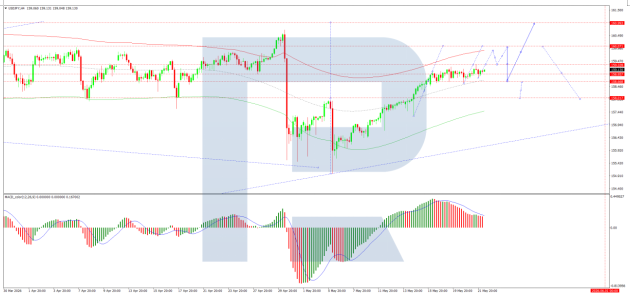
On the H4 chart, USD/JPY is forming a consolidation range around the 156.15 level. A decline towards 155.50 is expected today, after which a corrective move back towards 156.15 may follow. A breakout above this range could open the way to further gains towards 157.50. Conversely, a break below the range would signal a continuation of the downward move, initially towards 154.18, with scope to extend towards 151.82. Technically, this bearish scenario is supported by the MACD indicator, whose signal line remains above zero but is pointing firmly lower.

On the H1 chart, the pair has broken below the 156.15 level and is forming a downward wave towards 155.40. A subsequent correction back to 156.15 cannot be ruled out. This short-term bearish bias is confirmed by the Stochastic oscillator, with its signal line below 50 and pointing lower.

Conclusion

USD/JPY is declining amid persistent uncertainty regarding the Bank of Japan’s next policy move. Market expectations are being pulled between hawkish signals from some board members and more cautious communication from the leadership, reinforced by softer Tokyo inflation data. Technical analysis suggests scope for further short-term downside, although a corrective bounce remains possible.


Disclaimer

Any forecasts contained herein are based on the author’s particular opinion. This analysis may not be treated as trading advice. RoboForex bears no responsibility for trading results based on trading recommendations and reviews contained herein.

British FTSE 100 hits new record. AUD emerges as G10 currency favorite

By JustMarkets 

The US stock market demonstrated steady growth on Wednesday. By the close of trading, the Dow Jones (US30) rose by 0.76%, the S&P 500 (US500) gained 0.77%, and the technology-heavy Nasdaq (US100) finished 1.09% higher. The highlight of the day was the Nvidia earnings report, which exceeded expectations for both profit and revenue. This served as a vital signal for investors: the “AI bubble,” much discussed in recent weeks, has not burst, and real demand for chips remains consistently high.

Equity markets in Europe surged on Wednesday. The German DAX (DE40) rose by 0.76%, the French CAC 40 (FR40) closed up 0.47%, and the Spanish IBEX 35 (ES35) climbed 1.49%. The British FTSE 100 (UK100) gained 1.18%, reaching a new all-time high. The primary driver of the rally was the banking sector, led by HSBC, whose shares skyrocketed 7.6% following a strong financial report. The commodities sector also significantly contributed to the index’s growth amid rising prices for copper and metals.

Banking analysts predict stability for the Swiss franc (CHF) in the short term, viewing it as the ultimate safe-haven asset amid trade wars and geopolitical chaos. Switzerland’s strong fiscal indicators and current account surplus make the franc resilient to market shocks. However, this strength poses serious challenges for the domestic economy. Inflation in Switzerland sits at a critically low level (0.1%), effectively signaling a risk of deflation. Consequently, the SNB may either move to cut rates into negative territory or, more likely, conduct currency interventions by selling the franc to curb its exchange rate.

On Wednesday, silver prices (XAG) jumped more than 3%, closely approaching the psychological mark of $90 per ounce. The growth was driven by a confluence of factors: the implementation of the US 10% tariff, threats to raise it to 15%, and preparations for the decisive round of nuclear negotiations in Geneva. Investors returned to silver as a hedge against trade war risks and potential escalation in the Middle East.

Platinum prices (XPT) are trading above $2,300 per ounce on Thursday, hitting a four-week high. The precious metals market remains on edge due to large-scale US sanctions against 30 Iranian entities and the largest US military buildup in the Persian Gulf since 2003. Investors are utilizing platinum as a defensive asset ahead of the crucial Geneva talks, fearing that a diplomatic failure could lead to direct military conflict. Fundamentally, platinum is supported by the “substitution effect” for palladium and a chronic supply deficit from South Africa.

WTI oil prices accelerated their decline on Wednesday, dropping to $65.35 per barrel. The primary bearish factor was the EIA report, which recorded a shocking increase in crude oil inventories of 15.99 million barrels for the week. This is the largest build in three years, exceeding analyst expectations tenfold and neutralizing concerns regarding a supply deficit.

Asian markets traded with mixed results yesterday. The Japanese Nikkei 225 (JP225) surged by 2.20%, the Chinese FTSE China A50 (CHA50) rose by 0.65%, and the Hong Kong Hang Seng (HK50) gained 0.66%. The Australian ASX 200 (AU200) posted a positive result of 1.17%.

On Thursday, the Australian dollar (AUD) made a powerful move to 0.713 USD, reaching its highest levels since August 2022. Markets are nearly certain of an RBA rate hike to 4.10% (with an 80% probability for a May move) after January inflation figures unpleasantly surprised the regulator. The “aussie” currently looks like the favorite among G10 currencies as Australian government bond yields are rising faster than their US counterparts.

The New Zealand dollar (NZD) climbed above the 0.60 USD mark on Thursday, marking its third consecutive session of gains. The primary driver of the “kiwi’s” strength was a localized weakening of the US dollar: investors began to doubt the sustainability of Trump’s trade strategy after the Supreme Court blocked some of his initiatives, prompting temporary profit-taking on long USD positions. Nevertheless, the upside potential for the NZD is limited by the RBNZ’s dovish stance. Governor Anna Breman has signaled that the economy can recover without overheating, depriving the RBNZ of incentives to hike rates in the near future.

S&P 500 (US500) 6,946.14 +56.07 (+0.81%)

Dow Jones (US30) 49,482.27 +307.77 (+0.63%)

DAX (DE40) 25,175.94 +189.69 (+0.76%)

FTSE 100 (UK100) 10,806.41 +125.82 (+1.18%)

USD Index 97.69 -0.15% (-0.16%)

News feed for: 2026.02.26

  • Eurozone ECB President Lagarde Speaks at 10:30 (GMT+2); – EUR (LOW)
  • US Initial Jobless Claims (w/w) at 15:30 (GMT+2); – USD (MED)
  • US Natural Gas Storage (w/w) at 17:30 (GMT+2). – XNG (HIGH)

By JustMarkets


This article reflects a personal opinion and should not be interpreted as an investment advice, and/or offer, and/or a persistent request for carrying out financial transactions, and/or a guarantee, and/or a forecast of future events.

EUR/USD in Positive Territory: Dollar Weakness Presents Opportunities for Investors

By RoboForex Analytical Department

EUR/USD rose for the second consecutive day and is approaching 1.1819. Sentiment towards the US dollar remains under pressure amid uncertainty over US tariff policy, which is eroding confidence in the American currency.

US Trade Representative Jamieson Greer stated that tariff rates for individual countries could be increased from the current 10% to 15% or higher, but did not specify the criteria for such changes.

President Donald Trump adopted a measured tone on tariffs in his annual address to Congress. At the same time, he made it clear that he would not change his strategy, despite the Supreme Court’s decision to cancel his large-scale “reciprocal” duties.

In terms of monetary policy, the market expects the Fed to keep interest rates unchanged at its next meeting.

Additional caution stems from ongoing negotiations between the US and Iran on the nuclear program, the next round of which is taking place today in Geneva.

Technical Analysis

On the H4 chart, EUR/USD is forming a consolidation range around 1.1818. An upward move towards 1.1862 appears likely, with scope for an extension towards 1.1888. Technically, this scenario is supported by the MACD indicator: its signal line remains above zero and is pointing higher, reflecting sustained bullish momentum.

On the H1 chart, the pair is developing the next upward wave towards 1.1860. After reaching this level, a pullback towards 1.1818 could follow, before a renewed advance towards 1.1888. Technically, this scenario is supported by the Stochastic oscillator, with its signal line above 50 and rising towards 80.

Conclusion

In summary, EUR/USD continues its gradual recovery as persistent uncertainty surrounding US tariff policy weighs on dollar sentiment. While Trump’s Congressional address offered no clarity on the trade front, and ongoing US-Iran negotiations add a layer of geopolitical caution, the technical picture remains constructive. The pair is building momentum within a consolidation range, with upside targets at 1.1862 and 1.1888. Both MACD and Stochastic indicators support the bullish bias, suggesting further gains are likely in the near term. The key level to watch is 1.1818 – holding above this support keeps the upward trajectory intact, while a break below could signal a temporary pause. For now, the path of least resistance appears higher.


Disclaimer

Any forecasts contained herein are based on the author’s particular opinion. This analysis may not be treated as trading advice. RoboForex bears no responsibility for trading results based on trading recommendations and reviews contained herein.

RBA may hike rates as early as May. Natural gas prices plunge to a 4-month low

By JustMarkets 

The US stock market demonstrated growth on Tuesday. By the close of trading, the Dow Jones (US30) rose by 0.76%, the S&P 500 (US500) gained 0.77%, and the technology-heavy Nasdaq (US100) closed higher by 1.09%. The main driver of optimism was a shift in the perception of risks associated with artificial intelligence: investors moved from fears regarding the displacement of traditional software to a realization of AI’s potential as a powerful supplement to existing business processes. The true victor of the day was AMD, whose shares soared by 8.8% (peaking at a 14% gain) following the announcement of a massive contract with Meta. This deal, bolstered by warrants for Meta to purchase AMD shares, confirms AMD’s status as a serious competitor to Nvidia.

Equity markets in Europe mostly declined on Tuesday. The German DAX (DE40) edged down by 0.02%, the French CAC 40 (FR40) closed up 0.26%, the Spanish IBEX 35 (ES35) dropped 0.54%, and the British FTSE 100 (UK100) closed at negative 0.04%. After a sharp fall the day before, the market entered a phase of cautious anticipation. Traders attempted to ignore the negative backdrop surrounding the AI sector, drawing optimism from the strong news out of Meta and awaiting tomorrow’s Nvidia report, which will be a defining moment for European tech stocks.

WTI oil prices recovered to $66.20 per barrel on Wednesday, breaking a two-day decline. The market has paused in anticipation of the third round of nuclear negotiations in Geneva: positive signals from Tehran regarding a readiness for a deal are clashing with Donald Trump’s harsh rhetoric. The primary factor of uncertainty remains security in the Strait of Hormuz, as any diplomatic failure threatens the transit of 20% of the world’s oil supply. Additional pressure on quotes is exerted by the implementation of the US 10% tariff. Traders fear that an escalation of trade wars and a possible hike in duties to 15% will slow global economic growth, inevitably leading to a drop in energy demand.

Silver prices (XAG) declined by nearly 1%, reaching $87.50 per ounce. Mass liquidation of assets on Chinese exchanges outweighed the global demand for safe-haven assets that arose amid the introduction of US 15% tariffs and expectations regarding the nuclear talks with Iran. The silver market remains in a correction phase following the shock collapse of 38% at the beginning of the month.

The US natural gas prices (XNG) fell below the $3 per MMBtu mark on Tuesday, reaching their lowest level since October. The primary factor for the decline was updated weather prognoses from NOAA, indicating abnormally high temperatures in the Western and Central states through the end of February. Weakening heating demand at the end of the winter season forced traders to reassess the likelihood of a fuel deficit, resulting in a sharp sell-off.

Asian markets traded with mixed dynamics yesterday. The Japanese Nikkei 225 (JP225) rose by 0.87%, the Chinese FTSE China A50 (CHA50) showed a modest gain of 0.14%, the Hong Kong Hang Seng (HK50) fell by 1.82%, and the Australian ASX 200 (AU200) showed a negative result of 0.04%.
The economy of Hong Kong demonstrated robust growth of 3.8% in the fourth quarter of 2025, marking its best performance in two years. Strengthening business confidence amid real estate market stabilization and the active implementation of AI technologies allowed the year to close with total GDP growth of 3.5%, significantly exceeding the 2024 result (2.6%). For 2026, growth rates are projected to remain in the range of 3.3-3.6%, provided that external trade frictions do not exert a critical impact on the logistics hub.

The Australian dollar (AUD) strengthened to 0.70 USD on Wednesday, reacting to unexpectedly high inflation data. The January figure of 3.8% (against projections of 3.7%) and an increase in core inflation to 3.4% confirmed market fears: price pressure in Australia remains persistent. Amid historically low unemployment and strong wage growth, these figures make the RBA the most “hawkish” among major central banks. Markets now see a 70% probability of a rate hike to 4.1% as early as May, with the prospect of another move in November.

S&P 500 (US500) 6,890.07 +52.32 (+0.77%)

Dow Jones (US30) 49,174.50 +370.44 (+0.76%)

DAX (DE40) 24,986.25 −5.72 (−0.02%)

FTSE 100 (UK100) 10,680.59 −4.15 (−0.04%)

USD Index 97.87 +0.16% (+0.16%)

News feed for: 2026.02.25

  • Australia Consumer Price Index (m/m) at 02:30 (GMT+2); – AUD (HIGH)
  • German GDP (q/q) at 09:00 (GMT+2); – EUR (MED)
  • German GfK Consumer Confidence (m/m) at 09:00 (GMT+2); – EUR (LOW)
  • Hong Kong Inflation Rate (m/m) at 10:30 (GMT+2); – HKD (MED)
  • Australia RBA Gov Bullock Speaks at 10:40 (GMT+2); – AUD (LOW)
  • Eurozone Consumer Price Index (m/m) at 12:00 (GMT+2); – EUR (MED)
  • US Crude Oil Reserves (w/w) at 17:30 (GMT+2). – WTI (HIGH)

By JustMarkets


This article reflects a personal opinion and should not be interpreted as an investment advice, and/or offer, and/or a persistent request for carrying out financial transactions, and/or a guarantee, and/or a forecast of future events.

GBP/USD Extends Gains for Fourth Consecutive Day as Investors Watch BoE Rate Outlook

By RoboForex Analytical Department

GBP/USD continues to rise on Wednesday, reaching 1.3516.

Following recent comments from Bank of England Governor Andrew Bailey, investors are seeking additional clarification on his decision to keep the rate unchanged at the last meeting. The Monetary Policy Committee left the rate unchanged, with a narrow margin.

The market expects two rate cuts in 2026, taking the rate down to 3.25%. However, the timing of the easing remains uncertain. If Bailey signals the possibility of a cut as early as March, the market could begin pricing in more than 50bps of easing this year.

An additional source of pressure stems from US President Donald Trump’s trade policy. The baseline tariff of 10% has already entered into force. However, it remains unclear when an increase to 15% might be introduced.

The focus is also on the by-election in the Gorton and Denton constituency in Manchester, which is seen as an important test for Prime Minister Keir Starmer and the Labour Party. Political uncertainty is adding to sterling volatility.

Technical Analysis

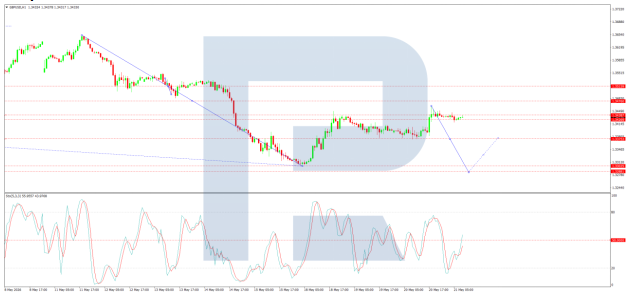
On the H4 GBP/USD chart, the market is forming a broad consolidation range around the 1.3500 level. Today, an expansion towards 1.3560 is possible. Subsequently, a correction towards 1.3494 may follow. After completing this correction, a new consolidation range is likely to form. If it breaks to the upside, the next target would be 1.3622. If it breaks to the downside, the next target may be 1.3383. Technically, this scenario is confirmed by the MACD indicator. Its signal line is below the zero level and pointing upward.

On the H1 GBP/USD chart, the market formed a compact consolidation range around 1.3500 and, following an upside breakout, is developing a wave structure towards 1.3560. Subsequently, a downward move towards 1.3500 cannot be ruled out. Technically, this scenario is confirmed by the Stochastic oscillator. Its signal line is above the 50 level and pointing upward.

Conclusion

In summary, GBP/USD extends its recovery for a fourth consecutive session as markets await clearer signals from BoE Governor Bailey on the timing of potential rate cuts. While the baseline scenario anticipates two reductions this year, any dovish surprise could trigger further repricing. Technically, the pair is building momentum within a broad consolidation range, with near-term resistance at 1.3560 and support at 1.3494. A sustained break above 1.3560 would open the door to 1.3622, while a failure could result in a retest of lower-range levels. Political uncertainty from the upcoming by-election and ongoing US trade policy risks add further volatility. The near-term bias remains cautiously bullish, but direction will depend on Bailey’s tone and market interpretation.


Disclaimer

Any forecasts contained herein are based on the author’s particular opinion. This analysis may not be treated as trading advice. RoboForex bears no responsibility for trading results based on trading recommendations and reviews contained herein.
Final Approval Clears the Way for Full-Scale Uranium Push in Paraguay

Source: Streetwise Reports (2/23/26) 

Vanguard Mining Corp. (UUU:CSE; UUUFF:OTC; SL51:FWB) received its final environmental licences for the Yuty PrometeoSan Jose Uranium Project in southeastern Paraguay. Read how the approvals complete the permitting process and coincide with Vanguards application for a Prospection Permit to advance uranium exploration.

Fraser Institute Jurisdiction Rating
Vanguard Mining Corp.

British Columbia
(last modified 11/26/25)
Friendly Policies 67.42%
Best Practices Mineral Potential Index 85.45%
Socioeconomic Agreements/Community Development Conditions, aka Safety 40%
Political Stability 50%

Data from the
Fraser Institute’s Mining Survey

Vanguard Mining Corp. (UUU:CSE; UUUFF:OTC; SL51:FWB) announced that it has secured its final set of Environmental Licences from Paraguay’s Ministerio del Ambiente y Desarrollo Sostenible (MADES), completing the licensing process for its 90,000-hectare Yuty Prometeo–San Jose Uranium Project in southeastern Paraguay.

The company reported that the Environmental Licences now cover the entire land position at Yuty Prometeo–San Jose, with no additional environmental approvals required. Concurrently, Vanguard has submitted an application for a Prospection Permit with Paraguay’s Vice Ministry of Mining and Energy (VMME), which is described as a critical step toward full-scale uranium exploration authorization.

This development coincides with Paraguay’s growing profile in the global critical minerals sector, highlighted by its participation alongside the United States in a high-level ministerial summit in Washington, D.C., hosted by the U.S. Department of State. The meeting on February 4 addressed cooperation on uranium, lithium, and rare earth element supply chains. Paraguay’s Deputy Minister of Mines and Energy, Mauricio Bejarano, cited rising global demand as a factor drawing international attention to the country.

David Greenway, Chief Executive Officer of Vanguard Mining, stated in a company news release, “The receipt of our final MADES Environmental Licences marks a significant permitting milestone and further advances the Yuty Prometeo–San Jose Uranium Project toward prospection authorization.”

According to the company, the project area spans four concessions — three San Jose and one Prometeo — within the Paraná Basin. The Prometeo Concession covers approximately 27,666 hectares and is adjacent to Uranium Energy Corp.’s (UEC) Yuty Project. Historical data referenced in the news release described uranium-bearing mineralization identified in seven of 27 drill holes completed on the Prometeo property, including one hole reporting values between 0.05% and 0.10% U₃O₈ across 107 meters. The San Jose concessions cover an additional 62,210 hectares. A radiometric car survey conducted over this area identified significant uranium anomalies.

Vanguard noted that all drill results are historical in nature and have not been independently verified. The company intends to complete confirmatory drilling to validate this information in accordance with NI 43-101.

Uranium Market Sees Rising Production and Tightening Supply

According to a February 2 report from Mining.com, uranium production forecasts increased as Kazatomprom projected 71.5 to 75.4 million pounds of U₃O₈ output, marking a 9% rise over the previous year. The company attributed the increase to ramp-up activities at its Budenovskoye joint venture in southern Kazakhstan. Analyst Alexander Pearce of BMO Capital Markets noted the projection was 6% higher than BMO’s internal estimates and commented that “the update could see some modest pressure on uranium prices via a slightly reduced supply deficit near-term.”

In a February 4 article published by Mining.com, Blair McBride reported that the Sprott Physical Uranium Trust purchased 250,000 pounds of uranium oxide, bringing its first-quarter total to 3.65 million pounds. That purchase contributed to a total inventory of 78.4 million pounds and marked Sprott’s second-highest quarterly acquisition in four years. The report noted that the uranium spot price fell from US$101.55 per pound to US$91.80 per pound during the same week.

Materials from Sprott.com released in February outlined broader sector dynamics. The firm stated there were 436 operational nuclear reactors globally, with 190 additional units either planned or under construction, based on data from the World Nuclear Association as of January 13. Sprott wrote that “global uranium production in 2024 covered less than 80% of reactor demand,” with the shortfall offset by inventory drawdowns and spot market activity. It also noted that uranium inventories at nuclear power plants had reached “strategic lows,” creating what the firm described as significant pent-up demand from utilities.

Sprott further explained that even if all existing and planned uranium mines operated at peak levels, they were not expected to meet projected reactor demand through 2045. The firm stated that this shortfall could reach 1.4 billion pounds under current scenarios and up to 3 billion pounds if global nuclear capacity were to triple. The report also highlighted that uranium and uranium miners had outperformed other major asset classes over the prior five-year period, based on internal performance tracking.

“Key Property of Interest”: Analyst Flags Vanguard’s Uranium Project as Standout Asset

1In a December 23 technical commentary, John Newell of John Newell & Associates referred to Vanguard Mining Corp. as a situation where “the fundamentals, the asset base, and the technical picture are beginning to align.” He noted that the company held a diversified portfolio of uranium, copper, and gold assets across the Americas, with core uranium concessions in Paraguay’s Paraná Basin and base metals projects in British Columbia. He described the Yuty Prometeo Uranium Project as the company’s “key property of interest” and stated it had “the greatest potential to move Vanguard’s shares.”

Newell highlighted that the Prometeo Uno concession had returned uranium grades ranging from 0.05% to 0.10% U₃O₈ from 28 historical drill holes. He added that geophysical surveys and sampling suggested the property “aligns with the same regional trend” as known mineralization in the area. He called the setting “compelling” and pointed to upcoming confirmatory drilling as a “clear near-term catalyst that could materially de-risk the project.”

Regarding the company’s British Columbia assets, Newell stated that the Redonda Copper-Molybdenum Project and Brussels Creek Gold-Copper-Palladium Project were “prospective for porphyry-style systems.” He also noted that Vanguard held “an early-stage lithium brine project in Argentina” for exposure to the battery metals sector.

Newell acknowledged the company’s oversubscribed August 2025 financing and stated that Vanguard appeared “funded for upcoming exploration programs and reducing near-term financing risk.” He described the capital structure as “reasonable for a company at this stage and offers leverage to exploration success.”

From a technical perspective, he wrote that the stock’s chart showed “a long base forming after the sharp decline seen through late 2023 and early 2024,” along with a “progressive series of higher lows, accompanied by improving volume, suggesting accumulation rather than distribution.” He identified several upside targets, including CA$0.32 (met), CA$0.50, CA$0.90, and a broader long-term target of CA$1.50.

Newell concluded, “With a tight share structure, experienced management, exposure to uranium and copper in proven jurisdictions, and a constructive technical setup, Vanguard Mining checks several boxes for speculative investors.” He assigned the company a “Speculative Buy rating.”

Upcoming Work and Regulatory Milestones

Vanguard Mining outlined several near-term programs and policy developments related to its uranium and copper-gold exploration assets in its investor presentation. In Paraguay, the company plans to conduct a confirmatory drill program. The objective of this program is to validate historical results and potentially align the concession with the adjacent uranium trend associated with UEC’s Yuty project. Vanguard noted that successful assays would support a maiden resource estimate pathway.

In British Columbia, the company has scheduled trenching and drilling at its Brussels Creek Project. These efforts are aimed at testing priority gold-copper targets identified through historical exploration. The company highlighted that the project’s proximity to infrastructure such as highways, power, and services may reduce exploration and development risk.

Additionally, the company’s August 2025 financing, which raised CA$2.32 million, was described in the investor presentation as providing funding for uranium exploration in Paraguay and gold-copper work in British Columbia.

Streetwise Ownership Overview*

Vanguard Mining Corp. (UUU:CSE; UUUFF:OTC; SL51:FWB)

Retail: 96.05%
Management & Insiders: 3.95%
Share Structure as of 2/18/2026

Market and policy catalysts identified in the company’s investor materials included increasing uranium spot prices, an expanding global fleet of nuclear reactors, and support from U.S. initiatives such as Section 232 tariffs on critical minerals. The company also pointed to rising electricity demand from artificial intelligence and data centers as a relevant factor supporting interest in nuclear energy.

Ownership and Share Structure2

3.95% of Vanguard Mining is owned by management and insiders.

The rest is retail.

Vanguard Mining Corp. has 76,306,621 shares outstanding and an estimated market capitalization of approximately US$12.36 million, based on recent trading prices. Shares trade in a 52-week range between US$0.06 and US$0.49.


Important Disclosures:

  1. Vanguard Mining is a billboard sponsor of Streetwise Reports and pays SWR a monthly sponsorship fee between US$3,000 and US$6,000. In addition, Vanguard Mining has a consulting relationship with Street Smart an affiliate of Streetwise Reports. Street Smart Clients pay a monthly consulting fee between US$8,000 and US$20,000.
  2. As of the date of this article, officers, contractors, shareholders, and/or employees of Streetwise Reports LLC (including members of their household) own securities of Vanguard Mining.
  3. James Guttman wrote this article for Streetwise Reports LLC and provides services to Streetwise Reports as an employee.
  4.  This article does not constitute investment advice and is not a solicitation for any investment. Streetwise Reports does not render general or specific investment advice and the information on Streetwise Reports should not be considered a recommendation to buy or sell any security. Each reader is encouraged to consult with his or her personal financial adviser and perform their own comprehensive investment research. By opening this page, each reader accepts and agrees to Streetwise Reports’ terms of use and full legal disclaimer. Streetwise Reports does not endorse or recommend the business, products, services or securities of any company.

For additional disclosures, please click here.

1. Disclosure for the quote from the John Newell article published on December 23, 2025

  1. For the quoted article (published on December 23, 2025), the Company has paid Street Smart, an affiliate of Streetwise Reports, US$3,000.
  2. Author Certification and Compensation: [John Newell of John Newell and Associates] was retained and compensated as an independent contractor by Street Smart for writing this article. Mr. Newell holds a Chartered Investment Management (CIM) designation (2015) and a  U.S. Portfolio Manager designation (2015). The recommendations and opinions expressed in this content reflect the personal, independent, and objective views of the author regarding any and all of the companies discussed. No part of the compensation received by the author was, is, or will be directly or indirectly tied to the specific recommendations or views expressed.

John Newell Disclaimer

As always it is important to note that investing in precious metals like silver carries risks, and market conditions can change violently with shock and awe tactics, that we have seen over the past 20 years. Before making any investment decisions, it’s advisable consult with a financial advisor if needed. Also the practice of conducting thorough research and to consider your investment goals and risk tolerance.

2. Ownership and Share Structure Information

The information listed above was updated on the date this article was published and was compiled from information from the company and various other data providers.

EU and India begin freezing trade dialogues with the US over Trump’s new tariff initiative

By JustMarkets 

On Monday, February 23, the US stock market was hit by a wave of sell-offs, resulting in a deep decline across major indices. By the end of trading, the Dow Jones (US30) fell by 1.66%, the S&P 500 (US500) dropped 1.04%, and the Nasdaq (US100) closed 1.13% lower. The primary pressure on the market came from a sharp shift in White House trade policy: after the Supreme Court blocked previous duties, Donald Trump utilized the rare mechanism of Section 122 of the Trade Act of 1974, setting a global tariff at 15%. Investors fear that this measure, which remains in effect for 150 days without Congressional approval, will trigger full-scale trade wars, a concern already confirmed by the European Parliament’s decision to suspend work on a trade agreement with the US.

In parallel with political risks, the technology sector was struck by fears regarding the disruptive impact of artificial intelligence on established business models. IBM shares plummeted 13.1% as a reaction to Anthropic’s launch of new Claude Code tools capable of automating the modernization of legacy code (COBOL), threatening a significant portion of IBM’s consulting and mainframe business. Similar dynamics were observed in the financial sector: American Express shares fell 7.2% after the publication of a sensational report by Citrini Research, which predicts massive white-collar job cuts due to AI implementation, inevitably leading to a decline in consumer spending and transaction volumes.

On Monday, the Canadian dollar (CAD) declined to the 1.37 mark against the US dollar, holding near monthly lows. The currency’s dynamics reflect the market’s attempt to balance the sharp tightening of US trade policy against weakening domestic inflation expectations. Short-term optimism sparked by the US Supreme Court’s decision to overturn previous duties was entirely neutralized by Donald Trump’s retaliatory move. On the commodities front, even a moderate strengthening of oil prices failed to support the “loonie.” Renewed protectionist risks and the threat of a large-scale trade confrontation with its largest partner outweigh any positive signals from the energy market.
The Mexican peso (MXN) weakened to 17.27 per US dollar, retreating from its mid-2024 peaks under the pressure of a new wave of American protectionism. The main factor for the decline was Donald Trump’s decision to invoke Section 122 of the Trade Act to introduce a 15% global tariff. This step, taken by bypassing the Supreme Court’s decision, creates serious risks for Mexico’s export model, as the 150-day tariff period could become a tool for heavy pressure on Mexico City regarding migration and security issues. Despite positive macroeconomic data from Mexico itself, where Q4 2025 GDP grew by 0.9% thanks to service sector resilience and industrial recovery, investors prefer to exit the peso.

Equity markets in Europe mostly declined on Monday. The German DAX (DE40) fell by 1.06%, the French CAC 40 (FR40) closed down 0.22%, the Spanish IBEX 35 (ES35) rose by 0.56%, and the British FTSE 100 (UK100) closed at negative 0.02%. The German market demonstrated weaker dynamics compared to other European platforms as investors reacted painfully to Donald Trump’s new tariff initiative. The situation is exacerbated by legal confusion. The European Parliament’s decision to freeze the ratification of the trade agreement with Washington until March triggered mass sell-offs in the Eurozone’s export-oriented industries. Investors are redistributing capital toward less volatile assets while awaiting official clarifications from Washington regarding the fate of existing transatlantic agreements.

WTI oil prices traded around $66.50 per barrel on Monday, holding near six-month highs. The market is in a state of tense anticipation, balancing signals of a possible diplomatic detente against threats of new trade barriers. Traders’ primary focus is on the meeting in Geneva at the end of the week, where the Iranian Foreign Minister and US Ambassador Steve Witkoff will attempt to find a way out of the nuclear impasse. Optimistic statements from Tehran regarding a reachable compromise have somewhat calmed investors; however, the risk of failed negotiations is still priced into current quotes.

Asian markets traded with mixed dynamics last week. The Japanese Nikkei 225 (JP225) and the Chinese FTSE China A50 (CHA50) did not trade yesterday, the Hong Kong Hang Seng (HK50) rose by 2.53%, and the Australian ASX 200 (AU200) showed a negative result of 0.61%. Market sentiment is largely defined by uncertainty surrounding Washington’s tariff policy. Donald Trump’s decision to introduce a 15% global tariff in response to the Supreme Court verdict and his threats against countries “playing games” with trade agreements are forcing investors to seek refuge in Chinese and Hong Kong protective government assets. Trump’s new flat rate may actually reduce the overall tariff burden on Chinese exports compared to previous “emergency” duties, which is preventing the market from entering a state of panic selling.

The yield on China’s 10-year government bonds decreased to 1.79% on Tuesday, February 24, returning to three-month lows. The return of investors after the Lunar New Year celebrations took place in an atmosphere of caution, caused by both external trade shocks and Beijing’s restrained stance. The People’s Bank of China (PBoC) maintained its Loan Prime Rates (LPR) for the ninth consecutive time at 3.0% for one-year and 3.5% for five-year loans, confirming that authorities do not plan aggressive policy easing in the near term, preferring targeted support measures for specific sectors.

Also in the spotlight were sensational reports from Japanese media regarding hidden mechanisms for supporting the yen. It was revealed that in January, the US authorities, on their own initiative, conducted “rate checks”, a procedure that usually precedes actual currency interventions. This operation was led by US Treasury Secretary Scott Bessent. Washington took this step without an official request from Tokyo, fearing that the political vacuum and volatility ahead of the recent general elections in Japan (held on February 8) could destabilize not only the Yen but also the global bond market.

S&P 500 (US500) 6,837.75 −71.76 (−1.04%)

Dow Jones (US30) 48,804.06 −821.91 (−1.66%)

DAX (DE40) 24,991.97 −268.72 (−1.06%)

FTSE 100 (UK100) 10,684.74 −2.15 (−0.02%)

USD Index 97.72 −0.08% (−0.08%)

News feed for: 2026.02.24

  • China PBoC Loan Prime Rate at 03:00 (GMT+2); – CHA50, HK50 (HIGH)
  • UK Monetary Policy Report Hearings at 16:15 (GMT+2); – GBP (LOW)
  • US CB Consumer Confidence (m/m) at 17:00 (GMT+2). – USD (MED)

By JustMarkets


This article reflects a personal opinion and should not be interpreted as an investment advice, and/or offer, and/or a persistent request for carrying out financial transactions, and/or a guarantee, and/or a forecast of future events.