Archive for Opinions – Page 68

Fed/Treasury announcements may trigger USDInd breakout

By ForexTime 

  • Fed/Treasury announcements today may spike FX volatility
  • USInd has climbed 3 months in a row
  • Bullish momentum stalling as traders await new catalyst for breakout
  • Dollar bulls will look to extend uptrend by 265 points
  • Dollar bears hoping for potential 120 point move south


The USDInd may see a volatility-triggering event today (Wednesday, November 1st).

Wild price swings for the USDInd would likely owe to two pivotal decisions out of the U.S:

  • US Treasury refunding announcement at 12:30 GMT
  • Fed rate decision @ 18:00 GMT

The market’s general expectation is for a pause in US interest rate hikes, owing partially to rising bond yields which most analysts see as tantamount to a rate hike.

READ MORE: Trade of the Week – Can SPX500_m recover from technical correction?


Yields on 10-year US Treasuries are hovering just below the psychological 5% level, though remains at their highest levels since 2007. And we know that the US dollar tends to have a positive correlation with Treasury yields (both are likelier to move in the same direction).

So, we look to the USDInd, which tracks how the US dollar performs against a basket of its G10 peers including EUR, GBP, JPY and others.


USDInd uptrend stalls, breakout imminent?

Note that the USDInd has closed stronger/bullish for the last 3 months.

However, October also saw the shortest trading range (the difference between the highest price and the lowest price within that month):

  • August: 283 points
  • September: 333 points
  • October: 189 points

Such “thinning” monthly trading ranges suggest that the bullish momentum for USDInd is waning, though still intact.

On the weekly and daily time frames, bullish flags are seen, lasting for 5 weeks and 27 days respectively.

Flag patterns are continuation patterns expected to break out in the direction of the trend (flagpole) preceding the range/sideways movement (flag).

Hence, the “flags” on both the weekly and daily timeframes imply that traders are waiting for a new catalyst that would determine the next big move for USDInd.


How might USDInd react?

If the announcement out of either the Treasury or the Fed today results in US yields resuming its uptrend, then US dollar bulls may go charging on.

From a technical perspective, more gains may arrive if we see a strong breakout above the flag’s resistance around 106.87, the flag’s resistance which is being tested currently).

A stronger bullish signal may be derived especially if USDInd posts highs above 107.37, its highest price year-to-date.


With the flagpole used as an estimate for a flag’s measured move objective …

Dollar bulls will be looking for moves to the upside around 265  points. 

However, dollar-longs (those hoping that prices will move higher) may experience confrontation at key resistance levels ahead, notably:

  • 107.89: intraday high on November 21, 2022, and a key battleground for bears and bulls in the past
  •  110.21: the 261.8 Fibonacci level when drawn from September 30th’s intraday low to the  October 3rd intraday high.


USDInd bears (those hoping prices will move lower) on the other hand will be looking for dovish comments and action from the US Federal Reserve, or a less-than-expected amount of securities to be auctioned by the Treasury (currently expected to total US $114 billion).

This may result in the US index ultimately declining back towards:

  • 106.124: the 161.8 Fibonacci level
  • 105.602: the flags support zone


Forex-Time-LogoArticle by ForexTime

ForexTime Ltd (FXTM) is an award winning international online forex broker regulated by CySEC 185/12 www.forextime.com

Currency Speculators drop their British Pound bets for 9th week to 30-week low

By InvestMacro | COT | Data Tables | COT Leaders | Downloads | COT Newsletter

Here are the latest charts and statistics for the Commitment of Traders (COT) data published by the Commodities Futures Trading Commission (CFTC).

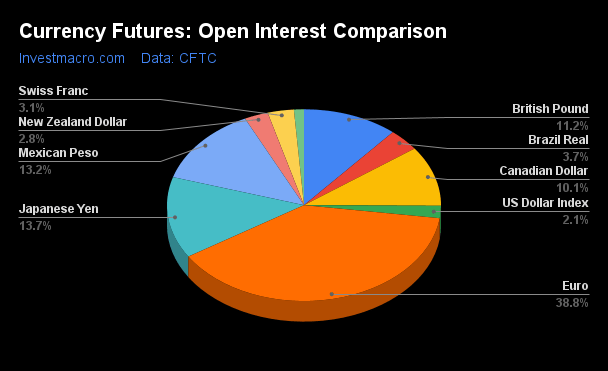
The latest COT data is updated through Tuesday October 24th and shows a quick view of how large market participants (for-profit speculators and commercial traders) were positioned in the futures markets. All currency positions are in direct relation to the US dollar where, for example, a bet for the euro is a bet that the euro will rise versus the dollar while a bet against the euro will be a bet that the euro will decline versus the dollar.

Weekly Speculator Changes led by US Dollar Index & Japanese Yen

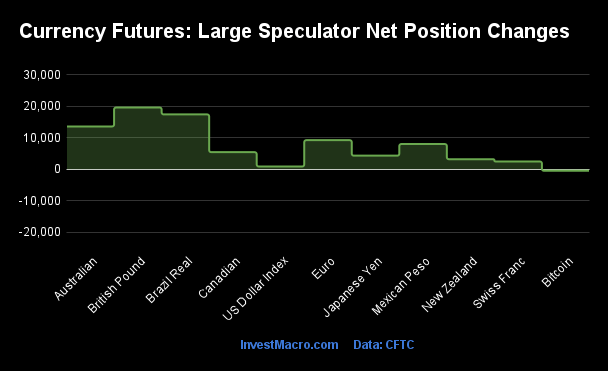
The COT currency market speculator bets were slightly lower this week as five out of the eleven currency markets we cover had higher positioning while the other six markets had lower speculator contracts.

Leading the gains for the currency markets was the Japanese Yen (3,029 contracts) with the EuroFX (2,843 contracts), the Swiss Franc (1,983 contracts), the Brazilian Real (1,689 contracts) and the US Dollar Index (504 contracts) also showing positive weeks.

The currencies seeing declines in speculator bets on the week were the British Pound (-7,427 contracts), the New Zealand Dollar (-6,952 contracts), the Mexican Peso (-6,444 contracts), the Australian Dollar (-2,342 contracts), Bitcoin (-781 contracts) and the Canadian Dollar (-100 contracts) also registering lower bets on the week.

Speculators drop their British Pound bets for 9th week to 30-week low

Highlighting the COT currency’s data is the sliding trend in the speculator’s positioning of the British Pound Sterling. Large speculative Sterling positions fell this week by over -7,400 contracts and have now declined for nine consecutive weeks. The Sterling speculative level has dropped by a total of -77,743 contracts over these past nine weeks to the lowest level of the past 30-weeks, dating back to March 28th.

Relatively recently, the bullish bets for the Sterling (+63,729 contracts on July 18th) had risen to the highest level since July 31st of 2007, a span of almost exactly sixteen years. This marked the highest level for this year’s bullish bets but the speculator positions did a u-turn and have now fallen in twelve out of the fourteen weeks since then.

Hurting the pound’s outlook has been a weak economic landscape and the expectation that the Bank of England could be done with raising interest rates. The BOE, this year, has boosted the bank’s interest rate to the highest level since 2008 at 5.25 percent to fight high inflation (which has eased to 6.7 percent).

The Pound Sterling exchange rate against the US Dollar has been in a downtrend since hitting a high over the 1.3000 level in the middle of July. Since that 2023 summer ascension, the Sterling has been dropping sharply, falling through the 1.2500 exchange rate and is currently testing support in the 1.2050-1.2100 range.


Data Snapshot of Forex Market Traders | Columns Legend
Oct-24-2023OIOI-IndexSpec-NetSpec-IndexCom-NetCOM-IndexSmalls-NetSmalls-Index
USD Index42,6704219,67158-20,5314386016
EUR702,6683985,25357-107,9964922,74315
GBP233,25957-18,6364327,33761-8,70141
JPY260,90982-99,62911104,80987-5,18043
CHF59,26692-15,0951527,13689-12,04118
CAD184,74749-48,639953,60093-4,96112
AUD194,66654-83,0811398,85392-15,77214
NZD57,24374-12,8512216,05181-3,20012
MXN194,5303537,86162-40,188372,32726
RUB20,93047,54331-7,15069-39324
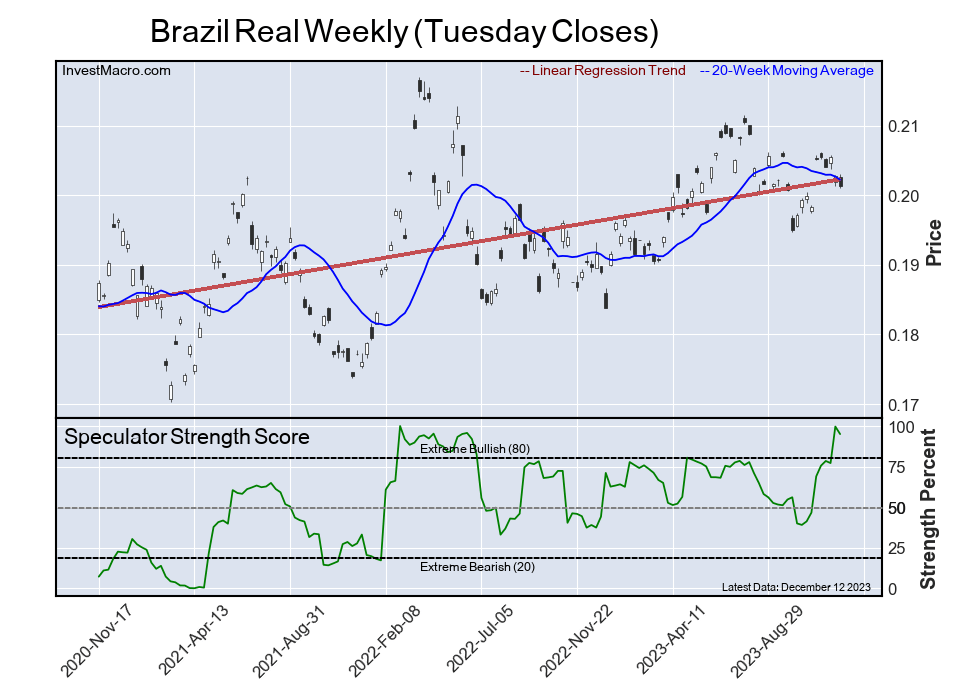
BRL51,454415,18542-6,903561,71850
Bitcoin19,678100-45460-438089233


Strength Scores led by Mexican Peso & Bitcoin

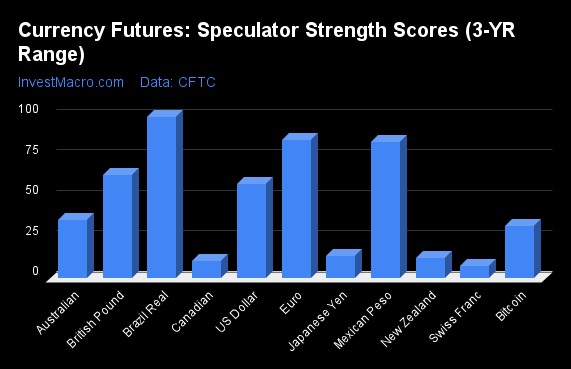
COT Strength Scores (a normalized measure of Speculator positions over a 3-Year range, from 0 to 100 where above 80 is Extreme-Bullish and below 20 is Extreme-Bearish) showed that the Mexican Peso (62 percent) and the Bitcoin (60 percent) lead the currency markets this week. The US Dollar Index (58 percent), EuroFX (57 percent) and the British Pound (43 percent) came in as the next highest in the weekly strength scores.

On the downside, the Canadian Dollar (9 percent), the Japanese Yen (11 percent), the Australian Dollar (13 percent) and the Swiss Franc (15 percent) come in at the lowest strength levels currently and are in Extreme-Bearish territory (below 20 percent).

Strength Statistics:
US Dollar Index (57.7 percent) vs US Dollar Index previous week (56.9 percent)
EuroFX (56.6 percent) vs EuroFX previous week (55.4 percent)
British Pound Sterling (42.8 percent) vs British Pound Sterling previous week (48.0 percent)
Japanese Yen (10.9 percent) vs Japanese Yen previous week (9.1 percent)
Swiss Franc (15.2 percent) vs Swiss Franc previous week (9.8 percent)
Canadian Dollar (9.2 percent) vs Canadian Dollar previous week (9.3 percent)
Australian Dollar (12.7 percent) vs Australian Dollar previous week (14.8 percent)
New Zealand Dollar (21.9 percent) vs New Zealand Dollar previous week (40.0 percent)
Mexican Peso (62.2 percent) vs Mexican Peso previous week (66.2 percent)
Brazilian Real (42.4 percent) vs Brazilian Real previous week (40.2 percent)
Bitcoin (59.6 percent) vs Bitcoin previous week (71.3 percent)


US Dollar Index & New Zealand Dollar top the 6-Week Strength Trends

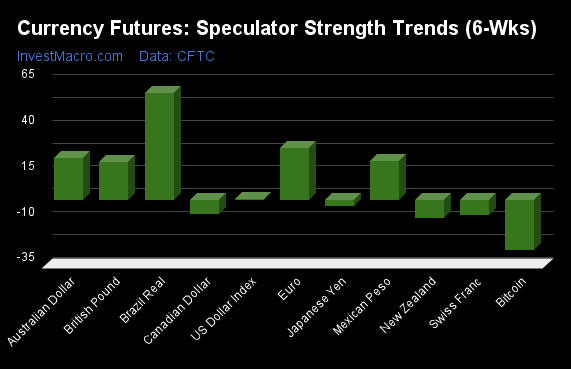
COT Strength Score Trends (or move index, calculates the 6-week changes in strength scores) showed that the US Dollar Index (23 percent) and the New Zealand Dollar (5 percent) lead the past six weeks trends for the currencies. The Japanese Yen (-1 percent), the Australian Dollar (-3 percent) and the Canadian Dollar (-6 percent) are the next highest positive movers in the latest trends data.

The British Pound (-45 percent) leads the downside trend scores currently with the Bitcoin (-40 percent), Mexican Peso (-18 percent) and the Swiss Franc (-16 percent) following next with lower trend scores.

Strength Trend Statistics:
US Dollar Index (22.7 percent) vs US Dollar Index previous week (26.4 percent)
EuroFX (-11.9 percent) vs EuroFX previous week (-22.9 percent)
British Pound Sterling (-45.0 percent) vs British Pound Sterling previous week (-40.0 percent)
Japanese Yen (-0.5 percent) vs Japanese Yen previous week (-3.3 percent)
Swiss Franc (-15.8 percent) vs Swiss Franc previous week (-32.2 percent)
Canadian Dollar (-6.3 percent) vs Canadian Dollar previous week (-22.0 percent)
Australian Dollar (-3.2 percent) vs Australian Dollar previous week (2.6 percent)
New Zealand Dollar (4.6 percent) vs New Zealand Dollar previous week (21.1 percent)
Mexican Peso (-17.7 percent) vs Mexican Peso previous week (-14.2 percent)
Brazilian Real (-10.2 percent) vs Brazilian Real previous week (-13.3 percent)
Bitcoin (-40.4 percent) vs Bitcoin previous week (-25.8 percent)


Individual COT Forex Markets:

US Dollar Index Futures:

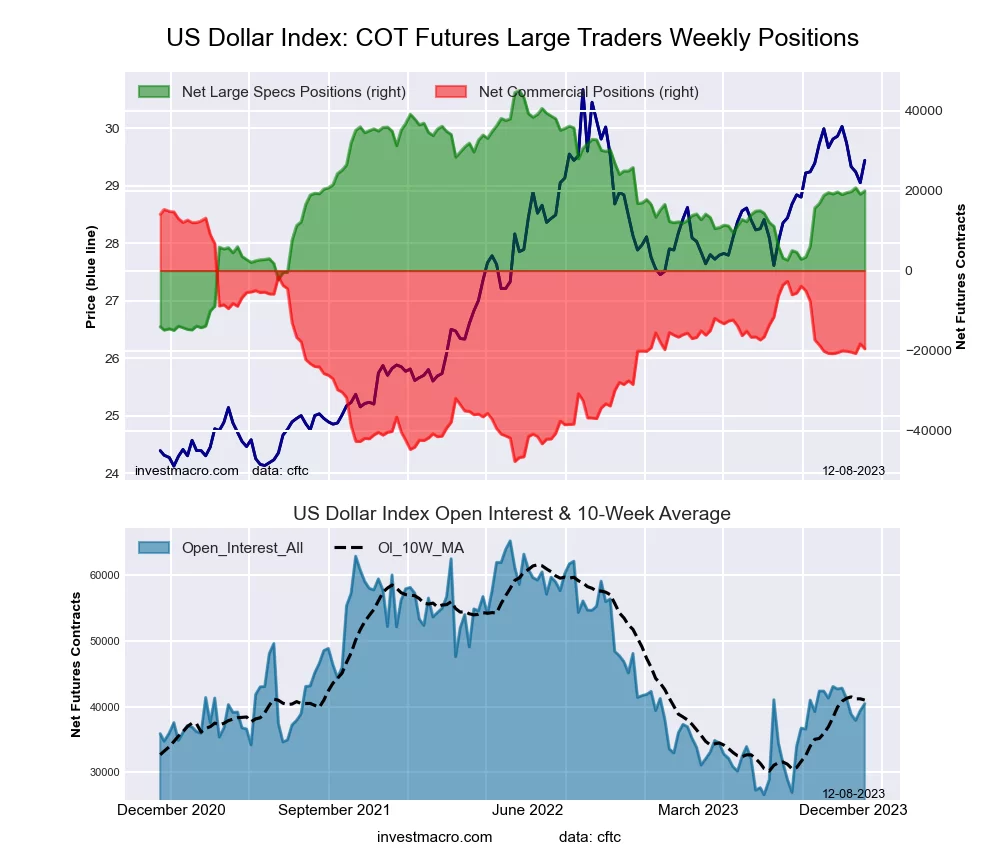
US Dollar Index Forex Futures COT ChartThe US Dollar Index large speculator standing this week came in at a net position of 19,671 contracts in the data reported through Tuesday. This was a weekly advance of 504 contracts from the previous week which had a total of 19,167 net contracts.

This week’s current strength score (the trader positioning range over the past three years, measured from 0 to 100) shows the speculators are currently Bullish with a score of 57.7 percent. The commercials are Bearish with a score of 43.2 percent and the small traders (not shown in chart) are Bearish-Extreme with a score of 15.9 percent.

Price Trend-Following Model: Strong Uptrend

Our weekly trend-following model classifies the current market price position as: Strong Uptrend. The current action for the model is considered to be: Hold – Maintain Long Position.

US DOLLAR INDEX StatisticsSPECULATORSCOMMERCIALSSMALL TRADERS
– Percent of Open Interest Longs:65.921.79.9
– Percent of Open Interest Shorts:19.869.87.9
– Net Position:19,671-20,531860
– Gross Longs:28,1309,2554,240
– Gross Shorts:8,45929,7863,380
– Long to Short Ratio:3.3 to 10.3 to 11.3 to 1
NET POSITION TREND:
– Strength Index Score (3 Year Range Pct):57.743.215.9
– Strength Index Reading (3 Year Range):BullishBearishBearish-Extreme
NET POSITION MOVEMENT INDEX:
– 6-Week Change in Strength Index:22.7-20.3-9.9


Euro Currency Futures:

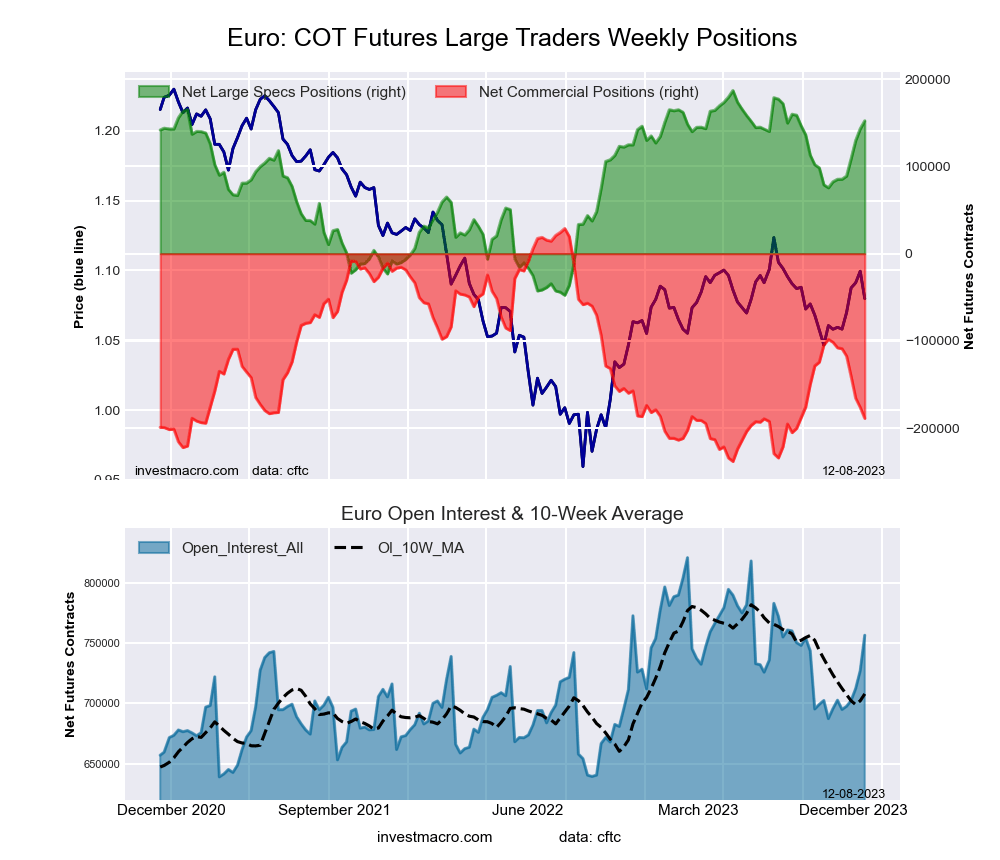
Euro Currency Futures COT ChartThe Euro Currency large speculator standing this week came in at a net position of 85,253 contracts in the data reported through Tuesday. This was a weekly increase of 2,843 contracts from the previous week which had a total of 82,410 net contracts.

This week’s current strength score (the trader positioning range over the past three years, measured from 0 to 100) shows the speculators are currently Bullish with a score of 56.6 percent. The commercials are Bearish with a score of 48.8 percent and the small traders (not shown in chart) are Bearish-Extreme with a score of 15.3 percent.

Price Trend-Following Model: Strong Downtrend

Our weekly trend-following model classifies the current market price position as: Strong Downtrend. The current action for the model is considered to be: Hold – Maintain Short Position.

EURO Currency StatisticsSPECULATORSCOMMERCIALSSMALL TRADERS
– Percent of Open Interest Longs:30.756.411.4
– Percent of Open Interest Shorts:18.571.88.2
– Net Position:85,253-107,99622,743
– Gross Longs:215,569396,43580,233
– Gross Shorts:130,316504,43157,490
– Long to Short Ratio:1.7 to 10.8 to 11.4 to 1
NET POSITION TREND:
– Strength Index Score (3 Year Range Pct):56.648.815.3
– Strength Index Reading (3 Year Range):BullishBearishBearish-Extreme
NET POSITION MOVEMENT INDEX:
– 6-Week Change in Strength Index:-11.915.7-22.6


British Pound Sterling Futures:

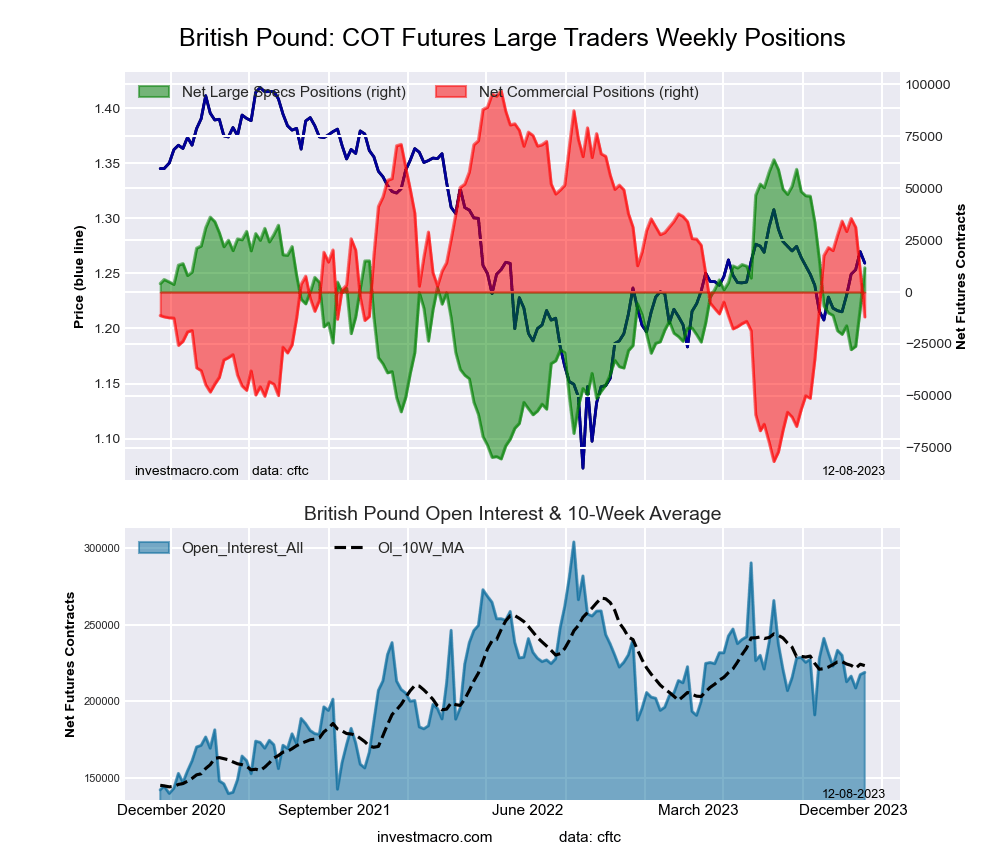
British Pound Sterling Futures COT ChartThe British Pound Sterling large speculator standing this week came in at a net position of -18,636 contracts in the data reported through Tuesday. This was a weekly decline of -7,427 contracts from the previous week which had a total of -11,209 net contracts.

This week’s current strength score (the trader positioning range over the past three years, measured from 0 to 100) shows the speculators are currently Bearish with a score of 42.8 percent. The commercials are Bullish with a score of 61.0 percent and the small traders (not shown in chart) are Bearish with a score of 41.0 percent.

Price Trend-Following Model: Strong Downtrend

Our weekly trend-following model classifies the current market price position as: Strong Downtrend. The current action for the model is considered to be: Hold – Maintain Short Position.

BRITISH POUND StatisticsSPECULATORSCOMMERCIALSSMALL TRADERS
– Percent of Open Interest Longs:28.856.911.4
– Percent of Open Interest Shorts:36.845.215.1
– Net Position:-18,63627,337-8,701
– Gross Longs:67,119132,74426,540
– Gross Shorts:85,755105,40735,241
– Long to Short Ratio:0.8 to 11.3 to 10.8 to 1
NET POSITION TREND:
– Strength Index Score (3 Year Range Pct):42.861.041.0
– Strength Index Reading (3 Year Range):BearishBullishBearish
NET POSITION MOVEMENT INDEX:
– 6-Week Change in Strength Index:-45.043.9-26.9


Japanese Yen Futures:

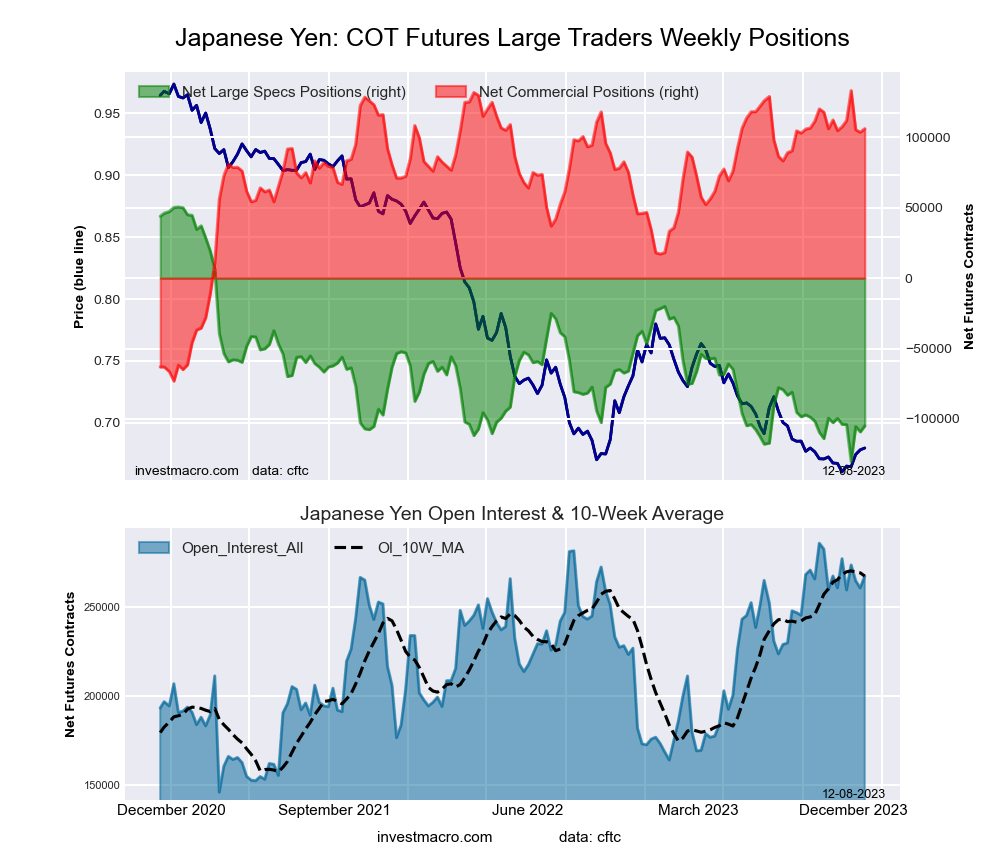
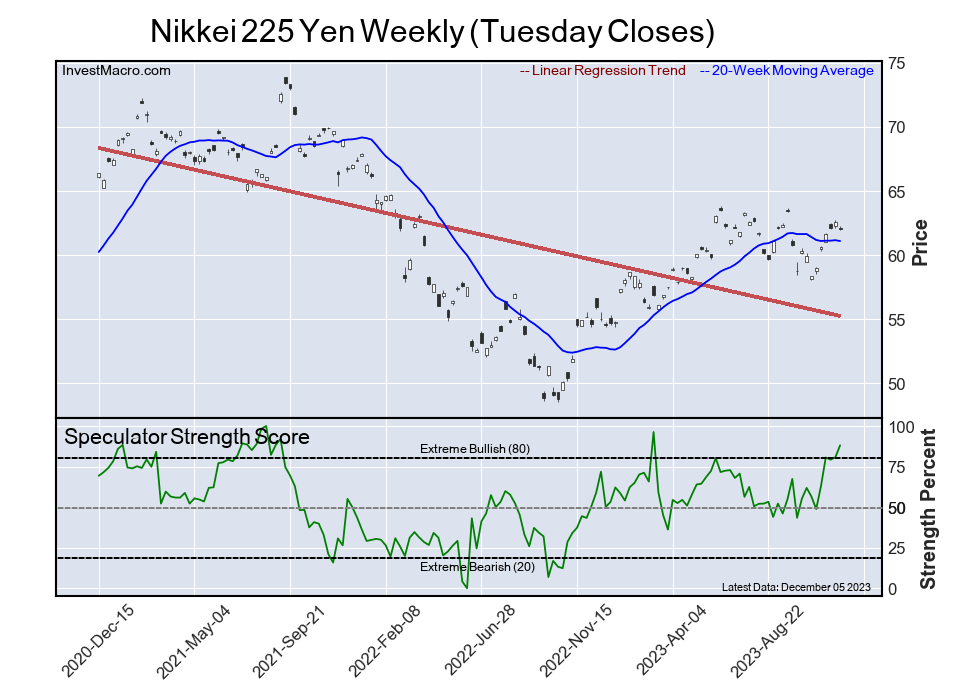
Japanese Yen Forex Futures COT ChartThe Japanese Yen large speculator standing this week came in at a net position of -99,629 contracts in the data reported through Tuesday. This was a weekly gain of 3,029 contracts from the previous week which had a total of -102,658 net contracts.

This week’s current strength score (the trader positioning range over the past three years, measured from 0 to 100) shows the speculators are currently Bearish-Extreme with a score of 10.9 percent. The commercials are Bullish-Extreme with a score of 86.8 percent and the small traders (not shown in chart) are Bearish with a score of 42.9 percent.

Price Trend-Following Model: Downtrend

Our weekly trend-following model classifies the current market price position as: Downtrend. The current action for the model is considered to be: Hold – Maintain Short Position.

JAPANESE YEN StatisticsSPECULATORSCOMMERCIALSSMALL TRADERS
– Percent of Open Interest Longs:11.971.414.3
– Percent of Open Interest Shorts:50.131.316.3
– Net Position:-99,629104,809-5,180
– Gross Longs:30,964186,38137,435
– Gross Shorts:130,59381,57242,615
– Long to Short Ratio:0.2 to 12.3 to 10.9 to 1
NET POSITION TREND:
– Strength Index Score (3 Year Range Pct):10.986.842.9
– Strength Index Reading (3 Year Range):Bearish-ExtremeBullish-ExtremeBearish
NET POSITION MOVEMENT INDEX:
– 6-Week Change in Strength Index:-0.5-0.95.6


Swiss Franc Futures:

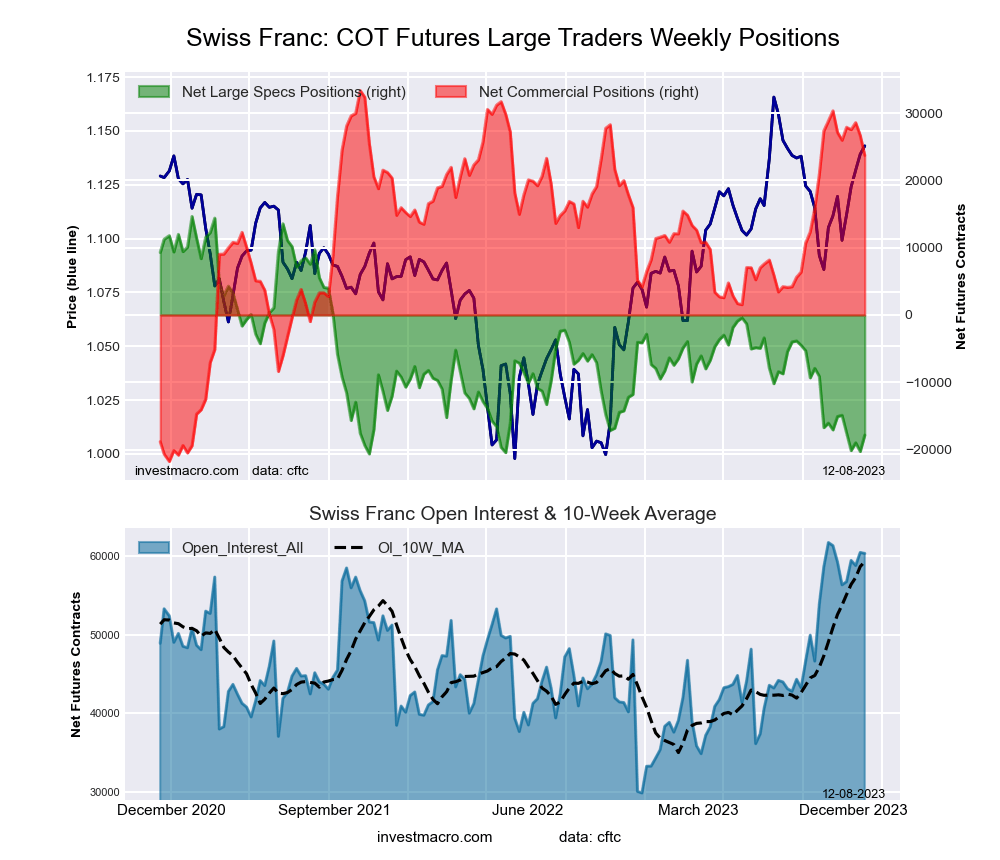
Swiss Franc Forex Futures COT ChartThe Swiss Franc large speculator standing this week came in at a net position of -15,095 contracts in the data reported through Tuesday. This was a weekly gain of 1,983 contracts from the previous week which had a total of -17,078 net contracts.

This week’s current strength score (the trader positioning range over the past three years, measured from 0 to 100) shows the speculators are currently Bearish-Extreme with a score of 15.2 percent. The commercials are Bullish-Extreme with a score of 88.7 percent and the small traders (not shown in chart) are Bearish-Extreme with a score of 17.8 percent.

Price Trend-Following Model: Strong Downtrend

Our weekly trend-following model classifies the current market price position as: Strong Downtrend. The current action for the model is considered to be: Hold – Maintain Short Position.

SWISS FRANC StatisticsSPECULATORSCOMMERCIALSSMALL TRADERS
– Percent of Open Interest Longs:16.567.016.4
– Percent of Open Interest Shorts:42.021.236.7
– Net Position:-15,09527,136-12,041
– Gross Longs:9,80739,7249,692
– Gross Shorts:24,90212,58821,733
– Long to Short Ratio:0.4 to 13.2 to 10.4 to 1
NET POSITION TREND:
– Strength Index Score (3 Year Range Pct):15.288.717.8
– Strength Index Reading (3 Year Range):Bearish-ExtremeBullish-ExtremeBearish-Extreme
NET POSITION MOVEMENT INDEX:
– 6-Week Change in Strength Index:-15.826.8-32.5


Canadian Dollar Futures:

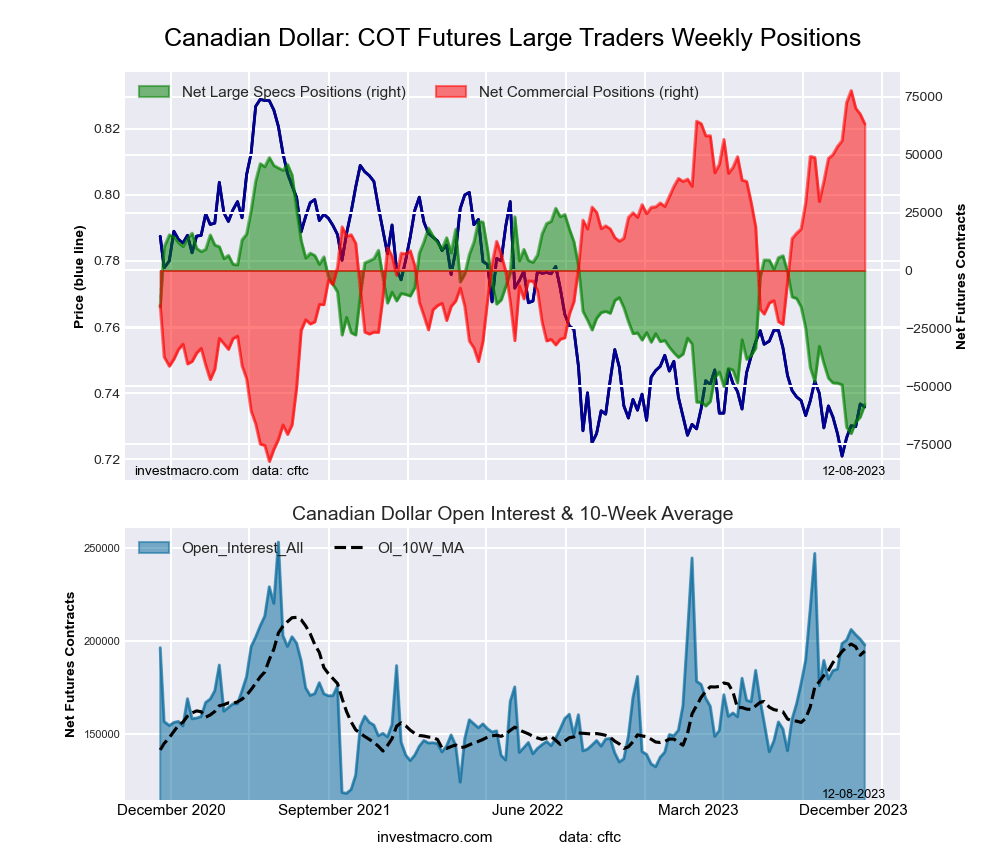
Canadian Dollar Forex Futures COT ChartThe Canadian Dollar large speculator standing this week came in at a net position of -48,639 contracts in the data reported through Tuesday. This was a weekly lowering of -100 contracts from the previous week which had a total of -48,539 net contracts.

This week’s current strength score (the trader positioning range over the past three years, measured from 0 to 100) shows the speculators are currently Bearish-Extreme with a score of 9.2 percent. The commercials are Bullish-Extreme with a score of 92.6 percent and the small traders (not shown in chart) are Bearish-Extreme with a score of 11.8 percent.

Price Trend-Following Model: Strong Downtrend

Our weekly trend-following model classifies the current market price position as: Strong Downtrend. The current action for the model is considered to be: Hold – Maintain Short Position.

CANADIAN DOLLAR StatisticsSPECULATORSCOMMERCIALSSMALL TRADERS
– Percent of Open Interest Longs:12.168.817.2
– Percent of Open Interest Shorts:38.439.819.9
– Net Position:-48,63953,600-4,961
– Gross Longs:22,326127,10131,815
– Gross Shorts:70,96573,50136,776
– Long to Short Ratio:0.3 to 11.7 to 10.9 to 1
NET POSITION TREND:
– Strength Index Score (3 Year Range Pct):9.292.611.8
– Strength Index Reading (3 Year Range):Bearish-ExtremeBullish-ExtremeBearish-Extreme
NET POSITION MOVEMENT INDEX:
– 6-Week Change in Strength Index:-6.32.95.4


Australian Dollar Futures:

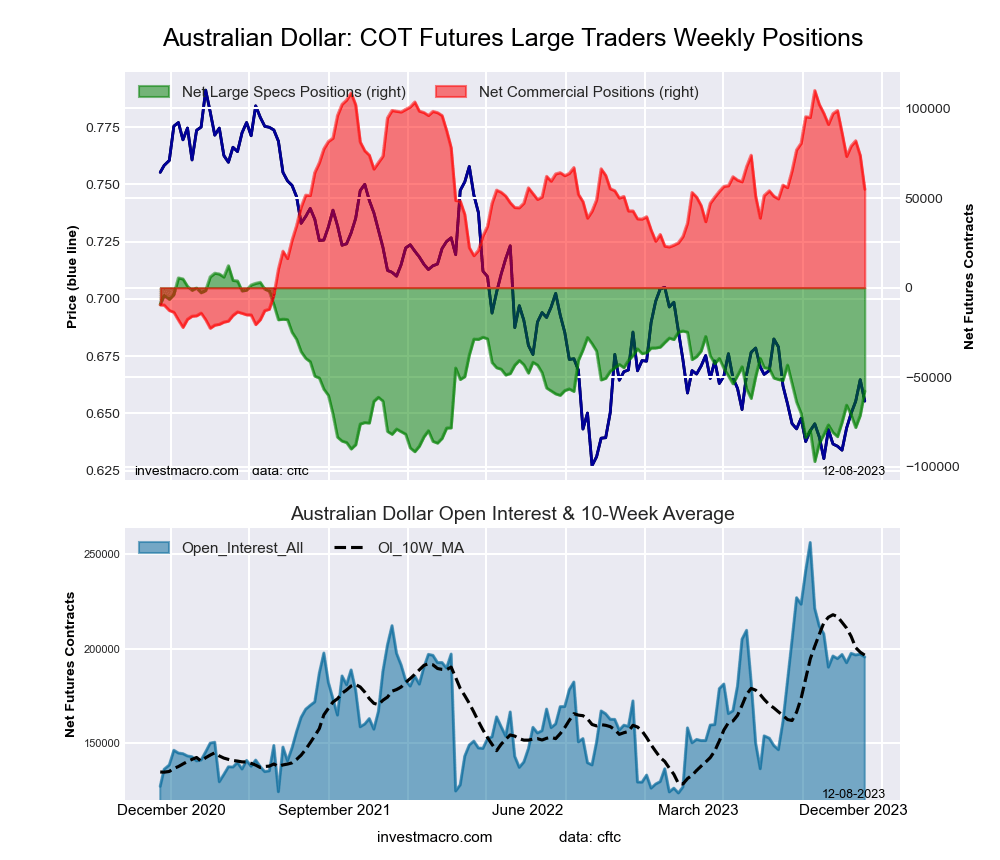
Australian Dollar Forex Futures COT ChartThe Australian Dollar large speculator standing this week came in at a net position of -83,081 contracts in the data reported through Tuesday. This was a weekly fall of -2,342 contracts from the previous week which had a total of -80,739 net contracts.

This week’s current strength score (the trader positioning range over the past three years, measured from 0 to 100) shows the speculators are currently Bearish-Extreme with a score of 12.7 percent. The commercials are Bullish-Extreme with a score of 91.6 percent and the small traders (not shown in chart) are Bearish-Extreme with a score of 14.0 percent.

Price Trend-Following Model: Downtrend

Our weekly trend-following model classifies the current market price position as: Downtrend. The current action for the model is considered to be: Hold – Maintain Short Position.

AUSTRALIAN DOLLAR StatisticsSPECULATORSCOMMERCIALSSMALL TRADERS
– Percent of Open Interest Longs:14.473.39.6
– Percent of Open Interest Shorts:57.122.617.7
– Net Position:-83,08198,853-15,772
– Gross Longs:28,018142,75318,606
– Gross Shorts:111,09943,90034,378
– Long to Short Ratio:0.3 to 13.3 to 10.5 to 1
NET POSITION TREND:
– Strength Index Score (3 Year Range Pct):12.791.614.0
– Strength Index Reading (3 Year Range):Bearish-ExtremeBullish-ExtremeBearish-Extreme
NET POSITION MOVEMENT INDEX:
– 6-Week Change in Strength Index:-3.22.9-0.8


New Zealand Dollar Futures:

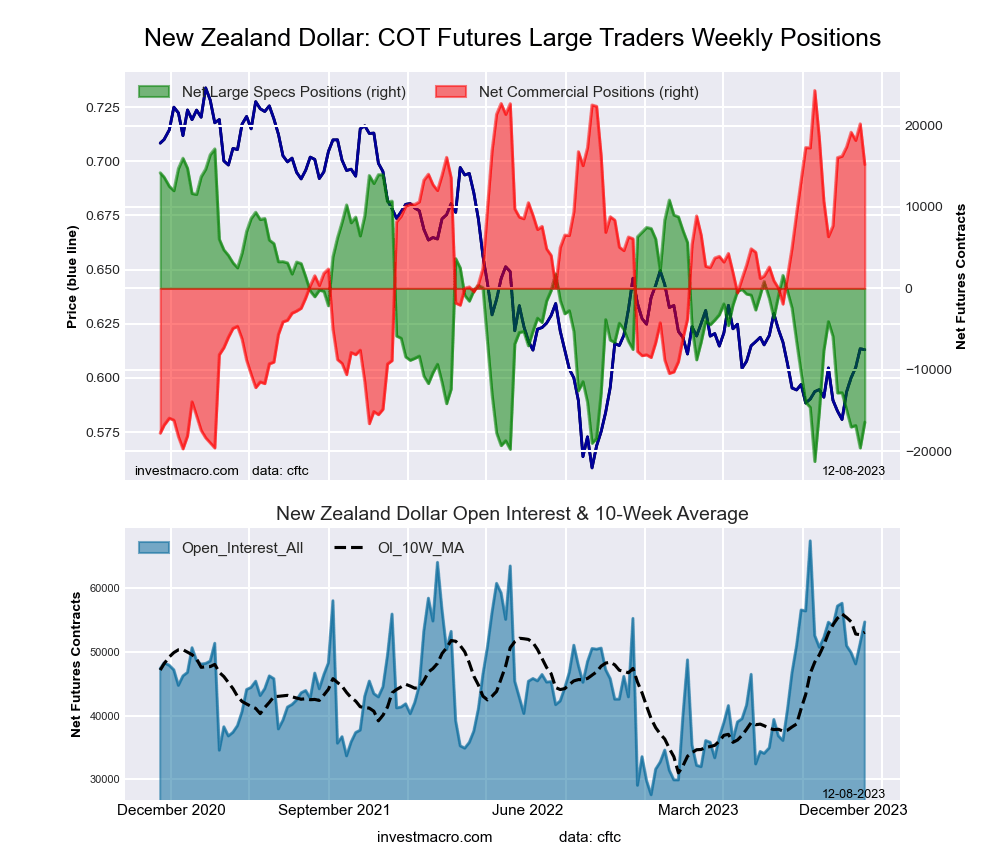
New Zealand Dollar Forex Futures COT ChartThe New Zealand Dollar large speculator standing this week came in at a net position of -12,851 contracts in the data reported through Tuesday. This was a weekly lowering of -6,952 contracts from the previous week which had a total of -5,899 net contracts.

This week’s current strength score (the trader positioning range over the past three years, measured from 0 to 100) shows the speculators are currently Bearish with a score of 21.9 percent. The commercials are Bullish-Extreme with a score of 81.3 percent and the small traders (not shown in chart) are Bearish-Extreme with a score of 11.9 percent.

Price Trend-Following Model: Strong Downtrend

Our weekly trend-following model classifies the current market price position as: Strong Downtrend. The current action for the model is considered to be: Hold – Maintain Short Position.

NEW ZEALAND DOLLAR StatisticsSPECULATORSCOMMERCIALSSMALL TRADERS
– Percent of Open Interest Longs:23.569.45.1
– Percent of Open Interest Shorts:45.941.310.7
– Net Position:-12,85116,051-3,200
– Gross Longs:13,44839,7182,942
– Gross Shorts:26,29923,6676,142
– Long to Short Ratio:0.5 to 11.7 to 10.5 to 1
NET POSITION TREND:
– Strength Index Score (3 Year Range Pct):21.981.311.9
– Strength Index Reading (3 Year Range):BearishBullish-ExtremeBearish-Extreme
NET POSITION MOVEMENT INDEX:
– 6-Week Change in Strength Index:4.6-2.7-6.7


Mexican Peso Futures:

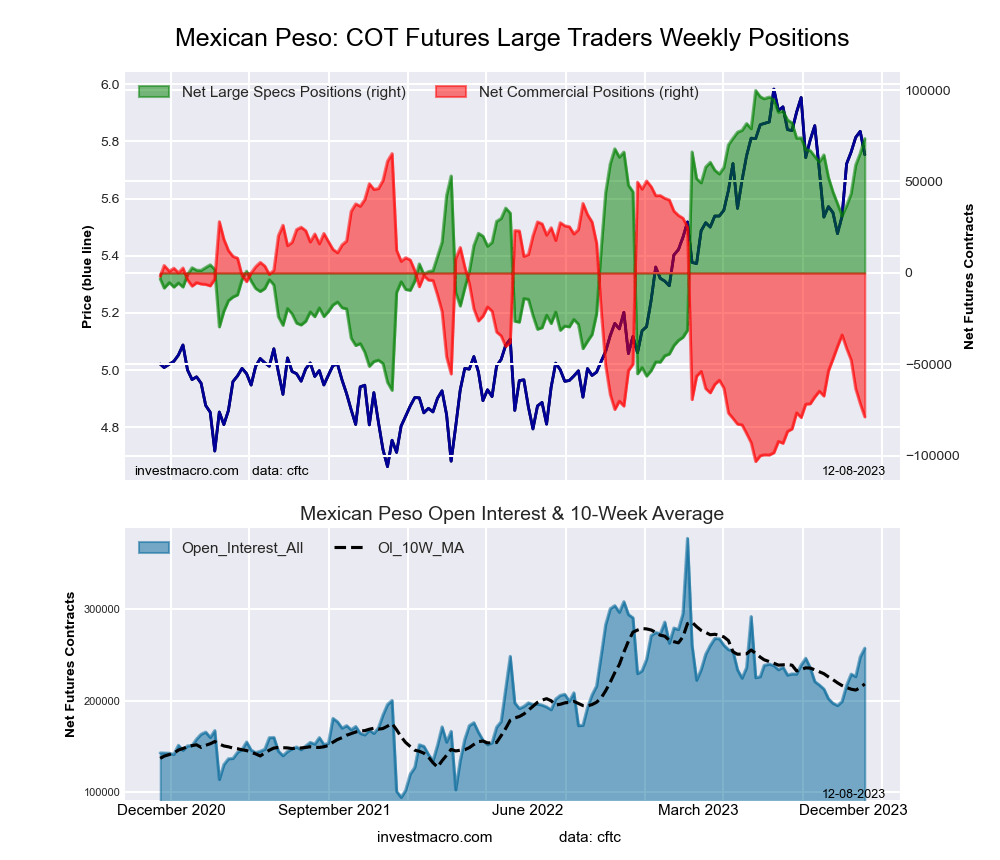
Mexican Peso Futures COT ChartThe Mexican Peso large speculator standing this week came in at a net position of 37,861 contracts in the data reported through Tuesday. This was a weekly lowering of -6,444 contracts from the previous week which had a total of 44,305 net contracts.

This week’s current strength score (the trader positioning range over the past three years, measured from 0 to 100) shows the speculators are currently Bullish with a score of 62.2 percent. The commercials are Bearish with a score of 37.4 percent and the small traders (not shown in chart) are Bearish with a score of 26.0 percent.

Price Trend-Following Model: Strong Downtrend

Our weekly trend-following model classifies the current market price position as: Strong Downtrend. The current action for the model is considered to be: Hold – Maintain Short Position.

MEXICAN PESO StatisticsSPECULATORSCOMMERCIALSSMALL TRADERS
– Percent of Open Interest Longs:28.068.43.0
– Percent of Open Interest Shorts:8.589.11.8
– Net Position:37,861-40,1882,327
– Gross Longs:54,446133,1055,771
– Gross Shorts:16,585173,2933,444
– Long to Short Ratio:3.3 to 10.8 to 11.7 to 1
NET POSITION TREND:
– Strength Index Score (3 Year Range Pct):62.237.426.0
– Strength Index Reading (3 Year Range):BullishBearishBearish
NET POSITION MOVEMENT INDEX:
– 6-Week Change in Strength Index:-17.718.6-14.6


Brazilian Real Futures:

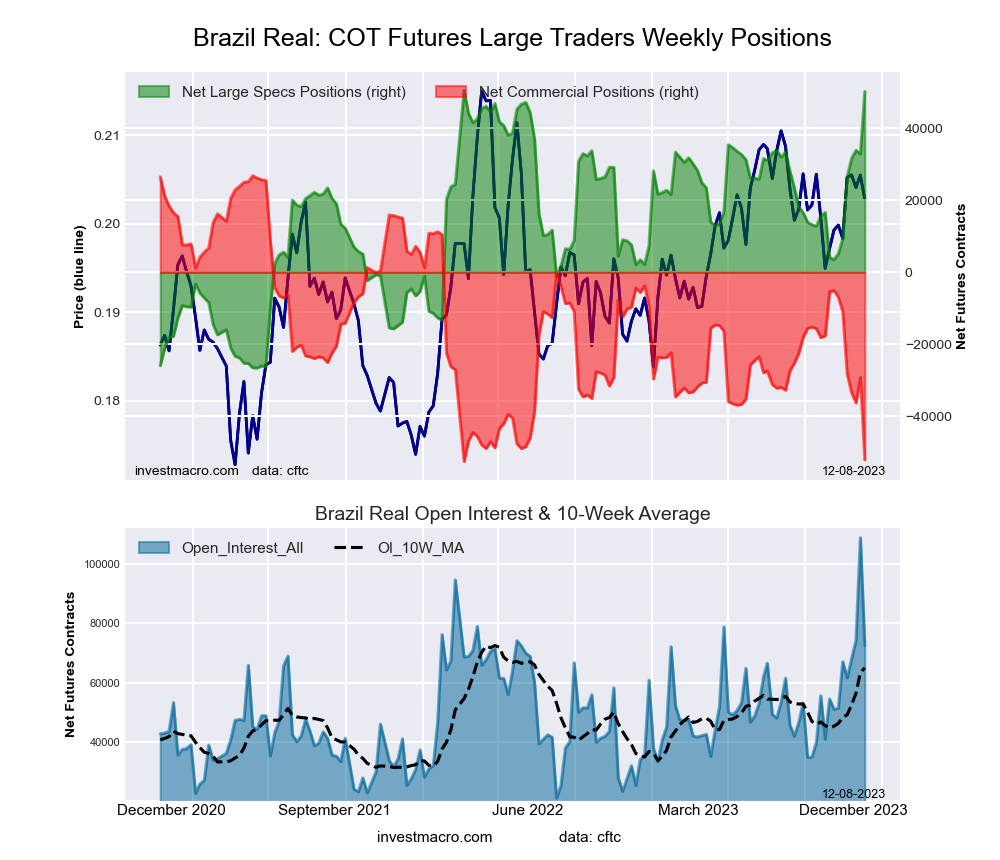
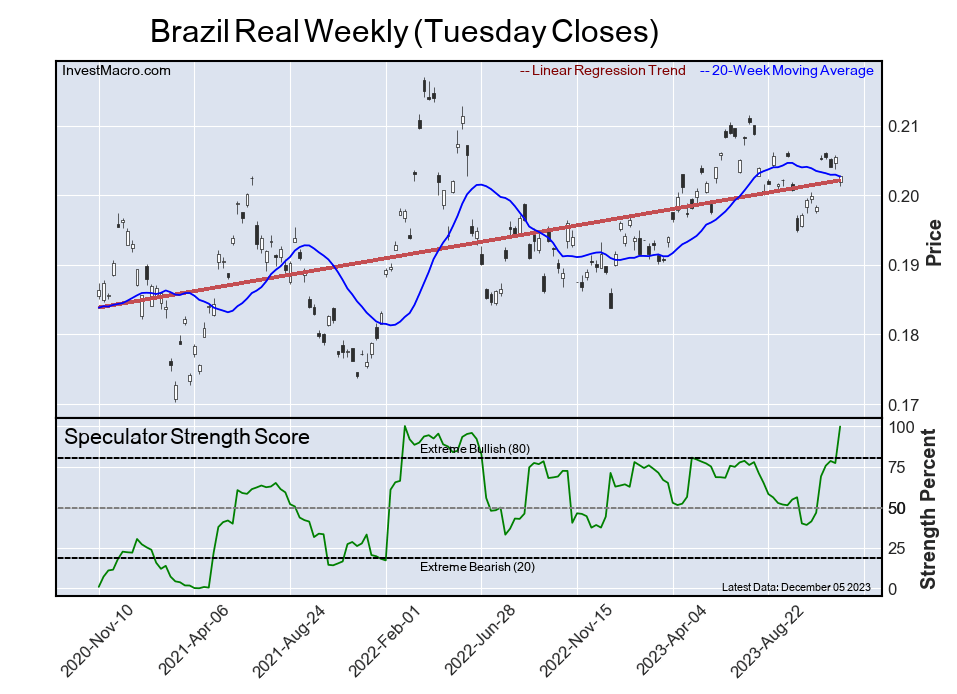
Brazil Real Futures COT ChartThe Brazilian Real large speculator standing this week came in at a net position of 5,185 contracts in the data reported through Tuesday. This was a weekly boost of 1,689 contracts from the previous week which had a total of 3,496 net contracts.

This week’s current strength score (the trader positioning range over the past three years, measured from 0 to 100) shows the speculators are currently Bearish with a score of 42.4 percent. The commercials are Bullish with a score of 56.2 percent and the small traders (not shown in chart) are Bullish with a score of 50.4 percent.

Price Trend-Following Model: Downtrend

Our weekly trend-following model classifies the current market price position as: Downtrend. The current action for the model is considered to be: Hold – Maintain Short Position.

BRAZIL REAL StatisticsSPECULATORSCOMMERCIALSSMALL TRADERS
– Percent of Open Interest Longs:39.352.46.8
– Percent of Open Interest Shorts:29.265.83.5
– Net Position:5,185-6,9031,718
– Gross Longs:20,20326,9733,505
– Gross Shorts:15,01833,8761,787
– Long to Short Ratio:1.3 to 10.8 to 12.0 to 1
NET POSITION TREND:
– Strength Index Score (3 Year Range Pct):42.456.250.4
– Strength Index Reading (3 Year Range):BearishBullishBullish
NET POSITION MOVEMENT INDEX:
– 6-Week Change in Strength Index:-10.210.2-2.5


Bitcoin Futures:

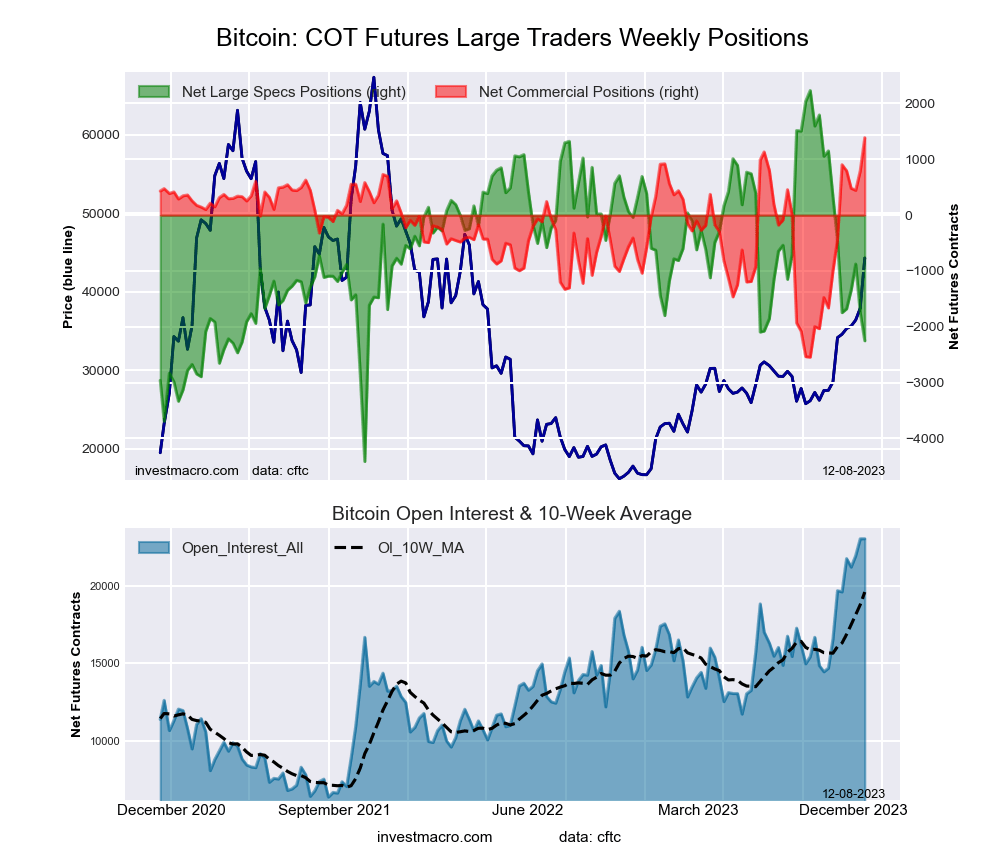
Bitcoin Crypto Futures COT ChartThe Bitcoin large speculator standing this week came in at a net position of -454 contracts in the data reported through Tuesday. This was a weekly decline of -781 contracts from the previous week which had a total of 327 net contracts.

This week’s current strength score (the trader positioning range over the past three years, measured from 0 to 100) shows the speculators are currently Bullish with a score of 59.6 percent. The commercials are Bullish with a score of 57.3 percent and the small traders (not shown in chart) are Bearish with a score of 33.2 percent.

Price Trend-Following Model: Weak Downtrend (Possible Trend Change)

Our weekly trend-following model classifies the current market price position as: Weak Downtrend. The current action for the model is considered to be: Hold – Maintain Short Position.

BITCOIN StatisticsSPECULATORSCOMMERCIALSSMALL TRADERS
– Percent of Open Interest Longs:75.33.38.2
– Percent of Open Interest Shorts:77.65.53.7
– Net Position:-454-438892
– Gross Longs:14,8146411,617
– Gross Shorts:15,2681,079725
– Long to Short Ratio:1.0 to 10.6 to 12.2 to 1
NET POSITION TREND:
– Strength Index Score (3 Year Range Pct):59.657.333.2
– Strength Index Reading (3 Year Range):BullishBullishBearish
NET POSITION MOVEMENT INDEX:
– 6-Week Change in Strength Index:-40.457.313.2


Article By InvestMacroReceive our weekly COT Reports by Email

*COT Report: The COT data, released weekly to the public each Friday, is updated through the most recent Tuesday (data is 3 days old) and shows a quick view of how large speculators or non-commercials (for-profit traders) were positioned in the futures markets.

The CFTC categorizes trader positions according to commercial hedgers (traders who use futures contracts for hedging as part of the business), non-commercials (large traders who speculate to realize trading profits) and nonreportable traders (usually small traders/speculators) as well as their open interest (contracts open in the market at time of reporting).See CFTC criteria here.

All information and opinions on this website and contained in this article are for general informational purposes only and do not constitute investment advice.

Speculator Extremes: VIX, Cocoa, DowJones & 2-Year lead Bullish & Bearish Positions

By InvestMacro | COT | Data Tables | COT Leaders | Downloads | COT Newsletter

The latest update for the weekly Commitment of Traders (COT) report was released by the Commodity Futures Trading Commission (CFTC) on Friday for data ending on October 24th.

This weekly Extreme Positions report highlights the Most Bullish and Most Bearish Positions for the speculator category. Extreme positioning in these markets can foreshadow strong moves in the underlying market.

To signify an extreme position, we use the Strength Index (also known as the COT Index) of each instrument, a common method of measuring COT data. The Strength Index is simply a comparison of current trader positions against the range of positions over the previous 3 years. We use over 80 percent as extremely bullish and under 20 percent as extremely bearish. (Compare Strength Index scores across all markets in the data table or cot leaders table)


Here Are This Week’s Most Bullish Speculator Positions:

VIX

The VIX speculator position comes in as the most bullish extreme standing this week. The VIX speculator level is currently at a 95.3 percent score of its 3-year range.

The six-week trend for the percent strength score totaled 11.9 this week. The overall net speculator position was a total of -21,594 net contracts this week with a change of 1,351 contract in the weekly speculator bets.


Speculators or Non-Commercials Notes:

Speculators, classified as non-commercial traders by the CFTC, are made up of large commodity funds, hedge funds and other significant for-profit participants. The Specs are generally regarded as trend-followers in their behavior towards price action – net speculator bets and prices tend to go in the same directions. These traders often look to buy when prices are rising and sell when prices are falling. To illustrate this point, many times speculator contracts can be found at their most extremes (bullish or bearish) when prices are also close to their highest or lowest levels.

These extreme levels can be dangerous for the large speculators as the trade is most crowded, there is less trading ammunition still sitting on the sidelines to push the trend further and prices have moved a significant distance. When the trend becomes exhausted, some speculators take profits while others look to also exit positions when prices fail to continue in the same direction. This process usually plays out over many months to years and can ultimately create a reverse effect where prices start to fall and speculators start a process of selling when prices are falling.


Cocoa Futures

The Cocoa Futures speculator position comes next in the extreme standings this week. The Cocoa Futures speculator level is now at a 88.5 percent score of its 3-year range.

The six-week trend for the percent strength score was -10.8 this week. The speculator position registered 77,020 net contracts this week with a weekly change of 5,528 contracts in speculator bets.


3-Month Secured Overnight Financing Rate

The 3-Month Secured Overnight Financing Rate speculator position comes in third this week in the extreme standings. The 3-Month Secured Overnight Financing Rate speculator level resides at a 87.1 percent score of its 3-year range.

The six-week trend for the speculator strength score came in at -2.0 this week. The overall speculator position was 283,813 net contracts this week with a change of 62,572 contracts in the weekly speculator bets.


Bloomberg Commodity Index

The Bloomberg Commodity Index speculator position comes up number four in the extreme standings this week. The Bloomberg Commodity Index speculator level is at a 85.4 percent score of its 3-year range.

The six-week trend for the speculator strength score totaled a change of 4.1 this week. The overall speculator position was -5,353 net contracts this week with a change of 55 contracts in the speculator bets.


Heating Oil

The Heating Oil speculator position rounds out the top five in this week’s bullish extreme standings. The Heating Oil speculator level sits at a 80.8 percent score of its 3-year range. The six-week trend for the speculator strength score was -8.7 this week.

The speculator position was 31,988 net contracts this week with a change of -3,195 contracts in the weekly speculator bets.


This Week’s Most Bearish Speculator Positions:

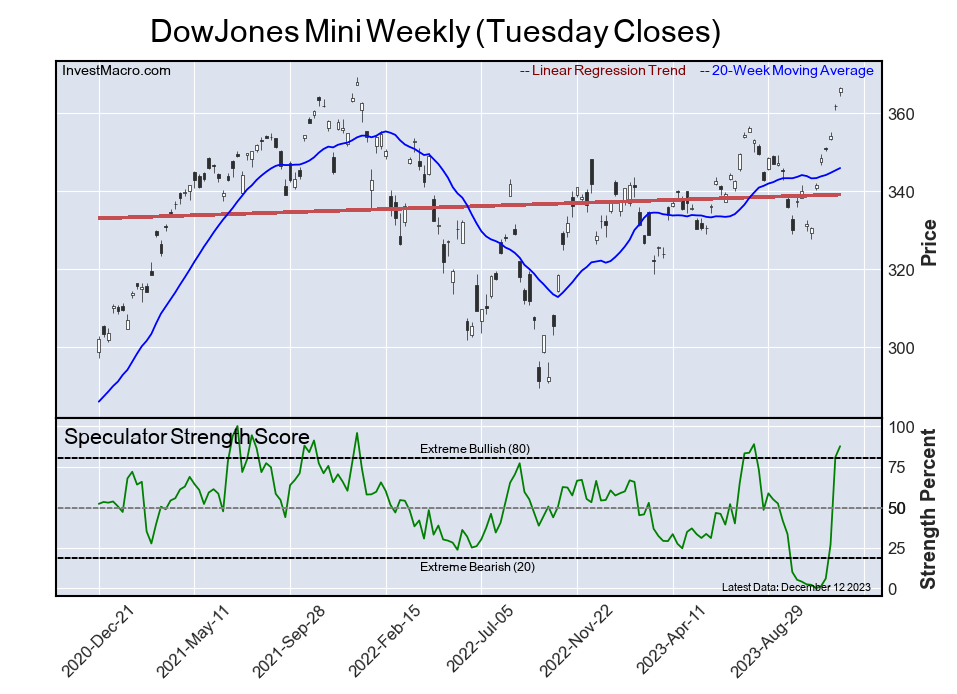
DowJones Mini

The DowJones Mini speculator position comes in as the most bearish extreme standing this week. The DowJones Mini speculator level is at a 0.0 percent score of its 3-year range.

The six-week trend for the speculator strength score was -51.1 this week. The overall speculator position was -35,960 net contracts this week with a change of -749 contracts in the speculator bets.


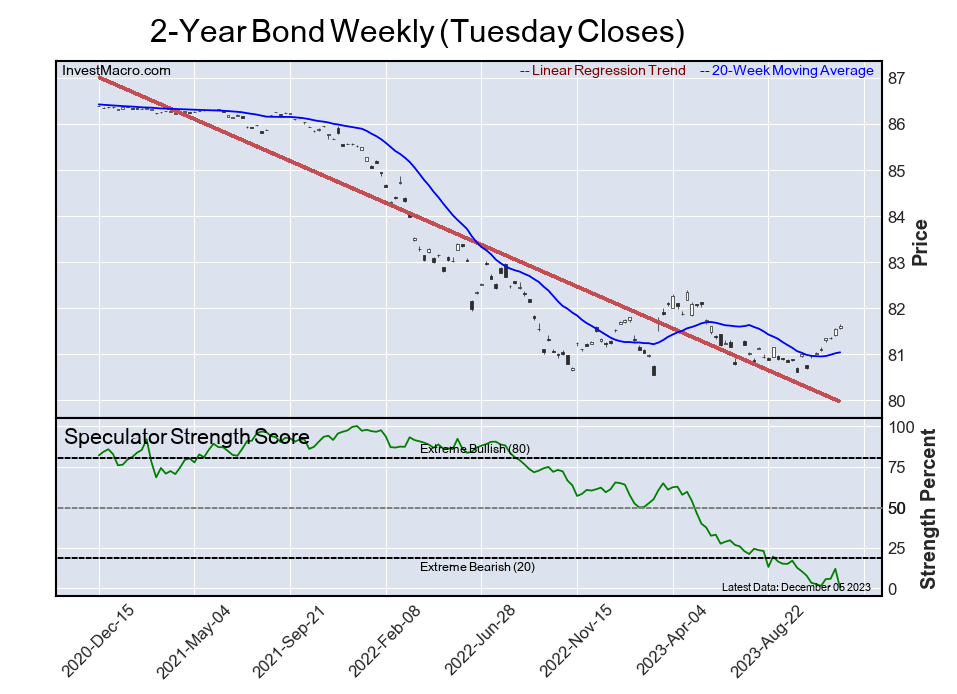
2-Year Bond

The 2-Year Bond speculator position comes in next for the most bearish extreme standing on the week. The 2-Year Bond speculator level is at a 0.0 percent score of its 3-year range.

The six-week trend for the speculator strength score was -12.2 this week. The speculator position was -1,424,312 net contracts this week with a change of -69,613 contracts in the weekly speculator bets.


Ultra 10-Year U.S. T-Note

The Ultra 10-Year U.S. T-Note speculator position comes in as third most bearish extreme standing of the week. The Ultra 10-Year U.S. T-Note speculator level resides at a 0.7 percent score of its 3-year range.

The six-week trend for the speculator strength score was -19.6 this week. The overall speculator position was -249,869 net contracts this week with a change of -8,704 contracts in the speculator bets.


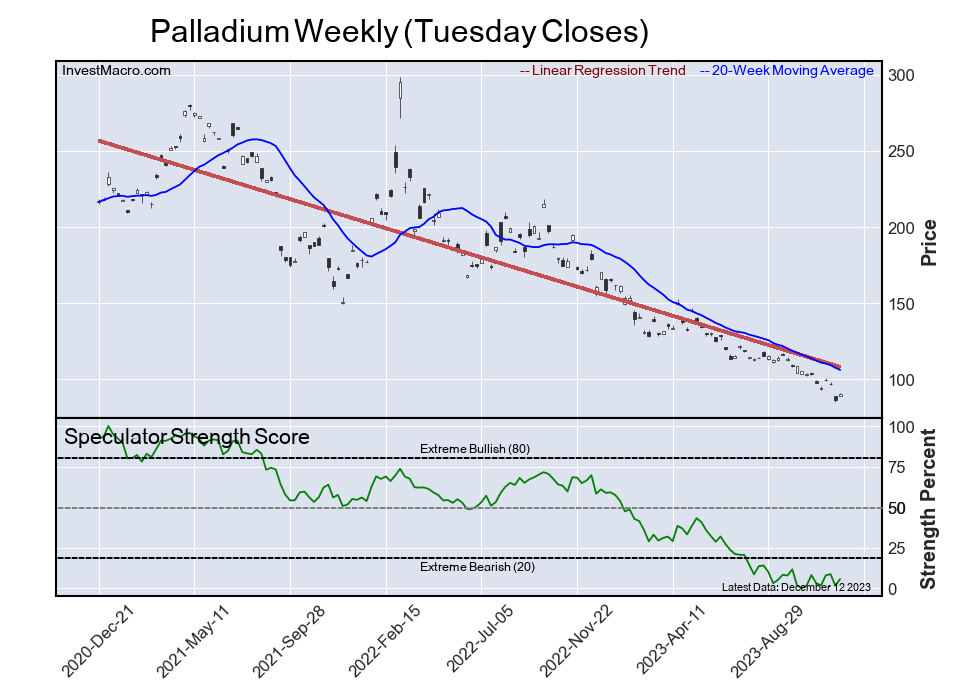
Palladium

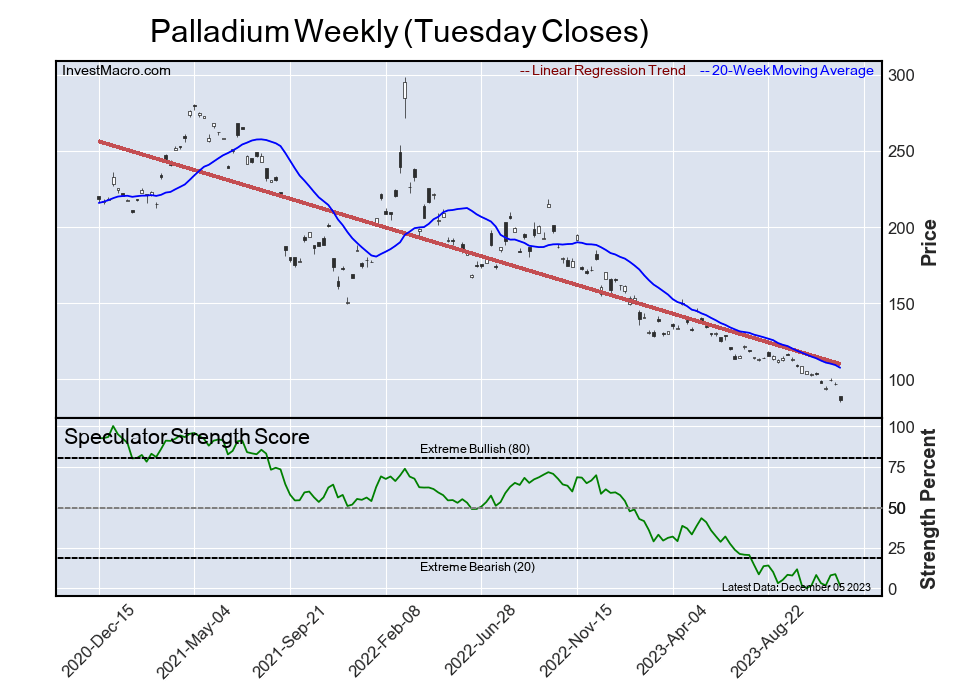
The Palladium speculator position comes in as this week’s fourth most bearish extreme standing. The Palladium speculator level is at a 1.7 percent score of its 3-year range.

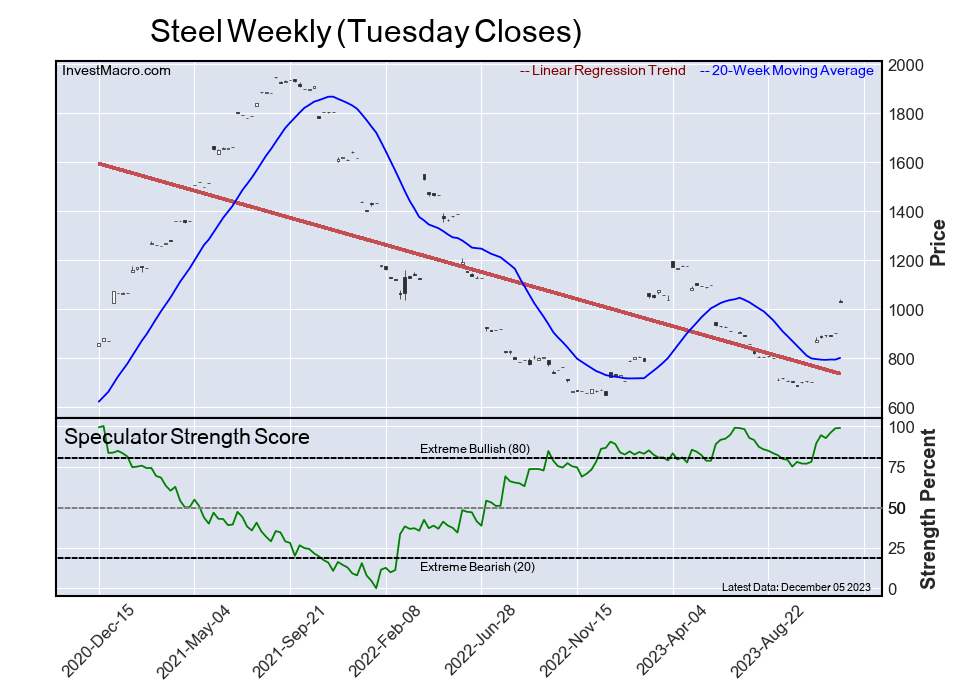
The six-week trend for the speculator strength score was -3.5 this week. The speculator position was -11,240 net contracts this week with a change of 255 contracts in the weekly speculator bets.


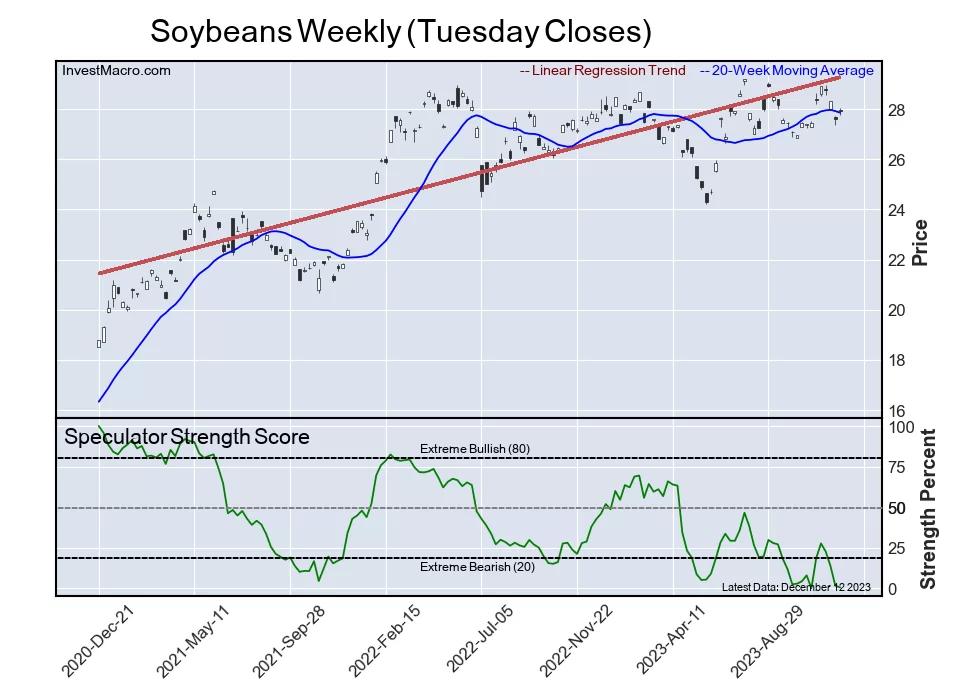
Soybeans

Finally, the Soybeans speculator position comes in as the fifth most bearish extreme standing for this week. The Soybeans speculator level is at a 5.4 percent score of its 3-year range.

The six-week trend for the speculator strength score was -18.8 this week. The speculator position was 36,454 net contracts this week with a change of 9,349 contracts in the weekly speculator bets.


Article By InvestMacroReceive our weekly COT Reports by Email

*COT Report: The COT data, released weekly to the public each Friday, is updated through the most recent Tuesday (data is 3 days old) and shows a quick view of how large speculators or non-commercials (for-profit traders) were positioned in the futures markets.

The CFTC categorizes trader positions according to commercial hedgers (traders who use futures contracts for hedging as part of the business), non-commercials (large traders who speculate to realize trading profits) and nonreportable traders (usually small traders/speculators) as well as their open interest (contracts open in the market at time of reporting).See CFTC criteria here.

All information and opinions on this website and contained in this article are for general informational purposes only and do not constitute investment advice.

Week Ahead: US dollar set for scary rollercoaster ride?

By ForexTime 

  • High-risk events could “trick or treat” investors next week
  • Watch out for central bank decisions, key data & earnings
  • US dollar to be influenced by Fed decision & NFP
  • USDInd trapped within a range on daily chart
  • Key levels of interest at 105.50 and 107.20

An exceptional list of high-risk events could “trick or treat” investors in the week ahead.

All eyes will be on rate decisions by the Federal Reserve (Fed), Bank of England (BoE), and Bank of Japan (BoJ) to top-tier data from major economies including the latest US employment report. This will be complemented by a barrage of corporate earnings from the largest economies in the world.

Here are the major economic data releases and events on the week of Halloween:

Monday, October 30th 

  • AUD: Australia retail sales
  • EUR: Eurozone confidence, Germany CPI and GDP

Tuesday, October 31st 

  • Halloween
  • CNH: China PMI’s
  • EUR: Eurozone CPI, GDP
  • JPY: BoJ rate decisions, unemployment, retail sales
  • USD: Conference Board consumer confidence

Wednesday, November 1st 

  • CNH: China Caixin manufacturing PMI
  • NZD: New Zealand unemployment
  • GBP: UK S&P Global/CIPS Manufacturing PMI
  • USD: FOMC rate decision, ISM Manufacturing

Thursday, November 2nd 

  • AUD: Australia trade balance
  • EUR: Eurozone/Germany S&P Global Manufacturing PMI
  • GBP: BoE rate decision
  • USD: US factory orders, initial jobless claims
  • NQ100_m: Apple earnings

Friday, November 3rd 

  • CNH: China Caixin services PMI
  • EUR: Eurozone unemployment
  • GBP: BoE’s Jonathan Haskel, BoE’ Huw Pill speech
  • CAD: Canada unemployment
  • USD: US October nonfarm payrolls (NFP)

The scheduled data releases and events may create fresh opportunities across the board. Our focus falls on the USD Index which is set to be influenced by the Fed decision and US employment report.

The USD Index tracks how the dollar is performing against a basket of six different G10 currencies, including the Euro, British Pound, Japanese Yen, and Canadian dollar.

It is worth noting that the dollar has appreciated against almost every single G10 currency month-to-date excluding the Swiss Franc.

Dollar bulls found a friend in rising Treasury yields as sticky US inflation supported expectations around rates remaining “higher for longer”.

The USD Index could kick off November with a bang! Here are some things to watch out for:

  1. Federal Reserve rate decision 

The Fed is widely expected to leave interest rates unchanged at its next meeting on November 1st, a second consecutive pause.

This is in line with recent dovish comments from Fed officials including Jerome Powell and mixed US economic data. Investors will be paying close attention to Powell’s press conference for any fresh clues on future rate moves.

  • The USDInd could find itself under fresh selling pressure if the Fed strikes a dovish tone and signals that no more hikes are on the cards for the rest of 2023.
  • Should the central bank sound hawkish and leave the doors open for a December move, this may give the USDInd a boost.

As of writing, traders are currently pricing in a 1 in 5 chance of a 25 basis point Fed hike by the end of 2023.

  1. US October nonfarm payrolls (NFP)

Markets expect the US economy to have created 168,000 jobs in October, essentially half of the whopping 336,000 jobs in September, while the unemployment rate is forecast to remain unchanged at 3.8%.

  • A stronger-than-expected US jobs report may leave the doors open to a December rate hike, pushing the USDInd higher as a result.
  • However, evidence of a cooling US jobs market may support the argument that the Fed is done with hikes this year – dragging the USDInd lower.
  1. Technical forces: breakout?

The USDInd has been trapped within a range since late September with support at 105.50 and resistance at 107.20. Prices are trading above the 50, 100, and 200-day SMA while the MACD trades above zero. Although technical forces are in favour of bulls, the fundamentals could throw the USDInd on a scary rollercoaster ride. 

  • A solid breakout and daily close above 107.20 could push prices to levels not seen since November 2022 at 107.80.
  • Should the USDInd slip back below the 105.50 support, this may open the doors towards 104.60.


Forex-Time-LogoArticle by ForexTime

ForexTime Ltd (FXTM) is an award winning international online forex broker regulated by CySEC 185/12 www.forextime.com

Blowout US GDP growth data but it is what’s coming next that matters…

By George Prior 

The strong third-quarter Gross Domestic Product growth for the US economy should not be the focus for investors, warns the CEO of deVere Group.

The warning from Nigel Green, chief executive of one of the world’s largest independent financial advisory, asset management and fintech organizations, comes as GDP, or the sum of all goods and services produced in the US economy, is revealed to be a 4.9% annualized gain for the third quarter.

“This is the strongest output since the fourth quarter of 2021. It appears that consumers are still happy to spend despite the higher interest rates.

“While its important data that shows the resilience of the world’s largest economy, it should not be the focus of investors,” he says.

“This data shows what has already happened. Investors need to focus on what will happen, if they’re serious about preserving their capital and growing their wealth, because the US economy faces serious headwinds in the months ahead.”

The deVere CEO cites three major reasons that indicate the economic trajectory might not be as rosy in the near future.

“First, the bond market is sending red-flag signals that it believes a recession is looming. For more than a year now, we’ve seen an inverted yield curve, which is when the yield on the two-year Treasury has overtaken that of the 10-year note.

“From the 1960s to today, every time the long-term rate was lower than a short-term rate, a recession followed. It’s happened for the last eight recessions – and it’s never been wrong.”

He continues: “Second, the new US Speaker, Mike Johnson, a close ally of Donald Trump, will be less inclined to make deals than Kevin McCarthy.

“Therefore, he’s more likely to affect a partial government shutdown in mid-November in order to try and seize a political advantage.  It is also more likely that under this scenario, a shutdown would be extended – unlike the previous, more symbolic, ones.

“A government shutdown creates uncertainty about the world’s largest economy, budgetary decisions, and the potential for disruptions in federal services. It erodes investor confidence, both domestically and internationally, meaning investors pull back from the US financial markets, leading to a decrease in asset prices and potential capital flight.

“We expect that should a shutdown occur, it will prompt Moody’s to cut the US credit rating below AAA.  This would be the third rating agency to downgrade the US.”

Nigel Green adds: “And third, the Israel-Hamas war will weigh on sentiment as individuals and businesses become more risk averse about spending and investing, which could lead to a recession.

“Also, conflicts in the Middle East tend to lead to spikes in oil prices which can trigger significant uncertainty in global markets.”

Against this backdrop, investors are being urged not to feel “too fuzzy” about the latest Gross Domestic Product growth data for the US economy.

“Investors shouldn’t be complacent about this strong data. They shouldn’t focus on the backward-looking; they should be thinking about what’s next, particularly the headwinds on the horizon.

“We would urge them to review their portfolios to mitigate risks and seize the opportunities that will come from a shifting investment environment,” concludes Nigel Green.

About:

deVere Group is one of the world’s largest independent advisors of specialist global financial solutions to international, local mass affluent, and high-net-worth clients.  It has a network of offices across the world, over 80,000 clients and $12bn under advisement.

US tightening sanctions on Iran oil could impact your investments

By George Prior 

Should the US tighten sanctions on Iran’s crude oil exports in response to the country backing Hamas, it will impact investment portfolios around the world, says the CEO of one of the world’s largest independent financial advisory, asset management and fintech organizations.

The analysis from deVere Group’s Nigel Green comes ahead of a widely expected ground offensive by Israel into Gaza, which could shift the mood music for the West’s response to Iran.

He says: “These sanctions, while driven by geopolitical concerns, are likely to significantly impact portfolios for individual and institutional investors globally. As ever, with increased volatility, there will be fresh opportunities and fresh risks.

“Portfolios that include energy sector assets can be directly affected by the sanctions on Iran’s crude oil. Iran is a major oil producer, and restrictions on its exports can result in a reduction in global oil supply, which, in turn, could boost the profitability of energy companies.

“While some energy stocks may benefit from rising oil prices, others may face challenges due to increased production costs.

“Dividend stocks in the energy sector could see price increases, which might be positive for income-focused investors. However, dividend sustainability may be threatened if higher oil prices lead to increased expenses for energy companies.”

The rise in oil prices due to sanctions can lead to broader economic consequences, particularly in the form of inflation.

“Central banks, which have been battling to bring down multi-decade high inflation peaks over the last two years, may respond to rising inflation by considering increasing interest rates again.

“Higher interest rates make borrowing more expensive for businesses, impacting their expansion plans and investments. This, in turn, affects stock prices and overall portfolio performance.”

Nigel Green continues: “Companies across various industries would also face increased production costs due to higher oil prices. These added expenses can pressure businesses to pass the costs onto consumers, potentially impacting their profitability and share prices.

“Developing economies are particularly vulnerable to oil price spikes. Many of these countries rely heavily on imported oil, and surging prices can strain their trade balances and currencies. As such, investors with heavy exposure to these markets need to be extra cautious as risks are heightened.

“In addition, changes in oil prices influence currency exchange rates. Investors in currency markets may need to navigate these shifts, which can impact the value of their investments.”

Sanctions on Iranian oil can introduce geopolitical risks to your investment portfolio. To mitigate these risks, you need to ensure proper diversification of your portfolio across different asset classes, industries, and geographical regions to spread risk and reduce the impact of sanctions on specific sectors.

Also, you should develop a risk management strategy that includes setting stop-loss orders, adjusting your asset allocation, and staying informed about geopolitical events that can impact your investments.

Working with financial advisors who can provide insights and recommendations tailored to your specific investment goals and risk tolerance is likely to prove highly beneficial.

“The US tightening sanctions on Iranian oil could have a negative impact on individual and institutional investment portfolios by disrupting the energy sector, contributing to inflationary pressures, and intensifying geopolitical risks. You need to be aware of the risks – but also the opportunities,” concludes the deVere Group CEO.

About:

deVere Group is one of the world’s largest independent advisors of specialist global financial solutions to international, local mass affluent, and high-net-worth clients.  It has a network of offices across the world, over 80,000 clients and $12bn under advisement.

Vertical Solar Startup Sells Third Tower, First in US Market

Source: Streetwise Reports  (10/24/23)

When we last reported on Three Sixty Solar Ltd., the upstart Canadian solar firm had just signed a letter of intent for its second tower installation. The company has now announced a third sale, its first in the US market.

Three Sixty Solar (VSOL:NEO;VSOLF:OTC) is a Canadian company specializing in vertically-oriented solar equipment supply. The company’s premier product line is the (patent-pending) SVS series commercial solar tower concept.

This high-density, clean energy solution is built on its own free-standing tower, meaning it can be built adjacent to structures requiring power, thereby minimizing line loss and maximizing energy delivery in cluttered environments where traditional renewable solutions are difficult to install.

In deploying Three Sixty Solar solutions as multi-tower installations, developers can capitalize on the spaces between towers to better leverage land assets for other revenue-generating activities. Each tower offers a reliable, clean energy solution with minimal environmental and habitat impact, maximizing power capture while at the same time minimizing utility structure footprint.

The company’s subsidiaries include Three Sixty Solar Operations Ltd, Victory Exploration Inc., and Liberty One Utah Inc.

The Catalyst: Third Tower Sale, First in the US

On October 19, Three Sixty Solar Ltd. announced that it had signed a non-binding letter of intent (LOI) with Rocky Mountain Log and Timber (“RMLT”). RMLT authorized the purchase of an SVS series solar tower for installation at its facility in Hamilton, MT. RMLT is a builder of premium log homes and produces its own lumber.

RMLT expects the electricity generated by the tower to offset power requirements in its milling operations. As per the LOI, the parties are undertaking an energy optimization study, intending to reach a binding purchase order by November 30, 2023.

In addition to acting as a secondary power source to drive operations, the new tower will include technology from Hook’d Broadband to provide site-wide broadband connectivity.

A recent Stratistics MRC report points out that the global solar farm sector accounted for US$76 billion in 2020 and is forecasted to reach US$296 billion by 2028, growing at a compound annual growth rate (CAGR) of 18.5%.

Brian Roth, Three Sixty Solar’s CEO, says he is “thrilled to have signed the letter of intent to secure our first commercial sale in the United States with Rocky Mountain. Rocky Mountain is focused on providing premium homes, often in remote locations.

I believe that our solar tower technology is an ideal solution to partner with many of the communities that they help build, and I’m excited for the opportunity to demonstrate the technology at their headquarters.”

Jake Hayes, owner of Rocky Mountain Log and Timber, explains that his company was “looking for ways to add renewable energy to power our operations and to offer to our customers.”

“I believe that the solar tower technology that Three Sixty has developed is a perfect fit for us to generate localized independent power,” he says. “I’m also excited to include the Hook’d Broadband technology and be able to provide a connectivity solution to our clients on future projects. We are looking forward to working with Three Sixty and becoming an advocate for the solar tower solution.”

For his part, Three Sixty Solar CEO Roth says, “I look forward to working with Jake and his team to deploy the tower in Hamilton and to then offer it cooperatively to their customers throughout the northwest.”

Why This Sector? Taking the Green Energy Revolution Skyward

Three Sixty Solar’s Tower-based solutions offer a relatively new twist on legacy solar technology, one that makes solar power a more appealing solution in far more potential use cases.

For example, when Three Sixty Solar signed its first LOI with Cattail Crossing Golf and Winter Club in Sturgeon CountyAlberta, club owner Mark Beck said the club had been looking for ways to add renewable energy to the operation but couldn’t find solar cells arrayed in a suitable configuration.

“The solar towers offered by Three Sixty are such a unique approach that we can easily make it fit and generate power for our irrigation systems, cart charging, and more,” Beck said. “We are looking forward to working with Three Sixty and becoming an advocate for the solar tower solution to our friends in the golf community.”

“We, therefore, stay long, and Three Sixty is rated an Immediate Strong Buy as soon after the open as possible,” Technical Analyst Clive Maund said.

“[Cattail Crossing has] substantial power needs and don’t want to give up their land because, obviously, that takes up space they need for the course,” explained Three Sixty Solar’s CEO Roth at the time, adding that countries have been “throwing record amounts of money at these types of technologies and trying to green our electricity grid. There’s just a huge opportunity to clean up our electricity production while . . . being very cost competitive with the older technologies.”

Indeed, a recent Stratistics MRC report points out that the global solar farm sector accounted for US$76 billion in 2020 and is forecasted to reach US$296 billion by 2028, growing at a compound annual growth rate (CAGR) of 18.5%.

Canada is targeting net zero emissions by 2050 and has launched a CA$964 million program, while the United States Inflation Reduction Act commits US$370 billion to fund green energy. The European Union has an energy target of at least 32% from solar by 2030, while the European Green New Deal envisions a climate-neutral continent by 2050.

Why This Company? Legacy Solar Eats Footprint

Solar power offers many advantages but generally does so at a significant cost in terms of space. Solar capture generally requires considerable space, and in many tight real estate markets, space is at a considerable premium.

Most industrial facilities don’t have enough additional land nearby to host a legacy solar array large enough to provide all power needs. Some compromise by positioning solar cells on their roofs, but these solutions can be expensive to maintain, unsafe for workers, and even cause considerable fire hazards.

Roth explains that “Three Sixty Solar’s unique tower concept is a high density, clean energy solution that uses up to 90% less land space than conventional solar farms.”

This unique setup allows for proximity to legacy infrastructure, “minimizing line loss and maximizing energy delivery in places where renewables have been difficult to install until now.”

In addition to reducing the land space requirement for installation, the company’s vertical farms keep solar infrastructure off of commercial, residential, and industrial roofs.

It’s a foregone conclusion among many analysts that solar power will continue to grow as a major portion of the emerging green economy. Three Sixty Solar’s solutions are designed to make the real-world impact of this accelerating transition as soft-touch as possible.

Why Now? Three LOIs In the Bag, First US Client

With their first three projects well begun, it seems that Three Sixty Solar — Formerly Liberty One Lithium Corp., with an IPO date of 11-Aug-1994 — is finally off to the races.

On July 24, when the first LOI was announced, Technical Analyst Clive Maund opined that “Three Sixty Solar is an interesting solar company because it makes unique vertical array solar towers which have tremendous space-saving and aesthetic advantages in solar power generation. For this reason, the company and its stock are considered to have a lot of growth potential.”

Maund says that he “started looking at it in April, and after we bought it at that time, it had a sharp rally that was followed by a nasty steep drop into mid–late May when we bought it again, and so after the strong rally of recent weeks we are up on our last purchase but still slightly down on the first purchase.”

Streetwise Ownership Overview*

Three Sixty Solar (VSOL:NEO;VSOLF:OTC)

Retail: 51%
Strategic Investors: 28%
Management & Insiders: 21%
51%
28%
21%
*Share Structure as of 7/25/2023


“It is thus interesting to see this morning’s news that the company is making its first sale of one of its vertical towers. Now, you may yawn at this and say, ‘So what? – big deal, they sold a tower to a golf course.’ But the point is there are a lot of golf courses and various other venues and places across the U.S. and across the world that have the need for this space-saving technology, and if they catch on to it, sales could be huge, so it really could be a big deal after all.”

“We, therefore, stay long, and Three Sixty is rated an Immediate Strong Buy as soon after the open as possible.”

Ownership and Share Structure

According to the company, about 21% of Three Sixty Solar is held by management and insiders. CEO Roth owns 3.43%, founder and Director Peter Sherba owns about 30%, and Director Scott McLeod owns about 0.21%, Reuters reports.

About 28% is held by strategic investors, and the rest, about 51%, is retail.

Three Sixty Solar’s market cap is CA$9 million, with about 43.5 million shares outstanding. It trades in a 52-week range of CA$0.14 and CA$1.29.


Important Disclosures:

  1. Three Sixty Solar has a consulting relationship with an affiliate of Streetwise Reports, and pays a monthly consulting fee between US$8,000 and US$20,000.
  2. As of the date of this article, officers and/or employees of Streetwise Reports LLC (including members of their household) own securities of Three Sixty Solar.
  3. Owen Ferguson wrote this article for Streetwise Reports LLC and provides services to Streetwise Reports as an independent contractor.
  4. The article does not constitute investment advice. Each reader is encouraged to consult with his or her individual financial professional and any action a reader takes as a result of information presented here is his or her own responsibility. By opening this page, each reader accepts and agrees to Streetwise Reports’ terms of use and full legal disclaimer. This article is not a solicitation for investment. Streetwise Reports does not render general or specific investment advice and the information on Streetwise Reports should not be considered a recommendation to buy or sell any security. Streetwise Reports does not endorse or recommend the business, products, services or securities of any company mentioned on Streetwise Reports.

For additional disclosures, please click here.

Copper Cacophony

Source: Michael Ballanger  (10/23/23)

With lots of noise surrounding the Electrification Movement, Michael Ballanger of GGM Advisory Inc. shares what he believes is really going on, as well as two stocks that may be worth looking into.

The big news for the past month has been the superb performance of the gold market, which, as of today’s earlier high print at US$2,009, was ahead 10.17% since the lows of October 6, making it one of the most powerful moves of the year. It has all of my gold bug buddies dancing in the streets, oblivious to the ravaging effect of rising mortgage rates and the horrific events in the Middle East.

Mind you, I cannot tell you how horrified I was to see a pick-up truck full of young people riding around Toronto blaring horns and cheering the actions of Hamas last weekend. However, for this septuagenarian scribe, it is the rattle and din — the cacophony — of noise surrounding the copper market that had me scratching my head.

I cannot pick up a magazine (or click on a website) these days without reading multiple paragraphs on the “new energy economy” that is arriving this decade that excludes ICE’s and replaces them with EV’s. I have fully embraced the notion of an electrically powered world where the cleanest of all energy sources — nuclear power — boosts global electrical output by many multiples, leaving literally nothing of harm in its wake.

I accept the proposition that the world is going to need to amplify its electrical storage capacity and, in doing so, increase demand and usage of battery elements — cobalt, nickel, and lithium.

The world market for elements such as uranium and lithium has also recognized the oncoming tsunami of demand by re-pricing both of them to multi-year highs as stockpiling has begun in earnest as governments move to re-classify them as “critical metals.” The narrative surrounding the “Electrification Movement” and the three main metals constituting the “electrification trilogy” is filled with a plethora of “noise” — scatterbrained snippets of inane opinions and theories both bullish and bearish and always rebutted forcefully by those cretins in the oil and gas industry that sit back and howl with laughter at the legions of “greenies” and “libtards” that actually believe that gas stations will have disappeared by 2030.

Between the Gen-Z-ers gluing themselves to highways and the U.S. government emptying the Strategic Petroleum Reserve in order to teach Vlad the Impaler a lesson, the entire narrative surrounding the move to increase the electricity grid is one giant cacophony of disjointed arguments.

However, if there is one conundrum that baffles me, it is the copper market. Markets pronounced their verdicts on the likelihood of a successful transition to electric by way of a massive move in prices for lithium carbonate, advancing twelvefold from mid-2020 to late 2022.

Lithium

Likewise, markets seem to buy into the prospect of attitudes toward nuclear energy changing for the better as uranium prices have moved from sub-US$20/lb. to over US$73/lb. Between late 2017 and late 2022, but nowhere near the highs of 2009 at almost US$135/lb.

Likewise, markets seem to buy into the prospect of attitudes toward nuclear energy changing for the better as uranium prices have moved from sub-US$20/lb. to over US$73/lb. Between late 2017 and late 2022, but nowhere near the highs of 2009 at almost US$135/lb.

Uranium

Glancing at the charts of two of the three critical materials required for the electrification transition to occur, you would conclude that those markets have reacted to the certainty of accelerated demand and probable shortage conditions to boot.

A take-it-to-the-bank lay-up, you say?

Not so fast when you look at the chart of the one metal that makes it all possible — copper.

Copper

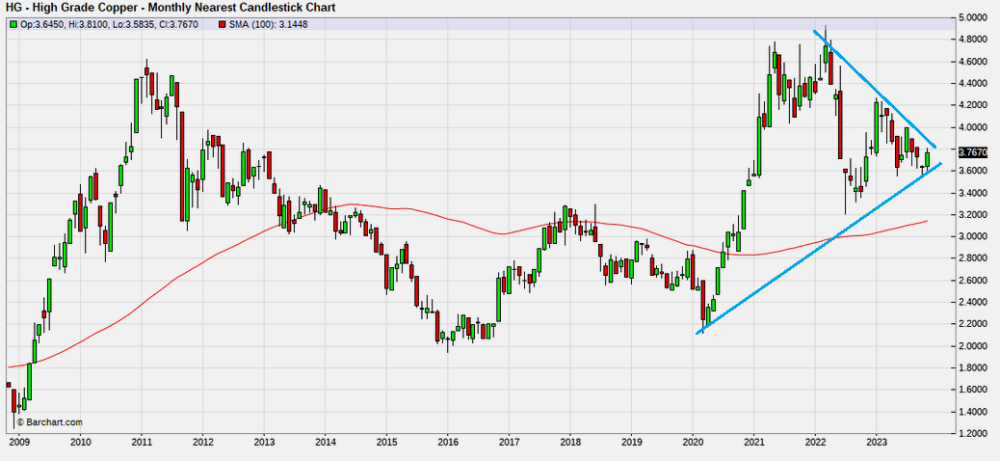
I ask myself a critical question: “How can investors take the new clean energy source metal (uranium) and the energy storage metal (lithium) to record highs and leave the metal necessary in the transmission of electricity (copper) behind and in a bear market?”

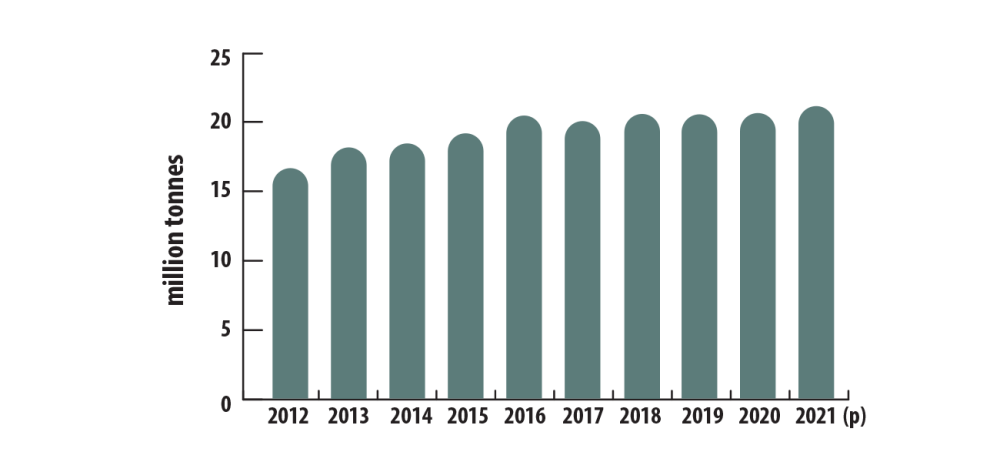
They say copper is responding to the prospect of lower growth brought about by higher interest rates. They point to debt-ridden property giants in China curtailing purchases typically intended for new construction projects as the reason that there was a 50% increase in LME inventories last month. Yet, looming behind all of this short-term noise are reports from the IEA and the International Copper Association that project a 26% increase in supply by 2035, which is sharply below the 50% increase in anticipated demand.

From my vantage point, you cannot have large sovereigns stockpiling uranium and lithium today while ignoring copper because of the short-term cacophony of possible price restraints. If the world fails to revise the permitting process allowing the unimpeded construction of new, high-capacity copper mines, there is going to be a problem. More importantly, if the capital markets continue to treat copper like the freckle-faced, misbehaving brat in the corner of the classroom, investors will continue to be wary of making new investments in junior exploration and development companies that are always the originators of the world’s new “discoveries of merit” that grow to supply the world with the ores so critical to the human condition.

This is precisely why it all must change, and that change will begin with a turn in the price trend for copper. I have never been able to hear the crack of a starter’s pistol at the beginning of a bull market, and I doubt that there will be anything closely resembling one this time around. However, it seems to me, as plain as the nose on one’s face, that copper will be in shortage conditions between now and 2025 with the severity growing exponentially as the fifty-seven nuclear reactors currently under construction around the world are fired up.

Gold (and Silver)!

After major rallies in gold or stocks or Bitcoin or anything, for that matter, the Twitterverse is always littered with thousands of tweets by individuals taking credit for calling the exact bottom. Well, for gold, here is the chart I posted on October 3, the day before VanEck Gold Miners ETF (GDX:NYSEARCA:) bottomed into an RSI of 26.79 and a price of US$25.62. Thirteen days later, and at 11:29 this morning, it hit US$30.16.

It was a superb call but one that has been very rare in this bear market year.

As the saying goes: “You have to be good to be lucky (and vice-versa)…”

SPDR Gold Shares ETF (GLD:NYSE) was bought at US$172.50 on Canadian Thanksgiving Monday with the GLD December US$170 calls bought on a scale-in order during the week of October 9-12.

I backed away from the Friday gap and instead filled the final 20% into the Monday pullback resulting in an average price of CA$7.78 per contract. This morning, the GLD:US exploded up into overhead resistance with a print up to US$185.23 but I established a target price of US$184.00 and told subscribers that only a move through that level — the July highs — would take the RSI into “overbought” conditions, which it did, on a move to 71.52 before backing off.

The Twitterverse was inundated with words like “shenanigans,” “slammies,” and “manipulations,” but the reality was that gold was simply overbought this morning, and because of that, I put out “Sell” on the remaining 50% at US$16.00 which when added to the US$14.75 I got yesterday, gave me an average sell price of US$15.375 versus the average cost of US$7.78 resulting in a 97.6% return in under two weeks.

I put out a note this morning that showed this chart:

You will notice that gold moves in an inverse direction to interest rates, and that is not really much of a surprise to anyone who follows the gold market. You can see how gold went into a prolonged decline at the exact point where the 10-year yield started its ascent from the 3.30% level back in April, but in and around the start of October, that negative correlation ended, and gold and yields have been rising in tandem ever since.

Now, everybody with a keyboard and a Twitter membership has been explaining in torrid detail the reasons for gold’s explosive move, but if there is one thing about gold that the “younguns” do not seem to grasp, it is that gold, unlike everything else on the planet, has an uncanny predictive ability. The reasons it goes up or down are usually only revealed later and are never the reasons given on Kitco or anywhere else in the mainstream media, for that matter.

Gold moved up US$60 per ounce on Friday, October 6, giving rise to speculation that someone was “front-running” knowledge of the impeding Hamas invasion. When gold bottomed in mid-March 2020, neither the global central bankers nor the elected leaders had said anything about trillion-dollar bailouts or helicopter cash drops to households around the world.

Gold sniffed it out and it was only months later, after it had rallied from US$1,450 to US$2,089 that the world learned of the sheer magnitude of the monetary and fiscal stimulus packages that were thrown with reckless abandon at what turned out to be a nasty little flu bug and not the second coming of Ebola or the Bubonic Plague.

Something has changed in the gold market, and I am the first to admit that I know not of its origin. All I know is that when gold moves in a manner that is unorthodox, all I can do is apply my rudimentary knowledge of technical analysis coupled with ample doses of prayer, rabbit’s feet, four-leaf clovers, and Haitian Death Chants and hope to hell that I am on the right side.

Gold goes wherever it wants to go. If we are lucky, we find out the reason weeks or months later.

Notice how silver was lagging gold through the last six months, down 14.77% to gold’s 5.47% decline.

Suddenly and with little warning, silver started to outperform gold, and as one of my most reliable indications of the health (or frailty) of any bull market in the precious metals, the silver market is now officially ahead of gold for the October monthly performance.

If this continues into month-end and on into November, I expect to see gold at new all-time highs and silver well into the US$30s. I am not yet adding to my silver miners, having added Norseman Silver Ltd. (NOC:TSX.V; NOCSF:OTCQB) earlier in the month, but they are now officially on my radar screen, starting with Pan American Silver Corp. (PAAS:TSX; PAAS:NASDAQ) as a possible option play.

Stocks

I own a modest position in the SPDR S&P 500 ETF (SPY:NYSE) and told everyone this week that while I am betting on a year-end rally to take the SPY:US to between US$452 and US$457, my abort button is programmed to activate the moment the U.S. 10-year prints 5.25%.

It went out at 4.917% after trading up to 4.999% this morning. If this spike in long rates does not soon abate, I cannot see stocks mounting an advance into year-end and fear a 2018-type decline instead, which would not be fun.

The week ended with me enjoying something that has been annoyingly elusive in 2023. It is called a “capital gain“. If it were not for some fortuitous trades in the SPDR S&P 500 ETF (SPY:NYSE) and GLD:US markets this year, I would be lamenting a pitiable performance in many of the junior miners I own.

To be absolutely clear, I do not need to hear that I should not worry “because everyone else has been demolished, too,” as a panacea for my junior gold and silver portfolio. The next time I hear that insincere babble, I am reaching for my Louisville Slugger that stays at all times beside my Hockey-Night-in-Canada chair with the vibrating backrest.

Forewarned is forearmed…


Important Disclosures:

  1. Norseman Silver Ltd. is a billboard sponsor of Streetwise Reports and pays SWR a monthly sponsorship fee between US$4,000 and US$5,000.
  2. As of the date of this article, officers and/or employees of Streetwise Reports LLC (including members of their household) own securities of Norseman Silver Ltd. and Pan American Silver Corp.
  3. Michael Ballanger: I, or members of my immediate household or family, own securities of: All. I determined which companies would be included in this article based on my research and understanding of the sector.
  4. Statements and opinions expressed are the opinions of the author and not of Streetwise Reports or its officers. The author is wholly responsible for the validity of the statements. The author was not paid by Streetwise Reports for this article. Streetwise Reports was not paid by the author to publish or syndicate this article. Streetwise Reports requires contributing authors to disclose any shareholdings in, or economic relationships with, companies that they write about. Streetwise Reports relies upon the authors to accurately provide this information and Streetwise Reports has no means of verifying its accuracy.
  5.  This article does not constitute investment advice. Each reader is encouraged to consult with his or her individual financial professional. By opening this page, each reader accepts and agrees to Streetwise Reports’ terms of use and full legal disclaimer. This article is not a solicitation for investment. Streetwise Reports does not render general or specific investment advice and the information on Streetwise Reports should not be considered a recommendation to buy or sell any security. Streetwise Reports does not endorse or recommend the business, products, services or securities of any company.

For additional disclosures, please click here.
Michael Ballanger Disclosures

This letter makes no guarantee or warranty on the accuracy or completeness of the data provided. Nothing contained herein is intended or shall be deemed to be investment advice, implied or otherwise. This letter represents my views and replicates trades that I am making but nothing more than that. Always consult your registered advisor to assist you with your investments. I accept no liability for any loss arising from the use of the data contained on this letter. Options and junior mining stocks contain a high level of risk that may result in the loss of part or all invested capital and therefore are suitable for experienced and professional investors and traders only. One should be familiar with the risks involved in junior mining and options trading and we recommend consulting a financial adviser if you feel you do not understand the risks involved.

Mid-Week Technical Outlook: Commodities & Indices

By ForexTime 

  • Crude falls below 50-day SMA
  • Brent wobbles above $88
  • SPX500_m slips below 200-day SMA
  • NQ100_m back within range

Asian markets rose on Wednesday after Chinese authorities approved a whopping 1 trillion yuan in government bonds to support its economy.

In Europe, shares slipped despite the positive mood from Asia as investors focused on a slew of mixed earnings reports from the region. Looking at currencies, the dollar remains steady ahead of a speech by Fed Chair Jerome Powell while the euro is struggling for direction as the ECB meeting looms. Regarding commodities, oil prices remain under pressure amid concerns over weak European demand with Brent wobbling above $88 as of writing.

This has been an incredibly eventful week for markets thus far as the combination of geopolitical risk, top-tier economic data, and corporate earnings influence sentiment.

Given the ongoing geopolitical risks and slew of corporate earnings this week, our focus falls on commodities & indices today.

WTI Crude falls below 50-day SMA

Oil bears are drawing strength from concerns over weak European demand and cautious optimism over the Israel-Hamas conflict not spreading to other regions.

The global commodity has shed almost 5% this week with prices trading below $85 as of writing. Although technical indicators are slowly shifting in favour of bears, bulls remain protected by a couple of key support levels.

  • Sustained weakness below the 50-day SMA may encourage a decline toward $81.10 where the 100-day SMA resides.
  • Should prices push back above $86.40, this could trigger an incline towards $88.40 and $91.00, respectively.

Brent wobbles above $88

Brent remains under pressure on the daily charts with bears grinding into the $88 support level. With prices already trading below the 50-day SMA and the MACD trading below zero, further downside could be on the cards.

  • A strong breakdown below $88.00 may open a path toward $85.30 and $83.00 respectively.
  • If prices can keep above $88.00, this could trigger a rebound back above the 50-day SMA before bulls target $94.10.

SPX500_m slips below 200-day SMA

The SPX500_m could experience a major breakdown if prices fail to push back above the 200-day SMA at 4250.

Prices are already bearish on the daily charts as there have been consistently lower lows and lower highs, the index is respecting a bearish channel while the MACD trades below zero. With earnings season in full force, the next few days and weeks promise to be eventful for the SPX500_m.

  • A solid daily close below 4210 may spark a selloff towards levels not seen since May 2023 at 4140.
  • Should prices push back above the 200-day SMA, prices could push higher towards 4332.

NQ100_m back within a range

This may be a big week for the NQ100_m as the biggest names in tech announce their earnings this week. Prices seem to be trapped within a range with support at 14550 and resistance at 14900. A major breakout could be on the horizon with the right fundamental spark.

  • Should prices secure a solid daily close below 14550, this may open the doors towards 14250.
  • A move back above 14900 could inspire bulls to challenge the 50 and 100-day SMA before testing 15300.


Forex-Time-LogoArticle by ForexTime

ForexTime Ltd (FXTM) is an award winning international online forex broker regulated by CySEC 185/12 www.forextime.com

Warning: The anti-ESG movement could hit your wealth

By George Prior 

The backlash against ESG – the use of environmental, social, and governance factors in investing – could hit your wealth, warns the CEO and founder of one of the world’s largest independent financial advisory, asset management and fintech organizations.

The warning from Nigel Green of deVere Group comes as the IEA’s World Energy Outlook for 2023 published on Tuesday reveals that demand for oil, coal and natural gas is set to peak by 2030.
It also follows findings from a separate report published in the journal Nature Communications that damage from the global climate crisis has amounted to $391 million per day over the past two decades.

The deVere CEO says: “The International Energy Agency’s World Energy Outlook shows that there’s a major evolution taking place in how the planet is powered. From 2030, oil, coal and natural gas will play a significantly less dominant role.

“The unprecedented rise of clean energy technologies, including wind, solar, heat pumps and electric cars, will play a vital role.

“Yet despite this evidence that cleaner energy is the future – and, therefore ,should be uncontroversially appealing to investors – the anti-ESG movement is real and is growing.”

In a recent survey by The Conference Board of more than 100 large US companies, almost half said they have already “experienced ESG backlash”, and 61% anticipate it to continue or intensify over the next two years.

“Much of this has been focused on the financial industry, and large asset managers in particular, which means that your investments could be being repositioned away from ESG.  This, we believe, could have a longer-term, detrimental impact on your wealth.”

Nigel Green continues: “Anti-ESG proponents, including some financial advisors, often argue that ESG investing is just a trend that will eventually fizzle out. However, the data suggests otherwise.

“The growing emphasis on ESG factors is not just a fleeting fashion, but rather a reflection of changing market dynamics and consumer preferences. Ignoring these shifts would put a company’s stock performance at risk – and therefore, potentially, your investments.”

“Anti-ESG proponents may encourage you to miss out on profitable investment opportunities. Numerous studies have shown that companies with strong ESG performance often outperform their peers. Ignoring this data may lead to missed opportunities for portfolio growth,” he notes.

One of the primary drivers of ESG investing is risk mitigation. “Companies that perform well in ESG criteria tend to be better prepared to navigate a range of challenges, from environmental disasters to social controversies.  Again, if you overlook these considerations, you may find your investment portfolio vulnerable to unforeseen risks that can lead to financial losses.”

An undeniable fact is that governments and regulatory bodies are increasingly recognising the importance of ESG factors. Ignoring ESG criteria can expose companies – and therefore their investors – to regulatory risks, including fines and legal liabilities associated with non-compliance with evolving ESG regulations.

Nigel Green concludes: “The anti-ESG movement – which is alive and well and becoming increasingly powerful – fails to see the bigger, longer-term picture.

“Our concern is that people will be coerced into this narrow, backward-looking view and miss out on major opportunities that could negatively affect their prospects for growing and safeguarding their wealth.”

About:

deVere Group is one of the world’s largest independent advisors of specialist global financial solutions to international, local mass affluent, and high-net-worth clients.  It has a network of offices across the world, over 80,000 clients and $12bn under advisement.