Lithium Developer Lands Spot in US-Japan Critical Minerals Partnership

Source: Streetwise Reports (4/8/26) 

Atlas Lithium Corp.’s (ATLX:NASDAQ) Neves Project in Brazil is being considered for financial backing by Japan and the U.S. governments.

Atlas Lithium Corp. (ATLX:NASDAQ) announced that its wholly-owned Neves Project in Brazil’s Lithium Valley has been highlighted in the Joint Fact Sheet for Japan-U.S. Critical Minerals Project Cooperation, according to a release on April 2.

This document, unveiled on March 20, by Japan’s Ministry of Economy, Trade, and Industry in collaboration with the Ministry of Foreign Affairs of Japan, marks the Neves Project as the sole Brazil-based lithium initiative recognized in this context. The full document can be accessed online.

The Fact Sheet indicates that the governments of Japan and the United States are contemplating financial backing for the development of the Neves Project. This announcement follows closely on the heels of the U.S.-Japan Critical Minerals Investment Ministerial, which took place on March 14 in Tokyo involving key U.S. departments and Japan’s METI. Additionally, it comes after a summit on March 19 between Japan’s Prime Minister Sanae Takaichi and U.S. President Donald Trump. Both nations have committed to an action plan aimed at fortifying the secure and diversified supply chains of critical minerals, building on a prior agreement signed in Tokyo on October 28, 2025.

“The inclusion of the Neves Project in the Japan-U.S. Critical Minerals Joint Fact Sheet, with both the U.S. and Japanese governments considering financial support for our project, is a powerful recognition of the strategic value of our assets and the progress that our team has achieved,” Atlas Lithium Chief Executive Officer and Chairman Marc Fogassa said. “Together with our strategic partner Mitsui & Co., we remain focused on bringing the Neves Project into production and supplying high-quality lithium concentrate to the global market. We are also proud of working with the local communities in bringing progress to an economically disadvantaged area of Brazil.”

The Joint Fact Sheet lists several projects that could enhance the critical minerals supply chain, including Atlas Lithium’s Neves Project. This inclusion is significant, especially considering Atlas Lithium’s strategic partnership with Mitsui & Co., Ltd., a major Japanese trading and investment entity. In March 2024, Mitsui invested US$30 million in Atlas Lithium shares and secured an offtake agreement to purchase lithium concentrate from the Neves Project, thereby linking the project directly to Japan’s industrial sectors.

Fraser Institute Jurisdiction Rating
Atlas Lithium Corp.

Brazil
(last modified 02/27/26)
Friendly Policies 75.17%
Best Practices Mineral Potential Index 77.78%
Socioeconomic Agreements/Community Development Conditions, aka Safety 25%
Political Stability 15%

Data from the Fraser Institute’s Mining Survey

Co. Takes ‘Critical Step’ Toward Production

In December 2025, the company announced that it is nearing the end of its search for a project management and construction supervision service provider for Neves. Situated in Minas Gerais, the Neves Project stands as Atlas Lithium’s premier lithium development endeavor, bolstered by a Definitive Feasibility Study with world-class project economics.

Atlas Lithium is in the process of selecting a firm that will oversee the planning, coordination, monitoring, and control of all construction activities at the site. This firm will ensure that the project adheres to the predetermined schedule, budget, scope, quality, safety, and performance standards. The company said it undertook a thorough evaluation process, reviewing five potential firms based on their technical expertise, experience with Brazilian mining projects, and their proposed management systems.

Vice President of Engineering and Project Management Officer Eduardo Queiroz emphasized the importance of this partnership, stating, “securing a top-tier project management partner is a critical step in our disciplined approach to making Atlas Lithium a producer of lithium concentrate in short order.” He further noted, “With our processing plant already in Brazil and key permits in place, we are methodically advancing toward production while maintaining our focus on cost discipline and schedule optimization.”

The lithium processing plant mentioned by Queiroz has already arrived in Brazil and is is now ready for assembly. Following assembly, pre-operational testing is expected to commence. Atlas Lithium anticipates finalizing the contract with the chosen project management firm early in 2026.

Furthermore, Atlas Lithium has secured all necessary permits for the Neves Project, which include installation, mining concession, water use rights, and vegetation clearance authorizations. The project plans to implement 100% dry-stacking for waste management, thereby eliminating the need for a tailings dam, and aims to recirculate over 95% of its process water, highlighting its commitment to sustainable mining practices.

Analyst: Co. Well-Capitalized to Achieve Commercial Production

On March 17, 2026, H.C. Wainwright & Co. analyst Heiko F. Ihle, CFA, maintained a Buy rating on Atlas Lithium and increased his price target from US$12.00 to US$12.50. Ihle cited the ongoing reduction of risks at Neves and the company’s advantageous cost structure as primary factors for the adjustment.

Ihle described 2026 as a crucial year for Atlas Lithium, noting the company’s focus on initiating Phase 1 of production at Neves, which includes the construction of a 150,000 tonne-per-year modular Dense Media Separation (DMS) plant. He mentioned that the company is transitioning from procurement to actual plant assembly and is also working on expanding its permits following a technical report in August 2025.

The analyst pointed out that Atlas Lithium appears well-capitalized to achieve commercial production in the near future, with a significant cash reserve and a manageable debt level. He also emphasized the company’s appeal as a potential merger and acquisition target due to its low projected operating costs and strategic location in Brazil’s “Lithium Valley.”

Ihle’s revised price target of US$12.50 is based on an increased net asset value (NAV) multiple, reflecting the project’s de-risking and a comprehensive valuation model that includes comparisons and financial projections. He highlighted the company’s strategic partnerships and off-take agreements as indicators of ongoing industry interest.

Finally, Ihle noted potential risks, including fluctuations in commodity prices, technical challenges in resource definition, and construction costs, which could impact the project’s progress and financial outcomes.

The Catalyst: AI Pushing Demand Worldwide

The AI industry’s expansion is significantly driving up the demand for lithium, primarily due to the increased need for lithium-iron phosphate batteries in data centers, according to Ivan Castano writing for Open Markets on March 18

These batteries are essential for maintaining a stable energy supply, crucial for operations like training large language models which consume substantial amounts of power. Unlike the smaller lithium-ion batteries used in EVs, these larger units are integral to Battery Energy Storage Systems (BESS). These facilities are becoming more common across the U.S. and globally, storing energy from renewable sources or the grid and releasing it during peak demand or power outages, thus ensuring continuous power supply to data centers.

The systems are also beneficial for solar energy providers, allowing them to store excess energy produced during peak sunlight and sell it in the evening, thereby stabilizing their income despite the intermittent nature of solar power. This shift is causing the lithium demand for energy storage to outpace that of the EV market. According to Benchmark Minerals Intelligence, last year saw a 51% increase in BESS demand compared to a 26% rise for EVs, although EVs still make up about 75% of the global battery demand.

Streetwise Ownership Overview*

Atlas Lithium Corp. (ATLX:NASDAQ)

Retail: 47%
Insiders & Management: 26%
Institutional: 20%
Strategic Investors: 7%


*Share Structure as of 4/8/2026


The market dynamics are shifting from an oversupply and lower prices to a scenario of scarce supply and rising prices, lifting lithium out of a three-year price dip. Prices have soared 120% over the past six months, with significant fluctuations such as a 46% price spike in January due to low inventories before the Chinese New Year. Andy Leyland, founder of SC Insights, predicts a tightening market, stating, “The market is looking pretty strong,” and anticipates a 24% demand increase versus a 19% supply increase by 2026. This growing market tightness is mirrored in the futures market, where there is a noticeable shift towards using CME Group Lithium futures as a risk management strategy, reflecting the industry’s need to hedge against price volatility amid supply disruptions and the EV industry’s evolving purchasing strategies.

In 2025, the global lithium market was valued at approximately US$32.38 billion and is projected to expand to US$96.45 billion by 2033, advancing at a compound annual growth rate (CAGR) of 14.5% from 2026 to 2033, Grand View Research reported.

This growth is largely driven by the increasing adoption of electric vehicles (EVs), which rely heavily on lithium-ion batteries. The automotive sector, in particular, is expected to see robust growth due to stringent government regulations aimed at reducing carbon dioxide emissions from internal combustion engine vehicles, pushing automakers towards EV production.

Ownership and Share Structure1

As for ownership and share structure, management owns approximately 26% of Atlas Lithium common shares. Strategic partner Mitsui & Co. Ltd. has 7%. Numerous institutions hold 20%. Retail investors own the rest.

Atlas Lithium has 27.7 million shares outstanding. Its market cap is ~US$130 million. Its 52-week range is US$3.54–8.25 per share.


Important Disclosures:

  1. Atlas Lithium Corp. is a billboard sponsor of Streetwise Reports and pays SWR a monthly sponsorship fee between US$3,000 and US$6,000.
  2. As of the date of this article, officers, contractors, shareholders, and/or employees of Streetwise Reports LLC (including members of their household) own securities of Atlas Lithium Corp.
  3. Steve Sobek wrote this article for Streetwise Reports LLC and provides services to Streetwise Reports as an employee.
  4. This article does not constitute investment advice and is not a solicitation for any investment. Streetwise Reports does not render general or specific investment advice and the information on Streetwise Reports should not be considered a recommendation to buy or sell any security. Each reader is encouraged to consult with his or her personal financial adviser and perform their own comprehensive investment research. By opening this page, each reader accepts and agrees to Streetwise Reports’ terms of use and full legal disclaimer. Streetwise Reports does not endorse or recommend the business, products, services or securities of any company.

For additional disclosures, please click here.

1. Ownership and Share Structure Information

The information listed above was updated on the date this article was published and was compiled from information from the company and various other data providers.

Oil prices have once again approached 100 dollars per barrel

By JustMarkets 

By the end of the day, the Dow Jones (US30) rose by 0.52%. The S&P 500 (US500) gained 0.62%. The tech‑heavy NASDAQ (US100) closed up 0.72%. The main driver of optimism was news that Israel is willing to consider negotiations with Lebanon. This eased investor fears of the entire region being dragged into a full‑scale war and allowed markets to enter a phase of confident consolidation near recent highs. Despite the positive sentiment on Wall Street, the overall atmosphere remains tense. Oil prices, once again surging toward 100 dollars per barrel, serve as a constant reminder that the Strait of Hormuz is still at risk of a complete blockade.

On Thursday, European stock Indices closed in the red, giving back part of Wednesday’s record rally. By the end of the day, Germany’s DAX (DE40) fell by 1.14%, France’s CAC 40 (FR40) declined by 0.22%, Spain’s IBEX 35 (ES35) slipped by 0.15%, and the UK’s FTSE 100 (UK100) closed down 0.05%. The shift in sentiment came after reports that the two‑week ceasefire between the US and Iran had already begun to crack. Tehran accused Washington of violating the terms of the truce, reigniting fears of renewed attacks on tankers in the Persian Gulf and a prolonged energy shortage.

Silver prices posted a strong rally, reaching 74.5 dollars per ounce. This rise reflected investor reaction to the critical instability of the 14‑day ceasefire between the US and Iran. Amid the renewed disruption in the Strait of Hormuz and a sharp spike in oil prices to 99 dollars, silver regained its appeal as a safe‑haven asset. An additional driver was the weakening US dollar, which made precious metals more attractive for holders of other currencies.

The oil market was hit by a new wave of volatility: WTI prices jumped nearly 5%, reaching 99 dollars per barrel. This sharp rise almost erased the previous day’s optimism and followed reports that the two‑week ceasefire announced by Donald Trump was on the verge of collapse. Traders reacted instantly to news of increased military activity near the Strait of Hormuz and delays in tanker traffic, which brought the risk premium back into the market. Prices also received fundamental support from OPEC+, which reaffirmed its commitment to production cuts, and from fresh US data showing an unexpected decline in commercial crude inventories.

On Friday, US natural‑gas prices held at 2.67 dollars per MMBtu, the lowest level in a year and a half. While the oil market is shaken by uncertainty in the Middle East, the US gas sector shows remarkable resilience. The main pressure on prices comes from domestic fundamentals: oversupply and unseasonably warm weather, which meteorologists expect to persist across most of the US at least until April 24. The latest EIA report confirmed bearish concerns: gas inventories rose by 50 billion cubic feet for the week, exceeding market expectations.

In Asia, Japan’s Nikkei 225 (JP225) fell by 0.73%, China’s FTSE China A50 (CHA50) declined by 0.61%, Hong Kong’s Hang Seng (HK50) dropped by 0.54%, while Australia’s ASX 200 (AU200) gained 0.24%.

The Australian dollar confidently held above 0.707 USD, reaching a three‑week high. The currency is on track for its strongest weekly gain since mid‑January, supported by a temporary improvement in global risk appetite following the announcement of the two‑week ceasefire. Since the aussie is traditionally viewed as a barometer of global market sentiment, the decline in demand for the safe‑haven US dollar and hopes for de‑escalation in the Middle East provided strong support. Despite the optimism, the backdrop remains extremely tense due to the situation in the Strait of Hormuz. If direct negotiations with the Iranian delegation fail and the blockade persists, global supply chains could be hit hard – instantly cooling demand for risk assets such as the Australian dollar.

S&P 500 (US500) 6,824.66 +41.85 (+0.62%)

Dow Jones (US30) 48,185.80 +275.88 (+0.58%)

DAX (DE40) 23,806.99 −273.64 (−1.14%)

FTSE 100 (UK100) 10,603.48 −5.40 (−0.05%)

USD Index 98.83 −0.31 (−0.31%)

News feed for: 2026.04.10

  • Japan Producer Price Index (m/m) at 02:50 (GMT+3) – JPY (MED)
  • China Consumer Price Index (q/q) at 04:30 (GMT+3) – CHA50, HK50 (MED)
  • China Producer Price Index (q/q) at 04:30 (GMT+3) – CHA50, HK50 (MED)
  • Norway Inflation Rate (m/m) at 09:00 (GMT+3) – NOK (MED)
  • Canada Unemployment Rate (m/m) at 15:30 (GMT+3) – CAD (MED)
  • US Consumer Price Index (m/m) at 15:30 (GMT+3) – USD, XAU (HIGH)
  • US Michigan Consumer Sentiment (m/m) at 17:00 (GMT+3) – USD (MED)

By JustMarkets


This article reflects a personal opinion and should not be interpreted as an investment advice, and/or offer, and/or a persistent request for carrying out financial transactions, and/or a guarantee, and/or a forecast of future events.

USD/JPY: Yen Fared Better, but Energy Rally Not Over

By Analytical Department RoboForex

USD/JPY traded at 159.16 on Friday. The yen is retreating slightly but appears less weak than previously, amid a two-week truce between the US and Iran. The decline in oil prices following the announcement of the truce has partially reduced stagflationary risks and provided some support to the Japanese currency.

Investor focus is on the upcoming talks in Islamabad, where Vice President JD Vance will lead the US delegation. Meetings with the Iranian side are expected to clarify the prospects for further de-escalation.

However, sentiment remains subdued. Continued strikes in the region and ongoing disruptions in the Strait of Hormuz continue to put the fragile truce at risk, driving ** market uncertainty.

The yen has remained under pressure since the conflict began, losing approximately 2%. Investors are factoring in rising energy prices, which add to inflationary pressures while dampening Japan’s growth outlook.

The market is now awaiting signals from Bank of Japan Governor Kazuo Ueda ahead of the 28 April meeting, which could set the future direction of monetary policy.

Technical Analysis

On the H4 USD/JPY chart, the market is forming a consolidation range around the 158.85 level, currently extending up to 159.30. A move higher towards 159.85 (testing from below) is expected today. Subsequently, a potential decline towards the 157.72 level will be considered. Technically, this scenario is confirmed by the MACD indicator, whose signal line is below zero and pointing upwards from low levels.

On the H1 chart, the market is forming a wave of growth towards the 159.82 level. A wave extension to the 160.00 level is possible. Thereafter, a downward wave to at least 158.85 is expected. Technically, this scenario is confirmed by the Stochastic oscillator, with its signal line below the 80 level and pointing strictly downwards.

Conclusion

USD/JPY has stabilised as the yen shows tentative signs of recovery, benefiting from the temporary truce between the US and Iran and the resulting pullback in oil prices. However, the fragility of the ceasefire – underscored by continued strikes and disruptions in the Strait of Hormuz – means that energy-driven risks remain very much alive. The yen has lost approximately 2% since the conflict began, and market attention now turns to upcoming diplomatic talks in Islamabad and BOJ Governor Ueda’s signals ahead of the 28 April policy meeting. Technically, a short-term bounce in USD/JPY appears likely, but the broader trajectory will depend on whether de-escalation holds or tensions reignite.


Disclaimer

Any forecasts contained herein are based on the author’s particular opinion. This analysis may not be treated as trading advice. RoboForex bears no responsibility for trading results based on trading recommendations and reviews contained herein.

Water conservation works, but climate change is outpacing it: Phoenix, Denver and Las Vegas offer a glimpse of the future

By Renee Obringer, Penn State and Dave White, Arizona State University 

When a drought turns into an urban water crisis, a city’s first step is often to limit lawn watering and launch a campaign to encourage everyone to conserve. It might raise water-use rates or offer incentives for installing low-flow devices.

While demand management techniques like these have had a lot of success in reducing water use, our new research suggests that they may not be effective enough in the face of climate change.

We looked at three cities in the Colorado River Basin – Phoenix, Las Vegas and Denver – to understand what each could do to increase demand management amid water shortages and how far those methods could go as temperatures rise and the Colorado River’s flow weakens.

The results suggest the region needs to be thinking about bigger solutions.

Colorado River states’ immediate challenge

The Colorado River provides drinking water to nearly 40 million people and irrigation for over 5.5 million acres of cropland. But it has experienced a significant drop in water availability in recent decades due in part to rising demand for water and a long-running megadrought in the Southwest.

To ensure that water is shared across boundaries, the seven states within the basin agreed to the Colorado River Compact in 1922, setting limits on water withdrawals from the river. Since then, the region has adopted additional rules, agreements and policies, collectively termed the “Law of the River.” But despite this compact, which the states are renegotiating in 2026, the basin’s water supply is shrinking.

Research shows that the region is likely to experience more intense, frequent droughts that last longer due to climate change, putting the water supplies for farms, people and energy systems at risk.

As researchers who study the impact of climate change on water systems, we wanted to see if demand management techniques could help under these intensifying conditions.

Getting people involved can change attitudes

Many demand management policies are reactive and only go into effect when sources run low.

These reactive policies can be successful during the scarcity period, but there is often a rebound effect: Water consumption can actually increase afterward.

We integrated survey data with a computer model of water availability and demonstrated that there can be long-term benefits to the local water supply if communities encourage positive attitudes toward conservation.

The survey focused on how people think about water conservation and climate change, drawing on a large body of research that shows people who care about the environment often take eco-friendly actions. Building off these ideas, we segmented the population into groups that shared similar views on water conservation and found that a large proportion of residents supported water conservation but weren’t actively participating in conservation programs within their communities.

We then used the computer model to explore how changing attitudes, and subsequent conservation behavior, could affect water supplies under climate change.

When participatory demand management works

Our research shows that individual actions, when implemented by a lot of people, can measurably improve water supplies’ reliability.

A great example of the benefits of long-term behavioral changes is Las Vegas.

Las Vegas is in many ways viewed as a city of excess; however, since 2002, the city has reduced its per-capita water use by nearly 60%, even as the population grew by more than 50%. It reached these savings through efforts to reduce seasonal irrigation, replace water-intensive landscaping and require new developments to be sustainable, along with the treatment and reuse of wastewater. Today, Las Vegas recycles nearly all of the water used indoors and returns it to Lake Mead.

Phoenix, another desert city, also runs successful conservation programs. These programs focus on converting grass lawns to desert-friendly landscaping and encouraging owners to fix leaks and install smart meters and low-flow devices. These programs led to a 20% reduction in water use over 20 years, while the population grew by about 40%.

Demand management is not always enough

These cities have shown that demand management can work, but there are limits on how much these techniques can do as water supplies dry up.

When we added projections of future climate change to our model, we found that conditions could lead to so little water being available that these demand management methods won’t be able to keep up.

In other words, climate change may create situations where water supplies are still severely limited, even after people reduced their consumption by up to 25%.

For example, under a plausible, moderately high emissions scenario, Phoenix’s available surface water supply was forecast to drop below the historical average by 2060. Even when we simulated higher participation in conservation programs, there was no noticeable change in the water availability, suggesting that any savings from reducing demand were counteracted by losses from upstream flow reductions. Encouraging people to use less water is a start, but there is a limit to how much people can conserve.

We found similar results in Denver under a moderate emissions scenario and in Las Vegas under a moderately high emissions scenario, indicating that even moderate climate change could lead to extreme scarcity conditions that are not manageable through demand-side changes alone.

What else cities can do

In these cases, it may be necessary to find other creative water sources, such as water reuse, desalination or limiting consumption in other sectors, such as agriculture or energy, to maintain the municipal supply.

These solutions, however, take time and money to implement. Desalination is incredibly expensive. A recently built desalination plant in Carlsbad, California, cost US$1 billion – four times the initial estimate.

Other solutions, such as reducing agricultural water use, require significant buy-in from local farmers and could result in producing less food.

Reducing the water consumed for electricity generation would require significant investment in renewable energy technologies that have lower water requirements than fossil fuels and nuclear energy.

While large-scale solutions like water reuse systems and desalination can be expensive, these costs might be necessary to maintain adequate water supply in the region, because simply encouraging people to use less won’t be enough.The Conversation

About the Authors:

Renee Obringer, Assistant Professor in the Earth and Environmental Systems Institute, Penn State and Dave White, Director of the Global Institute of Sustainability and Innovation, Arizona State University

This article is republished from The Conversation under a Creative Commons license. Read the original article.


Stock indices surged sharply amid the 14‑day ceasefire in the Middle East

By JustMarkets 

On Wednesday, the US stock indices staged a historic rally: the Dow Jones jumped more than 1,300 points, marking its best performance in a year. Investors ignored the Federal Reserve’s warnings about stagflation risks and focused instead on what many called a “diplomatic miracle” – the White House’s readiness for direct negotiations with Iran. By the end of the day, the Dow Jones (US30) rose by 2.58%. The S&P 500 (US500) gained 2.51%. The tech‑heavy Nasdaq (US100) closed up 2.80%. Despite ongoing pockets of conflict in Lebanon and the Persian Gulf, the market appears confident in the stability of the 14‑day ceasefire. The artificial‑intelligence and airline sectors were the biggest winners of the day. Shares of giants such as Nvidia, Tesla, and Meta surged between 4% and 10%, as falling oil prices and stabilizing bond yields restored investor appetite for risk assets.

The minutes of the March FOMC meeting confirm that the Federal Reserve has shifted into a mode of “heightened readiness.” The introduction of a two‑sided formulation in the rate discussion is a clear signal to markets: the Fed no longer guarantees that the next move will be a cut. Previously, investors debated only the timing of policy easing; now the hawkish wing openly acknowledges the possibility of additional hikes if inflationary pressures, fueled by geopolitics, fail to ease. The fact that most participants see risks to both prices and employment underscores the real threat of stagflation.

The Canadian dollar (CAD) strengthened confidently, reaching 1.38 per US dollar amid a broad retreat of the greenback. Paradoxically, the loonie managed to rise even as WTI crude prices collapsed due to news of the temporary ceasefire and the reopening of the Strait of Hormuz. Normally, falling oil prices drag the Canadian currency lower, but this time the sharp drop in the US dollar index to a four‑week low proved to be the dominant factor, giving the loonie a net gain for the session. However, the Canadian dollar still looks weaker than currencies such as the Australian dollar and the British pound, which are less dependent on the energy sector and recover more quickly when risk appetite returns. For the Bank of Canada, the current situation creates a complex backdrop: a stronger currency helps contain imported inflation, but a sharp decline in oil revenues could negatively affect the country’s trade balance in the long run.

On Wednesday, European markets experienced a true triumph: indices soared to monthly highs. By the end of the day, Germany’s DAX (DE40) rose by 5.06%, France’s CAC 40 (FR40) gained 4.49%, Spain’s IBEX 35 (ES35) climbed 3.94%, and the UK’s FTSE 100 (UK100) closed up 2.51%. The decisive factor was the 14‑day ceasefire between the US and Iran, which allowed the partial reopening of the Strait of Hormuz. The sharp drop in oil and natural‑gas prices in Europe became a powerful catalyst for the industrial and banking sectors. Lower energy costs immediately improved margin outlooks for giants such as Siemens, Safran, and Schneider, whose shares surged more than 10%. The banking sector, represented by Santander, UniCredit, and BNP Paribas, gained around 8% amid bond‑market stabilization and falling yields.

The Swiss franc (CHF) strengthened to 0.789 per US dollar, reaching a two‑week high. This movement resulted from a paradoxical combination of factors: declining global demand for the dollar as a safe‑haven asset and Switzerland’s own inflation dynamics. Under normal conditions, a strong franc effectively restrains inflation by making imports cheaper. However, the current scale of the energy crisis is so severe that the currency buffer is no longer sufficient. This creates a unique situation in which rising energy prices fully offset the deflationary impact of a strong national currency. For the Swiss National Bank (SNB), the current environment suggests a pause in active policy measures.

On Thursday, WTI crude prices staged a sharp rebound, rising more than 2% to 97 dollars per barrel. The market quickly realized that the triumphant ceasefire headlines had collided with harsh reality: the “silence window” was already at risk of collapsing within the first 24 hours. Renewed Israeli strikes on Lebanon triggered a heated dispute over the boundaries of the agreement. Tehran insists that Lebanon is part of the deal, while Benjamin Netanyahu and Donald Trump confirmed that the campaign against Hezbollah is not included in the US-Iran arrangement. Nevertheless, hope for diplomacy remains. US Vice President J.D. Vance, who is leading the American delegation, is heading to Islamabad for direct talks with Iranian representatives this weekend.

In Asia, Japan’s Nikkei 225 (JP225) rose by 5.39%, China’s FTSE China A50 (CHA50) jumped by 2.84%, Hong Kong’s Hang Seng (HK50) gained 3.09%, and Australia’s ASX 200 (AU200) climbed by 2.55%.

The offshore yuan (CNH) is holding at 6.83 per US dollar, hovering near a three‑year high. The resilience of the Chinese currency amid global volatility is explained by Beijing’s unique position: the yuan has strengthened by 1% over the past month and by 2.4% since the beginning of the year. Investors view China as a relative “safe harbor” thanks to its massive oil reserves and stable energy‑supply chains, which have proven less vulnerable to the Middle East crisis than those of other Asian economies. Market attention is now shifting to China’s macroeconomic data, which will be released on Friday. Consumer inflation (CPI) is expected to show moderate growth around 1.3%, while the Producer Price Index (PPI) may return to annual growth for the first time since 2022. If these projections are confirmed, it would signal a recovery in domestic demand and industrial activity, giving the People’s Bank of China more room for maneuver.

S&P 500 (US500) 6,782.81 +165.96 (+2.51%)

Dow Jones (US30) 47,909.92 +1,325.46 (+2.85%)

DAX (DE40) 24,080.63 +1,159.04 (+5.06%)

FTSE 100 (UK100) 10,608.88 +260.09 (+2.51%)

USD Index 99.03 −0.83 (−0.83%)

News feed for: 2026.04.09

  • German Industrial Production (m/m) at 09:00 (GMT+3) – EUR (LOW)
  • German Trade Balance (m/m) at 09:00 (GMT+3) – EUR (LOW)
  • Mexico Inflation Rate (m/m) at 15:00 (GMT+3) – MXN (MED)
  • US PCE Price Index (m/m) at 15:30 (GMT+3) – USD (HIGH)
  • US GDP (q/q) at 15:30 (GMT+3) – USD (MED)
  • US Initial Jobless Claims (w/w) at 15:30 (GMT+3) – USD (MED)
  • US Natural Gas Storage (w/w) at 17:30 (GMT+3) – XNG (HIGH)

By JustMarkets


This article reflects a personal opinion and should not be interpreted as an investment advice, and/or offer, and/or a persistent request for carrying out financial transactions, and/or a guarantee, and/or a forecast of future events.

EUR/USD on the Plus Side: Middle East Truce Proves Fragile

By Analytical Department RoboForex

EUR/USD rose to 1.1667 on Thursday. The US dollar partially recouped its losses from the previous session, as market sentiment remains cautious amid a fragile truce between the US and Iran.

The situation around the Strait of Hormuz remains tense. According to Iranian media, the passage of tankers is still restricted following new strikes in the region. Iranian representatives have alleged violations of several ceasefire conditions.

The dollar fell sharply the previous day following the announcement of a two-week truce, which led to a drop in oil prices and temporarily eased inflation fears.

An additional factor was the release of the Federal Reserve’s meeting minutes. Some participants acknowledged the possibility of raising rates to contain inflation, though many still anticipate subsequent policy easing.

Investor attention is now focused on macroeconomic data, including consumer spending reports, the PCE index, and the upcoming CPI release, which will provide further insight into inflation. All of these could determine the near-term direction of markets.

Technical Analysis

On the H4 chart of EUR/USD, the market is forming a consolidation range around 1.1683. A downward wave is expected, with a continuation to 1.1606 as a local target. Subsequently, a move higher back to 1.1683 is anticipated. Technically, this scenario is confirmed by the MACD indicator, with its signal line above zero but pointing firmly downwards, reflecting continued bearish momentum and the potential for the downtrend to persist.

On the H1 chart, the market is forming the structure of the next downward wave to the 1.1616 level. After reaching this level, an increase to 1.1666 is expected, followed by a further decline to 1.1494. Technically, this scenario is confirmed by the Stochastic oscillator, with its signal line below 50 and pointing firmly downwards towards 20.

Conclusion

EUR/USD remains on the front foot, though the dollar has managed to claw back some ground as the US-Iran truce shows signs of strain. Reports of continued restrictions on tanker movements through the Strait of Hormuz and alleged ceasefire violations have reintroduced caution into markets. The Fed minutes revealed a divided committee, with some members open to rate hikes while others lean towards eventual easing, adding to the uncertainty. With key US inflation and consumer data on the horizon, the pair’s direction remains uncertain. Technically, near-term downside appears likely, but the broader trend will depend on whether the fragile truce holds or geopolitical tensions reignite.


Disclaimer

Any forecasts contained herein are based on the author’s particular opinion. This analysis may not be treated as trading advice. RoboForex bears no responsibility for trading results based on trading recommendations and reviews contained herein.

Why the Persian Gulf has more oil and gas than anywhere else on Earth

By Scott L. Montgomery, University of Washington It has been said that Persian Gulf countries are both blessed and cursed by their vast oil and gas reserves. Geologic forces over millions of years have meant the region is an energy-rich global flash point, as it is now with a war underway that’s causing a global energy crisis.

As a petroleum geologist who has studied the region, I still find myself amazed at the size of its hydrocarbon endowment. For instance, there are more than 30 supergiant fields, each holding 5 billion barrels or more of oil, around the Persian Gulf. And wells in the region produce two to five times more oil each day than even the best wells in the North Sea and Russia.

Modern geoscience has identified several key factors of rocks that make a region particularly rich in petroleum, including their ability to generate and hold hydrocarbons. In the Persian Gulf region, all of these factors are at or near optimal levels.

For sheer abundance and ease of production, it simply doesn’t get any better than the Persian Gulf region.

A map of the Persian Gulf region shows locations of oil and gas fields.
The Persian Gulf region is rich in oil fields, marked in green, and gas fields, marked in red.
Central Intelligence Agency via Library of Congress

A quick history

Humans knew about the presence of hydrocarbons in the area long before flooding created the Persian Gulf at the end of the last ice age, between 14,000 and 6,000 years ago. Natural seeps of oil and gas are common along rivers and valleys in many parts of the region. Thousands of years before the start of the Common Era people used bitumen, a form of heavy oil, for building mortar and to waterproof boats.

The first modern oil discovery came in 1908 at a known seepage site in western Iran. In the 1950s and ’60s, an era of rapid expansion in oil and gas exploration, it became clear that no other region on Earth was likely to have a similar abundance.

Other areas with huge volumes of oil and gas have been found, such as West Siberia in Russia and, more recently, the Permian Basin in the U.S., but none compare either with the scale of reserves or the high rates at which oil and gas can be produced in the Persian Gulf.

Geologic setting

The Persian Gulf region is located where two continental plates are colliding: the Arabian Plate to the southwest and the Eurasian Plate to the east and north. This collision has been happening for about 35 million years and has resulted in a dynamic setting where rock layers have been bent and broken and, at deeper levels, transformed by significant heat and pressure.

Geologic features differ a great deal between the two sides of the Gulf. On the Iranian side, the the Zagros Mountains stretch 1,100 miles (1,800 kilometers) from the Gulf of Oman to the Turkish border. Part of the great Alpine-Himalayan mountain system, the Zagros are made up of highly folded and broken rocks that formed over the past 60 million years from the collisions of Africa, Arabia and India with Eurasia.

On the Arabian side of the Gulf, that type of bending and fracturing didn’t occur. Instead, the compressive forces of collision warped a rigid platform of deep, hard rock known as “basement rock” into broad, dome-like structures of enormous size, extending for tens, even hundreds, of square miles.

Underlying the Persian Gulf itself is a basin filled with debris eroded from the rising of the Zagros Mountains. In its deeper portions, the basin was subjected to high temperatures and pressures necessary for the generation of oil and gas.

Overall, it is an excellent setting for generating and trapping hydrocarbons on a large scale.

An overhead view of a folded and rumpled landscape.
A satellite view of an area of the southwestern Zagros Mountains shows long ridges and valleys, evidence of tectonic plates colliding.
NASA via Flickr

Rocks that make oil

Oil and gas form from organic material such as marine zooplankton and phytoplankton, originally concentrated in shales, mud-rich limestones and other rocks exposed to elevated temperatures and pressures. When rocks are composed of at least 2% organic material, they are considered to be high quality for oil and gas generation.

The Gulf region has a particularly large number of layers of such source rocks, some of which are especially thick, widespread and organically rich. Examples are the Hanifa and Tuwaiq mountain formations on the Arabian side of the Gulf, which formed during the Jurassic period, about 200 million to 145 million years ago, and the Kazhdumi formation in Iran, which formed in the Cretaceous period, about 145 to 66 million years ago. These rocks have between 1% and 13% organic content, and even more in some places.

Oil and gas structures

The region’s bent and fractured rock layers, and its domes, are well suited for trapping hydrocarbons.

Folds of the Zagros, which are legendary for geologists due to their spectacular forms on satellite imagery, contain hundreds of billions of barrels of oil and cubic meters of natural gas. A glance at a map of oil and gas in the Persian Gulf region will show a northwest-southeast trend of long, sausage-shaped fields reflective of major fold structures. These features actually include hundreds of individual fields of varied size, reaching from southern Iran through northeastern Iraq.

On the Arabian Plate, the large dome structures have formed especially large oil and gas accumulations. These include Ghawar oil field in Saudi Arabia, the largest in the world, which could produce over 70 billion barrels of crude oil. The South Pars-North Dome gas field, shared by Qatar and Iran, could produce at least 1,300 trillion cubic feet (46 billion cubic meters) of gas – equivalent in energy content to more than 200 billion barrels of oil.

The most important reservoir rocks are limestones in which portions have been partly dissolved, enhancing the ability for oil and gas to move through them. In Zagros reservoirs, fluid flows through fractures created by the folding and faulting related to plate collisions. And in places such as the Arab-D reservoir at the Ghawar Field in Saudi Arabia and the Asmari limestone in many Zagros fields, these high-quality oil-storage rocks cover huge areas – hundreds and even thousands of square kilometers.

Nothing on this scale exists anywhere else on the planet, onshore or offshore, testifying to the unique petroleum geology of the Persian Gulf region.

Future possibilities

The combined result of these factors is that roughly half of the world’s conventional oil reserves and 40% of its gas lie beneath just 3% of the Earth’s land surface.

U.S. Geological Survey assessments suggest that, even after more than a century of drilling and production, large amounts of oil and gas remain to be discovered in the Persian Gulf region. In a 2012 report covering the Arabian Peninsula and Zagros Mountains, the agency estimated there could be as much as 86 billion barrels of oil and 336 trillion cubic feet of natural gas in the rocks, in addition to the amounts that have already been discovered.

More oil and gas could also be produced using the horizontal drilling and fracking techniques pioneered in the U.S. in the 2000s and 2010s. Saudi Arabia and the UAE are now trying those methods in their petroleum fields. It’s too early to say how successful they may be, but research indicates they could allow even more production.The Conversation

About the Author:

Scott L. Montgomery, Lecturer in International Studies, University of Washington

This article is republished from The Conversation under a Creative Commons license. Read the original article.


Iran and the United States have signed a 14‑day ceasefire: risk appetite has returned to the markets

By JustMarkets 

On Tuesday, US stock indices traded without a unified direction. By the end of the day, the Dow Jones (US30) fell by 0.18%. The S&P 500 (US500) gained 0.08%. The tech‑heavy NASDAQ (US100) closed up 0.10%. On Wednesday, index futures moved into positive territory, catalyzed by the signing of a 14‑day ceasefire between the US and Iran, which restored investor appetite for risk.

In the corporate sector, performance was mixed: while giants like Nvidia and AMD declined amid broad pessimism, Apple plunged 4% due to production issues with its foldable iPhone. Meanwhile, Broadcom shares jumped 4.5% thanks to a strategic contract with Alphabet, and Intel gained 3% on rumors of cooperation with xAI.

Inflation expectations in the US spiked sharply in March 2026, reaching an annual high of 3.4%. A New York Fed survey recorded alarming dynamics: expectations for gasoline price growth more than doubled, to 9.4%, the highest level since the 2022 energy crisis.

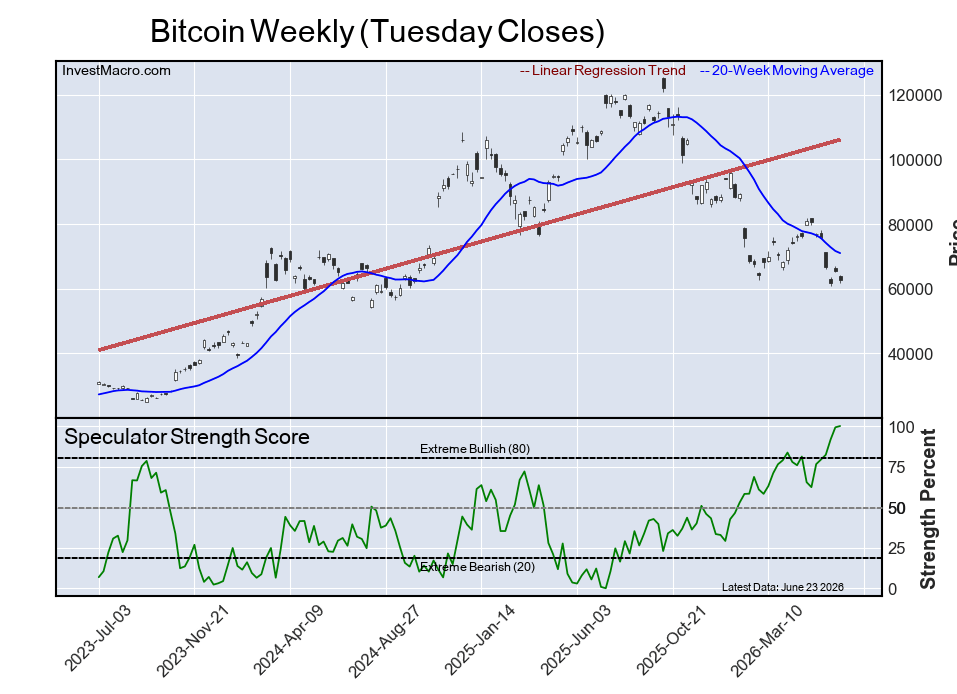
Bitcoin (BTC) staged an impressive rally, breaking above 72,000 dollars and reaching a three‑week high. The catalyst was a dramatic shift in the geopolitical climate: the signing of a 14‑day ceasefire between the US and Iran just two hours before Donald Trump’s ultimatum expired restored risk appetite. The reopening of the Strait of Hormuz and the temporary halt to mutual strikes triggered a wave of short liquidations, pushing the price of the leading digital assets to new local highs. After a turbulent period and outflows from spot Bitcoin ETFs earlier in the year, March data showed stabilization and renewed net inflows. The fact that institutional investors have begun increasing positions again signaled to the market that the capitulation phase among major players has ended.

European stock Indices closed sharply lower on Tuesday. By the end of the day, Germany’s DAX (DE40) fell by 1.06%, France’s CAC 40 (FR40) declined by 0.67%, Spain’s IBEX 35 (ES35) dropped by 0.64%, and the UK’s FTSE 100 (UK100) closed down 0.84%. The main driver of the sell‑off was fear of an imminent energy crisis in the EU’s largest economies: the blockade of the Strait of Hormuz and Trump’s ultimatum pushed gas and oil prices sharply higher, leading to rising government‑bond yields and pressuring industrial giants. Shares of Siemens, Schneider Electric, and Airbus lost around 2%, as investors fear supply‑chain paralysis and a surge in production costs.

Palladium (XPD) and platinum (XPT) prices surged sharply on Wednesday. Such a rapid rebound became possible thanks to the sudden easing of tensions in the Persian Gulf: news of the two‑week ceasefire between the US and Iran triggered a collapse in oil prices below 100 dollars per barrel. This immediately lowered inflation expectations and revived hopes for a dovish pivot by the Federal Reserve, leading to falling bond yields and a weaker dollar – ideal conditions for commodity price growth.

Wednesday was marked by a historic collapse in oil prices: WTI futures plunged more than 15%, breaking below 95 dollars per barrel. The massive sell‑off was a direct reaction to the abrupt de‑escalation in the Persian Gulf. Donald Trump’s decision to transform his hardline ultimatum into a “bilateral ceasefire” for 14 days, and his acknowledgment that Iran’s 10‑point proposal is a “real basis for negotiations”, instantly removed the enormous geopolitical risk premium that had accumulated in recent weeks. A key factor for global energy security was Tehran’s commitment to temporarily reopen the Strait of Hormuz. For the global economy, this drop in oil prices below 95 dollars is a powerful deflationary stimulus. If the two‑week window allows the parties to finalize a deal, fears of global recession and uncontrolled fuel inflation may give way to a cycle of business activity recovery. However, investors remain cautious, recognizing that Iran’s requirement to coordinate all transit shipments with its armed forces could become a new tool of subtle pressure in upcoming negotiations.

In Asia, Japan’s Nikkei 225 (JP225) decreased by 0.72% during the trading session, China’s FTSE China A50 (CHA50) fell by 1.04%, Hong Kong’s Hang Seng (HK50) did not trade yesterday, and Australia’s ASX 200 (AU200) gained 0.83%. Asian stock markets on Wednesday posted explosive gains, celebrating the unexpected diplomatic breakthrough in the Middle East. The leaders of the rally were the Japanese and South Korean Indices, which surged more than 5%, reflecting enormous investor relief after the world came close to a full‑scale energy war. Despite the euphoria, traders are closely examining the terms of the agreement. Tehran’s requirement to coordinate all transit shipments with Iran’s armed forces indicates that control over the key maritime artery remains a leverage tool in Iran’s hands. Nevertheless, stock exchanges in Australia, China, and Hong Kong supported the upward trend, as the risk of immediate disruption to global supply chains temporarily faded.

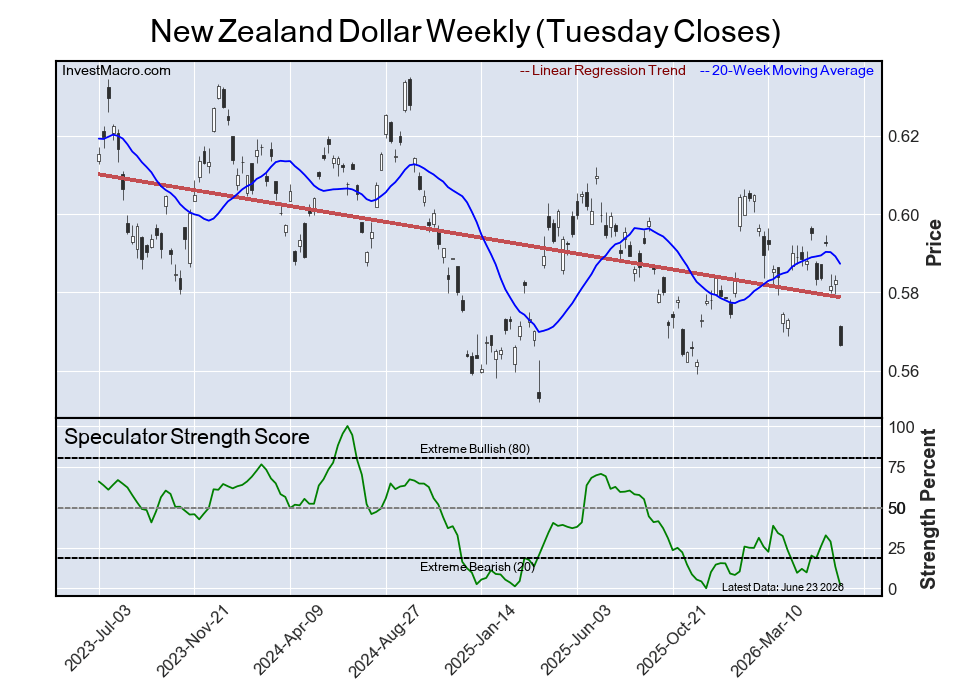
The New Zealand dollar rose to 0.58 USD, reaching its highest level in nearly two weeks, after the Reserve Bank, as expected, left the official cash rate unchanged at 2.25%. The strengthening of the New Zealand dollar is also supported by the de‑escalation between Washington and Tehran. Iran’s agreement to temporarily reopen the Strait of Hormuz under the 14‑day ceasefire reduced the risk premium that had been weighing on commodity currencies. For New Zealand, whose economy is highly dependent on logistics costs and energy imports, the resumption of shipping reduces the threat of stagflation.

S&P 500 (US500) 6,616.85 +5.02 (+0.08%)

Dow Jones (US30) 46,584.46 −85.42 (−0.18%)

DAX (DE40) 22,921.59 −246.49 (−1.06%)

FTSE 100 (UK100) 10,348.79 −87.50 (−0.84%)

USD Index 99.67 −0.31 (−0.31%)

News feed for: 2026.04.08

  • Japan Average Cash Earnings (m/m) at 02:30 (GMT+3) – JPY (MED)
  • New Zealand RBNZ Interest Rate Decision at 05:00 (GMT+3) – NZD (HIGH)
  • New Zealand RBNZ Rate Statement at 05:00 (GMT+3) – NZD (HIGH)
  • Switzerland Unemployment Rate (m/m) at 10:00 (GMT+3) – CHF (MED)
  • Eurozone Producer Price Index (q/q) at 12:00 (GMT+3) – EUR (MED)
  • Eurozone Retail Sales (m/m) at 12:00 (GMT+3) – EUR (LOW)
  • US Crude Oil Reserves (w/w) at 17:30 (GMT+3) – WTI (HIGH)
  • US FOMC Meeting Minutes at 21:00 (GMT+3) – USD, XAU (HIGH)

By JustMarkets


This article reflects a personal opinion and should not be interpreted as an investment advice, and/or offer, and/or a persistent request for carrying out financial transactions, and/or a guarantee, and/or a forecast of future events.

EUR/USD Soars on Middle East Pause

By Analytical Department RoboForex

EUR/USD rose sharply midweek to 1.1675, reaching a four-week high. Pressure on the US dollar came after President Donald Trump postponed the threat of strikes on Iranian civilian infrastructure for two weeks. The politician described this as a “bilateral ceasefire” conditional upon the reopening of the Strait of Hormuz.

According to Trump, the US has received a 10-point proposal from Iran, which is being viewed as a working basis for negotiations. The two-week window could be used to reach a resolution. Iran has reportedly agreed to temporarily open the strait, provided that attacks cease. Israel has also supported the ceasefire.

At the same time, macroeconomic data point to rising inflation expectations in the US. In March, these increased, with transport costs in logistics rising markedly.

Investor attention is now focused on the release of March inflation data (CPI), which could clarify the degree of price pressure amid the ongoing conflict.

Technical Analysis

On the H4 chart of EUR/USD, the market is forming a consolidation range around the 1.1700 level. A downward wave to 1.1566 is expected as a local target. Subsequently, a move higher to 1.1717 is anticipated. Technically, this scenario is confirmed by the MACD indicator, with its signal line above zero and pointing firmly upwards, indicating continued bullish momentum and the potential for the uptrend to continue.

On the H1 chart, the market is forming the structure of the next downward wave to the 1.1566 level. After reaching this level, an increase to 1.1717 is expected, with the potential for the move higher to extend to 1.1730. Technically, this scenario is confirmed by the Stochastic oscillator, with its signal line below 80 and pointing firmly downwards towards 20.

Conclusion

EUR/USD has surged on news of a potential breakthrough in Middle East tensions, with Trump postponing strikes on Iranian infrastructure and a two-week “bilateral ceasefire” taking effect, conditional on the reopening of the Strait of Hormuz. Iran’s reported 10-point proposal and agreement to temporarily open the strait have provided a significant boost to risk appetite, weighing on the safe-haven dollar. However, rising US inflation expectations and the upcoming CPI release remind markets that domestic price pressures remain a concern. While technical indicators suggest some near-term consolidation or pullback, the pair’s direction will ultimately depend on whether diplomatic efforts hold and whether the ceasefire translates into a more lasting de-escalation.


Disclaimer

Any forecasts contained herein are based on the author’s particular opinion. This analysis may not be treated as trading advice. RoboForex bears no responsibility for trading results based on trading recommendations and reviews contained herein.

Hormuz closure threatens the global food supply – why grocery price hikes are coming

By Aya S. Chacar, Florida International University 

The global energy crisis caused by the closure of the Strait of Hormuz is only the beginning of the economic cost of the war with Iran.

I study how institutions affect businesses and supply chains, and I expect food prices to rise next, with high prices lasting even after whatever point hostilities end.

Along with about 20% of the world’s crude oil trade and a similar share of the world’s liquefied natural gas shipments, shipping traffic through the strait also carries roughly a third of internationally traded fertilizer, which is key to bountiful crops around the world.

Modern agriculture depends on precise timing of delivering nutrients to plants. When fertilizer arrives late or becomes too expensive to buy in sufficient quantities, farmers are left to either reduce the amount they use, plant fewer crops or switch to crops that need less fertilizer. Each option reduces overall productivity, cutting supplies of basic foods, feed for livestock and key ingredients used in a wide range of food products.

Ultimately, with corn prices rising, summer barbecues may taste a bit different or cost more. Corn on the cob may not be cheap, nor will corn-fed beef. In addition, many store-bought condiments, soft drinks and other food products are made with high-fructose corn syrup and will also cost more.

3 main crops, 3 nutrients needed

Three staple crops – corn, wheat and rice – supply more than half of the world’s dietary calories.

To maximize production, those crops need three main nutrients: nitrogen, phosphate and potassium. Nitrogen helps plants grow. Phosphorus helps transport energy within plant cells and is critical for early root growth and the formation of seeds and fruit. Potassium helps plants conserve water and boosts protein content.

The closure of the Strait of Hormuz has reduced the supply and increased the cost of all three.

Natural gas, which determines 70% to 90% of the cost of producing nitrogen fertilizer, has seen a 20% drop in production due to the war and price increases up to 70%. To preserve its own supplies, Russia has suspended exports of ammonium nitrate, another nitrogen source for fertilizer.

In a similar effort, China, the world’s largest phosphate producer, has blocked phosphate exports, removing 25% of the global supply.

Potash, the potassium-rich component of fertilizers, has also been in short supply in recent years, in part because of economic sanctions on Belarus and Russia, which are major potash producers.

As a consequence, fertilizer prices have risen globally. In the U.S., some fertilizers rose more than 40% in just one month after the war’s start in late February 2026.

An American farmer talks about the cost of fertilizer amid the war in Iran.

Affecting farmers first

Cereal plants absorb the vast majority of their nitrogen needs during their early growth. Applying fertilizer later in the growth cycle is less effective.

Reducing nitrogen application by 10% to 15%, or delaying application by two to four weeks, can reduce corn yields by 10% to 25%.

Producing less corn and wheat reduces not only food available for humans but also food for livestock. Increased fertilizer costs and reduced grain supplies increase the price of raising livestock, making meat and animal products more expensive.

When feed costs become unsustainable, farmers may be forced to kill or sell off the breeding cows and sows that represent the future of the food supply. In the U.S., a combination of persistent drought and high costs in 2022 forced producers to kill 13.3% of the national beef cow herd, the highest proportion ever. As a result, the U.S. beef cattle inventory shrank to its lowest level since 1962, a problem that restricts beef supplies for years.

Ultimately, the costs are passed to consumers. In 2012, when a historic Midwest drought slashed corn yields by 13%, it triggered a surge in feed prices, and U.S. poultry prices rose 20%.

More money can’t fix this problem

In mid-March 2026, the U.S. fertilizer supply was around 75% of normal levels. That’s right at the beginning of the time when Corn Belt farmers typically prepare their soil for planting, including the first applications of fertilizer. Subsequent fertilizer applications typically come from mid-April to early May and between late May and mid-June.

Farmers who fear not being able to optimize their corn yields may decide to plant less corn or switch crops and plant soybeans, which need less fertilizer. Either would reduce the corn supply.

Government loan guarantees and aid packages may help farmers cover higher costs, but they cannot address timing if enough fertilizer simply isn’t available when it is needed.

Hitting home

American consumers aren’t facing the gas and food shortages or power outages other countries are seeing from the war, but they will be hit in the pocketbook. U.S. prices for gas and jet fuel are already climbing. The effects on the food supply take longer to appear, but they are coming.

Even when crops are bountiful in the U.S., consumers are not immune to global economic forces. A smaller 2026 crop, with rising demand for livestock feed in some of the most populous countries, including China and India, will put pressure on global corn prices, affecting everyone regardless of their nationality.

In March 2026, the U.S. Department of Agriculture used data from before the Iran war to project a 3.1% average increase for all food prices.

The question for consumers is how much of the rise in corn prices will be passed to the consumer, and how fast.

USDA research shows that the speed and extent of changes in food prices vary widely by food category and the level of processing involved in making the food. Other factors also play a role, such as inventory levels, perishability and market competition. When farm prices change, wholesale prices usually adjust within the first month, but retail prices often take longer – sometimes two to four months.

Corn tortillas and other relatively lightly processed corn foods are more likely to show price responses within a few months after corn prices increase. Adjustments to cereals or poultry prices will take a little longer. Changes in the cost of livestock products such as beef will take longer, because there are more steps between the purchase of feed corn and the sale of the meat to consumers.

Other indirect costs, related to the cost of fuel and packaging, tend to hit later. Producers often absorb the price increases in the short term, but some increases are already in the works. For instance, transport companies are adding fuel surcharges on freight shipments.

Food price hikes hit low-income households harder than high-income households, because people with lower incomes spend larger shares of their money on food and housing. For these households, even relatively affordable proteins, such as chicken, may become harder to purchase regularly.

A global food emergency

The cost and availability of fertilizer will affect the whole world. More than 300 million people worldwide already do not have enough food. The U.N. World Food Program predicts an additional 45 million could join them by the end of 2026 if the conflict in the Middle East continues into the middle of the year.

Crop yields in India and Brazil in 2026 are expected to be lower than normal. East African farmers
struggled to afford fertilizer even before the crisis and will likely have to make do with even less.

These problems may seem removed for most Americans, but food prices are global in nature, and people in the U.S. will soon face these additional costs of the war.The Conversation

About the Author:

Aya S. Chacar, Professor of International Business, Florida International University

This article is republished from The Conversation under a Creative Commons license. Read the original article.