Today the focus of investors’ attention is on the PCE Price Index and the inflation rate in the Eurozone

By JustMarkets

At the close of the stock market yesterday, the Dow Jones Index (US30) increased by 0.43%, while the S&P 500 Index (US500) added 0.57%. The NASDAQ Technology Index (US100) jumped by 0.73% on Thursday.

The US GDP for the first quarter of 2023 rose by 2.6%, indicating a resilient economy. The US jobless claims rose by 7,000 in the last week (forecast 5,000) to 198,000. The level remains extremely low, but analysts predict a sharp increase in the second quarter. Federal Reserve Bank of Richmond President Thomas Barkin said Thursday that he has not yet concluded what rate hike might be appropriate for the May meeting. According to the politician, there is a lot of uncertainty about how the bank situation affects consumer confidence, the business climate, business investment, consumer spending, and the availability of credit.

For now, banking stress in the United States seems to be under control. Leading US banking regulators said Monday that they plan to tell Congress that the overall financial system remains on solid footing, despite recent bank failures. On Tuesday, Michael Barr, the Fed’s vice chairman for oversight, told the Senate Banking Committee that Silicon Valley Bank’s problems stemmed from “terrible” risk management, suggesting it could be an isolated incident.

There are many questions about what will happen to demand and inflation. Federal Reserve Bank of Boston President Susan Collins said in a statement that US inflation remains too high, and recent indicators support the view that more work needs to be done to bring inflation down to the 2% target. Today, the Personal Consumption Expenditures Index will be released in the US, which is on the Fed’s list of monitored inflation indicators. A rise in this indicator could put the panic back into the market as it would indicate sustained inflationary pressures, which would force US Federal Reserve officials to continue raising rates.

Borrowing under the Fed’s Emergency Financing Program, a new emergency lending program launched after the Silicon Valley bank collapse, has gained momentum. Bank funding levels jumped from $10.7B to $64.4B. The new bank financing mechanism allows banks to borrow for up to one year using eligible assets, including any nominal bonds as collateral. The rise in lending signals that banks remain on high alert and are looking to shore up finances to reassure depositors at a time when the White House is calling for stricter regulation. President Joe Biden on Thursday urged regulators to step up oversight of banks, urging them to reinstate rules that the Trump administration repealed.

Stock markets in Europe were mostly up yesterday. Germany’s DAX (DE30) gained 1.23%, France’s CAC 40 (FR40) added 1.06%, Spain’s IBEX 35 (ES35) increased by 1.61%, and the British FTSE 100 (UK100) closed Tuesday up by 0.74%.

The inflation level in European countries is beginning to decline. In Spain, the consumer price index fell sharply from 6% to 3.3% year-over-year. In Germany, inflation fell from 9.2% to 8.3%. Today, inflation data will be released by France (forecast 6.3% to 5.5% y/y) and Italy (forecast 9.1% to 8.2% y/y), and the total figure for the Eurozone will be published afterward. Analysts forecast a decline in consumer prices in Europe from 8.5% to 7.1%. But despite lower inflationary pressures, the ECB still intends to raise interest rates by 0.5% in May.

According to The Daily Telegraph, Britain is about to join the Comprehensive and Progressive Trans-Pacific Partnership Agreement (CPTPP). This Indo-Pacific trade group will give British companies access to tens of millions of new customers and a $10 trillion market.

The US natural gas prices fell by 4% Thursday, once again hitting critical support of $2. Inventory data showed a decline of 47 billion cubic feet of natural gas from storage, compared to a forecast of 55 billion. In other words, more gas remains in storage than previously planned. As a result, supply exceeds demand, which leads to further downward pressure on prices.

Asian markets were mostly on the rise yesterday. Japan’s Nikkei 225 (JP225) decreased by 0.36%, China’s FTSE China A50 (CHA50) gained 1.23%, Hong Kong’s Hang Seng (HK50) added 0.58% on the day, India’s NIFTY 50 (IND50) did not trade, while Australia’s S&P/ASX 200 (AU200) ended Wednesday with a 1.02% gain.

In Japan, the Tokyo Consumer Price Index, considered a leading indicator of overall inflation, fell last month from 3.3% to an annualized 3.2%. The fall in inflation was largely due to government subsidies on electricity prices. Earlier this year, the Japanese government deployed an additional 2 trillion yen to offer subsidies on some utilities to help curb high inflation.

Purchasing managers’ index (PMI) data showed that activity in China’s service sector grew at its fastest pace in 12 years in March, but manufacturing activity slowed from the previous month, indicating an uneven recovery in Asia’s largest economy. The manufacturing sector plays a leading role in China’s economy and faces growing headwinds from sluggish demand overseas.

S&P 500 (F) (US500) 4,050.83 +23.02 (+0.57%)

Dow Jones (US30)32,859.03 +141.43 (+0.43%)

DAX (DE40) 15,328.78 +193.62 (+1.26%)

FTSE 100 (UK100) 7,620.43 +56.16 (+0.74%)

USD Index 102.17 -0.47 (-0.46%)

Important events for today:
  • – Japan Tokyo Core CPI (m/m) at 02:30 (GMT+2);
  • – Japan Unemployment Rate (m/m) at 02:30 (GMT+2);
  • – Japan Industrial Production (m/m) at 02:50 (GMT+2);
  • – Japan Retail Sales (m/m) at 02:50 (GMT+2);
  • – China Manufacturing PMI (m/m) at 04:30 (GMT+2);
  • – China Non-Manufacturing PMI (m/m) at 04:30 (GMT+2);
  • – UK GDP (q/q) at 09:00 (GMT+2);
  • – German Retail Sales at 09:00 (GMT+2);
  • – Switzerland Retail Sales at 09:30 (GMT+2);
  • – French Consumer Price Index (m/m) at 09:45 (GMT+2);
  • – German Unemployment Rate (m/m) at 10:55 (GMT+2);
  • – Italian Consumer Price Index (m/m) at 12:00 (GMT+2);
  • – Eurozone Consumer Price Index (m/m) at 12:00 (GMT+2);
  • – Eurozone Unemployment Rate (m/m) at 12:00 (GMT+2);
  • – Canada GDP (m/m) at 15:30 (GMT+2);
  • – US Core PCE Price Index (m/m) at 15:30 (GMT+2);
  • – US Chicago PMI (m/m) at 16:45 (GMT+2);
  • – US Michigan Consumer Sentiment (m/m) at 17:00 (GMT+2).

By JustMarkets


This article reflects a personal opinion and should not be interpreted as an investment advice, and/or offer, and/or a persistent request for carrying out financial transactions, and/or a guarantee, and/or a forecast of future events.

Telehealth Co. Signs Largest Client Yet

Source: Streetwise Reports  (3/30/23)

Onboarding will begin in April for the health care system that has more than 1,200 care centers in seven states.

Telemedicine company Reliq Health Technologies Inc. (RHT:TSX.V; RQHTF:OTCQB; A2AJTB:WKN) announced it has signed a contract with its largest client yet, a healthcare system with more than 1,200 care centers in seven states.

Onboarding will begin in April at 20 of their skilled nursing facilities, which are expected to add more than 2,000 new patients per month to Reliq’s iUGO platform by the end of the year at an average revenue of US$65 per patient per month.

Skilled nursing facilities are “a very big space for us,” Chief Executive Lisa Crossley said.

Over the last six months, the company has signed three large networks of such facilities, including the newest client.

“That market segment has become incredibly important to us over a very short period of time,” Crossley said. “I think it really speaks to the value proposition we offer to that market segment that we’ve gotten such strong traction in such a short period of time.”

The U.S. skilled nursing facility and rehabilitation market is expected to grow at a compound annual growth rate of 4.5% to US$308.8 billion by 2023, according to a report by Markets and Research.

The U.S. skilled nursing facility and rehabilitation market is expected to grow at a compound annual growth rate of 4.5% to US$308.8 billion by 2023, according to a report by Markets and Research.

“The growing incidences of chronic conditions such as diabetes, paralysis, hypertension, etc., and the rising geriatric population is expected to fuel the market over the next few years,” the report said. “Medicare and Medicaid availability and the growing technologies will play a driving role for the market in the coming years.”

The global telehealth market Reliq serves is anticipated to reach US$380 billion by 2023, according to another Research and Markets report.

The pandemic “led to increased awareness about telemedicine solutions, propelled the adoption rates among patients and providers, and increased the investment activities in the market,” the report said.

Technical analyst Clive Maund of CliveMaund.com recommended the stock shortly after news broke last year that the company’s cash intake went up 485% from the fiscal year 2021 to the fiscal year 2022.

“We, therefore, stay long,” Maund wrote for Streetwise Reports.

The Catalyst: ‘A Very Large Opportunity’

The new client network, which was not identified, has more than 10 million patient encounters per year in New York, Ohio, Maryland, Virginia, Florida, Kentucky, and South Carolina, Reliq said.

Newly discharged patients will get long-term virtual care at home using Reliq’s Transitional Care Management, Remote Patient Monitoring, and Chronic Care Management, and Behavioral Health Integration modules on its platform.

Those patients will bring in an average revenue of US$60 per patient for their first 30 days after discharge and US$65 per patient per month after that.

Technical analyst Clive Maund of CliveMaund.com recommended the stock shortly after news broke last year that the company’s cash intake went up 485% from the fiscal year 2021 to the fiscal year 2022. “We, therefore, stay long,” Maund wrote for Streetwise Reports.

The new client manages a wide variety of care settings, such as primary care clinics, hospice agencies, home health agencies, and hospitals.

“It’s a very large opportunity for us,” Crossley said. “This client is really representative of that very comprehensive, holistic offering that our product and platform represents, and (have) very broad appeal in the market.”

The company also recently announced it had signed 40 new skilled nursing facility clients in California, Florida, and Pennsylvania, adding more than 4,000 new patients per month to iUGO.

This week, it announced it had signed ten new contracts with eight physician practices in Nevada and California and two home health agencies in Texas.

Crossley has said the company services more than 100,000 on iUGO and expects to have as many as 200,000 patients on the platform by the middle of 2023.

Managing Patients at Home

Diseases the company aims to manage at home with iUGO include chronic obstructive pulmonary disease (COPD), congestive heart failure, diabetes, hypertension, and others. Patients get audible reminders to step on a scale, take their blood pressure, or prick their fingers for glucose monitoring. The information is automatically uploaded to the cloud.

iUGO draws on data from fall detection devices, medication tracking, and vitals data to flag patients at home or in facilities who need additional monitoring. It even uses artificial intelligence algorithms in its software.

Reliq is on the cutting edge there, as AI has yet to be widely deployed in health care. But a recent report from McKinsey & Co. and Harvard researchers said that AI adoption could result in savings of 5% to 10% of health care spending, or US$200 billion to US$360 billion annually.

Retail: 91.7%
Management & Insiders: 8%
Institutions: 0.3%
Strategic Investors: 0%
91.7%
8.0%
*Share Structure as of 3/30/2023


“For hospitals, the savings come largely from use cases that improve clinical operations . . .  and quality and safety,” the report’s authors wrote. “For physician groups, the savings also mostly come from use cases that improve clinical operations.”

Ownership and Share Structure

About 8% of Reliq’s shares are owned by insiders, including Crossley, with 1.61% or 3.22 million shares. About 0.3% of the company is owned by institutional investors, including FNB Wealth Management, with 0.02% or 0.03 million shares, according to Reuters.

Other top investors include Eugene Beukman, who owns 0.11% or 0.23 million shares, and Brian Storseth, who owns 0.07% or 0.14 million shares, Reuters said.

Crossley said 91.7% of the company is retail.

The company has 200.6 million shares outstanding, with about 197 million free-floating. It has a market cap of CA$97.4 million and trades in a 52-week range of CA$0.92 and CA$0.36.


Disclosures:
1) Steve Sobek wrote this article for Streetwise Reports LLC and provides services to Streetwise Reports. He or members of his household own securities of the following companies mentioned in the article: None. He or members of his household are paid by the following companies mentioned in this article: None.

2) The following companies mentioned in this article are billboard sponsors of Streetwise Reports: Reliq Health Technologies Inc. Click here for important disclosures about sponsor fees.

3) The article does not constitute investment advice. Each reader is encouraged to consult with his or her individual financial professional and any action a reader takes as a result of information presented here is his or her own responsibility. By opening this page, each reader accepts and agrees to Streetwise Reports’ terms of use and full legal disclaimer. This article is not a solicitation for investment. Streetwise Reports does not render general or specific investment advice and the information on Streetwise Reports should not be considered a recommendation to buy or sell any security. Streetwise Reports does not endorse or recommend the business, products, services or securities of any company mentioned on Streetwise Reports.

4) From time to time, Streetwise Reports LLC and its directors, officers, employees or members of their families, as well as persons interviewed for articles and interviews on the site, may have a long or short position in securities mentioned. Directors, officers, employees or members of their immediate families are prohibited from making purchases and/or sales of those securities in the open market or otherwise from the time of the decision to publish an article until three business days after the publication of the article. The foregoing prohibition does not apply to articles that in substance only restate previously published company releases.

5) This article does not constitute medical advice. Officers, employees and contributors to Streetwise Reports are not licensed medical professionals. Readers should always contact their healthcare professionals for medical advice.

Behind the Latter-day Saint church’s vast wealth are two centuries of financial hits and misses

By Benjamin Park, Sam Houston State University 

During the first weekend of April 2023, the Church of Jesus Christ of Latter-day Saints will hold its semiannual General Conference in Salt Lake City. Tens of thousands of members will attend in person, with millions watching from home.

Over two days, Latter-day Saints – often called “Mormons” – will hear an array of talks from religious leadership. But another speaker will likely be a member of the church’s auditing department, who, if he follows tradition, will state that the institution’s financial activities from the past year were “administered in accordance with Church-approved budgets, accounting practices, and policies.” No further specifics are typically provided.

This yearly ritual may seem striking in the face of the church’s February 2023 agreement to pay a US$5 million fine in a settlement with the U.S. Securities and Exchange Commission. According to its press release, the SEC concluded that the church went to “great lengths” to “obscure” its investment portfolio. A church statement expressed “regret” that its leaders had followed faulty legal counsel and insisted that the fine would be paid through “investment returns” rather than members’ donations.

The settlement came on the heels of other controversies about the church’s taxes and financial portfolio, which journalists and whistleblowers have estimated at around $100 billion.

These revelations have raised questions concerning the ethics of a religious organization amassing such a large amount of wealth, and how it is balanced with charitable giving. But headlines often overlook the long and surprising history of the modern church’s financial success – as well as the continued anxiety surrounding its economic reserves.

Share and share alike

Mormonism was born through the spiritual quest of Joseph Smith, who was raised amid America’s Second Great Awakening during the early 1800s, a period of Christian revivals. His parents were religious seekers who struggled to find a fulfilling church, and tussled with the young country’s financial turbulence. Smith’s father had lost savings in an ill-fated ginseng deal, plunging the family into two decades of poverty.

It is no surprise, then, that when Smith formed his own church, its teachings included a sharp critique of the capitalist system. Early converts to what was originally called the Church of Christ, organized in 1830, were encouraged to consecrate all their goods to their new religious community so it could redistribute resources to those in need.

It was one of many communal experiments Americans attempted during the antebellum period as religious innovators offered alternatives to what they believed was a dangerous and uncaring economic system. Smith’s earliest revelations denounced individualism and urged believers to share their property and resources with one another.

Yet financial difficulties, personal clashes and other challenges doomed the experiment from the start. Within just a few years, the new church’s leaders had already abandoned the consecration ideal. In its stead, Smith directed members to donate “surplus property” to help pay off the group’s immediate debts and then to donate “one tenth of all their interests annually.” This commandment commenced a practice of tithing that still exists today, though it has been interpreted in different ways over the years.

Hardscrabble years

Over the first two decades of the church’s existence, the Latter-day Saints had to relocate their headquarters multiple times – including seven years in Nauvoo, Illinois, a focus of my historical research. By the time the Saints reached Utah’s Great Salt Lake in 1847, leaders and members alike largely embraced the economic system that Smith had previously decried.

A series of national economic crises during the late 19th century further tested the church’s finances and financial ideals. In addition, the government’s decision to prosecute polygamists amid growing criticism of the church’s “plural marriages” crippled the region’s economy until Latter-day Saint leaders renounced the practice in 1890.

Facing financial ruin, the church’s prophet and president in 1899, Lorenzo Snow, urged members to redouble their commitment to tithing. The church formalized its expectation that members donate 10% of their annual income to remain in good standing. To this day, Latter-day Saints are expected to meet with local bishops every year and state that they have paid a full tithe.

By 1907, Snow’s successor, Joseph F. Smith, jubilantly announced that tithing income had paid off all the church’s loans. He even predicted that if the current rate continued, “we expect to see the day when we will not have to ask you for one dollar of donation for any purpose.”

Bust to boom

Donations only increased over the following decades, however, as the church continued to grow rapidly. The prosperity of the 1950s enabled an ambitious construction agenda for the next decade, as the church built over a thousand new meetinghouses and temples for its exploding membership.

Yet high spending, poor financial management and unwise or unlucky investments brought another financial crisis, and the church soon found itself cash-poor. By 1962, the budget had amassed a $32 million deficit. Leaders ceased offering detailed financial reports, which had been inconsistent yet common staples at the church’s General Conference.

Things started looking up the next year when N. Eldon Tanner, a successful Canadian politician and businessman, joined the church’s leadership and modernized its financial structure, investing any surplus. The church was once again on solid financial footing by the end of the 1960s, though it did not resume the release of detailed financial reports. Instead, Tanner empowered a private economic team to continue growing the faith’s portfolio.

Decades of membership growth, tithing donations and lucrative investments resulted in the modern church’s massive accumulation of wealth. This financial success has enabled it to oversee a worldwide church with nearly 17 million members of record, tens of thousands of employees and countless volunteer and charitable programs.

Its investments became so profitable in the early 2000s that, according to the SEC report, church leaders explored ways to shield their success from the public. According to one whistleblower, church authorities feared that greater transparency would discourage members from further tithing.

Giving to God

While the church reports giving over $1 billion in charitable aid last year, some members and observers alike critique leaders for not donating more, given the vast size of its investment portfolio, which is almost twice the size of Harvard’s endowment.

The issue also raises important ethical questions regarding a religious institution’s obligations toward its own members. Should Latter-day Saints, especially those who are struggling financially, still donate a tenth of their income to a church whose reserves are likely deep enough to pay off more than a decade of expenses? The seeming discrepancy between the transparency required of individual members and the church’s own lack of accountability has unsettled some members.

Yet many believers emphasize that their tithing’s purpose is not merely to add to the church’s coffers but to help build the kingdom of God – their donations are primarily offered for spiritual reasons, not worldly ones. And investments are also a safety net for the faith’s growth: Leaders likely hope it can support rapidly growing membership in lower-income countries.

As absurd as it may be to call a $100 billion dollar portfolio a “rainy day” fund, the church’s turbulent history may have led leaders to see it as just that.The Conversation

About the Author:

Benjamin Park, Associate Professor of History, Sam Houston State University

This article is republished from The Conversation under a Creative Commons license. Read the original article.

The US and European stock indices rise as the banking crisis eases

By JustMarkets

The US stock indices rose sharply on Wednesday as concerns about stress in the banking sector eased, while upbeat earnings reports and growing expectations that the Federal Reserve will halt interest rate hikes further boosted sentiment. As the stock market closed yesterday, the Dow Jones Index (US30) increased by 1.00%, and the S&P 500 Index (US500) added 1.42%. The NASDAQ Technology Index (US100) jumped by 1.79%.

Micron Technology Inc (MU) was up more than 7% after the chipmaker predicted that artificial intelligence would significantly boost its sales in 2025. Lululemon Athletica (LULU) Inc’s papers jumped by 12.9% after an optimistic outlook for its annual results, giving the Nasdaq a significant boost.

For now, banking stress in the United States seems to be under control. Leading US banking regulators said Monday that they plan to tell Congress that the overall financial system remains on solid footing, despite recent bank failures. On Tuesday, Michael Barr, the Fed’s vice chairman for oversight, told the Senate Banking Committee that Silicon Valley Bank’s problems stemmed from “terrible” risk management, suggesting it could be an isolated incident.

Canadian Finance Minister Chrystia Freeland’s promise of a fiscally prudent budget in the face of high inflation has disappointed some strategists who had hoped for restrained spending by the government. Analysts said increased spending in Canada’s budget leaves the government with fewer reserves to fight a possible economic downturn, and it could prevent the Bank of Canada from moving to cut interest rates. Analysts are concerned that the deficit, estimated at 43 billion Canadian dollars ($31.7 billion) from 2022-2023, or 1.5% of GDP, is larger than it should be at this stage of the economic cycle.

Equity markets in Europe were mostly up yesterday. Germany’s DAX (DE30) increased by 1.23%, France’s CAC 40 (FR40) added 1.36%, Spain’s IBEX 35 (ES35) was up by 1.41%, and the British FTSE 100 (UK100) closed up by 1.07%.

ECB spokesman Kazimir said yesterday that the ECB should keep a close eye on the situation and be ready to take any steps to ensure price and financial stability in the Eurozone. For now, the ECB is expected to continue to raise rates aggressively at its next meeting.

Oil rose slightly on Wednesday as supply shortage fears following an unexpected drop in US crude inventories and the halt of oil exports from Iraqi Kurdistan were partially offset by a smaller-than-expected decline in Russian production. Russian oil production fell by about 300,000 BPD in the first three weeks of March, below the planned 500,000 BPD cut. The US crude inventories unexpectedly declined last week, the Energy Information Administration said Wednesday, as refineries ramped up production after the maintenance season and US imports declined.

Asian markets rose steadily yesterday. Japan’s Nikkei 225 (JP225) gained 1.33%, China’s FTSE China A50 (CHA50) added 0.17%, Hong Kong’s Hang Seng (HK50) jumped by 2.06%, India’s NIFTY 50 (IND50) gained 0.76%, and Australia’s S&P/ASX 200 (AU200) ended Wednesday with a 0.23% gain.

Broader Asian stocks rose yesterday as US regulators’ comments confirmed the strength of the banking system and blamed the recent Silicon Valley Bank collapse on mismanagement rather than systemic risk. But most Asian stocks started lower in early trading Thursday, with Chinese indices under pressure over concerns about slowing economic growth and deteriorating Sino-US relations, while Australian shares rose on the prospect of an imminent pause in the Reserve Bank’s rate hike. Analysts lowered their expectations for Australia’s interest rate cap because of signs that inflation has peaked and economic growth has slowed. But the RBA is expected to raise rates one more time before announcing a pause.

Alibaba has announced plans to become a holding company, splitting its divisions into six independent companies. Each of these companies will be able to seek outside financing and will eventually be spun off. Alibaba’s action was seen as reassuring investors and regulators, leading to a jump in stock prices. It is hoped that this could be a sign that the regulatory measures that have dragged down the Chinese economy are ending.

S&P 500 (F) (US500) 4,027.81 +56.54 (+1.42%)

Dow Jones (US30)32,717.60 +323.35 (+1.00%)

DAX (DE40) 15,328.78 +186.76 (+1.23%)

FTSE 100 (UK100) 7,564.27 +80.02 (+1.07%)

USD Index 102.68 +0.25 (+0.24%)

Important events for today:
  • – Switzerland KOF Leading Indicators (m/m) at 10:00 (GMT+2);
  • – Spanish Consumer Price Index (m/m) at 10:00 (GMT+2);
  • – German Consumer Price Index (m/m) at 15:00 (GMT+2);
  • – US GDP (q/q) at 15:30 (GMT+2);
  • – US Initial Jobless Claims (w/w) at 15:30 (GMT+2);
  • – US Natural Gas Storage (w/w) at 17:30 (GMT+2);
  • – US Treasury Sec Yellen Speaks at 22:45 (GMT+2).

By JustMarkets


This article reflects a personal opinion and should not be interpreted as an investment advice, and/or offer, and/or a persistent request for carrying out financial transactions, and/or a guarantee, and/or a forecast of future events.

Yen sinks as risk mood improves

By ForexTime

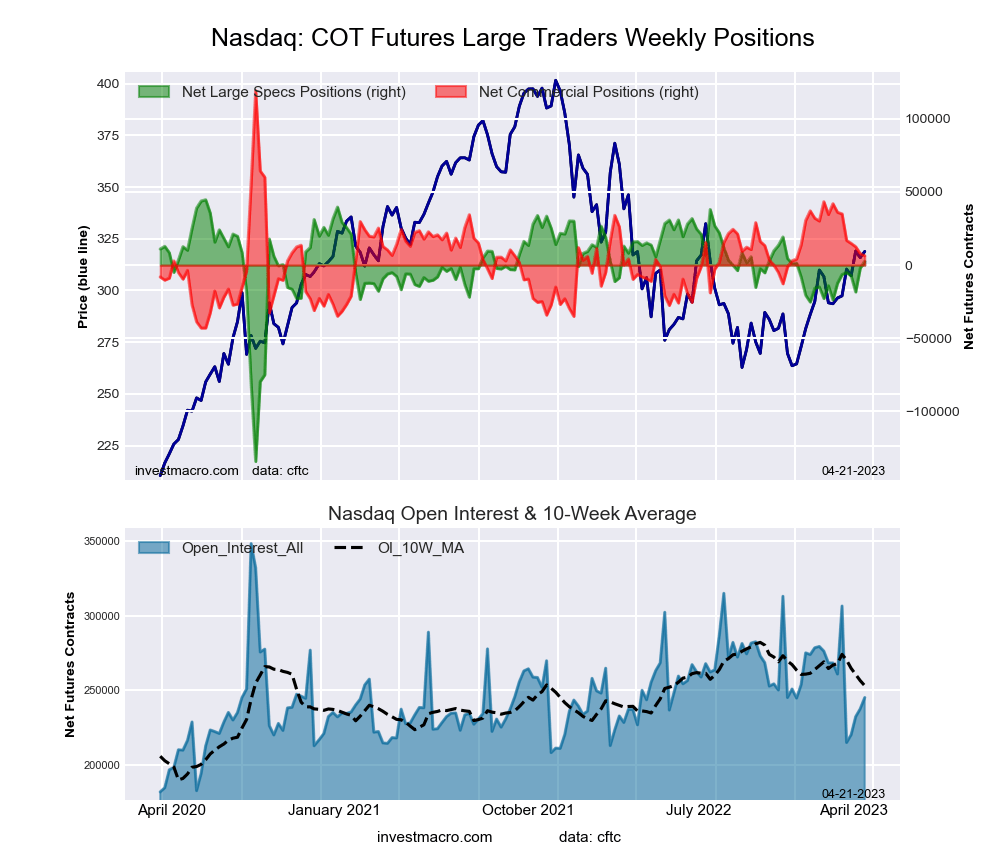
Markets are enjoying the fading turmoil from the banking crisis with the Nasdaq 100 especially notable with its recent outperformance. The tech-laden index is up over 20% from its December lows as megacap growth stocks lap up the lower interest rate environment sparked initially by the recent market upheaval. The longer-term impact of the turmoil is yet to sink into the wider economy. But tighter credit and potential regulations will have a dampening effect on economic activity and may also curb the Fed’s appetite for higher rates ahead.

This means the dollar could find it hard to strengthen significantly going forward. We did get positive US consumer confidence data earlier this week which surprised to the upside. Recent market jitters and focus on the risk of a US recession saw low expectations for the data. But the strong job market seems to be supporting sentiment and eyes will soon turn to the latest non-farm payrolls report next Friday.

In the near-term, today’s calendar sees the final release of the fourth quarter US GDP figures. These are backward-looking but will inform on how the economy entered the new year. All eyes will then swiftly turn to tomorrow’s US core PCE data. This is the Fed’s favoured inflation gauge as it is a far broader measure of inflation than just the widely watched CPI numbers, which are only based on survey data from consumers. Hopes are high that price pressures show a further decline, and there will be a lot of attention on services inflation which is proving sticky.

Month-end and quarter end flows affecting USD/JPY

The yen has been hit from two sides this week. Better risk sentiment has seen the safe haven JPY suffer. Higher Treasury yields as markets unwind dovish Fed bets have also supported buyers in USD/JPY, while month-end and quarter-end flows are said to act as additional headwinds. The major has hit the 50-day simple moving average at 132.73. The halfway point of the 2022 rally sits close by as further resistance at 132.70.

USD/CAD breaking down

The CAD has been in the doldrums recently as commodities struggled. Interestingly, the latest CFTC data release, which shows positions held by major hedge funds and commercial speculators, highlighted the biggest net short in the loonie since 2008. For contrarian traders, this type of signal can provide a chance to run against the prevailing “wisdom of the crowd”.

That is pretty much what we’ve seen this week as better risk sentiment and oil prices have helped the highly commodity-sensitive currency. The major printed a “doji” candlestick earlier this month after hitting a five-month high at 1.3862. That top got close to long-term trendline resistance going back to the March 2020 spike. The “doji” warned of indecision and since then prices have traded around 1.37 and a minor Fib level (23.6%) of the August rally at 1.3682, before breaking down earlier this week. The 50-day simple moving average at 1.3538 may act as initial support with the 100-day moving average at 1.3516.


Forex-Time-LogoArticle by ForexTime

ForexTime Ltd (FXTM) is an award winning international online forex broker regulated by CySEC 185/12 www.forextime.com

Scientists are using machine learning to forecast bird migration and identify birds in flight by their calls

By Miguel Jimenez, Colorado State University

With chatbots like ChatGPT making a splash, machine learning is playing an increasingly prominent role in our lives. For many of us, it’s been a mixed bag. We rejoice when our Spotify For You playlist finds us a new jam, but groan as we scroll through a slew of targeted ads on our Instagram feeds.

Machine learning is also changing many fields that may seem surprising. One example is my discipline, ornithology – the study of birds. It isn’t just solving some of the biggest challenges associated with studying bird migration; more broadly, machine learning is expanding the ways in which people engage with birds. As spring migration picks up, here’s a look at how machine learning is influencing ways to research birds and, ultimately, to protect them.

Sandhill cranes flying above the Platte River in Nebraska.
shannonpatrick17/Flickr, CC BY

The challenge of conserving migratory birds

Most birds in the Western Hemisphere migrate twice a year, flying over entire continents between their breeding and nonbreeding grounds. While these journeys are awe-inspiring, they expose birds to many hazards en route, including extreme weather, food shortages and light pollution that can attract birds and cause them to collide with buildings.

Our ability to protect migratory birds is only as good as the science that tells us where they go. And that science has come a long way.

People in Alaska, Washington state and Mexico explain what migratory birds mean to them.

In 1920, the U.S. Geological Survey launched the Bird Banding Laboratory, spearheading an effort to put bands with unique markers on birds, then recapture the birds in new places to figure out where they traveled. Today researchers can deploy a variety of lightweight tracking tags on birds to discover their migration routes. These tools have uncovered the spatial patterns of where and when birds of many species migrate.

However, tracking birds has limitations. For one thing, over 4 billion birds migrate across the continent every year. Even with increasingly affordable equipment, the number of birds that we track is a drop in the bucket. And even within a species, migratory behavior may vary across sexes or populations.

Further, tracking data tells us where birds have been, but it doesn’t necessarily tell us where they’re going. Migration is dynamic, and the climates and landscapes that birds fly through are constantly changing. That means it’s crucial to be able to predict their movements.

Using machine learning to forecast migration

This is where machine learning comes in. Machine learning is a subfield of artificial intelligence that gives computers the ability to learn tasks or associations without explicitly being programmed. We use it to train algorithms that tackle various tasks, from forecasting weather to predicting March Madness upsets.

But applying machine learning requires data – and the more data the better. Luckily, scientists have inadvertently compiled decades of data on migrating birds through the Next Generation Weather Radar system. This network, known as NEXRAD, is used to measure weather dynamics and help predict future weather events, but it also picks up signals from birds as they fly through the atmosphere.
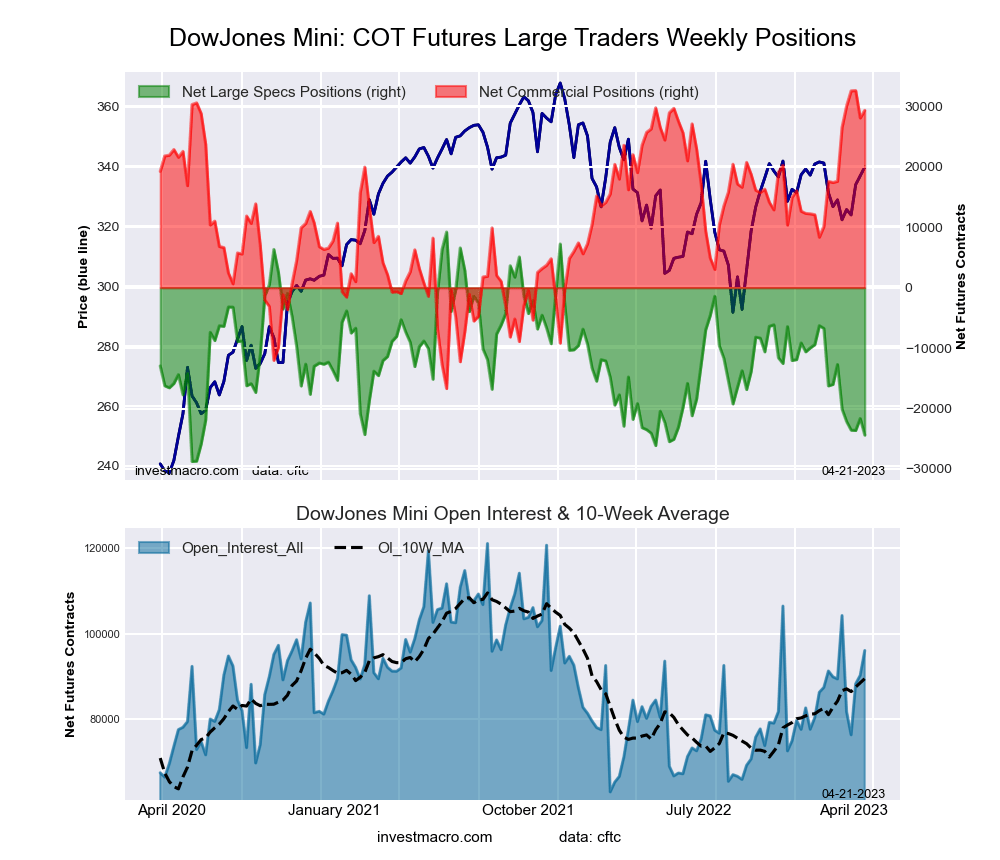
A tall metal tower with a spherical radar receiver on top.
A NEXRAD radar at an operation center in Norman, Okla.
Andrew J. Oldaker/Wikipedia, CC BY-SA

BirdCast is a collaborative project of Colorado State University, the Cornell Lab of Ornithology and the University of Massachusetts that seeks to leverage that data to quantify bird migration. Machine learning is central to its operations. Researchers have known since the 1940s that birds show up on weather radar, but to make that data useful, we need to remove nonavian clutter and identify which scans contain bird movement.

This process would be painstaking by hand – but by training algorithms to identify bird activity, we have automated this process and unlocked decades of migration data. And machine learning allows the BirdCast team to take things further: By training an algorithm to learn what atmospheric conditions are associated with migration, we can use predicted conditions to produce forecasts of migration across the continental U.S.

BirdCast began broadcasting these forecasts in 2018 and has become a popular tool in the birding community. Many users may recognize that radar data helps produce these forecasts, but fewer realize that it’s a product of machine learning.

BirdCast provides summaries of radar-based measurements of nocturnal bird migration for the continental U.S., including estimates of numbers of birds migrating and their directions, speeds and altitudes.

Currently these forecasts can’t tell us what species are in the air, but that could be changing. Last year, researchers at the Cornell Lab of Ornithology published an automated system that uses machine learning to detect and identify nocturnal flight calls. These are species-specific calls that birds make while migrating. Integrating this approach with BirdCast could give us a more complete picture of migration.

These advancements exemplify how effective machine learning can be when guided by expertise in the field where it is being applied. As a doctoral student, I joined Colorado State University’s Aeroecology Lab with a strong ornithology background but no machine learning experience. Conversely, Ali Khalighifar, a postdoctoral researcher in our lab, has a background in machine learning but has never taken an ornithology class.

Together, we are working to enhance the models that make BirdCast run, often leaning on each other’s insights to move the project forward. Our collaboration typifies the convergence that allows us to use machine learning effectively.

A tool for public engagement

Machine learning is also helping scientists engage the public in conservation. For example, forecasts produced by the BirdCast team are often used to inform Lights Out campaigns.

These initiatives seek to reduce artificial light from cities, which attracts migrating birds and increases their chances of colliding with human-built structures, such as buildings and communication towers. Lights Out campaigns can mobilize people to help protect birds at the flip of a switch.

As another example, the Merlin bird identification app seeks to create technology that makes birding easier for everyone. In 2021, the Merlin staff released a feature that automates song and call identification, allowing users to identify what they’re hearing in real time, like an ornithological version of Shazam.

This feature has opened the door for millions of people to engage with their natural spaces in a new way. Machine learning is a big part of what made it possible.

“Sound ID is our biggest success in terms of replicating the magical experience of going birding with a skilled naturalist,” Grant Van Horn, a staff researcher at the Cornell Lab of Ornithology who helped develop the algorithm behind this feature, told me.

Taking flight

Opportunities for applying machine learning in ornithology will only increase. As billions of birds migrate over North America to their breeding grounds this spring, people will engage with these flights in new ways, thanks to projects like BirdCast and Merlin. But that engagement is reciprocal: The data that birders collect will open new opportunities for applying machine learning.

Computers can’t do this work themselves. “Any successful machine learning project has a huge human component to it. That is the reason these projects are succeeding,” Van Horn said to me.The Conversation

About the Author:

Miguel Jimenez, Ph.D. student in Ecology, Colorado State University

This article is republished from The Conversation under a Creative Commons license. Read the original article.

Watermarking ChatGPT, DALL-E and other generative AIs could help protect against fraud and misinformation

By Hany Farid, University of California, Berkeley 

Shortly after rumors leaked of former President Donald Trump’s impending indictment, images purporting to show his arrest appeared online. These images looked like news photos, but they were fake. They were created by a generative artificial intelligence system.

Generative AI, in the form of image generators like DALL-E, Midjourney and Stable Diffusion, and text generators like Bard, ChatGPT, Chinchilla and LLaMA, has exploded in the public sphere. By combining clever machine-learning algorithms with billions of pieces of human-generated content, these systems can do anything from create an eerily realistic image from a caption, synthesize a speech in President Joe Biden’s voice, replace one person’s likeness with another in a video, or write a coherent 800-word op-ed from a title prompt.
Even in these early days, generative AI is capable of creating highly realistic content. My colleague Sophie Nightingale and I found that the average person is unable to reliably distinguish an image of a real person from an AI-generated person. Although audio and video have not yet fully passed through the uncanny valley – images or models of people that are unsettling because they are close to but not quite realistic – they are likely to soon. When this happens, and it is all but guaranteed to, it will become increasingly easier to distort reality.

In this new world, it will be a snap to generate a video of a CEO saying her company’s profits are down 20%, which could lead to billions in market-share loss, or to generate a video of a world leader threatening military action, which could trigger a geopolitical crisis, or to insert the likeness of anyone into a sexually explicit video.

The technology to make fake videos of real people is becoming increasingly available.

Advances in generative AI will soon mean that fake but visually convincing content will proliferate online, leading to an even messier information ecosystem. A secondary consequence is that detractors will be able to easily dismiss as fake actual video evidence of everything from police violence and human rights violations to a world leader burning top-secret documents.

As society stares down the barrel of what is almost certainly just the beginning of these advances in generative AI, there are reasonable and technologically feasible interventions that can be used to help mitigate these abuses. As a computer scientist who specializes in image forensics, I believe that a key method is watermarking.

Watermarks

There is a long history of marking documents and other items to prove their authenticity, indicate ownership and counter counterfeiting. Today, Getty Images, a massive image archive, adds a visible watermark to all digital images in their catalog. This allows customers to freely browse images while protecting Getty’s assets.

Imperceptible digital watermarks are also used for digital rights management. A watermark can be added to a digital image by, for example, tweaking every 10th image pixel so that its color (typically a number in the range 0 to 255) is even-valued. Because this pixel tweaking is so minor, the watermark is imperceptible. And, because this periodic pattern is unlikely to occur naturally, and can easily be verified, it can be used to verify an image’s provenance.

Even medium-resolution images contain millions of pixels, which means that additional information can be embedded into the watermark, including a unique identifier that encodes the generating software and a unique user ID. This same type of imperceptible watermark can be applied to audio and video.

The ideal watermark is one that is imperceptible and also resilient to simple manipulations like cropping, resizing, color adjustment and converting digital formats. Although the pixel color watermark example is not resilient because the color values can be changed, many watermarking strategies have been proposed that are robust – though not impervious – to attempts to remove them.

Watermarking and AI

These watermarks can be baked into the generative AI systems by watermarking all the training data, after which the generated content will contain the same watermark. This baked-in watermark is attractive because it means that generative AI tools can be open-sourced – as the image generator Stable Diffusion is – without concerns that a watermarking process could be removed from the image generator’s software. Stable Diffusion has a watermarking function, but because it’s open source, anyone can simply remove that part of the code.
OpenAI is experimenting with a system to watermark ChatGPT’s creations. Characters in a paragraph cannot, of course, be tweaked like a pixel value, so text watermarking takes on a different form.
Text-based generative AI is based on producing the next most-reasonable word in a sentence. For example, starting with the sentence fragment “an AI system can…,” ChatGPT will predict that the next word should be “learn,” “predict” or “understand.” Associated with each of these words is a probability corresponding to the likelihood of each word appearing next in the sentence. ChatGPT learned these probabilities from the large body of text it was trained on.

Generated text can be watermarked by secretly tagging a subset of words and then biasing the selection of a word to be a synonymous tagged word. For example, the tagged word “comprehend” can be used instead of “understand.” By periodically biasing word selection in this way, a body of text is watermarked based on a particular distribution of tagged words. This approach won’t work for short tweets but is generally effective with text of 800 or more words depending on the specific watermark details.

Generative AI systems can, and I believe should, watermark all their content, allowing for easier downstream identification and, if necessary, intervention. If the industry won’t do this voluntarily, lawmakers could pass regulation to enforce this rule. Unscrupulous people will, of course, not comply with these standards. But, if the major online gatekeepers – Apple and Google app stores, Amazon, Google, Microsoft cloud services and GitHub – enforce these rules by banning noncompliant software, the harm will be significantly reduced.

Signing authentic content

Tackling the problem from the other end, a similar approach could be adopted to authenticate original audiovisual recordings at the point of capture. A specialized camera app could cryptographically sign the recorded content as it’s recorded. There is no way to tamper with this signature without leaving evidence of the attempt. The signature is then stored on a centralized list of trusted signatures.

Although not applicable to text, audiovisual content can then be verified as human-generated. The Coalition for Content Provenance and Authentication (C2PA), a collaborative effort to create a standard for authenticating media, recently released an open specification to support this approach. With major institutions including Adobe, Microsoft, Intel, BBC and many others joining this effort, the C2PA is well positioned to produce effective and widely deployed authentication technology.

The combined signing and watermarking of human-generated and AI-generated content will not prevent all forms of abuse, but it will provide some measure of protection. Any safeguards will have to be continually adapted and refined as adversaries find novel ways to weaponize the latest technologies.

In the same way that society has been fighting a decadeslong battle against other cyber threats like spam, malware and phishing, we should prepare ourselves for an equally protracted battle to defend against various forms of abuse perpetrated using generative AI.The Conversation

About the Author:

Hany Farid, Professor of Computer Science, University of California, Berkeley

This article is republished from The Conversation under a Creative Commons license. Read the original article.

The cryptocurrency market digest (BTC, ARB). Overview for 29.03.2023

By RoboForex.com

The BTC on Wednesday is balancing near 28,080 USD. The leading cryptocurrency has recovered from a crash at the beginning of the week. The market did not retreat and kept safe an important support level. This let the market return to buying fast.

The quotes need to secure above 28,120-28,125 USD to reach the target of the growth at 29,000 USD. If the growth fails, the market could return to 26,500 USD.

The capitalisation of the crypto market on Wednesday is 1.162 trillion USD. The BTC takes up 45.8%, demonstrating a serious decline. The ETH occupies 18.8%, and its part of the market has increased a bit.

Reunit Wallet starts selling tokens

The project is the first inter-network wallet. It is created with the LayerZero technology. Reunit Wallet implies crypto transactions between blockchains by minimum actions, just by one click. This process does not include using bridges, which makes the process easier and cheaper.

A crypto whale bought ARB tokens

According to the Lookonchain platform, one of the major owners of the Arbitum token (ARB) bought the coins for 5.73 million USD. The tokens were deposited from the Binance exchange. This whale now holds the coins for 9.94 million USD.

Ethereum announced an update for Shapella

The Ethereum developers announced that they are ready to launch a Shapella update. It will start on 13 April in the morning. The update will implement new functions for the consensus mechanism and stacking.


Article By RoboForex.com

Attention!
Forecasts presented in this section only reflect the author’s private opinion and should not be considered as guidance for trading. RoboForex LP bears no responsibility for trading results based on trading recommendations described in these analytical reviews.

Alibaba’s breakup heralds new era of opportunities in China for investors

By George Prior

The break-up of Alibaba, the Chinese mega-conglomerate, heralds the start of a wave of “enormous opportunities” in China for global investors, according to the CEO and founder of one of the world’s largest independent financial advisory, asset management and fintech organizations.

Nigel Green of deVere Group is speaking out after the Jack Ma-founded business empire said on Tuesday it is planning to split into six units and explore fundraisings or listings for most of them.

Alibaba is a multinational technology conglomerate that operates various e-commerce, retail, and technology businesses, including online marketplaces, payment systems, cloud computing services, and digital media and entertainment platforms.

The deVere CEO says: “This overhaul is the biggest restructuring in Alibaba Group’s 24-year history.

“It is hugely significant, not only because it’s an organisation that has huge influence over the world’s second largest economy, but because we also expect it to represent the end of Beijing-led regulatory crackdowns on various sectors, including tech.”

China has been a magnet for foreign investment for decades as it typically offered buoyant returns and growth potential. But in the last couple of years, there have been a slew of investors shunning the country.

Investors are claiming a myriad of reasons for pulling out.

“One of the main reasons has been Beijing’s unpredictable, full-throttle regulatory crackdowns,” notes Nigel Green.

“One of the most notable regulatory crackdowns in recent years has been on the tech industry. In 2021, the Chinese government introduced new regulations that targeted major tech companies, including Alibaba and Tencent. These regulations included restrictions on monopolistic practices, data privacy, and foreign investment in the sector.

“This led many global investors becoming extra cautious about investing in Chinese tech companies, as they feared additional regulatory blitzes and uncertainty. In turn, this led to a decline in the value of some Chinese tech stocks and a decrease in foreign investment in the sector.

“In addition, the government also introduced new tough regulations in other sectors, such as education and real estate, which again triggered panic and uncertainty for investors because the regulatory attacks were perceived by many as highlighting the Chinese government’s increasing push for control of private enterprise.”

The news of the splitting-up of Alibaba will be welcomed by investors, says the deVere CEO, because it shows Beijing is “cooling its corporate crackdowns” and because the restructuring provides more protections.
“Any new regulations will now likely not impact the whole organization, rather the individual division that that regulation covers.”

He continues: “This is a landmark moment. We expect it to herald the start of a wave of enormous opportunities in China for global investors as other tech titans, and major organisations in other sectors, make similar moves as Beijing appears to be becoming more pro-private enterprise.

“The timing is also bullish for investors as the world’s second largest economy re-opens after years of draconian lockdowns due to Covid. Also because China is transitioning from an export economy to a consumption one that, ultimately, will be more sustainable.”

He concludes: “Alibaba’s break-up will reignite interest and, therefore, capital inflows from global investors seeking to build long-term wealth.”

About:

deVere Group is one of the world’s largest independent advisors of specialist global financial solutions to international, local mass affluent, and high-net-worth clients.  It has a network of more than 70 offices across the world, over 80,000 clients and $12bn under advisement.

Inflation in Australia is falling. US stock indices are under pressure from rising government bond yields

By JustMarkets

The US indices fell on Tuesday under pressure from rising Treasury yields amid signs that consumers remain optimistic. If the consumer confidence index is rising, it indicates the economy is not all bad, which in turn could increase the likelihood of another rate hike by the US Fed. As the stock market closed yesterday, the Dow Jones Index (US30) decreased by 0.12%, and the S&P 500 Index (US500) fell by 0.16%. The NASDAQ Technology Index (US100) was down by 0.45% on Tuesday.

Shares of Apple (AAPL), Meta Platforms (META), Alphabet (GOOGL), and Microsoft (MSFT) ended the day down, with Microsoft coming under regulatory scrutiny. The German antitrust authority said Tuesday that it is examining Microsoft for potentially anti-competitive practices. Meanwhile, Alibaba (BABA) shares rose more than 14% after detailing plans to split the business into six divisions, each of which could raise outside capital, including through initial public offerings.

Equity markets in Europe were mostly up yesterday. German DAX (DE30) gained 0.09%, French CAC 40 (FR40) added 0.14%, Spanish IBEX 35 (ES35) increased by 0.41%, and British FTSE 100 (UK100) closed up by 0.17% on Tuesday.

European stock indexes rose for a second session on Tuesday, driven by commodities and banking stocks after a deal to buy out a bankrupt Silicon Valley bank raised hopes of containing the banking crisis. Economically sensitive sectors such as oil and gas, mining, and insurance companies were among other growth leaders in Europe.

European Central Bank (ECB) Supervisory Board Chairman Andrea Enria weighed in on further updates to the EU banking system, supporting the need for “strong and demanding supervision,” which he said is needed now more than ever. Another ECB Governing Council spokesman Mario Centeno said Monday that the European Central Bank should consider recent financial market stress when deciding on interest rates. Still, the main task now is to control inflation and bring it down to 2%.

The OPEC+ coalition shows no sign of adjusting oil production ahead of next week’s meeting, sticking to its previously set production plan. OPEC+ leader Saudi Arabia has publicly stated that the 23-nation alliance should maintain stable supplies throughout 2023. Last week, crude oil prices fell to a 15-month low on fears that the economic fallout from the Silicon Valley Bank collapse and the Credit Suisse Group AG takeover would hurt oil demand. But oil prices have since recovered.

Gold is approaching $2,000, even as the US banking crisis subsides. The yellow metal’s behavior suggests that investors don’t think the mini-banking crisis is behind us.

Asian markets traded flat yesterday. Japan’s Nikkei 225 (JP225) gained 0.15%, China’s FTSE China A50 (CHA50) gained 0.19%, Hong Kong’s Hang Seng (HK50) ended the day up by 1.11%, India’s NIFTY 50 (IND50) was down by 0.20%, and Australia’s S&P/ASX 200 (AU200) ended Tuesday positive by 1.04%.

Japan’s parliament on Tuesday approved a record budget of 114.38 trillion yen ($870 billion) for the new fiscal year beginning in April to strengthen defense capabilities in the face of security threats from neighbors and to support the economy in fighting inflation. The defense budget will reach 6.82 trillion yen, the largest ever. Prime Minister Fumio Kishida’s government intends to double its annual defense budget from the current 1% to about 2% of the Gross Domestic Product. About one-third of the budget of 114 trillion yen, or 36.89 trillion yen, will be used to cover social welfare costs, as Japan’s population is one of the fastest ageing in the world. Separately, the Cabinet decided to use 2.22 trillion yen ($16.82 billion) of reserve funds for the current fiscal year ending Friday to finance a new package of inflation-reducing measures. Mitsubishi UFJ Research and Consulting estimates that average Japanese households will have to spend 60,000 yen more on food in 2023 than a year earlier, as businesses are expected to raise prices in the coming months.

Australia’s inflation rate has fallen from 7.4% to 6.8% year-on-year. Such data increases the likelihood that the Reserve Bank of Australia will not raise interest rates further and will end its tightening cycle at its next meeting.

S&P 500 (F) (US500) 3,971.27 −6.26 (-0.16%)

Dow Jones (US30)32,394.25 −37.83 (−0.12%)

DAX (DE40) 15,142.02 +14.34 +(0.095%)

FTSE 100 (UK100) 7,484.25 +12.48 (+0.17%)

USD Index 102.43 −0.43 (−0.42%)

Important events for today:
  • – Australia Consumer Price Index (m/m) at 03:30 (GMT+2);
  • – US Pending Home Sales (m/m) at 17:00 (GMT+2);
  • – US Crude Oil Reserves (w/w) at 17:30 (GMT+2).

By JustMarkets


This article reflects a personal opinion and should not be interpreted as an investment advice, and/or offer, and/or a persistent request for carrying out financial transactions, and/or a guarantee, and/or a forecast of future events.