Stock Market’s Character Has Changed — Here’s How

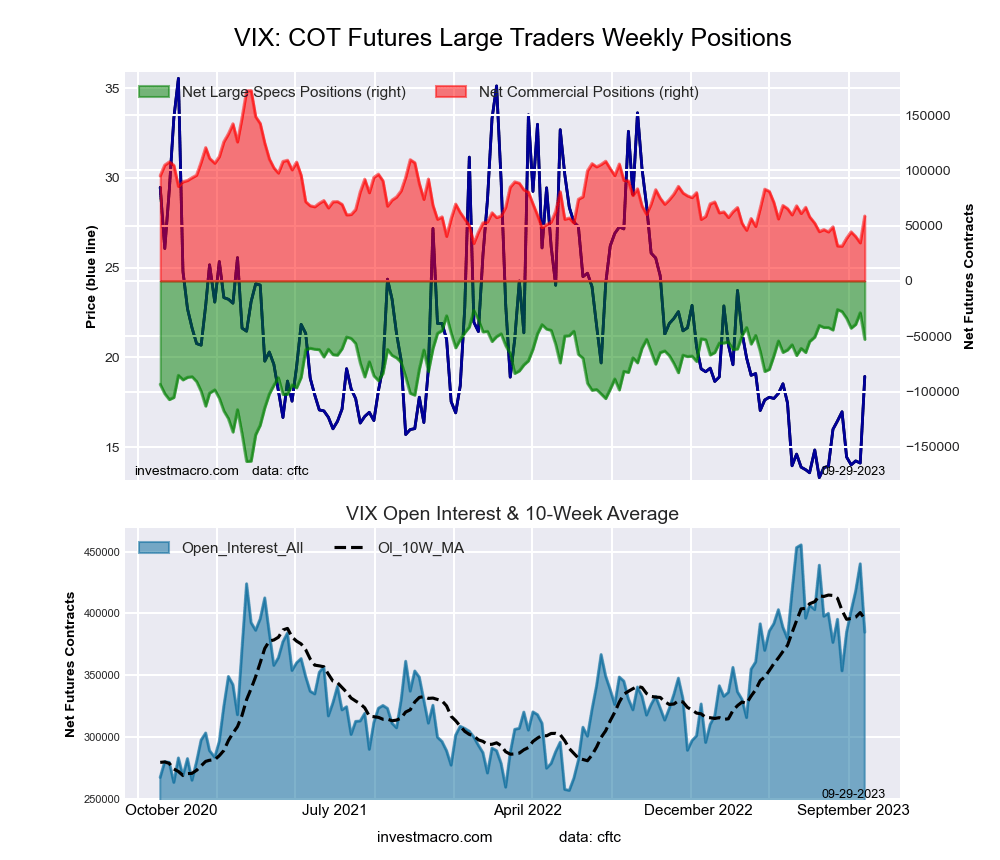
We’re watching the VIX or “fear index” to see what’s next

By Elliott Wave International

Stock market investors naturally want to know the closing numbers for the main stock indexes at the end of each trading day.

Yet, it’s also good to dig deeper.

Let me show you some examples of how the U.S. Short Term Update, a thrice weekly Elliott Wave International publication which covers near-term trends of key U.S. financial markets, does just that.

Let’s start off with a quote from the Aug. 21 issue:

NYSE down volume outpaced up volume 52.7% to 47.3%. Internally, today’s rally in the S&P and NASDAQ was meek.

Here’s a review of a revealing indicator from the Aug. 16 U.S. Short Term Update:

The NYSE a/d ratio has closed negative or flat for seven straight days. It’s the longest streak in nearly a year, since August 26, 2022 to September 6, 2022. The 10-day NYSE a/d ratio closed yesterday (Aug. 15) at .80, which is the most negative also since September 2022.

Another observation of the market’s internal dynamics was mentioned by the Aug. 9 U.S. Short Term Update:

The VIX made a closing low on June 22 and failed to confirm the S&P’s higher price extremes. That was an initial warning sign that market participants were becoming a bit more fearful and expecting a pickup in market volatility.

So, it appears the character of the stock market has changed.

These negative indicators are in stark contrast to measures of stock market sentiment during the past several weeks, some of which reached bullish extremes.

For example, consider the Advisor and Investor Model (AIM) from SentimenTrader.com. That’s a blend of over 50 sentiment readings from five different sources, including Market Vane and Consensus Inc., two of the oldest services.

The August Elliott Wave Financial Forecast, a monthly publication which analyzes major U.S. financial markets, provides some insights:

This comprehensive model hit a new 3½-year extreme of 0.99 on July 25. The extreme during the topping process was a reading of 0.96 on April 16, 2021, which occurred as the most speculative issues completed their tops.

Indeed, as recently as Aug. 14, none other than Nasdaq.com had this headline:

Reasons to Still Believe In This New Bull Market

In Elliott Wave International’s view, the S&P 500 index never entered a “new bull market” since the January 2022 top and the subsequent downturn. Yes, there’s been a rally since that first leg down, but the January 2022 peak has not been breached.

The stock market’s Elliott wave structure puts that rally into context.

If you’d like to delve into the details of Elliott wave analysis, read Frost & Prechter’s book, Elliott Wave Principle: Key to Market Behavior. Here’s a quote from this Wall Street classic:

Although it is the best forecasting tool in existence, the Wave Principle is not primarily a forecasting tool; it is a detailed description of how markets behave. Nevertheless, that description does impart an immense amount of knowledge about the market’s position within the behavioral continuum and therefore about its probable ensuing path. The primary value of the Wave Principle is that it provides a context for market analysis. This context provides both a basis for disciplined thinking and a perspective on the market’s general position and outlook. At times, its accuracy in identifying, and even anticipating, changes in direction is almost unbelievable.

If you’d like to read the entire online version of the book, you may do so for free once you become a member of Club EWI, the world’s largest Elliott wave educational community.

It doesn’t cost anything to join Club EWI. Even so, members enjoy free access to Elliott wave resources on financial markets, investing and trading. New resources are regularly added and some videos and articles are from Elliott Wave International’s analysts. All the while, Club EWI members are under no obligations whatsoever. So, you have nothing to lose and a world of Elliott wave education to gain!

Elliott Wave International stands ready to welcome you as a new Club EWI member. Just follow this link and you’re on your way: Elliott Wave Principle: Key to Market Behaviorget free and instant access.

This article was syndicated by Elliott Wave International and was originally published under the headline Stock Market’s Character Has Changed — Here’s How. EWI is the world’s largest market forecasting firm. Its staff of full-time analysts led by Chartered Market Technician Robert Prechter provides 24-hour-a-day market analysis to institutional and private investors around the world.

JPY devaluation persists. Overview for 07.09.2023

By RoboForex.com

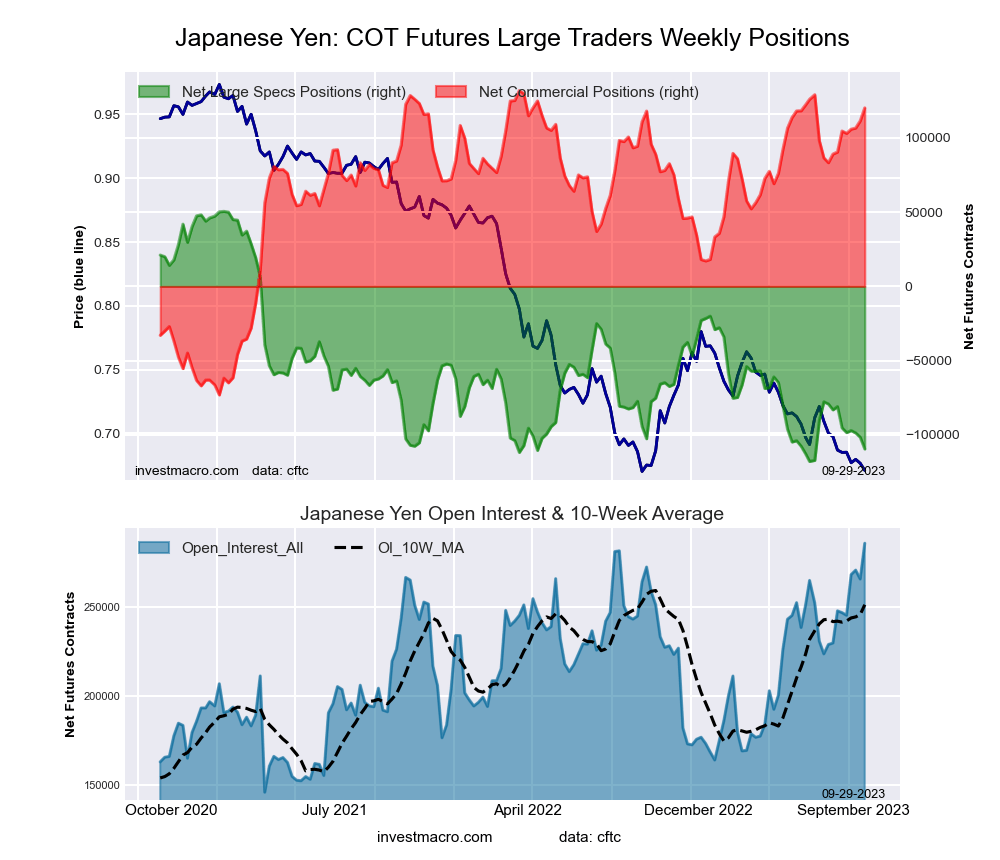
The Japanese yen, paired with the US dollar, remains weak. The current USDJPY exchange rate stands at 147.52.

From January this year until now, the yen has depreciated by more than 12%.

The US Dollar easily gains ground against the JPY without encountering resistance. When might the yen have a chance for recovery? This depends on the Bank of Japan making a resolute decision to abandon its ultra-soft monetary policy.

On the other hand, it is essential for the US dollar to become less enticing to buyers. For this to occur, the prospects for the US economy must become less attractive from the perspective of bullish investors. Visible signs of a slowdown in the US economy, such as a slight cooling in the job market or the potential for lower interest rates, are not enough to weaken the dollar.

Domestic data in Japan points to a deteriorating situation. Household spending in July declined by 2.7% m/m, contrary to the forecast of 0.7% growth and a previous rise of 0.9%. On an annual basis, the indicator dropped by 5.0%, which is twice as weak as expected.

Article By RoboForex.com

Attention!
Forecasts presented in this section only reflect the author s private opinion and should not be considered as guidance for trading. RoboForex LP bears no responsibility for trading results based on trading recommendations described in these analytical reviews.

The Analytical Overview of the Main Currency Pairs on 2023.09.07

By JustMarkets

The EUR/USD currency pair

Technical indicators of the currency pair:
  • Prev Open: 1.0722
  • Prev Close: 1.0726
  • % chg. over the last day: +0.04 %

The ECB’s hawkish comments on Wednesday helped keep the Euro from falling too much. Peter Kažimír, a representative of the ECB Governing Council, said that the ECB needs to raise interest rates again to make sure inflation returns to 2%, and a rate hike in September is preferable to a later increase. Another representative of the ECB Governing Council, Klaas Knot, also warned that markets may be underestimating the likelihood of the ECB raising rates next week.

Trading recommendations
  • Support levels: 1.0714, 1.0659
  • Resistance levels: 1.0767, 1.0781, 1.0827, 1.0842, 1.0881, 1.0943, 1.1004

The trend on the EUR/USD currency pair on the hourly time frame is a downtrend. The price has reached the daily support level and is now forming a flat accumulation. The MACD indicator is in the negative zone, but the selling pressure is weak, while the divergence has increased. Under such market conditions, buy trades can be looked for from the support level of 1.0714 but with confirmation on the lower time frames. Sell traders can be considered from the resistance level of 1.0767 or 1.0781 but with confirmation in the form of a reverse initiative. The reverse initiative means the sellers’ reaction in the form of an engulfing candlestick or when a pin bar is formed.

Alternative scenario: if the price breaks through the resistance level of 1.0893 and fixes above it, the uptrend will likely resume.

EUR/USD
News feed for 2023.09.07:
  • – German Industrial Production (m/m) at 09:00 (GMT+3);
  • – Eurozone GDP (m/m) at 12:00 (GMT+3);
  • – US Initial Jobless Claims (w/w) at 15:30 (GMT+3);
  • – US FOMC Member Harker Speaks (m/m) at 17:00 (GMT+3);
  • – US FOMC Member Williams Speaks (m/m) at 22:30 (GMT+3);
  • – US FOMC Member Bowman Speaks (m/m) at 23:55 (GMT+3).

The GBP/USD currency pair

Technical indicators of the currency pair:
  • Prev Open: 1.2564
  • Prev Close: 1.2747 1.2506
  • % chg. over the last day: -0.46 %

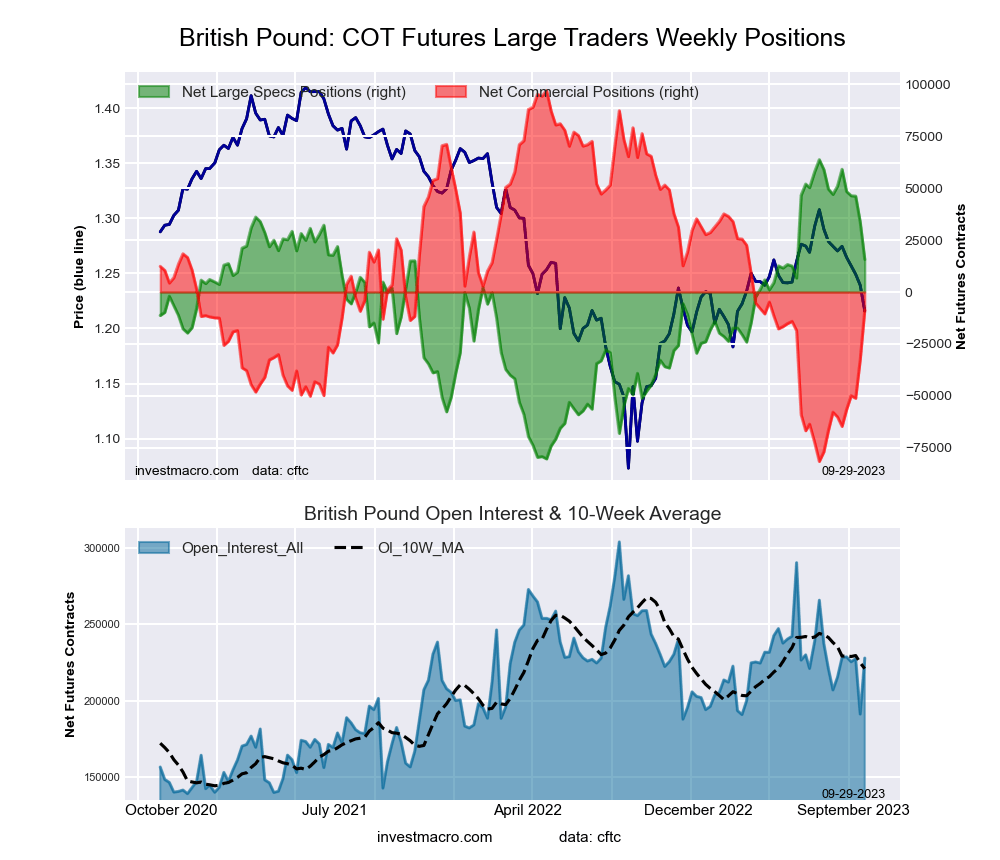
The British pound declined sharply against the dollar yesterday and fell to a three-month low. Bank of England Governor Andrew Bailey suggested at a hearing before the Senate that UK interest rates may not need to be raised again, saying that a “marked” decline in inflation is likely this year and that monetary policy is probably “near the top of the cycle.” This is extremely negative for the British currency, as prior to the hearing, analysts were expecting at least two rate hikes from the Bank of England at 0.25%.

Trading recommendations
  • Support levels: 1.2491, 1.2458, 1.2307
  • Resistance levels: 1.2549, 1.2611, 1.2659, 1.2712, 1.2733, 1.2746, 1.2764

According to technical analysis, the GBP/USD currency pair trend on the hourly time frame is bearish. The British pound reached the daily support level, but the reaction of buyers is weak. Now, the price is forming a flat accumulation, and there is a high probability of a price decline to the 1.2458 level. The MACD indicator is in the negative zone but with signs of divergence. Buy trades can be considered from the support level of 1.2491 or 1.2458 but with additional confirmation on the lower time frames in the form of impulse initiative of buyers. Sell trades are best considered from the resistance level of 1.2549 but with confirmation in the form of sellers’ initiative.

Alternative scenario: if the price breaks through the resistance level of 1.2642 and consolidates above it, the uptrend will likely resume.

GBP/USD
There is no news feed for today.

The USD/JPY currency pair

Technical indicators of the currency pair:
  • Prev Open: 147.64
  • Prev Close: 147.65
  • % chg. over the last day: +0.01 %

Japan’s chief currency diplomat, Masato Kanda, warned that Tokyo sees evidence of unwanted movements in the currency market and claims that fundamentals cannot explain such movements. The well-known ‘carry trade,’ utilizing the interest rate differential between the two currencies, has been going on for a long time, with markets still anticipating the likelihood of another 25bp Fed rate hike before the end of the rate hike cycle. Warnings from Tokyo suggest possible intervention. Analysts see the 150 mark as a level above which the BoJ could intervene. The USD/JPY price has already passed the first intervention level seen in 2022, and the second level is below 152.

Trading recommendations
  • Support levels: 147.41,147.03, 146.23, 145.69, 145.39, 145.00
  • Resistance levels: 147.81, 148.80

From the technical point of view, the medium-term trend on the currency pair USD/JPY is bullish. The price starts to form a wide volatile corridor with the boundaries of 147.03-147.71. At the same time, buyers’ pressure prevails inside the accumulation. The MACD indicator is in the positive zone but without signs of bullish pressure. Buying trades should be sought on intraday time frames after a pullback to the support level of 147.41. But it should be understood that it will be an entry in the middle of the accumulation. Such trades are considered highly risky. In case of a stronger decline, expect the price at the 147.03 support level. Sell trades can be considered from the 147.81 resistance level but with confirmation in the form of a false breakout and change of structure on the lower time frames.
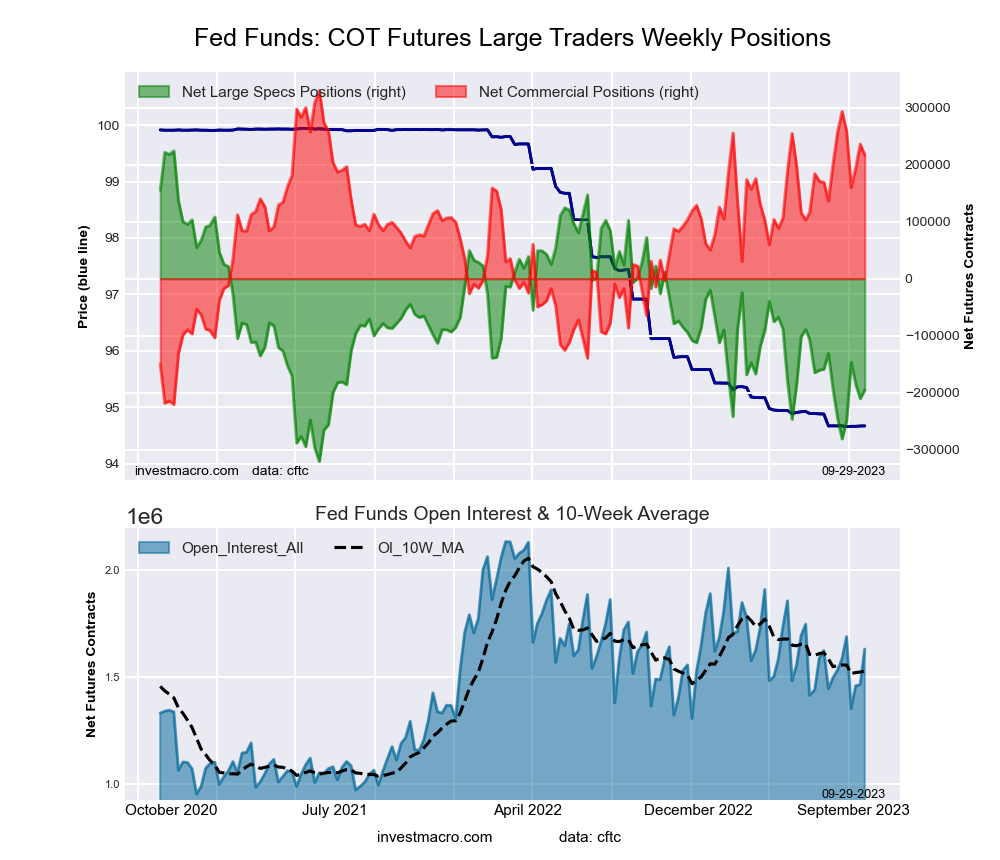
Alternative scenario: if the price consolidates below the support level of 145.00, the downtrend will likely resume.
USD/JPY
There is no news feed for today.
The XAU/USD currency pair (gold)

Technical indicators of the currency pair:
  • Prev Open: 1925.84
  • Prev Close: 1916.63
  • % chg. over the last day: -0.47 %

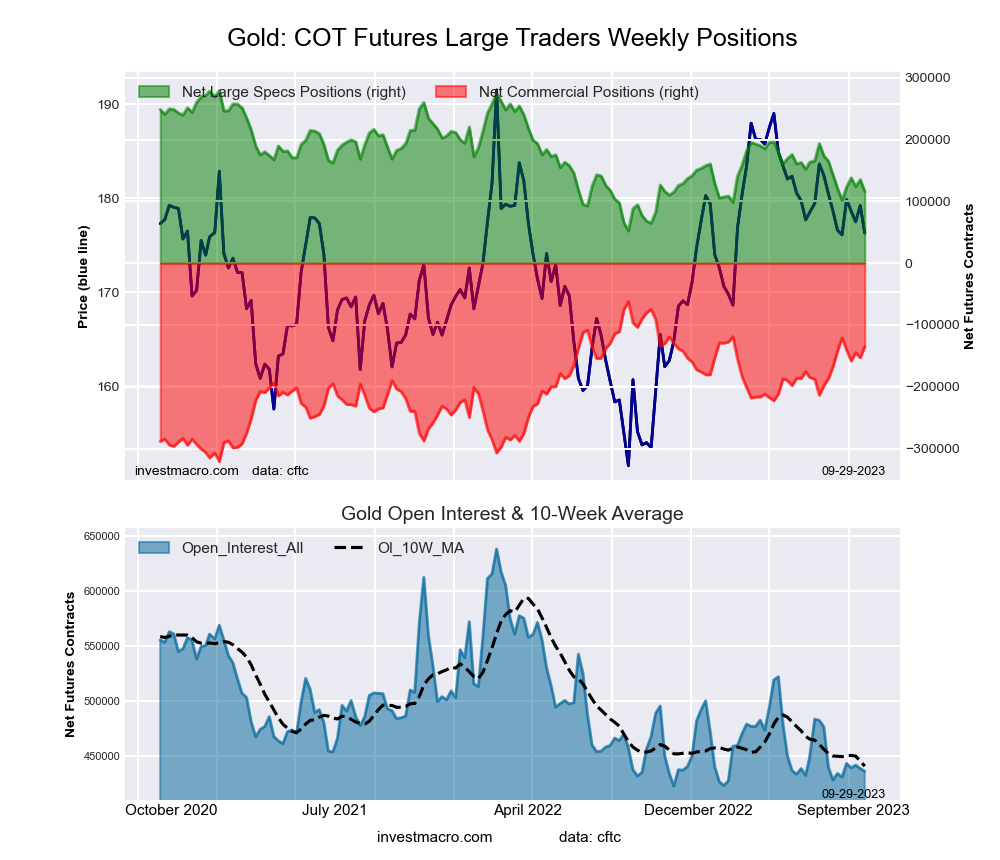
Precious metals prices closed moderately lower on Wednesday, with gold falling to a one-week low and silver to a 2-week low. The dollar index rally to a 5-month high on Wednesday was bearish for metals. In addition, the rise in global bond yields on Wednesday had a negative impact on precious metals prices. The US economic news on Wednesday supported the dollar after the ISM Services Business Activity Index for August unexpectedly increased by 1.8 to the maximum for 6 months value of 54.5.

Trading recommendations
  • Support levels: 1914.37, 1903.87, 1893.80
  • Resistance levels: 1934.71, 1941.79, 1947.81, 1961.06

From the point of view of technical analysis, the trend on the XAU/USD currency pair is bullish. But the price is trading below the moving averages for the third consecutive session and approached the priority change level. The MACD indicator remains in the negative zone, but the divergence towards buying is increasing. Under these market conditions, buy trades can be considered after an impulsive breakout of the downtrend line. Sell trades are better to look for from the resistance level of 1928.63 or 1934.63 but with confirmation in the form of a reverse initiative and change of structure on intraday time frames.

Alternative scenario: if the price breaks through and consolidates below the support level of 1914.37, the downtrend will likely resume.

USD/CAD
News feed for 2023.09.07:
  • – US Initial Jobless Claims (w/w) at 15:30 (GMT+3);
  • – US FOMC Member Harker Speaks (m/m) at 17:00 (GMT+3);
  • – US FOMC Member Williams Speaks (m/m) at 22:30 (GMT+3);
  • – US FOMC Member Bowman Speaks (m/m) at 23:55 (GMT+3).

by JustMarkets, 2023.09.07

By JustMarkets


This article reflects a personal opinion and should not be interpreted as an investment advice, and/or offer, and/or a persistent request for carrying out financial transactions, and/or a guarantee, and/or a forecast of future events.

Is the US banking crisis over?

By George Kladakis, Edinburgh Napier University and Alexandros Skouralis, City, University of London 

The US banking crisis triggered worries about the global banking system earlier in the year. Three mid-sized US banks, Silicon Valley Bank, Silvergate and Signature, fell in quick succession, driving down bank share-prices across the world.

America’s central bank, the Federal Reserve, made significant amounts of cash available to the failed banks and created a lending facility for other struggling institutions. This calmed investors and prevented immediate contagion, with only one more US regional bank, First Republic, collapsing a few weeks later.

Yet it’s far from clear whether the crisis is really over. As traders return from their summer holidays to a period commonly associated with upheaval in the markets, how are things likely to play out?

Tight margins and dwindling deposits

Central banks have continued to increase interest rates to counter sustained inflation in recent months. In July, the Fed raised its key interest rate to as much as 5.5%, the highest in 20 years. The rate was near zero as recently as February 2022.

Though the increases have slowed this year, such a sudden change can be very harmful for banks – particularly as part of the sort of U-shaped movement in rates that we have seen since the global financial crisis of 2007-09.

US benchmark interest rate, 2007-23

Graph showing US benchmark interest rates over the past 15 years
St Louis Federal Reserve

Raising rates reduces the value of banks’ assets, increases what they have to pay to borrow, limits their profitability and generally increases their vulnerability to adverse events. Especially in the first half of 2023, banks have had to cope with low loan growth and high deposit costs, meaning the amount they have to pay out in relation to customers’ deposits.

This increased cost is partly because lots of customers have been withdrawing their money and putting it into places where they can make more interest, such as money market funds. It forced banks to borrow more from the Fed to ensure they have enough money, and at rates much higher than they used to be.

This was one of the reasons for the banking collapses in the spring, destabilising them at a time when the value of the debt on their balance sheets had also fallen sharply. This saw more customers at other banks withdrawing deposits for fear that their money wasn’t safe either. In sum, US banks saw deposits declining between June 2022 and June 2023 by almost 4%. Together with higher interest rates, this is generally bad news for the banking sector.

You can see the effect on banks’ profitability by looking at overall net interest margins (NIMs). These are a measure of what banks receive in interest income minus what they pay out to depositors and other funders.

US banks’ net interest margins (%)

Graph showing US banks' net interest margins
Based on 641 banks.
S&P Capital IQ

Credit rating downgrades

The ratings agencies have added further pressure. In early August, Fitch downgraded its rating of US government debt to AA+ from AAA. It cited a likely deterioration in the public finances over the next three years and the endless politicking around the debt ceiling, which is the maximum level that the government can borrow.

Sovereign downgrades often reflect problems in the wider economy. This can destabilise banks by making them seem less creditworthy, leading their credit ratings to be downgraded too. That can make it harder for them to borrow money from the markets or potentially even from the Fed. This can then have knock-on effects in reducing banks’ lending capacity, capital buffers for coping with bad debts, overall profitability and share prices.

US banks’ share prices 2023

Graph showing US banks' share prices in 2023
Bank of America = blue; Citigroup = orange; Goldman Sachs = pale blue; JP Morgan = yellow; Morgan Stanley = indigo; Regional banks = purple.
Trading View

Sure enough, a week after the Fitch announcement, Moody’s downgraded the credit ratings of ten US mid-sized banks, citing growing financial risks and strains that could erode their profitability. It also warned that larger banks including Bank of New York Mellon and State Street were at risk of a future downgrade.

The other major ratings agency, S&P Global Ratings, has since followed suit, while Fitch is threatening to do likewise. Our research suggests bank downgrades are associated with making them riskier and more unstable, particularly when accompanied by a sovereign downgrade.

Having said all that, there are positives for US banks. Both interest rates and bank deposits are at least projected to stabilise in the coming months, which should help the sector. Despite the overall decline in banks’ profitability, bigger banks are reporting improved margins from charging higher interest on loans. Some of these banks also expect a boost from things like increased deal-making later in the year. Signs like those could help to bring more stability across the board.

In Europe, banks have seen reduced deposits and net interest margins in recent years, which helps to explain why Credit Suisse needed to be rescued by fellow Swiss bank UBS in March. Yet European deposits and profit margins have been recovering in the most recent couple of quarters. At the same time, the European Banking Authority’s recent stress tests concluded that large EU banks are robust.

UK banks appear to be in a slightly worse condition than EU banks. They remain resilient on their balance sheets, but their deposits have not recovered to quite the same extent as in Europe. They have also been adjusting down their profit forecasts in anticipation of further rate hikes by the Bank of England.

Regulatory intervention

To strengthen the US sector, the regulators are planning to further increase the minimum levels of capital that must be held by large US banks (with assets worth more than US$100 billion (£79 billion)).

These plans to increase banks’ capacity to absorb losses are encouraging, though will take more than four years to fully implement. The Basel II international banking rules were introduced to a similar end in 2004, but were not implemented in time to prevent the global financial crisis.

For the moment, the US banking system remains vulnerable both to shocks within the financial system and more general calamities. It will still be a few months before we can say with confidence that the worst is over.The Conversation

About the Author:

George Kladakis, Lecturer in Financial Services, Edinburgh Napier University and Alexandros Skouralis, Research Assistant, Bayes Business School, City, University of London

This article is republished from The Conversation under a Creative Commons license. Read the original article.

G20 must urgently tackle global poverty with financial inclusion: deVere

By George Prior 

With 1.7 billion people having no access to basic financial services, the G20 summit starting this week has a golden opportunity to address financial inclusion and potentially lift hundreds of millions out of poverty.

This is the call-to-arms demand from deVere Group’s founder Nigel Green as 40 leaders of the world’s richest and most powerful nations descend on New Delhi, India, for the critical two-day event.

Financial inclusion refers to the availability and equality of opportunities to access and use financial services. These services include banking, credit, insurance, and savings facilities.

Nigel Green comments: “In our ever more interconnected global society, it is remarkable that a substantial segment of the world’s population still lacks adequate access to banking services or is underserved by them.

As data from the World Bank shows, around 1.7 billion adults across the globe currently lack any kind of fundamental financial services, with the majority of these individuals living in nations classified as low- and middle-income.

“Enhancing financial inclusion serves as a powerful instrument in the fight against poverty.
“When individuals can access financial services, they can effectively save, make investments, and safeguard themselves from unexpected economic shocks and financial setbacks.

“Consequently, this newfound capability enables them to break free from the cycle of poverty and enhance their quality of life. It can be truly life changing.”

Financial inclusion also serves as a catalyst for economic growth through the encouragement of entrepreneurship and the nurturing of small businesses.

“When both individuals and small enterprises gain entry to credit and other financial assets, they become capable of making investments in their businesses, generating employment opportunities, and encouraging economic progress,” says the deVere founder.

Another critical focus on the G20 agenda is the worldwide pursuit of gender equality, and financial inclusion can prove pivotal in achieving this goal.

Nigel Green continues: “Women, especially in developing nations, frequently encounter substantial obstacles when attempting to access financial services. By giving priority to financial inclusion, we can work to close this gender gap, thereby promoting economic empowerment for women and other underserved groups.”

He concludes: “By addressing the critical issue of financial inclusion, the G20 has a golden opportunity to potentially help lift hundreds of millions out of poverty, encourage economic growth, and promote gender equality.

“By acting on this issue, the G20 leaders will act to immeasurably contribute to global economic stability and prosperity.”

About:

deVere Group is one of the world’s largest independent advisors of specialist global financial solutions to international, local mass affluent, and high-net-worth clients.  It has a network of offices across the world, over 80,000 clients and $12bn under advisement.

The cryptocurrency market digest (BTC, TRON). Overview for 06.09.2023

By RoboForex.com

The BTC exchange rate dropped to 25,737 USD on Wednesday. Over the past week, the flagship cryptocurrency has lost 6.26%, with bearish trends in the last 24 hours contributing to most of the impact.

Support for BTC is at the level of 25,150 USD. This mark is gaining importance as sellers become more active. The next potential target for bears could be 23,300 USD, a level that could cause significant stress in the market.

The cryptocurrency market currently lacks compelling fundamental reasons to halt the sell-off, and buyer participation is minimal.

The total cryptocurrency market capitalisation has dropped to 1.04 trillion USD. The share of BTC decreased to 48.3%, while the ETH share has risen to 18.9%.

Yuga Labs launches new NFTs

The developers of Yuga Labs digital studio have introduced a series of Bitcoin NFT-based decryptions named TwelveFold. The studio is expected to release a new Moon Puzzle every week. The user who first solves the puzzle will be rewarded 0.12 BTC. The correct answer must be provided in satoshis.

Justin Sun holds his cryptocurrency on an exchange

Justin Sun, the founder of the TRON project, has revealed to his social media followers that he stores his BTC holdings on the Huobi exchange, where he is one of the early users. Market rumours suggest that Sun might be the actual owner of this exchange.

Article By RoboForex.com

Attention!
Forecasts presented in this section only reflect the author s private opinion and should not be considered as guidance for trading. RoboForex LP bears no responsibility for trading results based on trading recommendations described in these analytical reviews.

New petrol pain and global inflation fears as OPEC keeps oil curbs

By George Prior 

Petrol prices and global inflation are likely to tick higher again as the OPEC+ group of oil producing countries will hold production at nine million barrels a day for the rest of the year.

This is the stark warning from Nigel Green, the founder of deVere Group, one of the world’s largest independent financial advisory, asset management and fintech organizations, as Saudi Arabia announced it would maintain its production cut of one million barrels a day until December.

This maintains the country’s output at nine million barrels a day, the lowest amount in several years. Russia has also confirmed it would maintain its own cutback of 300,000 barrels a day for the same period.

Nigel Green comments: “OPEC+ is ramping up petrol price pain, triggering fresh and increasing concerns about rising global inflation – which was just beginning to ease – meaning central banks could possibly push higher-for-longer interest rates.”

He continues: “Restricted oil supply leads to higher oil prices, which, in turn, can contribute to higher fuel prices for consumers and businesses, putting upward pressure on overall inflation.

“Higher energy costs also lead to increased production costs for companies, which are typically passed on to consumers in the form of higher prices for goods and services, again contributing to inflationary pressures.”

Consumer behavior also plays a role. When fuel prices rise, consumers may cut back on discretionary spending, which can impact economic activity. Reduced consumer spending can influence inflation dynamics, especially in sectors heavily dependent on consumer demand.

“This move by OPEC+ will, of course, be considered by central banks when formulating monetary policy.

“If rising oil prices are expected to have a sustained impact on inflation, central banks can be expected to maintain higher interest rates for longer to control soaring prices.”

The deVere Group founder concludes: “The decision by the group of oil producing countries will further exacerbate the cost-of-living and cost-of-business crisis as inflation is given another global boost.”

About:

deVere Group is one of the world’s largest independent advisors of specialist global financial solutions to international, local mass affluent, and high-net-worth clients.  It has a network of offices across the world, over 80,000 clients and $12bn under advisement.

Mid-Week Technical Outlook: FX Mashup

By ForexTime 

Ongoing concerns over China’s economic growth have sent investors rushing toward the dollar with growing bets around US interest rates staying higher for longer supporting upside gains!

The USD Index is lingering around levels not seen in six months and could push higher thanks to technical and fundamental forces. As the dollar continues to flex its muscles, this could mean more pain for G10 currencies which have all depreciated since the start of the week.

Here are some technical setups to keep an eye on:

Dollar approaches 105.00

The USD Index remains firmly bullish on the daily charts as there have been consistently higher highs and higher lows. Prices are trading well above the 50,100 and 200-day SMA while the MACD trades above zero. A solid breakout above 105.00 could open the doors to levels not seen since March 2023 above 105.80. Should 105.00 prove to be reliable resistance, a decline back towards 104.10 and the 200-day SMA could be on the cards.

EURUSD bears in power

After cutting through the 1.0800 support level, euro bears were given the green light to switch into a higher gear. Prices are heavily bearish on the daily charts with the negative momentum opening a potential path towards 1.0670 – a level not hit since June 2023. For bulls to jump back into the game, a solid move back above 1.0800 needs to be achieved. Given how the Relative Strength Index (RSI) is approaching oversold regions, a rebound should not be ruled out.

GBPUSD ready to challenge 200-day SMA?

The recent breakdown below 1.2600 may inspire a further selloff towards the 200-day SMA at 1.2430. Technical indicators remain in favour of bears with prices trading below the 50 and 100-day SMA while the MACD trades below zero. Should prices push back above 1.2600, the GBPUSD may find itself trapped within the previous range with resistance around 1.2800.

AUDUSD tests key support

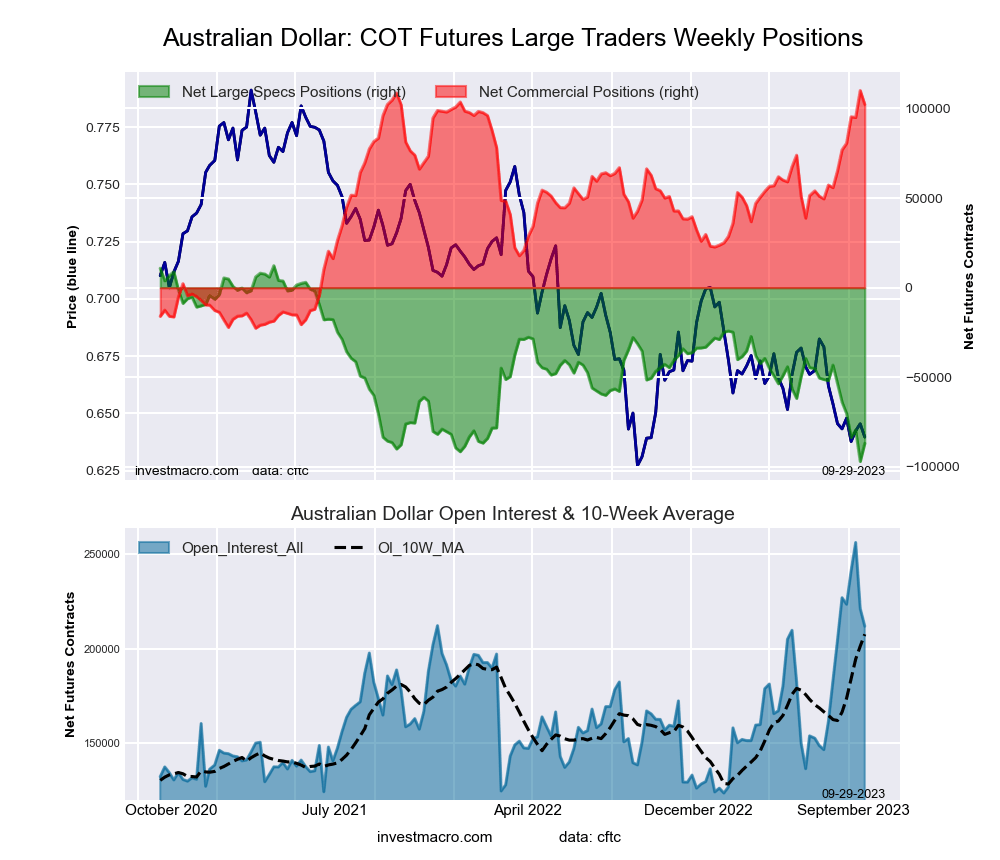
In our week ahead report last Friday we questioned whether the AUDUSD would experience a double-bottom bounce. Despite prices later tumbling on Tuesday after the Reserve Bank of Australia (RBA) left interest rates unchanged, the 0.6378 support continues to fend off bears. Should this level hold, prices may rebound back towards 0.6500. Alternatively, a selloff below 0.6378 could see a decline towards 0.6300.

USDJPY breakout strengthens bulls

After breaking and securing a daily close above the 146.70 resistance yesterday, the USDJPY could see further upside from a technical perspective. The next key level of interest can be found at 149.00. A move back below 146.70 may open a path back towards 144.90.

USDCAD gearing for more upside?

With the Bank of Canada rate decision around the corner, the USDCAD could see some heightened volatility today. It may be wise to keep a close eye on the 1.3650 resistance which has held since May 2023. A solid break above this point could trigger a further incline towards 1.3740. Any signs of weakness that take prices away from 1.3650 could invite bears to target 1.3500.


Forex-Time-LogoArticle by ForexTime

ForexTime Ltd (FXTM) is an award winning international online forex broker regulated by CySEC 185/12 www.forextime.com

Australia’s economy shows resilience to high-interest rates. OPEC+ production cuts support oil rally

By JustMarkets

As of Tuesday’s stock market close, the Dow Jones Index (US30) decreased by 0.56%, while the S&P 500 Index (US500) lost 0.42%. The NASDAQ Technology Index (US100) closed negative by 0.08% yesterday. The NASDAQ Stock Index (US100) was more resilient to the decline, helped by a 7% gain in Airbnb stock and a 4% gain in Tesla stock. Airbnb jumped on the back of its inclusion in the S&P 500 Index this month, while Tesla rose after China’s August auto shipments rose more than 30% m/m.

Economic news from the US on Tuesday provided support for the dollar after factory orders fell by 2.1% m/m in July, the biggest decline in 8 months, but stronger than expectations of a 2.5% m/m decline. FOMC representative Waller’s comments on Tuesday were dovish for Fed policy and bearish for the dollar as he signaled his support for a pause in Fed rate hikes. But weaker-than-expected economic news from China and the eurozone on Tuesday boosted relative optimism about the US economy and the dollar.

The Bank of Canada will hold its monetary policy meeting today. The latest inflation data for June showed a marked slowdown in both base and core inflation, but July’s figures show some resilience, with overall inflation rising to 3.3% y/y from 2.8% and core inflation holding steady at 3.2%. While there is only a 20% chance of any action being taken today, the probability of another 25 bps rate hike before the end of the year is around 50%.

Equity markets in Europe were mostly down on Tuesday. Germany’s DAX (DE40) decreased by 0.34%, France’s CAC 40 (FR40) fell by 0.34%, Spain’s IBEX 35 (ES35) lost 0.22%, and the UK’s FTSE 100 (UK100) closed down by 0.20%. Economic news from the Eurozone on Tuesday proved dovish for ECB policy. The Eurozone Composite PMI for August was revised down by 0.3 to 46.7 from the previously announced 47.0, the sharpest rate of contraction in 3 years. But July’s Eurozone producer price index (which displays the rate of inflation between factories and plants) fell to minus 7.6% y/y from minus 3.4% y/y in June, the sharpest decline in 14 years.

Oil prices rose on Tuesday after Saudi Arabia said it would maintain a unilateral 1.0 million BPD oil production cut through December. The move will keep Saudi oil production at around 9 million BPD, the lowest level in three years.

The World Gold Council (WGC) said in its latest report that Australian investors have switched to fixed-income assets amid economic uncertainty. The outlook for fixed-income assets is now threatened by inflationary pressures. The report recommends considering gold as a long-term strategic asset alongside bonds.

Asian markets were mostly down yesterday. Japan’s Nikkei 225 (JP225) rose by 0.30%, China’s FTSE China A50 (CHA50) fell by 0.77%, Hong Kong’s Hang Seng (HK50) ended the day down by 2.06%, and Australia’s S&P/ASX 200 (AU200) ended Tuesday negative by 0.06%.

According to Japan’s Central Bank official Hajime Takata, Japan is seeing the first signs of a change in the established view that wages and inflation will not rise much, indicating that conditions are forming for a gradual withdrawal of large-scale stimulus. Takata emphasized the need to maintain ultra-soft monetary policy for the time being, as the slowdown in global economic growth is adding to uncertainty about whether Japan can sustainably meet the Bank of Japan’s (BoJ) 2% inflation target. However, he also noted that there are signs of a change in corporate pricing and wage-setting behavior, which is driving up prices not only for goods but also for services, indicating that inflationary pressures are intensifying. Japan’s core inflation reached 3.1% in July, surpassing the Bank of Japan’s 2% target for the 16th consecutive month.

Australian GDP grew by 0.4% in quarterly terms, in line with the previous quarter’s pace and economists’ estimates. This result is likely to boost the Reserve Bank of Australia’s (RBA) confidence that it can provide a soft landing for the economy. However, Goldman Sachs forecasts that growth in the Australian economy will weaken as households come under pressure from rising interest rates and prices.

S&P 500 (F)(US500) 4,496.83 −18.94 (−0.42%)

Dow Jones (US30) 34,641.97 −195.74 (−0.56%)

DAX (DE40)  15,771.71 −53.14 (−0.34%)

FTSE 100 (UK100) 7,437.93 −14.83 (−0.20%)

USD Index  104.80 −0.57 (−0.57%)

Important events for today:
  • – Australia GDP (q/q) at 04:30 (GMT+3);
  • – UK Construction PMI (m/m) at 11:30 (GMT+3);
  • – Eurozone Retail Sales (m/m) at 12:00 (GMT+3);
  • – US Trade Balance (m/m) at 15:30 (GMT+3);
  • – Canada Trade Balance (m/m) at 15:30 (GMT+3);
  • – UK Monetary Policy Report Hearings at 16:15 (GMT+3);
  • – US ISM Service PMI (m/m) at 17:00 (GMT+3);
  • – Canada BoC Interest Rate Decision (m/m) at 17:00 (GMT+3);
  • – Canada BoC Rate Statement (m/m) at 17:00 (GMT+3).

By JustMarkets


This article reflects a personal opinion and should not be interpreted as an investment advice, and/or offer, and/or a persistent request for carrying out financial transactions, and/or a guarantee, and/or a forecast of future events.

G20 summit must formulate plan for Global South climate change threat

By George Prior 

The G20 summit in India must have a “concrete plan” for “scaled-up” green financing for the Global South as a critical strategy to combat climate change, affirms the founder of one of the world’s largest independent financial advisory, asset management and fintech organizations.

The comments from deVere Group’s Nigel Green comes as leaders of the Group of 20 top industrialised and developing countries will gather this weekend in New Delhi for a summit that will celebrate the end of India’s 12-month G20 presidency.

He says: Climate change is no longer a distant threat; it is a present reality. Rising global temperatures, extreme weather events, melting ice caps, and sea-level rise are already affecting communities, ecosystems, and economies worldwide.

“The Global South, comprising developing nations with limited resources, bears a disproportionate burden in this climate crisis, despite contributing minimally to greenhouse gas emissions.

“As such, the leader of the G20 – the richest countries in the world – must use the summit starting in India this week to formulate a concrete plan for scaled-up green financing to help the Global South tackle the biggest issue of our time.

“A failure to do this could, ultimately, have catastrophic consequences for our planet and its communities.”

Green financing encompasses a range of mechanisms designed to support sustainable, environmentally friendly projects that mitigate climate change and enhance resilience.

These include investments in renewable energy, energy efficiency, climate adaptation, sustainable agriculture, and conservation efforts.

“One of the major challenges faced by the Global South is access to financial resources needed for climate action. Developing nations often lack the financial capacity to invest in green projects without incurring significant debt,” says the deVere CEO.

“The G20 summit must play a pivotal role in bridging this financial gap by prioritising green financing and creating mechanisms to make it more accessible.”

G20 countries, being the largest economies in the world, must also “commit to increasing in a considerable way their financial contributions to international climate finance mechanisms. These funds are essential for providing support to developing nations in their efforts to mitigate emissions and adapt to the impacts of climate change,” he notes.

Nigel Green goes on to add that the G20 summit should also serve as a platform for fostering collaboration between developed and developing nations.

This collaboration can take various forms, including knowledge sharing, technology transfer, and capacity building.
In addition, to scale up climate action, it is crucial to engage the private sector. G20 countries can promote public-private partnerships and initiatives that attract private sector investment in green projects.

“This can be achieved through incentives, guarantees, or risk-sharing mechanisms that make investments in sustainability more appealing to businesses.”

Innovation in financial instruments, such as green bonds and climate insurance, can unlock alternative funding sources for climate projects in developing nations.

The deVere CEO says: “The G20 summit must urgently encourage the development and adoption of such instruments to diversify funding options.”

The G20 summit in India presents a crucial opportunity to prioritize green financing for the Global South as a key strategy to combat climate change.

This summit can be a turning point in the global fight against climate change, demonstrating that unity, innovation, and commitment can drive transformative change toward a sustainable future for all.

“The urgency of climate action cannot be overstated, and the global community must act decisively.

“By committing to green financing, promoting collaboration, and bridging the financial gap, the G20 can lead the way in ensuring that all nations, particularly those in the Global South, have the resources and support they need to address the climate crisis effectively,” concludes Nigel Green.

About:

deVere Group is one of the world’s largest independent advisors of specialist global financial solutions to international, local mass affluent, and high-net-worth clients.  It has a network of offices across the world, over 80,000 clients and $12bn under advisement.