Claudia Goldin’s Nobel Prize win is a victory for women in economics – and the field as a whole

By Veronika Dolar, SUNY Old Westbury 

Economic history has long been chronicled through a male lens, emphasizing the contributions of men and their viewpoints. For proof, just look to the Nobel Memorial Prize in Economic Sciences. It’s been awarded to 90 men since 1969 – and just three women.

The third woman to win the prize, distinguished Harvard labor economist Claudia Goldin, was honored on Oct. 9, 2023, for her decades of work studying the gender pay gap. It wasn’t a victory just for her but for women in the field.

As an economist, I take this issue personally. My field has a huge gender gap. Only 24% of tenure-track faculty in economics are women. In contrast, women make up 43% of tenure-track faculty across academia as a whole.

More than just stocks and bonds

Part of the problem is that economics is often stereotypically associated with finance, money and banking. This narrow perception might not appeal to everyone. Women in particular tend to be drawn to areas that have direct bearing on social challenges.

But economics is about much more than just the stock market. In fact, vast areas of the discipline deal with social issues – health, development, education and, yes, gender inequality.

For instance, labor economists study issues like family leave policies and the gender pay gap – areas that directly affect women’s lives.

It shouldn’t come as a surprise, then, that women have had a greater presence in labor economics than in other subfields.

Women have also historically been drawn to health economics, development economics and education economics. But those fields don’t get as much attention, and the public sometimes doesn’t even recognize them as being part of economics at all.

They may even get the short shrift in Econ 101. A study of introductory economics textbooks found that 75% of people named in them were men. Women weren’t even equally represented in hypothetical examples.

Where are the women?

Not only are women underrepresented as economists, economics as a field has historically ignored the role women play in the economy. Even as the study of family economics gained traction in the 1970s, the pivotal roles of women were often sidelined.

Traditional models often oversimplified households’ decision-making processes and overlooked women’s contributions. This led economists to undervalue the unpaid labor women provided in households and perpetuate stereotypical gender roles in their analyses.

Goldin has challenged these traditional male-centric narratives. Through her groundbreaking research – particularly on wage inequalities and the “motherhood penalty” – Goldin has turned the spotlight on women’s economic roles and challenges.

Her findings reveal the complexities of wage disparities, emphasizing issues like the challenges women face after childbirth. For instance, career interruptions such as maternity leave or reduced work hours to care for children and other relatives can reduce women’s earnings and job prospects in the long term.

It’s vital to note that Goldin’s research doesn’t attribute the gender pay gap to employer discrimination. Instead, her insights advocate for the establishment of robust support systems.

Strengthening child care facilities, improving parental leave policies, offering workplace flexibility and otherwise bolstering policies that support families with kids can play a pivotal role in addressing the wage gap, her findings suggest. In the absence of such supports, women are bound to keep earning less than men after they become parents.

A win for one, a victory for many

Goldin’s Nobel recognition isn’t merely an honor for her individual achievements. It serves as a beacon for women in economics and academia as a whole.

First, her win challenges the historical gender imbalance in such prominent awards, signaling a long-overdue recognition for women’s contributions to economics. It provides hope for young female economists that their work can also achieve such renown.

Beyond this, her Nobel nod underscores a crucial point: Economics is a rich and complex discipline that goes beyond traditional monetary and financial issues. It’s about parenthood. It’s about child care. It’s about people’s struggles. It’s about social change.

In essence, Goldin’s win shows the world just how expansive, inclusive, diverse and interconnected the field really is. Economics isn’t just the dismal science. It’s a human science.The Conversation

About the Author:

Veronika Dolar, Associate Professor of Economics, SUNY Old Westbury

This article is republished from The Conversation under a Creative Commons license. Read the original article.


Can SPX500_m bears keep up their momentum?

By ForexTime 

  • SPX500_m flirts above weekly resistance ahead of US CPI
  • Bears in control on weekly timeframe
  • Three potential targets identified.
  • Bearish scenario invalidated If 4401.1 price level is broken
  • Will key US inflation report support SPX500_m bulls or bears?

The SPX500_m seems to be in the process of a technical bounce on the daily charts with prices flirting above key weekly resistance ahead of the US CPI report later today. Nevertheless, bears remain in firm control on the weekly charts. Even though the current correction wave is strong – it is approaching a point of possible resistance at the trend line.

On the daily timeframe, prices are at a weekly resistance turned support level and the bullish strength is undeniable with an extended correction wave in the current down trend clearly visible. This leaves the field open for either bullish continuation or a bearish intervention and the possible start of a new impulse wave in the down trend. Since both the weekly and the daily trend is downwards, a more detailed bearish opportunity is discussed on the H4 chart.

The H4 chart reveals more details with a strong bullish trend in progress. As mentioned above the higher time frames as well as the effect on traders based on the CPI news event might cause the bears to take over again.

Attaching a modified Fibonacci tool to a trigger level near a last bottom at 4343.3 and dragging it to a stop loss just above a last proper swing at 4401.1, three possible targets can be established:

  • The first possible target at 4314.3 (Target 1) with risk management in sight.

  • The second potential price target at 4273.9 (Target 2) – located just before weekly support level.

  • The third and last price target is feasible at 4236.3 (Target 3) if bears can break through the weekly support level.

If the price at 4401.1 is broken, this scenario is no longer applicable.


Forex-Time-LogoArticle by ForexTime

ForexTime Ltd (FXTM) is an award winning international online forex broker regulated by CySEC 185/12 www.forextime.com

Oil prices are declining amid growing geopolitical risk in the Middle East. The FOMC minutes were mixed

By JustMarkets

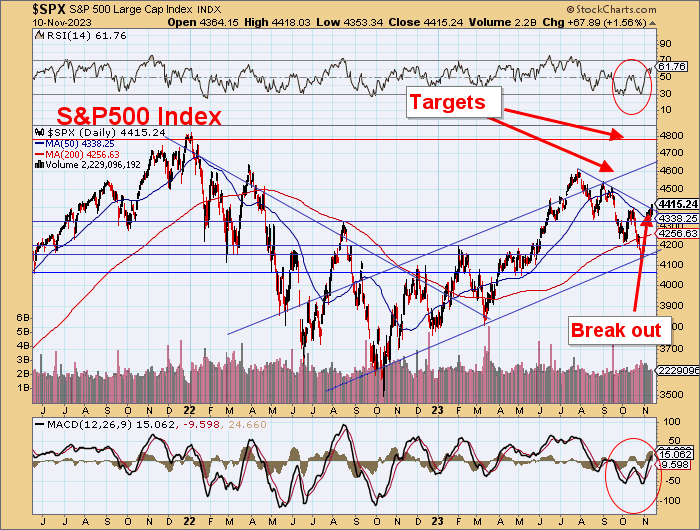
At Wednesday’s close, the Dow Jones Index (US30) added 0.19%, while the S&P 500 Index (US500) was up by 0.43%. The NASDAQ Technology Index (US100) closed positive by 0.71% yesterday.

According to the FOMC minutes released on Wednesday last month, the Federal Reserve leadership considered the outlook for the US economy uncertain and said it would “proceed cautiously” in deciding whether to raise the benchmark interest rate further. Such caution is generally seen as an indication that the Fed is not inclined to raise rates in the near future. Economic data over the past few months have indicated that inflation is slowing, according to the September 19-20 meeting minutes. Policymakers added that more evidence of inflation slowing to the Fed’s 2% target is needed to be confident that inflation will slow to the Fed’s 2% target. Officials generally acknowledged that the risks to Fed policy are increasingly balanced between raising rates too high, which hurts the economy, and not raising them enough to contain inflation.

Late Tuesday, San Francisco Fed spokeswoman Daly said that tighter financial conditions could mean the Fed wouldn’t have to do as much in terms of interest rates. Also on Wednesday, Fed spokesman Waller said that the Fed finally got a very good hold on inflation and can now take an observational stance.

The US PPI for September rose by 0.5% m/m and 2.2% y/y, which was stronger than expectations of 0.2% m/m and 1.6% y/y. In addition, the Food & Energy Price Index rose by 0.3% m/m and 2.7% y/y, stronger than expectations of 0.2% m/m and 2.3% y/y.

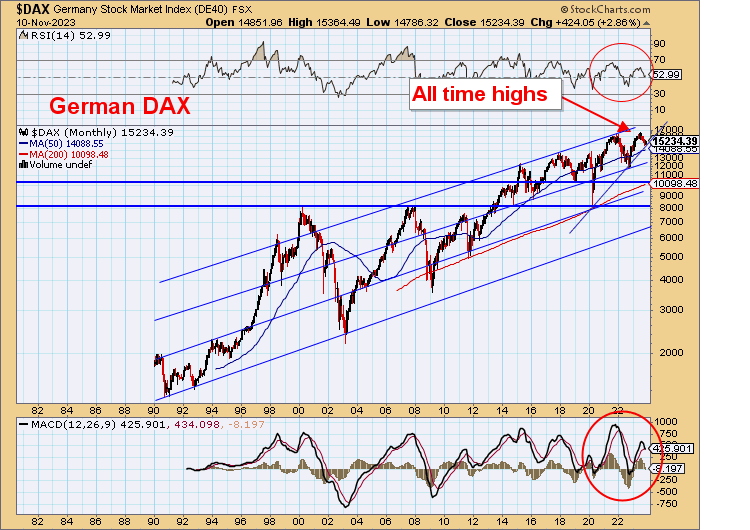
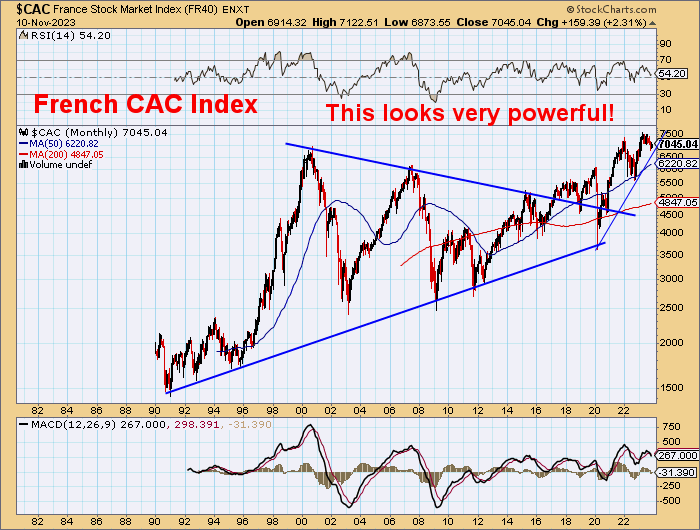
Equity markets in Europe traded yesterday without any unified dynamics. German DAX (DE40) increased by 0.24%, French CAC 40 (FR40) declined by 0.44% on Wednesday, Spanish IBEX 35 (ES35) added 0.06%, and British FTSE 100 (UK100) closed negative by 0.11%.

The European currency retreated from its best levels amid dovish comments from ECB Governing Council representative and Bundesbank President Nagel, who said a pause could be an option for the ECB at its next policy meeting later this month.

WTI crude oil and gasoline prices fell sharply on Wednesday amid early signs that the war between Israel and Hamas will have a limited impact on oil flows in the Middle East. In addition, Wednesday’s US producer price index report came in stronger than expected, reinforcing speculation that the Federal Reserve will hold interest rates longer, which could dampen economic growth and energy demand.

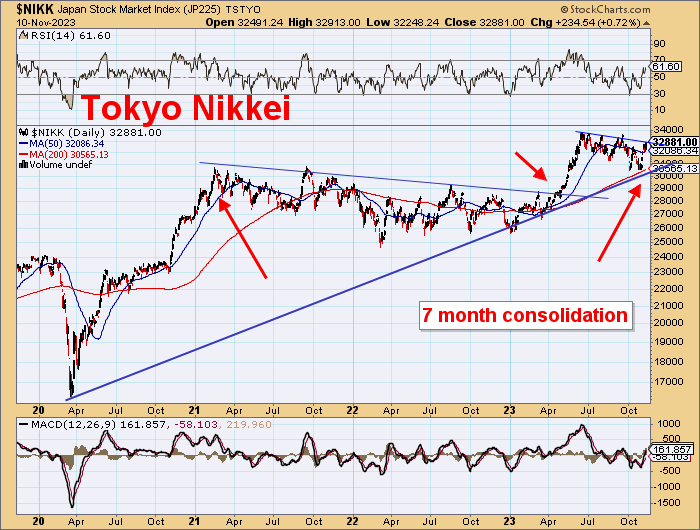
Asian markets were predominantly up yesterday. Japan’s Nikkei 225 (JP225) increased by 0.60%, China’s FTSE China A50 (CHA50) gained 0.37%, Hong Kong’s Hang Seng (HK50) added 1.29% and Australia’s ASX 200 (AU200) ended the day positive by 0.68%.

Hong Kong’s Hang Seng Index jumped by 1.8% on Thursday thanks to a 3% rise in banking stocks after China’s state fund Central Huijin Investment increased stakes in four major banks.

Japan’s September machine tool orders fell by 11.2% y/y, the ninth consecutive decline.

S&P 500 (F)(US500) 4,376.95 +18.71 (+0.43%)

Dow Jones (US30) 33,804.87 +65.57 (+0.19%)

DAX (DE40)  15,460.01 +36.49 (+0.24%)

FTSE 100 (UK100) 7,620.03 −8.18 (−0.11%)

USD Index  105.73 −0.10 (−0.09%)

News feed for 2023.10.12:
  • – Japan Producer Price Index (m/m) at 02:50 (GMT+3);
  • – UK GDP (m/m) at 09:00 (GMT+3);
  • – UK Industrial Production (m/m) at 09:00 (GMT+3);
  • – UK Manufacturing Production (m/m) at 09:00 (GMT+3);
  • – UK Trade Balance (m/m) at 09:00 (GMT+3);
  • – Eurozone ECB Monetary Meeting Accounts at 14:30 (GMT+3);
  • – US Consumer Price Index (m/m) at 15:30 (GMT+3);
  • – US Initial Jobless Claims (w/w) at 15:30 (GMT+3);
  • – US Natural Gas Storage (w/w) at 17:30 (GMT+3);
  • – US Crude Oil Reserves (w/w) at 18:00 (GMT+3);
  • – US FOMC Member Bostic Speaks at 20:00 (GMT+3).

By JustMarkets


This article reflects a personal opinion and should not be interpreted as an investment advice, and/or offer, and/or a persistent request for carrying out financial transactions, and/or a guarantee, and/or a forecast of future events.

Mid-Week Technical Outlook: G10 currencies

By ForexTime 

  • Dollar steady ahead of FOMC minutes
  • EURUSD approaches key resistance
  • GBPUSD bulls back in town?
  • USDJPY trapped within wide range
  • USDCAD set to challenge 50-day SMA?

A tense atmosphere gripped financial markets on Wednesday amid mounting geopolitical tensions and incoming US economic data.

Although global equities rose in the previous session on dovish remarks from Fed officials, the overall uncertainty and growing caution may limit upside gains. In the commodity space, oil prices slipped after an early-week surge while gold widened the gap – rising over 0.7% as Treasury yields retreated.

Looking at currencies, the dollar remains relatively stable despite dovish Fed remarks – gaining against most G10 currencies ahead of the FOMC meeting minutes this evening.

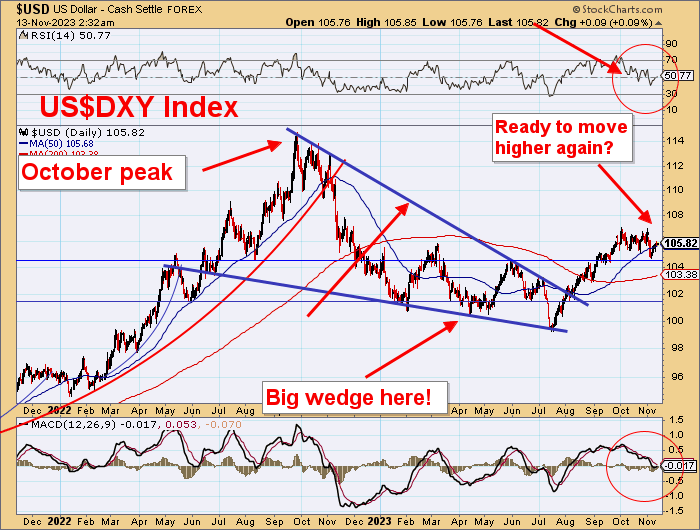
The USD Index is wobbling above 105.80 as of writing but could see some more action in the second half of the week, especially with the U.S. inflation data scheduled for release on Thursday.

Given the chaotic cocktail of themes influencing markets, this may present some opportunities across the FX space. Here are a couple of trading setups we are keeping an eye on:

EURUSD approaches key resistance

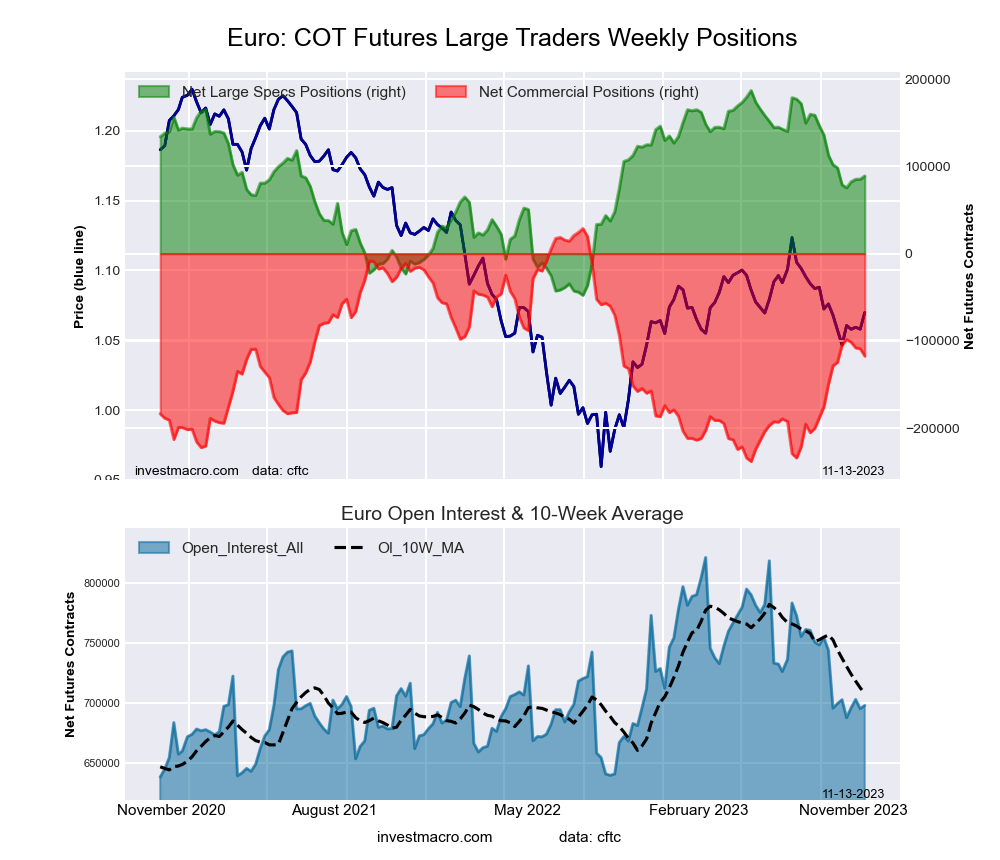
Euro bulls could make a comeback after prices secured a daily close above the 1.0600 level. Although prices are trading below the 50, 100, and 200-day SMA, the bearish trend may be threatened if a solid breakout above 1.0650 is achieved. This may open a path higher toward the 50-day SMA at 1.0750 and 1.0820 – where the 200-day SMA resides. Should prices keep below 1.0600, this could trigger a decline back towards 1.0500.

GBPUSD bulls back in town?

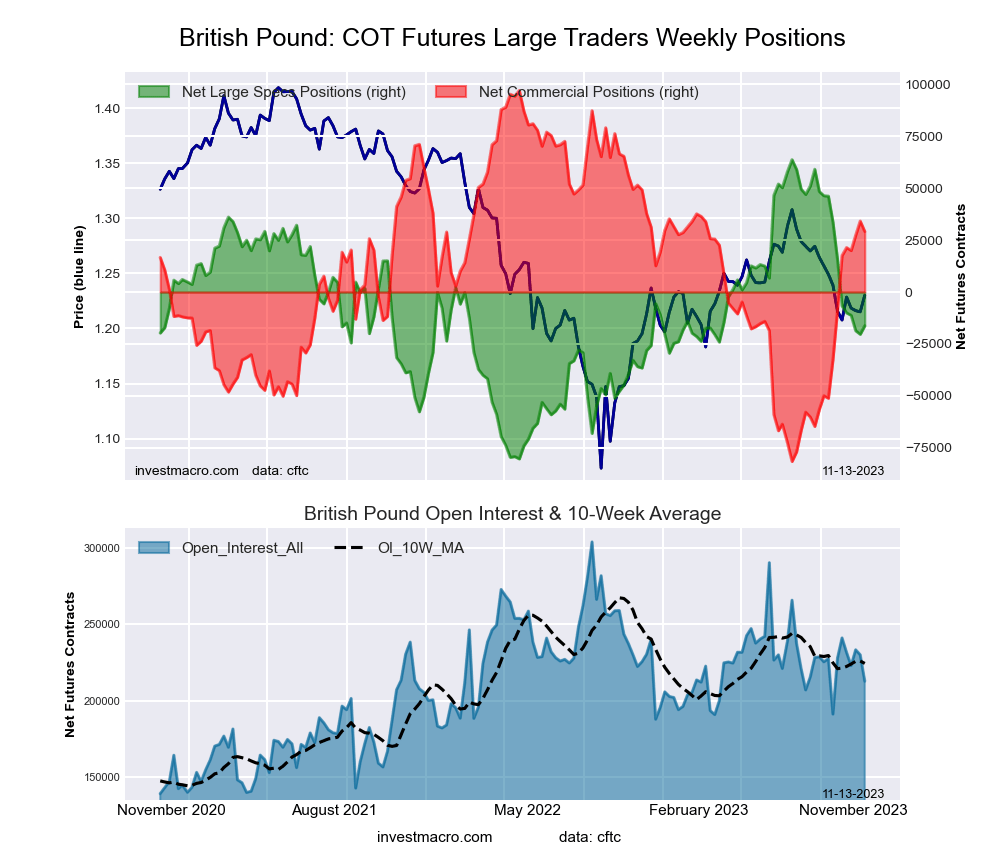
The GBPUSD may be in the process of a trend reversal after closing above the 1.2275 level. Bulls seem to be gaining momentum on the daily timeframe observed by the six consecutive positive daily candlesticks. Should prices push beyond the 1.2275 level, this could open the doors towards 1.2340 and 1.2540, respectively. A decline back below 1.2275 could see prices slip towards 1.2160.

USDJPY trapped within range

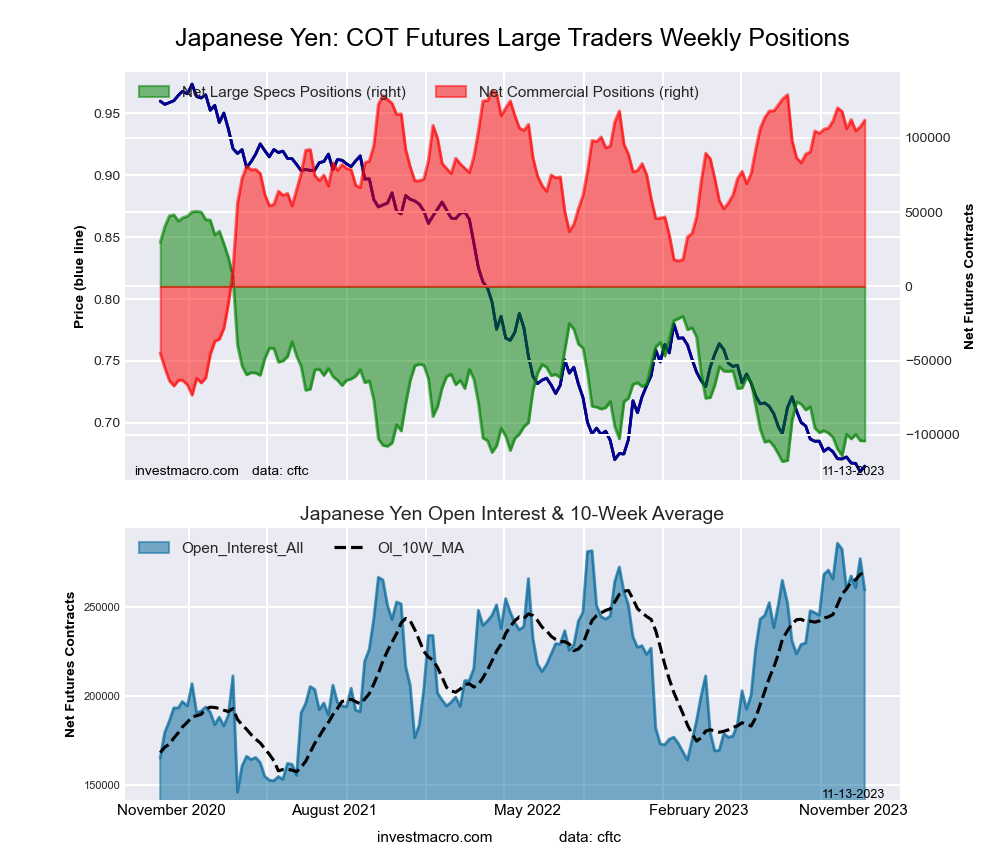
After the aggressive reaction to the 150.00 level earlier this month, the USDJPY remains trapped within a wide range with support at 147.50 and resistance at 150.00. The currency pair remains pulled and tugged by various fundamental forces while the technicals suggest that a breakout could be on the horizon. Should prices slip below 148.40, this may trigger a selloff towards 147.50 and 146.70 – where the 50-day SMA resides. Alternatively, a strong break above 149.30 could see prices re-challenge 150.00.

USDCAD set to challenge 50-day SMA?

The USDCAD has found some support at 1.3570 after falling for four consecutive days. Bears seem to be back in the picture and could switch into a higher gear if a solid breakdown below 1.3570 is achieved. This could result in a decline towards the 50-day SMA at 1.3540 and 1.3450 – a level just below the 200-day SMA can be found. If bulls can push prices back above 1.3640, the first checkpoint can be found at 1.3690 before a possible move back towards 1.3750.


Forex-Time-LogoArticle by ForexTime
ForexTime Ltd (FXTM) is an award winning international online forex broker regulated by CySEC 185/12 www.forextime.com

Why Canada Must Develop Vital Mineral Production

Source: Bob Moriarty  (10/10/23)

Bob Moriarty of 321Gold shares that as conflict rises globally, Canada must develop its rare earth element resources like Defense Metals’ Wicheeda project to secure critical mineral supply chains.

This past weekend’s events in Palestine highlight the rapid evolution of modern warfare. Videos on October 7 showed a US$500 drone controlled by a cell phone dropping a US$50 mortar on a US$10 million tank. This underscores how spending on expensive hardware is pointless when cheap drones are readily available. Tanks are now what outdated battleships were to Pearl Harbor. The real value lies in the technology behind cell phones and drones.

With rising global conflict, securing critical mineral supply chains matters more than concerns over price. By outsourcing most mining and production, the U.S. and Canada made a strategic mistake. China now controls the global market for rare earth elements, vital for electric vehicles, electronics, and defense systems.

I’ve spoken about Defense Metals Corp.’s (DEFN:TSX.V; DFMTF:OTCQB; 35D:FSE) Wicheeda rare earth project in British Columbia. Located near infrastructure, Defense recently increased the project’s resource by 31% to 45 million tonnes of rare earth oxides. Last week, they began advanced geotechnical drilling for an upcoming pre-feasibility study.

Defense plans to produce 20-25 million tonnes of rare earth oxides — potentially 10% of global output. With no current rare earth production in North America, projects like Wicheeda are critical for economic security. Despite discussing assistance for juniors advancing these deposits, the U.S. and Canada must move swiftly from talk to action.

Defense Metals is an advertiser, and I own shares, making me admittedly biased. However, their corporate presentation is excellent reading for any investors interested in the vital rare earths sector. Due diligence is always essential. The global rare earth supply chain is a coming battleground, and Canada must develop projects like Wicheeda to secure its economic future.

The conflict in Ukraine underscores how vital it is to control supply chains for key technological minerals. China currently dominates rare earth production at nearly 90% of global output. By failing to develop its own domestic rare earth projects, Canada leaves itself vulnerable to supply disruptions during times of conflict.

Companies like Defense Metals offer a path to Canadian rare earth production and independence. Its Wicheeda project has major resource expansion potential and advanced infrastructure. With pre-feasibility studies underway, Wicheeda could be operational within a few years to secure domestic rare earth supply.

Projects like Wicheeda are thus strategic national assets that Canada must leverage. The world is entering an era of resource nationalism surrounding minerals like rare earths. By exercising foresight and enabling domestic production, Canada can guarantee its own technological security and prosperity.

The stakes are clear — as geopolitical tensions rise, rare earths and lithium will be 21st-century economic weapons. Vision is required to invest decisively in vital mineral supply chains. The window of opportunity is closing fast. Canada must act now to develop its resource base and avoid potential supply shocks or conflicts.

Overall, the coming rare earth war makes projects like Wicheeda national security priorities. Canada’s economic future depends on establishing domestic rare earth production. The time for talk is over — concrete action is required to guarantee mineral security and technological leadership. Companies like Defense Metals offer a clear pathway forward if Canada has the courage to seize it.

Important Disclosures:

  1. Defense Metals Corp. is a billboard sponsor of Streetwise Reports and pays SWR a monthly sponsorship fee between US$4,000 and US$5,000.
  2. As of the date of this article, officers and/or employees of Streetwise Reports LLC (including members of their household) own securities of Defense Metals Corp.
  3. Bob Moriarty: I, or members of my immediate household or family, own securities of: Defense Metals Corp. My company has a financial relationship with: Defense Metals Corp. I determined which companies would be included in this article based on my research and understanding of the sector.
  4. Statements and opinions expressed are the opinions of the author and not of Streetwise Reports or its officers. The author is wholly responsible for the validity of the statements. The author was not paid by Streetwise Reports for this article. Streetwise Reports was not paid by the author to publish or syndicate this article. Streetwise Reports requires contributing authors to disclose any shareholdings in, or economic relationships with, companies that they write about. Streetwise Reports relies upon the authors to accurately provide this information and Streetwise Reports has no means of verifying its accuracy.
  5.  This article does not constitute investment advice. Each reader is encouraged to consult with his or her individual financial professional. By opening this page, each reader accepts and agrees to Streetwise Reports’ terms of use and full legal disclaimer. This article is not a solicitation for investment. Streetwise Reports does not render general or specific investment advice and the information on Streetwise Reports should not be considered a recommendation to buy or sell any security. Streetwise Reports does not endorse or recommend the business, products, services or securities of any company.

For additional disclosures, please click here.

Lithium Co. Sees Heavy Volume as Big Three Automaker Deal Closes

Source: Streetwise Reports  (10/9/23)

The markets were buzzing after the deal between this lithium explorer and big-three automaker Stellantis closed. Find out which newsletter is now recommending this stock.

The US$90 million investment deal in lithium explorer Argentina Lithium & Energy Corp. (LIT:TSX.V; PNXLF:OTC; OAY3:FSE) by big-three automaker Stellantis (formerly Chrysler) has closed.

Upon the announcement of the closing Thursday, LIT was the top trader on the Toronto Venture Exchange Thursday and into Friday morning, when 1.8 million of its shares traded by 10 a.m. ET.

The company’s stock rose 165% from CA$0.23 last week to CA$0.61 Friday morning.

The investment by the auto industry heavyweight in South America’s Lithium Triangle looking for the battery metal vital to the new green economy prompted one watcher, Chris Temple, editor of The National Investor newsletter, to call his readers to action.

“But to be sure: There will be growing production in the years ahead from this region,” Chris Temple of The National Investor wrote.

“This factor is what prompts me to go from watching to recommending with Argentina Lithium & Energy, given the news just out the last few days that car maker Stellantis (today’s owner of the Chrysler and Jeep brands, along with several others) has decided to put US$90 million into LIT’s wholly owned local subsidiary companies exploring these projects,” Temple wrote.

The Stellantis umbrella includes iconic brands like Chrysler, Alfa Romeo, Citroen, Dodge, Fiat, Jeep, Maserati, and Peugeot. Under the agreement, Peugeot Citroen Argentina SA, a Stellantis subsidiary, owns 19.9% of the company’s issued and outstanding shares, and Argentina Lithium will own 80.1%.

Temple also noted that mines bought or consolidated by larger companies will play a part in making the Lithium Triangle economical for investors.

“But to be sure: There will be growing production in the years ahead from this region,” Temple wrote. “And it will be fostered, in part, by O.E.M.’s (original equipment manufacturers) and others placing their much bigger bets today.”

Fundamental Research Corp. analyst Sid Rajeev, while initiating coverage on the company in July, agreed.

Fundamental Research Corp. analyst Sid Rajeev, while initiating coverage on the company in July, agreed.

“As LIT’s projects are close to well-known projects held by majors, the company can be subject to M&A events if it is able to delineate a resource in one or more of its assets,” noted Rajeev, who rated the stock a Buy with a fair value target price of CA$0.52.

Argentina Lithium has acquired resource properties across the Americas, with a considerable focus on Argentina and the Lithium Triangle. Its current projects include

Argentina Lithium’s projects are all within the Lithium Triangle in the Argentinian provinces of Salta and Catamarca. They include Rincon WestAntofalla NorthPocitos, and Incahuasi. All are “salar” properties were the company hopes to produce lithium carbonate from brines enriched in lithium. They are currently at the exploration stage.

The Catalyst: A ‘Fast and Furious’ Transition

Stellantis’ investment highlights the approaching shortage of lithium, a metal it will need for electric vehicle (EV) batteries.

The EV transition is “is coming fast and furious,” Argentina Lithium President and Chief Executive Officer Nikolaos Cacos said.

Stellantis’ investment “allows us to not think about funding anymore as an exploration company,” Cacos said. “I think we can advance all our projects over the next three years, right up to the announcement, define resources and pre-feasibility studies just before . . . (and) announcing making a decision or going forward and commercial production.”

Analysts from Eight Capital predicted that lithium market deficits will widen this decade, and the shortfalls will be driven by demand in North America.

After the issuance of exchange shares and at the close of the transaction, on or about October 4, Stellantis will own at most 19.9% of the common shares (on an undiluted basis) of Argentina Lithium, the company said.

The exchange agreement also provides Stellantis with observer rights to attend Argentina Lithium’s board meetings for as long as Stellantis owns at least 10% of the company and allows it to nominate one director to the Board of Directors.

The companies will enter into a lithium offtake agreement in which Stellantis will buy up to 15,000 tonnes per year of lithium produced by LIT over a seven-year period. The agreement may be extended by the companies.

The supply obligation of the agreement is conditional on the start of commercial lithium production at one or more of Argentina Lithium’s projects, as well as other terms, including Stellantis having a first right of first refusal on the sale of lithium products to third parties after production starts.

Analysts: Market Deficits Will Widen

Lithium is a major component of EV batteries, where it is used as a cathode and electrolyte. A soft, silvery metal with highly reactive and flammable properties, lithium is also used to strengthen alloys, as a high-temperature lubricant, and as a drug to treat bipolar disorder.

Analysts from Eight Capital predicted that lithium market deficits will widen this decade, and the shortfalls will be driven by demand in North America.

The United States’ EV penetration of 6% lags China’s 26% and Europe’s 20%, analysts Anoop Prihar and Alex Riazanov of Eight Capital wrote in a recent research note. But President Joe Biden’s administration has committed to a target of 50% of new vehicle sales being EVs by 2030.

“We estimate North American lithium nameplate production capacity will be 262,900 LCE (million tonnes lithium carbonate) in 2026 based on projects that currently have completed a Definitive Feasibility Study (DFS),” Prihar and Riazanov wrote.

Retail: 63%
Strategic Investors: 37%
63%
37%
*Share Structure as of 9/29/2023


“Although this is a significant increase from the current North American production capacity of 6,000 tonnes LCE, it’s still more than 128,000 tonnes short of what we anticipate will be required by the battery plants. As such, we anticipate the fundamentals underlying lithium demand to remain robust.”

Ownership and Share Structure

The company doesn’t officially share any information regarding management or institutional ownership, but Reuters reported that about 37% was owned by strategic institutions in the most recent reporting.

Its largest shareholders are Lithium Investment Partners LP with 17.68%, Jack Yetiv with 15.24%, Joseph J. Grosso with 3.05%, and the CEO Cacos with 1.04%, according to Reuters.

Its market cap is CA$77.39 million, with 130 million shares outstanding. It trades in a 52-week range of CA$0.60 and CA$0.19.


Important Disclosures:

  1. As of the date of this article, officers and/or employees of Streetwise Reports LLC (including members of their household) own securities of Argentina Lithium & Energy Corp.
  2. Steve Sobek wrote this article for Streetwise Reports LLC and provides services to Streetwise Reports as an employee.
  3. The article does not constitute investment advice. Each reader is encouraged to consult with his or her individual financial professional. By opening this page, each reader accepts and agrees to Streetwise Reports’ terms of use and full legal disclaimer. This article is not a solicitation for investment. Streetwise Reports does not render general or specific investment advice and the information on Streetwise Reports should not be considered a recommendation to buy or sell any security. Streetwise Reports does not endorse or recommend the business, products, services or securities of any company mentioned on Streetwise Reports.

For additional disclosures, please click here.

The cryptocurrency market digest (BTC). Overview for 11.10.2023

By RoboForex.com

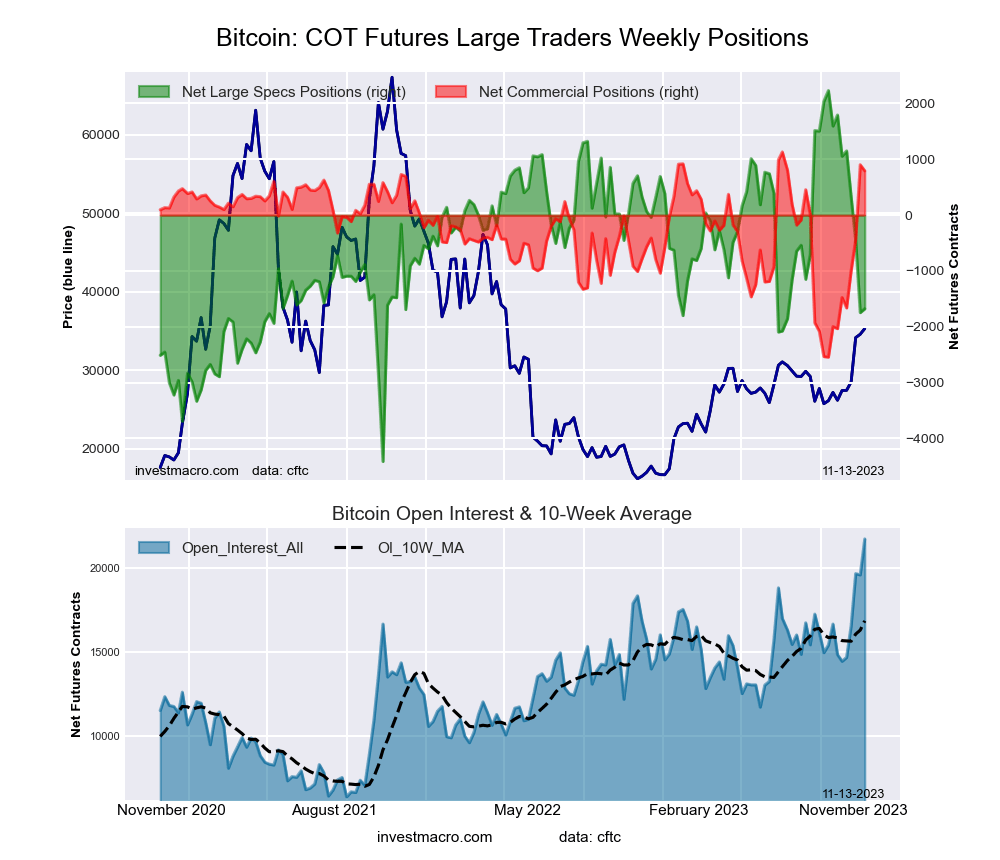
The price of BTC declined to 27,112 USD on Wednesday.

From a fundamental standpoint, the market is still uneventful, with no indications about the progress of Bitcoin ETF application approvals. The first updates are expected next week, but there is no certainty that they will be positive.

The cryptocurrency sector does not react to investors shifting away from fiat platforms in their risk aversion attempts or risk sentiments. The correlation between BTC’s value and the S&P 500 and Nasdaq indices appears minimal.

Technical levels remain unchanged. Resistance levels are sequentially positioned at 28,000 USD and then 28,500 USD. These levels must be firmly surpassed to target a rise of 30,000 USD.

The cryptocurrency market capitalisation has decreased to 1.06 trillion USD. BTC’s share has risen to 50.1%, while ETH has declined to 17.7%.

Quant launches transaction security technology

Quant has announced the launch of a solution to make blockchain-based banking transactions even more secure. The technology, known as Overledger Authorise, aims to resolve payment-related challenges within the banking sector.

Fidelity considers BTC the safest token

The Fidelity fund confidently believes in BTC’s security as a cryptocurrency. Fidelity Digital Assets’ research states that BTC is both the scarcest and the most decentralised token in the world. Fidelity suggests that BTC is best valued as a monetary commodity. This viewpoint might spark debate among other participants in the cryptocurrency market.

Article By RoboForex.com

Attention!
Forecasts presented in this section only reflect the author s private opinion and should not be considered as guidance for trading. RoboForex LP bears no responsibility for trading results based on trading recommendations described in these analytical reviews.

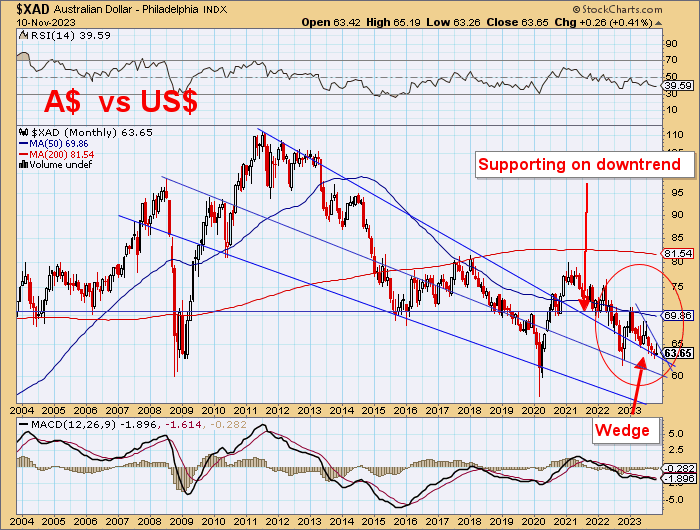
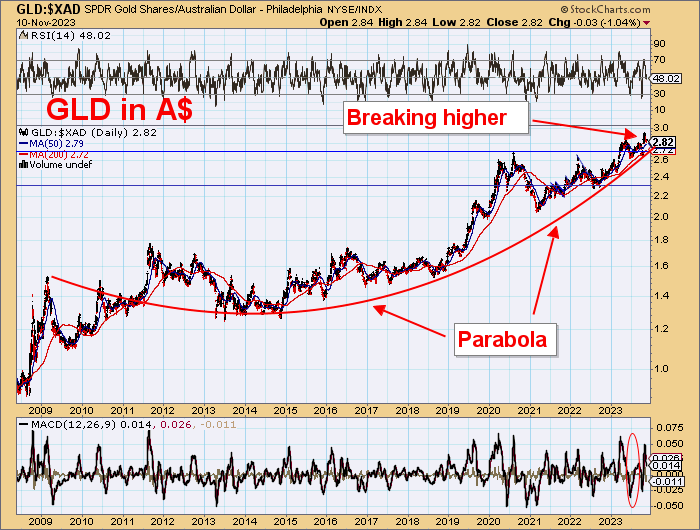
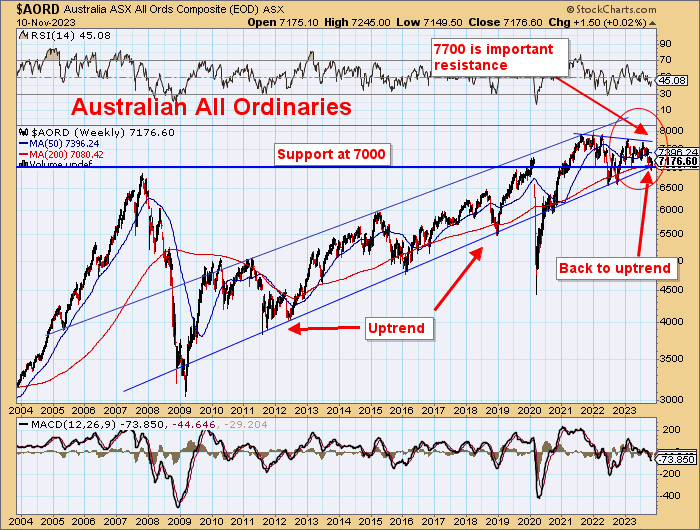
Gold Stocks vs. AU$ Gold Ready To Break 16 Year Downtrend

Source: Barry Dawes  (10/9/23)

Barry Dawes of Martin Place Securities shares a quick update on the current state of gold. 

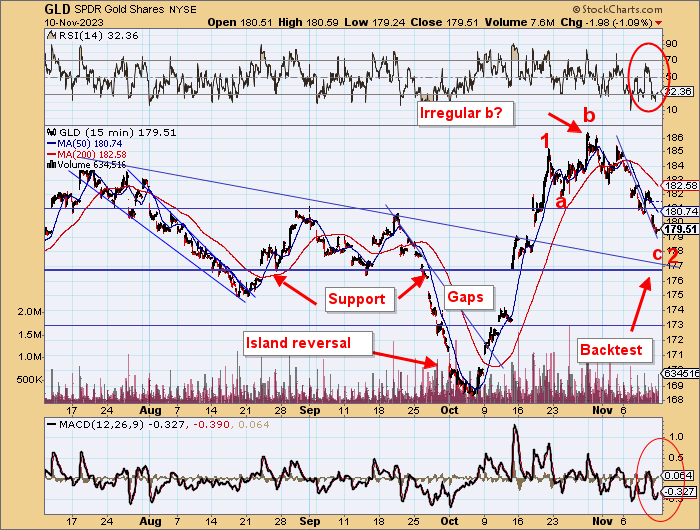
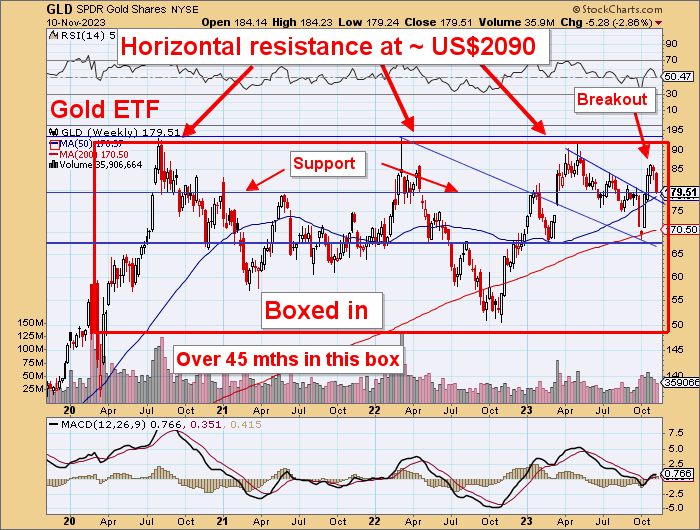
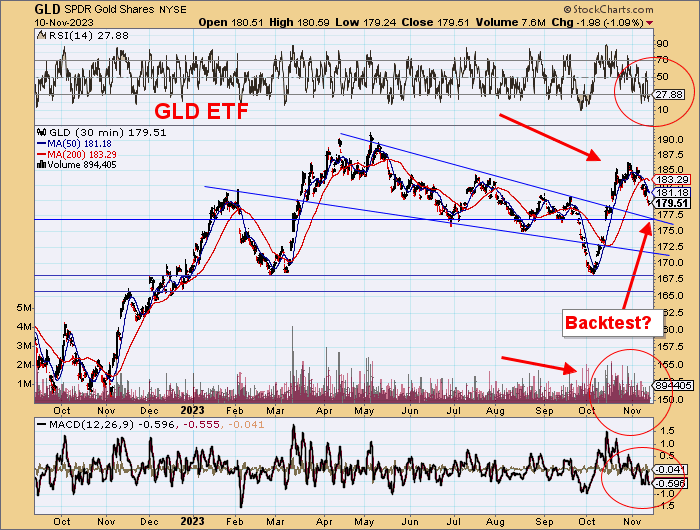
  • Gold higher
  • Gold Index higher
  • Gold stocks vs AU$ Gold ready to break 16 year downtrend

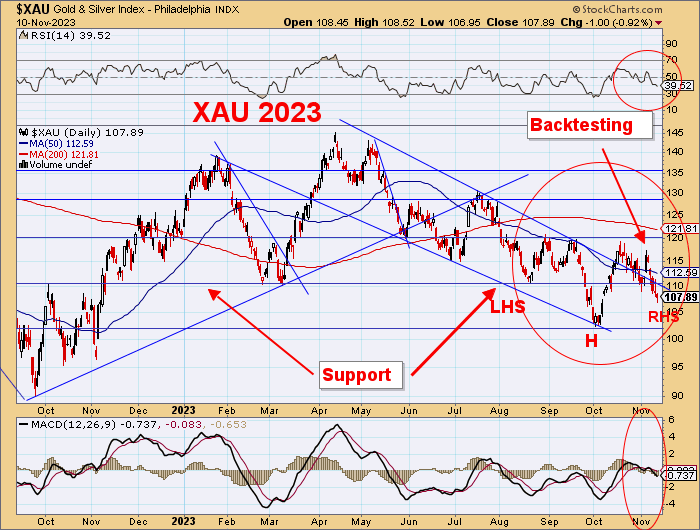
ASX Gold Stocks

Technically magnificent!

  • Backtest on downtrend line
  • Flag formation set
  • Huge volume
  • Probable Right Hand Shoulder

Lots of green today.

And more to come throughout the week.

About to break much higher vs. AU$gold

16-year downtrend — about to be broken.

Head the markets.


Important Disclosures:

  1. Statements and opinions expressed are the opinions of the author and not of Streetwise Reports or its officers. The author is wholly responsible for the validity of the statements. The author was not paid by Streetwise Reports for this article. Streetwise Reports was not paid by the author to publish or syndicate this article. Streetwise Reports requires contributing authors to disclose any shareholdings in, or economic relationships with, companies that they write about. Streetwise Reports relies upon the authors to accurately provide this information and Streetwise Reports has no means of verifying its accuracy.
  2. This article does not constitute investment advice. Each reader is encouraged to consult with his or her individual financial professional and any action a reader takes as a result of information presented here is his or her own responsibility. By opening this page, each reader accepts and agrees to Streetwise Reports’ terms of use and full legal disclaimer. This article is not a solicitation for investment. Streetwise Reports does not render general or specific investment advice and the information on Streetwise Reports should not be considered a recommendation to buy or sell any security. Streetwise Reports does not endorse or recommend the business, products, services or securities of any company mentioned on Streetwise Reports.

For additional disclosures, please click here.

China is preparing a massive economic stimulus. The International Monetary Fund has lowered its GDP forecast for 2024

By JustMarkets

At Tuesday’s stock market close, the Dow Jones Index (US30) increased by 0.40%, while the S&P 500 Index (US500) added 0.52%. The NASDAQ Technology Index (US100) closed positive by 0.58% yesterday. All three indices hit their 2-week price highs. On Tuesday morning, stocks opened higher amid prospects of additional stimulus in China, which will favor global growth after Bloomberg reported that China is preparing for a new round of stimulus to support its economy. Stocks further extended gains after comments from FRB Atlanta President Bostic reinforced speculation that the Fed is about to take a pause in raising interest rates.

The International Monetary Fund (IMF) warned of persistent inflation and urged the world’s central banks to maintain tight policy until price pressures ease, lowering its 2024 global GDP forecast to 2.9% from July’s forecast of 3.0% and raising its 2024 global inflation forecast to 5.8% from July’s forecast of 5.2%.

Equity markets in Europe were mostly up yesterday. Germany’s DAX (DE40) increased by 1.95%, France’s CAC 40 (FR40) gained 2.01% on Tuesday, Spain’s IBEX 35 (ES35) jumped by 2.19%, and the UK’s FTSE 100 (UK100) closed up by 1.82%. Eurozone economic news on Tuesday lent support to the euro after Italian industrial production unexpectedly rose by 0.2% m/m in August, exceeding expectations of a decrease by 0.3% m/m. ECB Governing Council spokesman Holzmann said yesterday that inflation needs to be kept under control, and supply shocks could force the ECB to raise interest rates one or two more times. This is a more hawkish stance than was previously the case.

Minutes from the Bank of England’s last monetary policy meeting showed that the UK Banking System remains strong enough to support households and businesses even if economic conditions are worse than we expect. The UK banking system has substantial capital reserves and other resources to cover potential losses or cash outflows. Participants believe that interest rates are likely to remain high for an extended period of time.

There was profit taking in crude oil after the IMF lowered its global GDP forecast for 2024. But losses in crude oil were limited by a weaker dollar and heightened fears that the conflict between Israel and Hamas could widen and disrupt crude oil supplies from the Middle East. In addition, the prospect of additional stimulus from China is supporting energy demand and oil prices.

Asian markets traded flat yesterday. Japan’s Nikkei 225 (JP225) was up by 2.43%, China’s FTSE China A50 (CHA50) decreased by 0.58%, Hong Kong’s Hang Seng (HK50) added 0.84%, and Australia’s ASX 200 (AU200) ended the day positive by 1.01%.

China is considering widening its budget deficit for 2023 as the government prepares for a new round of stimulus to help the economy reach its 5% growth target. Policymakers may issue an additional 1 trillion yuan ($137 billion) worth of government debt to finance infrastructure spending.

S&P 500 (F)(US500) 4,358.24 +22.58 (+0.52%)

Dow Jones (US30) 33,739.30 +134.65 (+0.40%)

DAX (DE40)  15,423.52 +295.41 (+1.95%)

FTSE 100 (UK100) 7,628.21 +136.00 (+1.82%)

USD Index  105.77 -0.31 (-0.29%)

News feed for 2023.10.11:
  • – US FOMC Member Daly Speaks at 01:00 (GMT+3);
  • – German Consumer Price Index (m/m) at 09:00 (GMT+3);
  • – US FOMC Member Bowman Speaks at 11:15 (GMT+3);
  • – US Producer Price Index (m/m) at 15:30 (GMT+3);
  • – Canada Building Permits (m/m) at 15:30 (GMT+3);
  • – US FOMC Member Bostic Speaks at 19:15 (GMT+3);
  • – US FOMC Meeting Minutes at 21:00 (GMT+3).

By JustMarkets


This article reflects a personal opinion and should not be interpreted as an investment advice, and/or offer, and/or a persistent request for carrying out financial transactions, and/or a guarantee, and/or a forecast of future events.

Oil rises amid concerns about lower supplies from the Middle East. Chinese stocks are showing weakness after the holidays

By JustMarkets

As of Monday’s stock market close, the Dow Jones Index (US30) added 0.59%, while the S&P 500 Index (US500) increased by 0.63%. The NASDAQ Technology Index (US100) closed positive by 1.60% yesterday. The S&P 500 (US500) and Nasdaq 100 (US100) indices rose to 2-week highs, while the Dow Jones Industrials (US30) reached a one-week-high. Stock indices rose on Monday amid dovish comments from the Federal Reserve, suggesting that the Fed may pause its rate hike cycle. Fed Vice Chairman Jefferson said policymakers are “in a position to proceed cautiously in assessing the degree of additional policy tightening that may be necessary” as the recent rise in Treasury bond yields acts as a potential additional constraint on the economy.

Another positive upside for equities is Monday’s 4% rise in crude oil prices, which sparked a rally in energy stocks. In addition, the surprise Hamas attack on Israel over the weekend contributed to a rally in defense stocks.

On Monday, the Bank of Israel announced its intention to sell up to $30 billion in foreign exchange reserves to support its national currency, which has fallen sharply since the weekend incursion by Hamas militants. The Israeli shekel traded at 3.90 against the US dollar yesterday, the weakest in seven years.

Equity markets in Europe were mostly down yesterday. Germany’s DAX (DE40) decreased by 0.67%, France’s CAC 40 (FR40) fell by 0.55% on Monday, Spain’s IBEX 35 (ES35) lost 0.91% and the UK’s FTSE 100 (UK100) closed down by 0.03%. German industrial production for August fell by 0.2% m/m, weaker than expectations of 0.1% m/m.

Hamas’ attack on Israel drove crude oil prices up over 4% amid concerns that the conflict could widen and jeopardize Middle East oil supplies. The US has sent a group of warships to the eastern Mediterranean. The Wall Street Journal reports that Iranian intelligence services helped Hamas plan Saturday’s surprise attack, raising the risk of retaliation against Iran.

Asian markets were mostly down yesterday. Japan’s Nikkei 225 (JP225) was not trading yesterday, China’s FTSE China A50 (CHA50) decreased by 0.69%, Hong Kong’s Hang Seng (HK50) added 0.18%, and Australia’s ASX 200 (AU200) ended the day positive by 0.23%.

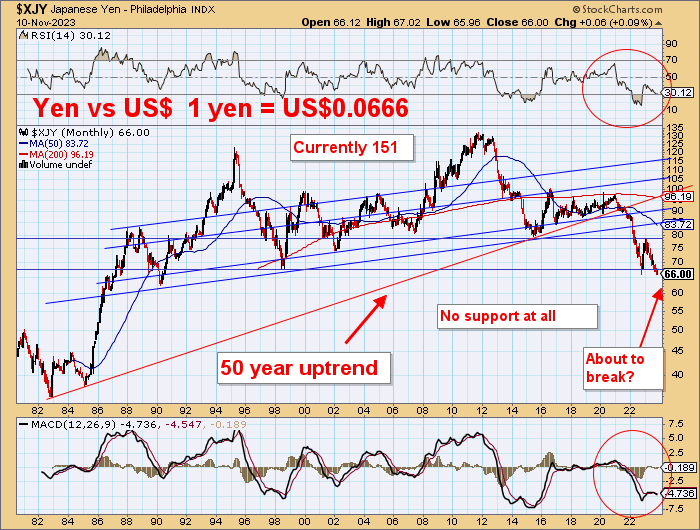
Japan is unlikely to try to reverse the yen’s downtrend through currency intervention as the currency’s fall reflects real economic fundamentals, former chief currency diplomat Naoyuki Shinohara said yesterday. Shinohara said there are no set rules or general agreement among the G7 advanced economies on what currency movements are defined as “excessive volatility” that justifies intervention. The remarks contrast with the views of current chief foreign exchange diplomat Masato Kanda, who said last week that a sustained fall in the yen over a long period could be grounds for intervention.

S&P 500 (F)(US500) 4,335.66 +27.16 (+0.63%)

Dow Jones (US30) 33,604.65 +197.07 (+0.59%)

DAX (DE40)  15,128.11 −101.66 (−0.67%)

FTSE 100 (UK100) 7,492.21 −2.37 (−0.032%)

USD Index  106.09 +0.05 (+0.04%)

News feed for 2023.10.10:
  • – Australia NAB Business Confidence (m/m) at 03:30 (GMT+3);
  • – Norway Consumer Price Index (m/m) at 09:00 (GMT+3);
  • – UK FPC Meeting Minutes at 12:30 (GMT+3);
  • – US FOMC Member Bostic Speaks at 16:30 (GMT+3);
  • – US FOMC Member Kashkari Speaks at 22:00 (GMT+3).

By JustMarkets


This article reflects a personal opinion and should not be interpreted as an investment advice, and/or offer, and/or a persistent request for carrying out financial transactions, and/or a guarantee, and/or a forecast of future events.