How Florida’s home insurance market became so dysfunctional, so fast

By Latisha Nixon-Jones, Jacksonville University 

Imagine saving for years to buy your dream house, only to have surging property insurance costs keep homeownership forever out of reach.

This is a common problem in Florida, where average insurance premiums cost homeowners an eye-watering US$6,000 a year. That’s more than triple the national average and about three times what Floridians paid on average for insurance premiums in 2018.

What’s more, several major insurance carriers have left the state over the past year, leaving residents with limited alternatives.

As a law professor who specializes in disaster preparedness and resilience, I think it’s important to understand what’s driving costs higher – not least because other states could soon face a similar predicament.

Three primary factors are driving the insurance challenge. First, natural disasters are becoming more common and costly. Second, the price of reinsurance is skyrocketing. And finally, Florida’s litigation-friendly environment compounds the issue by making it easy for customers to sue their insurers.

Disasters, like sea levels, are on the rise

With its location on the beautiful-yet-hurricane-prone Gulf of Mexico, Florida has long been vulnerable to the elements. Natural disasters cost the state $5 billion to $10 billion every year, the federal government estimated in 2018, the last year for which data was available.

Yet that likely understates the case today, since disasters have only become bigger, more common and more expensive since then. For example, climate change has made oceans warmer, which research suggests fuels stronger, more intense hurricanes.

As a result, Florida has experienced billion-dollar disasters an average of four times annually over the past five years – up from about one each year in the 1980s.

This surge in disasters doesn’t just put lives at risk; it also wreaks havoc with the insurance market, as carriers are inundated with claims from one catastrophe after another. This makes it harder for them to turn a profit or obtain reinsurance to protect their stakeholders.

Why reinsurance matters

Insurance companies, in essence, make money two ways. First, they pool risk among policyholders. Risk-pooling is the practice of taking similarly situated individuals or properties, grouping them together, and charging similar prices for insurance since they face the same risk.

Second, they reduce risk by acquiring reinsurance. Reinsurance acts as a safeguard for insurance companies – it’s essentially insurance for the insurers. Reinsurers pledge to cover a specified portion or type of insurance claim – for instance, catastrophic hurricanes – which provides a layer of financial protection.

The new era of climate disasters has thrown a wrench into the process. Reinsurance companies, grappling with a surge in claims due to more frequent and severe disasters, have found themselves forced to raise their premiums for insurance carriers. Carriers, in turn, have passed the burden to policyholders.

To try to navigate these challenges, some companies have chosen to limit coverage for specific types of damage. For example, some insurance companies in Florida will no longer offer hurricane or flood coverage. And in extreme cases, insurance companies have withdrawn entirely from the state.

Understanding this complex relationship between insurers, reinsurers and policyholders is key to understanding the broader implications of the Florida insurance crisis. It underscores the urgent need for comprehensive solutions and collaborative efforts to address evolving challenges in the insurance ecosystem.

Learning from Florida … one way or another

Florida isn’t taking all this sitting down. In December 2022, state lawmakers responded to growing property market instability by passing Senate Bill 2A, a package of insurance reforms.

One major part was a rule change designed to discourage policyholders from suing their insurers. Previously, Florida law let insured individuals recover attorney fees if they secured any amount through litigation against their insurer.

The idea is that making this change will discourage needless lawsuits. However, my research as an environmental justice professor shows that attempts to exclude attorneys from the negotiation process often lead to more expensive litigation and less access to justice.

The bill also restricts assignment of benefits, a mechanism that permits third-party entities like roofing companies to negotiate with insurance companies on behalf of Florida residents. While assignment of benefits increased advocacy, it was also linked to skyrocketing claims costs.

The balancing act between providing ample opportunities and containing costs has sparked debate among justice advocates. Florida’s legislative response reflects an ongoing effort to strike an equilibrium, ensuring fairness and accessibility while addressing the challenges faced by both insurers and policyholders.

Florida’s actions to address the property insurance crisis raise a critical question: Will the state serve as a blueprint for disaster-prone regions, or act as a cautionary tale? After all, states such as California and Louisiana have also seen insurance companies withdrawing from their markets. Will their legislatures draw inspiration from Florida’s?

For now, it’s too early to tell: The policies have only been in place since the latest round of hurricanes. But in the meantime, the rest of the U.S. will be watching – especially policymakers who care about resilience, and those who want to make sure vulnerable populations don’t get the short end of the stick.The Conversation

About the Author:

Latisha Nixon-Jones, Associate Professor of Law, Jacksonville University

This article is republished from The Conversation under a Creative Commons license. Read the original article.

Venezuelan migrants are boosting economic growth in South America, says research

By Jose Caballero, International Institute for Management Development (IMD) 

Venezuela is engulfed in a political and economic crisis, which has forced over 6 million people – some 20% of the population – to flee the country since 2015. The mass exodus began when Venezuela’s economy collapsed, giving rise to rampant inflation, political turmoil and pervasive violence.

Over 80% of those who have left Venezuela have set up a new life in 17 countries across Latin America and the Caribbean. According to a recent report, these displaced migrants are having a positive effect on the economies of their host countries.

Between 2017 and 2030, migrant workers will boost the economies of their host countries by 0.10%–0.25% on average each year. The report, which was published by several leading international financial institutions and the UN Agency for Refugees, focuses on Venezuelan migrants but also covers Cubans and Salvadorans, among others.

The economic impact of migrants in Latin America is significant. But their integration into local job markets and society is poor. The economic benefits derived from migrants across Latin America could be even greater if they are given better access to jobs.

Boosting economic growth

Migration has clear economic benefits for local economies. It leads to an expansion of the workforce, thereby alleviating labour shortages and enhancing economic output.

Migrants bring a diverse range of skills and specialised knowledge to their host countries, which can improve the overall skill level of the local workforce. Their productive capabilities bridge skill gaps in local labour markets and heighten overall productivity.

Most migrant workers will also pay income tax, which increases government revenues. In Colombia, for instance, the income tax contribution of Venezuelan migrants in 2019 was approximately US$38.7 million (£30.1 million), equivalent to 0.01% of Colombia’s GDP.

And when migrants gain employment, they will spend their wages in the host country and create new demand in various other sectors. Greater demand leads to higher growth, which in turn attracts more investment and increases employment opportunities both for local people and migrants.

Underemployed

However, xenophobia and discrimination prevent many migrants from finding jobs in Latin America and integrating into society. According to the report, roughly 30% of the migrants residing in Chile, Colombia and Peru experience discrimination because of their nationality.

Thus, many migrants are forced to take jobs within the informal sector. Over 50% of migrants in Latin America work informally compared to 44.5% of locals.

Migrant workers also often earn lower wages than their local counterparts. In Colombia, the average monthly salary of locals with post-secondary school education is US$1,140. Venezuelan migrants with the same level of education earn just US$644 per month.

Despite this, immigrants still outperform the native-born population in their labour force participation and employment rates. Yet many of the migrants who are in formal employment are overqualified for their roles. In Chile, for instance, 34% of highly educated locals are overqualified for their jobs, compared to over 60% of migrants.

Migrants are often mistakenly assumed to be exclusively low-skilled workers. But the Venezuelan migrant crisis has seen many highly skilled people flee the country too. For example, 65% of the Venezuelans living in Chile and 48% residing in Ecuador have post-secondary school education.

However, most Venezuelans have not officially validated their academic credentials in their host countries. In fact, only 10% of those residing in Chile have completed the certification process.

Many migrants are unaware of the process so lack sufficient documentation about their qualifications. And the complexity of the process also demands investment that many migrants may not have the resources to cover.

To further enhance productivity in Latin America, it is essential to integrate migrant workers into professions that allow them to use their skills.

Access to services

Several other factors hinder the integration of migrants into society across Latin America. The report indicates that migrant workers have significantly lower access to health insurance relative to the native-born population. In Colombia, for example, 96% of local workers have access to health insurance, compared to just 40% of migrants.

Similarly, there are often barriers limiting access to education for migrants. Foreign-born residents and their family members have the right to access public primary and secondary education in the majority of South American countries. But school attendance rates are lower among displaced children than among native children, while the propensity for dropping out of school early appears to be significantly higher among migrant children.

Some people argue that immigration comes with costs, such as the perceived notion that migrants deprive locals of jobs. Nevertheless, the contribution of migrants to Latin American economies underscores the potential benefits. Improving their access to labour markets is thus a crucial tool for fostering long-term growth in Latin American economies.The Conversation

About the Author:

Jose Caballero, Senior Economist, IMD World Competitiveness Center, International Institute for Management Development (IMD)

This article is republished from The Conversation under a Creative Commons license. Read the original article.

Nigeria: botched economic reforms plunge the country into crisis

By Chisom Ubabukoh, O.P. Jindal Global University and Kunal Sen, United Nations University 

Nigeria, Africa’s largest economy, is facing an economic crisis. From a botched currency redesign to the removal of fuel subsidies and a currency float, the nation has been plunged into spiralling inflation and a currency crisis with far-reaching consequences. The question now is: how long before the inferno consumes everything?

On October 26, 2022, the Central Bank of Nigeria announced a bold move – that it had redesigned the country’s highest denomination notes (₦200, ₦500 and ₦1000) and would be removing all old notes from circulation. People were given a deadline of January 31, 2023 (a couple of weeks before a national election) to make this exchange, or all of the old notes would cease to be valid legal tender.

This initiative ostensibly aimed to curb counterfeiting, encourage cashless transactions, and limit the buying of votes during the elections. But, while the intention may have been sound, the execution proved disastrous.

Short deadlines, limited availability of new notes, and inadequate communication created widespread panic. It led to long queues at banks, frustration among citizens, and a thriving black market for the new notes.

The confusion surrounding the currency redesign had an unintended consequence: the beginnings of a loss of confidence in the naira. People began to look to other mediums as a store of value and as a medium of exchange. The obvious choices were foreign currency like the US dollar and the British pound, as well as more stable cryptocurrencies like Tether’s USDT.

The currency redesign was criticised at the time by the then-presidential candidate of the ruling party, Bola Ahmed Tinubu, who saw it as a move to derail his presidential campaign. However, Tinubu won the contested election and, once in power, set out to reshape the economy immediately.

In his inaugural address in May 2023, Tinubu announced that the “fuel subsidy is gone”, referring to the government’s longstanding subsidised petrol policy that ensured Nigerians enjoyed some of the lowest petrol prices in the world. Over the coming days, he would also announce the reversal of the currency redesign policy and the floating of the Nigerian naira on the foreign exchange market.

Fuelling the flames

Other underlying economic conditions around the time of Tinubu’s inauguration included a large amount of foreign debt, dwindling foreign reserves and global economic headwinds. When the removal of the fuel subsidy was announced, it was met with a mix of surprise and elation by many Nigerians, and in particular by international donor agencies like the International Monetary Fund and the World Bank, who had long been advocating for the removal.

But this was all before the effects began to bite. And bite hard they did. The price of Premium Motor Spirit (also known as gasoline or petrol), which used to retail for ₦189 (US$0.12) per litre, increased by 196% practically overnight and began to retail for ₦557 per litre.
One challenge with developing economies like Nigeria is that a rise in fuel price tends to cause the price of everything else to rise. Many industries, particularly those in manufacturing and agriculture, tend to rely heavily on fuel for powering machinery and equipment due to the poor supply of grid electricity nationwide.
Many Nigerian households were significantly affected by the increased prices. But they saw an opportunity in that the savings from the fuel subsidy regime would be redistributed to improve education, healthcare provision and the general welfare of the people, as was promised during the electioneering. The regime cost the country an estimated ₦400 billion a month at its height, after all.

Enter currency devaluation

Then, on June 14, 2023, the Tinubu government ended the policy of pegging the naira to the US dollar, allowing it to float and find its true market value based on supply and demand. The idea was to stop corruption and reduce arbitrage opportunities due to the difference between official and black-market foreign exchange prices.

Currency arbitrage happens when people buy a currency at the lower official exchange rate and immediately sell it at the higher black market rate for a profit. This practice often occurs where there are strict currency controls and black markets offer a truer reflection of a currency’s value based on supply and demand.

However, this was one policy change too many. The naira lost a staggering 25% of its value in one day, and the cascading effects now push the country to the brink.

Nigeria depends heavily on imported commodities, including essential goods like food, fuel and medicine. So the policy escalated the inflationary crisis, pushing inflation to almost 30% (the major driver being food inflation, which reached 35.4%).

Imports in general have become significantly more expensive, and Nigerians are finding their purchasing power being eroded. Wages in Nigeria are pretty fixed. The current minimum wage in the country is ₦30,000 per month and the average monthly income is ₦71,185.

Businesses are also feeling the pinch, facing difficulties accessing the foreign exchange critical for importing raw materials and equipment.

Pheonix or ash?

The Central Bank of Nigeria has implemented measures to counter the crisis. It recently raised interest rates from 18.75% to 22.75% and is selling US dollars through auctions.

Recovery is a possibility and there are already signs of appreciation in the currency. The naira appreciated by 6.89% a day after interest rates were raised. But it will be a long, hard road.

These strategies often come with trade-offs. Higher interest rates can stifle already struggling economic growth, while currency interventions might deplete already strained reserves of foreign currency.

The bottom line is that if the current cost of living crisis continues, civil unrest is likely. Should this happen, who knows what – if anything – will be left behind when the flames are done.The Conversation

About the Author:

Chisom Ubabukoh, Assistant Professor of Economics, O.P. Jindal Global University and Kunal Sen, Professor and Director, World Institute for Development Economics Research (UNU-WIDER), United Nations University

This article is republished from The Conversation under a Creative Commons license. Read the original article.


Natural gas prices are falling again. Chinese indices are growing amid support from the Central Bank

By JustMarkets

The Dow Jones Index (US30) was up 0.12% at Monday’s stock market close. The S&P 500 Index (US500) was down 0.11%. The NASDAQ Technology Index (US100) closed negative 0.41%. Stocks traded slightly lower on Monday amid rising 10-year T-note yields and caution ahead of Tuesday’s US Consumer Price Index report. On an annualized basis, overall inflation is expected to fall to 3.1% from 3.2%. Core inflation (excluding food and energy prices) will fall from 3.9% to 3.8% y/y. In monthly terms, inflationary pressures are expected to rise by 0.3%. If the data comes out in line with consensus, it would indicate that underlying inflationary trends are not intensifying. However, a stronger-than-expected CPI report would dampen hopes of a near-term Fed rate cut, which could put additional pressure on the indices.

Shares of Nvidia (NVDA) are down 1.98% on Monday, adding to last Friday’s 5.47% selloff. Nvidia shares suffered profit-taking last Friday after initially hitting a record high and rising more than 17% over the previous six sessions. Boeing (BA) is down 3.0% after news that the US Department of Justice has opened a criminal investigation into the recent airborne door explosion on an Alaskan Airlines flight. Moderna (MRNA) was Monday’s best-performing stock of the NASDAQ benchmark (US100), adding 8.69%. The biotech company rose following news that it is partnering with Merck to begin a mid-stage study to test its experimental cancer vaccine on patients with skin cancer.

Bitcoin (BTCUSD) gained more than 4% on Monday and set a new record high, adding to last week’s 9.3% rally. Cryptocurrencies continue to rise because of the US Securities and Exchange Commission’s recent decision to allow spot bitcoin ETFs. However, shares of Coinbase (COIN) are down 0.93% on Monday, giving up an early rally of more than 4%.

Equity markets in Europe traded flat yesterday. Germany’s DAX (DE40) fell by 0.38%, France’s CAC 40 (FR40) lost 0.11%, Spain’s IBEX 35 (ES35) rose by 0.19%, and the UK’s FTSE 100 (UK100) closed positive 0.12%.

Shares of Austria’s Raiffeisen Bank closed 7.4% lower amid concerns over possible US sanctions over its relationship with Russia.

WTI crude oil prices climbed above $78 a barrel on Tuesday, recovering some of the losses of recent sessions. This week, markets await monthly reports from OPEC, the IEA, and the US EIA to assess the outlook for global demand. Investors continue to weigh conflicting supply and demand factors, as OPEC+ production cuts and tensions in the Middle East are offset by rising non-OPEC supply and signs of weak demand from major oil importer China. Data released last week showed that China’s oil imports fell about 5.7% to 10.8 million bpd in the first two months of the year, down from 11.44 million bpd in December.

The US natural gas price fell below $1.77 per Mmbbl to a two-week low, driven by reduced gas supplies to LNG export facilities and expectations of weaker demand due to milder weather in the next two weeks. Freeport LNG saw a nearly 50 percent drop in raw gas receipts last week due to the shutdown of one of its three processing lines. On the other hand, energy companies such as EQT and Chesapeake Energy cut gas production last month due to lower gas prices in February. Meanwhile, according to the latest EIA data, gas inventories as of March 1 are about 30.9% above normal levels.

Asian markets traded flat yesterday. Japan’s Nikkei 225 (JP225) was down 2.19% on the day, China’s FTSE China A50 (CHA50) was up 1.78%, Hong Kong’s Hang Seng (HK50) added 1.43% on Monday, and Australia’s ASX 200 (AU200) was negative 1.82%.

Hong Kong stocks climbed 1.2% in Tuesday morning trading to a two-week peak 16.735, maintaining bullish momentum for the third consecutive session amid gains in most sectors, especially healthcare, real estate, and consumer discretionary. Investors were scrambling to look for more catalysts after the close of China’s annual plenary meeting on Monday. During the event, Beijing set its 2024 GDP growth target at around 5.0% and planned to issue special bonds for large projects. At the same time, China’s central bank pledged to keep prices stable and said it may cut the refinancing rate further this year.

Japan’s business activity index for large manufacturing companies fell sharply to 6.7% in the first quarter of 2024 from 5.7% in the previous quarter, posting its lowest reading in a year and defying expectations for an improvement to 6.2%. The survey came amid official data that Japan’s economy fell into a technical recession in the fourth quarter of last year but was later revised to show a return to growth.

NAB Australia’s business confidence index fell to 0 in February 2024 from 1 in January. The reading was below the long-term average, with the retail sector among the top risk factors amid high borrowing costs and rising inflation.

S&P 500 (US500) 5,117.94 −5.75 (−0.11%)

Dow Jones (US30) 38,769.66 +46.97 (+0.12%)

DAX (DE40) 17,746.27 −68.24 (−0.38%)

FTSE 100 (UK100) 7,669.23 +9.49 (+0.12%)

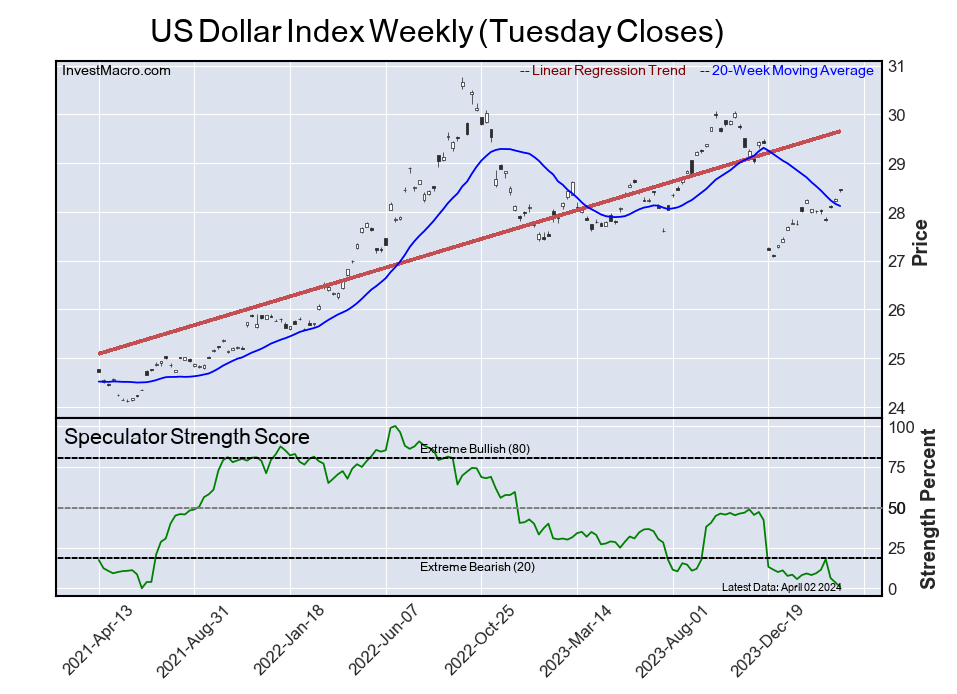
USD Index 102.85 +0.14 (+0.13%)

Important events today:
  • – Japan Producer Price Index (m/m) at 01:50 (GMT+2);
  • – UK Average Earnings Index (m/m) at 09:00 (GMT+2);
  • – UK Claimant Count Change (m/m) at 09:00 (GMT+2);
  • – UK Unemployment Rate (m/m) at 09:00 (GMT+2);
  • – German Consumer Price Index (m/m) at 09:00 (GMT+2);
  • – US Consumer Price Index (m/m) at 14:30 (GMT+2).

By JustMarkets


This article reflects a personal opinion and should not be interpreted as an investment advice, and/or offer, and/or a persistent request for carrying out financial transactions, and/or a guarantee, and/or a forecast of future events.

New FXTM index enters “bull market” today!

By ForexTime

  • FXTM launches brand new CHINAH stock index
  • CHINAH index has now risen over 20% from January low
  • CHINAH is most-volatile and “cheapest” stock index within FXTM universe
  • CHINAH pays higher dividends than many peers
  • Wall Street predicts that CHINAH could climb another 28% over next 12 months


FXTM’s just-launched CHINAH index is enjoying a stellar debut so far!

Since first appearing across FXTM trading platforms on March 4th, this stock index has climbed by almost 4%.

In fact, CHINAH is also outperforming many of its global peers so far in March 2024!

Here’s how major stock indices have each fared on a month-to-date basis:

  • CHINAH: +4.8%
  • UK100: +1.3%
  • EU50: +1.2%
  • US500: +0.4%
  • NAS100: -0.5%
  • JP225: -0.9%

Within the FXTM universe, CHINAH’s month-to-date performance is only currently surpassed, but only just slightly, by the TWN index (+4.9% so far in March 2024).

Technical pullback soon?

In light of its recent runup, CHINAH’s 14-day relative strength index (RSI) is now flirting with the 70 number which marks “overbought” conditions.

This suggests that CHINAH’s prices may soon drop, as this stock index attempts to clear some of the froth from its recent ascent.


More notable is the fact that today (Tuesday, March 12th) …

the CHINAH index has met the textbook criteria for entering a “bull market”.


What is a “bull market”?

According to popular opinion, an asset enters a “bull market” once it has risen by 20% from a recent low.

At the time of writing, with the CHINAH trading above 5950, this stock index is now over 20% higher compared to the intraday low of 4943.24 registered on 22nd January 2024.


What is a stock index?

Imagine a stock index being a basket of many different stocks.

The index measures the overall performance of those stocks inside that “basket”.


What does the CHINAH stock index track?

FXTMs CHINAH stock index tracks the performance of the Hang Seng China Enterprises Index.

This Hang Seng China Enterprises Index aims to capture the overall performance of 50 companies from Mainland China that are listed on the Hong Kong stock market.

The 3 biggest industries represented on CHINAH are:

  • Information Technology
    (35.4% of total index; including Tencent, Alibaba, and Meituan)
  • Financials/Banks
    (25.8% of total index; including CCB – China Construction Bank, ICBC – Industrial and Commercial Bank of China, Bank of China, and Agricultural Bank of China).
  • Consumer Discretionary
    (13.6% of total index, including EV makers such as Li Auto and BYD Company).


Why is CHINAH soaring today (Tuesday, March 12th)?

Here are two reasons:

  • Xiaomi to start selling its electric vehicles later this month

Long known for its affordable smartphones, Xiaomi today announced it will begin selling its electric vehicles (SU7 series) on March 28th across 29 cities.

This news triggered an 11.3% jump in this stock today – its biggest one-day jump since January 2023.

And given the fact that Xiaomi alone accounts for 3.5% of the broader CHINAH index, the jump in Xiaomi’s stocks have also boosted CHINAH in tandem.

NOTE: Xiaomi remains classified as an “Information Technology” stock on this index, despite its multi-billion dollar bet on the EV market, which falls under the “Consumer Discretionary” umbrella.
  • JD.com still climbing post 4Q-earnings beat

JD.com’s Hong Kong listed stocks climbed 7.8% today – its biggest one-day climb since December 2022.

Given that JD.com accounts for 2.4% of CHINAH, the former’s gains also helped propel the latter higher.

The shares of this e-commerce giant has been soaring after posting better-than-expected 4Q earnings last week, while its CEO Sandy XU also predicted that Chinese consumers will benefit from government stimulus this year.

There was also news yesterday (Monday, March 11th) that JD.com’s potential bid for Currys, a British electronics retailer, may have been made easier after another suitor (Elliot Investment Management) decided to walk away.

JD.com has one week, until March 18th, to formally announce its intention to either make a bid for Currys, or walk away.


3 key things to know about the CHINAH index:

1) Most-volatile stock index within the FXTM universe

Of the 18 different stock indices offered by FXTM, this CHINAH index now has the highest 30-day volatility number of 28.17 as of today (Tuesday, March 12th).

For comparison, here are the 30-day volatility readings for some popular stock indices:

  • HK50: 24.17
  • NAS100: 18.84
  • CN50: 18.37
  • JP225: 15.03
  • US500: 12.94
  • EU50: 11.7
  • UK100: 11.09
  • US300: 9.09

And as seasoned traders know, bigger price swings (volatility) translate into larger opportunities to garner potential profits (or losses).


2) CHINAH is the “cheapest” stock index offered by FXTM

To be clear, whether something is considered “cheap” is highly subjective.

A commonly-used metric in deciding whether a financial asset is “cheap” or “expensive” is to use the price-to-earnings ratio, or PE ratio for short.

Simply put, the PE ratio indicates how much an investor would have to pay to access $1 of an asset’s earnings.

Even simpler still, the higher the PE ratio, the more “expensive” an asset is.

(Higher PE ratio = investor has to spend more money to access $1 of an asset’s earnings)

Here’s the PE ratio for the CHINAH index, stacked against some of peers from around the world:

  • CHINAH: 8.2
  • UK100: 11.6
  • EU50: 14.7
  • AU200: 19.5
  • US500: 24.5
  • JP225: 27.8
  • NAS100: 33.1


3) CHINAH pays relatively higher dividends.

Over the past 12 months, CHINAH index has paid out a dividend yield of 3.86% (based on current prices).

That’s significantly higher than the dividend yields currently offered by other popular stock indices (based on current prices):

  • GER40: 3.05%
  • EU50: 2.9%
  • JP225: 1.64%
  • US500: 1.4%
  • NAS100: 0.83%

But wait, there’s more!

Over the next 12 months, Wall Street analysts forecast that members of the CHINAH index will pay out EVEN HIGHER dividends.

This is expected to bring the forward 12-month yield above 4%!

What is “dividend yield”?
Dividends are cash rewards that are given by companies (in this case, companies that are included in the CHINAH index) to its shareholders.
Dividend yield is a % number representing how much money you’re getting back from this asset for every dollar you invest.
The higher the yield, the more money you’re getting back compared to what you put in.


Where’s CHINAH headed next?

Over the next 12 months, Wall Street analysts predict this CHINAH index could return above the 7600 level.

From current prices, this suggests 28% more in potential upside.

For proper context, a number above 7600 would only restore the CHINAH index to levels not seen since January 2023.

A higher-than-7600 CHINAH index would still pale in comparison to its all-time intraday high above 20,609 on November 1st, 2007, before the Global Financial Crisis.

Still, if the Chinese economy can finally get its post-pandemic recovery sustainably underway, aided by government support, that should help restore CHINAH to its former glories.


Forex-Time-LogoArticle by ForexTime

ForexTime Ltd (FXTM) is an award winning international online forex broker regulated by CySEC 185/12 www.forextime.com

The US labor market is cooling. ECB officials talked about cutting rates in the spring

By JustMarkets

At Friday’s stock market close, the Dow Jones Index (US30) decreased by 0.18% (for the week -0.63%). The S&P 500 Index (US500) was down 0.65% (for the week -0.14%). The NASDAQ Technology Index (US100) closed negative 1.16% (for the week -1.10%).

Although the US economy added 275K jobs, unemployment jumped to 3.9%, and wage growth slowed. The data indicates that the labor market has begun to cool down. Investors’ first reaction to the report was a rise in risk assets and a fall in the dollar. Market expectations for the first rate cut in June were confirmed and strengthened. But since this is not a new scenario and such a consensus has been priced in over the past month, the positivity was not enough for long, and investors sold off all the growth by the end of Friday. Current market conditions suggest index weakness will continue this week as investors take profits after the recent market rally. That said, this week promises to be even more volatile with the release of inflation data on Tuesday, March 12, and the quarterly derivatives expiration on Friday. Usually, these periods are when new trends are born, or old trends are reversed.

Also on Friday, shares of Nvidia (NVDA) fell more than 5%, its worst single-day performance since late May. But the stock ended the week up more than 6% amid a rally that has boosted its market value by more than $1 trillion this year.

Bitcoin hit a new all-time high above $70,000, helped by investor demand for new US spot bitcoin ETFs launched this year and expectations of lower global interest rates. Billions of dollars have poured into ETFs over the past few weeks. Also, let’s not forget the bitcoin “halving” that will take place in April 2024. In addition, the market has received support ahead of an expected upgrade to the Ethereum blockchain platform. Bitcoin’s previous boom in 2021 was followed by a “crypto winter” when bankruptcies and collapses of major cryptocurrency companies left millions of investors destitute, prompting regulators to step up regulation.

Equity markets in Europe were mostly down on Friday. Germany’s DAX (DE40) was down 0.16% (for the week +0.40%), France’s CAC 40 (FR40) added 0.15% (for the week +1.18%) on Friday, Spain’s IBEX 35 (ES35) was down 0.13% (for the week +2.34%), and the UK’s FTSE 100 (UK100) closed negative 0.43% (for the week -0.30%).

Nagel, representative of the ECB Governing Council and President of the Bundesbank, said on Friday that an interest rate cut before the summer is increasingly likely. His colleague, ECB Governing Council representative Villeroy de Gallo, added that the first rate cut is very likely to come in the spring.

Oil prices closed 1% lower on Friday as markets remain wary of weak demand from China, even as the OPEC+ producer group extended supply cuts. Both benchmarks fell for the week, with Brent down 1.8% and WTI crude prices decreased by 2.5%. Currently, traders in the energy market are focusing on the timing of possible rate cuts by the Fed and ECB. Lower interest rates may increase demand for oil by accelerating economic growth.

Asian markets traded yesterday without any unified dynamics. Japan’s Nikkei 225 (JP225) was down 1.28% for the week, China’s FTSE China A50 (CHA50) lost 0.28% for the 5 trading days, Hong Kong’s Hang Seng (HK50) was down 1.66% for the week, and Australia’s ASX 200 (AU200) was positive 1.31%.

Japan’s economy returned to growth in the fourth quarter of 2023, averting a technical recession. Revised data showed that the country’s GDP grew by 0.4% and 0.1% year-on-year and 0.1% quarter-on-quarter, respectively, reversing preliminary contraction figures of 0.4% and 0.1% for the period. The latest data reinforced speculation that the Bank of Japan may start raising interest rates in April.

Chinese consumer prices rose by 0.7% year over year in February 2024, above market forecasts of 0.3%, and a turnaround from the sharpest 0.8% drop in 14 years in January. The latest result was the first consumer inflation since August last year, reaching the highest level in 11 months. But despite the rise in consumer prices, producer prices remain in deflation.

S&P 500 (US500) 5,123.69  −33.67 (−0.65%)

Dow Jones (US30) 38,722.69 −68.66 −0.18%)

DAX (DE40) 17,814.51 −28.34 (−0.16%)

FTSE 100 (UK100) 7,659.74 −32.72 (−0.43%)

USD Index 102.74 −0.08 (−0.08%)

Important events today:
  • – Japan GDP (q/q) at 01:50 (GMT+2).

By JustMarkets


This article reflects a personal opinion and should not be interpreted as an investment advice, and/or offer, and/or a persistent request for carrying out financial transactions, and/or a guarantee, and/or a forecast of future events.

Japanese Yen Surges to Monthly High as Economy Shows Signs of Growth

By RoboForex Analytical Department

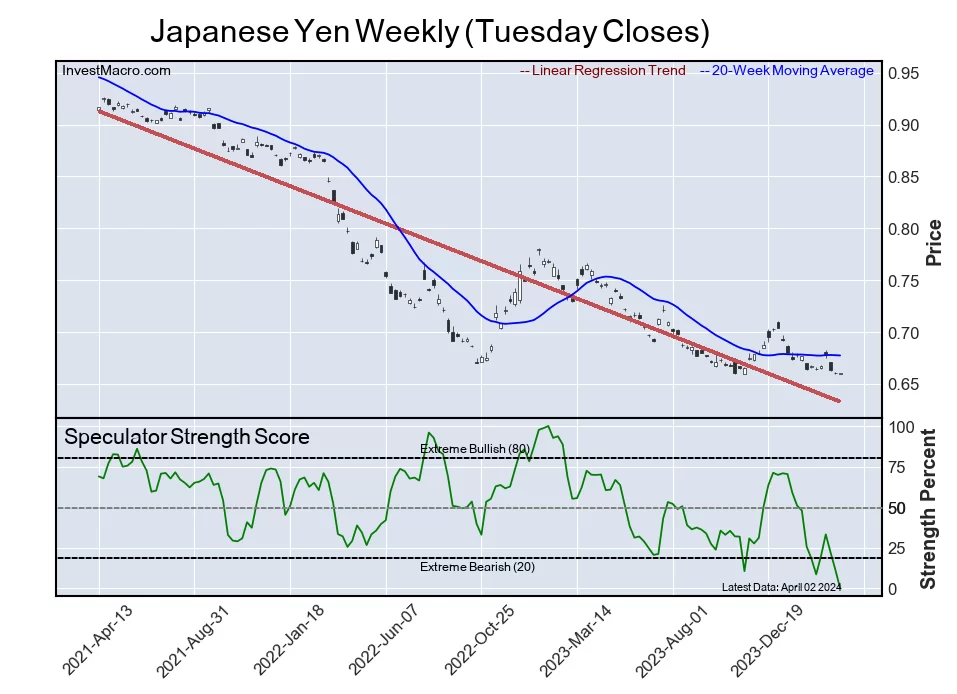
The Japanese yen strengthened against the US dollar on Monday, reaching a month-long peak following the release of statistics indicating Japan’s return to economic growth in Q4 2023. This development effectively ends the previously declared technical recession.

Japan’s GDP experienced a quarterly increase of 0.1% and an annual growth of 0.4%. These figures revise earlier estimates, suggesting 0.1% and 0.4% declines, respectively. In comparison, the Japanese economy contracted by 0.8% quarterly and 3.3% annually in Q3 2023.

The positive economic data have fuelled market speculation about a potential interest rate hike by the Bank of Japan, with some economists and traders anticipating such a move as soon as March.

Bank of Japan board member Junko Nakagawa recently commented on the visible prospects for achieving inflation targets and a positive wage cycle, further supporting the yen.

The Japanese currency is currently benefitting from the weakening US dollar and a drop in US government bond yields amid the Federal Reserve’s dovish rhetoric.

Technical Analysis of USD/JPY

On the H4 USD/JPY chart, a correction wave to the 146.48 level has been completed (tested from above). The market is now forming a consolidation range above this level, expecting to break upwards and initiate the fifth growth wave towards 152.72. The MACD oscillator supports this scenario, with its signal line trading below zero at minimums and poised for growth.

On the H1 USD/JPY chart, a correction wave to 146.48 has finished. A growth impulse to 147.26 and its correction to 146.55 have been executed, essentially setting the consolidation range boundaries. With an upward breakout, growth towards the 148.00 level is anticipated. This target is the first in the growth wave. The Stochastic oscillator confirms this scenario, with its signal line above the 50 mark and strictly heading towards 80.

Disclaimer

Any forecasts contained herein are based on the author’s particular opinion. This analysis may not be treated as trading advice. RoboForex bears no responsibility for trading results based on trading recommendations and reviews contained herein.

Trade of the Week: Yen bulls to clap back?

By ForexTime 

  • JPY is G10’s best-performer today, also month-to-date
  • Yen climbing on creeping bets for imminent Bank of Japan hike
  • Tuesday’s US inflation release will feed market’s main obsession
  • Friday’s Japan wage negotiations results are key for BoJ
  • Bloomberg forecast: USDJPY to trade between 144.48 – 148.65 this week

The Japanese Yen is already off to a strong start this week!

Not only is it the best-performing G10 currency against the US dollar today, but also for the month:

  • So far today (Monday, March 11th): USDJPY is down 0.24% at the time of writing
  • So far this month: USDJPY has fallen by 2.2%
NOTE: USDJPY goes down when the Japanese Yen strengthens against the US dollar.


Why is the Yen climbing?

Markets are starting to restore hopes, once again, that the Bank of Japan (BoJ) is now (finally? truly?) ready to trigger a rate hike.

Markets had previously made similar predictions in recent years past, only to be left sorely disappointed when the BoJ left its rates unchanged, even as other major central banks raised their own rates aggressively in recent years.

Keep in mind that the BoJ is the last central bank to still adopt a negative interest rate regime, keeping its rates at -0.1%.

At present, markets are forecasting the following:

  • 65.7% chance of a BoJ rate hike at its March 19th policy decision
  • 86.4% chance of a BoJ rate hike by its April 26th policy decision
NOTE: A currency tends to strengthen when its central bank is perceived to be raising its benchmark rates.


However, JPY bulls (those hoping the Yen will strengthen) have a lot more ground to cover before their pride can be fully restored.

After all, the Yen has endured a torrid time in recent years.

JPY has been the weakest G10 currency against the US dollar in 2 out of the past 3 years.


Events Watchlist

This week, two key events could determine whether Yen bulls can get some much-needed ammo to stand up to their critics:

1) Tuesday, March 12th: US February inflation data

Here are the economists’ forecasts for the February consumer price index (CPI), which is used to measure headline inflation growth:

  • Headline CPI year-on-year (February 2024 vs. February 2023): 3.1%
    If so, this would match January’s 3.1% year-on-year number
  • Headline CPI month-on-month (February 2024 vs. January 2024): 0.4%
    If so, this would be higher than January’s 0.3% month-on-month number
  • Core CPI (excluding food and energy prices, which are more volatile) year-on-year: 3.7%
    If so, this would be lower than January’s 3.9% month-on-month number
  • Core CPI month-on-month: 0.3%
    If so, this would be lower than January’s 0.4% month-on-month number

Why does this matter?

The Federal Reserve (US central bank) has a mandate to subdue red-hot inflation since the pandemic, which it has done so by aggressively hiking US interest rates in recent years.

Markets want to know how soon could this battle against inflation be over, and when the Fed can begin to return US rates to lower, and more “normal” levels.

This guessing game has been the market’s primary obsession in recent years.

This sets up every monthly CPI data release as arguably the most important piece of economic data for investors and traders worldwide.
Potential Scenarios:

  • Overall, if the US inflation data come in below market expectations, that should pave the way for the Fed to lower its benchmark rates in the months ahead.

    Such expectations should weaken the US dollar, while dragging USDJPY lower.

  • However, if the US inflation data exceed market expectations, that may further delay a Fed rate cut.

    Such expectations should support the US dollar, while potentially prompting USDJPY to unwind some of its recent losses.


2) Friday, March 15th: Japan wage negotiations results

Japan’s largest union group, Rengo, is set to announce the results from its annual wage negotiations.

On average, workers unions are demanding for a pay hike of 5.85% this year – its largest raise since 1993.

For comparison, a year ago, these unions demanded for an increase of 4.49%.
Why does this matter?

Higher salaries would imply stronger spending power among Japanese consumers, which could support inflationary pressures (business can raise prices sustainably).

The Bank of Japan wants to see sustained inflation, despite the headline CPI having exceeded its 2% target since April 2022.

A massive pay hike for Japanese workers could help underpin the country’s inflation outlook while likely paving the way for the long-awaited BoJ rate hike.

Potential Scenarios:

  • If Rengo announces that it secured a higher-than-expected pay raise, that could deliver a massive boost to the Yen.
  • However, if Rengo disappoints Yen bulls and the BoJ with its wage negotiation results, that may pull JPY back lower, while sending USDJPY back closer to recent heights.


Key levels

According to Bloomberg’s FX forecast model, USDJPY is expected to trade within the 144.48 – 148.65 range this week.

Potential resistance:

  • 147.20 region: key battleground between bulls and bears since August 2023
  • 100-day SMA
  • 148.00 – 148.65: price region which includes psychologically-important level and the upper bound of Bloomberg’s forecasted range


Potential support:

  • 200-day SMA
  • 145.00: psychologically-important level
  • 144.48: notable battleground between bulls and bears since 2022 / lower bound of Bloomberg’s forecast model


Watch for technical rebound

Note that USDJPY’s 14-day relative strength index (RSI) is already flirting with the 30 level.

When the 14-day RSI hits or goes below 30, that meets the textbook criteria for “oversold” conditions.

Recall how USDJPY experienced such a technical rebound was seen when the RSI last hit 30 back in December 2023.

Hence, further declines this week may once again trigger another short-lived technical rebound for USDJPY.


Forex-Time-LogoArticle by ForexTime

ForexTime Ltd (FXTM) is an award winning international online forex broker regulated by CySEC 185/12 www.forextime.com

Week Ahead: USDInd primed for data heavy week

By ForexTime 

  • Data packed week could rock USD
  • Watch out for US CPI report
  • USDInd bearish on D1 but RSI oversold
  • Key level of interest at 102.80

Even as markets brace for potential volatility ahead of the US jobs report this afternoon (Friday 8th March), investors are mindful of the string of key data releases in the week ahead.

Top-tier economic reports from across the globe and political developments in the United States will be in focus. However, watch out for the US CPI report which could be the main market mover:

Saturday, 9th March

  • CNH: China aggregate financing, PPI, CPI, new yuan loans

Sunday, 10th March

  • Daylight Savings Time in the US begins
  • Ramadan holiday starts at sundown for Muslims worldwide

Monday, 11th March  

  • JPY: Japan GDP
  • US budget proposal from President Joe Biden

Tuesday, 12th March

  • AUD: Australia business confidence
  • EUR: Germany CPI
  • JPY: Japan PPI
  • GBP: UK jobless claims, unemployment
  • USD: US February CPI report

Wednesday, 13th March

  • EUR: Eurozone industrial production
  • NZD: New Zealand food prices
  • GBP: UK industrial production
  • GER40: Volkswagen, Adidas earnings

Thursday, 14th March

  • USD: US PPI, retail sales, initial jobless claims

Friday, 15th March

  • NZD: New Zealand PMI
  • USD: US industrial production, University of Michigan consumer sentiment

The scheduled data releases could present fresh trading opportunities across financial markets.

But our attention falls on the USDInd which tumbled this week following dovish comments by Fed Chair Jerome Powell.

The USD Index tracks how the dollar is performing against a basket of six different G10 currencies, including the Euro, British Pound, Japanese Yen, and Canadian dollar.

The USDInd could be set for more action and here are 3 reasons why:

  1. US February CPI report

The February US Consumer Price Index (CPI) report published on Tuesday may influence bets around when the Fed will start cutting rates.

Markets are forecasting: 

  • CPI year-on-year (February 2024 vs. February 2023) to remain unchanged at 3.1%.
  • Core CPI year-on-year to cool 3.7% from 3.9% in the prior month.
  • CPI month-on-month (February 2024 vs January 2024) to rise 0.4% from 0.3%.
  • Core CPI month-on-month to cool 0.3% from 0.4% in the prior month.

Although headline inflation is expected to remain unchanged at 3.1%, the annual core is expected to have cooled to 3.7%its lowest level since April 2021. Ultimately, further evidence of disinflation may fuel expectations around the Fed cutting interest rates.

  • A softer-than-expected US CPI report may send the USDInd lower.
  • Should inflation remain sticky, the USDInd has the potential to push higher.


  1. Key US data

Looking beyond the US CPI report, it would be wise to keep a close eye on other important data points including PPI, retail sales and industrial production among other  releases. These reports may provide fresh insight into the health of the US economy and additional clues on the Fed’s next move.

Traders are currently pricing in a 28% probability of a 25 basis point cut in May with this jumping to 96% by June 2024.

Note: These odds are likely to not only be influenced by the US jobs report, but incoming US inflation data along with other key releases next week.

  • Should overall US economic data support the case for lower US interest rates, this may drag the USDInd lower.
  • However, if overall data exceeds forecasts and supports the argument around US rates remaining higher for longer, this could boost the USDInd.


  1. Technical forces

The USDInd is under pressure on the daily charts with prices trading below the 50, 100 and 200-day SMA. Although bears seem to be gaining momentum, the Relative Strength Index (RSI) signals that prices are heavily oversold.

  • A solid daily close below the 102.80 level may trigger a decline towards 102.00 and 101.35.  
  • Should prices push back above the 50-day SMA, this may encourage a move towards the 200-day SMA at 103.75 and 104.30.


Forex-Time-LogoArticle by ForexTime

ForexTime Ltd (FXTM) is an award winning international online forex broker regulated by CySEC 185/12 www.forextime.com

ECB kept interest rates unchanged and delayed the first cut until the summer. Increased tension in the Middle East supports oil growth

By JustMarkets

At Thursday’s stock market close, the Dow Jones Index (US30) was up 0.34%, the S&P 500 Index (US500) added 1.03%, and the NASDAQ Technology Index (US100) closed positive 1.51%. Meanwhile, the S&P 500 (US500) and NASDAQ (US100) indices rose to new record highs. Stocks rose Thursday on speculation that the Fed and ECB will begin cutting interest rates as early as June.

Speaking in front of the US Senate on Thursday, Fed Chairman Jerome Powell indicated the central bank could move closer to revising its restrictive policy if signs of moderate inflation prove sustainable. Recent data also showed that weekly US jobless claims were slightly higher than expected, and Q4 labor costs were revised downward. The US trade deficit for January widened to $67.4 billion, exceeding expectations of $63.3 billion and becoming the most significant deficit in 9 months, a negative for Q1 GDP. Investors are now awaiting Friday’s release of the much-anticipated February employment report for more information on the state of the US labor market.

The monthly Nonfarm payrolls labor market report will be released in the US today. The economy is expected to add 190,000 jobs in February after adding 353,000 in January. The unemployment rate will likely remain at 3.7%, and wage growth will slow from 4.5% to 4.3% year-over-year. If the data comes out in line with economists’ forecasts, it would indicate a slight cooling of the labor market, increasing the likelihood of an FOMC rate cut in April. The USD index will be under pressure in such a scenario, and risk assets (EUR, GBP, indices) will be supported. On the contrary, if the labor market data comes out better than expected, it will indicate the stability of the labor market and will postpone the first rate cut to a later date. In such a scenario, the dollar index could gain significant support, negatively impacting risk assets, indices, and gold.

Equity markets in Europe rallied yesterday. Germany’s DAX (DE40) rose 0.71%, France’s CAC 40 (FR40) gained 0.77%, Spain’s IBEX 35 (ES35) added 1.20% on Thursday, and the UK’s FTSE 100 (UK100) closed positive 0.17%.

The ECB, as expected, left the deposit rate unchanged at 4.5% and said that keeping borrowing costs at this level for “quite some time” would make a “significant contribution” to bringing consumer price growth back to the 2% target. The ECB lowered its 2024 eurozone GDP forecast to 0.6% from its December forecast of 0.8% and cut its 2024 eurozone inflation forecast to 2.3% from its December forecast of 2.7%. ECB President Lagarde said the eurozone economy remains weak, and wage growth is slowing. She added that consumer price growth is slowing, but she and her colleagues are not convinced that monetary easing can begin now. Swaps put the odds of a 25 bps ECB rate cut at 14% at the next meeting on April 11 and 93% at the meeting on June 6.

WTI crude prices rose above $79 a barrel on Friday, rebounding from the previous session’s losses, as heightened tensions in the Middle East continue to raise supply concerns and a Houthi attack on a commercial ship in the Red Sea this week left people dead.

Natural gas prices (XNG) fell sharply on Thursday amid ample US gas inventories. The EIA’s weekly natural gas inventory data showed a 40 billion cubic foot fall on Thursday, which was in line with expectations. However, it was far less than the five-year average for this time of year of 93 billion cubic feet. This kept US natural gas inventories at 30.9% above the five-year average.

Asian markets traded flat yesterday. Japan’s Nikkei 225 (JP225) was down 1.23%, China’s FTSE China A50 (CHA50) lost 0.23%, Hong Kong’s Hang Seng (HK50) decreased by 1.27% on the day, and Australia’s ASX 200 (AU200) was positive 0.39% on Thursday.

Australia’s economy grew less than expected in the fourth quarter, supporting bets that the Reserve Bank of Australia (RBA) may start cutting rates this year. After weak GDP data, the Commonwealth Bank of Australia reiterated its forecast for an overall rate cut of 75 basis points this year.

S&P 500 (US500) 5,157.36  +52.60 (+1.03%)

Dow Jones (US30) 38,791.35 +130.30 (+0.34%)

DAX (DE40)  17,842.85 +126.14 (+0.71%)

FTSE 100 (UK100) 7,692.46 +13.15 (+0.17%)

USD Index 102.81 −0.56 (−0.54%)

Important events today:
  • – German Industrial Production (m/m) at 09:00 (GMT+2);
  • – German Producer Price Index (m/m) at 09:00 (GMT+2);
  • – Eurozone GDP (q/q) at 12:00 (GMT+2);
  • – US FOMC Member Williams Speaks (m/m) at 14:00 (GMT+2);
  • – US Nonfarm Payrolls (m/m) at 15:30 (GMT+2);
  • – US Unemployment Rate (m/m) at 15:30 (GMT+2);
  • – Canada Unemployment Rate (m/m) at 15:30 (GMT+2).

By JustMarkets


This article reflects a personal opinion and should not be interpreted as an investment advice, and/or offer, and/or a persistent request for carrying out financial transactions, and/or a guarantee, and/or a forecast of future events.