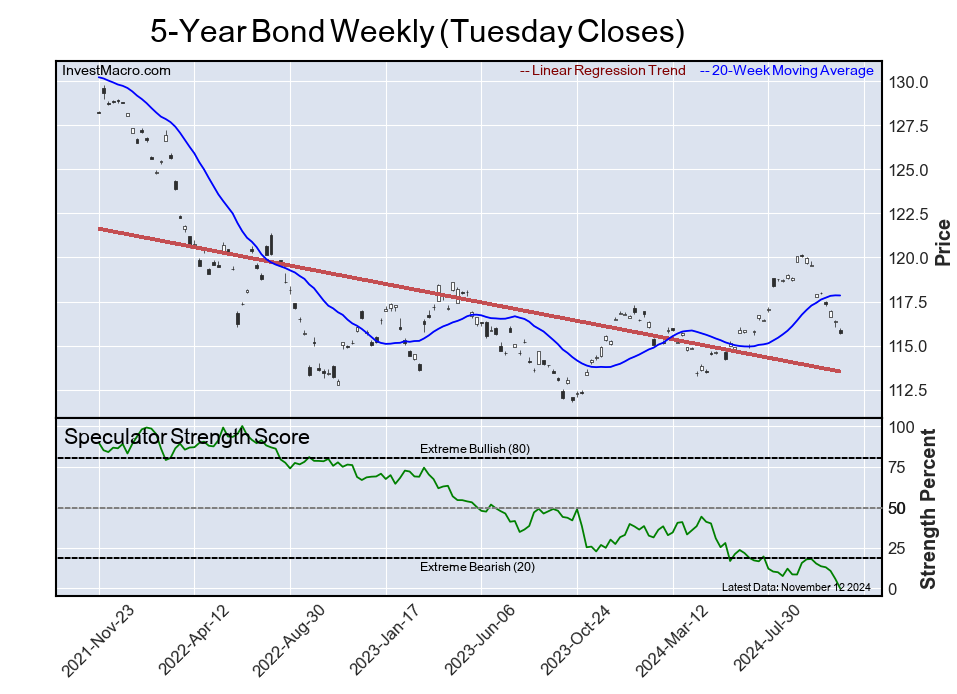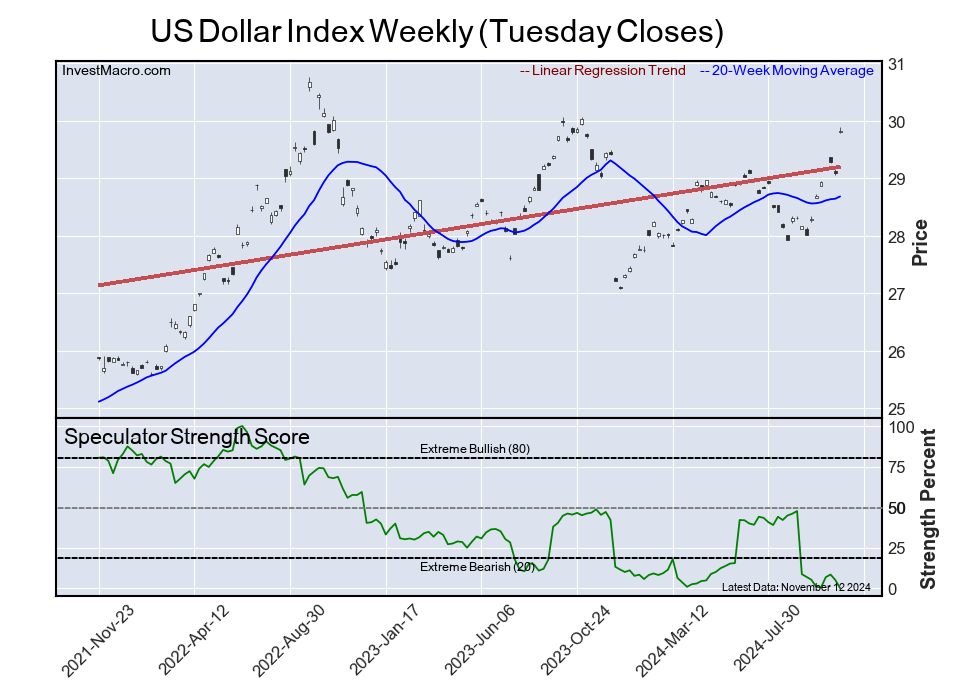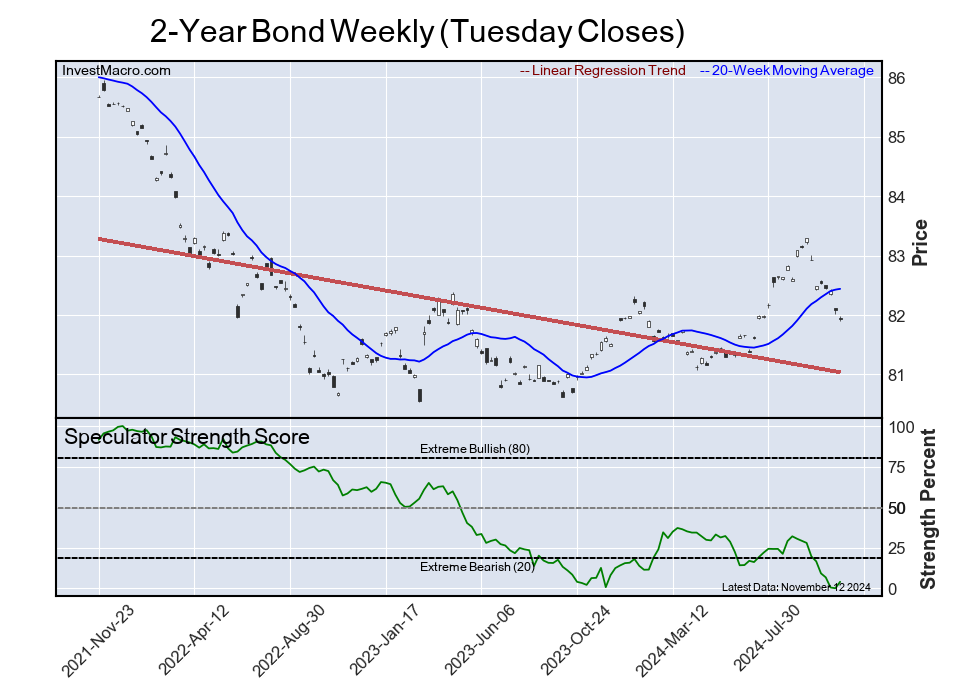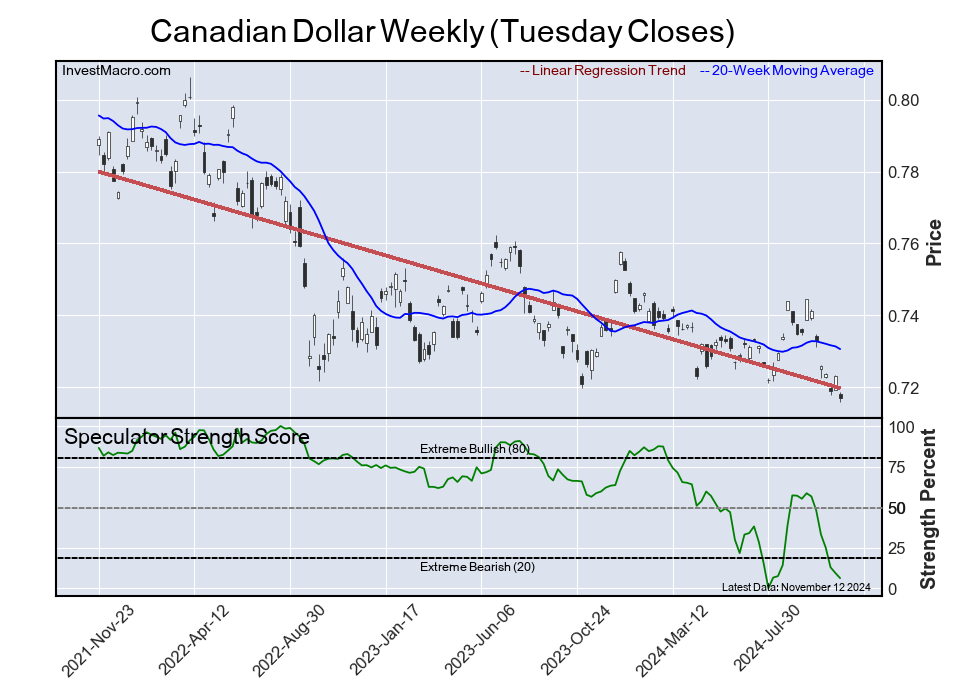
RBNZ cut the rate by 0.5%. RBI kept the rate at 6.5% for the tenth consecutive meeting

By JustMarkets

At Monday’s close, the Dow Jones Index (US30) was up 0.30%, while the S& P500 Index (US500) was up 0.97%. The NASDAQ Technology Index (US100) closed positive 1.45% yesterday. Stocks rose amid upbeat comments from New York Fed Chairman Williams, who said the Fed is “well positioned” to provide a soft landing for the US economy. In addition, today’s news that the US trade deficit narrowed to a 5-month low in August was a positive for US Q3 GDP.

Nvidia (NVDA) jumped by 3% after Hon Hai said it is building the world’s largest Nvidia GB200 AI chip fab. Shares of American Express (AXP) are down more than 1% after BTIG LLC downgraded the stock to “sell” from “neutral” with a $230 price target.

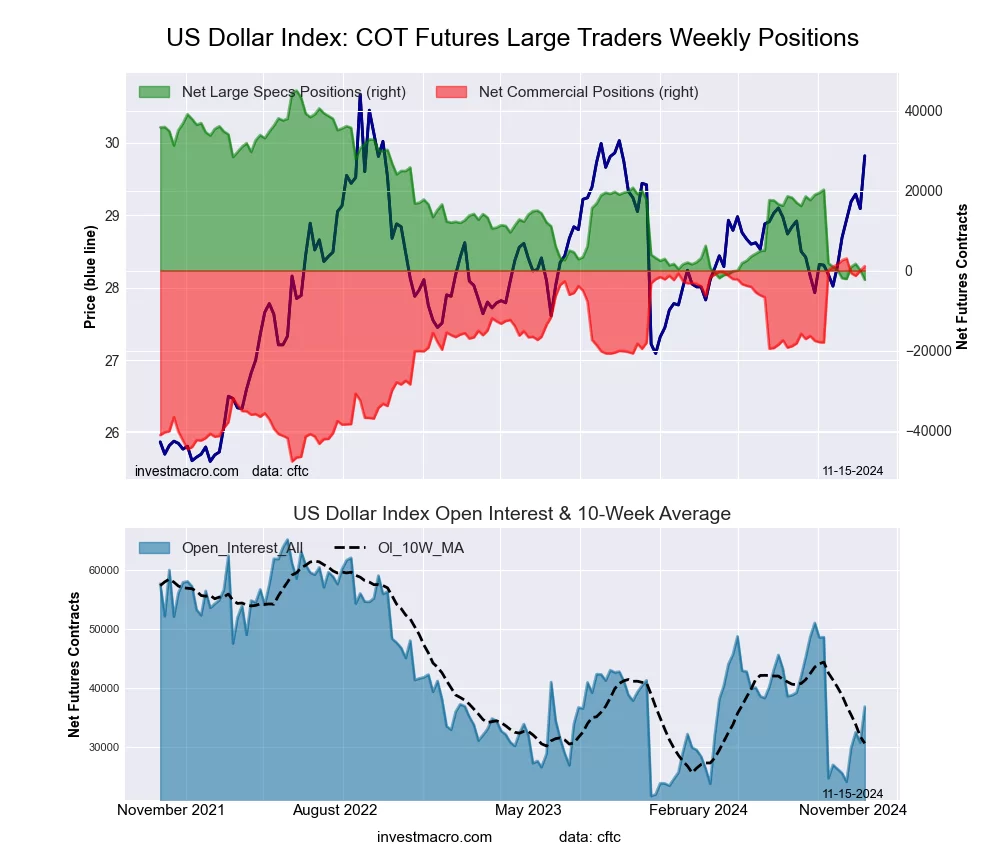
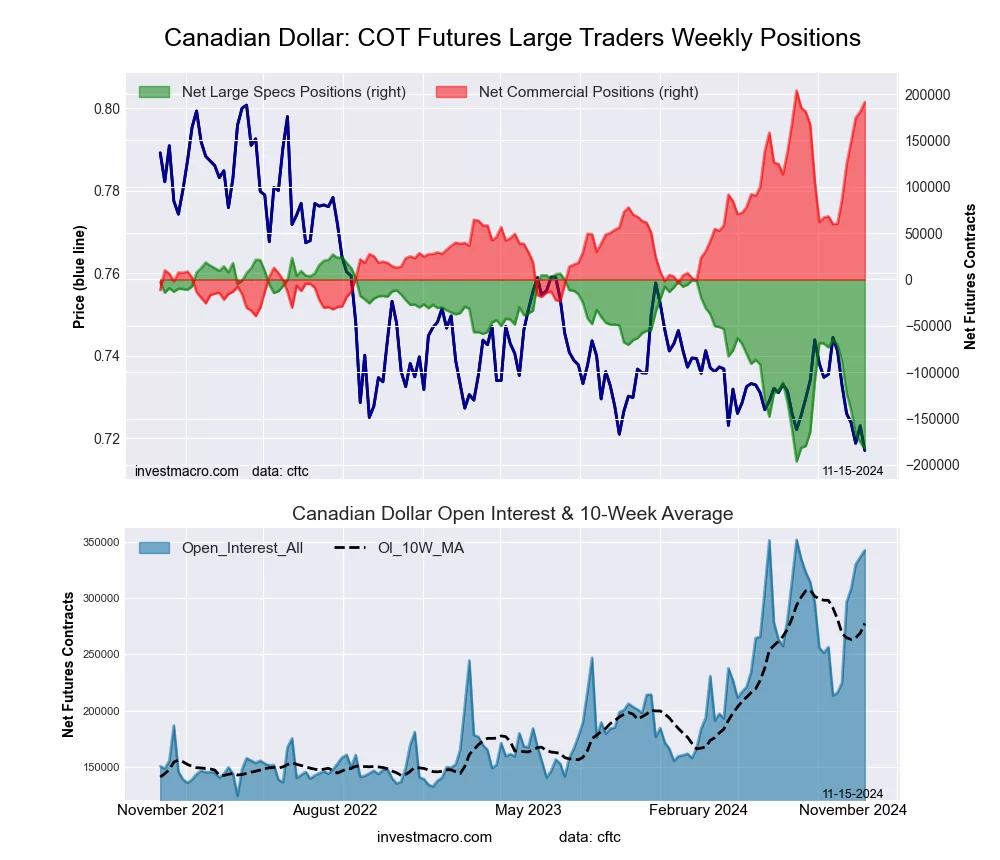
The Canadian dollar weakened to 1.37 per US dollar in October, hitting an eight-week low amid a worsening outlook for foreign inflows and a strengthening US dollar. Canada’s trade deficit widened to CAD1.10 billion in August from a revised CAD0.29 billion in July, exceeding expectations of CAD0.5 billion. This is the widest gap since May, driven by a 1.0% drop in exports and a 3.0% drop in energy shipments, particularly crude oil, Canada’s main export, which fell by 4.1%. Meanwhile, upcoming labor market data is expected to show further weakness in the labor market, raising the stakes for further monetary easing by the Bank of Canada (BoC).

Equity markets in Europe were mostly down yesterday. Germany’s DAX (DE40) fell by 0.20%, France’s CAC 40 (FR40) closed down 0.72%, Spain’s IBEX 35 (ES35) gained 0.15%, and the UK’s FTSE 100 (UK100) closed negative 1.36%.  European stocks fell sharply on Tuesday, pressured by China-related sectors, as markets were stunned by the scope of Beijing’s new fiscal support and investors continued to assess the extent of rate cuts expected by global central banks in near-term decisions.

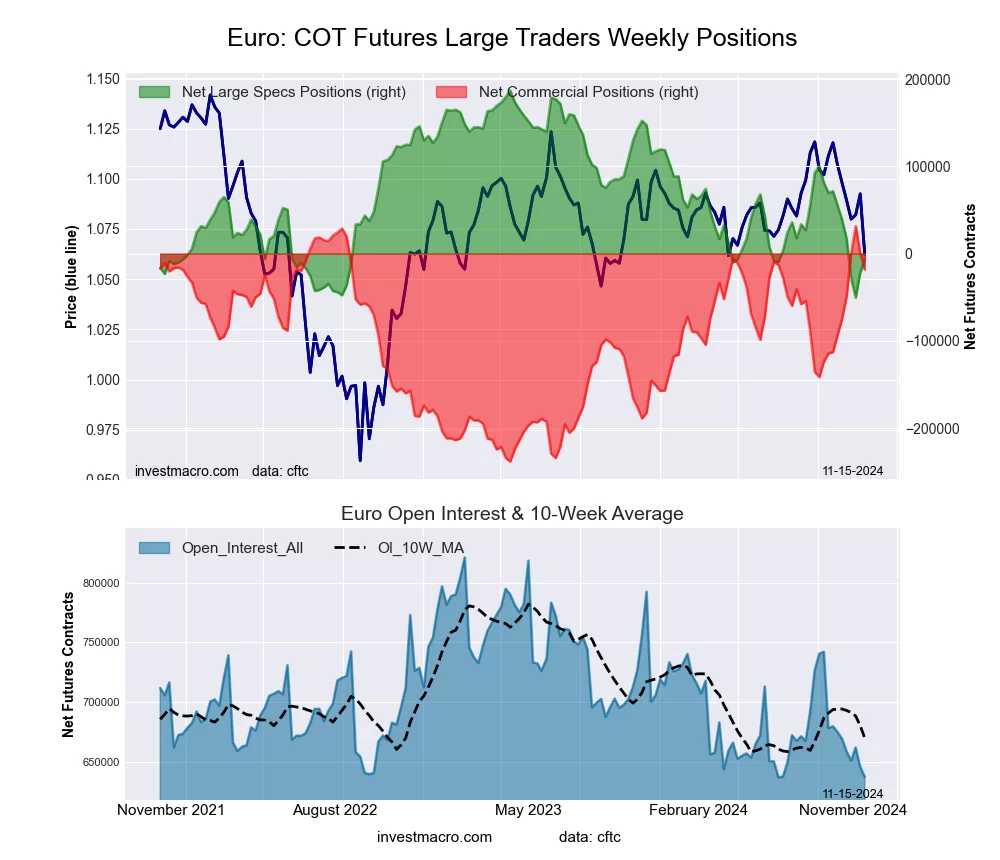
ECB Executive Board spokesman Elderson said the Eurozone economy is weaker than expected, and “if our projections that inflation will converge to our 2% target in the second half of 2025 are confirmed, the ECB will continue to gradually ease its restrictive policy stance.” Nagel, another representative of the ECB Governing Council and president of the Bundesbank, said he was “willing to consider the possibility” of an ECB interest rate cut at next week’s ECB meeting.

Oil prices fell by 4% yesterday. Expected supply disruptions caused by geopolitical risks in the Middle East have yet to materialize, and investors have shifted their attention back to Chinese demand. China’s National Development and Reform Commission has not announced any new support measures. In the absence of policy intervention, slowing economic growth could reduce Chinese oil demand in the short to medium term.

Asian markets were mostly down yesterday. Japan’s Nikkei 225 (JP225) was down 1.00%, China’s FTSE China A50 (CHA50) was up 4.08%, Hong Kong’s Hang Seng (HK50) decreased by 9.41%, and Australia’s ASX 200 (AU200) was negative 0.35%.

The Hang Seng Index (HK50) fell by 9.4% to finish at 20,927 on Tuesday after rising sharply in the previous two sessions as investors booked profits after the index rose to its highest level since early 2022. Market sentiment deteriorated further on disappointment over a media briefing in China that failed to announce major new economic stimulus measures. The government unveiled a 100 billion yuan investment plan for next year, up from the 1 trillion yuan allocated this year.

The Reserve Bank of India (RBI) kept the benchmark repo rate at 6.5% for the tenth consecutive meeting to ensure inflation falls to its medium-term target of 4%. The latest move came after annual inflation accelerated slightly to 3.65% in August 2024 on rising food prices but remained below the RBI’s target of 4% over five years.

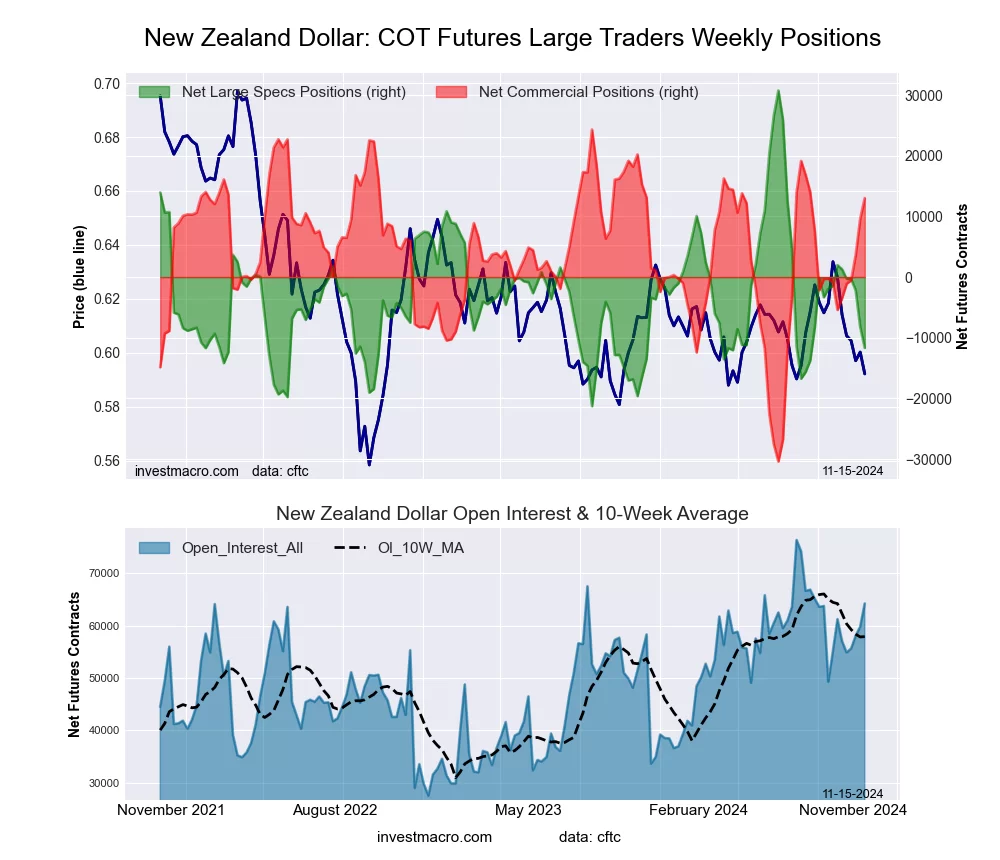
The Reserve Bank of New Zealand (RBNZ) cut the official cash rate (OCR) by 50 basis points to 4.75%, the second consecutive rate cut in line with market expectations. New Zealand’s annual inflation rate in Q2 2024 fell to 3.3% from 4% in the previous quarter and was below market expectations of 3.5%.

S&P 500 (US500) 5,751.13 +55.19 (+0.97%)

Dow Jones (US30) 42,080.37 +126.13 (+0.30%)

DAX (DE40) 19,066.47 −37.63 (−0.20%)

FTSE 100 (UK100) 8,190.61 −113.01 (−1.36%)

USD Index 102.52 −0.01 (−0.01%)

News feed for: 2024.10.09

  • RBNZ Interest Rate Decision at 04:00 (GMT+3);
  • RBNZ Rate Statement at 04:00 (GMT+3);
  • German Trade Balance (m/m) at 09:00 (GMT+3);
  • US FOMC Member Logan Speaks at 16:15 (GMT+3);
  • US FOMC Member Barkin Speaks at 17:30 (GMT+3);
  • US FOMC Member Goolsbee Speaks at 17:30 (GMT+3);
  • US Crude Oil Reserves (w/w) at 17:30 (GMT+3);
  • US FOMC Member Williams Speaks at 18:00 (GMT+3);
  • US FOMC Member Jefferson Speaks at 19:30 (GMT+3);
  • US FOMC Meeting Minutes at 21:00 (GMT+3).

By JustMarkets


This article reflects a personal opinion and should not be interpreted as an investment advice, and/or offer, and/or a persistent request for carrying out financial transactions, and/or a guarantee, and/or a forecast of future events.

Bitcoin: Wedged between 50 and 200-day SMA

By ForexTime 

  • Bitcoin ↓ 2.6% in October
  • HBO doc identifies Peter Todd as Bitcoin creator
  • Over past year Fed minutes triggered moves of ↑ 2.2% & ↓ 1%
  • Over past year US CPI triggered moves of ↑ 1.8% & ↓ 2.9%
  • Technical levels: $63,500 & $61,000

Bitcoin has found itself trapped within a range on the daily charts.

The world’s largest cryptocurrency could be waiting for a fresh fundamental spark to trigger significant price swings.

Bitcoin

Despite the growing anticipation, Bitcoin offered a muted response after HBO’s documentary pointed to Canadian Bitcoin developer Peter Todd as Satoshi Nakamoto. However, Todd immediately denied these claims on social media.

This was initially a big deal due to the mystery surrounding Satoshi Nakamoto who is estimated to hold 1.1 million Bitcoins worth $66 billion. If Satoshi’s identity was truly unmasked, it could have various implications for Bitcoin which has skyrocketed over the years and gained mainstream acceptance.

With our attention back to key data, here are 3 things to keep an eye on this week:


    1) Fed speeches + FOMC meeting minutes

Last Friday’s strong jobs report boosted confidence in the US economy and erased hopes around a 50bp Fed cut in November.

It will be interesting to see what Fed officials think about the latest developments and the potential impacts it could have on future rate cuts. Regarding the FOMC minutes, investors will be looking for fresh insight into the outlook for labour markets or future policy moves.

Given how cryptocurrencies have shown sensitivity to interest rates, the incoming event may spark price swings.

Golden nugget: Over the past year, the FOMC minutes have triggered upside moves of as much as 2.2% or declines of 1% in a 6-hour window post-release.


    2) US September CPI report

As highlighted in our week ahead report, the incoming inflation data may impact bets around how deep the Fed cuts rates in Q4.

Signs of cooling price pressures may boost expectations around lower interest rates, supporting Bitcoin as a result. The same is true vice versa.

Golden nugget: Over the past year, the US CPI report has triggered upside moves of as much as 1.8% or declines of 2.9% in a 6-hour window post-release.

  • A hotter-than-expected CPI report could drag Bitcoin prices lower as the dollar strengthens and rate cut bets cool.
  • A soft inflation report may support the argument around lower US interest rates, boosting Bitcoin prices


    3) Technical forces

Bitcoin remains trapped within a range on the daily charts with support around $61,000 and resistance at $63,500 where the 200-day SMA resides. 

  • A solid breakout and daily close above $63,500 could encourage a move toward $65,000 $66,000.
  • A break below the 100-day SMA at $61,000 could see prices test $60,000. Sustained weakness below here may encourage bears to attack $57,600.

Bitcoin23


Forex-Time-LogoArticle by ForexTime

ForexTime Ltd (FXTM) is an award winning international online forex broker regulated by CySEC 185/12 www.forextime.com

NZD/USD Hits Seven-Week Low Amid Ongoing Sell-off and RBNZ Rate Cuts

By RoboForex Analytical Department 

The NZD/USD pair has dropped to a seven-week low, touching 0.6091, as the sell-off that started on 1 October continues to intensify. The New Zealand dollar’s weakness is largely attributed to the Reserve Bank of New Zealand’s (RBNZ) recent decisions to lower interest rates in response to decreasing inflation pressures.

The RBNZ has implemented consecutive rate cuts, most recently reducing the key rate by 50 basis points to 4.75% per annum, following a similar reduction in August. These measures aim to anchor inflation within the target range of 1-3%, with upcoming consumer price data anticipated to potentially show inflation consolidating around 2%, aligning well with the RBNZ’s objectives.

Globally, the focus is on the upcoming publication of the latest US Federal Reserve meeting minutes. These minutes are highly scrutinised as they provide crucial insights into the Fed’s future monetary policy direction. Market participants often use this information to gauge the likelihood of further Fed-rate adjustments, which, in turn, influences global currency dynamics.

Technical analysis of NZD/USD

The NZD/USD market has reached the forecasted target of the downward wave at 0.6080. Currently, a new consolidation phase is expected to form above this level. If there is an upward breakout, a corrective movement towards 0.6230 could occur. Following this correction, the potential for a further decline to 0.5944 may be considered. Alternatively, if the consolidation resolves downwards, the downward trend could continue towards 0.5944. The MACD indicator supports this bearish outlook, with the signal line positioned below zero and trending downwards.

On the hourly chart, after forming a consolidation range around 0.6126, the pair achieved the downward wave target at 0.6080 with a downward exit. An upward movement to 0.6126 is expected today, followed by a retest of 0.6100. The market may develop a new consolidation range at these levels. An upward breakout could initiate a corrective rally towards 0.6230, considered a corrective response to the recent downward trend. The Stochastic oscillator, with its signal line below 20 and pointing upwards, suggests a potential for upward correction.


Disclaimer

Any forecasts contained herein are based on the author’s particular opinion. This analysis may not be treated as trading advice. RoboForex bears no responsibility for trading results based on trading recommendations and reviews contained herein.

Is This Copper Co. Extremely Undervalued?

Source: Clive Maund (10/7/24)

Technical Analyst Clive Maund shares his thoughts on Interra Copper Corp. (Imcx:CSE; Imimf:Otcqb; 3MX:FRA) to explain why he believes it is an Immediate Buy.

Interra Copper Corp. (IMCX:CSE; IMIMF:OTCQB; 3MX:FRA) hasn’t done much since we looked at it in August, and has actually slipped a little lower, but there is big news out of the company this morning that it is thought could positively impact the share price, which is that the company has entered into a purchase agreement for the Stars Copper Project.

The difference that this will make to the company is best summed up by President and CEO of Interra Brian Thurston, who commented, “Acquiring the Stars Property is transformative for Interra. The company changes from a junior exploring to making a discovery to a junior with a discovery that is looking to define a resource. The Stars Property has two complementary exploration upsides, with an established zone of higher-grade mineralization, that Interra can grow and define and a much broader under-explored area with high potential for new discovery.”

So this development is viewed as a big “move to the right” on a chart showing the steps from exploring to being a producer. For this reason alone, the company is viewed as a candidate for revaluation, especially given its currently very low valuation and, more generally, the rapidly improving outlook for the copper price. The transaction contemplated by the Purchase Agreement is expected to close on or before December 15, 2024, and is subject to customary closing conditions and approvals, including Aurwest shareholder approval as it relates to the sale of the Property.

So, if we look at the following slide from the company’s investor deck showing its priorities for 2024, we see that with respect to Item 3, they weren’t just talking about it; they did it.

If we look at the slide showing the priorities for 2025 and compare them with the priorities for this year, we see an important difference, which is that at Thane, there are now 10 large high-priority copper-gold mineralized targets.

Before reviewing the latest stock charts for the company, it is worth reminding ourselves about the company’s two main properties prior to the proposed acquisition of Stars, which are Thane and Rip, whose locations in British Columbia are shown on the following slide

This next slide sets out the attributes of the Thane copper-gold project.

This one sets out the attributes of the Rip property.

Two copper–moly targets have been identified at Rip as a result of an aerial survey undertaken this year, whose most important findings are shown on the following slide.

Since the August article appeared, a new copper zone has been discovered at Thane, which is called the Bananas showing. It, along with the previously known Gail showing, are ranked as the highest priorities, with strong copper-gold mineralized alteration systems in favorable host rocks.

Lastly, we take a look at the capital structure of the company as set out in the latest investor deck, with the most important point to note is that of the 42.6 million shares in issue, an estimated 44% are in the float.

Turning to the charts, we see on the long-term 7-year chart that Interra Copper stock is at the tail end of a seemingly relentless brutal bear market that has, at the current price, erased 99% of its value at its 2020 peak and, according to all normal metrics it is extremely undervalued here.
Yet despite the horrendous decline in the stock price, its Accumulation line has continued to advance, and we can see on the 2-year chart that its rate of climb has been accelerating over the past year.

By itself, this is bullish and indicates clandestine accumulation even as the stock price has fallen, and the longer it goes on, the greater is the chance that a reversal to the upside will occur, and now, with the announcement of the planned acquisition of the Stars Project, we may, at last, have the necessary catalyst to make this happen.

Even though the price is still technically in a downtrend with the price below bearishly aligned moving averages there are other bullish factors to observe on this chart that point to a reversal soon and these include the increasing bunching of price and moving averages such as typically precedes a reversal, the predominance of upside volume in recent months and downside momentum having dropped out as shown by the MACD indicator.

Lastly, the 6-month chart shows recent action in much more detail. In the original article on Interra posted in August, it was not expected to drop any further but it did, although it was not by much, and now it is suspected to be at the second low of a small Double Bottom whose first low was in the middle of last month and whose second low just occurred. It should pick up from here, and it is thought that today’s news will do it.

We, therefore, stay long, and Interra Copper is rated an Immediate Buy.

Interra Copper’s website.

Interra Copper Corp. (IMCX:CSE; IMIMF:OTCQB; 3MX:FRA) closed for trading at CA$0.085, US$0.0677 on October 4, 2024.


Important Disclosures:

  1. Interra Copper Corp. has a consulting relationship with Street Smart an affiliate of Streetwise Reports. Street Smart Clients pay a monthly consulting fee between US$8,000 and US$20,000.
  2. As of the date of this article, officers and/or employees of Streetwise Reports LLC (including members of their household) own securities of Interra Copper Corp.
  3. Clive Maund: I determined which companies would be included in this article based on my research and understanding of the sector.
  4. Statements and opinions expressed are the opinions of the author and not of Streetwise Reports, Street Smart, or their officers. The author is wholly responsible for the accuracy of the statements. Streetwise Reports was not paid by the author to publish or syndicate this article. Streetwise Reports requires contributing authors to disclose any shareholdings in, or economic relationships with, companies that they write about. Any disclosures from the author can be found  below. Streetwise Reports relies upon the authors to accurately provide this information and Streetwise Reports has no means of verifying its accuracy.
  5.  This article does not constitute investment advice and is not a solicitation for any investment. Streetwise Reports does not render general or specific investment advice and the information on Streetwise Reports should not be considered a recommendation to buy or sell any security. Each reader is encouraged to consult with his or her personal financial adviser and perform their own comprehensive investment research. By opening this page, each reader accepts and agrees to Streetwise Reports’ terms of use and full legal disclaimer. Streetwise Reports does not endorse or recommend the business, products, services or securities of any company.

For additional disclosures, please click here.
Clivemaund.com Disclosures

The above represents the opinion and analysis of Mr. Maund, based on data available to him, at the time of writing. Mr. Maund’s opinions are his own, and are not a recommendation or an offer to buy or sell securities. As trading and investing in any financial markets may involve serious risk of loss, Mr. Maund recommends that you consult with a qualified investment advisor, one licensed by appropriate regulatory agencies in your legal jurisdiction, and do your own due diligence and research when making any kind of a transaction with financial ramifications. Although a qualified and experienced stock market analyst, Clive Maund is not a Registered Securities Advisor. Therefore Mr. Maund’s opinions on the market and stocks cannot be construed as a recommendation or solicitation to buy and sell securities.

The Energy Bull Has Returned

Source: Michael Ballanger (10/7/24)

Michael Ballanger of GGM Advisory Inc. takes a look at the energy market, and shares his thoughts on junior miners. 

Last week, I decided to write about the fiscal bazooka engaged by Chinese President Xi Jinping that sent Chinese equities into a vertical moon rocket with relative strength for the major indices, hitting an all-time record at 91. From David Tepper to Louis Gave, the China bulls are now stampeding with the ferocity of the spooked herd while short sellers bleeding from the eye sockets and hair ablaze are covering with unfathomable urgency.

The move by the Chinese central bank to dive headlong into an easing cycle follows the past two years of pain as the real estate market has stagnated under the weight of oversupply and bubbly consumer attitudes. Overproduction in the EV sector has left inventories overflowing in both unsold units and the age of the fleet, as vast numbers of rotting vehicles are sitting in car lots around the country. Something had to be done, and it was as if Xi Jinping took aim and pulled the trigger.

Initially, the advance in Chinese equities was celebrated by only the bravado-laden diehard contrarians who had been buying large-cap Chinese companies at eight times cash flow with 75% of market cap in cash, similar to January 2023 when the Japanese equity markets suddenly caught a bid on the basis of their valuations relative to the over-owned, over-priced U.S. counterparts that have benefitted from a constant, never-ending combination of fiscal and monetary stimulus all designed to juice stock prices and maintain the asymmetrical wealth-effect so critical for sustained economic growth.

However, what few were talking about was the ancillary impact the Chinese stimulus move had on a number of other sectors. Copper, which I identified in early August as a “Buy” under $4.00/lb. (after exiting in May) was well on its way to test the 100-dma at around $4.40, but it received an enormous shot of adrenalin with the news that China had suddenly gone “full-Draghi,” deciding to do “whatever it takes” to get the economy back on track.

Copper is now ahead over 20% from those “carry trade crash” lows now cruising with a gale force Chinese tailwind behind it.

However, the sleeper in the China stimulus narrative is the one commodity that drives all economic growth — oil — and whether or nor it is politically correct, it is not going away anytime soon. Subscribers were sent an email alert last Tuesday before the opening suggesting that I was revisiting the “energy trade.”

In that email alert, I wrote:

The ETF that covers the big multinational oil & gas producers is the Energy Select Sector SPDR Fund (XLE:NYSEARC) that has traded as low as $78.98 last January and at USD $82.34 a couple of weeks ago. As can be seen from the chart, there have been three major “buy signals” since the lows of last month, with MACD, MFI, and now TRIX all kicking into gear. Accordingly, I want to take advantage of today’s pullback and take a starting position in the XLE. I have traded this ETF before, and when it moves, it moves fast with big gaps in price, and while it is not always easy to nail down the exact lows, sentiment numbers and trader positioning are about as dismal as one can get for any specific sector.

The chart shown below was from the Monday close at $87.80, and my instructions were that bids at $87.00 might be successful since oil was called lower for the Tuesday opening. The XLE opened at $87.03, traded down to $86.90 after which oil executed a massive reversal to the upside taking XLE to a closing price of $89.80.

There are a great many oil bears out there that want to see fossil fuels outlawed and ICE’s outright banned. I consider those attitudes as archaic and ill-sighted as the electrification transition will take decades to complete. Thinking that the world can survive and grow without the use of oil is delusional.

I am not a moralist; I am a financial opportunist. I pore over charts and essays and financial statements day after day to try to find what I believe are legitimate chances to profit, with not even the slightest consideration of what the company may or may not be doing to “save the planet.” I recall one afternoon driving home from hockey practice in 1962, listening to the CBC newscaster discussing relations between JFK and Soviet premier Nikita Khrushchev regarding nuclear disarmament.

Frightened by what I was hearing, I asked my dad if “mankind” was going to bring about the end of the world. My dad responded with an answer I can never forget. He said, “Son, “mankind” will never bring about the end of the world. It might bring about the end of “mankind but it will never cause the end of the world.”

The egotism of these moralists who preach about carbon credits, global pollution, and every imaginable ecological sin committed by Big Oil or Big Nuclear, or the military-industrial complex is beyond maddening. Watching the student body of a university lying in front of cars, trucks, and buses as a protest to the petroleum industry takes me to a place that I won’t even mention.

I was one of those poor slobs during the Arab oil embargo of 1973-1974, sitting behind the wheel of a 1965 Ford Custom while in a 30-car line-up waiting for a chance to fill the tank up, which was running on fumes. It was not a fun time.

Another name I now own is a fascinating little junior from the Alberta oil patch called HHemisphere Energy Corp. (HME:TSX.V), which I bought last Tuesday. Paying a 5% dividend, the company uses a Polymer-flooding technique to enhance oil recovery from pools in Alberta and Saskatchewan.

They have been growing production systematically since 2017 and had a record year in 2023 and expect even better for 2024.

It is a perfect addition to a mining-centric portfolio and delivers diversification with an enviable income stream.

Gold and Silver

Gold put in a decent week, and up until around 11:00 am this morning, after the traders had a couple of hours to mull over the jobs report, silver made a very brief sojourn into the new 52-week high ground before coming under the merciless wrath of the bullion bank behemoths that decided to crush the breakout with undeniable conviction and send it down from an $.80 advance to a $0.07 loss on the day.

The silver bugs were collectively disheartened and summarily vanquished as they always are whenever they start to trot out the champagne flutes, cymbals, and pompoms. I am positive about the inevitability of a silver breakout, but it will be led by gold and copper, the two primary drivers of the bull market in the metals. While gold is being driven higher by that constant and persistent central bank bid, copper is being driven by a rapidly approaching structural deficit that is going to disrupt the global flow of everything because copper is found in everything.

Housing, electronics, medicine, and a myriad of other products and industries that rely on copper for its universal application. Silver, while also used in a broad spectrum of industrial applications, is primarily driven by the retail crowd ever seeking a “poor man’s gold” and, as such, rarely winds up being owned but rather rented with an ownership horizon far shorter than either gold or copper.

That explains the volatility in the silver market and why it is that the bullion bank traders find it so much easier to bat silver around whenever they choose while rarely daring to try the same with gold and never trying it with a market as wide and expansive as copper. That said, there will be a point in time and soon when silver will overtake both gold and copper and assume a leadership role, which will make the silver bugs giddy with “I-told-you-so” excitement as it grabs the reins and vaults into the lead, grabbing headlines in every financial publication and two-bit tout sheet across the globe.

The silver bugs will all rejoice in their final and ultimate vindication of owning one of the worst-acting metals of the past four years, and while I will be an owner of silver when that occurs, I shall not be mired in self-adulation because, at the point in the metals cycle where silver grabs all of the headlines, it is also the terminus of the move in the metals.

Every metals bull market ends with the silver bugs shaking their fists at the world, and when that occurs, as happened in 1980 and 2011, I want to be in full liquidation mode of the more speculative pieces in my metals portfolio and moving to hedge the “never-sell” portions that are intractable items for the financial future.

This is why I have always wanted gold to lead the pack slowly, quietly, and methodically, as it has since 2020, correcting and advancing with higher highs and higher lows. I never want to see CNBC “Guest Commentators” voicing their opinions on a gold market that has been “LIMIT UP” for three straight days because once the prey comes out of the brush and into the broad daylight, it becomes an enviable target.

Near-term, gold prices are due for a correction. The bearish indicators all line up after RSI moved into overbought extremes in late September. Unlike last April when I tried to trade the correction, I will simply stand aside and let the market work off the overbought condition and try to time the pullback so I can be leveraged properly into new highs by year-end.

For now, no new buys in the bigger names, but the juniors are still ridiculously “cheap.”

Stocks

Friday’s NFP report showed a blow-out increase in the number of new jobs, sending the CNBC cheerleaders into a full-on feeding frenzy as the stocks took aim at all-time highs. The cheering centered around “good news” on the economy being “good news” for stocks, and despite the bond market taking it on the chin, when one lifted the hood and looked into the engine room, all one saw was a bunch of new government jobs and a “wages paid” number that set off the inflationary alarm bells with vigor.

However, the bulls are carrying the day but with the Middle East on fire and the REPO and SOFR markets starting to sweat bullets (i.e. liquidity drying up), I will remain fully-hedge until at least the end of the month.

Rising wages, rising oil, rising gold and rising 10-year yields are never earmarks of a risk-free equities environment. Caution is warranted.


Important Disclosures:

  1. Michael Ballanger: I, or members of my immediate household or family, own securities of: All. I determined which companies would be included in this article based on my research and understanding of the sector.
  2. Statements and opinions expressed are the opinions of the author and not of Streetwise Reports, Street Smart, or their officers. The author is wholly responsible for the accuracy of the statements. Streetwise Reports was not paid by the author to publish or syndicate this article. Streetwise Reports requires contributing authors to disclose any shareholdings in, or economic relationships with, companies that they write about. Any disclosures from the author can be found  below. Streetwise Reports relies upon the authors to accurately provide this information and Streetwise Reports has no means of verifying its accuracy.
  3.  This article does not constitute investment advice and is not a solicitation for any investment. Streetwise Reports does not render general or specific investment advice and the information on Streetwise Reports should not be considered a recommendation to buy or sell any security. Each reader is encouraged to consult with his or her personal financial adviser and perform their own comprehensive investment research. By opening this page, each reader accepts and agrees to Streetwise Reports’ terms of use and full legal disclaimer. Streetwise Reports does not endorse or recommend the business, products, services or securities of any company.

For additional disclosures, please click here.
Michael Ballanger Disclosures

This letter makes no guarantee or warranty on the accuracy or completeness of the data provided. Nothing contained herein is intended or shall be deemed to be investment advice, implied or otherwise. This letter represents my views and replicates trades that I am making but nothing more than that. Always consult your registered advisor to assist you with your investments. I accept no liability for any loss arising from the use of the data contained on this letter. Options and junior mining stocks contain a high level of risk that may result in the loss of part or all invested capital and therefore are suitable for experienced and professional investors and traders only. One should be familiar with the risks involved in junior mining and options trading and we recommend consulting a financial adviser if you feel you do not understand the risks involved.
RBA plans to hold rates until the end of the year. The US stock market is under pressure from rising bond yields.

By JustMarkets

At Monday’s close, the Dow Jones (US30) Index was down 0.94%, while the S&P 500 (US500) Index fell by 0.96%. The NASDAQ Technology Index (US100) closed negative 1.18%. Lower expectations of a Fed rate cut drove bond yields higher and hurt stocks. 10-year T-note yields rose to a 2-month high amid bearish sentiment from last Friday when a stronger-than-expected US September payrolls report eliminated market odds of a 50bp Fed rate cut at next month’s FOMC meeting.

Hawkish comments from Minneapolis Fed President Kashkari on Monday proved bearish for stocks when he said the Fed still has to reduce the size of its balance sheet, but it will not return to Covid-era levels. Markets are awaiting news on US consumer prices on Thursday to see if the downward trend in prices will continue. The consensus expects the Consumer Price Index for September to decline to 2.3% y/y from 2.5% y/y in August. The CPI, excluding food and energy, is expected to be unchanged from August at 3.2% y/y. Markets rate the odds of a 25 bps rate cut at the November 6–7 FOMC meeting at 85% and a 50 bps rate cut at this meeting at 0%.

Amazon.com (AMZN) stock is down more than 3% after Wells Fargo Securities downgraded the stock to equal weight from overweight. Netflix (NFLX) shares closed down more than 2% after Barclays downgraded the stock to underweight from equal weight with a $550 price target.

Equity markets in Europe were mostly up yesterday. Germany’s DAX (DE40) fell by 0.09%, France’s CAC 40 (FR40) closed higher by 0.46%, Spain’s IBEX 35 (ES35) gained 0.50%, and the UK’s FTSE 100 (UK100) closed positive 0.28%.

WTI crude oil prices fell to $75.6 per barrel on Tuesday, likely due to profit-taking after surging to the highest level in more than a month due to escalating conflict in the Middle East. Investors are closely watching Israel’s possible response to last week’s missile strike by Iran, with Iranian oil facilities seen as a possible target. However, President Biden recently urged against striking Iran’s oil fields, suggesting that alternative measures should be considered. In addition, OPEC’s spare capacity and the stability of global crude supplies are easing supply concerns.

Asian markets traded flat last week. Japan’s Nikkei 225 (JP225) rose by 1.80%, China’s FTSE China A50 (CHA50) did not trade last week due to holidays, Hong Kong’s Hang Seng (HK50) rose by 1.60%, and Australia’s ASX 200 (AU200) gained 0.68% over yesterday.

Goldman Sachs raised its outlook on Chinese equities to “overweight,” predicting a 15-20% rise if Beijing follows through on promised policy measures.

Minutes from the Reserve Bank of Australia’s September meeting showed that monetary policy should remain fairly restrictive until bank officials are confident that inflation is moving toward the 2–3% target range. Policymakers also discussed global monetary easing but agreed that domestic money rates should not move in line with other economies, given the country’s stronger inflation and labor market conditions and less tight policy.

S&P 500 (US500) 5,695.94 −55.13 (−0.96%)

Dow Jones (US30) 41,954.24 −398.51 (−0.94%)

DAX (DE40) 19,104.10 −16.83 (−0.09%)

FTSE 100 (UK100) 8,303.62 +22.99 (+0.28%)

USD Index 102.50 −0.02 (−0.02%)

News feed for: 2024.10.08

  • US FOMC Member Bostic Speaks at 01:00 (GMT+3);
  • Australia NAB Business Confidence (m/m) at 03:30 (GMT+3);
  • Australia RBA Monetary Policy Meeting Minutes at 03:30 (GMT+3);
  • Sweden Consumer Price Index (m/m) at 09:00 (GMT+3);
  • German Industrial Production (m/m) at 09:00 (GMT+3);
  • Canada Trade Balance (m/m) at 15:30 (GMT+3);
  • US Trade Balance (m/m) at 15:30 (GMT+3);
  • US FOMC Member Bostic Speaks at 19:45 (GMT+3);
  • US FOMC Member Collins Speaks at 23:00 (GMT+3).

By JustMarkets


This article reflects a personal opinion and should not be interpreted as an investment advice, and/or offer, and/or a persistent request for carrying out financial transactions, and/or a guarantee, and/or a forecast of future events.

Teachers feel most productive when they use AI for teaching strategies

By Samantha Keppler, University of Michigan and Clare Snyder, University of Michigan 

Teachers can use generative AI in a variety of ways. They may use it to develop lesson plans and quizzes. Or teachers may rely on a generative AI tool, such as ChatGPT, for insight on how to teach a concept more effectively.

In our new research, only the teachers doing both of those things reported feeling that they were getting more done. They also told us that their teaching was more effective with AI.

Over the course of the 2023-2024 school year, we followed 24 teachers at K-12 schools throughout the United States as they wrestled with whether and how to use generative AI for their work. We gave them a standard training session on generative AI in the fall of 2023. We then conducted multiple observations, interviews and surveys throughout the year.

We found that teachers felt more productive and effective with generative AI when they turned to it for advice. The standard methods to teach to state standards that work for one student, or in one school year, might not work as well in another. Teachers may get stuck and need to try a different approach. Generative AI, it turns out, can be a source of ideas for those alternative approaches.

While many focus on the productivity benefits of how generative AI can help teachers make quizzes or activities faster, our study points to something different. Teachers feel more productive and effective when their students are learning, and generative AI seems to help some teachers get new ideas about how to advance student learning.

Why it matters

K-12 teaching requires creativity, particularly when it comes to tasks such as lesson plans or how to integrate technology into the classroom. Teachers are under pressure to work quickly, however, because they have so many things to do, such as prepare teaching materials, meet with parents and grade students’ schoolwork. Teachers do not have enough time each day to do all of the work that they need to.

We know that such pressure often makes creativity difficult. This can make teachers feel stuck. Some people, in particular AI experts, view generative AI as a solution to this problem; generative AI is always on call, it works quickly, and it never tires.

However, this view assumes that teachers will know how to use generative AI effectively to get the solutions they are seeking. Our research reveals that for many teachers, the time it takes to get a satisfactory output from the technology – and revise it to fit their needs – is no shorter than the time it would take to create the materials from scratch on their own. This is why using generative AI to create materials is not enough to get more done.

By understanding how teachers can effectively use generative AI for advice, schools can make more informed decisions about how to invest in AI for their teachers and how to support teachers in using these new tools. Further, this feeds back to the scientists creating AI tools, who can make better decisions about how to design these systems.

What still isn’t known

Many teachers face roadblocks that prevent them from seeing the benefits of generative AI tools such as ChatGPT. These benefits include being able to create better materials faster. The teachers we talked to, however, were all new users of the technology. Teachers who are more familiar with ways to prompt generative AI – we call them “power users” – might have other ways of interacting with the technology that we did not see. We also do not yet know exactly why some teachers move from being new users to proficient users but others do not.

About the Authors:

The Research Brief is a short take on interesting academic work.The Conversation

Samantha Keppler, Assistant Professor of Technology and Operations, Stephen M. Ross School of Business, University of Michigan and Clare Snyder, PhD Candidate in Business Administration, University of Michigan

This article is republished from The Conversation under a Creative Commons license. Read the original article.

Oil rises amid escalating conflict in the Middle East. Inflationary pressures are easing in Vietnam

By JustMarkets 

On Friday, the Dow Jones (US30) Index gained 0.81% (for the week +0.15%), while the S&P 500 (US500) Index gained 0.90% (for the week +0.43%). The NASDAQ Technology Index (US100) closed positive 1.22% (for the week +0.38%). Stocks rose on Friday as a stronger-than-expected US September Payrolls report bolstered prospects for a soft landing. However, the prospect of escalating conflict in the Middle East is dampening investor appetite for risk assets and is a negative for equities. Markets are awaiting Israel’s response to Tuesday’s rocket attack on Iran after Israeli Prime Minister Netanyahu vowed to retaliate, saying Iran “made a big mistake” and will “pay.”

The US Nonfarm Payrolls for September rose by 254,000, indicating a stronger labor market than expected 150,000 and the largest increase in 6 months. The unemployment rate for September unexpectedly fell by 0.1 to 4.1%, showing a stronger labor market than expectations of no change at 4.2%. Average hourly earnings for September rose by 0.4% m/m and 4.0% y/y, stronger than expectations of 0.3% m/m and 3.8% y/y. Markets discount the odds of a 25bp rate cut at the November 6–7 FOMC meeting to 100% and a 50bp rate cut at this meeting to 6%.

Equity markets in Europe rallied strongly on Friday, but all major indices closed negative at the end of the week. The German DAX (DE40) rose 0.55% (for the week -1.50%), the French CAC 40 (FR40) closed higher by 0.85% (for the week -2.67%), the Spanish IBEX 35 (ES35) gained 0.35% (for the week -2.26%), the British FTSE 100 (UK100) closed down 0.02% (for the week -0.48%).

French Industrial Production rose 1.4% m/m in August, beating expectations of 0.3% m/m and the largest increase in 15 months. ECB Governing Council spokesman Centeno said on Friday that Eurozone labor market dynamics had cooled slightly, and inflation is very close to 2%, hinting at further rate cuts by the ECB. Swaps discount the odds of a 25bp ECB rate cut at the October 17 meeting to 90%.

WTI crude oil prices rose by 0.9% to close at $74.4 per barrel on Friday, the highest level in five weeks, amid concerns over possible supply disruptions in the Middle East. Concerns intensified after Biden refrained from directly condemning a potential Israeli strike on Iran’s oil facilities. Tel Aviv vowed this week to retaliate against Iran while ramping up operations in Beirut amid the ongoing conflict with Hezbollah. Meanwhile, OPEC’s spare production capacity and stability in global oil supplies eased supply concerns.

Asian markets traded flat last week. Japan’s Nikkei 225 (JP225) was down 1.23%, China’s FTSE China A50 (CHA50) did not trade last week due to holidays, Hong Kong’s Hang Seng (HK50) was up 11.20%, and Australia’s ASX 200 (AU200) was negative 0.76%.

Vietnam’s annual inflation rate fell to 2.63% y/y in September 2024 from 3.45% y/y in August, the lowest since July 2023 after a super typhoon hit the country earlier this month. Prices fell in several categories, including housing. Annual core inflation, which excludes volatile items, remained relatively stable (2.54% vs. 2.53%), close to the lowest level since August 2022. Vietnam’s GDP growth hit a 2-year high in the third quarter. Vietnam’s GDP grew 7.40% year-on-year in Q3 2024, accelerating from an upwardly revised 7.09% growth in Q2, the sharpest increase since Q3 2022.

Australia’s trade surplus in goods in August 2024 was A$5.64 billion. This was the largest trade surplus since April despite a small decline in both exports and imports.

Japan’s Index of leading economic indicators, which is used to gauge the economic outlook several months ahead on data such as job offers and consumer sentiment, fell to 106.7 in August 2024 from a final reading of 109.3 in the previous month, falling short of market estimates of 107.4.

S&P 500 (US500) 5,751.07 +51.13 (+0.90%)

Dow Jones (US30) 42,352.75 +341.16 (+0.81%)

DAX (DE40) 19,120.93 +105.52 (+0.55%)

FTSE 100 (UK100) 8,280.63 −1.89 (−0.02%)

USD Index 102.58 +0.06 (+0.06%)

News feed for: 2024.10.07

  • Eurozone Retail Sales (m/m) at 12:00 (GMT+3);
  • US FOMC Member Bowman Speaks at 20:00 (GMT+3);
  • US FOMC Member Kashkari Speaks at 20:50 (GMT+3).

By JustMarkets


This article reflects a personal opinion and should not be interpreted as an investment advice, and/or offer, and/or a persistent request for carrying out financial transactions, and/or a guarantee, and/or a forecast of future events.

Want to solve a complex problem? Applied math can help

By Alan Veliz-Cuba, University of Dayton 

You can probably think of a time when you’ve used math to solve an everyday problem, such as calculating a tip at a restaurant or determining the square footage of a room. But what role does math play in solving complex problems such as curing a disease?

In my job as an applied mathematician, I use mathematical tools to study and solve complex problems in biology. I have worked on problems involving gene and neural networks such as interactions between cells and decision-making. To do this, I create descriptions of a real-world situation in mathematical language. The act of turning a situation into a mathematical representation is called modeling.

Translating real situations into mathematical terms

If you ever solved an arithmetic problem about the speed of trains or cost of groceries, that’s an example of mathematical modeling. But for more difficult questions, even just writing the real-world scenario as a math problem can be complicated. This process requires a lot of creativity and understanding of the problem at hand and is often the result of applied mathematicians working with scientists in other disciplines.

As an example, we could represent a game of Sudoku as a mathematical model. In Sudoku, the player fills empty boxes in a puzzle with numbers between 1 and 9 subject to some rules, such as no repeated numbers in any row or column.

The puzzle begins with some prefilled boxes, and the goal is to figure out which numbers go in the rest of the boxes.

Imagine that a variable, say x, represents the number that goes in one of those empty boxes. We can guarantee that x is between 1 and 9 by saying that x solves the equation (x-1)(x-2) … (x-9)=0. This equation is true only when one of the factors on the left side is zero. Each of the factors on the left side is zero only when x is a number between 1 and 9; for example, (x-1)=0 when x=1. This equation encodes a fact about our game of Sudoku, and we can encode the other features of the game similarly. The resulting model of Sudoku will be a set of equations with 81 variables, one for each box in the puzzle.

Another situation we might model is the concentration of a drug, say aspirin, in a person’s bloodstream. In this case, we would be interested in how the concentration changes as we ingest aspirin and the body metabolizes it. Just like with Sudoku, one can create a set of equations that describe how the concentration of aspirin evolves over time and how additional ingestion affects the dynamics of this medication. In contrast to Sudoku, however, the variables that represent concentrations are not static but rather change over time.

But the act of modeling is not always so straightforward. How would we model diseases such as cancer? Is it enough to model the size and shape of a tumor, or do we need to model every single blood vessel inside the tumor? Every single cell? Every single chemical in each cell? There is much that is unknown about cancer, so how can we model such unknown features? Is it even possible?

Applied mathematicians have to find a balance between models that are realistic enough to be useful and simple enough to be implemented. Building these models may take several years, but in collaboration with experimental scientists, the act of trying to find a model often provides novel insight into the real-world problem.

Mathematical models help find real solutions

After writing a mathematical problem to represent a situation, the second step in the modeling process is to solve the problem.

For Sudoku, we need to solve a collection of equations with 81 variables. For the aspirin example, we need to solve an equation that describes the rate of change of concentrations. This is where all the math that has been and is still being invented comes into play. Areas of pure math such as algebra, analysis, combinatorics and many others can be used – in some cases combined – to solve the complex math problems arising from applications of math to the real world.

The third step of the modeling process consists of translating the mathematical solution into the solution to the applied problem. In the case of Sudoku, the solution to the equations tells us which number should go in each box to solve the puzzle. In the case of aspirin, the solution would be a set of curves that tell us the aspirin concentration in the digestive system and bloodstream. This is how applied mathematics works.

When creating a model isn’t enough

Or is it? While this three-step process is the ideal process of applied math, reality is more complicated. Once I reach the second step where I want the solution of the math problem, very often, if not most of the time, it turns out that no one knows how to solve the math problem in the model. In some cases, the math to study the problem doesn’t even exist.

For example, it is difficult to analyze models of cancer because the interactions between genes, proteins and chemicals are not as straightforward as the relationships between boxes in a game of Sudoku. The main difficulty is that these interactions are “nonlinear,” meaning that the effect of two inputs is not simply the sum of the individual effects. To address this, I have been working on novel ways to study nonlinear systems, such as Boolean network theory and polynomial algebra. With this and traditional approaches, my colleagues and I have studied questions in areas such as
decision-making, gene networks, cellular differentiation and limb regeneration.

When approaching unsolved applied math problems, the distinction between applied and pure mathematics often vanishes. Areas that were considered at one time too abstract have been exactly what is needed for modern problems. This highlights the importance of math for all of us; current areas of pure mathematics can become the applied mathematics of tomorrow and be the tools needed for complex, real-world problems.The Conversation

About the Author:

Alan Veliz-Cuba, Associate Professor of Mathematics, University of Dayton

This article is republished from The Conversation under a Creative Commons license. Read the original article.


EUR/USD hits three-week low amid ECB easing expectations

By RoboForex Analytical Department

The EUR/USD pair has descended to 1.1027, marking its lowest point in three weeks. The drop reflects market anticipation that the European Central Bank (ECB) will continue to ease monetary policy aggressively, spurred by sluggish economic growth and inflation rates falling below the ECB’s 2% target in the Eurozone.

Recent data revealed that the Eurozone’s annual Consumer Price Index decreased to 1.8% in September, the lowest since April 2021 and below the forecasted 1.9%. Moreover, core inflation dipped to 2.7% year-on-year from 2.8%, contrary to expectations of remaining steady. These weaker-than-expected inflation figures have reinforced the likelihood of a rate cut at the upcoming ECB meeting in October, which would mark the third reduction in borrowing costs this year. The market currently places a 95% probability on a 25-basis-point cut.

Robust statistics from the US services sector have further pressured the EUR/USD exchange rate, adding to the euro’s woes.

With a significant day ahead, the focus is now on the US job market reports, including the unemployment rate, Nonfarm Payrolls (NFP), and average wages, which could further influence the pair’s movements.

EUR/USD technical analysis

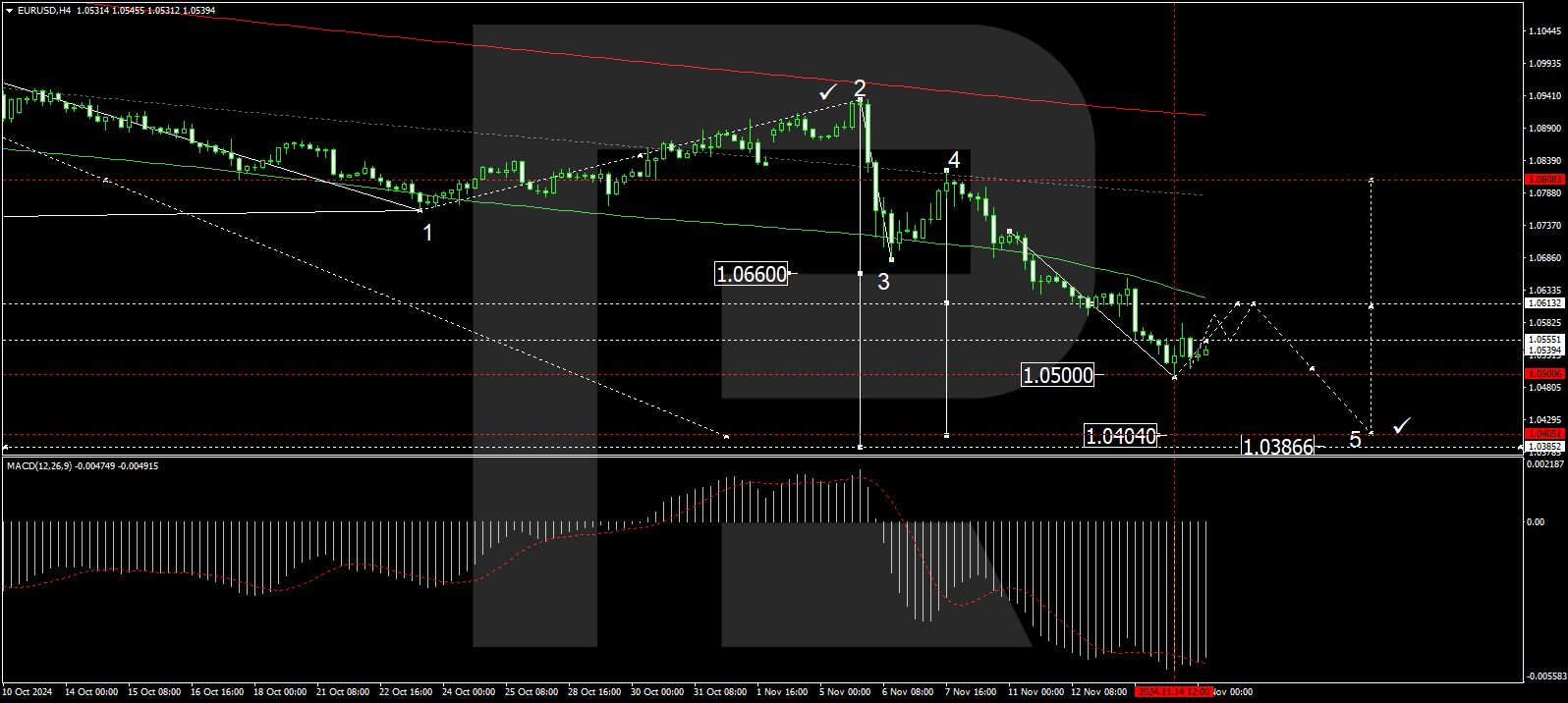
The EUR/USD pair recently completed a downward wave to 1.1008, followed by a corrective rise to 1.1039. Today, the expectation is for a decline to 1.0982. After reaching this target, a potential corrective movement to 1.1066 may occur. Following this correction, another downward wave to 1.0966 is anticipated. The MACD indicator supports this bearish outlook, with its signal line positioned below zero and trending downwards.

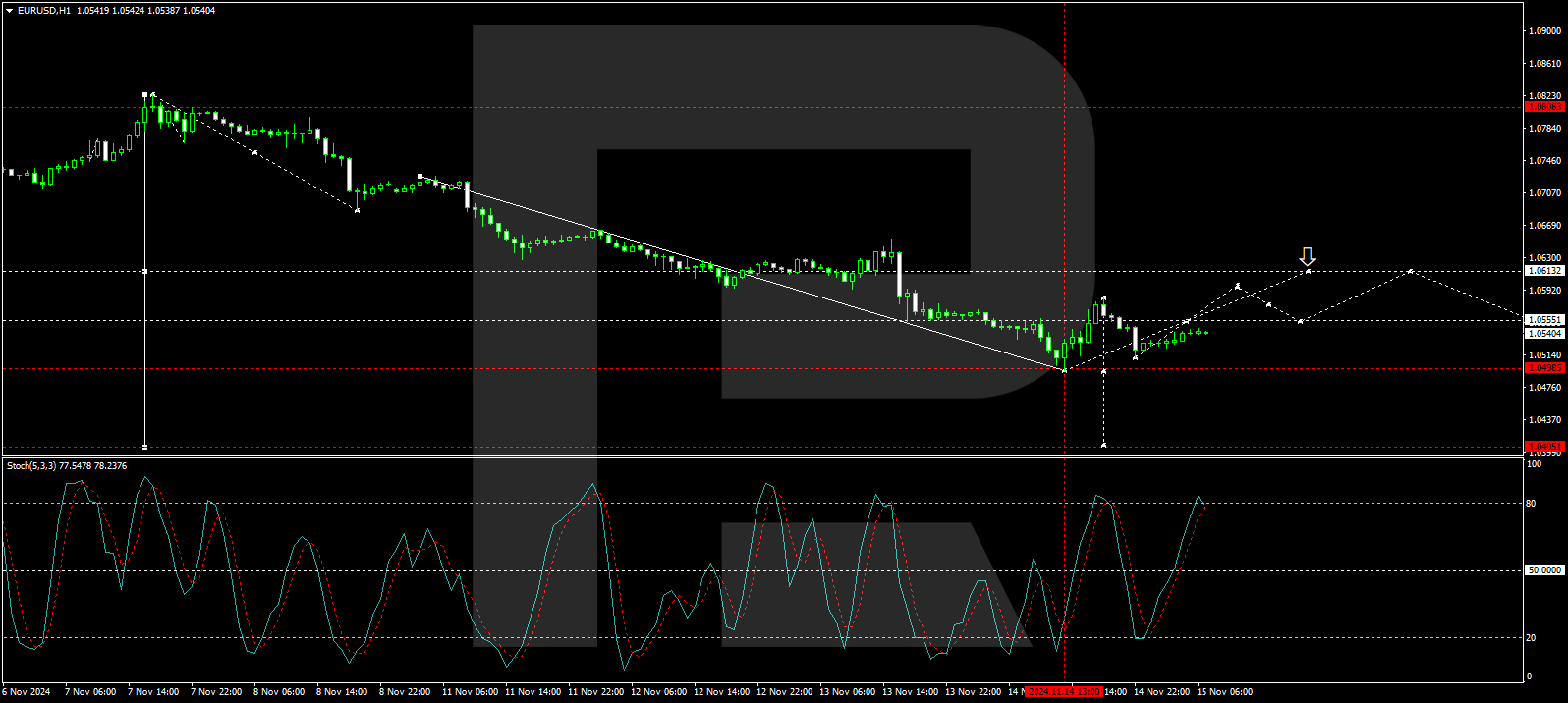
On the hourly chart, the EUR/USD continues to develop its third wave of decline towards 1.0982. The pair formed a consolidation range around 1.1046 and achieved a local target at 1.1008 with a downward exit. A corrective move up to 1.1045 is expected today, which will likely be tested from below. Following this correction, a continued decline to 1.0982 is anticipated. The Stochastic oscillator corroborates this bearish scenario, with its signal line below 50 and poised to descend towards 20.


Disclaimer

Any forecasts contained herein are based on the author’s particular opinion. This analysis may not be treated as trading advice. RoboForex bears no responsibility for trading results based on trading recommendations and reviews contained herein.