Uranium Tech Breakthroughs Leading to Global Nuclear Renaissance

Source: Streetwise Reports (6/20/25)

U.S. President Donald Trump enacted executive orders designed to accelerate reactor approvals, enhance domestic uranium production and enrichment capabilities, and promote nuclear technologies. See how this has put the nuclear and uranium sectors in focus for investors. 

U.S. President Donald Trump in May enacted four executive orders designed to accelerate reactor approvals, enhance domestic uranium production and enrichment capabilities, and promote the advancement of innovative nuclear technologies.

Trump urged the federal government to expedite the construction of nuclear reactors and to reform the “risk averse” regulatory environment, with the goal of increasing the country’s nuclear energy capacity fourfold by 2050, reported Kamen Kraev for NucNet on May 26.

The directives call for the Department of Energy (DOE) to initiate the construction of 10 large reactors by 2030 and to assist in financing upgrades for existing facilities.

A statement from the White House proclaimed that “America will usher in a nuclear energy renaissance,” after years of “stagnation and shuttered reactors,” Kraev wrote.

“Across the country, American entrepreneurs and engineers are launching a new generation of nuclear companies featuring innovative reactor designs and scalable manufacturing techniques that can make nuclear safe, efficient, and economic,” said White House Science and Technology Policy Director Michael Kratsios in an opinion piece on The White House website. “The Trump Administration will clear their path by dismantling outdated barriers that previous administrations had put up in their way.”

Per the announcement, the orders require the U.S. Nuclear Regulatory Commission (NRC) to simplify licensing processes for new reactors, permit testing of reactor designs at DOE laboratories, and allow new reactor construction on federal lands.

The NRC is expected to shorten approval timelines from multiple years to 18 months, while the DOE will identify federal land that is suitable for new nuclear facilities, and initiatives will be undertaken to bolster U.S. uranium mining and domestic enrichment capacities.

“The NRC has failed to license new reactors even as technological advances promise to make nuclear power safer, cheaper, more adaptable, and more abundant than ever,” a fact sheet from the White House stated, according to Kraev’s report.

Kratsios added in his piece, “America’s great innovators and entrepreneurs have run into brick walls when it comes to nuclear technology.”

The Catalyst: Global Investment Growing

The uranium sector has transitioned into a period of heightened focus as the U.S. seeks to revitalize the domestic atomic energy industry and its related supply infrastructure.

Around the world, the transition to clean energy and decarbonization goals have sparked renewed interest in nuclear power, leading to surging demand.

Several countries, including the U.S., the United Kingdom and South Korea, have announced plans to expand nuclear energy capacity by 2050, reported The Astana Times on June 10. Other countries are exploring new builds and/or extending the life span of existing nuclear power plants.

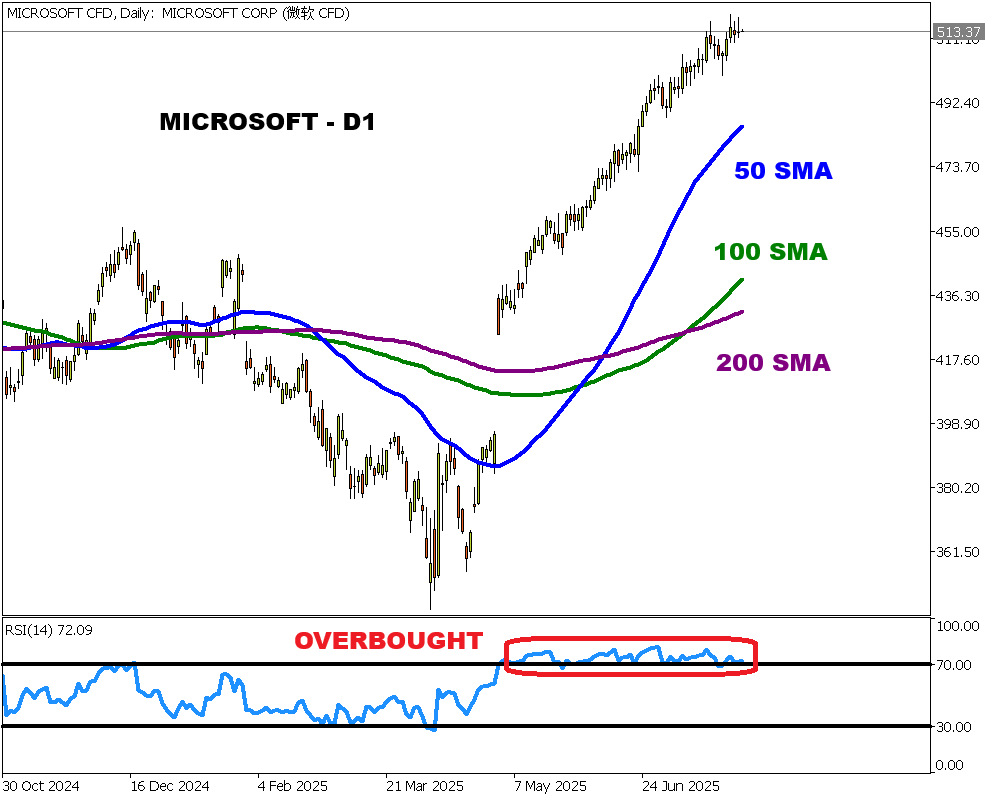
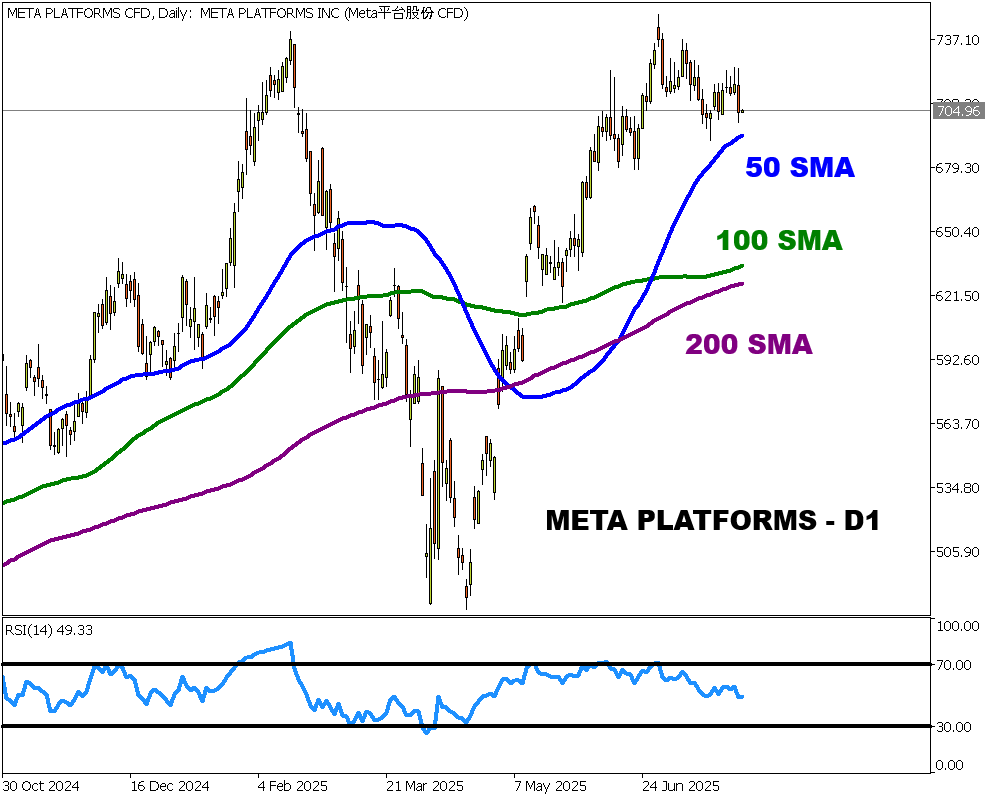
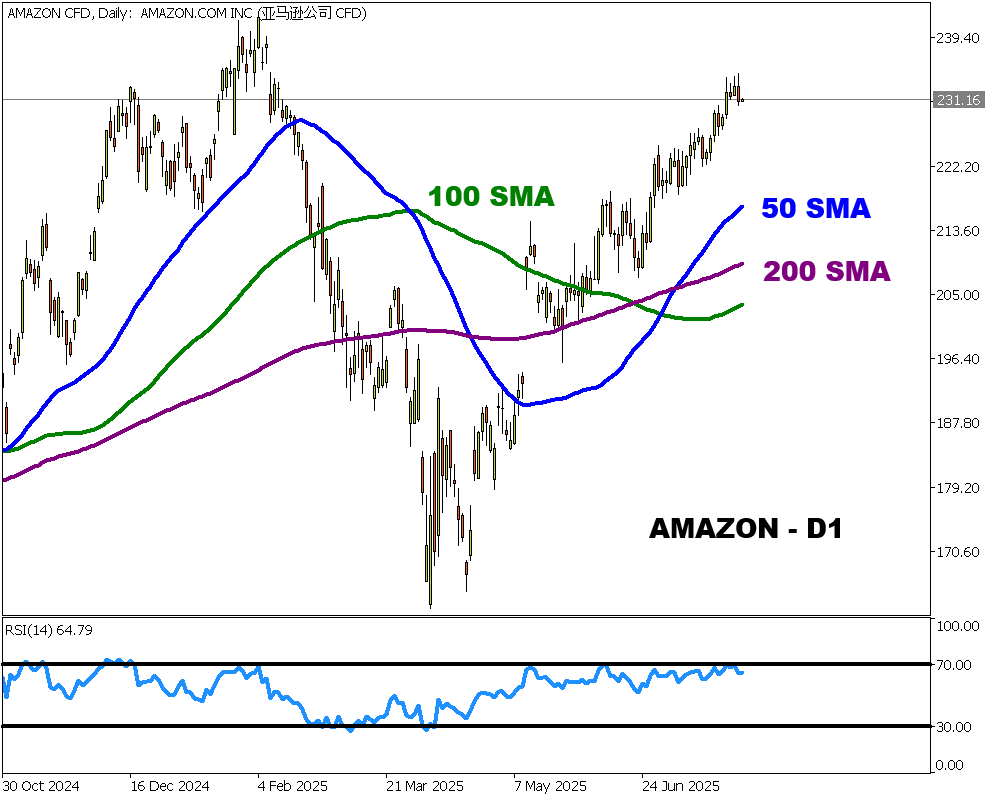
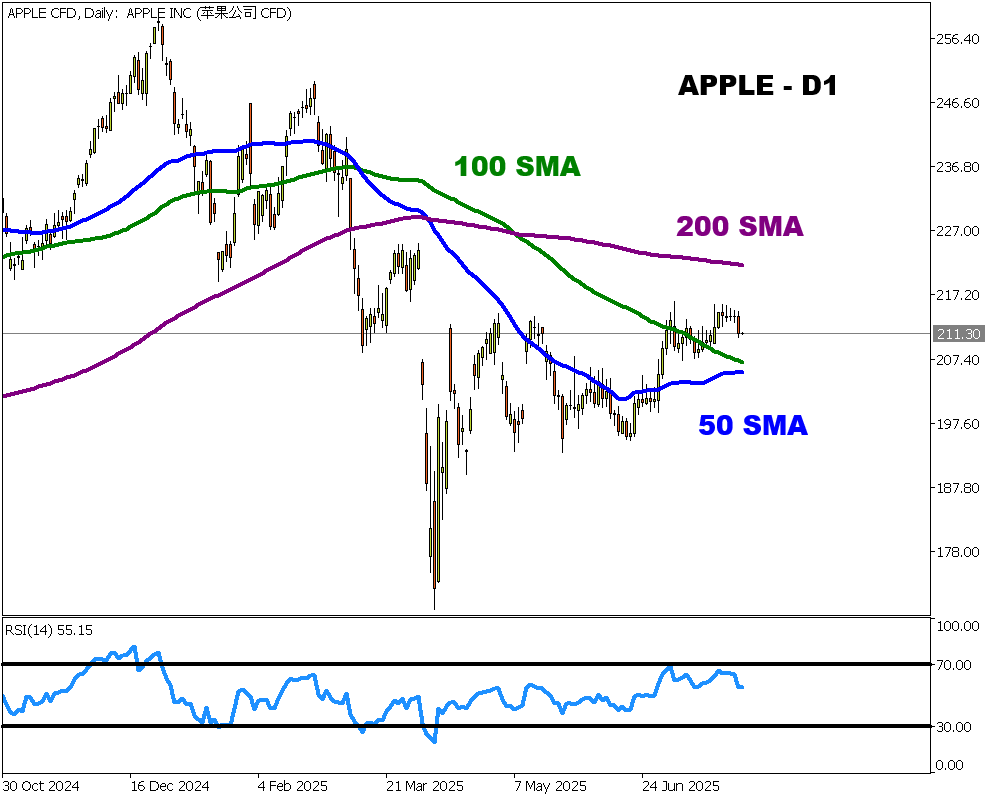
New and high demand is coming from technology sectors needing reliable, carbon-free, around-the-clock power to run their data centers and artificial intelligence systems. Tech giants, including Meta, Amazon, Microsoft and Google, continue to invest in nuclear energy to meet this need.

Global investment in nuclear energy has grown 50% each year since 2020, and nuclear capacity is expected to increase 130% by 2050, The Astana Times reported.

Recently introduced governmental initiatives regarding the U.S. uranium sector already have increased domestic momentum and renewed optimism, purported HoldCo Markets in a May 28 research report.

“We anticipate uranium stocks, both large and small, to benefit from changing U.S. nuclear policy,” wrote David Talbot, head of equity research at Red Cloud Securities, in a May 23 Uranium Sector Update.

Using Lasers to Separate Isotopes

LIS Technologies Inc. (LIST), a U.S.-based private company, specializes in proprietary development of an advanced technology to utilize infrared lasers for the selective excitation of molecules, allowing for the separation of desired isotopes from others.

Its Laser Isotope Separation Technology (L.I.S.T) boasts a wide array of applications, distinguishing itself as the only U.S.-origin (and patented) laser uranium enrichment firm, while offering numerous advantages over conventional techniques such as gas diffusion, centrifugation, and previous laser enrichment methods. The proprietary laser-driven process developed by LIST is designed to be more energy-efficient and presents the opportunity for deployment with significantly competitive capital and operational expenses.

L.I.S.T focuses on Low Enriched Uranium (LEU) for existing civilian nuclear facilities, High-Assay LEU (HALEU) aimed at the next generation of Small Modular Reactors (SMR) and Microreactors, the production of stable isotopes for medical and scientific applications, as well as contributions to quantum computing production for semiconductor technologies, the company said. LIS boasts a top-tier nuclear technical team collaborating with prominent nuclear entrepreneurs and industry experts, fostering strong connections within both governmental and private nuclear sectors.

In 2024, LIS Technologies Inc. was chosen as one of six domestic firms to engage in the LEU Enrichment Acquisition Program, which has a total budget of up to $3.4 billion, with contracts extending up to 10 years. Each recipient is projected to secure a minimum contract of US$2 million.

The company has been folding in talent recently, appointing former Deputy Administrator of the National Nuclear Security Administration (NNSA) Brent Park as its executive director of nuclear security and safeguards policy, prominent researcher and engineer Lakasz Urbanski as director of its stable isotope laser program, and leading regulatory expert Julie Olivier as its regulatory affairs and licensing director.

“LIST’s technology arrives at a pivotal moment, as the United States accelerates efforts to build a secure, domestic nuclear‑fuel supply chain,” Park said. “This proprietary technology can be a key step toward reducing reliance on foreign sources of enriched uranium and strengthening our national energy independence. I’m honored to join the company and look forward to advising the leadership team as they advance the CRISLA technology from revival to commercialization.”

Technology Undergoes Evaluation

Last month, the company announced that a group of independent evaluators conducted a Technology Readiness Level Assessment (TRA) of its CRISLA-3G technology at the LIST facility in Oak Ridge, Tennessee.

The CRISLA-3G laser isotope separation technology underwent evaluation and was confirmed to satisfy all criteria necessary for a TRL-4 rating, in accordance with the Department of Energy guidelines specified in DOE G 413.3-4A. This indicates that all essential components were successfully validated in a lab setting, backed by experimental outcomes from the integrated system.

“We are very pleased that the independent Technology Readiness Assessment team scored our TRL at 4, meeting 27 out of 27 criteria,” said Chief Executive Officer and co-founder Christo Liebenberg. “Additionally, the critical technical elements (CTEs) necessary for advancing through TRL-5, TRL-6, and TRL-7 in the upcoming years were also identified. We are confident in our capability to achieve all these CTEs as we pursue our path to commercialization.”

“With our engagement with the TRL assessment team, I feel reassured that our technology is progressing in the right direction,” said Co-Chief Technical Officer Viktor Chikan. “In my opinion, the TRL assessment offers essential transparency for both investors and the technical team to implement the project plan effectively and realize the commercial enrichment facility based on CRISLA technology.”

NANO Nuclear Energy Inc.

One public company on the cutting edge of new nuclear designs is NANO Nuclear Energy Inc. (NNE:NASDAQ). Earlier this year, the company set up a dedicated demonstration facility in Westchester County, New York, aimed at testing and validating essential non-nuclear elements of its microreactor designs. This facility will underpin the development of four microreactor models — ZEUS, ODIN, LOKI MMR, and KRONOS MMR — all engineered to deliver portable and scalable solutions for clean energy.

A primary emphasis of the facility will be on the company’s work with the Annular Linear Induction Pump (ALIP) technology, developed as part of a Small Business Innovation Research (SBIR) Phase III initiative. ALIP is an electromagnetic pump geared toward efficient thermal fluid management, which is crucial for nuclear energy applications. “This advanced facility will play a major role in our development efforts, providing our technical teams with access to key physical data,” stated Jay Yu, Founder and Chairman of NANO Nuclear Energy, in the press release.

To aid in the facility’s construction and development, NANO Nuclear has collaborated with aRobotics Company, an innovator in robotic fabrication and engineering. aRobotics will oversee the multimillion-dollar expansion of the facility and manage the production of crucial non-nuclear components for NANO Nuclear’s reactors, including tailored sensors and equipment to enhance ALIP technology. Their extensive background with the U.S. Department of Defense is expected to bolster safety and performance standards as NANO Nuclear progresses with its reactor innovations.

Streetwise Ownership Overview*

NANO Nuclear Energy Inc. (NNE:NASDAQ)

Retail: 52%
Strategic Investors: 24%
Institutions: 22%
Management & Insiders: 2%
52.0%
24.0%
22.0%
*Share Structure as of 6/20/2025


This facility is particularly timely, as New York State is investigating advanced nuclear energy options. NANO Nuclear has recently replied to a Request for Information (RFI) from the New York State Energy Research and Development Authority (NYSERDA) concerning the potential for new nuclear technology initiatives within the state. The company anticipates that the facility will be operational by the spring of 2025.

“Once operational, the facility will provide our technical teams with invaluable opportunities to gather physical data and optimize designs to integrate non-nuclear components effectively,” Chief Executive Officer and Head of Reactor Development James Walker said.

Ownership and Share Structure

According to Refinitv, 24% of Nano Nuclear is held by one strategic investor, I Financial Ventures Group LLC. Nearly 2% is with management and insiders, 22% is with institutions, and the rest is retail.

Notably, NNE was added to the VanEck Nuclear ETF, signaling increased institutional confidence and positioning the company within a portfolio of key players in the nuclear energy sector.

NANO Nuclear Energy Inc. has a market capitalization of approximately US$1.57 billion, with 41.39 million shares outstanding.


Important Disclosures:

  1. As of the date of this article, officers and/or employees of Streetwise Reports LLC (including members of their household) own securities of LIS Technologies Inc.
  2. Steve Sobek wrote this article for Streetwise Reports LLC and provides services to Streetwise Reports as an employee.
  3. This article does not constitute investment advice and is not a solicitation for any investment. Streetwise Reports does not render general or specific investment advice and the information on Streetwise Reports should not be considered a recommendation to buy or sell any security. Each reader is encouraged to consult with his or her personal financial adviser and perform their own comprehensive investment research. By opening this page, each reader accepts and agrees to Streetwise Reports’ terms of use and full legal disclaimer. Streetwise Reports does not endorse or recommend the business, products, services or securities of any company.

For additional disclosures, please click here.

Oil prices fell sharply after Iran’s attack in the Middle East. Inflation in Malaysia continues to decline

By JustMarkets 

At the end of Monday, the Dow Jones Index (US30) rose by 0.89%. The S&P 500 Index (US500) added 0.96%. The Nasdaq (US100) Tech Index closed up 0.94%. The US stocks closed higher on Monday amid falling oil prices after Iran launched missiles at a US air base in Qatar in response to US strikes on its nuclear facilities. The retaliatory measures were seen as restrained, as Iran refrained from striking key energy infrastructure or disrupting the Strait of Hormuz. President Trump also contributed by writing on social media that oil producers should “keep prices low,” which put additional pressure on oil. On the corporate front, Tesla rose by 8.2% after debuting its first driverless taxis, while AMD rose by 1% after a rating upgrade, helping to lift the broader technology sector.

The Canadian dollar fell to a three-week low against its US counterpart on Monday as investors weighed events in the Middle East and awaited domestic inflation data that could provide clues about the Bank of Canada’s policy outlook. Canada’s Consumer Price Index for May is expected to remain unchanged at 1.7% year-on-year. The focus will be on two key inflation indicators, which exceeded 3% in April. Softer data would reinforce expectations that the Bank of Canada, which refrained from action this month, may resume easing policy later in the summer.

European stock markets were mostly down on Monday. Germany’s DAX (DE40) fell by 0.35%, France’s CAC 40 (FR40) closed down 0.69%, the Spanish IBEX35 (ES35) Index lost 0.08%, and the British FTSE 100 (UK100) closed down 0.19%. On the data front, the flash PMI survey showed that Germany’s private sector returned to positive territory in June, marking the first increase since April.

WTI oil prices fell to $62.2 per barrel after Iran’s missile strike on a US airbase in Qatar did not result in casualties, easing fears of an immediate escalation of tensions in the Middle East. The attack, launched in response to US strikes on Iranian nuclear facilities, was intercepted by Qatari defenses. Although markets are now assessing the potential for de-escalation, significant risks remain — chief among them is the threat that Iran will attempt to close the Strait of Hormuz, through which about 20% of the world’s oil flows. Although Iran’s parliament has reportedly supported this move, the final decision rests with the country’s national security council. US officials, including Secretary of State Marco Rubio, have warned that such a move would be “economic suicide” for Iran and have called on China, its largest oil customer, to intervene.

Asian markets traded without a single trend yesterday. Japan’s Nikkei 225 (JP225) fell by 0.13%, China’s FTSE China A50 (CHA50) rose by 0.32%, Hong Kong’s Hang Seng (HK50) added 0.67%, and Australia’s ASX 200 (AU200) showed a negative result of 0.36%.

The Australian dollar strengthened to $0.648 on Tuesday, continuing its growth compared to the previous session, supported by the declining US dollar amid ambiguous developments related to the ceasefire between Israel and Iran. US President Donald Trump announced a “complete and definitive” ceasefire. However, Iran’s foreign minister denies that there is any agreement on a ceasefire or a halt to military action. In Australia, investors are now focused on the May monthly CPI figure, which is expected to decline slightly after remaining unchanged for three consecutive months. Markets currently estimate the probability of an RBA rate cut of 25 basis points in July at 80%, with a total rate cut of 73 basis points expected by the end of the year.

Malaysia’s annual inflation rate in May 2025 was 1.2%, lower than the previous two months and the market consensus expectations of 1.4%. This was the lowest reading since February 2021. Core consumer prices, excluding volatile fresh food and administrative costs, rose 1.8% year-on-year after rising 2.0% in April, the sharpest pace since November 2023.

S&P 500 (US500) 6,025.17 +57.33 (+0.96%)

Dow Jones (US30) 42,581.78 +374.96 (+0.89%)

DAX (DE40) 23,269.01 −81.54 (−0.35%)

FTSE 100 (UK100) 8,758.04 −16.61 (−0.19%)

USD Index 98.38 −0.33 (−0.33%)

News feed for: 2025.06.24

  • German Ifo Business Climate (m/m) at 11:00 (GMT+3);
  • Mexico Inflation Rate (m/m) at 15:00 (GMT+3);
  • Canada Inflation Rate (m/m) at 15:30 (GMT+3);
  • Eurozone ECB President Lagarde Speaks at 16:00 (GMT+3);
  • Canada BoC Gov Macklem Speaks at 16:35 (GMT+3);
  • US Fed Chair Powell Testifies at 17:00 (GMT+3);
  • US CB Consumer Confidence (m/m) at 17:00 (GMT+3).

By JustMarkets


This article reflects a personal opinion and should not be interpreted as an investment advice, and/or offer, and/or a persistent request for carrying out financial transactions, and/or a guarantee, and/or a forecast of future events.

Valutico Acquires AI Innovator Paraloq Analytics to Revolutionize Private Company Analysis

VIENNA, Austria – JUNE 19, 2025 – Valutico, a global leader in valuation and financial analysis software, today announced its strategic acquisition of Paraloq Analytics, a Vienna-based artificial intelligence (AI) specialist. This acquisition will integrate Paraloq Analytics’ advanced AI capabilities into Valutico’s renowned platform, empowering financial professionals with unprecedented data-driven insights and efficiency.

The two Vienna-headquartered companies have previously cooperated on the development of Done Diligence, an innovative tool that uses advanced AI agents to empower humans to perform due diligence work more efficiently. Now the companies are joining forces to create a powerhouse to further drive digital transformation in the Financial Services and Banking industries. By embedding AI-driven analytics and enhanced data interpretation into its platform, Valutico will offer its global client base even more robust, accurate, and forward-looking valuation solutions.

“We are thrilled to welcome Paraloq Analytics to the Valutico family,” said Paul Resch, CEO of Valutico. “Paraloq’s deep and long standing experience with AI, particularly in the Banking sector, perfectly complements our mission to provide the most sophisticated and user-friendly financial analysis platform on the market. This acquisition will significantly accelerate our product roadmap, bringing next-generation intelligence to our customers and further solidifying our leadership position in the space.”

Paraloq Analytics, founded in 2019 by two Econometrics PhD candidates of the University of St.Gallen, has quickly established itself as an innovator in applying AI to complex challenges in Banking and related fields. Their expertise in areas such as econometrics, machine learning, and AI software development will be instrumental in enhancing Valutico’s data analytics capabilities and augmenting its users’ experience with analysing qualitative information.

“Joining forces with Valutico is an exciting new chapter for Paraloq Analytics,” said Paraloq Co-Founder Maximilian Arrich. “Valutico’s global reach and established platform provide the perfect launchpad for our AI technologies. Over the past year of working together, we built a common vision for the future of financial analysis – one that is more data-driven, intelligent, and efficient. We are eager to contribute our expertise to create truly transformative tools for Finance professionals.”

Strategic Benefits of the Acquisition:

  • Enhanced AI-Powered Insights: Integration of Paraloq’s technology will complement Valutico’s analysis of structured data (e.g. financial information) with diverse sources of unstructured data (e.g. contents of a virtual data room, news, social media, etc)

  • Market Access: Valutico’s global reach will accelerate the roll out of Paraloq’s technology to new client verticals and geographies

  • Talent Acquisition: The Paraloq team will complement the Valutico family and further strengthen its AI capabilities

  • Innovation Acceleration: The combined expertise will fast-track the development of new, cutting-edge features for Valutico users.

Valutico will begin integrating Paraloq Analytics’ technology and team immediately, with Paraloq founder Maxilian Arrich joining Valutico’s management team as VP of AI Research. Clients can expect to see an acceleration of AI-enhanced feature rollouts in upcoming platform updates.

Terms of the acquisition were not disclosed.

About Valutico:

Valutico is a leading global provider of business valuation software. Founded in 2017, Valutico empowers financial professionals and valuation experts in over 90 countries to perform high-quality and efficient valuations with its comprehensive data, automated financial models, and intuitive platform. Valutico is headquartered in Vienna, Austria, with offices in the UK, US, Germany, the Netherlands and Singapore.


About Paraloq Analytics:

Paraloq Analytics is a Vienna-based company founded in 2019, specializing in artificial intelligence, machine learning, and econometric solutions for the Banking industry. Paraloq helps businesses unlock the power of their data by developing and implementing bespoke AI-driven software and providing expert data science and AI consulting.

USD/JPY Reverses Downwards: External Factors Reduce Support for the US Dollar

By RoboForex Analytical Department 

The USD/JPY pair is falling sharply, dropping to 145.49 on Tuesday as the yen recovers some of its losses after weeks of decline.

The reversal follows a broad weakening of the US dollar, triggered by former President Donald Trump’s remarks on the ceasefire between Israel and Iran, which he referred to as a “12-day war.”

Markets largely dismissed Iran’s retaliatory strike on a US base in Qatar – which caused no casualties – while Tehran’s decision not to close the strategically vital Strait of Hormuz helped ease concerns over potential supply disruptions.

Domestically, investors continue to assess the Bank of Japan’s (BoJ) policy stance. At its June meeting, the central bank held the key rate at 0.5% but signalled readiness for further tightening, citing persistent core inflation driven by companies passing on higher wage costs to consumers.

Given the yen’s prolonged depreciation, a period of consolidation – if not a full recovery – now appears likely.

Technical Analysis: USD/JPY

H4 Chart:

On the H4 chart, USD/JPY broke above the 145.00 consolidation range, rallying to 148.00 before pulling back. We now see a corrective decline, with a potential retest of 145.00 (a technical pullback to the breakout level). Once this correction concludes, another upward wave toward 148.40 could develop, with a longer-term target at 149.00. This scenario is supported by the MACD indicator: its signal line remains above zero, having exited the histogram zone, suggesting a decline, at a minimum, back to the zero line.

H1 Chart:

On the H1 chart, USD/JPY completed an uptrend to 148.00 before forming a consolidation range near 146.50. A downside breakout could extend the decline toward 145.00, after which a new upward wave targeting 149.00 may emerge. The Stochastic oscillator aligns with this outlook, with its signal line below 20 and pointing firmly downward.

Conclusion

The yen’s rebound reflects both external dollar weakness and domestic policy shifts, with technicals suggesting near-term consolidation before potential renewed upside.


Disclaimer

Any forecasts contained herein are based on the author’s particular opinion. This analysis may not be treated as trading advice. RoboForex bears no responsibility for trading results based on trading recommendations and reviews contained herein.

Oil jumped to $76 amid the US attack on Iran. Iran is considering closing the Strait of Hormuz

By JustMarkets 

At the end of Friday, the Dow Jones Index (US30) rose by 0.08% (-0.88% for the week). The S&P 500 Index (US500) fell by 0.22% (-0.55% for the week). The Nasdaq Technology Index (US100) closed lower by 0.43% (-0.23% for the week). On Friday, US Federal Reserve representative Waller’s statement that interest rates could be cut as early as July contrasted sharply with Chairman Powell’s more cautious, data-dependent stance. Shares of semiconductor companies such as Nvidia and TSMC fell more than 1% after reports that the US may revoke export licenses, raising concerns about global chip supply chains.

Retail sales in Canada in May 2025 fell by 1.1% compared to the previous month, according to preliminary estimates. This would reflect the sharpest decline in turnover since March 2023, indicating a stronger impact from US tariffs. This week, the Bank of Canada will get a fresh look at the country’s inflation data. Economists agree that inflation rose to 1.8% year-on-year last month. If these reports show signs of inflation slowing, the Bank of Canada may find an opportunity to cut interest rates to support the economy amid tariffs.

Stock markets in Europe were mostly down. The German DAX (DE40) rose by 1.27% (-1.01% for the week), the French CAC 40 (FR40) closed up 0.48% (-1.52% for the week), the Spanish IBEX35 (ES35) added 0.77% (-0.54% for the week), and the British FTSE 100 (UK100) closed down 0.20% on Friday (-0.86% for the week).

The war between Israel and Iran continues, but only the oil market is reacting to these events. Last week, WTI oil rose by approximately 2.7% after a 13% rally the previous week. WTI oil prices rose to $74.7 per barrel on Monday, reaching their highest level since January. After the US became directly involved in the Israeli-Iranian conflict, fears intensified that Tehran could retaliate by disrupting oil flows from the Middle East, particularly through the Strait of Hormuz. Iran is a major oil producer and exporter, and is located on a narrow waterway through which about 20% of the world’s oil passes. Iran’s parliament voted on Sunday to close the strait in response to US strikes, although the final decision rests with the Supreme National Security Council and Iran’s Supreme Leader.

Asian markets were mostly down last week. Japan’s Nikkei 225 (JP225) rose by 0.91%, China’s FTSE China A50 (CHA50) fell by 0.21%, Hong Kong’s Hang Seng (HK50) lost 1.10%, and Australia’s ASX 200 (AU200) showed a negative result of 0.49%.

On Monday, the Australian dollar fell to $0.640, reaching its lowest level in a month, amid a strengthening US dollar against the backdrop of escalating geopolitical tensions. The US dollar strengthened after US forces struck three major Iranian nuclear sites over the weekend, and President Donald Trump warned of further action if Tehran did not pursue peace. In Australia, economic data showed resilience despite external pressures. The manufacturing PMI remained at 51, while the services PMI rose to a three-month high of 51.3 from 50.6 previously.

S&P 500 (US500) 5,967.84 −13.03 (−0.22%)

Dow Jones (US30) 42,206.82 +35.16 (+0.083%)

DAX (DE40) 23,350.55 +293.17 (+1.27%)

FTSE 100 (UK100) 8,774.65 −17.15 (−0.20%)

USD Index 98.77 −0.13 (−0.13%)

News feed for: 2025.06.23

  • Australia Manufacturing PMI (m/m) at 02:00 (GMT+3);
  • Australia Services PMI (m/m) at 02:00 (GMT+3);
  • Japan Manufacturing PMI (m/m) at 03:30 (GMT+3);
  • Japan Services PMI (m/m) at 03:30 (GMT+3);
  • Singapore Unemployment Rate (m/m) at 05:30 (GMT+3);
  • Singapore Inflation Rate (m/m) at 08:00 (GMT+3);
  • German Manufacturing PMI (m/m) at 10:30 (GMT+3);
  • German Services PMI (m/m) at 10:30 (GMT+3);
  • Eurozone Manufacturing PMI (m/m) at 11:00 (GMT+3);
  • Eurozone Services PMI (m/m) at 11:00 (GMT+3);
  • UK Manufacturing PMI (m/m) at 11:30 (GMT+3);
  • UK Services PMI (m/m) at 11:30 (GMT+3);
  • US Manufacturing PMI (m/m) at 16:45 (GMT+3);
  • US Services PMI (m/m) at 16:45 (GMT+3);
  • US Existing Home Sales (m/m) at 17:00 (GMT+3).

By JustMarkets


This article reflects a personal opinion and should not be interpreted as an investment advice, and/or offer, and/or a persistent request for carrying out financial transactions, and/or a guarantee, and/or a forecast of future events.

Markets rattled by mounting geopolitical risks

By ForexTime

  • Geopolitical risks mount as US joins Israel-Iran conflict 
  • Brent opens almost 6% higher supply disruption fears
  • Bitcoin sheds over 4% from Friday, dipping below $100,000
  • Risk-off mood may boost – USD, JPY, CHF & Gold 

Early on Sunday, the United States joined Israel’s war against Iran by launching airstrikes on three nuclear sites.

Note: It was only last Thursday that Donald Trump set a two-week deadline to decide whether the US would strike Iran or not.

This unexpected development sparked risk aversion, with Bitcoin being the first victim of investor jitters.

As expected, markets kicked off Sunday evening with significant price gaps from Friday’s close.

However, one of the biggest movers was Brent oil which opened almost 6% higher at over $80 a barrel!

Note: calculations based on Bloomberg’s pricing using Friday’s closing price to Sunday evening’s open. 

  • Brent: ↑ 5.7%
  • Crude: ↑ 4.6%
  • XAUUSD: ↑ 0.6%
  • USDInd: ↑ 0.4%
  • Bitcoin: ↓ 4%
  • USDJPY: ↑ 0.4%

Asian shares are under pressure during early trading while European and US futures are flashing red.

Risk-off could remain the name of the game this week as the world awaits Iran’s response to the United States.


Why did oil benchmarks spike?

Markets are becoming increasingly concerned about tensions disrupting supply from a region that produces around a third of the world’s crude. 

But most importantly, Iran’s parliament has voted to close the vital Hormuz shipping channel in retaliation against Trump’s attack. It’s worth noting this is a key checkpoint for global crude, accounting for a fifth of the world’s daily output. 

So, if geopolitical tensions continue to mount and the Strait of Hormuz is blocked, Brent could rally beyond $80.

Note: Brent prices are bullish on the daily timeframe, jumping toward the 2025 high. The next psychological levels can be found at $90 and $100. 


Potential scenarios:

Should the conflict in the Middle East worsen, risk aversion could dominate global financial markets.

  • The biggest winners could be safe-haven assets: USD, JPY, CHF and Gold.
  • The losers are likely to be risk assets: global equities and cryptocurrencies


Any signs of easing tensions between Israel-Iran could soothe investor anxiety and support sentiment.

  • A reduced appetite for safe-haven assets may hit: USD, JPY, CHF and Gold may weaken. 
  • A return of risk appetite may support: global equities and cryptocurrencies.

Forex-Time-LogoArticle by ForexTime

ForexTime Ltd (FXTM) is an award winning international online forex broker regulated by CySEC 185/12 www.forextime.com

Gold Set to Rally All Eyes on the Middle East

By RoboForex Analytical Department 

On Monday, gold traded at $3,360 per troy ounce as markets nervously monitor developments in the Middle East.

Washington’s involvement in the conflict has heightened fears of potential retaliation from Tehran. Particularly concerning is the potential disruption of key Middle Eastern oil supply routes. Iran, one of the world’s largest oil producers and exporters, controls the Strait of Hormuz – a critical maritime passage accounting for 20-30% of global oil shipments.

According to state media, Iran’s parliament backed a proposal on Sunday to close the strait. However, the final decision rests with the Supreme National Security Council and the country’s Supreme Leader.

By this morning, exchanges had already priced in the weekend’s volatility and are now consolidating as traders await further developments. Since the start of the year, gold prices have surged by nearly 30%.

This week, market participants are also focused on speeches by Federal Reserve officials, including Chair Jerome Powell, who will testify before Congress in a two-day hearing. Discussions are expected to cover the economic impact of Trump’s trade tariffs and the strikes on Iran.

Key macroeconomic data releases include core inflation (excluding food and energy), initial jobless claims, and PMI business activity indices. These reports could influence the Fed’s next policy moves.

Technical analysis: XAU/USD

H4 Chart:

The XAU/USD pair has formed a consolidation range near 3,388 before breaking downward. Further downside is expected towards 3,323 (first target), followed by a possible corrective wave back to 3,388. This scenario is supported by the MACD indicator, where the signal line remains below zero and points sharply downward.

H1 Chart:

The market completed a corrective wave to 3,396 before reversing in an impulsive move towards 3,359. A consolidation range is now forming around this level, with expectations of a downward breakout towards 3,323 (first target). Upon reaching this level, a potential correction back to 3,388 could follow. The Stochastic oscillator supports this outlook, with its signal line below 50 and trending sharply downward towards 20.

Conclusion

Gold remains highly sensitive to geopolitical tensions in the Middle East, while technical indicators suggest further volatility ahead. Traders should monitor Fed commentary and key economic data for directional cues.


Disclaimer

Any forecasts contained herein are based on the author’s particular opinion. This analysis may not be treated as trading advice. RoboForex bears no responsibility for trading results based on trading recommendations and reviews contained herein.

Trump’s Tariffs Threat to the Global South

By Dan Steinbock

 With its misguided tariff wars, the Trump administration is not only disrupting historical trade ties with the world’s largest economies, but waging war against economic development in the Global South.

After agreeing to suspend the “reciprocal” duties for 90 days — till early July — Trump threatened to set country-specific tariff rates. By making good his promise and imposing unilateral tariffs on imports from the US’ trading partners, Trump will severely disrupt export-led growth, which has fueled global growth for years, and shatter the development dreams and aspirations of emerging and developing economies.

China’s global trade engine is a case in point.

$3.6 trillion of exports to 230 countries

In 2024, US exports amounted to some $2.1 trillion. That’s significantly more than those by Germany ($1.7 tr) or the Netherlands ($0.7 tr), Europe’s two largest trading economies. Yet, today the value of US exports is less than 60% of those by China that amount to $3.6 trillion. Today, China contributes some 15% of all exports worldwide. That’s twice as much as the US (Figure 1).


Figure 1 China’s export partners worldwide

Source: Latest data (for 2024), ITC, June 2025


China’s exports have some 230 destinations. Most go to major economies in North America (US, Mexico, Canada), Western Europe (Germany, Netherlands, UK), East Asia (Japan, South Korea, Taiwan), Southeast Asia (Vietnam, Malaysia, Thailand), India, Russia and Australia.

In 2018, before the first Trump administration’s tariff wars, the United States still accounted for over 19% of China’s total exports. In 2024, that figure was barely 16%; that is, less than Chinese exports to Europe and Southeast Asia, each. Ever since the US tariff wars, China has diversified its exports away from the US.

In the past decade, this trend has been greatly reinforced by Chinese trade with Belt and Road Initiative (BRI) countries. Nearly 54% of China’s imports came from BRI partner countries last year, with China’s huge marketplace providing development opportunities for nations around the world.

China’s trade is vital to the emerging and developing economies of the Global South, where the West’s exports often are prohibitively expensive. The West exports mainly to economies that share similar high living standards. Such trade is predicated on high purchasing power, which is the privilege of high-income economies.

Trump’s war against economic development

The first round of Trump tariffs built on traditional trade wars focusing mainly on Canada, Mexico and China. The second round began with “reciprocal tariffs”, which actually are unilateral, flawed as stated and mistakenly calculated. Those tariffs were followed by a slate of retaliatory tariffs.

The net effect has been a stunning downgrading of the economic prospects in the United States, its trading partners and the global economy. What is less understood is the likely long-term effect of Trump’s unilateral tariffs, which is to undermine the rise of the Global South.

The US administration’s original list of these tariff targets comprised almost 60 countries and regions. Except for the EU as a bloc and a few high-income countries, three of four of these targets represent emerging and developing economies; that is, the Global South. The Trump administration is at war against their economic development (Figure 2).


Figure 2 Trump administration’s unilateral tariffs

Source: White House


Since the late 20th century, most economies that have been able to industrialize and catch-up with the advanced economies of the West have done so on the back of export-led growth. It is what fueled the rise of Asian tigers in the postwar era (Hong Kong, Singapore, South Korea, Taiwan), their subsequent successors (Malaysia, Thailand, Vietnam, Indonesia).

They were followed by China – and today India and some Southeast Asian economies.

From Western domination to multipolarity

After World War II, the United States dominated half of the world economy. It was the “world’s factory,” the largest manufacturer and exporter. As the largest creditor, it also held huge leverage over the international economy. This dominance, in turn, was reflected by the mighty US dollar that had a virtual monopoly in international transactions.

All that is history today.

Of course, the United States remains the largest single economy in the world, but its relative share has shrunk to about a fourth or fifth of the world GDP. It hasn’t been the world’s largest export manufacturer since the postwar era. Starting in the 1970s, it has suffered from trade deficits and today it is the world’s largest debtor. Concurrently, the share of US dollar in international transactions has shrunk to less than 60%.

In the process, Washington has played itself into a dark corner: it cannot fully decouple from China without major economic turmoil. But thanks to its tariffs, it cannot any longer benefit from China’s affordable prices, which has long contributed to low inflation in the US.

Today any major threat to undermine Chinese trade poses a $6.2 trillion threat – that is, export plus imports combined – to its trading partners, particularly the Global South and the world at large.

About the Author:

Dr. Dan Steinbock is an internationally recognized strategist of the multipolar world and the founder of Difference Group. He has served at the India, China and America Institute (USA), Shanghai Institutes for International Studies (China) and the EU Center (Singapore). For more, see https://www.differencegroup.net 


The original version was published by China Daily on June 20, 2025


Week Ahead: US500 faces triple threat – Geopolitics, Powell & PCE

By ForexTime 

  • FXTM’s US500 ↑ 1% MTD, less than 3% away from ATH
  • Trump delays decision on Iran strike by two weeks
  • Powell’s testimony + US PCE = potential breakout?
  • US PCE forecasted to move US500 ↑ 1.3% or ↓ 1.0%
  • Technical levels: 6060, 6000 & 5920 

A cautious sense of relief has spread through markets after President Trump delayed deciding on attacking Iran by two weeks.

However, the ongoing Middle East conflict is set to weigh on investor confidence ahead of another heavy event-packed week. 

Speeches by various policymakers, top-tier economic data including the Fed’s preferred inflation gauge and Powell’s testimony could translate to fresh trading opportunities:

Sunday, 22nd June 

  • USDInd: San Francisco Fed President Mary Daly
  • Tesla: Tentative launch of Robotaxi service in Texas

Monday, 23rd June 

  • GER40: Germany HCOB Manufacturing & Services PMI
  • JPY: Japan au Jibun Bank Manufacturing PMI
  • TWN: Taiwan jobless rate
  • UK100: UK S&P Global Manufacturing & Services PMI
  • RUS2000: US S&P Global Manufacturing & Services PMI, Fed speak

Tuesday, 24th June 

  • CN50: China’s National People’s Congress
  • CAD: Canada CPI
  • GER40: Germany IFO business climate
  • UK100: BOE Governor Andrew Bailey testimony
  • US500: Fed Chair Jerome Powell testimony, New York Fed President John Williams

Wednesday, 25th June

  • AUD: Australia CPI
  • NZD: New Zealand trade
  • JPY: BOJ board member Naoki Tamura speech
  • US500: Fed Chair Jerome Powell testimony

Thursday, 26th June

  • SG20: Singapore industrial production
  • GBP: BOE Governor Andrew Bailey speech
  • US30: US revised GDP, initial jobless claims, Fed speak

Friday, 27th June

  • CN50: China industrial profits
  • CAD: Canada GDP
  • EUR: Eurozone economic confidence, consumer confidence
  • JPY: Japan Tokyo CPI, unemployment, retail sales
  • US30: Fed releases annual bank stress test results
  • US500: US personal income, PCE price index, University of Michigan consumer sentiment, Fed speech

Our attention is drawn to FXTM’s US500, which has been confined within a daily range since the start of June.

Imagen
us500 4

Note: FXTM’s US500 tracks the underlying S&P 500 index

Recently, US equities have been pressured by mounting geopolitical risks, despite the Federal Reserve still penciling in two interest rate cuts for 2025.

Still, US500 is up roughly 1% this month and trading less than 3% away from its all-time high at 6151.3.


Here are 4 factors that could trigger a major breakout:


1) Ongoing Middle East conflict

Israel and Iran have exchanged missile attacks for one week after tensions escalated last Friday.

The conflict between both sides has shown no signs of cooling with investors watching whether the United States will get involved. Although Trump has delayed this decision by two weeks, any hints of potential actions could influence risk sentiment.

  • Any signs of the United States holding off on joining the Israel-Iran conflict may support risk appetite – keeping the US500 buoyed. 
  • Should expectations mount around the US attacking Iran, this may spark fears of a wider conflict. Such development may hit the US500 as risk aversion intensifies. 


2) Fed Chair Powell’s 2-day Testimony

Fed Chair Jerome Powell’s semi-annual testimony before Congress may provide key insight into future policy moves.

During June’s FOMC meeting, Powell stated that the Fed was ‘well-positioned to wait’ before moving further on rates. He also expressed concerns over the effects of tariffs on inflation.

  • Should Powell repeat the same message and strike a hawkish note, this could weigh on the US500.
  • If the Fed Chair sounds more dovish than expected and signals a rate cut in September, the US500 may rise. 


3) US May PCE report

The Fed’s preferred inflation gauge – the Core PCE could influence expectations about when the central bank will cut rates in the second half of 2025.

Markets are forecasting PCE deflators to rise in May with the core figure nudging up 2.6% year-on-year compared to 2.5% seen in the previous month. Ultimately, more signs of rising price pressure may shave bets around lower US interest rates.

Traders are currently pricing in a 68% probability of a 25-basis point cut by September.

Beyond the PCE report, it will be wise to keep an eye on speeches by a host of Fed officials and other US data, including PMI’s which may influence the US500.

US500 is forecasted to move as much as 1.3% or decline 1.0% in a 6-hour window post release.

  • The US500 may slip on signs of rising price pressures in the United States.
  • A cooler-than-expected PCE report could support the US500.


4) Technical forces

The US500 remains trapped within a range with support at 5920 and resistance at 6060.

  • A solid daily close and breakout above 6000 may open a path toward 6060 and 6151.3. 
  • Sustained weakness below 5920 may trigger a selloff toward 5850, the 200-day SMA and 100-day SMA.
Imagen
US500 6

Forex-Time-LogoArticle by ForexTime

ForexTime Ltd (FXTM) is an award winning international online forex broker regulated by CySEC 185/12 www.forextime.com

Gold Falls to One-Week Low: What’s Behind the Drop?

By RoboForex Analytical Department 

The price of gold has dropped below $3,360 per troy ounce, nearing a one-week low and marking its first decline in three weeks. Investors are offloading the precious metal to offset losses in other markets amid escalating tensions in the Middle East.

Geopolitical Tensions Weigh on Gold

Israel and Iran continue to exchange strikes, with Israel intensifying attacks on strategic and government sites in Tehran following reports of an Iranian missile hitting a major Israeli hospital.

Meanwhile, investors are closely monitoring developments in Washington. US President Donald Trump has not ruled out direct military intervention in Iran, and speculation is mounting that a decision could come within the next two weeks. However, the market remains driven by rumours rather than confirmed reports.

Earlier this week, the Federal Reserve held interest rates steady but signalled two potential cuts before year-end. Fed Chair Jerome Powell cautioned, however, that trade tariffs could continue to fuel inflation.

The Fed’s latest projections indicate slower economic growth, rising inflation, and weaker employment prospects in 2025. Persistent inflation concerns may limit the scope for rate cuts, further pressuring gold, which, unlike bonds, offers no coupon income.

Technical Analysis: XAU/USD

H4 Chart:

On the H4 chart, XAU/USD formed a consolidation range around 3,388 before breaking downward. The decline is expected to extend towards 3,323, after which a corrective rebound to 3,388 may follow. This scenario is supported by the MACD indicator, with its signal line below zero and pointing firmly downward.

H1 Chart:

On the H1 chart, the market completed a corrective wave to 3,399 before reversing downward and breaking below the consolidation range. The drop below 3,360 opens the door for further downside, with a target at 3,323. Upon reaching this level, a corrective bounce toward 3,350 could follow. The Stochastic oscillator confirms this scenario, with its signal line below 50 and trending sharply down towards 20.

Conclusion

Gold remains under downward pressure from geopolitical uncertainty, expectations of Fed policy, and technical selling. The key levels to watch are 3,323 (support) and 3,388 (resistance), with potential corrections offering short-term trading opportunities.by technical indicators.


Disclaimer

Any forecasts contained herein are based on the author’s particular opinion. This analysis may not be treated as trading advice. RoboForex bears no responsibility for trading results based on trading recommendations and reviews contained herein.