Archive for Financial News – Page 301

Investment Products from RoboForex are Named the Best in the Global Market

RoboForex announces receiving the “Best Investment Products – Global” accolade at the Global Brands Awards 2022. In the past, Global Brands Awards have rewarded RoboForex for the best investment products on three occasions – in 2019, 2020, and 2021.

Global Brands Awards was established to honour companies, which demonstrate outstanding results in different business areas. The organising committee gives awards to the most successful representatives in the spheres of finance, education, tourism, lifestyle, technology, and the car industry.

Robert Stephenson, Chief Business Officer at RoboForex, commented: “We’re very proud of receiving this award for some years now. For us, it’s a criterion of success of the direction the Company chose, and a motivation to excel ourselves next year and compete for a win again. We’d like to express our profound gratitude to organisers and the jury panel, who gave such a high appraisal of our investment products.”

About Global Brands Awards

Global Brands Awards rewards the best companies that have an obvious advantage over competitors due to providing their clients with high quality services. The event is organised by Global Brands Magazine, one of the leading online medias, that publishes the latest news, reviews, opinions, and polls about leading global brands in various market segments.

About RoboForex

RoboForex is a company which delivers brokerage services. The company provides traders who work on financial markets with access to its proprietary trading platforms. RoboForex Ltd has the brokerage licence FSC 000138/333. More detailed information about the Company’s products and activities can be found on the official website at roboforex.com.

The US indices are rising ahead of Jerome Powell’s speech in Jackson Hole

By JustForex

The US indices rose on Thursday, thanks to support from growth and semiconductor stocks, as investors watched the Federal Reserve’s conference in Jackson Hole to gain insight into the future outlook for monetary policy. Fed Chairman Jerome Powell will give a speech today that will be analyzed for any indication that the economic slowdown may change the Central Bank’s strategy. The US GDP data showed yesterday that the US economy contracted at a more moderate pace in the second quarter than originally thought, as consumer spending partially cushioned resistance to the sharp slowdown in inventory accumulation, dispelling fears that the recession was continuing. Nobel Prize-winning economist Richard Thaler said the US economy was showing more signs of strength than weakness.

The National Bureau of Economic Research, the official arbiter of recessions in the United States, defines a recession as a significant decline in economic activity that extends throughout the economy, lasting more than several months, usually manifested in production, employment, and real income.

As the stock market closed yesterday, the Dow Jones Index (US30) increased by 0.98%, and the S&P 500 Index (US500) added 1.41%. The NASDAQ Technology Index (US100) gained 1.67%.

Federal Reserve Bank of Kansas City President Esther George said yesterday that it is too early to predict how much the US Central Bank will raise interest rates next month because key inflation and labor market reports are still to come. Atlanta Fed President Raphael Bostic also said he has not yet decided whether the Fed should raise interest rates by 50 or 75 basis points at its policy meeting next month. Traders of Fed funds futures contracts estimate a 59% chance that the Fed will raise rates another 75 basis points at its September meeting and a 41% chance of a 50 bps hike.

Graphics chip maker Nvidia Corp forecasts a sharp drop in revenue for the current quarter amid a weakening gaming industry. Analysts believe Nvidia could see further declines in the crypto-mining and data center markets as well.

Equity markets in Europe traded yesterday without a single dynamic. German DAX (DE30) gained 0.39%, French CAC 40 (FR40) fell by 0.08%, Spanish IBEX 35 (ES35) lost 0.15%, British FTSE 100 (UK100) closed on Wednesday at plus 0.11%.

According to July’s ECB monetary policy minutes, most central bank officials agreed to a more aggressive 50 bps rate hike at the next meeting in the context of the recent deterioration in inflation prospects as well as the deteriorating economic conditions in the Eurozone.

Germany’s IFO business climate Index fell to 88.5 points in August from a revised 88.7 points in July. The IFO index is based on a survey of about 9,000 companies in manufacturing, services, trade, and construction. Business confidence in Germany worsened in August as companies became more pessimistic about rising energy prices and the threat of gas shortages.

The situation in the oil market remains uncertain. Oil prices fell yesterday as investors prepare for the possible return of sanctioned Iranian oil exports to global markets and over concerns that rising US interest rates will weaken fuel demand. On the other hand, the prospect that the OPEC+ group of producers may limit oil supplies limits the fall in oil prices.

Asian markets were mostly up yesterday. Japan’s Nikkei 225 (JP225) gained 0.58%, Hong Kong’s Hang Seng (HK50) jumped by 3.63%, and Australia’s S&P/ASX 200 (AU200) added 0.70% yesterday.

S&P 500 (F) (US500) 4,199.12 +58.35 (+1.41%)

Dow Jones (US30) 33,291.78 +322.55 (+0.98%)

DAX (DE40) 13,271.96 +51.90 (+0.39%)

FTSE 100 (UK100) 7,479.74 +8.23 (+0.11%)

USD Index 108.44 −0.24 (−0.22%)

Important events for today:
  • – New Zealand RBNZ Gov Orr Speaks at 01:30 (GMT+3);
  • – Japan Tokyo Core CPI (m/m) at 02:30 (GMT+3);
  • – US PCE Price index (m/m) at 15:30 (GMT+3);
  • – Jackson Hole Symposium at 16:00 (GMT+3);
  • – US Fed Chair Powell Speaks at 17:00 (GMT+3);
  • – US Michigan Consumer Sentiment (m/m) at 17:00 (GMT+3).

By JustForex


This article reflects a personal opinion and should not be interpreted as an investment advice, and/or offer, and/or a persistent request for carrying out financial transactions, and/or a guarantee, and/or a forecast of future events.
Cell towers have come to symbolize our deep collective anxieties

By Steven Jones, University of South Florida 

The new movie “Fall” is a survival-thriller about two young women, Becky and Hunter, who are avid rock climbers. To mark the one-year anniversary of Becky’s husband’s death in a climbing accident, they decide to climb an abandoned 2,000-foot TV tower.

But a ladder breaks, and they find themselves stranded atop the rusty steel latticework. Ironically, at the top of the communication tower, the climbers are too high in the air to get a phone signal to call for rescue.

Other recent movies have also featured terrifying communication towers.

Take the 2016 film “Cell,” which is based on a Stephen King novel. In it, a cell tower signal turns normal people into zombies, a literal version of the cliché about the effect mobile phones have on users. The 2018 Indian sci-fi blockbuster “2.0” features a gigantic Kaiju monster – akin to Godzilla or Mothra – made of cellphones. It rises to avenge the deaths of millions of birds supposedly killed by cell tower radiation. (Millions of birds do die every year by crashing into towers, but probably because they become disoriented by their lights, not from the radiation they emit.)

Why are communication towers so scary? Why, in “Fall,” is the steel tower somehow more disturbing than the rocky cliff face where Becky’s husband died?

I think it’s about more than fear of heights. As a scholar who studies attitudes toward technology – and who wrote a book on the Luddites and another one on cell towers – I see cell towers, like the radio and TV towers that preceded them, as the focus of deep collective anxieties.

Real Estate Investing

Channeling invisible forces

As anthropologist Shannon Mattern has argued, towers and antennas are visible manifestations of vast invisible networks – mostly wireless or underground – that can be hard for people to wrap their heads around, even as they grow increasingly dependent on them.

They’re a reminder of something that most of us would rather forget: that we’re immersed in an electromagnetic soup of radio waves, walking around every day in what design scholar Anthony Dunne has called “hertzian space.” Those same invisible waves also signal the possibility of ubiquitous surveillance and manipulation.

So a latticework steel tower or a sleek monopole mast with an array of rectangular antenna panels clustered at its top can elicit powerful responses.

On the one hand, there’s denial – you might half-consciously “unsee” them and pretend they’re not there.

On the other hand, they can become a source of paranoia, which sometimes metastasizes into conspiracy theories.

Hidden in plain sight

Cell towers are often designed to hide in plain sight. Some are even disguised as pine trees or palm trees – rather poorly, in most cases. But stealth towers like these aren’t actually meant to pass for the natural objects they imitate.

Like all camouflage, they’re just supposed to distract our attention long enough for us to overlook them. The brown painted “bark” and green plastic “leaves,” or the rows of rectangular antenna panels painted to blend into building façades, are simply prompts to our unseeing – cues to look away. Nothing to see here, they say.

Meanwhile, the towers quietly multiply.

In recent years, 5G antennas have started showing up everywhere, often as unlabeled boxes or cylinders on standalone poles or streetlights.

Known as small-cell networks, these faster and more powerful 5G systems require many more antennas spaced closer together. This greater density has provoked increased fears about potential risks to health and security, along with more paranoid reactions linking cellular radiation to cancer – a link not supported by scientific research. Some people even wrongly blamed 5G for the COVID-19 pandemic.

As a result of such conspiracy theories, 2020 saw a rash of cell tower arson reminiscent of the Luddites – textile workers in 19th-century England who sabotaged new mechanical looms that were putting them out of work. Two hundred years later, the name Luddite has become synonymous with any reaction against new technology.

Some of the extreme reactions against cell towers may be the result of displaced anxiety about the very real risks of everyday technology.

Most of us sense – though we often prefer to forget – that each steel cell tower or sleek 5G box is just the tip of the iceberg. It’s a visible sign of mostly invisible global communication networks, tied to centers of commercial and political power, that are gradually eroding our privacy and autonomy.

No wonder they’re so terrifying.The Conversation

About the Author:

Steven Jones, Professor of English and Digital Humanities (Ret.), University of South Florida

This article is republished from The Conversation under a Creative Commons license. Read the original article.

Diet can influence mood, behavior and more – a neuroscientist explains

By Monica Dus, University of Michigan

During the long seafaring voyages of the 15th and 16th centuries, a period known as the Age of Discovery, sailors reported experiencing visions of sublime foods and verdant fields. The discovery that these were nothing more than hallucinations after months at sea was agonizing. Some sailors wept in longing; others threw themselves overboard.

The cure for these harrowing mirages turned out to be not a concoction of complex chemicals, as once suspected, but rather the simple antidote of lemon juice. These sailors suffered from scurvy, a disease caused by a deficiency of vitamin C, an essential micronutrient that people acquire from eating fruits and vegetables.

Vitamin C is important for the production and release of neurotransmitters, the chemical messengers of the brain. In its absence, brain cells do not communicate effectively with one another, which can lead to hallucinations.

As this famous example of early explorers illustrates, there is an intimate connection between food and the brain, one that researchers like me are working to unravel. As a scientist who studies the neuroscience of nutrition at the University of Michigan, I am primarily interested in how components of food and their breakdown products can alter the genetic instructions that control our physiology.

Beyond that, my research is also focused on understanding how food can influence our thoughts, moods and behaviors. While we can’t yet prevent or treat brain conditions with diet, researchers like me are learning a great deal about the role that nutrition plays in the everyday brain processes that make us who we are.

Perhaps not surprisingly, a delicate balance of nutrients is key for brain health: Deficiencies or excesses in vitamins, sugars, fats and amino acids can influence brain and behavior in either negative or positive ways.

What we eat matters, and having just the right amount of essential nutrients is key to our overall health.
Niusha Shodja and Saina Heshmati, Storylab, CC BY-NC-ND

Vitamins and mineral deficiencies

As with vitamin C, deficits in other vitamins and minerals can also precipitate nutritional diseases that adversely impact the brain in humans. For example, low dietary levels of vitamin B3/niacin – typically found in meat and fish – cause pellagra, a disease in which people develop dementia.

Niacin is essential to turn food into energy and building blocks, protect the genetic blueprint from environmental damage and control how much of certain gene products are made. In the absence of these critical processes, brain cells, also known as neurons, malfunction and die prematurely, leading to dementia.

In animal models, decreasing or blocking the production of niacin in the brain promotes neuronal damage and cell death. Conversely, enhancing niacin levels has been shown to mitigate the effects of neurodegenerative diseases such as Alzheimer’s, Huntington’s and Parkinson’s. Observational studies in humans suggest that sufficient levels of niacin may protect against these diseases, but the results are still inconclusive.

Interestingly, niacin deficiency caused by consumption of excessive amounts of alcohol can lead to similar effects as those found with pellagra.

Another example of how a nutrient deficiency affects brain function can be found in the element iodine, which, like niacin, must be acquired from one’s diet. Iodine, which is present in seafood and seaweed, is an essential building block for thyroid hormones – signaling molecules that are important for many aspects of human biology, including development, metabolism, appetite and sleep. Low iodine levels prevent the production of adequate amounts of thyroid hormones, impairing these essential physiological processes.

Iodine is particularly important to the developing human brain; before table salt was supplemented with this mineral in the 1920s, iodine deficiency was a major cause of cognitive disability worldwide. The introduction of iodized salt is thought to have contributed to the gradual rise in IQ scores in the past century.

Ketogenic diet for epilepsy

Not all dietary deficiencies are detrimental to the brain. In fact, studies show that people with drug-resistant epilepsy – a condition in which brain cells fire uncontrollably – can reduce the number of seizures by adopting an ultralow-carbohydrate regimen, known as a ketogenic diet, in which 80% to 90% of calories are obtained from fat.

Carbohydrates are the preferred energy source for the body. When they are not available – either because of fasting or because of a ketogenic diet – cells obtain fuel by breaking down fats into compounds called ketones. Utilization of ketones for energy leads to profound shifts in metabolism and physiology, including the levels of hormones circulating in the body, the amount of neurotransmitters produced by the brain and the types of bacteria living in the gut.

Researchers think that these diet-dependent changes, especially the higher production of brain chemicals that can quiet down neurons and decrease levels of inflammatory molecules, may play a role in the ketogenic diet’s ability to lower the number of seizures. These changes may also explain the benefits of a ketogenic state – either through diet or fasting – on cognitive function and mood.

Some foods can negatively affect your memory and mood.

Sugar, saturated fats and ultraprocessed foods

Excess levels of some nutrients can also have detrimental effects on the brain. In humans and animal models, elevated consumption of refined sugars and saturated fats – a combination commonly found in ultraprocessed foods – promotes eating by desensitizing the brain to the hormonal signals known to regulate satiety.

Interestingly, a diet high in these foods also desensitizes the taste system, making animals and humans perceive food as less sweet. These sensory alterations may affect food choice as well as the reward we get from food. For example, research shows that people’s responses to ice cream in brain areas important for taste and reward are dulled when they eat it every day for two weeks. Some researchers think this decrease in food reward signals may enhance cravings for even more fatty and sugary foods, similar to the way smokers crave cigarettes.

High-fat and processed-food diets are also associated with lower cognitive function and memory in humans and animal models as well as a higher incidence of neurodegenerative diseases. However, researchers still don’t know if these effects are due to these foods or to the weight gain and insulin resistance that develop with long-term consumption of these diets.

Time scales

This brings us to a critical aspect of the effect of diet on the brain: time. Some foods can influence brain function and behavior acutely – such as over hours or days – while others take weeks, months or even years to have an effect. For instance, eating a slice of cake rapidly shifts the fat-burning, ketogenic metabolism of an individual with drug-resistant epilepsy into a carbohydrate-burning metabolism, increasing the risk of seizures. In contrast, it takes weeks of sugar consumption for taste and the brain’s reward pathways to change, and months of vitamin C deficiency to develop scurvy. Finally, when it comes to diseases like Alzheimer’s and Parkinson’s, risk is influenced by years of dietary exposures in combination with other genetic or lifestyle factors such as smoking.

In the end, the relationship between food and the brain is a bit like the delicate Goldilocks: We need not too little, not too much but just enough of each nutrient.The Conversation

About the Author:

Monica Dus, Associate Professor of Molecular, Cellular, and Developmental Biology, University of Michigan

This article is republished from The Conversation under a Creative Commons license. Read the original article.


Forex Technical Analysis & Forecast 25.08.2022

Article By RoboForex.com

EURUSD, “Euro vs US Dollar”

Having completed the descending wave at 0.9909, EURUSD is growing towards 1.0030. After that, the instrument may start another with the target at 0.9950, or even extend this structure down to 0.9807.

EURUSD
Risk Warning: the result of previous trading operations do not guarantee the same results in the future

GBPUSD, “Great Britain Pound vs US Dollar”

After finishing the descending wave at 1.1755, GBPUSD is growing towards 1.1885. Later, the market may start a new decline to break 1.1777 and then resume trading downwards with the target at 1.1695.

GBPUSD
Risk Warning: the result of previous trading operations do not guarantee the same results in the future

USDJPY, “US Dollar vs Japanese Yen”

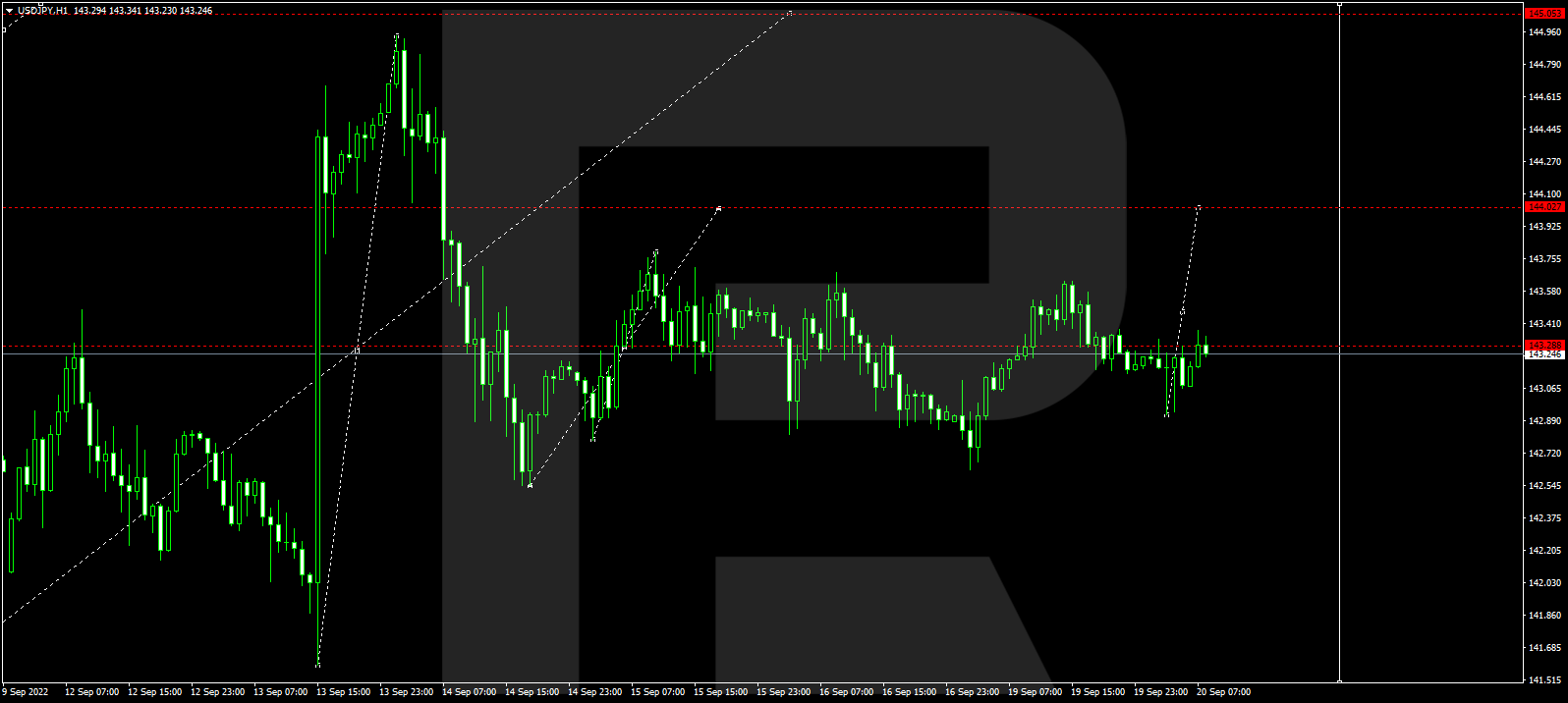
USDJPY is consolidating around 136.50. Today, the pair may fall towards 135.70 and then form one more ascending structure to test 136.00 from below. After that, the instrument may resume trading downwards with the target at 134.66.

USDJPY
Risk Warning: the result of previous trading operations do not guarantee the same results in the future

USDCHF, “US Dollar vs Swiss Franc”

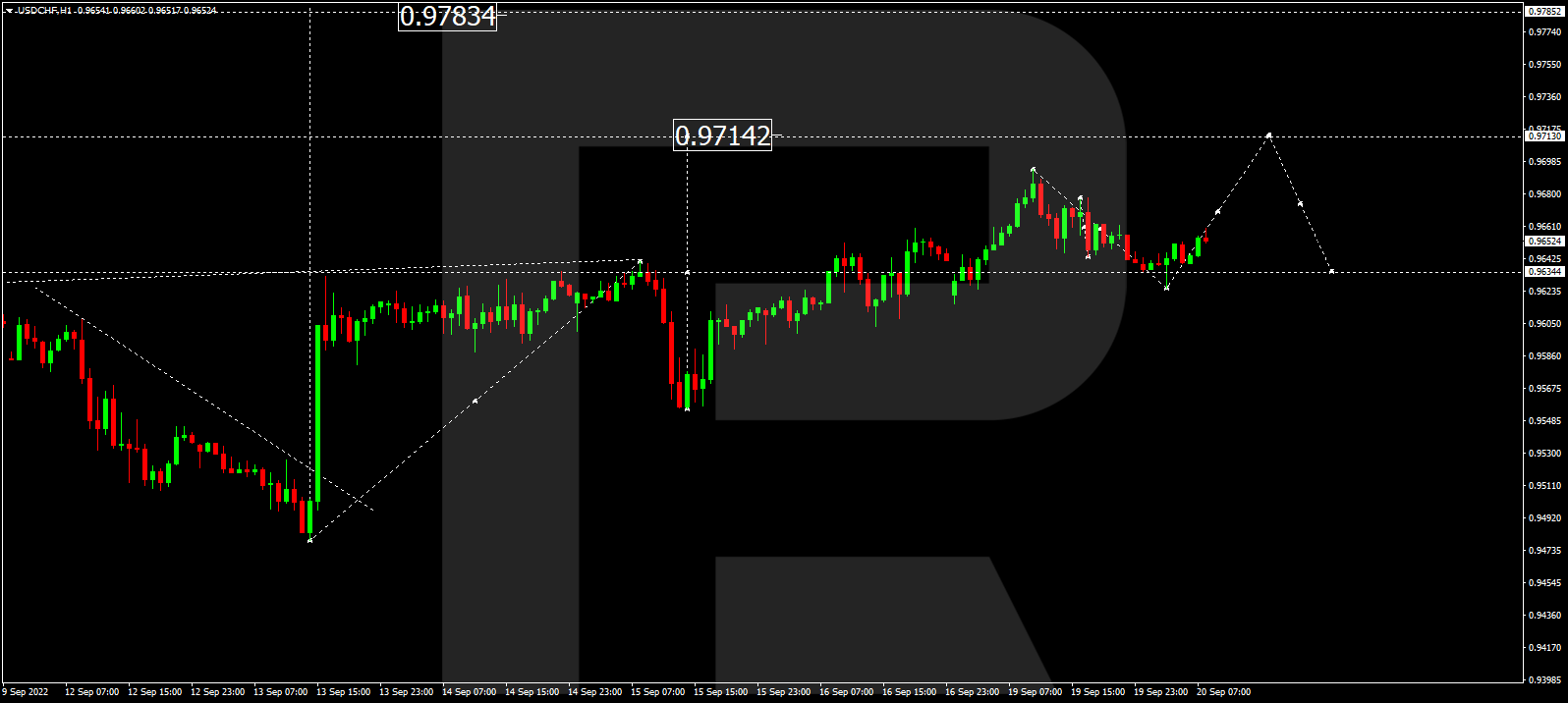
USDCHF is still consolidating around 0.9645. Possibly, today the pair may fall towards 0.9600. If later the price breaks this range to the upside, the market may resume trading upwards with the target at 0.9715; if to the downside – start a new correction to reach 0.9515.

USDCHF
Risk Warning: the result of previous trading operations do not guarantee the same results in the future

AUDUSD, “Australian Dollar vs US Dollar”

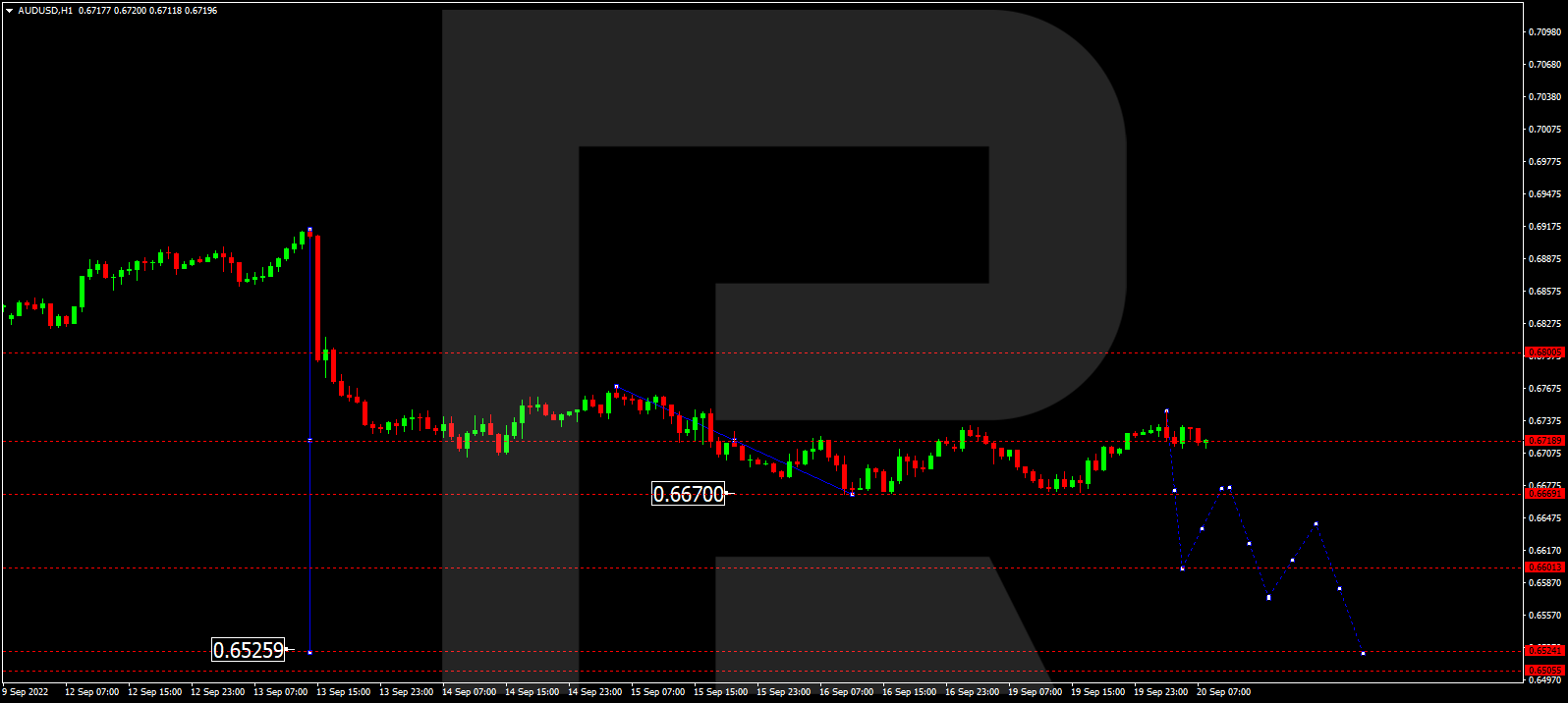
AUDUSD is consolidating around 0.6900. Today, the pair may grow towards 0.6970 and then start another decline with the target at 0.6900.

AUDUSD
Risk Warning: the result of previous trading operations do not guarantee the same results in the future

BRENT

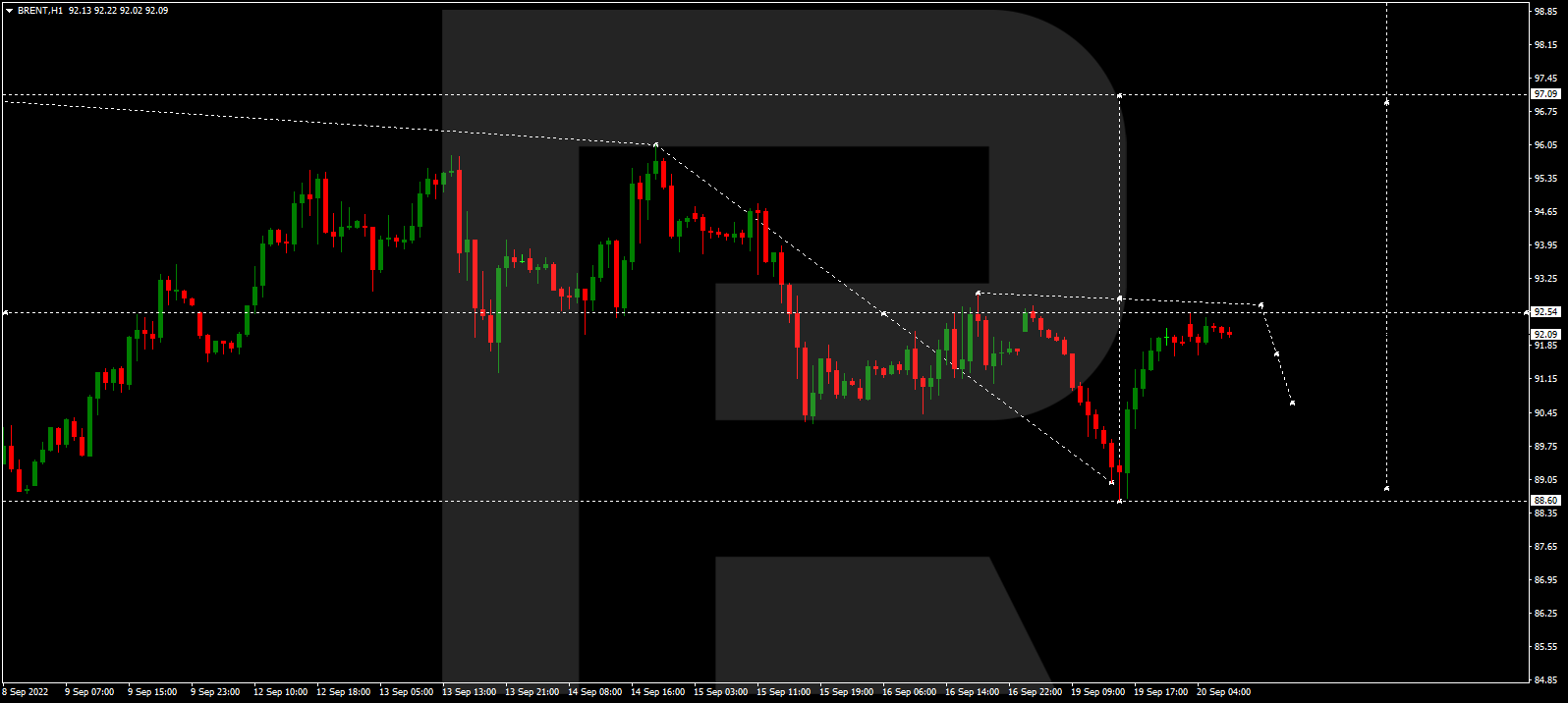
Brent has reached its upside target at 102.22; right now, it is consolidating there. Possibly, the asset may expand the range up to 102.33 and then start a new decline with the target at 99.70, or even extend this correctional structure down to 97.40.

BRENT
Risk Warning: the result of previous trading operations do not guarantee the same results in the future

XAUUSD, “Gold vs US Dollar”

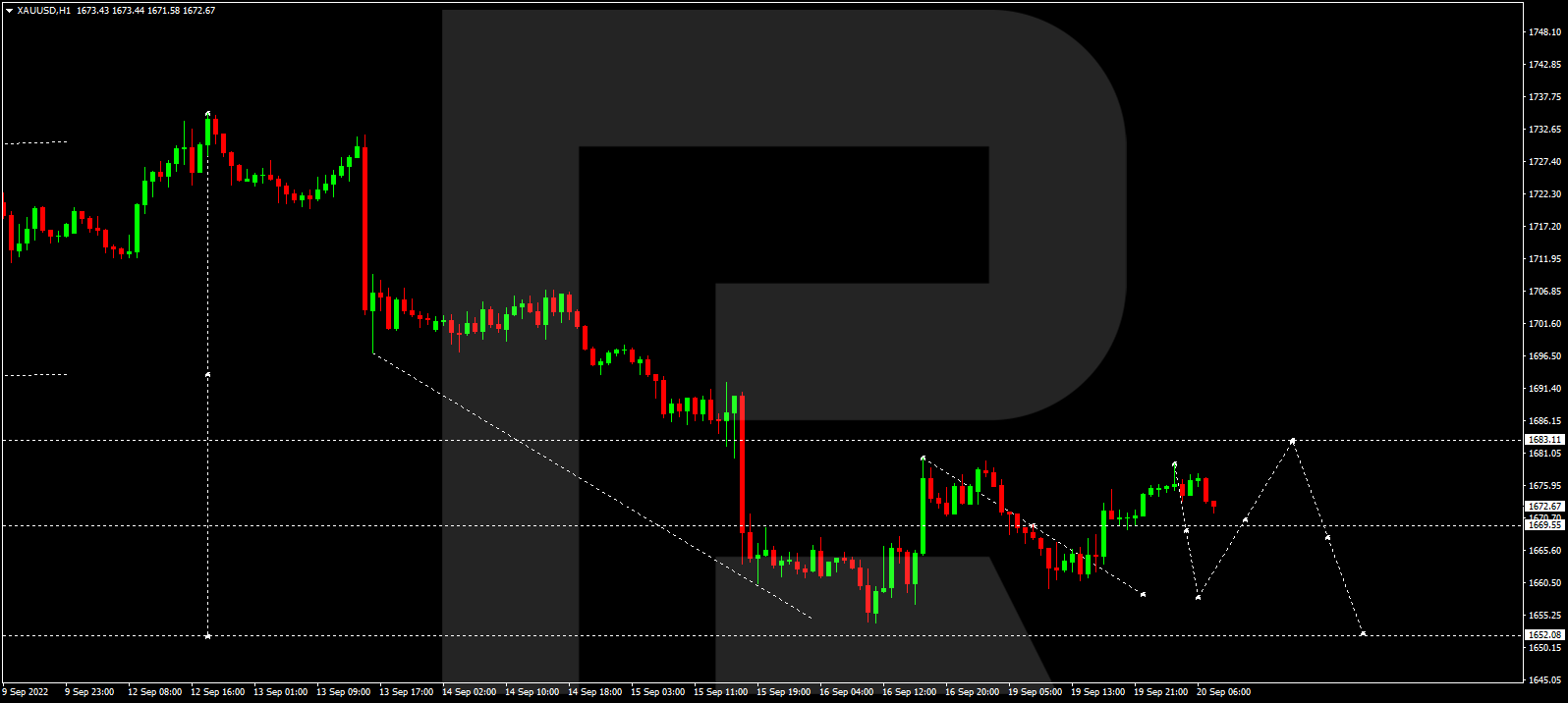
After finishing the ascending wave at 1757.30, Gold is expected to consolidate there. Possibly, the metal may break the range to the downside and continue the correction down to 1742.42. Later, the market may form one more ascending structure with the target at 1772.00.

GOLD
Risk Warning: the result of previous trading operations do not guarantee the same results in the future

S&P 500

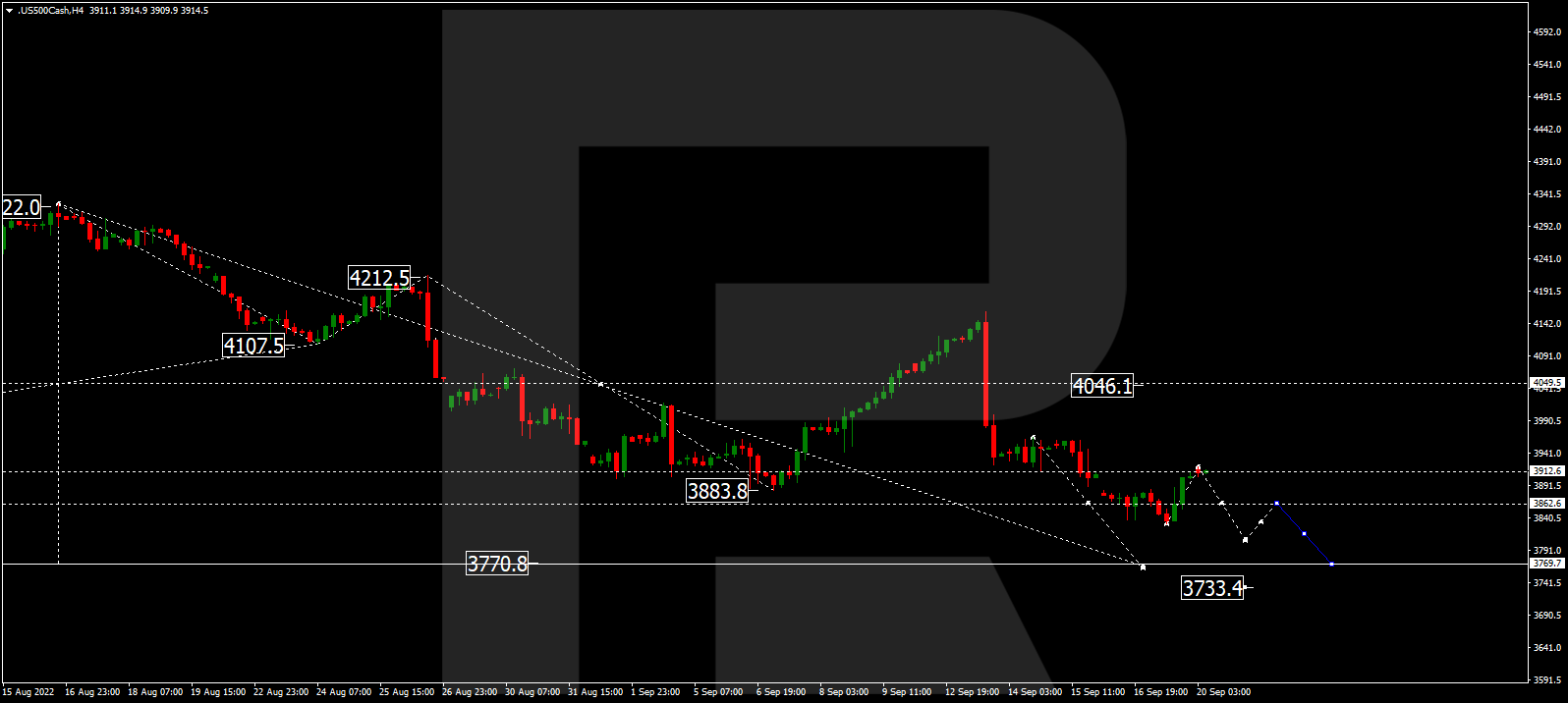
The S&P index has completed the descending wave at 4110.0; right now, it is consolidating around 4139.0. Possibly, today the asset may grow towards 4170.0 and then fall to return to 4139.0. If later the price breaks this range to the upside, the market may start a new growth to reach 4222.0; if to the downside –resume trading downwards with the target at 4090.0.

S&P 500

Article By RoboForex.com

Attention!
Forecasts presented in this section only reflect the author’s private opinion and should not be considered as guidance for trading. RoboForex LP bears no responsibility for trading results based on trading recommendations described in these analytical reviews.

Ichimoku Cloud Analysis 25.08.2022 (EURUSD, USDJPY, NZDUSD)

Article By RoboForex.com

EURUSD, “Euro vs US Dollar”

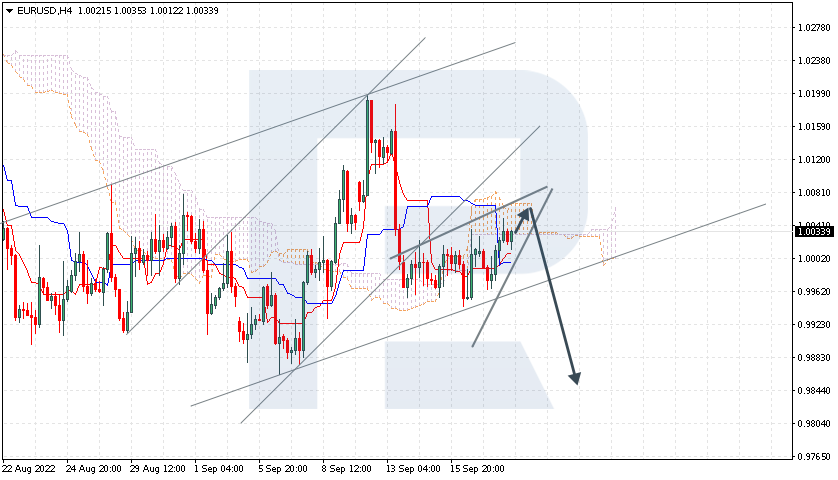
EURUSD is rebounding from Kijun-Sen. The instrument is currently moving below Ichimoku Cloud, thus indicating a descending tendency. The markets could indicate that the price may test the bullish channel’s upside border at 1.0040 and then resume moving downwards to reach 0.9780. Another signal in favour of a further downtrend will be a rebound from the descending channel’s upside border. However, the bearish scenario may no longer be valid if the price breaks the cloud’s upside border and fixes above 1.0165. In this case, the pair may continue growing towards 1.0250. To confirm a further downtrend, the price must break the bullish channel’s downside border and fix below 0.9985.

EURUSD
Risk Warning: the result of previous trading operations do not guarantee the same results in the future

USDJPY, “US Dollar vs Japanese Yen”

USDJPY is testing Tenkan-Sen and Kijun-Sen. The instrument is currently moving above Ichimoku Cloud, thus indicating an ascending tendency. The markets could indicate that the price may test the cloud’s upside border at 133.25 and then resume moving upwards to reach 140.35. Another signal in favour of a further uptrend will be a rebound from the rising channel’s downside border. However, the bullish scenario may no longer be valid if the price breaks the cloud’s downside border and fixes below 133.45. In this case, the pair may continue falling towards 132.55. To confirm a further uptrend, the price must break the bearish channel’s upside border and fix above 137.45.

USDJPY
Risk Warning: the result of previous trading operations do not guarantee the same results in the future

NZDUSD, “New Zealand Dollar vs US Dollar”

NZDUSD has fixed below the support area. The instrument is currently moving below Ichimoku Cloud, thus indicating a descending tendency. The markets could indicate that the price may test the cloud’s downside border at 0.6235 and then resume moving downwards to reach 0.6035. Another signal in favour of a further downtrend will be a rebound from the upside border of the Triangle pattern. However, the bearish scenario may no longer be valid if the price breaks the cloud’s upside border and fixes above 0.6355. In this case, the pair may continue growing towards 0.6445. To confirm a further downtrend, the price must break the pattern’s downside border and fix below 0.6135.

NZDUSD

Article By RoboForex.com

Attention!
Forecasts presented in this section only reflect the author’s private opinion and should not be considered as guidance for trading. RoboForex LP bears no responsibility for trading results based on trading recommendations described in these analytical reviews.

The Analytical Overview of the Main Currency Pairs on 2022.08.25

By JustForex

The EUR/USD currency pair

Technical indicators of the currency pair:
  • Prev Open: 0.9966
  • Prev Close: 0.9967
  • % chg. over the last day: +0.01%

Dutch gas prices, the European benchmark, rose again on Wednesday as the prospect of a Nord Stream 1 supply cut kept investors on edge. Russia’s state energy company Gazprom said on Friday that Russia would suspend natural gas supplies to Europe via Nord Stream 1 for three days due to unscheduled maintenance. The spike in gas prices continues to pressure the region’s economy and the European currency in particular. Also, the difference in interest rates between the US Federal Reserve (2.5%) and the ECB (0.5%) affects the decrease in the quotes.

Trading recommendations
  • Support levels: 0.9932
  • Resistance levels: 0.9996, 1.0112, 1.0146, 1.0230, 1.0286, 1.0365

From the technical point of view, the trend on the EUR/USD currency pair on the hourly time frame is bearish. The price is now forming a wide balance. The MACD indicator has become positive, and buying pressure prevails. Under such market conditions, buy trades are best to be sought on intraday time frames from the support level of 0.9932, but with confirmation. Sell trades can be considered from resistance levels of 0.9996, but only after additional confirmation, as the level has already been tested twice.

Alternative scenario: if the price breaks out of the 1.0146 resistance level and fixes above, the uptrend will likely resume.

EUR/USD
News feed for 2022.08.25:
  • – Eurozone Germany GDP (q/q) at 09:00 (GMT+3);
  • – Eurozone Germany Ifo Business Climate (m/m) at 11:00 (GMT+3);
  • – Eurozone ECB Monetary Policy Meeting at 14:30 (GMT+3);
  • – US GDP (q/q) at 15:30 (GMT+3);
  • – US Initial Jobless Claims (w/w) at 15:30 (GMT+3);
  • – Jackson Hole Symposium at 16:00 (GMT+3).

The GBP/USD currency pair

Technical indicators of the currency pair:
  • Prev Open: 1.1825
  • Prev Close: 1.1791
  • % chg. over the last day: +0.29%

Traders are betting that the ECB and Bank of England will be forced to take bolder action to rein in rising prices. Markets have increased bets on a rate hike for the Bank of England, betting that interest rates will rise to 3.5% by the end of the year. The option model shows a 60% chance that the pound will fall to $1.14 by the end of the year, the lowest level since 1985. The economy is approaching recession, energy prices continue to skyrocket, and uncertainty about who will be the next prime minister are all factors creating a bearish mood for the British currency.

Trading recommendations
  • Support levels: 1.1786, 1.1659
  • Resistance levels: 1.1903, 1.2000, 1.2035, 1.2167, 1.2215, 1.2294

From the technical point of view, the trend on the GBP/USD currency pair on the hourly time frame is bearish. The price is now forming an accumulation zone. The MACD indicator has become positive, and sellers’ pressure has slightly decreased, but the main priority is still downward. At the moment, it is better to look for sell deals from the resistance level of 1.1903, but only after the additional confirmation. Buy trades can be considered on intraday time frames from the support level of 1.1786, but only with confirmation and short targets.

Alternative scenario: if the price breaks out through the 1.2000 resistance level and fixes above, the uptrend will likely resume.

GBP/USD
There is no news feed for today.

The USD/JPY currency pair

Technical indicators of the currency pair:
  • Prev Open: 136.76
  • Prev Close: 137.12
  • % chg. over the last day: +0.26%

Bank of Japan board member Toyoaki Nakamura said on Thursday that a new surge in pandemic cases clouds Japan’s economic outlook, continued supply constraints, and a steady rise in global commodity prices. So the Bank of Japan should maintain a large-scale stimulus to support the economy. Nakamura said that market worries about aggressive interest rate hikes by major central banks to curb inflation could also trigger capital outflows from emerging economies and hurt global growth.

Trading recommendations
  • Support levels: 135.89, 135.35, 134.23, 133.47, 132.27, 131.08, 130.85
  • Resistance levels: 137.01, 137.43, 138.25

From the technical point of view, the medium-term trend on the currency pair USD/JPY is bullish. The USD/JPY quotes have corrected to the levels of the moving averages and are forming a balance. Under such market conditions, buy trades can be sought from the support level of 135.89 or 135.35, but with additional confirmation. For sell deals, traders can consider the resistance level of 137.01, but only with additional confirmation, as fundamentally, USD/JPY quotes are inclined to grow.

Alternative scenario: If the price fixes below 135.35, the downtrend will likely resume.

USD/JPY
There is no news feed for today.

The USD/CAD currency pair

Technical indicators of the currency pair:
  • Prev Open: 1.2955
  • Prev Close: 1.2971
  • % chg. over the last day: +0.12%

The US Energy Information Administration reported a 3.3 million barrel drop in crude oil inventories last week. The Canadian dollar is a commodity currency that highly depends on oil prices. Also, yesterday it became known that the OPEC countries will fight the low oil prices, and if Iranian oil comes back to the world market, OPEC is ready to cut its production not to let the oil prices fall drastically. Therefore, the Canadian dollar, in addition to monetary tightening by the Bank of Canada, also has fundamental support in keeping oil prices from falling.

Trading recommendations
  • Support levels: 1.2900, 1.2858, 1.2809, 1.2761
  • Resistance levels: 1.2998, 1.3016, 1.3090, 1.3105

From the point of view of technical analysis, the trend on the USD/CAD currency pair is bullish. The price is now trading at the levels of the moving averages, with the sellers’ pressure temporarily prevailing. Under such market conditions, buy trades should be considered on the lower time frames from the support level of 1.2900, but only with confirmation. For sell deals, it is better to consider the resistance level of 1.2998.

Alternative scenario: if the price breaks down and consolidates below the 1.2900 support level, the downtrend will likely resume.

USD/CAD
There is no news feed for today.

By JustForex


This article reflects a personal opinion and should not be interpreted as an investment advice, and/or offer, and/or a persistent request for carrying out financial transactions, and/or a guarantee, and/or a forecast of future events.

China announced a massive economic stimulus. Gas prices in Europe hit another high

By JustForex

At the stock market close yesterday, the Dow Jones Index (US30) added 0.18%, while the S&P 500 (US500) decreased by 0.29%. The NASDAQ Technology Index (US100) gained 0.41%.

The US durable goods orders were unchanged month-over-month in July. Unfinished US home sales fell in July for the sixth time this year to the lowest level since the pandemic began, extending a sharp decline in the housing market. The number of signed contracts was down 22.5% from a year ago. Rising interest rates always negatively affect the housing market, so things will only worsen in the near future.

Today, traders of Fed funds futures contracts estimate a 61% probability that the Fed will raise rates by 75 basis points at its September meeting. The probability of a 50 basis point hike is 39%.

Equity markets in Europe traded yesterday without a single dynamic. German DAX (DE30) gained 0.20%, French CAC 40 (FR 40) increased by 0.39%, Spanish IBEX 35 (ES35) lost 0.33%, British FTSE 100 (UK100) closed on Wednesday down by 0.22%.

The German government is concerned about possible problems with coal supplies for power plants in the fall and winter due to low water levels in the Rhine River and oil supplies in the eastern parts of the country. The price of gas in Europe has exceeded $3100 per 1,000 cubic meters for the first time since early March. Dutch gas prices, the European benchmark, rose again Wednesday as the prospect of an end to supplies through the Nord Stream 1 pipeline kept investors on edge. Russia’s state energy company Gazprom said Friday that Russia would suspend natural gas supplies to Europe via Nord Stream 1 for three days because of unscheduled maintenance.

The Energy Information Administration reported a 3.3 million barrel drop in crude oil inventories for the week through August 19. Also, yesterday it became known that OPEC countries are going to fight with low oil prices, and in case Iranian oil returns to the world market, OPEC countries (in particular Saudi Arabia and Iraq) are ready to cut their production in order not to allow the oil prices to fall significantly.

Asian markets were mostly down yesterday. Japan’s Nikkei 225 (JP225) decreased by 0.49%, Hong Kong’s Hang Seng (HK50) ended the day down by 1.20%, while Australia’s S&P/ASX 200 (AU200) was up by 0.52%.

On Wednesday, Japan’s prime minister said that his country would restart several idle nuclear power plants and study the possibility of developing next-generation reactors. It indicates that Japan (a major energy importer) is looking to bolster its capabilities amid continued uncertainty in global energy markets. Japan is aiming for carbon neutrality by 2050. According to the “ambitious outlook,” the country’s 6th Strategic Energy Plan calls for renewables to account for 36% to 38% of its electricity generation mix in 2030, with nuclear power accounting for 20% to 22%.

Stats NZ data showed a 2.3% drop in seasonally adjusted retail sales in the last quarter in New Zealand. Economists had forecast a 1.7% increase as consumer spending was expected to rebound after the initial Omicron hit, which reduced retail spending by 1% in the year’s first quarter. Analysts believe the drop in retail spending points to a potential recession.

China announced an additional 1 trillion yuan ($146 billion) in stimulus to save the economy from recession. The stimulus measures will include an additional 300 billion yuan, which state banks can invest in infrastructure projects.

S&P 500 (F) (US500) 4,140.77 +12.04 (+0.29%)

Dow Jones (US30) 32,969.23 +59.64 (+0.18%)

DAX (DE40) 13,220.06 +25.83 (+0.20%)

FTSE 100 (UK100) 7,471.51 −16.60 (−0.22%)

USD Index 108.61 −0.02 (−0.01%)

Important events for today:
  • – New Zealand Retail Sales (q/q) at 01:45 (GMT+3);
  • – Eurozone Germany GDP (q/q) at 09:00 (GMT+3);
  • – Eurozone Germany Ifo Business Climate (m/m) at 11:00 (GMT+3);
  • – Eurozone ECB Monetary Policy Meeting at 14:30 (GMT+3);
  • – US GDP (q/q) at 15:30 (GMT+3);
  • – US Initial Jobless Claims (w/w) at 15:30 (GMT+3);
  • – Jackson Hole Symposium at 16:00 (GMT+3);
  • – US Natural Gas Storage (w/w) at 17:30 (GMT+3).

By JustForex


This article reflects a personal opinion and should not be interpreted as an investment advice, and/or offer, and/or a persistent request for carrying out financial transactions, and/or a guarantee, and/or a forecast of future events.
What’s “Jackson Hole” and why it matters for the Nasdaq 100?

By ForexTime

Organised by the Kansas City Fed, this year’s Jackson Hole Economic Policy Symposium will kick off today (August 25th) through August 27th.

This annual event is held in Jackson Hole, Wyoming (hence, the name widely used by market participants to refer to such a pivotal event),which features some of the top officials from major central banks (e.g. US Federal Reserve, European Central Bank, Bank of England, etc.), as they discuss pressing issues that face the global economy.

And there’s no issue more pressing now than the red-hot inflation around the world, which has forced central bankers worldwide into aggressively raising their respective interest rates.


Why “Jackson Hole” matters?

What’s said (or sometimes, not said) by these central bankers, especially the Fed Chair, has the potential to move markets.

For example, at the 2021 symposium, Fed Chair Jerome Powell stuck with his “transitory” view on inflation and adopted a relatively “dovish” tone. In other words, he and most of his colleagues at the US central bank thought then that consumer prices won’t keep soaring for long, and didn’t expect to trigger its first hike until 2023.

After last year’s symposium concluded (and on the back of Powell’s dovish and transitory stance), US stocks continued marching higher and notched fresh record highs.

The Nasdaq 100 went on to post an all-time peak above 16,500 back in November.


12 months on, and we’re in an entirely different world.

US inflation is at its highest since the 1980s, and the Fed has hiked by 125 basis points since March, and counting.

The Nasdaq 100 has since plummeted to sub-13,000 levels, and the tech-heavy index is still more than 20% lower so far this year despite its recent summer rally. The drop in stock markets have been predicated on the Fed’s aggressive battle against inflation.


What to look out for tomorrow?

The spotlight will shine greatest on Fed Chair Powell’s speech, scheduled for 2:00 PM GMT tomorrow (Friday, August 26th).

And here’s the biggest question on everyone’s minds: how much higher will the Fed hike US interest rates?

  • Markets are forecasting a 69% chance that the Fed will press ahead with yet another 75 basis point hike at its September meeting. Those 69% odds are a far cry from the 26% chance priced in at the start of August, hence the drop by as much as 6.3% since mid-August for the Nasdaq 100.
  • Also, markets expect the Fed Funds Rate to peak out at 3.75% by March 2023, from the current 2.50%. That implies a 75bps hike in September, followed by another 50bps hike, before the Fed then has to start lowering its benchmark rates to start cushioning US economic growth.

With the above narrative in mind, should any of Powell’s comments force markets to rejig such expectations, be it for the size of the September hike or the peak for this ongoing rate hike cycle, that could prompt major moves across a multitude of asset classes.


why focus on the Nasdaq 100?

Notice how the tech-heavy Nasdaq 100 is sensitive to where US interest rates go.

The Nasdaq 100 began diving since the latter parts of 2021, as market began to increasingly expect that the Fed will be forced into hiking interest rates sooner than policymakers had expected.

And sure enough, the Fed triggered its first hike in March 2022, with the Nasdaq 100 falling into a bear market (20% drop from its recent peak) thereafter.


Potential scenarios:

  1. The Nasdaq 100 may be coerced into unwinding more of its summer gains should Powell pave the way for a September 75bps hike and force markets to move their forecasted rate hike cycle peak higher than 3.75%.

    Key support levels:

  • 12,605 (100-day simple moving average)
  • 12,395 (23.6% Fibonacci retracement level from its November through June descent)


  1. However, the Nasdaq 100 may be emboldened to extend its summer rally if Powell in his Friday speech pays greater heed to the cracks that are starting to show in the US economy.

    After all, US GDP has already met the criteria for a “technical recession”, while the August services PMI showed a larger-than-expected contraction. Such a cautious tone may result in less-hawkish-than-feared commentary tomorrow, potentially translating into gains for riskier assets, including tech stocks.

    Key resistance levels:

  • 13,231 – 13,405 (38.2% Fib level and early-August cycle peak)
  • Around 13,500 (resistance from upper downtrend line from ATH and early-May peaks)
  • 13,730 (mid-August peak)
  • 13,900 (200-day SMA and 50% Fib line)


Judging by how the Nasdaq 100 is attempting to claw its way back above the psychologically-important 13,000 line at the time of writing, it appears that fears over the most-hawkish scenario have been overdone.

Equity bulls will be hoping that Powell will strike a tone that’s less-hawkish-than-feared, which could result in more relief for the Nasdaq 100 and other riskier assets.

Still, it remains to be seen (or rather, heard) what Powell’s policy clues will be, if any.

And any newfound resolution after such heightened uncertainty may lead to a massive move for the Nasdaq 100 in the aftermath.


Forex-Time-LogoArticle by ForexTime

ForexTime Ltd (FXTM) is an award winning international online forex broker regulated by CySEC 185/12 www.forextime.com

Japanese Candlesticks Analysis 24.08.2022 (USDCAD, AUDUSD, USDCHF)

Article By RoboForex.com

USDCAD, “US Dollar vs Canadian Dollar”

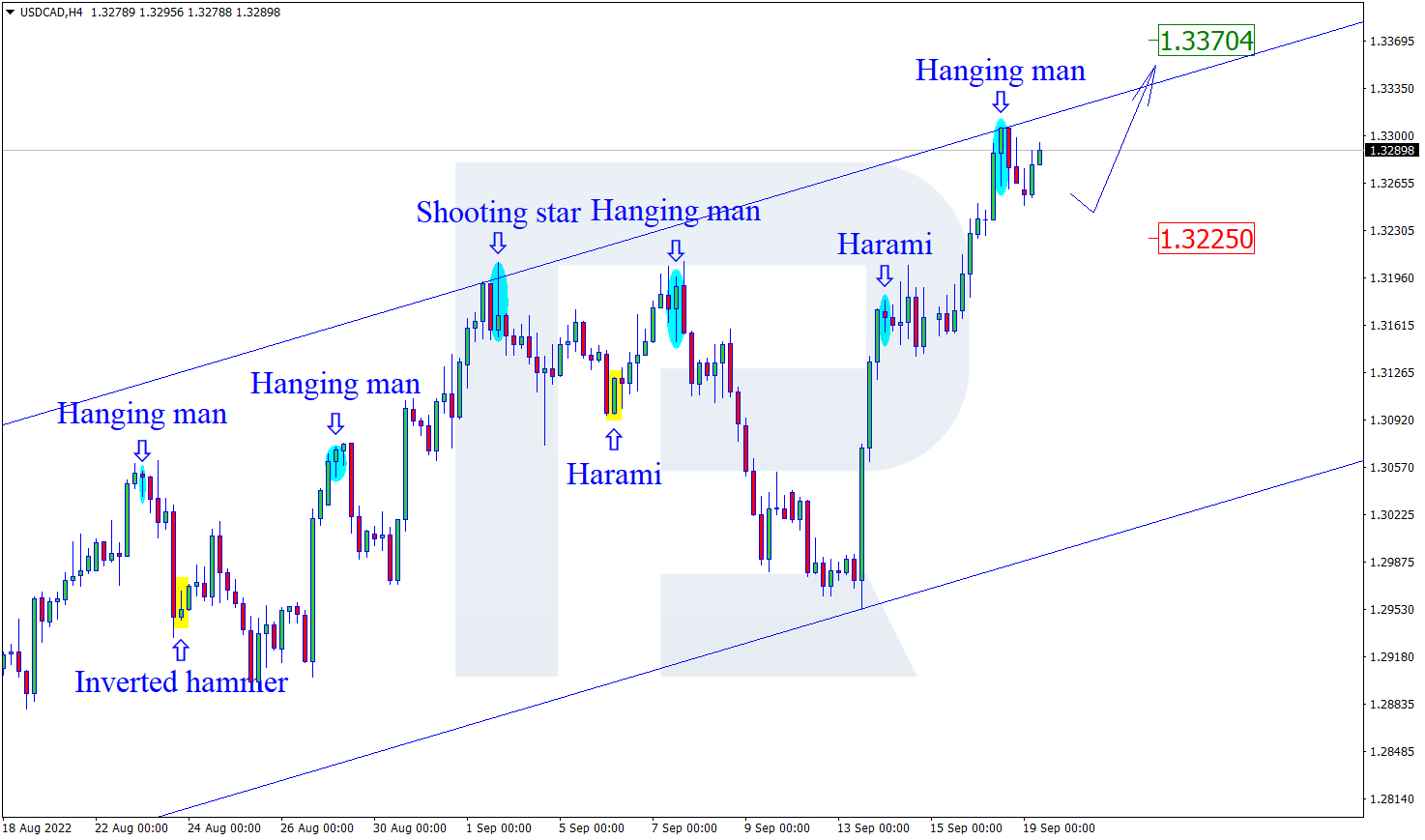
As we can see in the H4 chart, after forming several reversal patterns close to the support level, such as Inverted Hammer, USDCAD may reverse in the form of a new ascending impulse. In this case, the upside target may be at 1.3045. Later, the market may break this level and continue growing. However, an alternative scenario implies that the asset may correct to reach 1.2935 first and then resume the uptrend.

USDCAD
Risk Warning: the result of previous trading operations do not guarantee the same results in the future

AUDUSD, “Australian Dollar vs US Dollar”

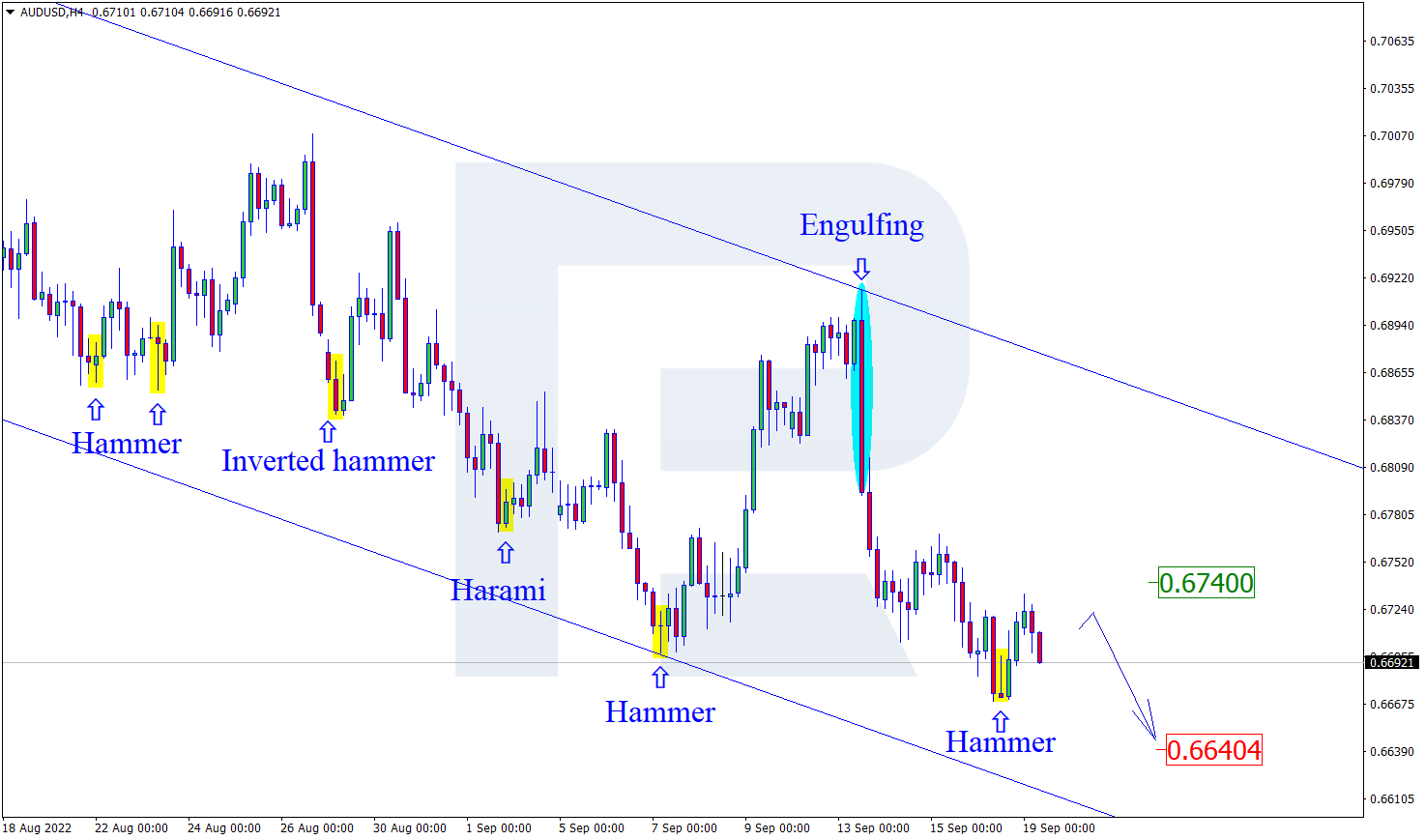
As we can see in the H4 chart, AUDUSD has formed several reversal patterns near the support area, for example, Hammer. At the moment, the asset is reversing in the form of a new rising impulse. In this case, the upside target may be the resistance level at 0.6975. After testing the level, the price may break it and continue the ascending tendency. At the same time, the opposite scenario implies that the price may correct to reach 0.6865 and continue the uptrend only after the pullback.

AUDUSD
Risk Warning: the result of previous trading operations do not guarantee the same results in the future

USDCHF, “US Dollar vs Swiss Franc”

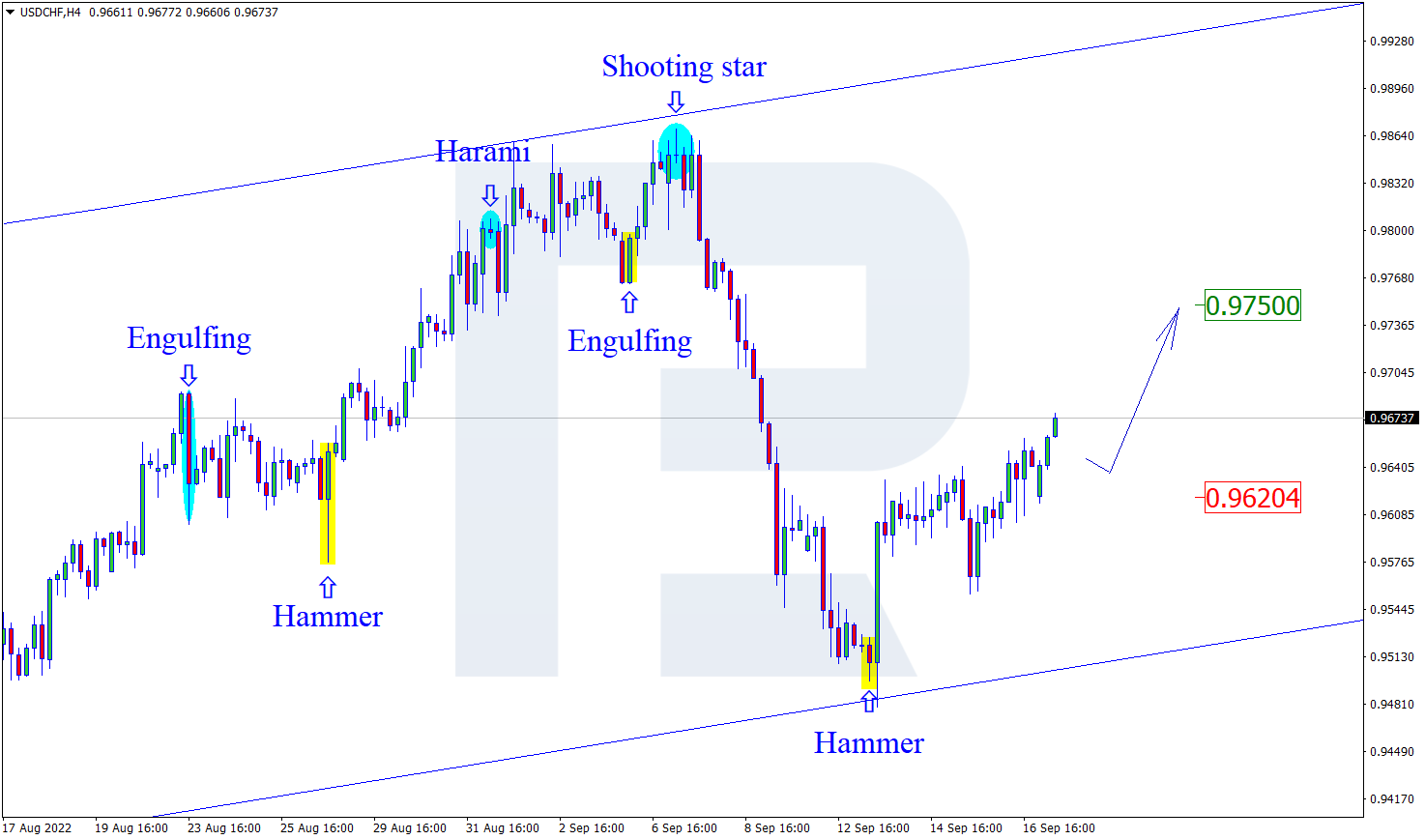
As we can see in the H4 chart, after testing the resistance area, the pair has formed an Engulfing reversal pattern. At the moment, USDCHF may reverse in the form of a new descending impulse. In this case, the downside target may be at 0.9625. After testing the support level, the price may rebound from it and resume trading upwards. Still, there might be an alternative scenario, in which the asset may grow to reach 0.9745 and continue the ascending tendency only after the pullback.

USDCHF

Article By RoboForex.com

Attention!
Forecasts presented in this section only reflect the author’s private opinion and should not be considered as guidance for trading. RoboForex LP bears no responsibility for trading results based on trading recommendations described in these analytical reviews.