Archive for Economics & Fundamentals – Page 22

Historical silver price: the metal hit a 14-year high. European indices are rising because of strong PMI figures

By JustMarkets 

The US stocks were not traded yesterday due to the bank holiday (Labor Day).

The Mexico Manufacturing PMI rose to 50.2 in August 2025, up from 49.1 in July. This was the first reading above the 50.0 threshold in 14 months, indicating an improvement in factory activity. On the other hand, business sentiment has significantly worsened compared to July, with companies becoming more cautious about their one-year outlook, despite some respondents expecting production volumes to grow.

European equity markets were primarily up on Monday. The German DAX (DE40) rose by 0.57%, the French CAC 40 (FR40) closed up 0.05%, the Spanish IBEX35 (ES35) gained 0.02%, and the UK’s FTSE 100 (UK100) closed up 0.10%. On the first trading day of September, the DAX closed higher, ending a five-day losing streak, helped by defense and pharmaceutical stocks. Traders assessed a series of PMI indices and anticipated key economic releases this week, with Eurozone inflation data and the US Non-Farm Payrolls report in focus.

Domestically in Germany, the final manufacturing PMI came in at 49.8 in August, up from 49.1 in July and slightly below the flash estimate of 49.9, marking the best reading since mid-2022. Defense stocks were among the top gainers: Renk climbed 6.8%, Hensoldt added 5%, and Rheinmetall jumped 3.5% after the UK secured a £10 billion warship deal with Norway, the largest naval export in history. The stock rally was further boosted by comments from EU President von der Leyen about deploying troops to Ukraine as part of future security commitments.

On Tuesday, silver (XAG/USD) traded at around $40.7 per ounce (a 14-year high) after rising more than 2% in the previous session. Markets are pricing in a nearly 90% probability of a 25 basis point cut later this month. San Francisco Fed President Mary Daly stated on Friday that the Central Bank is prepared to ease policy given risks to the labor market, while suggesting that tariff-driven inflation might be temporary. Demand for safe-haven assets also supported precious metals amid concerns about the Fed’s independence and renewed uncertainty tied to President Donald Trump’s tariffs. In the industrial sector, demand was supported by China’s solar energy boom, with solar panel exports growing by over 70% in the first half of the year, driven mainly by strong shipments to India.

WTI crude oil prices rose above $64 per barrel on Monday, recovering from earlier losses amid concerns about supply disruptions caused by the ongoing conflict between Russia and Ukraine. Ukrainian President Volodymyr Zelenskyy promised on Sunday to expand strikes deeper into Russian territory following drone attacks on Ukraine’s energy facilities. Traders are also assessing whether India will yield to US pressure and halt purchases of Russian oil after Washington imposed secondary tariffs against Delhi last week. Investors are also awaiting this week’s OPEC+ meeting, as the group’s accelerated production increases are raising the global supply outlook.

In early September, the US natural gas (XNG/USD) prices climbed above the $3 per MMBtu mark, continuing a rally from a nine-month low of $2.73 on August 20, amid expectations of reduced domestic supply. New data showed that Russia’s LNG exports dropped by more than 6% year-on-year through August, which is increasing the share of US LNG in global trade as European and Asian partners source energy elsewhere. Accordingly, US gas consumers face higher competition for smaller domestic stockpiles. According to the latest data, gas storage inventories remain tight, with EIA data showing a 3.4% year-on-year decrease.

Asian markets were mostly down yesterday. The Japanese Nikkei 225 (JP225) fell by 1.24%, the Chinese FTSE China A50 (CHA50) declined by 0.41%, Hong Kong’s Hang Seng (HK50) gained 2.15%, and the Australian ASX 200 (AU200) posted a negative result of 0.51%.

On Tuesday, the New Zealand dollar fell to around $0.589. Sentiment worsened due to uncertainty surrounding US trade policy, as recent court rulings heightened concerns and caution regarding export-dependent currencies. Domestically, attention is focused on the upcoming appointment of a new RBNZ head, with Prime Minister Christopher Luxon indicating that a decision could be made within weeks. At the same time, markets continue to assess the likelihood of further monetary policy easing after the Central Bank’s recent rate cut and its signal that additional measures may be needed to protect the economy from global and domestic headwinds.

S&P 500 (US500) 6,460.26 0 (0%)

Dow Jones (US30) 45,544.88 0 (0%)

DAX (DE40) 24,037.33 +135.12 (+0.57%)

FTSE 100 (UK100) 9,196.34 +9.00 (+0.10%)

USD Index 97.67 -0.11 (-0.11%)

News feed for: 2025.09.02

  • Switzerland Retail Sales (m/m) at 09:30 (GMT+3);
  • Eurozone Consumer Price Index (m/m) at 12:00 (GMT+3);
  • Canada Manufacturing PMI (m/m) at 16:30 (GMT+3);
  • US ISM Manufacturing PMI (m/m) at 17:00 (GMT+3).

By JustMarkets


This article reflects a personal opinion and should not be interpreted as an investment advice, and/or offer, and/or a persistent request for carrying out financial transactions, and/or a guarantee, and/or a forecast of future events.


PCE inflation in the US pressured indices. Silver reached a 14-year high

By JustMarkets

The US stocks finished Friday lower. The Dow Jones (US30) Index fell by 0.20% for the day and 0.13% for the week. The S&P 500 (US500) dropped 0.64% for the day and rose 0.04% for the week. The tech-heavy Nasdaq (US100) closed down 1.22% for the day and 0.17% for the week. The Core Personal Consumption Expenditures (PCE) Price Index, the Federal Reserve’s preferred inflation gauge, increased 2.9% year-over-year in July, matching expectations but marking its fastest pace since February. Technology and AI-related stocks pressured the market: Nvidia fell by 3.4% and Dell plummeted by 8.9% amid competition and rising costs for AI products. Alibaba surged 12.9% on strong cloud results, while Caterpillar (-3.6%) and Marvell (-18.6%) declined on tariff and earnings concerns. The US stock market will be closed on Monday, September 1, for the Labor Day holiday.

The Canadian dollar traded near 1.38 per US dollar after data on Canada’s second-quarter economic growth significantly undermined recovery assumptions and raised the risk of a Bank of Canada policy easing. Statistics Canada reported that real GDP in Q2 fell by 0.4% from the previous quarter, as exports contracted by 7.5% due to the impact of US tariffs. The growth gap with the US widened after the BEA’s second estimate showed US Q2 GDP at 3.3% year-over-year, which amplified expectations that the Canadian rate would have to fall sooner/further compared to the Fed and diminished support for the Canadian dollar, even amid a mixed Dollar Index following the PCE data.

European stock markets were mostly lower on Friday. Germany’s DAX (DE40) fell by 0.57% for the day (-1.36% for the week), France’s CAC 40 (FR40) closed down 0.76% (-3.01% for the week), Spain’s IBEX35 (ES35) dropped 0.90% (-2.51% for the week), and the UK’s FTSE 100 (UK100) closed down 0.32% (-1.31% for the week). The DAX in Frankfurt hit its lowest level since August 5, extending losses for a fifth consecutive session. Investors turned more cautious ahead of the weekend, considering political instability in France and rising geopolitical tensions from clashes in Gaza and Ukraine. Meanwhile, inflation data in Europe pointed to limited price pressures. Domestically, Germany’s inflation rate rose to 2.2% in August from 2.0% in July, exceeding market expectations of 2.1% but remaining near the ECB’s 2% target.

Silver surpassed $39.5 per ounce, reaching its highest level since September 2011, as traders bet on a Fed rate cut and weighed high industrial demand. The US data showed that core PCE inflation rose to 2.9% year-over-year in July, its fastest pace since February, and consumer spending jumped the most in four months, signaling a strengthening economy. The data maintained expectations for a September rate cut, with Fed Chair Waller supporting a 25 basis point cut and further easing in the coming months. Markets still expect two rate cuts this year, despite volatile inflation. Industrially, silver demand was supported by China’s solar energy boom, with solar cell exports growing more than 70% in the first half of the year, led by strong demand from India.

WTI crude oil prices fell by 0.9% to reach $64 per barrel on Friday as traders factored in weakening US demand. Attention is also on the upcoming OPEC+ meeting, as the group’s accelerated output increase boosts the global supply expectations. However, this supply increase has not fully reached the US market yet, where the summer driving season is ending, fueling concerns about demand.

Asian markets were mostly down last week. Japan’s Nikkei 225 (JP225) fell by 0.26%, China’s FTSE China A50 (CHA50) rose by 1.56%, Hong Kong’s Hang Seng (HK50) dropped 2.07%, and Australia’s ASX 200 (AU200) showed a negative result of 0.79%.

The official China Manufacturing PMI for August 2025 rose to 49.4 from July’s three-month low of 49.3, marking the fifth consecutive month of declining factory activity and falling short of market estimates of 49.5. Employment levels remained low (47.9 vs. 48.0) due to job uncertainty. On the price front, input costs reached a high since October 2024, while the decline in output prices eased. China’s official Non-Manufacturing PMI for August 2025 increased to 50.3 from July’s eight-month low of 50.1, matching market expectations and signaling moderate growth in service sector activity. The rise occurred amid improved sentiment, helped by a 90-day extension of the US-China tariff truce, which maintained 30% tariffs on Chinese exports to the US and 10% on US goods to China. Looking ahead, business confidence rose to a five-month high (56.2 vs. 55.8), fueled by hopes for policy support and trade stability.

S&P 500 (US500) 6,460.26 −41.60 (−0.64%)

Dow Jones (US30) 45,544.88 −92.02 (−0.20%)

DAX (DE40) 23,902.21 −137.71 (−0.57%)

FTSE 100 (UK100) 9,187.34 −29.48 (−0.32%)

USD Index 97.86 +0.04 (+0.04%)

News feed for: 2025.09.01

  • Australia Manufacturing PMI (m/m) at 02:00 (GMT+3);
  • Japan Manufacturing PMI (m/m) at 02:30 (GMT+3);
  • China Caxin Manufacturing PMI (m/m) at 04:45 (GMT+3);
  • Switzerland Manufacturing PMI (m/m) at 10:30 (GMT+3);
  • German Manufacturing PMI (m/m) at 10:55 (GMT+3);
  • Eurozone Manufacturing PMI (m/m) at 11:00 (GMT+3);
  • UK Manufacturing PMI (m/m) at 11:30 (GMT+3);
  • Eurozone Unemployment Rate (m/m) at 12:00 (GMT+3);
  • Mexico Manufacturing PMI (m/m) at 18:00 (GMT+3).

By JustMarkets


This article reflects a personal opinion and should not be interpreted as an investment advice, and/or offer, and/or a persistent request for carrying out financial transactions, and/or a guarantee, and/or a forecast of future events.

The S&P 500 Index rose to a record high above 6,500. Inflationary pressures ease in Japan

By JustMarkets

On Thursday, US stock indices continued to rise. The Dow Jones (US30) climbed by 0.16%, the S&P 500 (US500) gained 0.32% to reach a new record high above 6,500, and the tech-heavy Nasdaq (US100) finished up 0.53%. Market sentiment was supported by strong economic data and sustained enthusiasm for artificial intelligence, despite mixed signals from Nvidia’s latest earnings report. The chipmaker reported a 56% surge in quarterly revenue but excluded potential China sales from its expectations, causing its stock to dip slightly even as analysts raised price targets and affirmed confidence in AI-driven growth. Other tech firms, including Broadcom, Micron, Microsoft, Meta, and Amazon, saw gains, highlighting the sector’s momentum. In the broader economy, US Q2 GDP was revised upward to 3.3% on an annualized basis, and jobless claims came in lower than expected, which eased recession concerns.

European stocks closed mixed on Thursday as markets digested key US tech sector earnings and the global rate outlook. The German DAX (DE40) fell by 0.03%, while the French CAC 40 (FR40) rose by 0.24% and the Spanish IBEX35 (ES35) gained 0.34%. The UK FTSE 100 (UK100) closed down 0.42%. The minutes from the ECB’s July meeting revealed a split among policymakers regarding the inflation outlook. Some argued that near-term risks were tilted to the downside, citing a weaker growth outlook and the impact of US tariffs. Others warned that risks could still be to the upside, particularly in the long term, given uncertainty about energy prices and currency movements. While inflation is at the target, officials noted it’s partly driven by temporary factors that could shift, underscoring the ongoing debate over whether the ECB should be cautious or vigilant in its policy.

WTI crude oil prices rose by 0.7% and reached $64.6 per barrel on Thursday, reversing earlier losses. The fading prospect of a peace deal between Russia and Ukraine lowered expectations for additional Russian supplies to enter global markets. Hopes for an easing of export restrictions on Moscow’s crude were further diminished as traders awaited a potential signal for tighter sanctions from President Trump. At the same time, Ukraine intensified its drone strikes on Russian oil infrastructure, disrupting exports and adding to the uncertainty.

Asian markets were mostly up on Thursday. Japan’s Nikkei 225 (JP225) rose by 0.73%, while China’s FTSE China A50 (CHA50) gained 1.02%. Hong Kong’s Hang Seng (HK50) dropped 0.81%, and Australia’s ASX 200 (AU200) closed with a positive result of 0.22%.

Tokyo’s core consumer prices in August 2025 came in at 2.5% year-on-year, marking the third consecutive month of decline and meeting market expectations. Although inflation has slowed, it remains above the Bank of Japan’s 2% target, which supports speculation about another rate hike later this year. Governor Kazuo Ueda recently noted that further wage growth is expected amid a tightening labor market, reinforcing the view that conditions for additional tightening are gradually forming. At its July meeting, the Bank of Japan left interest rates unchanged but raised its inflation expectations and struck a more optimistic tone on the economy.

The Australian dollar climbed to $0.654 USD on Friday, marking its fourth straight session of gains and reaching a two-week high, while the US dollar remained under pressure. The AUD also found support from stronger-than-expected domestic inflation, which eased market bets on a near-term rate cut by the Reserve Bank of Australia (RBA). Still, the Central Bank’s August meeting minutes indicated that further cash rate cuts are likely within the next year, with the pace and timing dependent on upcoming data and global risks. Investors are now looking ahead to the upcoming manufacturing PMI to get new insights into the country’s economic momentum.

In New Zealand, two-year-ahead consumer inflation expectations eased from 5.1% to 4.8%, while house price expectations held at 3.5%. Despite this, declining real interest rates and a dovish RBNZ stance are providing some support, although consumer sentiment and retail spending may remain subdued in the near term.

S&P 500 (US500) 6,501.86 +20.46 (+0.32%)

Dow Jones (US30) 45,636.90 +71.67 (+0.16%)

DAX (DE40) 24,039.92 −6.29 (−0.03%)

FTSE 100 (UK100) 9,216.82 −38.68 (−0.42%)

USD Index 97.84 −0.40 (−0.40%)

News feed for: 2025.08.29

  • Japan Tokyo Core CPI (m/m) at 02:30 (GMT+3);
  • Japan Unemployment Rate (m/m) at 02:30 (GMT+3);
  • Japan Retail Sales (m/m) at 02:50 (GMT+3);
  • German Retail Sales (m/m) at 09:00 (GMT+3);
  • Switzerland KOF Leading Indicators (m/m) at 10:00 (GMT+3);
  • German Unemployment Rate (m/m) at 10:55 (GMT+3);
  • German Inflation Rate (m/m) at 15:00 (GMT+3);
  • US PCE Price Index (m/m) at 15:30 (GMT+3);
  • Canada GDP (m/m) at 15:30 (GMT+3);
  • US Chicago PMI (m/m) at 16:45 (GMT+3);
  • US Michigan Consumer Expectations (m/m) at 17:00 (GMT+3).

By JustMarkets


This article reflects a personal opinion and should not be interpreted as an investment advice, and/or offer, and/or a persistent request for carrying out financial transactions, and/or a guarantee, and/or a forecast of future events.

NVDA shares fell despite a positive report. Oil prices are rising amid a reduction in inventories

By JustMarkets

On Wednesday, stock indices recovered from early losses and advanced. The Dow Jones Index (US30) rose by 0.32%. The S&P 500 Index (US500) gained 0.24%. The tech-heavy Nasdaq Index (US100) closed up by 0.17%. The S&P 500 (US500) set a new record, and the Nasdaq (US100) hit a weekly high. The strengthening of software company stocks drove the overall market higher.

On Wednesday, Nvidia reported better-than-expected second-quarter results, but data center sales revenue was slightly below expectations, as US restrictions on H20 chip sales to China had a negative impact. Following the report’s release, NVIDIA shares dropped by about 3.1% in aftermarket trading.

European stock markets mostly declined on Wednesday. Germany’s DAX (DE40) fell by 0.44%, France’s CAC 40 (FR40) closed up by 0.44%, Spain’s IBEX35 (ES35) fell by 0.65%, and the UK’s FTSE 100 (UK100) dropped by 0.11%. Investors continued to monitor the heightened political uncertainty in France ahead of a confidence vote on September 8. Domestically in Germany, the GfK Consumer Climate Indicator fell to 23.6 in September 2025 from a slightly revised negative 21.7 in August, missing the expectations of a negative 22.0 and marking the weakest reading since April. The decline reflects households’ growing concerns about potential job cuts and persistent inflation. On the corporate front, Commerzbank (-2.5%), Deutsche Bank (-2.3%), and Siemens Energy (-1.6%) suffered sharp losses. Conversely, automaker stocks traded higher, led by Porsche (+2.4%), Mercedes-Benz (+1%), and BMW (+0.9%).

The Swiss Investor Sentiment Index fell by 56.2 points month-over-month to 53.8 in August 2025, signaling a return to pessimism after a brief positive reading of 2.4 in July. This is the weakest reading since November 2022, primarily due to the US imposing a 39% tariff on Swiss exports in early August. The US accounts for about 17% of Switzerland’s total exports, making it the country’s largest export market. Analysts expect Swiss export dynamics to weaken in the next six months.

WTI oil prices rose to $64.1 per barrel on Wednesday, recovering from a 2.4% fall on Tuesday, after US government data pointed to a larger-than-expected reduction in inventories. Crude oil inventories shrank by 2.39 million barrels to 418.3 million, which was more than the market anticipated, while stocks at the key Cushing hub decreased by 838,000 barrels.

Asian markets were mostly down on Tuesday. Japan’s Nikkei 225 (JP225) rose by 0.30%, China’s FTSE China A50 (CHA50) fell by 1.97%, Hong Kong’s Hang Seng (HK50) was down by 1.27%, and Australia’s ASX 200 (AU200) showed a positive result of 0.28%.

The Hang Seng Index fell by 1.27% on Wednesday, reversing earlier gains and marking a second day of losses amid a sell-off across all sectors. Sentiment worsened after several Chinese brokerage firms and fund managers reportedly restricted financing and purchases amid growing risks associated with the recent sharp rise in mainland stocks. Trading volume on Chinese exchanges on Tuesday exceeded 3.1 trillion yuan, the second-highest record.

The Australian dollar rose above the $0.650 mark on Thursday, extending its rally for a third consecutive session, supported by easing bets on another interest rate cut by the Reserve Bank of Australia. Market prices now imply only about 34 basis points of additional easing by the end of 2025, and the probability of a September move has decreased to roughly 25%, after July’s inflation came in higher than expected.

S&P 500 (US500) 6,481.40 +15.46 (+0.24%)

Dow Jones (US30) 45,565.23 +147.16 (+0.32%)

DAX (DE40) 24,046.21 −106.66 (−0.44%)

FTSE 100 (UK100) 9,255.50 −10.30 (−0.11%)

USD Index 98.21 −0.01 (−0.01%)

News feed for: 2025.08.28

  • Switzerland GDP (q/q) at 10:00 (GMT+3);
  • Eurozone ECB Monetary Policy Meeting Accounts at 14:30 (GMT+3);
  • US GDP (q/q) at 15:30 (GMT+3);
  • US Initial Jobless Claims (w/w) at 15:30 (GMT+3);
  • US Pending Home Sales (m/m) at 17:00 (GMT+3);
  • US Natural Gas Storage (w/w) at 17:30 (GMT+3).

By JustMarkets


This article reflects a personal opinion and should not be interpreted as an investment advice, and/or offer, and/or a persistent request for carrying out financial transactions, and/or a guarantee, and/or a forecast of future events.
Trump’s push to fire Fed governor threatens central bank independence − and that isn’t good news for sound economic stewardship (or battling inflation)

By Ana Carolina Garriga, University of Essex and Cristina Bodea, Michigan State University 

The fate of Lisa Cook, who is fighting attempts by President Donald Trump to remove her from the Federal Reserve’s Board of Governors, has huge implications for a keystone of good economic policy: central bank independence.

At the heart of her firing attempt – and other moves to undermine the Fed by the Trump administration – is a power struggle. Central banks, which are public institutions that manage a country’s currency and its monetary policy, have an extraordinary amount of power. By controlling the flow of money and credit in a country, they can affect economic growth, inflation, employment and financial stability.

These are powers that many politicians would like to control or at least manipulate. That’s because monetary policy can provide governments with economic boosts at key times, such as around elections or during periods of falling popularity.

The problem is that short-lived, politically motivated moves may be detrimental to the long-term economic well-being of a nation. They may, in other words, saddle the economy with problems further down the line.

That is why central banks across the globe tend to receive significant leeway to set interest rates independently and free from the electoral wishes of politicians.

In fact, monetary policymaking that is data-driven and technocratic, rather than politically motivated, has since the early 1990s been seen as the gold standard of governance of national finances and has largely achieved its main purpose of keeping inflation relatively low and stable.

But despite independence being seen to work, central banks over the past decade have come under increased pressure from politicians.

Trump is one recent example. In his first term as president, he criticized his own choice to head the U.S. Federal Reserve and demanded lower interest rates.

Attacks on the Fed have accelerated in Trump’s second administration. In April 2025, Trump lashed out at Fed Chair Jerome Powell in an online post accusing him of being “TOO LATE AND WRONG” on interest rate cuts, while suggesting that the central banker’s “termination cannot come fast enough!” Unable to force Powell out, Trump has now brought the power struggle to a head with his firing of Cook, nominally over allegations that the Fed governor falsified records in a mortgage application. Cook has said that the president does not have the grounds or authority to fire her.

As political economists, we are not surprised to see politicians try to exert influence on central banks. For one thing, central banks remain part of the government bureaucracy, and independence granted to them can always be reversed – either by changing laws or backtracking on established practices.

Moreover, the reason politicians may want to interfere in monetary policy is that low interest rates remain a potent, quick method to boost an economy. And while politicians know that there are costs to besieging an independent central bank – financial markets may react negatively or inflation may flare up – short-term control of a powerful policy tool can prove irresistible.

Legislating independence

If monetary policy is such a coveted policy tool, how have central banks held off politicians and stayed independent? And is this independence being eroded?

Broadly, central banks are protected by laws that offer long tenures to their leadership, allow them to focus policy primarily on inflation, and severely limit lending to the rest of the government.

Of course, such legislation cannot anticipate all future contingencies, which may open the door for political interference or for practices that break the law. And sometimes central bankers are unceremoniously fired.

However, laws do keep politicians in line. For example, even in authoritarian countries, laws protecting central banks from political interference have helped reduce inflation and restricted central bank lending to the government.

In our own research, we have detailed the ways that laws have insulated central banks from the rest of the government, but also the recent trend of eroding this legal independence.

Politicizing appointees

Around the world, appointments to central bank leadership are political – elected politicians select candidates based on career credentials, political affiliation and, importantly, their dislike or tolerance of inflation.

But lawmakers in different countries exercise different degrees of political control.

A 2025 study shows that the large majority of central bank leaders – about 70% – are appointed by the head of government alone or with the intervention of other members of the executive branch. This ensures that the preferences of the central bank are closer to the government’s, which can boost the central bank’s legitimacy in democratic countries, but at the risk of permeability to political influence.

Alternatively, appointments can involve the legislative power or even the central bank’s own board. In the U.S., while the president nominates members of the Federal Reserve Board, the Senate can and has rejected unconventional or incompetent candidates.

Moreover, even if appointments are political, many central bankers stay in office long after the people who appointed them have been voted out. By the end of 2023, the most common length of the governors’ appointment is five years, and in 41 countries the legal mandate was six years or longer. Powell is set to stay on as Fed chair until his term expires in 2026. The Fed chair position has traditionally been protected by law, as Powell himself acknowledged in November 2024: “We’re not removable except for cause. We serve very long terms, seemingly endless terms. So we’re protected into law. Congress could change that law, but I don’t think there’s any danger of that.”

In the 2000s, several countries shortened the tenure of their central banks’ governors to four or five years. Sometimes, this was part of broader restrictions in central bank independence, as was the case in Iceland in 2001, Ghana in 2002 and Romania in 2004.

The low inflation objective

As of 2023, all but six central banks globally had low inflation as their main goal. Yet many central banks are required by law to try to achieve additional and sometimes conflicting goals, such as financial stability, full employment or support for the government’s policies.

This is the case for 38 central banks that either have the explicit dual mandate of price stability and employment or more complex goals. In Argentina, for example, the central bank’s mandate is to provide “employment and economic development with social equity.”

Conflicting objectives can open central banks to politicization. In the U.S. the Federal Reserve has a dual mandate of stable prices and maximum sustainable employment. These goals are often complementary, and economists have argued that low inflation is a prerequisite for sustainable high levels of employment.

But in times of overlapping high inflation and high unemployment, such as in the late 1970s or when the COVID-19 crisis was winding down in 2022, the Fed’s dual mandate has become active territory for political wrangling.

Since 2000, at least 23 countries have expanded the focus of their central banks beyond just inflation.

Limits on government lending

The first central banks were created to help secure finance for governments fighting wars. But today, limiting lending to governments is at the core of protecting price stability from unsustainable fiscal spending.

History is dotted with the consequences of not doing so. In the 1960s and 1970s, for example, central banks in Latin America printed money to support their governments’ spending goals. But it resulted in massive inflation while not securing growth or political stability.

Today, limits on lending are strongly associated with lower inflation in the developing world. And central banks with high levels of independence can reject a government’s financing requests or dictate the terms of loans.

Yet over the past two decades, almost 40 countries have made their central banks less able to limit central government funding. In the more extreme examples – such as in Belarus, Ecuador or even New Zealand – they have turned the central bank into a potential financier for the government.

Scapegoating central bankers

In recent years, governments have tried to influence central banks by pushing for lower interest rates, making statements criticizing bank policy or calling for meetings with central bank leadership.

At the same time, politicians have blamed the same central bankers for a number of perceived failings: not anticipating economic shocks such as the 2007-09 financial crisis; exceeding their authority with quantitative easing; or creating massive inequality or instability while trying to save the financial sector.

And since mid-2021, major central banks have struggled to keep inflation low, raising questions from populist and antidemocratic politicians about the merits of an arm’s-length relationship.

But chipping away at central bank independence, as Trump appears to be doing with his open criticism of the Fed chair and his removal of a member of the bank’s Board of Governors, is a historically sure way to high inflation.

This is an updated version of an article that was originally published on June 14, 2024.The Conversation

About the Author:

Ana Carolina Garriga, Professor. Department of Government, University of Essex and Cristina Bodea, Professor of Political Science, Michigan State University

This article is republished from The Conversation under a Creative Commons license. Read the original article.


Political instability is escalating in France. The RBA intends to continue cutting interest rates despite rising inflation

By JustMarkets 

By the end of Tuesday, the Dow Jones Index (US30) was up 0.30%. The S&P 500 Index (US500) rose by 0.41%. The Nasdaq Technology Index (US100) closed up 0.43%. Investors were balancing optimism about corporate earnings with concerns over President Trump’s unprecedented dismissal of Federal Reserve representative Lisa Cook. Trump’s decision to remove Cook over alleged mortgage lending violations fueled fears about the Fed’s independence, drawing close scrutiny from investors and analysts. Cook stated she plans to legally challenge her dismissal, highlighting the potential long-term risks of a politicized Central Bank. Nvidia shares jumped 1.1% ahead of their quarterly report on Wednesday, amid high expectations for the chipmaker in the face of ongoing US-China trade tensions.

According to preliminary estimates, Canadian manufacturing sales increased by 1.8% in July 2025, following a 0.3% rise in June. The growth was led by the transportation equipment and petroleum and coal product subsectors. If the data is confirmed, it will be the strongest monthly increase since October 2024, indicating a moderate turnaround in manufacturing activity after a period of sluggish performance.

European stock markets mostly declined on Tuesday. Germany’s DAX (DE40) fell by 0.50%, France’s CAC 40 (FR 40) closed down 1.70%, Spain’s IBEX35 (ES35) dropped by 0.96%, and the UK’s FTSE 100 (UK100) was down 0.60%. The DAX and other European markets fell for a second consecutive day amid ongoing political turmoil in France. Prime Minister François Bayrou’s warning of a debt crisis came just before a confidence vote scheduled for September 8 in the National Assembly. Opposition parties have stated their intention to vote against the motion, raising the risk of government collapse and political instability across Europe.

WTI crude oil prices fell by 2.4% to $63.20 per barrel on Tuesday, retreating from a nearly three-week high in the previous session as investors weighed geopolitical risks and global demand concerns. The rally on Monday was driven by fears of further disruptions after Ukraine struck Russian energy infrastructure, raising the possibility of tougher US sanctions and deepening fuel shortages in Russia. President Trump warned of new sanctions against Moscow if peace talks stall.

Asian markets were mostly lower on Tuesday. Japan’s Nikkei 225 (JP225) fell by 0.97%, China’s FTSE China A50 (CHA50) dropped by 0.46%, Hong Kong’s Hang Seng (HK50) was down 1.18%, and Australia’s ASX 200 (AU200) had a negative result of 0.41%.

The Australian dollar hovered near the $0.650 mark on Wednesday, pausing its rise from the previous session as investors digested fresh data, including stronger-than-expected inflation figures. The data showed that consumer prices rose by 2.8% year-on-year in July, up from 1.9% in June and exceeding market expectations of 2.3%. Core inflation also increased, with the trimmed mean rising to 2.7% from 2.1% and inflation excluding volatile items and holiday travel climbing to 3.2% from 2.5%. Markets remain confident that the RBA will cut rates in November, despite the volatile CPI data.

In China, Cambricon Technologies has surged by 102% this month after the AI chip manufacturer reported record first-half profits, boosted by Beijing’s promotion of domestic technology amid the DeepSeek AI boom. This rally has pushed the company past Kweichow Moutai to become the most valuable stock on China’s A-share market. Economically, official data showed that China’s industrial profits fell by 1.7% year-on-year in the first seven months of 2025, reflecting continued weakness in domestic demand.

S&P 500 (US500) 6,465.94 +26.62 (+0.41%)

Dow Jones (US30) 45,418.07 +135.60 (+0.30%)

DAX (DE40) 24,152.87 −120.25 (−0.50%)

FTSE 100 (UK100) 9,265.80 −55.60 (−0.60%)

USD Index 98.24 −0.19 (−0.20%)

News feed for: 2025.08.27

  • Australia Consumer Price Index (m/m) at 04:30 (GMT+3);
  • German GfK German Consumer Climate (m/m) at 09:00 (GMT+3);
  • US Crude Oil Reserves (w/w) at 17:30 (GMT+3).

By JustMarkets


This article reflects a personal opinion and should not be interpreted as an investment advice, and/or offer, and/or a persistent request for carrying out financial transactions, and/or a guarantee, and/or a forecast of future events.
Oil climbed to a 3-week high. The NZD fell to a 4-month low against the US dollar

By JustMarkets

On Monday, the Dow Jones (US30) fell by 0.77%, the S&P 500 (US500) was down 0.43%, and the tech-heavy Nasdaq (US100) closed 0.31% lower. The US stocks had a mixed day, with a clear divide between sectors as markets re-evaluated the scale of potential Fed rate cuts and the impact of tariffs on manufacturers. On Friday, Fed Chair Powell noted that a softening labor market could justify a rate cut at the Fed’s September meeting if employment and price data don’t bring any surprises. However, concerns about high inflation, voiced by other members of the Federal Open Market Committee (FOMC), prevented a sharper rally in the stock markets.

European stock markets declined on Monday. The German DAX (DE40) fell by 0.37%, the French CAC 40 (FR40) closed 1.59% lower, the Spanish IBEX35 (ES35) dropped 0.85%, while the British FTSE 100 (UK100) was not trading. European equities closed lower, pulling back from gains made the previous week as markets continued to assess the global rate outlook and recent corporate news. The banking sector saw a sharp decline, with BBVA and BNP Paribas losing 2% and 3.5% respectively, and UniCredit down 0.4% after converting its synthetic position in Commerzbank into physical shares.

WTI crude oil prices rose by more than 1.5% on Monday to $64.70 per barrel, their highest level in nearly three weeks, as traders continued a four-day rally to weigh geopolitical risks and monetary policy signals. Prices were supported by fears of supply disruptions from Russia after new Ukrainian drone strikes on energy infrastructure, including a fire at an export terminal in Ust-Luga and another at the Novoshakhtinsk oil refinery. Uncertainty over stalled peace talks and US President Trump’s threat to impose new sanctions on Russia and raise tariffs on Indian imports also heightened supply concerns.

Platinum prices held above the $1,350 per ounce mark on Monday after rising for three consecutive sessions, supported by dovish signals on US Fed monetary policy. The metal gained momentum after Fed Chair Jerome Powell’s Jackson Hole speech on Friday, where he indicated that the Central Bank would likely cut interest rates at its next meeting. Markets are currently pricing in an 87% probability of a 25 basis point rate cut in September, up from 75% last week. Additional support came from expectations of a supply cut, as global platinum output is expected to decline slightly this year, primarily due to reduced production in South Africa and Russia amid operational issues, mine closures, aging infrastructure, and cost-cutting measures. On the demand side, platinum’s long-term outlook remains positive, driven by the growth of hydrogen fuel cells and broader green energy adoption.

Asian markets were mostly up on Monday. Japan’s Nikkei 225 (JP225) rose by 0.41%, China’s FTSE China A50 (CHA50) climbed 3.91%, Hong Kong’s Hang Seng (HK50) was up 1.94%, and Australia’s ASX 200 (AU200) closed 0.06% higher.

On Tuesday, the Australian dollar hovered around $0.648 as investors weighed the latest Reserve Bank of Australia (RBA) meeting minutes. The Central Bank indicated that further interest rate cuts are likely over the coming year, with the pace of easing depending on incoming economic data. At its August 2025 meeting, the RBA Board lowered the cash rate by 25 basis points to 3.6%, citing ongoing progress in bringing inflation closer to the mid-point of its 2-3% target range. Markets now expect the RBA to hold rates in September, with a possibility of another cut in November. Longer-term, rates are anticipated to potentially reach 3.10% or even 2.85%.

The New Zealand dollar fell to $0.584 on Tuesday, returning to a four-month low amid trade risks and expectations of further rate cuts from the Reserve Bank. Sentiment weakened after US President Trump threatened China with high tariffs on rare-earth exports and warned of duties on countries supporting digital taxes, which increased risk aversion and put pressure on commodity-linked currencies. The RBNZ’s rate cut last week and its signal of more easing ahead, citing domestic and global growth risks, added further pressure. Markets are now pricing in an almost 50% chance of another rate cut in October and a full cut by November. However, losses were partially offset by a weaker US dollar after Trump’s dismissal of Fed official Lisa Cook over alleged mortgage fraud raised concerns about the Central Bank’s independence.

S&P 500 (US500) 6,439.32 −27.59 (−0.43%)

Dow Jones (US30) 45,282.47 −349.27 (−0.77%)

DAX (DE40) 24,273.12 −89.97 (−0.37%)

FTSE 100 (UK100) 9,321.40 +12.20 (+0.13%)

USD Index 98.51 +0.80 (+0.82%)

News feed for: 2025.08.26

  • Australia RBA Meeting Minutes at 04:30 (GMT+3);
  • US Durable Goods Orders (m/m) at 15:30 (GMT+3);
  • US CB Consumer Confidence (m/m) at 17:00 (GMT+3);
  • Canada BOC Gov Macklem Speaks at 21:45 (GMT+3).

By JustMarkets


This article reflects a personal opinion and should not be interpreted as an investment advice, and/or offer, and/or a persistent request for carrying out financial transactions, and/or a guarantee, and/or a forecast of future events.
US stocks soared after Jerome Powell’s speech. Silver is close to a 14-year high

By JustMarkets 

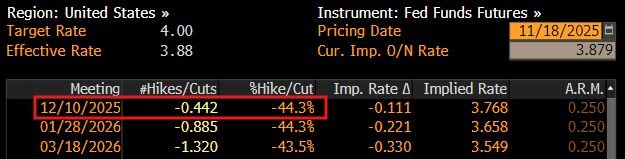
On Friday, the Dow Jones (US30) surged by 1.89% (+1.49% for the week). The S&P 500 (US500) gained 1.52% (+0.34% for the week), and the tech-heavy Nasdaq (US100) closed 1.54% higher (down -0.56% for the week). The US stocks skyrocketed on Friday after Fed Chair Jerome Powell’s speech at Jackson Hole signaled a potential September rate cut, triggering the strongest cross-asset rally since April. Speaking at the annual Fed symposium, Powell noted that a shift in the balance of risks to the economy “could call for an adjustment to our policy,” while also warning that inflationary pressures persist. Traders quickly raised the odds of a 25 bps rate cut in September to around 91%. Tech stocks performed particularly well, with Tesla jumping 6.2%, Meta, Alphabet, and Amazon all gaining more than 2%, and Nvidia up 1.7%. Intel shares soared 5.5% on reports that the Trump administration plans to acquire a 10% stake in the chipmaker.

The Canadian dollar strengthened to 1.39 per US dollar as weakness in the greenback outweighed poor domestic data. In Canada, the mood also turned more dovish for the Bank of Canada, as July retail sales were projected to have fallen 0.8%, the second-steepest decline in a year, highlighting the volatility in retail sales amid trade uncertainty with the US. Core average inflation held steady at 3.0% against expectations of 3.1%, and employment data showed an unexpected loss of 41,000 jobs in July versus expectations for a gain of 13,500. This kept the unemployment rate at 6.9%, reinforcing the case for a looser policy.

The Mexican peso strengthened to approximately 18.6 per US dollar, nearing its yearly high, driven by the weaker US dollar. Jerome Powell’s Jackson Hole speech increased the likelihood of a September Fed rate cut, which pushed the US dollar lower. This eased pressure on the dollar as a whole and supported emerging market currencies. At the same time, Banxico’s quarter-point rate cut to 7.75% on August 15 was a split decision, and the minutes omitted previous language promising further easing. This signals a gradual approach to easing rather than an aggressive pivot, maintaining a positive real yield.

European stock markets traded without a clear direction on Friday. The German DAX (DE40) rose by 0.29% (+0.20% for the week), the French CAC 40 (FR40) closed positive 0.40% (+0.51% for the week), the Spanish IBEX 35 (ES35) gained 0.61% (+0.81% for the week), and the British FTSE 100 (UK100) closed 0.13% higher (+2.00% for the week). Germany’s economy shrank by 0.3% quarter-on-quarter from April to June, a steeper contraction than the previous estimate of 0.1% and following a 0.3% growth in the first quarter.

WTI crude oil prices hit $63 a barrel on Friday, marking their first weekly gain in three weeks as geopolitical tensions and supply dynamics kept markets volatile. Uncertainty increased after Russia launched new airstrikes on Ukraine and Ukraine struck a refinery and a key oil pumping station, disrupting supplies on the “Druzhba” pipeline. Meanwhile, US crude oil stockpiles shrank by 6 million barrels last week, significantly more than expected, suggesting high demand and providing support for prices.

Silver soared to $39 per ounce, nearing its 14-year high of $39.5 reached in late July, amid the prospect of a Fed rate cut. Markets also assessed demand for silver’s industrial use. On the industrial front, new data showed that China’s solar panel exports surged more than 70% in the first half of the year, driven by rising demand for photovoltaics in India. This follows China installing over 93 gigawatts of solar panels in May, a 300% increase from a year earlier and a new record high.

Asian markets were mostly higher last week. Japan’s Nikkei 225 (JP225) fell by 1.89%, while China’s FTSE China A50 (CHA50) climbed 3.03%, Hong Kong’s Hang Seng (HK50) gained 0.18%, and Australia’s ASX 200 (AU200) ended the week up 0.32%.

Singapore’s annual inflation rate slowed to 0.6% in July 2025 from 0.8% in the previous month, slightly below market expectations of 0.7%. On a monthly basis, consumer prices fell by 0.4%, the sharpest decline in six months, compared to a 0.1% drop in the prior period. Meanwhile, the annual core inflation rate in July fell to a four-month low of 0.5%, missing market estimates and a 0.6% gain in the previous month.

S&P 500 (US500) 6,466.91 +96.74 (+1.52%)

Dow Jones (US30) 45,631.74 +846.24 (+1.89%)

DAX (DE40) 24,363.09 +69.75 (+0.29%)

FTSE 100 (UK100) 9,138.90 +12.20 (+0.13%)

USD Index 97.73 −0.89 (−0.90%)

News feed for: 2025.08.25

  • New Zealand Retail Sales (m/m) at 01:45 (GMT+3);
  • German Ifo Business Climate (m/m) at 11:00 (GMT+3);
  • US New Home Sales (m/m) at 17:00 (GMT+3).

By JustMarkets


This article reflects a personal opinion and should not be interpreted as an investment advice, and/or offer, and/or a persistent request for carrying out financial transactions, and/or a guarantee, and/or a forecast of future events.
Euro Rallies Against Dollar After Powell’s Cautious Jackson Hole Speech

By RoboForex Analytical Department

The euro strengthened against the US dollar on Friday following a speech by Federal Reserve Chair Jerome Powell at the Jackson Hole Economic Symposium, closing the week on a positive note. While Powell acknowledged the potential for an interest rate cut as soon as September, he refrained from making any explicit commitments.

The EUR/USD pair rose to 1.1728, reaching its highest level since 28 July.

Market expectations for a rate cut at the Fed’s September meeting (16–17) now stand at 85%. For the remainder of the year, market pricing points to a more dovish outlook, with an average of 54 basis points of easing anticipated, up from 48 basis points previously.

Investor attention is now shifting to labour market data. Powell noted that the market is in an unusual balance, with both demand for and supply of workers slowing. The trajectory of employment will be a key determinant for the Fed’s future policy decisions.

An additional factor weighing on the dollar is the growing scrutiny surrounding the Fed’s independence. Last week, US President Donald Trump called for the resignation of Federal Reserve Governor Lisa Cook and suggested she could be dismissed. This has further fuelled concerns about political pressure being exerted on the central bank.

Technical Analysis: EUR/USD

H4 Chart:

On the H4 chart, the market has formed a consolidation range around the 1.1566 level. Following an upward breakout, the corrective wave appears to have completed at the 1.1742 high. The primary focus is now on the potential initiation of a new bearish wave targeting the 1.1550 level. This scenario is technically supported by the MACD indicator, whose signal line remains below zero and is pointing decisively lower.

H1 Chart:

On the H1 chart, the market completed an ascending wave to the 1.1742 level and subsequently formed a consolidation range below it. The price has now broken downwards out of this range. The immediate outlook suggests a high probability of a further decline towards the 1.1664 support level. Following this, a corrective bounce towards 1.1694 is possible. The broader structure is then expected to resume its downward trajectory, targeting 1.1590, with the ultimate bearish objective for the wave structure seen at 1.1550. This view is corroborated by the Stochastic oscillator, whose signal line is currently below the 50 midline and is trending sharply lower towards the 20 level.

Conclusion

While fundamental drivers from the Fed provided a lift, the technical picture suggests the euro’s rally may be limited in the near term.


Disclaimer

Any forecasts contained herein are based on the author’s particular opinion. This analysis may not be treated as trading advice. RoboForex bears no responsibility for trading results based on trading recommendations and reviews contained herein.

PMI data highlights the resilience of major European economies. Japan to raise interest rate on long-term government bonds

By JustMarkets 

On Thursday, the Dow Jones Industrial Average (US30) fell by 0.34%, the S&P 500 (US500) dropped by 0.40%, and the Nasdaq (US100) closed down 0.34%. Walmart influenced the sentiment, plunging 4.5% after missing quarterly earnings expectations for the first time since 2022, despite raising its full-year sales and profit expectations. Weakness in other retail stocks heightened concerns about consumer resilience amid higher tariffs and uneven spending. On the data front, jobless claims rose more than expected, while the S&P Global Composite PMI indicated the highest rate of business activity in three years, suggesting a mixed economic backdrop. Investors are now awaiting a speech from Fed Chair Powell on Friday for signals on the Central Bank’s next moves. Futures are pricing in a 73% probability of a September rate cut.

The Mexican peso stabilized at 18.76 per dollar. Markets were digesting Banxico’s decision to cut its key rate by 25 basis points to 7.75% in a split vote. The minutes highlighted that headline inflation for July declined to 3.51%, while core inflation remained elevated at 4.23%. This combination points to both monetary easing and lingering inflation concerns.

European stock markets traded with mixed dynamics yesterday. Germany’s DAX (DE40) rose by 0.07%, France’s CAC 40 (FR40) closed down 0.44%, Spain’s IBEX35 (ES35) rose by 0.08%, and the UK’s FTSE 100 (UK100) closed up 0.23%. Frankfurt’s DAX pared its earlier losses to close slightly higher as traders weighed encouraging PMI data and positive developments in US-EU trade against ongoing uncertainty surrounding peace talks in Ukraine. Preliminary PMI data for August underscored the resilience of major European economies in the face of US tariffs and global uncertainty. Germany’s private sector activity in August rose slightly from the previous month, driven by higher-than-expected manufacturing figures. On the trade front, Brussels and Washington today released a long-awaited joint statement on a trade deal they brokered nearly a month ago, confirming that automobiles, semiconductors, and pharmaceuticals would be subject to no more than 15% tariffs upon import to the US.

WTI crude oil prices rose by 1.3% to $63.5 per barrel on Thursday, supported by signs of high US demand and uncertainty regarding efforts to end the war in Ukraine. A sharp 6 million-barrel reduction in US crude oil inventories, significantly exceeding expectations, also boosted sentiment, although an increase in Cushing stockpiles suggests that underlying demand may be less robust. Geopolitical tensions escalated, with Russia warning that peace efforts without Moscow’s participation are futile and the US announcing new tariffs on Indian goods in response to Delhi’s heavy reliance on Russian oil imports.

Asian markets also traded without any clear trend yesterday. Japan’s Nikkei 225 (JP225) fell by 0.65%, China’s FTSE China A50 (CHA50) rose by 0.51%, Hong Kong’s Hang Seng (HK50) fell by 0.24%, and Australia’s ASX 200 (AU200) showed a positive result of 1.13%.

Japan’s Ministry of Finance is preparing to raise the assumed interest rate on long-term government bonds to 2.6% in its budget requests for the 2026/27 fiscal year, which would be the highest level in 17 years. The previously assumed bond interest rate was set at 2.1% at the budget request stage for fiscal year 2025, and was later revised down to 2.0% in the final budget. The planned rate increase will lead to higher debt servicing costs. According to Kyodo News, the finance ministry will allocate about 30 trillion yen (approximately $202 billion) for debt service in its 2026/27 fiscal year budget request. This will be a record high, driven by rising long-term interest rates, the report said.

Malaysia’s annual inflation rate in July 2025 rose to 1.2% from a 4-year low of 1.1% in June, matching market expectations. Core inflation, which excludes volatile prices for fresh food and administrative services, has held at 1.8% y/y for the third consecutive month, remaining at its highest level since November 2023. On a monthly basis, consumer prices rose by 0.1%, matching the increase from the previous three months.

S&P 500 (US500) 6,370.17 −25.61 (−0.40%)

Dow Jones (US30) 44,785.50 −152.81 (−0.34%)

DAX (DE40) 24,293.34 +16.37 (+0.07%)

FTSE 100 (UK100) 9,309.20 +21.06 (+0.23%)

USD Index 98.65 +0.43 (+0.44%)

News feed for: 2025.08.22

  • Japan National Core CPI (m/m) at 02:30 (GMT+3);
  • Singapore Inflation Rate (m/m) at 08:00 (GMT+3);
  • UK Retail Sales (m/m) at 09:00 (GMT+3);
  • Canada Retail Sales (m/m) at 15:30 (GMT+3);
  • US Fed Chair Powell Speaks at 17:00 (GMT+3);
  • Jackson Hole Symposium (Day 2).

By JustMarkets


This article reflects a personal opinion and should not be interpreted as an investment advice, and/or offer, and/or a persistent request for carrying out financial transactions, and/or a guarantee, and/or a forecast of future events.