Archive for Economics & Fundamentals – Page 12

Silver Surges Past $108 for the First Time. Natural Gas Hits $6/MMBtu

By JustMarkets

On Friday, US stock markets closed mixed. The Dow Jones (US30) declined by 0.58% (-0.74% for the week), while the S&P 500 (US500) edged up 0.03% (-0.65% for the week). The tech-heavy Nasdaq (US100) gained 0.34% (-0.41% for the week). Energy companies led the day’s gains, and the technology segment was bolstered by Nvidia (+1.5%) and AMD (+2.3%) following signals from China regarding potential orders for H200 AI chips. Conversely, a sharp 17% drop in Intel shares, triggered by a weak forecast and news of operational challenges, weighed on the semiconductor sector and pulled down Broadcom, limiting overall gains. Macroeconomic data provided a conflicting picture: the University of Michigan consumer sentiment index was revised upward to a multi-month high, yet preliminary S&P Global PMIs pointed to a moderate slowdown in both services and manufacturing.

Geopolitical tensions escalated as US President Donald Trump threatened Canada with 100% tariffs on all exports to the US if Ottawa moves forward with a trade agreement with China, labeling such a move a “strategic error.” This follows Canada’s recent steps toward Beijing, including agreements to increase Chinese EV imports. Prime Minister Mark Carney stated he expects China to lower tariffs on Canadian canola following his recent meeting with Xi Jinping, the first visit by a Canadian leader to Beijing in eight years.

The Mexican peso (MXN) strengthened past the 17.4 mark against the dollar, returning to its June 2024 highs after a brief correction. Previously, the currency faced pressure from a global flight to safety amid US-Europe trade frictions sparked by Trump’s statements on Greenland. The peso’s recovery highlights its fundamental resilience, supported by the Bank of Mexico’s hawkish stance. The suspension of the easing cycle, with the key rate held at 7%, provides attractive real yields and continues to draw foreign investor interest into local debt instruments.

European equity markets mostly trended lower on Friday. Germany’s DAX (DE40) rose by 0.18% (-0.16% for the week), while France’s CAC 40 (FR40) fell 0.07% (+0.22% for the week). Spain’s IBEX 35 (ES35) dropped 0.67% (+0.23% for the week), and the UK’s FTSE 100 (UK100) slipped 0.07% (-0.90% for the week). In a sudden pivot at the Davos conference, President Trump temporarily walked back threats of tariffs against European countries that opposed the US acquisition of Greenland, citing a “framework deal” with NATO. While this eased immediate political tension, uncertainty regarding Washington’s long-term strategy remains. Macro data showed steady private-sector expansion in the Eurozone, as reflected in PMIs, reinforcing expectations that the ECB will maintain its current policy.

Silver (XAG) made history by breaking the $ 108-per-ounce threshold, driven by a weakening dollar, geopolitical strife, and economic uncertainty. The US dollar came under pressure as markets worried Europe might leverage its vast US assets in response to the Greenland crisis. Beyond macro factors, silver’s rally was fueled by a massive short squeeze, robust retail demand, and China’s tightening of export controls on industrial metals.

On Monday, US Natural Gas prices (XNG) surged by over 17%, exceeding $6/MMBtu for the first time since late 2022, as a historic winter storm gripped the nation. Prices have nearly doubled in the last two weeks, the largest gain on record, due to forecasts for sustained arctic temperatures. Inventory reports showed a larger-than-expected withdrawal of 120 billion cubic feet, and analysts anticipate further drawdowns as heating demand intensifies.
Asian markets showed mixed performance last week. Japan’s Nikkei 225 (JP225) rose by 0.86%, while the FTSE China A50 (CHA50) fell by 2.99%. Hong Kong’s Hang Seng (HK50) gained 0.41%, and Australia’s ASX 200 (AU200) closed the week down 0.27%.

The Singapore dollar (SGD) has strengthened to approximately 1.27 against the US dollar, marking its highest level since October 2014. This appreciation is fueled by capital inflows into safe-haven assets and market expectations that the Monetary Authority of Singapore (MAS) will maintain its current policy stance. The currency remains in steady demand due to its “safe haven” status, underpinned by Singapore’s AAA-rated bond market, high stock market dividend yields, and predictable economic policy amid heightened global uncertainty.

S&P 500 (US500) 6,915.61 +2.26 (+0.03%)

Dow Jones (US30) 49,098.71 −285.30 (−0.58%)

DAX (DE40) 24,900.71 +44.24 (+0.18%)

FTSE 100 (UK100) 10,143.44 −6.61 (−0.07%)

USD Index 97.46 -0.90% (-0.92%)

News feed for: 2026.01.26

  • German Ifo Business Climate (m/m) at 11:00 (GMT+2); – EUR (MED)
  • US Durable Goods Orders (m/m) at 15:30 (GMT+2). – USD (MED)

By JustMarkets


This article reflects a personal opinion and should not be interpreted as an investment advice, and/or offer, and/or a persistent request for carrying out financial transactions, and/or a guarantee, and/or a forecast of future events.


Week Ahead: US500 bulls set to charge 7,000 milestone?

By ForexTime 

  • FXTM’s US500 ↑ 1% YTD
  • Trading less than 1% away from 7,000 milestone
  • Fed decision + big tech earnings = market action?
  • “Mag 7” titans = almost 34% of US500 weight
  • Technical levels: 6800, 6950 and 7000

The final trading week of January could end with a bang thanks to a volley of high-impact events.

Top-level data, central bank decisions and big tech earnings will dominate the week ahead:

Monday, 26th January

  • EUR: Germany Ifo Business Climate (Jan)
  • USD: US Durable Goods Orders (Nov)

Tuesday, 27th January

  • AUD: Australia NAB Business Confidence (Dec)
  • USD: US Conference Board consumer confidence
  • WTI: US API Crude Oil Stocks Change (w/e Jan 23)

Wednesday, 28th January

  • AUD: Australia Inflation Rate (Dec)
  • EUR: Germany GfK Consumer Confidence (Feb)
  • CAD: BoC Interest Rate Decision
  • USD: Fed Interest Rate Decision
  • US500: Meta, Microsoft, Tesla earnings

Thursday, 29th January

  • NZD: New Zealand ANZ Business Confidence (Jan)
  • JPY: Japan Consumer Confidence (Jan)
  • CHF: SNB rate decision
  • EUR: Eurozone Economic Sentiment (Jan)
  • US500: Apple earnings

Friday, 30th January

  • JPY: Tokyo CPI, jobless rate, industrial production, retail sales
  • EUR: Germany GDP (Q4); Germany Inflation Rate (Jan); Eurozone GDP (Q4)
  • TWN: Taiwan GDP
  • CAD: Canada GDP (Nov, Dec)
  • US30: US PPI (Dec), Chevron earnings

Our focus falls on FXTM’s US500, which has gained just over 1% year-to-date.

Equities appear to be on the rebound after easing geopolitical risk surrounding Greenland lifted global sentiment.

Note: Trump has announced a “framework for a future deal” with NATO that will provide the US total and permanent access to Greenland.

With investors redirecting their attention back toward macro forces and tech, further upside could be on the cards ahead of big tech earnings and Fed rate decision.

Examining the charts, FXTM’s US500 remains in a bullish channel with the next key checkpoint at 7,000.

With all the above said, here are 3 factors that could trigger significant price swings:

1) Fed rate decision – Wednesday 28th Jan

The Fed is expected to leave interest rates unchanged in January but any clues on future policy moves may rock the US500.

President Donald Trump is expected to announce his new pick to lead the Federal Reserve by the end of the month. Speculation around who this could be may translate to additional levels of volatility.

According to Polymarket, it may be Kevin Warsh or Rick Rieder.

Traders are currently pricing a 30% chance that the Fed cuts rates by April with this jumping to 75% by June.

  • FXTM’s US500 may jump if the Fed signals that lower rates are down the road.
  • A cautious sounding Fed could cap upside gains on the index.

Note: The US500 is forecast to move 1% higher or 0.3% lower in a six-hour period post-release.

2) Big tech earnings

Four of the so-called “Magnificent” 7 tech giants with a combined market cap of over $10 trillion are set to publish their results in the week ahead.

Quarterly results from Meta, Microsoft, Tesla and Apple could provide fresh insight into how the industry fared last quarter amid concerns over an AI bubble.

Considering that the combined weight of Meta, Microsoft, Tesla and Apple makes up roughly 16% of the US500, the incoming earnings could mean business.

  • A solid set of results and optimistic forward guidance from tech titans may propel the US500 higher.
  • Should results disappoint and concerns be expressed about the earnings outlook, the US500 could fall.

3) Technical force

The US500 has staged a rebound on the daily charts with bulls back in the game. Prices are trading above the 50, 100, and 200-day SMA while the RSI signals further upside momentum.

  • A solid weekly close above the 6950 level may open the doors toward the 7000 milestone and beyond.
  • If prices slip below the 50-day SMA, this could trigger a decline toward 6800 and the 100-day SMA at 6770.


Forex-Time-LogoArticle by ForexTime


ForexTime Ltd (FXTM) is an award winning international online forex broker regulated by CySEC 185/12 www.forextime.com

Silver reached $99 per ounce. Natural gas jumped 70% in a week

By JustMarkets 

On Thursday, the US stock market rose steadily amid easing geopolitical tensions and encouraging macroeconomic data. By the end of the day, the Dow Jones (US30) increased by 0.63%. The S&P 500 (US500) gained 0.55%. The tech-heavy Nasdaq (US100) closed higher by 0.91%. President Donald Trump backed away from new tariff threats against Europe and outlined the framework for a future agreement regarding Greenland. The primary growth drivers were tech giants: Meta shares jumped 5.7%, Microsoft added 1.5%, Amazon 1.3%, Nvidia 0.8%, Alphabet 0.8%, and Apple 0.3%. The macroeconomic backdrop also supported risk appetite. Data showed a revision of US GDP growth for Q3 upward to 4.4%, initial jobless claims remained near 200,000, PCE inflation matched expectations, and consumer spending remained resilient. Collectively, this reduced concerns about the need for immediate monetary policy easing and bolstered investor confidence in the resilience of the US economy.

European equity markets rose yesterday. The German DAX (DE40) rose by 1.20%, the French CAC 40 (FR40) closed up 0.99%, the Spanish IBEX 35 (ES35) gained 1.28%, and the British FTSE 100 (UK100) finished positive 0.12%. The rebound occurred as sentiment improved across European markets after US President Donald Trump suspended tariff threats following a meeting with NATO Secretary General Mark Rutte. According to sources, talks in Davos led to an agreement to resume dialogue between the US and Denmark regarding the 1951 defense agreement related to Greenland, easing fears of further escalation. Major banking companies led the gains: Deutsche Bank, BNP Paribas, UniCredit, and Santander added between 3% and 4%.

The Swiss franc (CHF) traded near 0.79 per US dollar, remaining close to its strongest level since 2011, amid a steady, albeit moderate, inflow into safe-haven assets. After maintaining the key interest rate at 0% for two consecutive meetings, SNB officials signaled that cutting rates below zero carries significant risks. In the near term, markets expect neither easing nor tightening of monetary policy.

On Friday, silver (XAG) jumped nearly 3% to $99 per ounce, reaching new record highs as a weakening dollar provided additional support for precious metal prices. Investors fear that Europe may use its significant assets in the US as a retaliatory measure over the Greenland issue. The surge in silver prices was also driven by a historic short squeeze and active buying by retail investors, as well as tightening export controls from China.

WTI crude oil prices continued to decline on Thursday, dropping toward $59 per barrel amid growing concerns about a global supply glut. The International Energy Agency (IEA) reiterated that oil supply is expected to significantly exceed demand this year, despite a slight upward revision to the consumption growth projections. Additional pressure came from US Energy Information Administration (EIA) data showing a 3.6 million barrel increase in commercial crude inventories for the week ending January 16, significantly exceeding market expectations of a roughly 1 million barrel increase.

Severe freezing weather triggered a historic spike in US natural gas (XNG) prices, which rose above $5.53 per MMBtu, approaching levels last seen in December 2022. The sharp rise in quotes is linked to prognoses of extreme cold, which intensified expectations of a surge in demand while simultaneously increasing the risk of supply disruptions. US natural gas prices are showing a gain of more than 70% for the week, marking the sharpest weekly price jump since 1990.

Asian markets mostly rose yesterday. Japan’s Nikkei 225 (JP225) jumped 1.73%, China’s FTSE China A50 (CHA50) fell 0.28%, Hong Kong’s Hang Seng (HK50) gained 0.17%, and Australia’s ASX 200 (AU200) posted a positive result of 0.75%. The New Zealand dollar (NZD) declined to around $0.592 following higher-than-expected inflation data. In the fourth quarter, annual CPI growth accelerated to 3.1%, exceeding both the 3% prognosis and the Reserve Bank of New Zealand’s (RBNZ) target range, reaching its highest level since Q2 2024. Although the regulator still expects inflation to slow to 2% within the year, the strong figures reinforced the view that the policy easing cycle has concluded and increased the likelihood of interest rate hikes.

S&P 500 (US500) 6,913.35 +37.73 (+0.55%)

Dow Jones (US30) 49,384.01 +306.78 (+0.63%)

DAX (DE40) 24,856.47 +295.49 (+1.20%)

FTSE 100 (UK100) 10,150.05 +11.96 (+0.12%)

USD Index 98.31 -0.45% (-0.45%)

News feed for: 2026.01.23

  • Australia Manufacturing PMI (m/m) at 00:00 (GMT+2); – AUD (MED)
  • Australia Services PMI (m/m) at 00:00 (GMT+2); – AUD (MED)
  • Japan National Core Consumer Price Index (m/m) at 01:30 (GMT+2); – JPY (MED)
  • Japan Manufacturing PMI (m/m) at 02:30 (GMT+2); – JPY (MED)
  • Japan Services PMI (m/m) at 02:30 (GMT+2); – JPY (MED)
  • Japan BOJ Policy Rate at 05:00 (GMT+2); – JPY (HIGH)
  • Japan Monetary Policy Statement at 05:00 (GMT+2); – JPY (HIGH)
  • Japan BOJ Outlook Report at 05:00 (GMT+2); – JPY (HIGH)
  • Singapore Inflation Rate at 07:00 (GMT+2); – SGD (MED)
  • UK Retail Sales (m/m) at 09:00 (GMT+2); – GBP (MED)
  • Eurozone Manufacturing PMI (m/m) at 11:00 (GMT+2); – EUR (MED)
  • Eurozone Services PMI (m/m) at 11:00 (GMT+2); – EUR (MED)
  • UK Manufacturing PMI (m/m) at 11:30 (GMT+2); – GBP (MED)
  • UK Services PMI (m/m) at 11:30 (GMT+2); – GBP (MED)
  • Eurozone ECB President Lagarde Speech at 12:00 (GMT+2); – EUR (LOW)
  • Canada Retail Sales (m/m) at 15:30 (GMT+2); – CAD (MED)
  • US Manufacturing PMI (m/m) at 16:45 (GMT+2); – USD (MED)
  • US Services PMI (m/m) at 16:45 (GMT+2); – USD (MED)
  • US Michigan Inflation Expectations (m/m) at 17:00 (GMT+2). – USD (MED)

By JustMarkets


This article reflects a personal opinion and should not be interpreted as an investment advice, and/or offer, and/or a persistent request for carrying out financial transactions, and/or a guarantee, and/or a forecast of future events.
Trump ruled out the use of military force to acquire Greenland. Natural gas prices jumped 20%

By JustMarkets

The US stocks closed sharply higher on Wednesday, paring some of the previous session’s losses, after markets reacted positively to President Donald Trump’s statement at the World Economic Forum in Davos, where he ruled out the use of military force to acquire Greenland. By the end of the day, the Dow Jones (US30) rose by 1.26%. The S&P 500 (US500) climbed 1.16%. The tech-heavy Nasdaq (US100) closed higher by 1.18%. The technology sector was the primary driver of the growth: shares of AMD, Intel, and Micron jumped between 6% and 12%, while broader market segments also stabilized as fears of a sharp escalation in tensions between the US and Europe eased. However, uncertainty has not entirely vanished, as Trump reaffirmed his commitment to seeking control over Greenland and maintained the threat of economic pressure on European allies.

European equity markets traded with mixed performance yesterday. The German DAX (DE40) fell by 0.58%, the French CAC 40 (FR40) closed up 0.08%, the Spanish IBEX 35 (ES35) rose by 0.06%, and the British FTSE 100 (UK100) closed at positive 0.11%. The US President Donald Trump ruled out the use of military force to acquire Greenland and backed away from previously proposed tariffs on European countries, announcing the achievement of a framework for a future agreement with NATO, the details of which remain uncertain. At the same time, Denmark confirmed it has no intention of discussing the transfer of its territory to the US, and the European Parliament suspended the approval process for the EU-US trade agreement reached in July, maintaining a high level of uncertainty.

On Thursday, platinum (XPT) and silver (XAG) prices fell by more than 3%, retreating from all-time highs amid a general easing of precious metal prices.
WTI crude oil prices partially recovered their losses on Wednesday, rising toward the $60.5 per barrel level. Market sentiment improved following Trump’s comments in Davos, although tensions between the US and the EU persist, and the trade agreement remains frozen after the European Parliament suspended the ratification vote. Prices received additional support from revised expectations by the International Energy Agency, which raised its estimate for global oil demand growth in 2026 and slightly lowered expectations regarding the scale of the supply surplus.

Daily trading volume for US gas futures on the CME exchange broke an all-time record yesterday. On Wednesday, the US natural gas prices jumped more than 20% to $4.7 per MMBtu, continuing a sharp rally following a roughly 26% gain earlier in the week. Weather prognosis has shifted dramatically toward significant cooling. Updated expectations for the long holiday weekend indicate a deep and massive Arctic intrusion that will cover a large part of the country in the coming weeks.

Asian markets were mostly lower yesterday. Japan’s Nikkei 225 (JP225) fell by 0.41%, China’s FTSE China A50 (CHA50) dropped 0.35%, Hong Kong’s Hang Seng (HK50) rose by 0.37%, and Australia’s ASX 200 (AU200) posted a negative result of 0.37%.

On Thursday, the Australian dollar (AUD) strengthened to around $0.679, nearing a sixteen-month high, as easing tensions between the US and Europe improved global risk appetite, and strong labor market data bolstered expectations for policy tightening by the Reserve Bank of Australia (RBA). Statistics showed that employment rose by 65,200 in December, significantly exceeding expectations, while the unemployment rate unexpectedly fell to a seven-month low of 4.1%. Against this backdrop, markets sharply revised rate expectations, increasing the probability of a 25-basis-point hike at the February 3 meeting from 27% to 54%, while such a hike is already fully priced in by May.

The New Zealand dollar (NZD) strengthened to around $0.585, reaching a four-month high, ahead of the release of the fourth-quarter Consumer Price Index report on Friday, which could clarify the monetary policy outlook for the Reserve Bank of New Zealand. Annual inflation is expected to accelerate to 3%, reaching the upper bound of the RBNZ’s 1-3% target range, and any stronger reading could bolster the case for interest rate hikes. Recent macroeconomic data point to a steady economic recovery in the country, strengthening expectations that the regulator could move toward policy tightening later in the year.

S&P 500 (US500) 6,875.62 +78.76 (+1.16%)

Dow Jones (US30) 49,077.23 +588.64 (+1.21%)

DAX (DE40) 24,560.98 −142.14 (−0.58%)

FTSE 100 (UK100) 10,138.09 +11.31 (+0.11%)

USD Index 98.78 +0.14% (+0.14%)

News feed for: 2026.01.22

  • Japan Trade Balance (m/m) at 01:50 (GMT+2); – JPY (LOW)
  • Australia Unemployment Rate (m/m) at 02:30 (GMT+2); – AUD (MED)
  • Hong Kong Inflation Rate (m/m) at 10:30 (GMT+2); – HK50 (MED)
  • Norway Norges Bank Interest Rate Decision at 11:00 (GMT+2); – NOK (HIGH)
  • US GDP (m/m) at 15:30 (GMT+2); – USD (MED)
  • US Initial Jobless Claims (w/w) at 15:30 (GMT+2); – USD (MED)
  • US Core PCE Price Index (m/m) at 17:00 (GMT+2); – USD (HIGH)
  • US Natural Gas Storage (w/w) at 17:30 (GMT+2); – XNG (HIGH)
  • US Crude Oil Reserves (w/w) at 19:00 (GMT+2); – WTI (HIGH)
  • New Zealand Inflation Rate (q/q) at 23:45 (GMT+2). – NZD (HIGH)

By JustMarkets


This article reflects a personal opinion and should not be interpreted as an investment advice, and/or offer, and/or a persistent request for carrying out financial transactions, and/or a guarantee, and/or a forecast of future events.
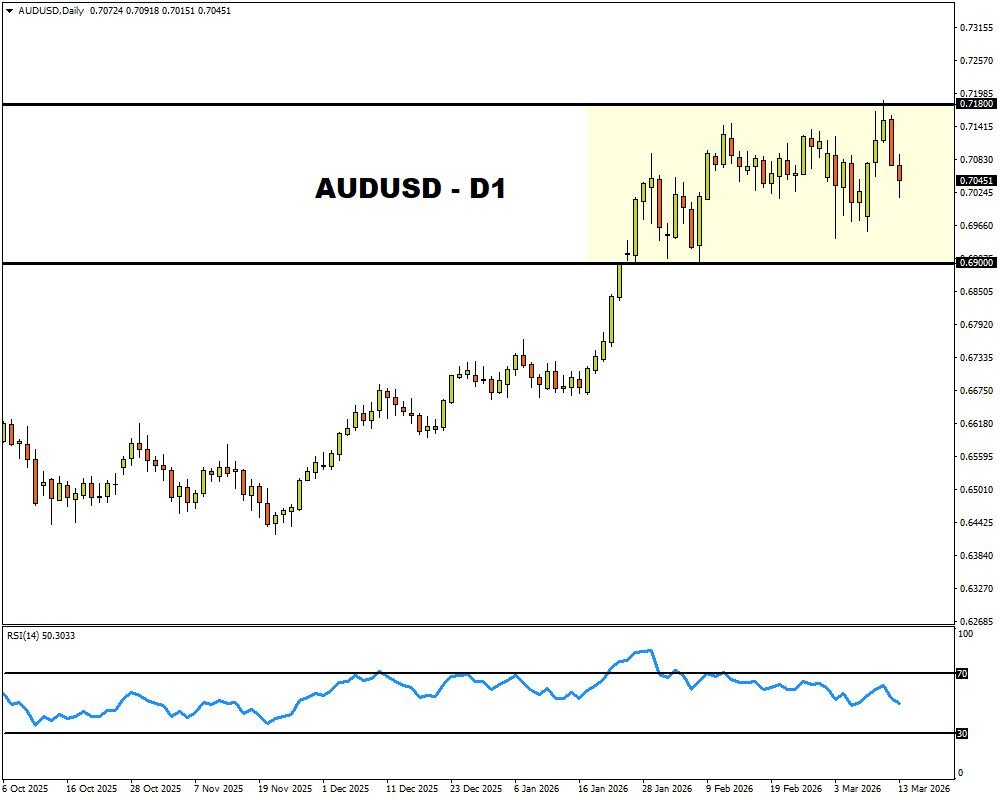
Mid-Week outlook: Gold hits ATH, Trump in Davos, NatGas surges

By ForexTime 

  • Gold hits fresh record above $4885
  • Trump lands in Davos for speech – Greenland in focus
  • Natgas gains over 50% since last Friday
  • Bitcoin under pressure below $90,000

It’s been an intense week marked by geopolitical tensions and extreme market volatility.

Markets seem to be stabilizing ahead of Trump’s speech in Davos, with a rebound in long-dated Japanese bonds lifting risk appetite.

Trump is expected to speak at 1:30 PM GMT about the US economy, the international “Board of Peace”, and most importantly, Greenland negotiations.

Should he strike a more conciliatory tone and retract initial threats, this could lift overall market sentiment.

In the commodities space, gold surged to a fresh all-time high above $4885 – pushing 2026 gains to over 13%.

It’s been a flat week for silver thus far, but it remains a champion in the precious metal space, up over 30% year-to-date.

With geopolitical flashpoints across the globe accelerating the flight to safety, the path of least resistance for gold remains north.

Beyond geopolitics, central bank buying and prospects of lower US rates are likely to keep gold/silver bulls in the game.

Speaking of bulls, natural gas has experienced an explosive rally, surging over 50% since last Friday to reach $4.8/MMBtu – its highest level in five weeks.

This rally was sparked by extreme weather forecasts: NOAA has issued warnings for severe cold and winter storms across the US through late January, which is set to sharply boost heating demand.

Looking at cryptos, Bitcoin remains under pressure with prices trading below $90,000.

Overall market caution has contributed to the recent selloff, with weakness below $87,500 signaling a further decline toward $83,000 and $77,500.


Forex-Time-LogoArticle by ForexTime


ForexTime Ltd (FXTM) is an award winning international online forex broker regulated by CySEC 185/12 www.forextime.com

Stock indices are under sell-off pressure due to rising geopolitical risks

By JustMarkets 

The US stock markets closed with a sharp decline: the Dow Jones (US30) fell by 1.76%, the S&P 500 (US500) shed 2.06%, and the tech-heavy Nasdaq (US100) closed lower by 2.39%. The sell-off was triggered by mounting trade risks after President Donald Trump threatened to impose new 10% tariffs on goods from eight European countries starting February 1, which could be hiked to 25% by June, due to their opposition to US control over Greenland. These statements undermined expectations for stable cross-border trade and intensified overall market risk aversion. Stocks were further pressured by rising US Treasury yields, while reports of a Danish pension fund’s plans to reduce its holdings in US Treasuries added to investor anxiety.

The heaviest losses were sustained by major tech companies and semiconductor manufacturers: Nvidia (NVDA) shares dropped 4.4%, Broadcom (AVGO) fell by 5.4%, and Oracle (ORCL) slid 5.8%, as investors actively trimmed positions in high-beta stocks.

The Mexican peso (MXN) weakened to around 17.62 per U.S. dollar, snapping its rally toward July 2024 highs, amid renewed geopolitical and trade frictions that triggered a global flight to safety. New US threats of tariffs on European goods boosted demand for safer, more liquid assets, putting pressure on emerging market currencies, including the peso. Nevertheless, fundamental support for the Mexican currency remains due to attractive domestic asset yields and an increasingly cautious stance from the Bank of Mexico. Mexico manages to maintain one of the highest real yield differentials among emerging markets, supporting capital inflows into peso-denominated fixed-income instruments.

European equity markets mostly declined yesterday. The German DAX (DE40) fell by 1.03%, the French CAC 40 (FR40) closed down 0.61%, the Spanish IBEX 35 (ES35) dropped 1.34%, and the British FTSE 100 (UK100) closed down by 0.67%. The US President Donald Trump ramped up his administration’s efforts to acquire Greenland from Denmark following the imposition of tariffs on key European trading partners, along with a threat to set a 200% tariff on French wines in response to President Emmanuel Macron’s refusal to join Trump’s proposed “Peace Council.” Against this backdrop, banks and insurance companies showed sharp declines, following the global downturn in the financial sector, as rising Japanese government bond yields added pressure to European sovereign debt markets.

WTI crude oil prices rose by more than 1%, climbing toward the $60 per barrel level and recovering from a dip below $59 earlier in the session. The market was supported by reports that Kazakhstan’s largest oil producer temporarily suspended production due to fires at energy facilities. Simultaneously, traders continued to assess the heightened geopolitical tensions between the US and Europe. Ahead of his speech in Davos, President Donald Trump reiterated that the United States must secure control over Greenland. The sharpening rhetoric revived fears of a broader trade conflict between the US and Europe, which could potentially weigh on global economic growth, although the direct impact of these risks on oil prices remains limited for now.
On Tuesday, the US natural gas prices (XNG) surged more than 25% to $3.9 per MMBtu, their highest level in three weeks, as prognoses of a sharp cold snap drove weather-driven price gains. The most severe cold is expected in the final week of January. Meanwhile, gas production remains high, and LNG exports have slightly decreased.

Asian markets declined yesterday. Japan’s Nikkei 225 (JP225) fell by 1.11%, China’s FTSE China A50 (CHA50) dropped 0.90%, Hong Kong’s Hang Seng (HK50) shed 0.29%, and Australia’s ASX 200 (AU200) posted a negative result of 0.66%.

The Australian dollar (AUD) held near a two-week high on Wednesday as the US currency continued to be weighed down by intensifying geopolitical tensions. Investors are also focused on the upcoming release of Australian labor market data, which could influence monetary policy expectations. Projections point to a recovery in employment for December by approximately 30,000 people following an unexpected contraction in November, while the unemployment rate is expected to rise slightly to 4.4%, in line with Reserve Bank of Australia (RBA) estimates. Weaker-than-expected figures would reduce the likelihood of a rate hike in the near term.

The New Zealand dollar (NZD) traded near $0.583, remaining close to a three-week high amid a weakening US dollar caused by renewed trade tensions between the US and the EU. On the domestic front, a series of encouraging macroeconomic data points toward an accelerating economic recovery in New Zealand, bolstering expectations that the Reserve Bank of New Zealand (RBNZ) will begin tightening monetary policy in the second half of the year. While markets are pricing in almost no change for the February meeting, the probability of a rate hike by July already exceeds 50%.

S&P 500 (US500) 6,796.86 −143.15 (−2.06%)

Dow Jones (US30) 48,488.59 −870.74 (−1.76%)

DAX (DE40) 24,703.12 −255.94 (−1.03%)

FTSE 100 (UK100) 10,126.78 −68.57 (−0.67%)

USD Index 99.58 −0.82% (−0.83%)

News feed for: 2026.01.21

  • UK Inflation Rate (m/m) at 09:00 (GMT+2); – GBP (HIGH)
  • Eurozone ECB President Lagarde Speech at 09:30 (GMT+2); – EUR (LOW)
  • US Pending Home Sales (m/m) at 17:00 (GMT+2). – USD (MED)

By JustMarkets


This article reflects a personal opinion and should not be interpreted as an investment advice, and/or offer, and/or a persistent request for carrying out financial transactions, and/or a guarantee, and/or a forecast of future events.
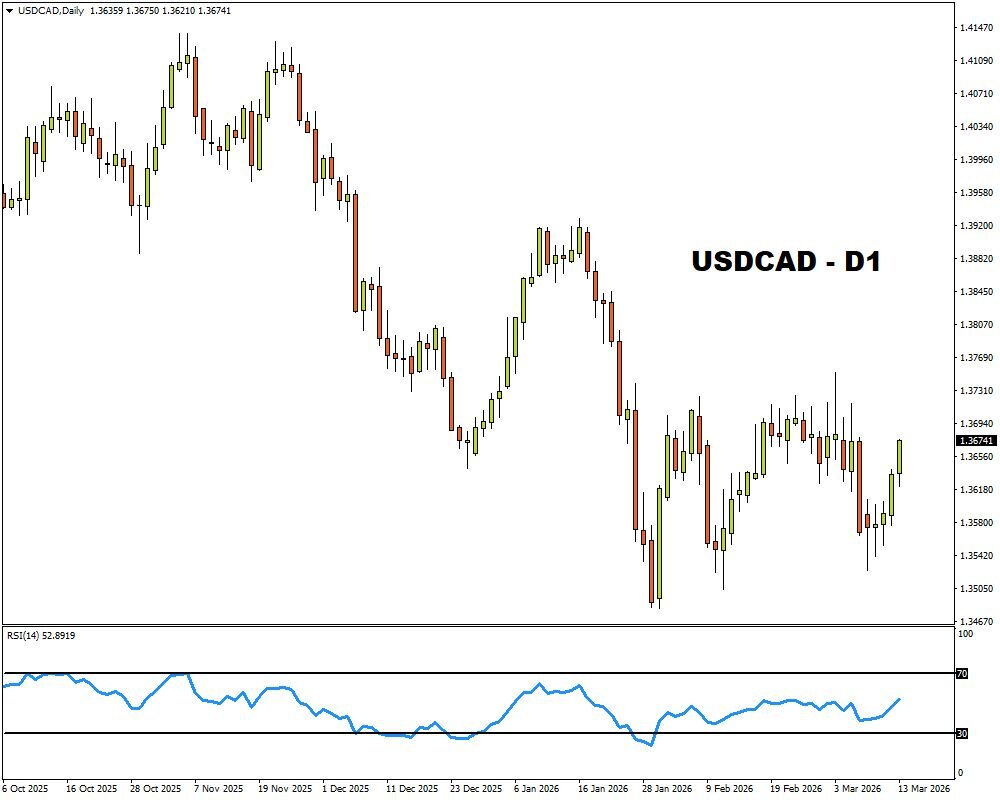
Natural gas prices jumped more than 17%. Silver is at an all-time high

By JustMarkets

The US stock indices did not trade yesterday due to a bank holiday.

The Canadian dollar (CAD) strengthened above 1.39 against the US dollar. The currency was supported by a weakening US dollar and a mixed but overall moderately positive interpretation of the latest Canadian inflation data. The headline Consumer Price Index (CPI) unexpectedly rose to 2.4% in December, exceeding market expectations and coming in slightly above the Bank of Canada’s (BoC) short-term projections, which had anticipated inflation fluctuations near the 2% target. At the same time, median core inflation fell to a yearly low of 2.5%, indicating a partial easing of underlying price pressures. However, the combination of higher headline inflation and persistent demand reinforced the case for a more cautious approach by the Bank of Canada regarding the timing and pace of potential interest rate cuts.

European equity markets mostly declined on Monday. The German DAX (DE40) dropped by 1.34%, the French CAC 40 (FR40) closed down 1.78%, the Spanish IBEX 35 (ES35) fell by 0.26%, and the British FTSE 100 (UK100) closed at negative 0.39%. The DAX (DE40) slid to its lowest level since January 6, amid deteriorating sentiment in European markets due to the threat of renewed trade tensions between the US and the EU. The US President Donald Trump announced intentions to impose 10% tariffs starting February 1 on all imports from Denmark, Norway, Sweden, France, Germany, the UK, the Netherlands, and Finland, warning that the rate could be increased to 25% in the absence of an agreement on the “full and final purchase of Greenland.” These statements heightened investor fears of trade escalation, especially following reports that the European Union is considering retaliatory measures, including tariffs on US goods worth up to 93 billion euros or restricting US companies’ access to the European market. Against this backdrop, automaker stocks plummeted: shares of BMW, Volkswagen, Daimler Truck, Porsche, and Mercedes-Benz lost up to 3.7%, reflecting the sector’s vulnerability to trade barriers.

The Swiss franc (CHF) strengthened to around 0.798 per US dollar, holding near 2011 highs as escalating geopolitical rhetoric from the US boosted demand for safe-haven assets. The rally was triggered by President Donald Trump’s statements regarding the intent to impose new tariffs on European goods over the Greenland dispute, which increased global market nervousness and supported haven currencies. Investors are also focused on the upcoming World Economic Forum in Davos, starting January 20. Key global central bankers, including Swiss National Bank Chairman Martin Schlegel, are expected to speak. Markets continue to operate on the assumption that the SNB will maintain its key interest rate at 0% for the foreseeable future.

On Tuesday, silver (XAG) traded near $94.5 per ounce, remaining at record-high levels amid rising demand for safe-haven assets due to escalating tensions between the US and Europe. Additional volatility in the silver market in recent sessions was driven by the Trump administration’s decision to forgo tariffs on essential minerals, including silver, which was added to the US critical minerals list last year due to its key role in green energy technology and electronics.
Platinum prices (XPT) declined to approximately $2,340 per ounce but remained near record levels amid increased demand for precious metals as haven assets due to the worsening tensions between the US and Europe. Analysts note that Europe holds approximately $10 trillion in US bonds and stocks, part of which is held in sovereign wealth funds and could potentially be used as leverage in the new trade confrontation. Additional volatility in the platinum market in recent sessions came from Trump’s decision to temporarily hold off on tariffs for key minerals, including platinum, instead instructing the administration to seek alternative suppliers among international trade partners.

The US natural gas prices jumped more than 17% to $3.65 per MMBtu, sharply rebounding from a 13-week low of $3.10 recorded last week. The surge was driven by an intensifying Arctic cold wave sweeping across much of the country. A sudden shift from mild weather prognoses to a scenario of severe and prolonged cold triggered a rapid market re-evaluation as traders began pricing in significantly higher heating fuel demand.

Asian markets declined yesterday. Japan’s Nikkei 225 (JP225) fell by 0.65%, China’s FTSE China A50 (CHA50) dropped 1.13%, Hong Kong’s Hang Seng (HK50) shed 1.05%, and Australia’s ASX 200 (AU200) posted a negative result of 0.33%.

On Tuesday, the offshore yuan stabilized near the 6.96 level per dollar, remaining close to a 32-month high following the Chinese central bank’s decision to leave loan prime rates unchanged. The People’s Bank of China (PBoC) kept the one-year and five-year benchmark rates at 3.0% and 3.5%, respectively, extending the period of policy stability to eight months and confirming a course of targeted economic support rather than broad-based monetary easing.

S&P 500 (US500) 6,940.01 0 (0%)

Dow Jones (US30) 49,359.33 0 (0%)

DAX (DE40) 25,297.13 −55.26 (−0.22%)

FTSE 100 (UK100) 10,235.29 −3.65 (−0.04%)

USD Index 99.38 +0.05% (+0.05%)

News feed for: 2026.01.20

  • China PBoC Loan Prime Rate at 03:15 (GMT+2); – CHA50, HK50 (MED)
  • UK Average Earnings Index (m/m) at 09:00 (GMT+2); – GBP (MED)
  • UK Claimant Count Change (m/m) at 09:00 (GMT+2); – GBP (MED)
  • UK Unemployment Rate (m/m) at 09:00 (GMT+2); – GBP (MED)
  • UK BOE Gov Bailey Speaks at 11:45 (GMT+2); – GBP (LOW)
  • Eurozone ZEW Economic Sentiment (m/m) at 12:00 (GMT+2); – EUR (LOW)
  • Switzerland SNB Chairman Schlegel Speaks at 18:30 (GMT+2). – CHF (LOW)

By JustMarkets


This article reflects a personal opinion and should not be interpreted as an investment advice, and/or offer, and/or a persistent request for carrying out financial transactions, and/or a guarantee, and/or a forecast of future events.
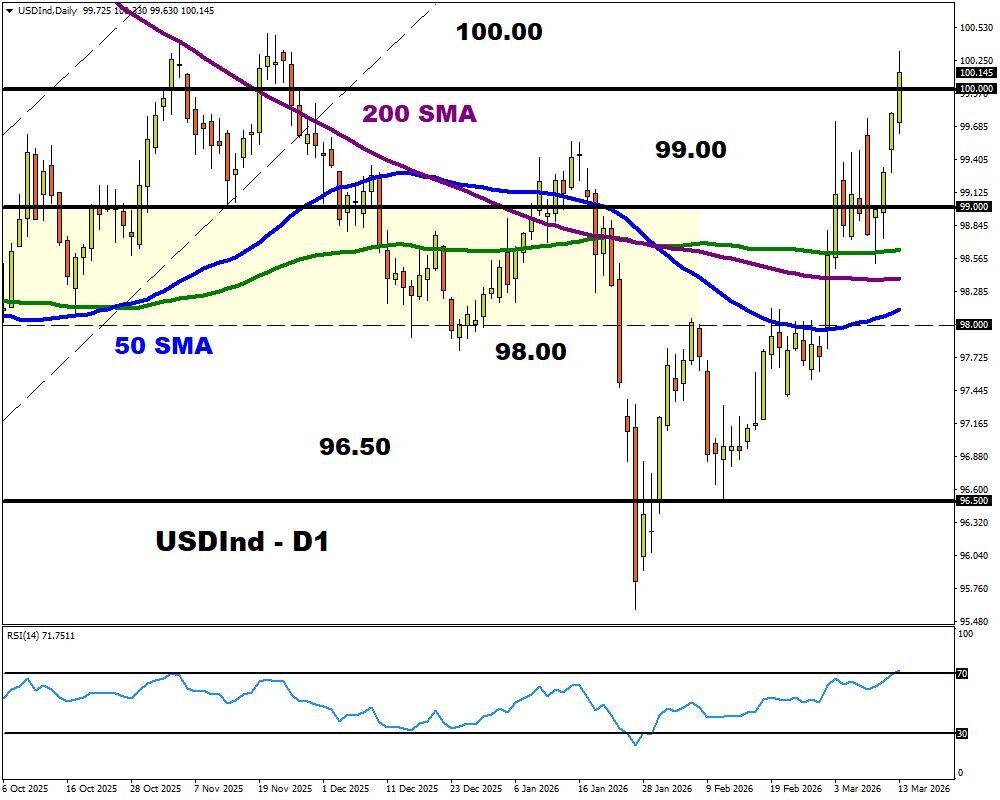
Trump escalates trade risks with Europe over Greenland

By JustMarkets

On Friday, US stock markets generally ended the session without a clear direction amid mixed geopolitical signals, uncertainty surrounding future Federal Reserve policy, and the start of the fourth-quarter earnings season. By Friday’s close, the Dow Jones (US30) declined by 0.17% (-0.28% for the week). The S&P 500 (US500) shed 0.06% (-0.06% for the week). The tech-heavy Nasdaq (US100) closed 0.07% lower (-0.34% for the week). Investors also assessed political news: President Donald Trump signaled that he might keep economic advisor Kevin Hassett in his current role rather than nominating him as Fed Chair, fueling speculation that former Fed Governor Kevin Warsh could be the frontrunner for the position.

Equity markets in Europe mostly fell on Friday. Germany’s DAX (DE40) fell by 0.22% (+0.19% for the week), France’s CAC 40 (FR40) closed down 0.65% (-1.00% for the week), Spain’s IBEX 35 (ES35) gained 0.39% (+0.94% for the week), and the UK’s FTSE 100 (UK100) closed at negative 0.04% (+1.09% for the week). Attention was also on macroeconomic data: German inflation in December 2025 was confirmed at 1.8%, dropping from 2.3% in November and falling below the ECB’s 2% target for the first time since September 2024.

European stock markets opened sharply lower on Monday following the escalation of trade risks after US President Donald Trump’s statements regarding potential new tariffs on goods from eight European countries. The measure is viewed as a leverage tool to pressure these nations into supporting the Greenland acquisition plan. According to Trump, NATO allies opposing the plan, including Denmark, Norway, Sweden, Finland, Germany, the UK, France, and the Netherlands, could face 10% tariffs as early as February 1, rising to 25% in June if no agreement is reached. In response, European leaders have begun discussing potential countermeasures, including reviving last year’s initiatives to impose tariffs on American goods, while French President Emmanuel Macron reportedly called for the activation of the EU’s anti-coercion instrument.

On Friday, silver (XAG) fell by more than 4%, dropping below $88.7 per ounce, continuing a sharp decline following high volatility in the previous session as the US decision to refrain from imposing tariffs on critical minerals removed a key market driver. Earlier in the week, threats of potential US import tariffs triggered a rapid rally in commodities: silver and other metals hit record levels as traders rushed to direct shipments to the US before potential restrictions took effect.
WTI crude oil prices traded near $59.3 per barrel on Monday following a fourth consecutive week of gains, as the market entered a consolidation phase amid easing geopolitical tensions surrounding Iran. Supply disruption concerns moderated after US President Donald Trump suggested a potential delay in military action last week, following Tehran’s pledge to halt the execution of protesters. However, renewed trade conflict risks remain a significant source of uncertainty for global energy demand. Over the weekend, the US President announced plans to impose 10% tariffs on goods from eight European countries effective February 1, with the potential to increase the rate to 25% by June, absent an agreement on the “purchase of Greenland.” These developments have intensified fears of a global economic slowdown and subsequent downward pressure on oil demand.

Asian markets traded with mixed results last week. Japan’s Nikkei 225 (JP225) rose by 5.00%, the FTSE China A50 (CHA50) fell by 1.54%, Hong Kong’s Hang Seng (HK50) gained 1.77%, and Australia’s ASX 200 (AU200) showed a 5-day positive result of 1.95%.

On Monday, the offshore yuan strengthened to approximately 6.96 per dollar, reaching a 32-month high supported by the People’s Bank of China (PBoC), which set its strongest daily fixing in over two years. This factor outweighed mixed economic data: China’s Q4 GDP growth slowed to 4.5% from 4.8% in Q3, the weakest pace in nearly three years, yet still exceeded market expectations of 4.4%. For the full year, the economy grew by 5%, meeting the government’s target and matching 2024 growth rates, largely due to a record trade surplus as robust exports to non-US markets offset pressure from American tariffs. Meanwhile, December statistics pointed to weakening domestic consumption and an accelerating decline in investment, while industrial production showed improvement.

S&P 500 (US500) 6,940.01 −4.46 (−0.064%)

Dow Jones (US30) 49,359.33 −83.11 (−0.17%)

DAX (DE40) 25,297.13 −55.26 (−0.22%)

FTSE 100 (UK100) 10,235.29 −3.65 (−0.04%)

USD Index 99.38 +0.05% (+0.05%)

News feed for: 2026.01.19

  • China GDP (m/m) at 04:00 (GMT+2); – CHA50, HK50 (MED)
  • China Industrial Production (m/m) at 04:00 (GMT+2); – CHA50, HK50 (LOW)
  • China Retail Sales (m/m) at 04:00 (GMT+2); – CHA50, HK50 (MED)
  • China Unemployment Rate (m/m) at 04:00 (GMT+2); – CHA50, HK50 (MED)
  • Eurozone Inflation Rate (m/m) at 12:00 (GMT+2); – EUR (MED)
  • Canada Inflation Rate (m/m) at 15:30 (GMT+2); – CAD (HIGH)
  • Canada BoC Business Outlook Survey (m/m) at 17:30 (GMT+2). – CAD (LOW)

By JustMarkets


This article reflects a personal opinion and should not be interpreted as an investment advice, and/or offer, and/or a persistent request for carrying out financial transactions, and/or a guarantee, and/or a forecast of future events.
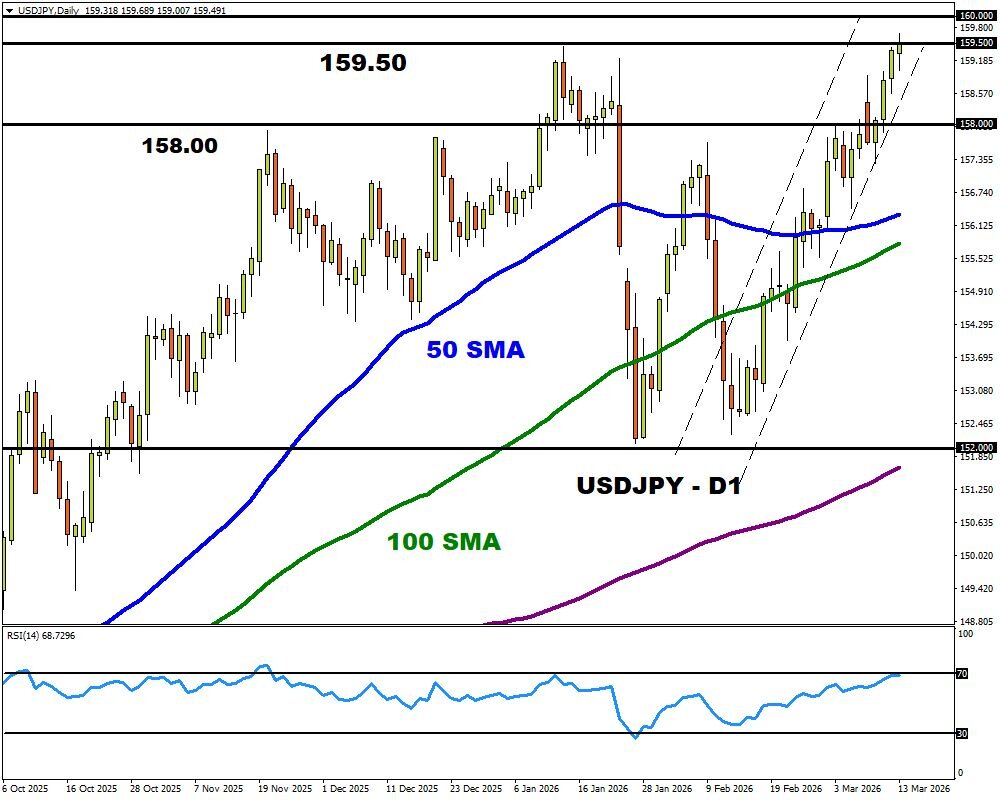
Oil tumbles 5%. Tech rally pushes US stocks higher

By JustMarkets 

The US stocks rose firmly on Thursday, driven by a sharp improvement in sentiment within the technology sector and a generally positive flow of macroeconomic data. At the close of Thursday, the Dow Jones Index (US30) gained 0.60%. The S&P 500 (US500) rose by 0.26%. The technology-heavy Nasdaq (US100) finished higher by 0.26%. The key market driver was the earnings report from Taiwan Semiconductor Manufacturing Company (TSMC), which bolstered investor confidence in the long-term AI-related investment cycle. The company reported a 35% increase in fourth-quarter profit and provided a more optimistic revenue prognosis than expected. This triggered a broad rally in semiconductor stocks and related equipment manufacturers, restoring risk appetite across the entire tech sector.

In geopolitics, the tone became less strained following a softening of US President Donald Trump’s rhetoric regarding Iran. However, uncertainty persists due to his statements regarding Greenland.

The Canadian dollar (CAD) weakened to 1.39 against the US dollar, remaining in a tight range near early December lows, as a strengthening US dollar and falling oil prices outweighed relatively stable domestic factors. The easing of President Trump’s rhetoric on Iran led to a reduction in the geopolitical premium in oil, putting pressure on commodity prices and weakening CAD support from trade conditions. Domestically, pressure on the currency persists due to a sluggish labor market: the unemployment rate remains around 6.8%, anchoring the Bank of Canada’s neutral stance and limiting the potential for policy tightening to support the currency.

The Mexican peso (MXN) strengthened to 17.65 per US dollar, its highest level since July 2024, thanks to a renewed influx of capital through carry-trade operations, driven by Mexico’s persistently high real interest rates. Banxico slowed its rate-cutting cycle, holding the benchmark rate at 7% and signaling the need for caution amid persistent core inflation. This maintains one of the widest real yield differentials in emerging markets, supporting capital inflows into peso-denominated fixed-income assets.

European equity markets traded without a unified trend on Thursday. The German DAX (DE40) rose by 0.26%, the French CAC 40 (FR40) closed down 0.21%, the Spanish IBEX 35 (ES35) fell by 0.30%, and the British FTSE 100 (UK100) finished up 0.54%. Investors reacted positively to a combination of encouraging macroeconomic data and corporate news while accounting for the geopolitical backdrop. The market was supported by fresh data indicating that the German economy returned to moderate growth in 2025, expanding by 0.2% after two years of decline. Additional momentum came from the technology sector amid renewed AI optimism following TSMC’s record results, which improved sentiment in the high-tech and industrial segments.

WTI crude oil prices collapsed nearly 5% on Thursday to $59 per barrel, marking the sharpest one-day drop since October as geopolitical risks surrounding Iran receded. The primary trigger was US President Donald Trump’s statement that he had received assurances from the Iranian side regarding the cessation of protester killings. This dampened expectations of immediate US military intervention and sharply reduced fears of disruptions to Iranian production and strategic supply routes. Additionally, Trump noted his belief that Venezuela should remain in OPEC, which markets interpreted as a signal to maintain the status quo on supply rather than pursue sharp cuts.

Asian markets traded without a unified trend yesterday. The Japanese Nikkei 225 (JP225) fell by 0.42%, the Chinese FTSE China A50 (CHA50) dropped 0.51%, Hong Kong’s Hang Seng (HK50) shed 0.28%, while the Australian ASX 200 (AU200) posted a positive result of 0.47%.

The New Zealand dollar (NZD) strengthened to the 0.575 level on Friday and is heading for a weekly gain following a series of positive signals from the real sector. The BusinessNZ Performance of Manufacturing Index (PMI) rose for the sixth consecutive month in December, accelerating to its highest levels in four years. The market has ramped up expectations for policy tightening later this year: the probability of a rate hike in September is estimated at approximately 57%, with such a move almost fully priced in by October. Meanwhile, the Reserve Bank of New Zealand’s (RBNZ) February meeting is still perceived as a non-event, with the rate expected to remain at 2.25%.

The Malaysian economy’s growth, according to preliminary estimates, accelerated to 5.7% year-on-year in Q4 2025, compared to 5.2% in the previous quarter, marking the fastest pace since Q2 2024. The key driver was a recovery in the industrial sector. On a quarterly basis, GDP increased by 3.0% following an upwardly revised 5.4% jump in Q3 – the highest since late 2021. For the full year 2025, the economy grew by 4.9%, slowing only slightly from 5.1% the previous year.

S&P 500 (US500) 6,944.49 +17.89 (+0.26%)

Dow Jones (US30) 49,442.26 +292.63 (+0.60%)

DAX (DE40) 25,352.39 +66.15 (+0.26%)

FTSE 100 (UK100) 10,238.94 +54.59 (+0.54%)

USD Index 99.38 +0.25% (+0.25%)

News feed for: 2026.01.16

  • US Industrial Production (m/m) at 16:15 (GMT+2). – USD (MED)

By JustMarkets


This article reflects a personal opinion and should not be interpreted as an investment advice, and/or offer, and/or a persistent request for carrying out financial transactions, and/or a guarantee, and/or a forecast of future events.
Natural Gas prices plunge over 10%. Profit-taking observed in precious metals.

By JustMarkets

At the close of Wednesday, the Dow Jones Index (US30) declined by -0.09%. The S&P 500 (US500) shed -0.53%. The technology-heavy Nasdaq (US100) closed lower by -1.00%. The US stock markets continued their decline on Wednesday, retreating from recent record highs amid mixed corporate reports, conflicting macro data, and rising geopolitical tensions. The technology sector faced the most significant pressure: semiconductor stocks faced a sell-off following reports of restrictions from China, which notably soured overall market sentiment. Macroeconomic statistics failed to pivot the market: moderate inflation and stable consumption only confirmed expectations that the Fed’s current policy will remain unchanged, failing to offset the impact of corporate and political factors. Wells Fargo shares fell by -3.9% after the company missed profit and revenue forecasts. Bank of America shares declined -3.6% despite beating expectations, while Citigroup dropped -0.3% after posting stronger-than-expected earnings and revenue figures. JPMorgan shares fell -0.3%, extending a -4.1% slide from the previous session following disappointing quarterly results.

European equity markets traded without a unified trend on Wednesday. The German DAX (DE40) fell -0.53%, the French CAC 40 (FR40) closed down -0.19%, the Spanish IBEX 35 (ES35) rose by +0.05%, and the British FTSE 100 (UK100) finished Wednesday up +0.46%.

On Thursday, silver prices (XAG) dropped sharply by approximately -6%, falling below $88 per ounce and retreating from recently reached all-time highs. Pressure on prices emerged after US President Donald Trump delayed the introduction of new import duties on critical minerals, reducing short-term geopolitical and trade risks. An additional factor in the decline was the weakened appeal of precious metals as safe-haven assets. Demand waned following Trump’s statements that he had received assurances regarding the cessation of executions of protesters in Iran, which eased fears of potential US military intervention and regional escalation.

WTI crude oil prices declined by approximately -3% on Thursday to around $60 per barrel, snapping a five-session winning streak. The correction was triggered by easing geopolitical tensions following comments from US President Donald Trump, which lowered expectations of an imminent military strike on Iran. Additional pressure came from EIA data showing a rise in US crude oil and gasoline inventories last week, although distillate stocks decreased. Together, these factors intensified profit-taking and accelerated the reversal of quotes after a prolonged rally.

US natural gas prices (XNG) plunged by -10%, approaching their lowest levels since October 17, due to a reduction in gas flows to LNG export facilities. Gas deliveries to LNG plants on Wednesday dropped to a two-month low of 17.4 billion cubic feet per day (bcfd) due to reduced supplies to Cheniere Energy’s Corpus Christi plant and the Freeport LNG plant.

Asian markets mostly rose yesterday. The Japanese Nikkei 225 (JP225) gained +1.48%, the Chinese FTSE China A50 (CHA50) fell by -1.04%, Hong Kong’s Hang Seng (HK50) climbed +0.56%, and the Australian ASX 200 (AU200) posted a positive result of +0.14% yesterday. On Wednesday, PRC regulators raised minimum margin requirements for stock transactions from 80% to 100%, effectively restricting leverage and highlighting Beijing’s commitment to curbing excessive speculation and systemic risks in capital markets.

On Thursday, the Australian dollar (AUD) traded virtually unchanged near $0.668, holding close to a two-week low. Australian consumer inflation expectations remained at a high level of 4.6% in January, virtually unchanged from December, indicating persistent concerns over rising prices. Nevertheless, markets remain skeptical of imminent policy tightening: the probability of a Reserve Bank of Australia rate hike in February is estimated at approximately 27%, while it rises to about 76% by May.

S&P 500 (US500) 6,926.60 −37.14 (−0.53%)

Dow Jones (US30) 49,149.63 −42.36 (−0.09%)

DAX (DE40) 25,286.24 −134.42 (−0.53%)

FTSE 100 10,184.35 +47.00 (+0.46%)

USD Index 99.10 (−0.04%)

News feed for: 2026.01.15

  • Japan Producer Price Index (m/m) at 01:50 (GMT+2); – JPY (MED)
  • UK GDP (m/m) at 09:00 (GMT+2); – GBP (HIGH)
  • UK Industrial Production (m/m) at 09:00 (GMT+2); – GBP (MED)
  • UK Trade Balance (m/m) at 09:00 (GMT+2); – GBP (MED)
  • Eurozone Industrial Production (m/m) at 12:00 (GMT+2); – EUR (LOW)
  • Eurozone Trade Balance (m/m) at 12:00 (GMT+2); – EUR (MED)
  • US Initial Jobless Claims (w/w) at 15:30 (GMT+2); – USD (MED)
  • US Natural Gas Storage (w/w) at 17:30 (GMT+2). – XNG (HIGH)

By JustMarkets


This article reflects a personal opinion and should not be interpreted as an investment advice, and/or offer, and/or a persistent request for carrying out financial transactions, and/or a guarantee, and/or a forecast of future events.