Archive for Energy – Page 11

Crude: Capped below weekly resistance?

By ForexTime 

  • Crude up almost 2% this week
  • Watch out for EIA report & Fed decision
  • Weekly resistance at $83.64
  • Possible bearish scenario on H4
  • Key levels of interest at $81.25

Our focus falls on US crude oil which is currently hovering around levels not seen in over four months!

The global commodity is up almost 2% this week thanks to geopolitical tensions, Iraq’s pledge to cut crude exports, and the American Petroleum Institute (API) reporting a fall in US crude stockpiles.

Watch this space because more volatility could be on the cards due to the incoming Energy Information Administration (EIA) report and highly anticipated Fed rate decision. 

While the central bank is widely expected to leave rates unchanged, all eyes will be on the dot projection and Powell’s press conference for clues on rate cut timings.

  • Oil prices could extend gains if the central bank strikes a dovish tone and signals that three rate cuts are still on the cards in 2024.
  • However, if the Fed sounds more hawkish than expected, signaling that US rates will remain higher for longer – oil bears may enter the scene as the dollar appreciates.

Looking at the technical picture, crude oil is currently busy with a strong impulse wave that exploded out of a previous slow and steady uptrend.

The price almost reached a weekly resistance level. This might create a short opportunity on the lower time frames.

On the 4-hour chart, an extended uptrend can be seen with a correction wave in progress. The price is close to the weekly resistance level and the manual trendline has been broken. The longer price cycle Moving Average Convergence Divergence (MACD) Oscillators is still bullish, but the signal line has been broken and this might hint at a possible overbought scenario. A market that is in an overbought state may well slow down and then a possible reversal can be on the books.

This will need to be confirmed by a lower top and then a lower bottom.

If this does happen, a possible scenario can be seen in the chart below.

When the price reaches the $81.25 level, a possible short scenario will become feasible.

Attaching a modified Fibonacci tool to the trigger level at $81.25 and dragging it above the weekly resistance level at $83.80, four conservative targets can be established:

  • First target at $80.22

  • Second target at $79.71

  • Third price target at $78.69

  • Fourth and last price target at $77.41

If the price breaks past $83.80, this opportunity is no longer valid.


Forex-Time-LogoArticle by ForexTime

ForexTime Ltd (FXTM) is an award winning international online forex broker regulated by CySEC 185/12 www.forextime.com

Brent Oil Prices Continue to Surge, Reaching New Peaks

By RoboForex Analytical Department

Brent crude oil continues its rally, reaching peak values since early November 2023, with prices around USD 87.00 per barrel. Investor concerns over commodity supply, particularly due to tensions in several oil-producing countries, significantly influence quotes by incorporating potential supply disruptions.

Iraq has announced a reduction in crude oil exports to 3.300 million barrels per day soon to compensate for OPEC+ quota implementations. This reduction marks the second consecutive month of export decreases, including in Saudi Arabia, where exports dropped to 6.297 million barrels per day from the previous 6.308 million.

Despite these cuts, global demand for energy remains high. Recent statistics from China have shown a confident retail sales and industrial production sector and a stable outlook for oil demand this year.

It is important to note that a five-session rally of the US dollar could act as a headwind for the oil market. The American currency is at a two-week high against its major counterparts, making commodity purchases more expensive for investors holding other currencies.

Market projections concerning demand for aviation fuel during the summer season are not very confident at this time. There is a risk this could affect the global upward trend in oil. Due to increased summer travel activity, world prices for aviation fuel in Q3 2024 are expected to be 5-6% higher than previous forecasts, reaching around USD 111.00 per barrel. However, the number of flights remains low due to the global economic situation, which could pressure the market and the cost of aviation fuel.

Brent Technical Analysis

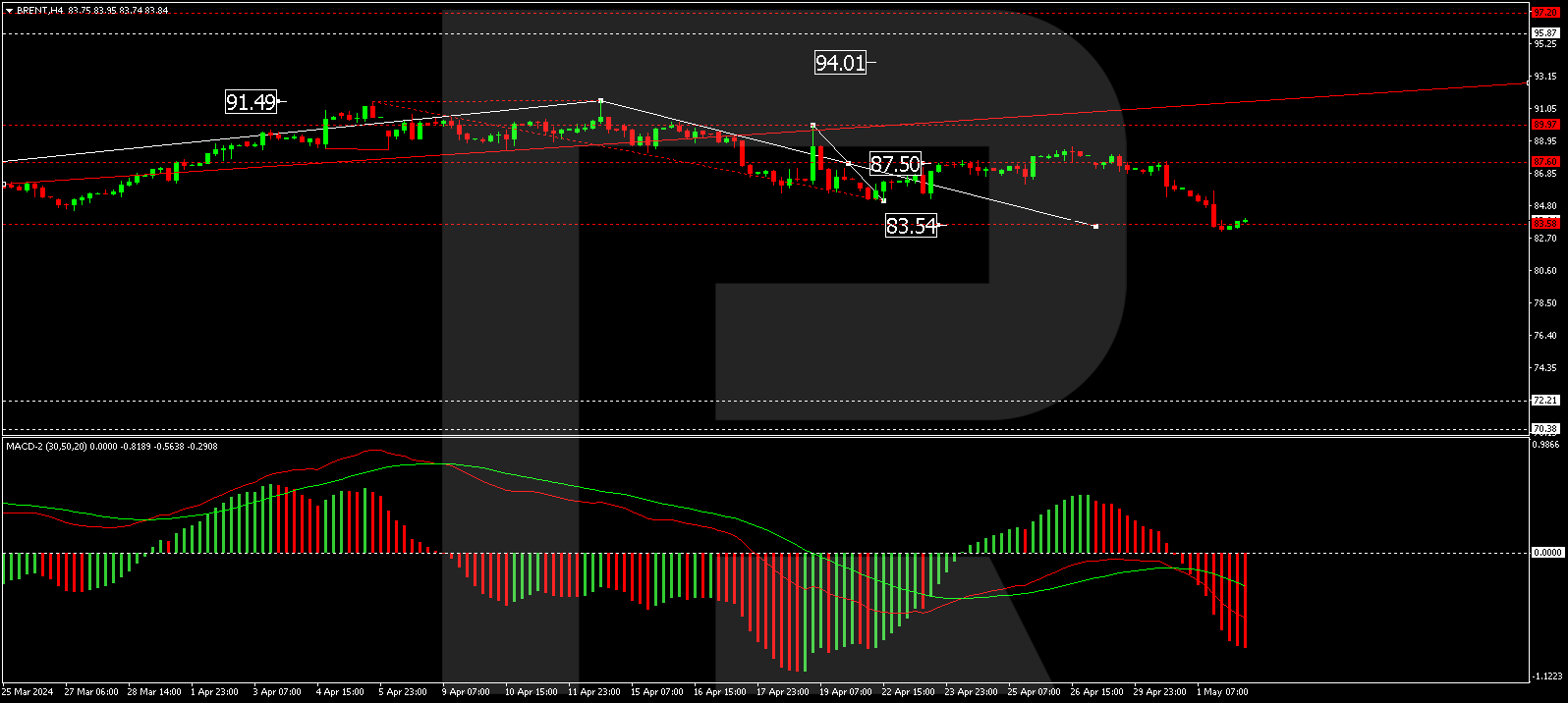
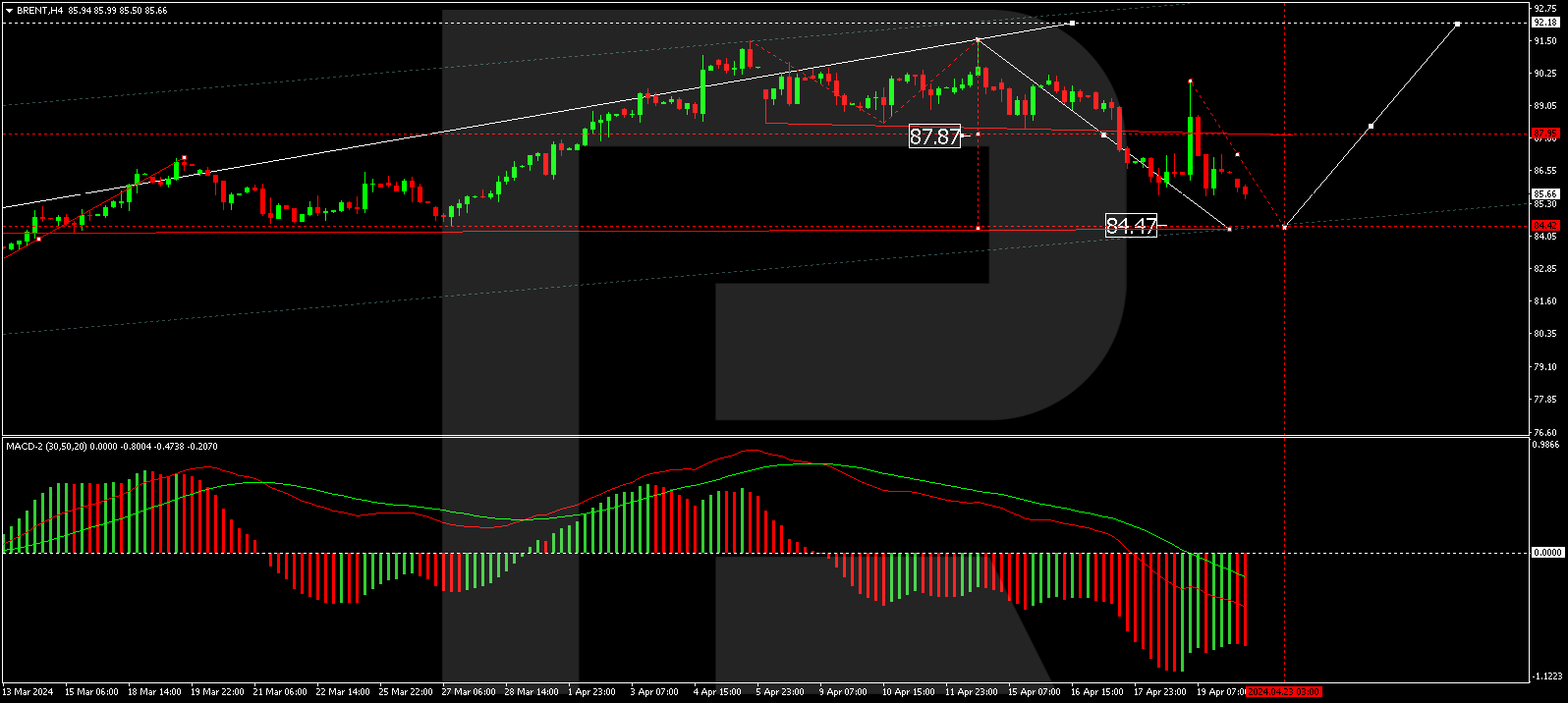
The H4 Brent chart has formed a consolidation range around 84.33, with the market breaking upward to 86.60. A decrease to 85.70 could occur today, followed by a new growth structure towards 87.87, a local target. A correction back to 84.33 might follow, then an increase to 88.48 as the first target. The MACD indicator supports this scenario, with its signal line above zero and poised to reach new highs.

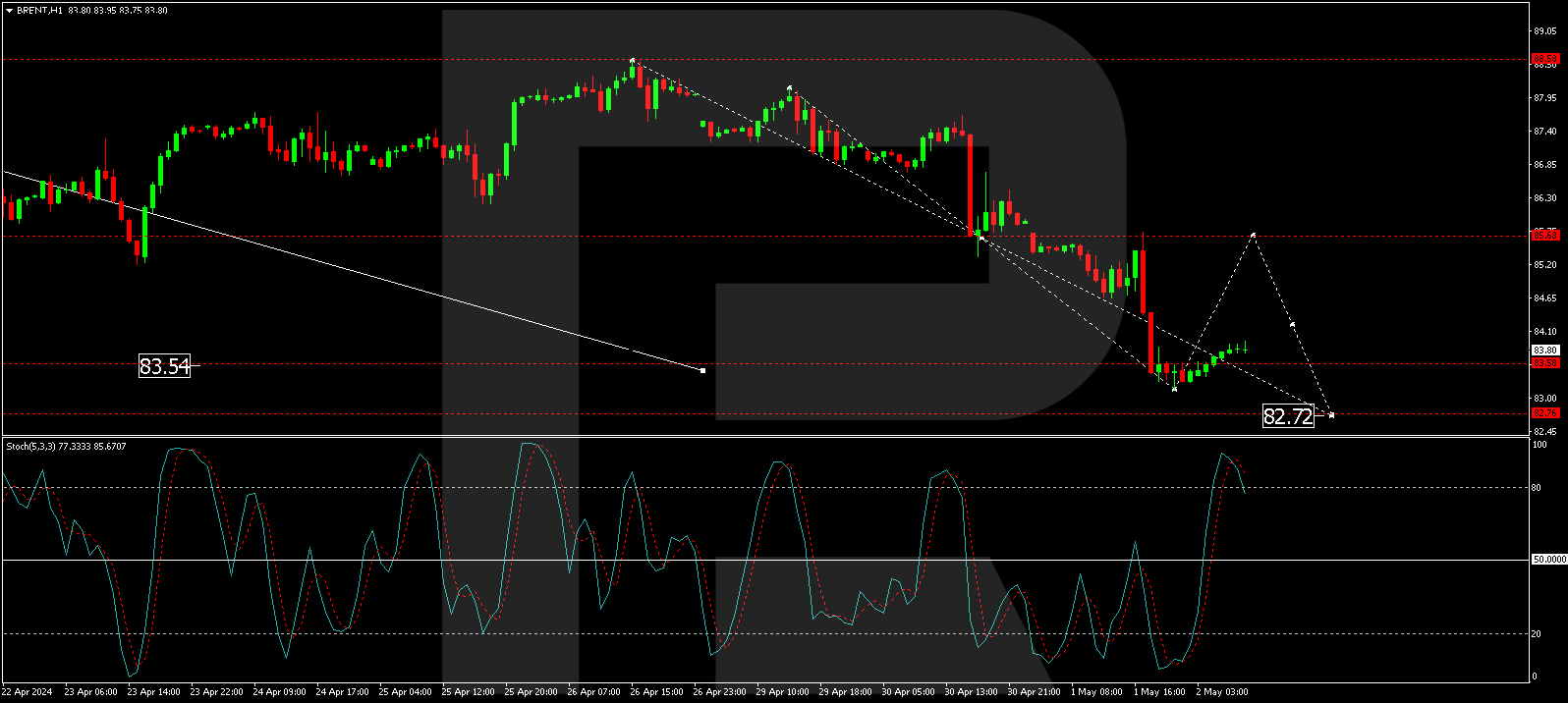
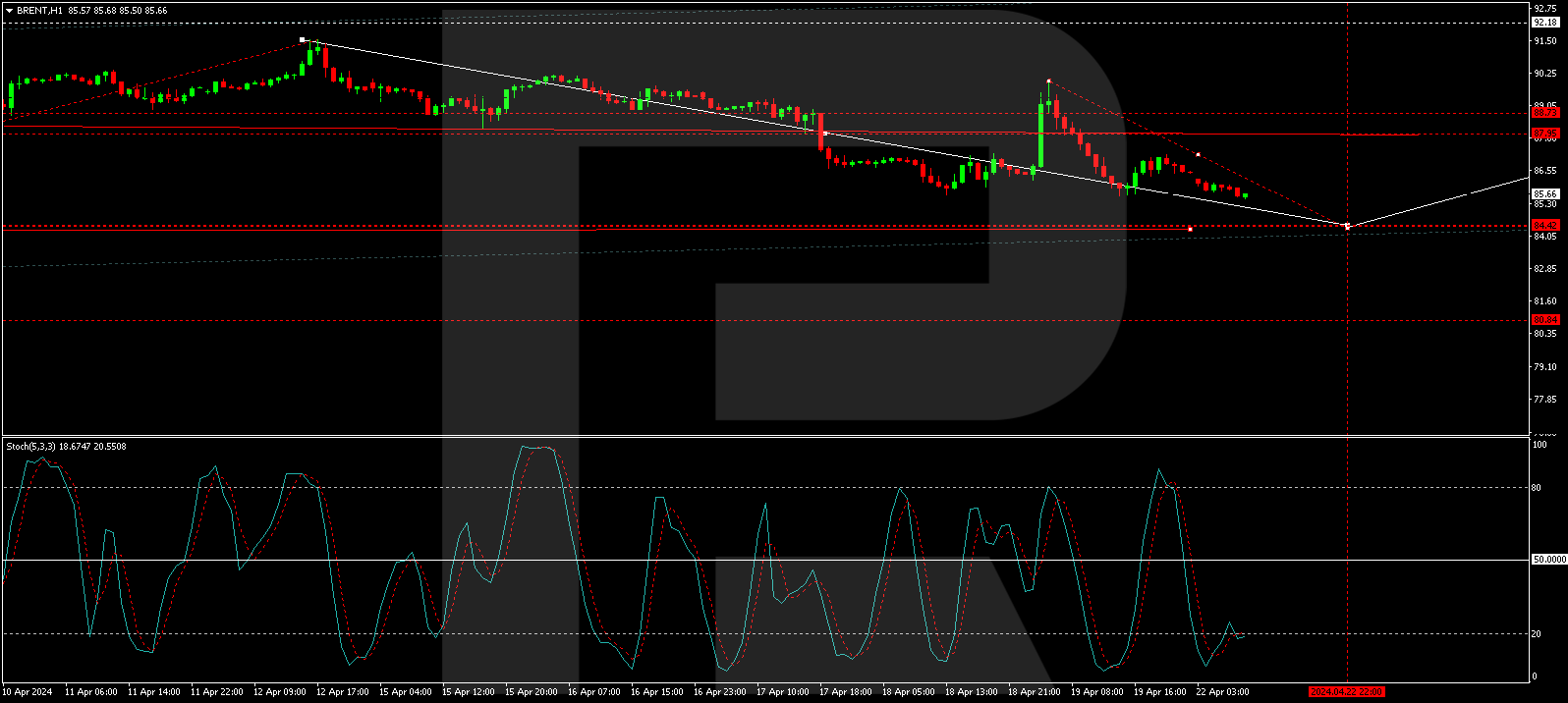
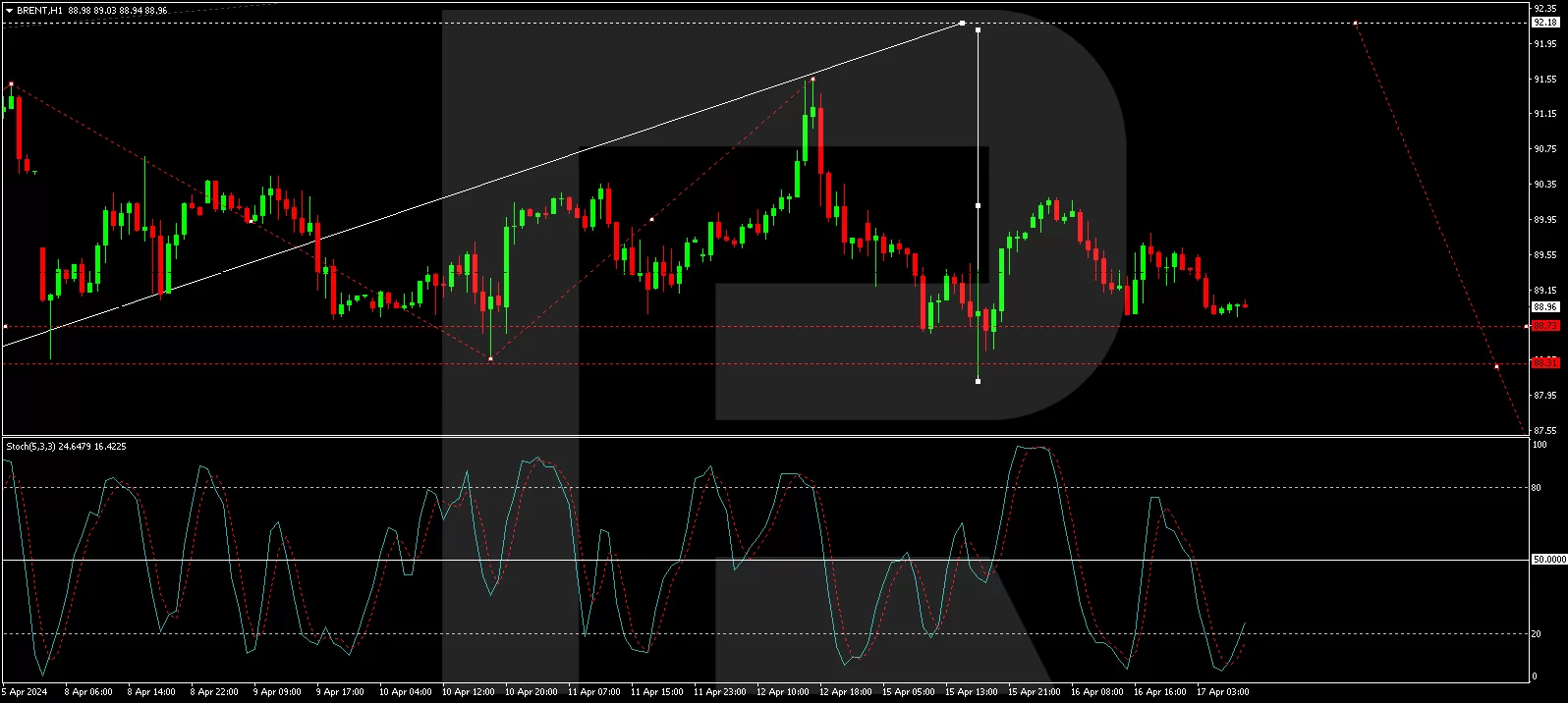
On the H1 Brent chart, a growth wave structure towards 88.00 is forming. This is a local target, following which a correction to 84.40 (testing from above) is considered, with expectations for the continuation of the growth wave to 88.50. This scenario is technically supported by the Stochastic oscillator, whose signal line is below 20, indicating the start of a rise towards 50 with the potential to continue to 80.


Disclaimer

Any forecasts contained herein are based on the author’s particular opinion. This analysis may not be treated as trading advice. RoboForex bears no responsibility for trading results based on trading recommendations and reviews contained herein.

Lithium-ion batteries don’t work well in the cold – a battery researcher explains the chemistry at low temperatures

By Wesley Chang, Drexel University 

Rechargeable batteries are great for storing energy and powering electronics from smartphones to electric vehicles. In cold environments, however, they can be more difficult to charge and may even catch on fire.

I’m a mechanical engineering professor who’s been interested in batteries since college. I now lead a battery research group at Drexel University.

In just this past decade, I have watched the price of lithium-ion batteries drop as the production market has grown much larger. Future projections predict the market could reach thousands of GWh per year by 2030, a significant increase.

But, lithium-ion batteries aren’t perfect – this rise comes with risks, such as their tendency to slow down during cold weather and even catch on fire.

Behind the Li-ion battery

The electrochemical energy storage within batteries works by storing electricity in the form of ions. Ions are atoms that have a nonzero charge because they have either too many or not enough electrons.

When you plug in your electric car or phone, the electricity provided by the outlet drives these ions from the battery’s positive electrode into its negative electrode. The electrodes are solid materials in a battery that can store ions, and all batteries have both a positive and a negative electrode.

Electrons pass through the battery as electricity. With each electron that passes to one electrode, a lithium ion also passes into the same electrode. This ensures the balance of charges in the battery. As you drive your car, the stored ions in the negative electrode move back to the positive electrode, and the resulting flow of electricity powers the motor.

A diagram showing three boxes, one labeled cathode, one labeled electrolyte, and one labeled anode. Small circles representing lithium ions move to the anode to charge and the cathode to discharge.
When a lithium-ion battery delivers energy to a device, lithium ions – atoms that carry an electrical charge – move from the negative electrode, the anode, to the positive electrode, the cathode. The ions move in reverse when recharging.
Argonne National Laboratory, CC BY-NC-SA

While AA or AAA batteries can power small electronics, they can be used only once and cannot be charged. Rechargeable Li-ion batteries can operate for thousands of cycles of full charge and discharge. For each cycle, they can also store a much higher amount of charge than an AA or AAA battery.

Since lithium is the lightest metal, it has a high specific capacity, meaning it can store a huge amount of charge per weight. This is why lithium-ion batteries are useful not just for portable electronics but for powering modes of transportation with limited weight or volume, such as electric cars.

Battery fires

However, lithium-ion batteries have risks that AA or AAA batteries don’t. For one, they’re more likely to catch on fire. For example, the number of electric bike battery fires reported in New York City has increased from 30 to nearly 300 in the past five years.

Lots of different issues can cause a battery fire. Poorly manufactured cells could contain defects, such as trace impurities or particles left behind from the manufacturing process, that increase the risk of an internal failure.

Climate can also affect battery operation. Electric vehicle sales have increased across the U.S., particularly in cold regions such as the Northeast and Midwest, where the frigid temperatures can hinder battery performance.

Batteries contain fluids called electrolytes, and cold temperatures cause fluids to flow more slowly. So, the electrolytes in batteries slow and thicken in the cold, causing the lithium ions inside to move slower. This slowdown can prevent the lithium ions from properly inserting into the electrodes. Instead, they may deposit on the electrode surface and form lithium metal.

The molecules in fluids move slower at colder temperatures – the same thing happens inside batteries.

If too much lithium deposits on the electrode’s surface during charging, it may cause an internal short circuit. This process can start a battery fire.

Making safer batteries

My research group, along with many others, is studying how to make batteries that operate more efficiently in the cold.

For example, researchers are exploring swapping out the usual battery electrolyte and replacing it with an alternative electrolyte that doesn’t thicken at cold temperatures. Another potential option is heating up the battery pack before charging so that the charging process occurs at a warmer temperature.

My group is also investigating new types of batteries beyond lithium ion. These could be battery types that are more stable at wider temperature ranges, types that don’t even use liquid electrolytes at all, or batteries that use sodium instead of lithium. Sodium-ion batteries could work well and cost less, as sodium is a very abundant resource.

Solid-state batteries use solid electrolytes that aren’t flammable, which reduces the risk of fire. But these batteries don’t work quite as well as Li-ion batteries, so it’ll take more research to tell whether these are a good option.

Lithium-ion batteries power technologies that people across the country use every day, and research in these areas aims to find solutions that will make this technology even safer for the consumer.The Conversation

About the Author:

Wesley Chang, Assistant Professor of Mechanical Engineering and Mechanics, Drexel University

This article is republished from The Conversation under a Creative Commons license. Read the original article.

Is Energy Transfer (ET) a Buy Opportunity Amidst Acquisition Momentum?

By Ino.com

As a merger frenzy sweeps across the U.S. oil industry, pipeline operators are seizing the opportunity to join the fray. Fueled by ambitions to enhance scale, optimize assets, and capitalize on lucrative export markets, they’re making their mark by jumping on the merger bandwagon.

Natural gas pipeline operator Energy Transfer LP’s (ET) recent merger and acquisition endeavors stand out as a shining example in this dynamic landscape. Commanding a market cap of approximately $49 billion, ET is a powerhouse in the energy industry, boasting one of the most extensive and diverse portfolios of assets in the U.S.

Owning and operating over 125,000 miles of pipelines and vital infrastructure, ET’s strategic footprint covers 44 states, tapping into every major U.S. production basin.

Despite its vast footprint, ET made significant moves last year, securing two major deals. It acquired Lotus Midstream for close to $1.50 billion and merged with Crestwood Equity Partners, a fellow Master Limited Partnership (MLP), in a deal worth $7.10 billion.

ET’s Co-CEO Tom Long, in the fourth-quarter conference call, conveyed the company’s steadfast belief in the rationale behind consolidation within the energy sector and indicated that the company will continue assessing potential opportunities for further consolidation.

That said, ET’s acquisition of Lotus Midstream’s Centurion Pipeline assets marks a pivotal expansion for the company, amplifying its presence in the thriving heart of the Permian Basin. This strategic move bolsters ET’s capacity for transporting and storing crude oil and elevates its connectivity across key markets.

The Centurion assets, located across some of the most active areas of the Permian Basin, boast substantial gathering volumes from prominent producers, fortifying ET’s access to crucial downstream markets characterized by consistent demand. These assets serve as direct conduits to major hubs such as Cushing, Midland, Colorado City, Wink, and Crane, unlocking a network of unparalleled opportunities for ET to thrive and flourish.

Meanwhile, last year November, ET successfully completed its merger with Crestwood Equity Partners LP, solidifying its dominant position in the midstream sector. The transaction boosts ET’s distributable cash flow per unit, bringing in substantial cash flows from long-term contracts and acreage dedications.

In its fourth-quarter earnings release, the company emphasized the transformative impact of its merger with Crestwood, projecting an impressive $80 million in annual cost synergies by 2026, with an anticipated $65 million to be realized by 2024 alone.

These synergies, however, are just the tip of the iceberg, with further benefits expected to emerge from enhanced financial and commercial alignments in the near future. Moreover, during the fourth quarter, ET’s assets surged to unprecedented heights with the addition of new growth projects and acquisitions.

Notably, Natural Gas Liquids (NGL) fractionation volumes soared by a remarkable 16%, establishing a new record for ET. Similarly, NGL transportation volumes witnessed a substantial uptick of 10%, also setting a new benchmark.

Meanwhile, NGL exports experienced an impressive surge of over 13%, reflecting the company’s expanding global reach. Additionally, both crude oil transportation and terminal volumes witnessed substantial increases, soaring by 39% and 16%, respectively.

For the fiscal year 2024, the company expects its growth capital expenditures to range from $2.40 billion to $2.60 billion and maintenance capital expenditures are expected to be between $835 million and $865 million. The forecasted adjusted EBITDA for the same period is expected to hover somewhere between $14.50 billion and $14.80 billion.

Apart from mergers and acquisition endeavors, ET is dedicated to returning its unitholders’ value through quarterly distributions. The company’s annual dividend of $1.26 translates to an 8.58% yield on the prevailing price level, while its four-year average dividend yield is 10.24%. Its dividend payouts have grown at a CAGR of 10.8% over the past three years.

With a surge of roughly 14% over the past year, analysts on Wall Street are forecasting a potential increase in the stock’s value, estimating it to reach $18.22 within the next 12 months. This suggests a potential upside of 25.4%. The price target varies, ranging from a low of $15 to a high of $22.

Bottom Line

ET emerges as a formidable player in the energy industry, driven by its aggressive growth strategy and slew of acquisitions.

The company’s major deals, including the merger with Crestwood and the acquisition of Lotus Midstream’s Centurion Pipeline assets, demonstrate its commitment to expanding its footprint and enhancing its capabilities. Additionally, ET’s strong operational performance in the fourth quarter underscores its remarkable ability to capitalize on growth projects and acquisitions.

Moreover, the company’s attractive dividend yield, the potential for further acquisitions this year, analyst’s bullish forecasts for ET’s stock value, and its robust growth prospects all point toward promising opportunities for investors.

With these factors in mind, investors could closely monitor ET’s shares for potential gains in the future.

By Ino.com – See our Trader Blog, INO TV Free & Market Analysis Alerts

Source: Is Energy Transfer (ET) a Buy Opportunity Amidst Acquisition Momentum?

Zero-Emission Hydrogen Vehicle Starts Trials in Wales

Source: Streetwise Reports  (2/8/24)

First Hydrogen Corp. announced it has started month-long trials of its hydrogen fuel-cell-powered light commercial vehicle (FCEV) with a utility company in Wales.

First Hydrogen Corp. (FHYD:TSX; FHYDF:OTC; FIT:FSE) announced it has started month-long trials of its hydrogen fuel-cell-powered light commercial vehicle (FCEV) with a utility company in Wales.

Wales & West Utilities (WWU) operates 24 hours a day year-round to deliver gas network services serving more than 7.5 million customers across Wales and Southwest England. The company is particularly interested in hydrogen power and has put forward a proposal for a hydrogen pipeline.

The trials are taking place during winter, WWU’s busiest period for callouts, First Hydrogen noted.

“Typically, cold temperatures can reduce the range for battery electric vehicles (BEVs), affecting fleet operators’ reliability,” First Hydrogen said in a release. “The trials could also generate data to indicate the FCEV’s advantage over BEVs in lower temperatures depending on the weather over the next month.”

First Hydrogen plans to demonstrate that its FCEVs have a greater range, towing power, and refueling capability than those conventional electric vehicles.

“Our FCEV has clear benefits for utility businesses such as WWU, and we’re keen to generate performance data during the trial that will further demonstrate how our vehicles can help decarbonize similar fleets while meeting everyday operational demands,” said First Hydrogen Executive Director Steve Gill. “This trial also pilots a hydrogen-as-a-service model to show operators how practically we can support the transition to FCEV fleets.”

Fuel Cell Emits Water Vapor, Warm Air

The most abundant molecule in the universe, hydrogen has the “potential for near-zero greenhouse gas emissions,” the U.S. Department of Energy has said.

“Hydrogen generates electrical power in a fuel cell, emitting only water vapor and warm air,” the agency wrote. “It holds promise for growth in both the stationary and transportation energy sectors.”

The world will need more hydrogen technology and projects to meet a net-zero emission scenario by 2050, according to the International Energy Agency.

Technical Analyst Clive Maund has rated First Hydrogen as a “Buy.”

“Faster action is required on creating demand for low-emission hydrogen and unlocking investment that can accelerate production scale-up and deployment of infrastructure,” the agency wrote.

It’s also a “uniquely versatile energy carrier,” according to a report by the Hydrogen Council. “It can be produced using different energy inputs and different production technologies. It can also be converted to different forms and distributed through different routes — from compressed gas hydrogen in pipelines through liquid hydrogen on ships, trains or trucks, to synthesized fuel routes.”

Global Market Insights estimates that the market size for hydrogen vehicles will grow by 28% annually from approximately US$2.8 billion in 2022 to US$33.2 billion in 2032. The report identified government initiatives to transition away from fossil fuels, as well as the general public’s desire for green transportation, as major drivers of the market.

Solution ‘Will Meet Our Fleet’s Future Needs’

WWU’s trials of the FCEV started with training for the drivers on the operation of the vehicle. Drivers performed maneuvers and even completed a callout to a customer’s residence.

“The drivers also practiced refueling the vehicle with green hydrogen, supplied by Protium Green Solutions, at Hyppo Hydrogen Solutions’ refueling unit,” First Hydrogen noted. “Both organizations have helped to develop a hydrogen ecosystem to support First Hydrogen’s trial with WWU.”

Newsletter writer Ron Struthers said there was support for hydrogen technology from governments across North America and Europe, which can be a major catalyst for the company.

Current light commercial electric vehicles on the market don’t offer full solutions for WWU and smaller businesses, WWU noted.

“Current battery electric vehicles do not provide the range, fast recharging time, payload capacity, and towing ability we require,” said WWU transport manager Stephen Offley. “They are also unsuitable for the installation of on-board power to power tools and equipment on site, which is critical for the operation of our network. Lack of suitable recharging infrastructure also poses a challenge. We see hydrogen-powered vehicles, such as First Hydrogen’s FCEV, as the potential zero-emission solution that will meet our fleet’s future needs.”

Hyppo Hydrogen Solutions Chief Executive Officer Chris Foxall said the trial is “demonstrating the readiness level of the hydrogen technology available today, but also how we’re leveraging so many companies to deliver a bespoke solution which can be scaled and repeated.”

Support From Governments Could Be Major Catalyst

Technical Analyst Clive Maund has rated First Hydrogen as a “Buy.”

“There has been some determined heavy buying in recent days, and with the 50-day moving average turning higher, it looks like it is starting to break out of the latest bull Flag shown into another upleg,” Maund wrote last July. He also commented that a short drop has made the company’s stock more accessible to new investors on the American market.

Newsletter writer Ron Struthers said there was support for hydrogen technology from governments across North America and Europe, which can be a major catalyst for the company.

“First Hydrogen is at the very beginning of its growth cycle,” Struthers said. “It will have revenues from selling FCEVs that have now reached acceptance, and I expect it will soon see major purchase orders.”

Retail: 92.52%
Management and Insiders: 7.47%
Institutions: 0.01%
92.5%
7.5%
*Share Structure as of 2/8/2024


The company’s investor presentation reports a number of catalysts, including the rollout of its first generation of vehicles expected in 2026 and its next generation of large vehicles expected in 2028.

Ownership and Share Structure

Refinitiv provided a breakdown of the company’s ownership and share structure, where management and insiders own approximately 7.47% of the company. According to Refinitiv, Head of Strategy Nicholas Wrigley owns 6.04% of the company with 3 million shares and Chairman and Chief Executive Officer Balraj S. Mann owns 1.43% of the company with 0.71 million shares.

Refinitiv reports one institutional investor, Fuchs & Associés Finance, with 0.01% with 0.01 million shares.

There are 70.92 million shares outstanding with 67.11 million free float traded shares. The company has a market cap of CA$113.5million and trades in a 52-week range of CA$1.40 and CA$4.20.


Important Disclosures:

  1. First Hydrogen Corp. has a consulting relationship with an affiliate of Streetwise Reports, and pays a monthly consulting fee between US$8,000 and US$20,000.
  2. As of the date of this article, officers and/or employees of Streetwise Reports LLC (including members of their household) own securities of First Hydrogen Corp.
  3. Steve Sobek wrote this article for Streetwise Reports LLC and provides services to Streetwise Reports as an employee.
  4.  This article does not constitute investment advice and is not a solicitation for any investment. Streetwise Reports does not render general or specific investment advice and the information on Streetwise Reports should not be considered a recommendation to buy or sell any security. Each reader is encouraged to consult with his or her personal financial adviser and perform their own comprehensive investment research. By opening this page, each reader accepts and agrees to Streetwise Reports’ terms of use and full legal disclaimer. Streetwise Reports does not endorse or recommend the business, products, services or securities of any company.

For additional disclosures, please click here.

Brent Crude Prices Edge Higher Amid Middle East Tensions

By RoboForex Analytical Department

Brent crude oil prices are currently hovering around $82.00 per barrel this Monday, with market sentiment influenced by recent developments in the Middle East. Although concerns over disruptions to energy supplies from the region have somewhat subsided, the possibility of supply disturbances continues to support oil prices.

The rejection of a ceasefire offer by Israel from Hamas last week led to a near 6% increase in oil prices, as the market remains sensitive to geopolitical tensions that could impact oil supply.

It’s anticipated that trading activity in the oil market may be subdued this week due to holidays in much of the Asia-Pacific region, including China, Hong Kong, South Korea, Taiwan, and Japan.

Brent Technical Analysis

The H4 chart analysis for Brent indicates the formation of a new growth wave, with a recent structure completion at $82.12. The market is now forming a consolidation range below this level, and a correction down to $79.10 is not out of the question. Following this correction, a new upward trajectory towards $84.20 is expected, potentially extending to $86.68. The MACD indicator supports this view, with the signal line at the highs and anticipated to cycle back towards zero.

On the H1 Brent chart, a consolidation phase is observed under $82.12. A downward escape could lead to a correction towards $79.10, followed by an expected growth wave to $82.20. An upward breakout could set the stage for a movement towards $84.20. The Stochastic Oscillator, with its signal line above 50 and targeting 80, corroborates this growth potential.

Disclaimer

Any forecasts contained herein are based on the author’s particular opinion. This analysis may not be treated as trading advice. RoboForex bears no responsibility for trading results based on trading recommendations and reviews contained herein.

How are Oil Prices Impact by Wars, and What Can We Expect in 2024

War can impact oil prices significantly, especially if one of the oil production companies is participating in such a war. Production and refining are critical elements of an oil infrastructure; those assets could be destroyed or slowed due to war activity. War can halt supply routes. For example, in the current Middle East war, Huti rebels are attacking merchant ships that are carrying oil, which has forced companies to take a different route away from the Suez Canal and around the tip of South Africa. Oil prices can increase or decrease during geopolitical unrest if there is concern that a war will reduce energy demand.

Supply Disruptions

Wars can disrupt oil production and supply, particularly in major oil-producing regions or countries, and impact crude oil investing. Infrastructure, refineries, pipelines, and other oil facilities may become targets or collateral damage, leading to supply disruptions. This reduced supply can put upward pressure on oil prices.

A supply disruption refers to an event or circumstance that interrupts or hinders the normal flow of goods or services from the suppliers to the consumers. It occurs when a sudden and unforeseen interruption occurs in a particular product or resource’s production, distribution, or availability.

Political conflicts, wars, sanctions, or trade disputes can disrupt the supply of commodities by affecting the production, transportation, or export/import channels.

Natural disasters such as hurricanes, earthquakes, floods, or wildfires can damage infrastructure, disrupt production facilities, or impact transportation networks, leading to supply disruptions.Technical failures, accidents, or operational issues in production facilities, refineries, pipelines, or other supply chain components can interrupt the normal supply flow.

Labor disputes, strikes, or protests by workers in the industry can disrupt operations, leading to reduced production and constrained supply. Regulation changes, compliance requirements, or government policies can impact the supply chain and production, causing disruptions.

When a supply disruption occurs, it often decreases the availability of the affected product or resource. Subsequently, it can result in price increases or price volatility. The severity and duration of the disruption can vary, ranging from temporary disruptions resolved quickly to prolonged and significant disruptions that have broader implications on markets and economies.

Geopolitical Risk

Wars or conflicts can create geopolitical unrest and uncertainty, contributing to volatility in oil markets. Investors and market participants may anticipate potential supply disruptions or geopolitical risks, leading to speculative buying or selling of oil futures and affecting prices.

Volatility in the oil markets refers to the degree of price fluctuation or variation in oil prices over a certain period. It measures the extent to which the price of oil, or oil-related financial instruments, changes within a specific timeframe. High volatility suggests that oil prices are experiencing significant and rapid changes in value, while low volatility indicates relatively stable and predictable price movements. Various factors, such as supply and demand dynamics, geopolitical events, economic indicators, and market sentiment, can contribute to volatility in the oil markets.

Alter Sentiment

Wars create a sense of heightened risk and uncertainty among market participants. This situation can impact investor sentiment, leading to changes in oil prices. In times of conflict, investors may opt for safe-haven assets or reduce their exposure to potential risk, which can affect the demand and price of oil.

Market sentiment refers to the overall attitude or feeling of investors or traders towards a particular financial market or asset. It represents the collective psychology and emotions influencing market participants’ decision-making processes. Market sentiment can be categorized as bullish (optimistic), bearish (pessimistic), or neutral (lacking a clear bias).

Various factors influence market sentiment, including economic indicators, geopolitical events, news releases, corporate earnings announcements, and investor behavior. Positive market sentiment often leads to increased buying activity, rising prices, and an optimistic outlook. Conversely, negative market sentiment can result in selling pressure, declining prices, and a pessimistic outlook.

Sentiment plays a crucial role in the oil markets as it influences the behavior and decisions of market participants, including traders, investors, producers, and consumers. Positive sentiment can drive increased demand for oil and result in higher prices. For example, optimism about global economic growth could lead to expectations of increased oil consumption, pushing oil prices upward.

Measuring market sentiment is subjective and relies on various tools and indicators. Traders and analysts use surveys, sentiment indices, options market analysis, social media sentiment analysis, and technical analysis to gauge market sentiment. Considering market sentiment can help traders and investors assess the broader market environment and make informed decisions about buying or selling assets.

Demand Destruction

Wars can lead to economic disruptions, such as reduced trade, decreased consumer spending, and business contraction. This scenario has the potential to reduce oil demand, impacting prices. Additionally, wars can result in population displacement, economic instability, and infrastructure destruction, further contributing to lower oil demand.

Demand destruction in the oil industry can significantly affect oil prices, as a decrease in demand can lead to oversupply and downward pressure on prices. Oil producers and market participants closely monitor factors influencing demand to assess potential demand destruction and adjust their production levels and strategies accordingly.

Shifts in consumer preferences, lifestyle changes, or technological advancements can result in declining demand for specific products. For example, a growing focus on renewable energy and electric vehicles may reduce the demand for fossil fuels.

Significant price hikes can deter consumers from purchasing or using a particular product in large quantities. This decline in demand due to higher prices can be considered demand destruction. The availability of substitutes or alternative products can significantly impact demand. If consumers find cheaper or more efficient options, the demand for a specific product may decrease, leading to demand destruction.

How Does War Impact Oil Refining

Refining needs drive oil demand. Oil refining is a complex and capital-intensive industry, with refineries investing in advanced technologies and equipment to improve efficiency, product quality, and environmental performance. Refineries play a critical role in meeting society’s energy needs by converting crude oil into a wide range of valuable petroleum products that drive transportation, heating, and industrial processes.

Crude oil is heated in a distillation column. After treatment, the different refined products are blended in specific proportions to meet desired specifications and optimize performance. Blending can involve the addition of additives and chemicals to enhance product properties and meet regulatory standards.

The refined products are then transported and distributed via pipelines, tankers, trucks, or rail to various markets and end-users, such as gas stations, airports, industries, and residential consumers.

A war in a region that is a significant producer or exporter of crude oil can lead to disruptions in oil supply to refineries. This can result in decreased feedstock for refining operations, potentially leading to reduced production or even temporary shutdowns of refineries.

In the event of military conflict, refining infrastructure, such as refineries, pipelines, storage facilities, and transportation infrastructure, may become targets or collateral damage. Attacks on critical infrastructure can severely disrupt refining operations, leading to reduced capacity or complete shutdowns.

Refineries in or near conflict zones may face security risks, making it difficult to operate at full capacity. Concerns about personnel safety, potential attacks, or damage to infrastructure can hamper refining operations.

Spillover Effect

Even if a war does not directly involve major oil-producing regions, geopolitical tensions can spill over and impact neighboring countries or regions. Any perceived threat to oil supplies or transportation routes can affect market sentiment and oil prices.

What Might Happen in 2024

Wars are occurring on two fronts. Russia and Ukraine continue to fight, and there does not seem to be an end in sight. The Middle East war is creating supply chain disruptions in the Red Sea and the Suez Canal, creating an uptick in shipping costs. The Energy Information Administration believes global crude oil production will decelerate in 2024, rising by 0.6 million barrels daily, down from 1.7 million barrels a day of growth in 2023. The focus is mainly on OPEC+ and their need to cut production to increase prices.

The Bottom Line

The upshot is that wars can significantly affect oil prices due to the potential disruptions they can cause in the global oil supply chain. Wars in major oil-producing regions can disrupt the production and distribution of crude oil. Conflict-related damage to infrastructure, attacks on oil fields or installations, or blockades of shipping routes can lead to a decrease in oil supply. Reduced supply relative to demand can drive up oil prices.

Armed conflicts can create geopolitical tensions that affect oil markets. The uncertainty and risk associated with wars or the threat of escalation can lead to market speculation and increased price volatility. Expecting potential supply disruptions can drive up prices even before actual disruptions occur.Wars can have broader economic consequences, such as slowing global growth, increased inflation, or trade disruptions. These factors can impact oil demand, which, in turn, affects oil prices. Economic downturns resulting from wars can lead to decreased oil demand and downward price pressure.

By Taylor Wilman

Crude bulls lean on 71.99 weekly support

By ForexTime 

  • Crude oil bullish on W1 timeframe
  • Strong support level found at 71.99
  • Stochastic Oscillator bullish
  • 4 potential targets on H4 timeframe
  • Bullish scenario invalidated below 71.39

Crude oil prices dropped like a rock last week as a correction wave in the current uptrend played out on the weekly charts.

Prices have found bullish backing on a strong weekly support level at 71.99 with demand potentially picking up from there.

On the daily chart, we can see the fractal nature of the market in action and the weekly correction wave shows a down trend on the daily chart. Here a new correction wave is in progress in the current down trend. Conservative traders might wait for a daily market structure to change before looking for opportunities, while more aggressive traders might consider a long opportunity off the weekly support level. This can be explored further on the 4-hour chart.

On the 4-hour chart, a magnificent downtrend can be seen, stretching from the weekly resistance level at 76.88, all the way down to the weekly support level at 71.99. The bears made a last lower bottom and currently, the bulls are keeping the price above the weekly support level, with a possible early stage of a new uptrend on the books.

The price broke the downtrend and the shorter price cycle Stochastics Oscillator confirms the bullish momentum, but the longer price cycle Moving Average Convergence Divergence (MACD) Oscillator warns that there might still be a re-test of the weekly support level.

If the price reaches the 73.34 level, a long opportunity becomes possible.

Attaching a modified Fibonacci tool to the trigger level at 73.34 and dragging it to the last lower bottom at 71.39, four conservative targets can be determined:

Target 1: 74.12

Target 2: 74.51

Target 3: 75.29

Target 4: 76.27

If the price breaks past the 71.39 level, this opportunity is no longer likely, and a short opportunity might become possible from a 4-hour market structure point of view. 


Forex-Time-LogoArticle by ForexTime

ForexTime Ltd (FXTM) is an award winning international online forex broker regulated by CySEC 185/12 www.forextime.com

Brent Crude Oil Prices Inch Upwards Amid Demand Speculations

By RoboForex Analytical Department

Brent crude oil prices are witnessing a moderate rise as the week begins, with the cost per barrel currently near $78.40. This upward trend is primarily influenced by the evolving outlook on energy demand. Recent macroeconomic data have cast some doubts on future demand, somewhat offsetting factors previously buoying prices, such as tensions in the Middle East.

Currently, Brent crude seems poised for a phase of consolidation within a specific price range. Despite some existing downward pressures, the ongoing geopolitical tensions in the Red Sea and the Gulf of Aden are maintaining a significant risk premium in crude oil prices. Market dynamics are also reflected in the backwardation between the current Brent price and its six-month futures, suggesting an anticipation of potential future oil supply limitations.

Brent Crude Oil Technical Analysis

The H4 chart for Brent indicates a recent rise to $79.74, followed by a correction to $78.06. It’s likely that a tight consolidation range will form above this level today. A break above this range could signal a growth trajectory towards $80.00, and potentially higher to $81.84 as a local target. The MACD indicator, with its signal line positioned above zero, supports the likelihood of continued growth.

On the H1 chart, a correction phase appears to have concluded. The price may start ascending towards $79.79. Following this, a new consolidation phase around this level is anticipated. An upward breakout from this range could propel the price further to $81.84. This outlook is reinforced by the Stochastic oscillator, indicating a signal line trajectory from above 20, aiming towards 80.

Disclaimer

Any forecasts contained herein are based on the author’s particular opinion. This analysis may not be treated as trading advice. RoboForex bears no responsibility for trading results based on trading recommendations and reviews contained herein.

Solar Energy Company Expands Network Overseas

Source: Streetwise Reports  (1/16/24) 

Three Sixty Solar Ltd. has signed an MOU with a variety of partners in the U.S., the Middle East, and Turkey. Read on to see why analysts rated this company’s stock as a Buy. 

Three Sixty Solar Ltd. (VSOL:NEO; VSOLF:OTC) announced in a press release on January 10, 2024, that the company had signed a memorandum of understanding (MOU) with Infraforward Strategies, Tareeq Al-Ahmadi Company, Fibercom Company, and Zamil Group Trade and Services Company for vertical solar tower systems.

Together, the companies that Three Sixty Solar signed with represent the installation of solar towers in the United States, Iraq, Turkey, and the Kingdom of Saudi Arabia. Infraforward’s focus is on digital infrastructure and green energy, while Tareeq Al-Ahmadi and Fibercom focus on construction, and Zamil Group is primarily a trading company with partnerships overseas.

Technical Analyst Clive Maund published an updated review of Three Sixty Solar, where he reaffirmed his positive view of the company and rated it as “an Immediate Strong Buy.”

The co-founder of Infraforward Strategies, Ahmed Alomary, commented, “We are excited to have signed this MOU with Three Sixty Solar and our partners in the Middle East and Turkey. Since meeting Three Sixty Solar early in 2023, we have held the belief that their technology can be well applied in the renewable energy and telecom projects that we have been working on overseas.”

Alomary continued, “With the addition of our partners in Iraq and Saudi Arabia, we believe that we can achieve deployment of the technology quickly and, with our partners in Turkey, we believe we can make the costs competitive.”

6.9% Expected Annual Growth

According to Grand View Research, the market for solar energy is expected to grow by 15.7% by 2030 and is estimated to be worth US$160.3 billion in 2021. Grand View identified government initiatives prioritizing green energy as major drivers for solar energy, as well as the research race on the part of both private companies and government entities for more efficient energy production.

Fortune Business Insights predicted that the market will be worth US$373.84 billion in 2029 and grow by 6.9% each year. Fortune identified the development of photovoltaic technology as a major focus of the market and reported that the majority of solar panel manufacturing, at about 70%, is focused in China, representing a shortage of supply for solar panels manufactured elsewhere.

An Immediate Strong Buy

On July 24, 2023, Technical Analyst Clive Maund published an updated review of Three Sixty Solar, where he reaffirmed his positive view of the company and rated it as “an Immediate Strong Buy.”

Maund commented on the company’s stock patterns, “The shorter-term 6-month chart shows recent action in more detail, and the most important point to observe is the really big volume on the rally so far this month and how it drove the Accumulation line up to clear new highs which certainly looks bullish.”

In March of 2023, Maund had also reviewed the company as “a Very Strong Buy” and stated that he believed that the company was a great long-term investment opportunity, especially given its bullish stock patterns.

Streetwise Ownership Overview*

Three Sixty Solar (VSOL:NEO;VSOLF:OTC)

Retail: 79.92%
Institutions: 17.12%
Management and Insiders: 2.96%
79.9%
17.1%
*Share Structure as of 1/11/2024


The company has a number of reports, according to the company’s investor presentation, including its 5-year goal to establish 500 MW of solar towers internationally and to develop 25 solar farms in North America and Europe by 2027.

Ownership and Share Structure

Reuters provided a breakdown of the company’s ownership and share structure, where management and insiders own approximately 2.96% of the company. According to Reuters, CEO Brian P. Roth owns 2.79% of the company with 1.25 million shares, and Director Scott McLeod owns 0.17% of the company with 0.08 million shares.

Reuters reports that institutional investors own approximately 17.12% of the company, as 0996996 BC Ltd. owns 17.06% of the company with 7.64 million shares, and Carret Asset Management, L.L.C. owns 0.06% of the company with 0.03 million shares.

According to Reuters, there are 44.78 million shares outstanding with 35.82 million free float traded shares, while the company has a market cap of CA$5.02 million and trades in the 52-week period between CA$0.14 and CA$0.91.

Important Disclosures:

  1. Three Sixty Solar Ltd. has a consulting relationship with an affiliate of Streetwise Reports, and pays a monthly consulting fee between US$8,000 and US$20,000.
  2. As of the date of this article, officers and/or employees of Streetwise Reports LLC (including members of their household) own securities of Three Sixty Solar Ltd.
  3. Amanda Duvall wrote this article for Streetwise Reports LLC and provides services to Streetwise Reports as an employee.
  4. The article does not constitute investment advice. Each reader is encouraged to consult with his or her individual financial professional. By opening this page, each reader accepts and agrees to Streetwise Reports’ terms of use and full legal disclaimer. This article is not a solicitation for investment. Streetwise Reports does not render general or specific investment advice and the information on Streetwise Reports should not be considered a recommendation to buy or sell any security. Streetwise Reports does not endorse or recommend the business, products, services or securities of any company mentioned on Streetwise Reports.

For additional disclosures, please click here.