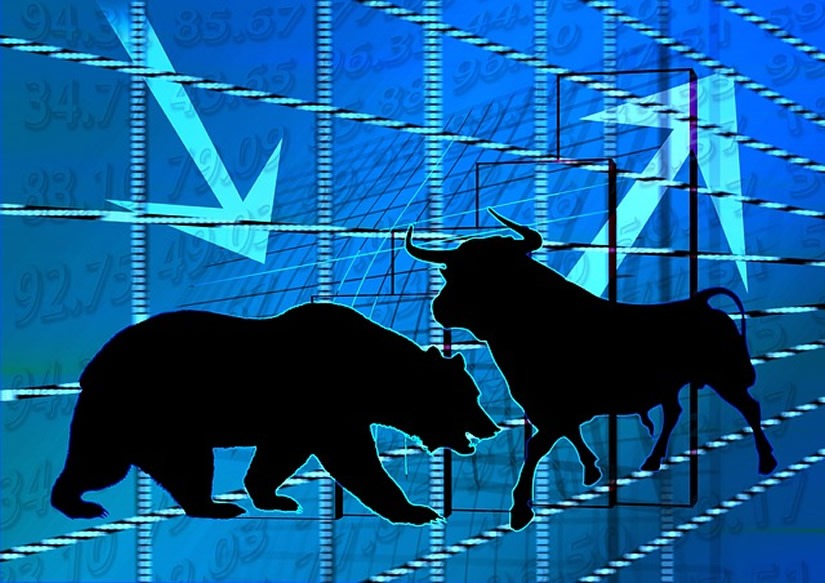
In recent weeks we have seen TSLA and NVDA make parabolic moves and are crashing to the upside. With the incredible market run we have had since 2008, many, including me, did not see this coming. The big question looms here: What is fueling these markets higher now after such a significant bull run?
The answer is that we are being squeezed up. As an options trader, I pay close attention to the options markets and how they affect the broader markets. Every time an options contract is bought, there is a series of events that occur. So let’s go through that real quick.
Options Contract Process
If we bought one at the money call of, let’s say TSLA, we procure that from a market maker. That market maker is not in the business of taking a massive risk, so they will buy 100 shares of TSLA and profit on the difference in the price of the options to the stock. So when we see TSLA or NVDA stock price making a 5-6 sigma move and wonder who is buying the top, indirectly it is retail traders who are buying call options in TSLA and NVDA. We have so many new traders in the markets who are jumping in and buying a TSLA call because it always goes up!
Sign up for my free trading newsletter so you don’t miss the next opportunity!
Think about this; we have had one of the most significant pandemics ever with substantial economic impacts, people not working, less economic activity, and yet the markets are continually reaching all-time highs. So what do we do here? Do we do the traditional buy-and-hold strategy buying at record highs? Do we start shorting the markets because they are at all-time highs and watch them continue to defy logic and continue their ascent as we lose?
Free Reports:
 Sign Up for Our Stock Market Newsletter – Get updated on News, Charts & Rankings of Public Companies when you join our Stocks Newsletter
 Get our Weekly Commitment of Traders Reports - See where the biggest traders (Hedge Funds and Commercial Hedgers) are positioned in the futures markets on a weekly basis.
The answer to all this is we trade the markets – like TSLA and NVDA. We trade by getting in and getting out and limiting our market exposure until this corrects. We can get the same return as the traditional buy and hold with WAY less risk by trading, and we can do that using options and option strategies.
TSLA & NVDA – Learn Before You Earn
Every day on Options Trading Signals, we do defined risk trades that protect us from black swan events 24/7. Many may think that is what stop losses are for. Well, remember the markets are only open about 1/3 of the hours in a day. Therefore, a stop loss only protects you for 1/3 of each day. Stocks can gap up or down. With options, you are always protected because we do defined risk in a spread. We cover with multiple legs, which are always on once you own.
If you are new to trading or have been trading stock but are interested in options, you can find more information at The Technical Traders – Options Trading Signals Service. The head option’s trading specialist Neil Szczepanski, who has been trading options for almost 20 years, sends out real live trade alerts on actual trades, such as TSLA and NVDA, with real money. Come check it out here: TheTechnicalTraders.com.
Enjoy your day!
Chris Vermeulen
Founder & Chief Market Strategist
TheTechnicalTraders.com

- The Central Bank of Mexico kept its interest rate unchanged. Iran plans to introduce strict bans for US and Israeli vessels in the Strait of Hormuz Aug 7, 2026
- USD/JPY Holds Firm: Yen Loses Some Support Aug 7, 2026
- Australian trade balance returned to positive territory Aug 6, 2026
- Results in Line for Most Reporting Companies Aug 5, 2026
- Stock indices continue to break records. Oil is falling amid intensified diplomatic dialogue between the US and Iran Aug 5, 2026
- USD/JPY Holds Steady After Intervention: Outlook Remains Uncertain Aug 5, 2026
- EUR/USD: Busy Week Ahead Aug 3, 2026
- Positive sentiment in the AI sector supported stock indices. Oil prices remain volatile Aug 3, 2026
- The Tech‑heavy NASDAQ Index jumped by more than 3.3%. The offshore yuan is trading at its highest level since 2023 Jul 31, 2026
- USD/JPY After Volatility: Multiple Events in One Day Jul 31, 2026
